
Michelin Selected
Grace Cafayate sits on Ruta Nacional 40 at the edge of Argentina's Calchaquí Valleys wine corridor, earning Michelin Selected recognition in 2025. The property trades on the high-altitude drama of its surroundings: vineyards, ochre rock formations, and dry Andean air that make the Cafayate valley one of the Southern Hemisphere's most distinctive wine-producing zones. For travellers routing through northwestern Argentina, it functions as the area's primary design-led base.

Pearl is the En Primeur Club membership app — saves, bookings, and concierge access live there. Same editors, same standards.
- Address
- Ruta Nacional 40 Km 4340, 4427 Cafayate, Salta, Argentina
- Phone
- +54 3868 42-7000
- Website
- graceargentina.com.ar
- Directions
- Get directions
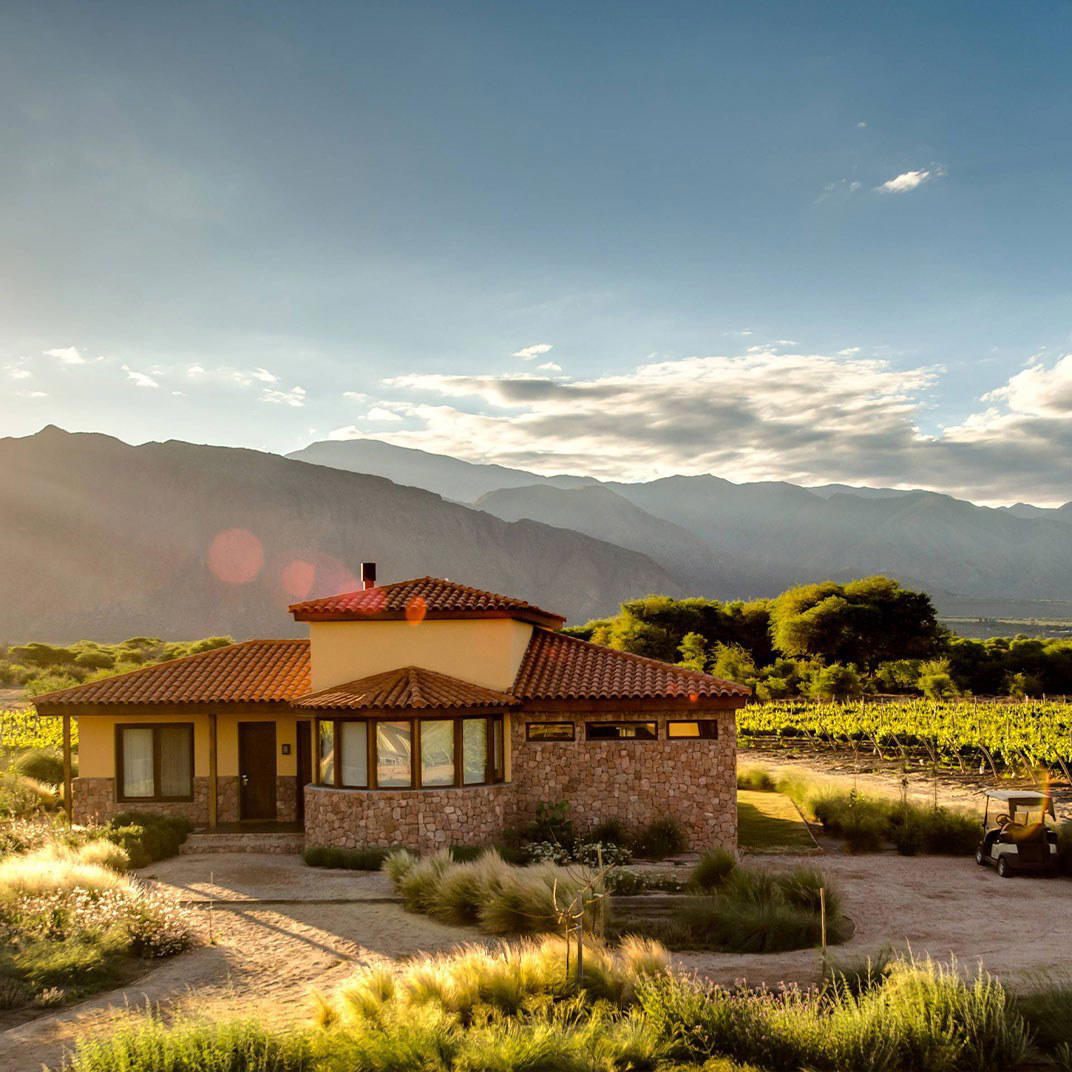
Where the Calchaquí Valleys Begin to Make Sense
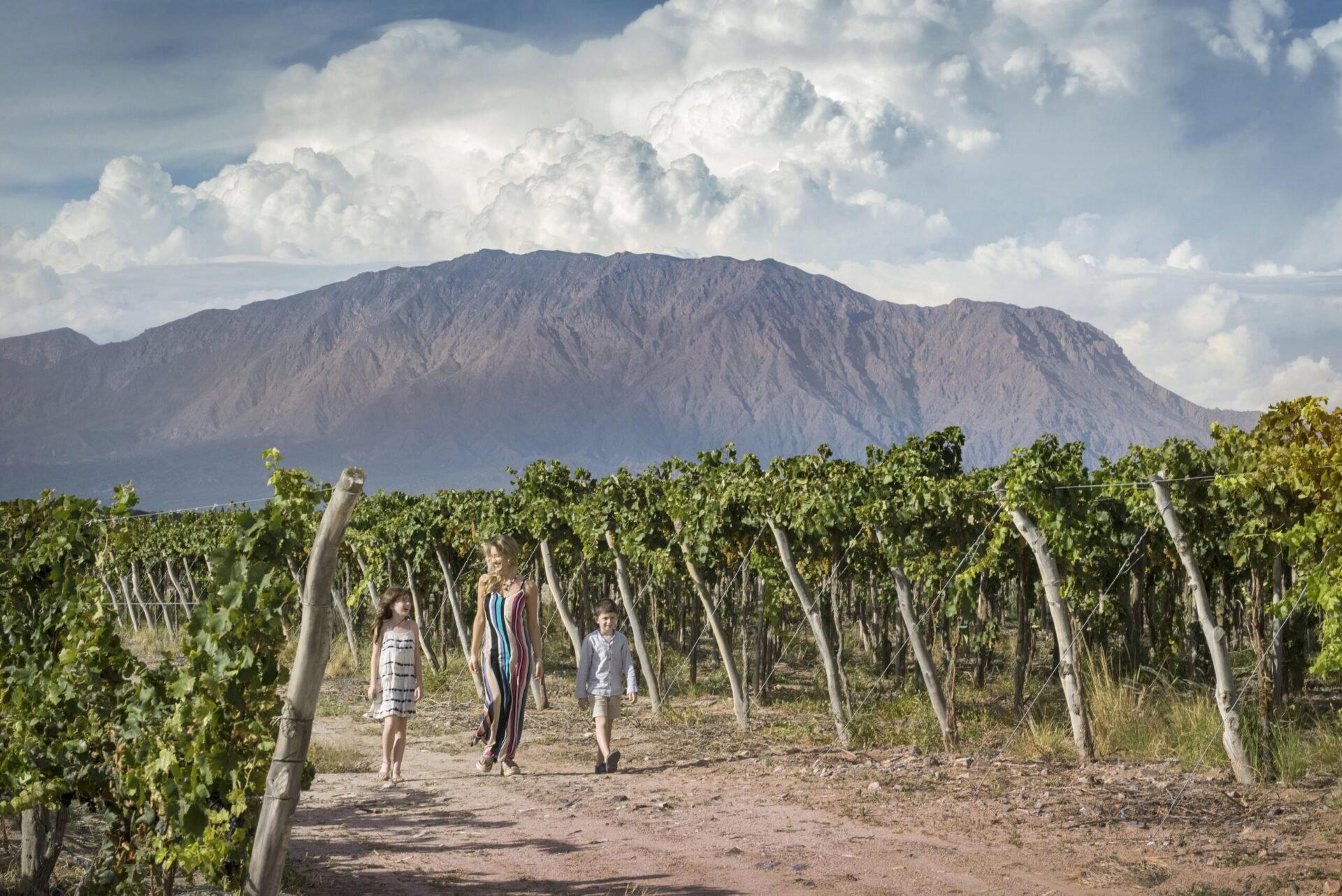
Approaching Cafayate along Ruta Nacional 40, the landscape does most of the work before any building comes into view. The road passes through canyon formations that shift from sand to rust to deep ochre depending on the hour, and the air carries the particular dryness of altitude, somewhere around 1,700 metres above sea level, that vine growers in this corridor have spent decades arguing is responsible for the region's high-UV, low-humidity Torrontés and Malbec character. Grace Cafayate sits at kilometre marker 4340 on that route, and its position is less a coincidence of real estate than a statement about what kind of property this is: one that uses the Calchaquí valley's physical drama as its primary architectural material.
The northwestern Argentina wine corridor runs from Cafayate north through Molinos and up toward the Quebrada de Humahuaca, and it attracts a specific kind of traveller, one routing through multiple provinces and treating the journey along Ruta 40 as the experience itself. Within that corridor, Cafayate functions as the most concentrated wine-producing node, home to producers including Colomé's satellite operations and a cluster of boutique bodegas that have drawn international attention over the past fifteen years. Grace Cafayate's Michelin Selected recognition in 2025 places it in the small group of Argentine properties outside Buenos Aires and the Mendoza axis that have earned formal international hospitality credentials. For context, that Buenos Aires axis includes long-established properties like the Alvear Palace Hotel, while the Mendoza wine corridor has produced its own design-led tier, represented by properties like Entre Cielos Wine & Wellness Hotel and The Vines Resort & Spa. Grace Cafayate earns its place in that conversation from a different province entirely, which matters for understanding where it sits in Argentina's premium hospitality geography.
Design at High Altitude: Reading the Architecture
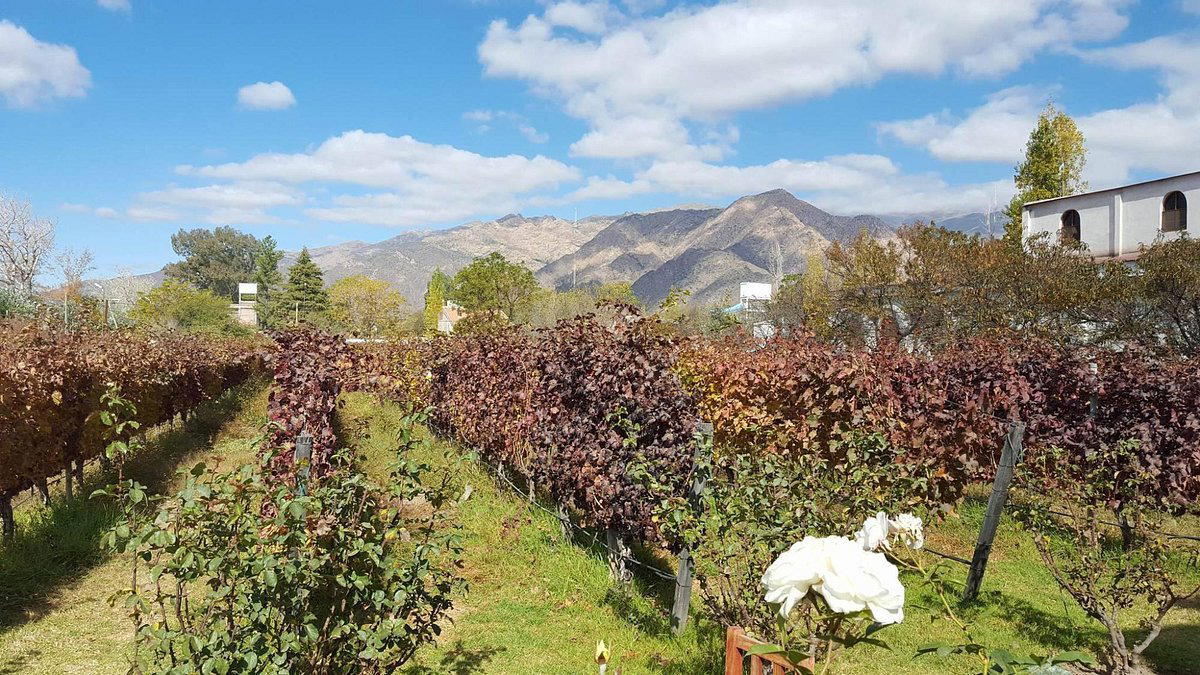
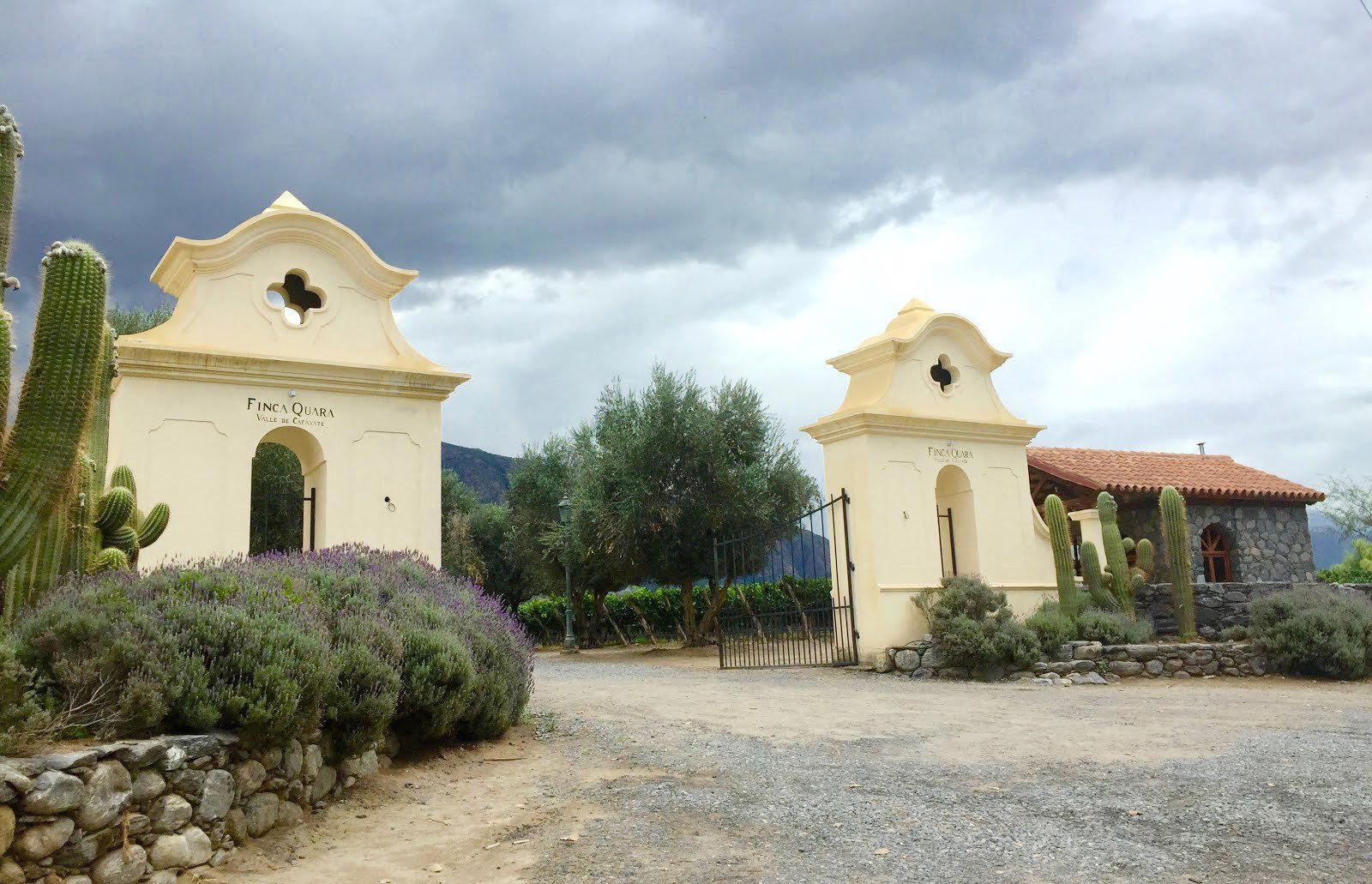
Properties in extreme climates tend to make one of two choices: they either import a polished international aesthetic that sits at odds with the surroundings, or they read the local geology and vernacular closely enough to produce something that feels grown rather than installed. The wine-estate lodge format that has become common across both Mendoza and the Calchaquí Valleys generally works well when it chooses the second approach, using local stone, adobe-influenced construction, shaded colonnades, and orientation toward distant peaks rather than inward toward a pool. Grace Cafayate's location on Ruta 40 at the valley's edge places it in direct dialogue with that landscape: the flat agricultural land of the vineyards in the foreground, the Sierra de Quilmes rising in the mid-distance, and the sky at this altitude registering a depth of colour that lower-elevation destinations rarely produce.
The Grace hotel group, which operates properties across wine and nature destinations, has developed a format that leans into local materiality and low-key scale rather than the large-footprint resort model. This aligns Grace Cafayate with a broader shift in Argentine wine-country hospitality, away from the villa-compound model toward smaller, more considered properties where the connection between the physical space and its agricultural and geological context is made explicit. Comparable thinking informs properties like Lodge Atamisque in Tupungato and Susana Balbo Winemaker's House & Spa Suites in Luján de Cuyo, though the Cafayate valley's more remote position and higher altitude give Grace Cafayate a distinct register within that peer group.
The Cafayate Wine Corridor as Context
Cafayate's claim to international wine attention rests primarily on Torrontés, the white grape variety that performs almost nowhere else at this quality level, and on high-altitude Malbec that differs noticeably in structure from its Mendoza counterpart: more aromatic, higher in natural acidity, lighter in body due to the combination of elevation and intense solar radiation. The valley's wine identity is concentrated but not monolithic, and the past decade has seen increasing differentiation between producers working at different altitudes within the Calchaquí system. Colomé Winery in Molinos, further north along the valley, holds vineyards at elevations exceeding 3,000 metres and represents the extreme end of this altitudinal range.
For a property like Grace Cafayate, the wine corridor is not backdrop but programme. Travellers staying here are typically moving through the region as part of a broader northwestern Argentina itinerary that may include the Quebrada de Humahuaca, the salt flats of Jujuy, and connections onward to properties such as Hotel El Manantial del Silencio in Jujuy. The property also functions as a natural rest point for travellers who have come from the Patagonian south, routing through properties like Estancia Cristina in El Calafate or Los Cauquenes Resort & Spa in Ushuaia before heading north.
Placing Grace Cafayate in the Argentine Premium Tier
Argentina's premium accommodation geography has expanded significantly beyond Buenos Aires in the past decade. The estancia format, represented by properties like La Bamba de Areco in the pampas and Estancia La Paz in Córdoba province, remains a distinct category oriented around livestock, gaucho culture, and pastoral landscape. The wine-estate lodge is a separate format, and the Patagonian nature lodge represents a third tier, with properties like Correntoso Lake & River Hotel in Villa La Angostura and Villa Beluno Hotel & Spa in Bariloche. Grace Cafayate belongs to the wine-estate category but operates in a wine region that receives less international visitor traffic than Mendoza, which gives it a different character: fewer other foreign guests, a town centre that functions for local wine tourism rather than international group itineraries, and a pace calibrated to the valley's own rhythms.
The Michelin Selected designation, introduced for hotels in 2025, applies criteria that weight physical setting, design coherence, and experiential quality alongside conventional hospitality metrics. Its application to Grace Cafayate signals that the property meets a credibility threshold that places it above the general lodging market in northwestern Argentina, even without the broader award infrastructure that Mendoza's more visited wine corridor has accumulated.
Planning a Stay: Logistics and Timing
Cafayate sits roughly four hours south of Salta city by road, and most visitors arrive via Salta either by flight from Buenos Aires or as part of an overland route. The harvest season, running from February through April, is the most active period in the valley, when bodegas conduct their vintage operations and wine tourism programming intensifies. The austral winter months, June through August, bring cooler temperatures that suit visitors more interested in hiking the Quebrada de las Conchas, the canyon road north of Cafayate toward Salta, than in cellar visits. Grace Cafayate's position on Ruta 40 makes it a natural departure point for both that canyon route and for the longer drive north through the Calchaquí valley toward Molinos and Cachi. Those planning a wider Argentine itinerary can incorporate Grace Cafayate into a route that includes Awasi Iguazu to the northeast or properties in the Córdoba sierra such as Estancia Los Potreros. For the full Cafayate context, including dining options and producer visits in the town, see our full Cafayate guide.
Comparable Venues
Comparable venues nearby, for context on price, style, and recognition.
| Venue | Cuisine | Price | Awards | Notes |
|---|---|---|---|---|
| Grace CafayateThis venue — the venue you are viewing | luxury boutique resort | $100–200 | Michelin Selected | Not listed |
| SLS Buenos Aires Puerto Madero | Luxury contemporary design hotel blending Buenos Aires cultural energy with international sophistication, featuring residential towers and curated art collection. | $100–200 | Michelin Selected | Puerto Madero |
| San Isidro Plaza | Modern boutique hotel on tree-lined street near cathedral | $100–200 | Michelin Selected | San Isidro |
| Mine Hotel Boutique | Owner-driven intimate retreat blending aesthetics, design, and personalized service. | Not listed | Michelin Selected | Palermo Soho |
| La Urumpta Hotel, AKEN Mind | contemporary design hotel surrounded by lush vegetation | Not listed | Not listed | Río Cuarto |
| Awasi Mendoza | Spanish colonial adobe villas set in vineyards | $500–750 | 2 Michelin Keys · La Liste Top Hotels | Luján de Cuyo |
Recognition history
Dated appearances from independent guides and award organizations, with the underlying list record or original source where available.
Michelin Selected
Michelin
Continue exploring
More in Cafayate
Bars in Cafayate
Browse all →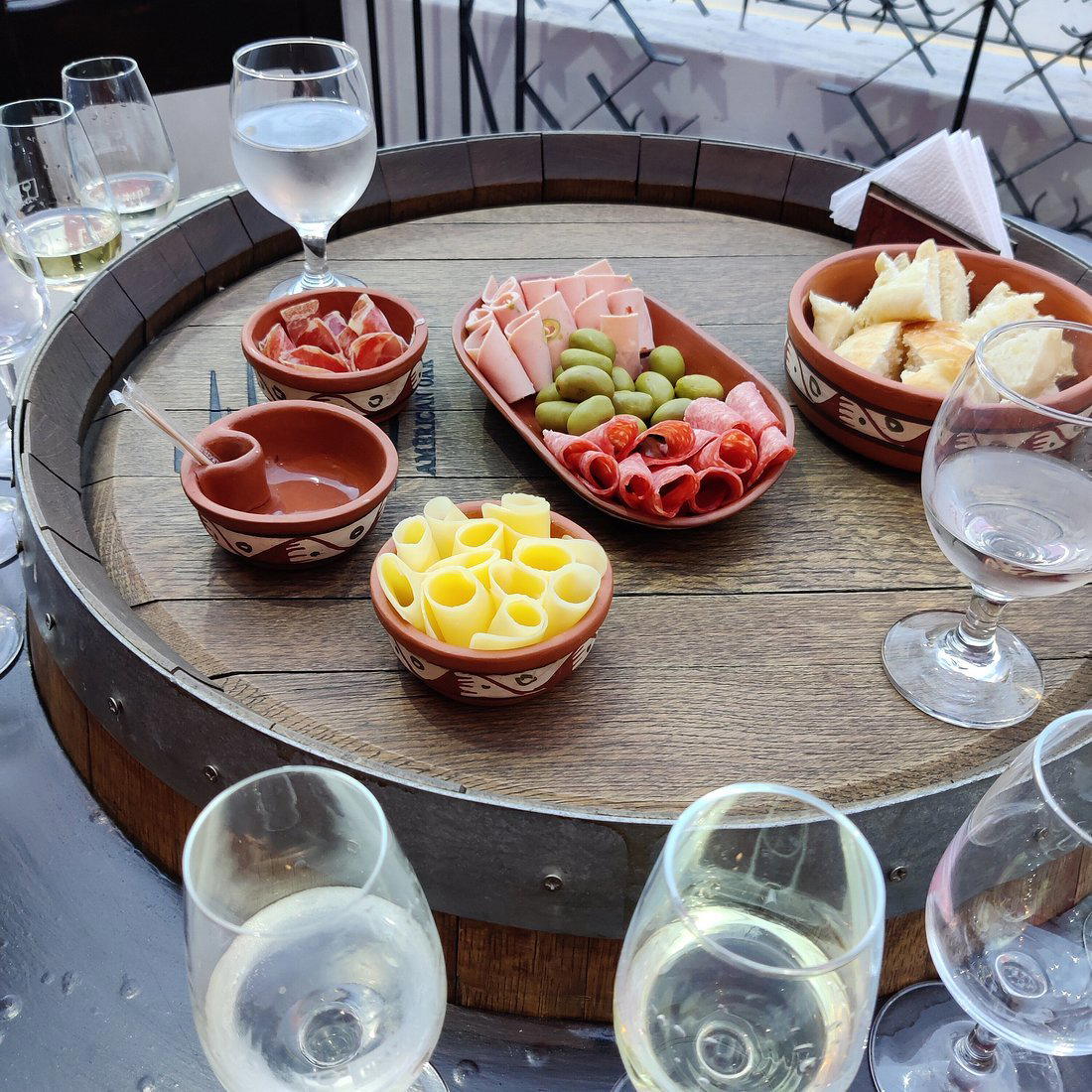
Details
- Romantic
- Quiet
- Elegant
- Scenic
- Sophisticated
- Honeymoon
- Romantic Getaway
- Wellness Retreat
- Weekend Escape
- Infinity Pool
- Destination Spa
- Golf Course
- Panoramic View
- Pool
- Spa
- Wi Fi
- Restaurant
- Concierge
- Golf Course
- Mountain
- Vineyard
Elegant and serene with discreet charm, contemporary design echoing local traditions, and dramatic vineyard and mountain views from spacious rooms and terraces.