La Bamba de Areco



A working estancia 110 km from Buenos Aires, La Bamba de Areco sits at Ruta 31 Km 7.5 amid century-old plane trees and colonial architecture built around a central courtyard. Rates from US$650 per night cover rooms and suites across three buildings, table d'hôtes dining in a regional tradition, and access to polo grounds and gaucho culture. Recognised by La Liste Top Hotels 2026 with a score of 90.5 points.
Pearl is the En Primeur Club membership app — saves, bookings, and concierge access live there. Same editors, same standards.
- Address
- Ruta 31 Km 7.5, B2760 San Antonio de Areco, Provincia de Buenos Aires
- Phone
- +54 11 4519-4996
- Website
- relaischateaux.com
- Directions
- Get directions
 Saves & bookings on Pearl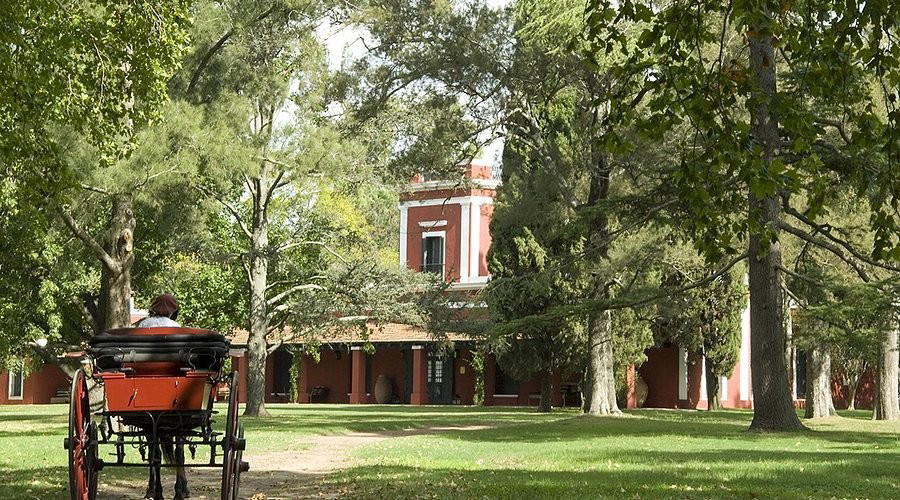
The Avenue of Plane Trees and What It Signals
The approach to La Bamba de Areco sets the terms of the stay before you reach the front door. An avenue of century-old plane trees lines the final stretch of Ruta 31 Km 7.5, framing the master house and its central courtyard in a way that communicates permanence rather than spectacle. This is the classic Argentine estancia format at its most assured: a working property shaped by agricultural history, now operating as a destination in its own right for travellers who want the pampas at close range without sacrificing comfort. San Antonio de Areco, roughly 110 km northwest of Buenos Aires via Jorge Newbery Airport, is the province's most concentrated expression of gaucho heritage, and La Bamba sits at the outer edge of the town's orbit, where the land still reads as functional farmland rather than managed parkland.
The Colonial Architecture and How the Property Is Organised
Estancia architecture in Buenos Aires province typically arranges itself around a casco, the cluster of principal buildings that defines the working heart of the property. At La Bamba, the master house anchors this arrangement, with a guard tower that now houses a well-stocked library and a panoramic gallery opening directly onto the park. The remaining structures, a cottage, a vine-arbour house, stables, a summer dining room, and a former inn, form a ring around this central axis, each carrying a distinct character while remaining visually coherent within the colonial ensemble. Rooms and suites are distributed across three of these buildings, which means the property avoids the corridor-hotel effect common to larger rural retreats. The billiard room, bar, massage room, and boutique are positioned within the casco, so movement between activities stays legible and unhurried. La Liste Leading Hotels 2026 awarded the property 90.5 points, placing it in a tier of South American rural properties where architectural integrity and service consistency carry as much weight as raw amenity count.
The Table d'Hôtes Tradition and What It Means in Practice
The estancia dining format in Argentina has historically operated on the table d'hôtes model: a set menu, served communally or semi-communally, that reflects whatever the kitchen and the land supply at that moment. This is not the same as a hotel restaurant with a fixed tasting menu. The distinction matters. Table d'hôtes at an owner-operated estancia places guests at the same table with each other and sometimes with the hosts, collapsing the distance between the property's identity and the meal itself. At La Bamba, the culinary programme is described as regional and refined, anchored in a tradition that draws from the pampas rather than reaching toward international reference points. The summer dining room, positioned as a distinct building within the casco, handles warm-weather service in a setting that connects the meal to the physical environment of the property. This kind of embedded dining geography, where the room you eat in changes with the season, is a feature of one considered estancia operations and one that larger rural hotels rarely replicate successfully.
For comparison, the estancia model as practised at properties like Estancia El Ombú de Areco and Estancia La Bandada in San Miguel del Monte shows how differently individual properties interpret the same regional format. La Bamba's positioning as an owner's estancia with an immersive gaucho programme places it closer to the experiential end of that spectrum than to the purely decorative rural retreat.
Gaucho Culture as Programme, Not Backdrop
The gaucho identity at Argentine estancias exists on a spectrum from theatrical recreation to active participation. La Bamba operates with a polo training centre on the property, which moves the gaucho spirit from ambient decoration into a structured activity offering. Polo training at an estancia of this type typically involves horses from the property's own stables, which at La Bamba are listed as part of the working building ensemble rather than as a separate tourist facility. The distinction between a property where horses are present and one where horsemanship is genuinely central to the programme is significant for travellers assessing whether an estancia stay will feel immersive or merely scenic. The La Liste recognition at 90.5 points suggests the operational depth here sits toward the immersive end of that spectrum.
Travellers whose itineraries extend into Argentina's wine regions might consider Cavas Wine Lodge in Alto Agrelo, Awasi Mendoza in Lujan de Cuyo, or Casa de Uco in Tunuyán as complementary stops that share the owner-operated, land-rooted positioning without duplicating the pampas experience. For Patagonia, Explora El Chaltén and Estancia Cristina in El Calafate operate in a related register of place-specific immersion. Those interested in the northwest should note Colomé Winery in Molinos as another property where production land and guest experience overlap directly. Further afield, Awasi Iguazu in Puerto Iguazu and Arakur Ushuaia Resort and Spa complete a national picture of properties that treat landscape as the primary organising principle. For urban bases before or after the estancia stay, Home Hotel in Buenos Aires offers a lower-key alternative to the major international brands in the capital.
Planning a Stay
La Bamba de Areco is accessible by car along Route 31, with the property at km 7.5 from town. The nearest commercial air entry point is Jorge Newbery Airport in Buenos Aires, approximately 110 km from the property by road. Rates start from US$650 per night, positioning the property in the upper tier of Buenos Aires province rural accommodation, consistent with its La Liste 90.5-point standing and with the owner-operated, full-programme estancia category more broadly. Guests comparing estancia formats at different price points or activity emphases may also find Estancia Los Potreros in Rio Ceballos and El Colibri in Santa Catalina worth examining as regional alternatives with overlapping positioning.
Price and Recognition
Comparable venues nearby, for context on price, style, and recognition.
| Venue | Price | Awards | Notes |
|---|---|---|---|
| La Bamba de ArecoThis venue — the venue you are viewing | $$$$ | 5-Star | Not listed |
| Estancia El Ombú de Areco | $$$ | Not listed | San Antonio de Areco, Historic estancia with Italian palazzo-style main house and colonial gallery. |
| Sofitel Buenos Aires Recoleta | $$$$ | 5-Star | Retiro, Elegant urban luxury hotel in prestigious Recoleta. |
| L' Orangerie Alvear Palace Hotel | $$$$ | 5-Star | Recoleta, Belle Époque palace with modern French style suites |
| Awasi Mendoza | $$$$ | 5-Star | Luján de Cuyo, Spanish colonial adobe villas set in vineyards |
| Be Jardín Escondido by Coppola | $$$$ | 5-Star | Palermo, Contemporary classic boutique hotel designed as a luxury private residence with artistic sensibility and refined taste. |
Recognition history
Dated appearances from independent guides and award organizations, with the underlying list record or original source where available.
La Liste Top Hotels
La Liste
Relais Chateaux Award
Relais Chateaux
Virtuoso Luxury Hotel Partner
Virtuoso
Relais Chateaux Award
Relais Chateaux
Continue exploring
More in San Antonio de Areco
Hotels in San Antonio de Areco
Browse all →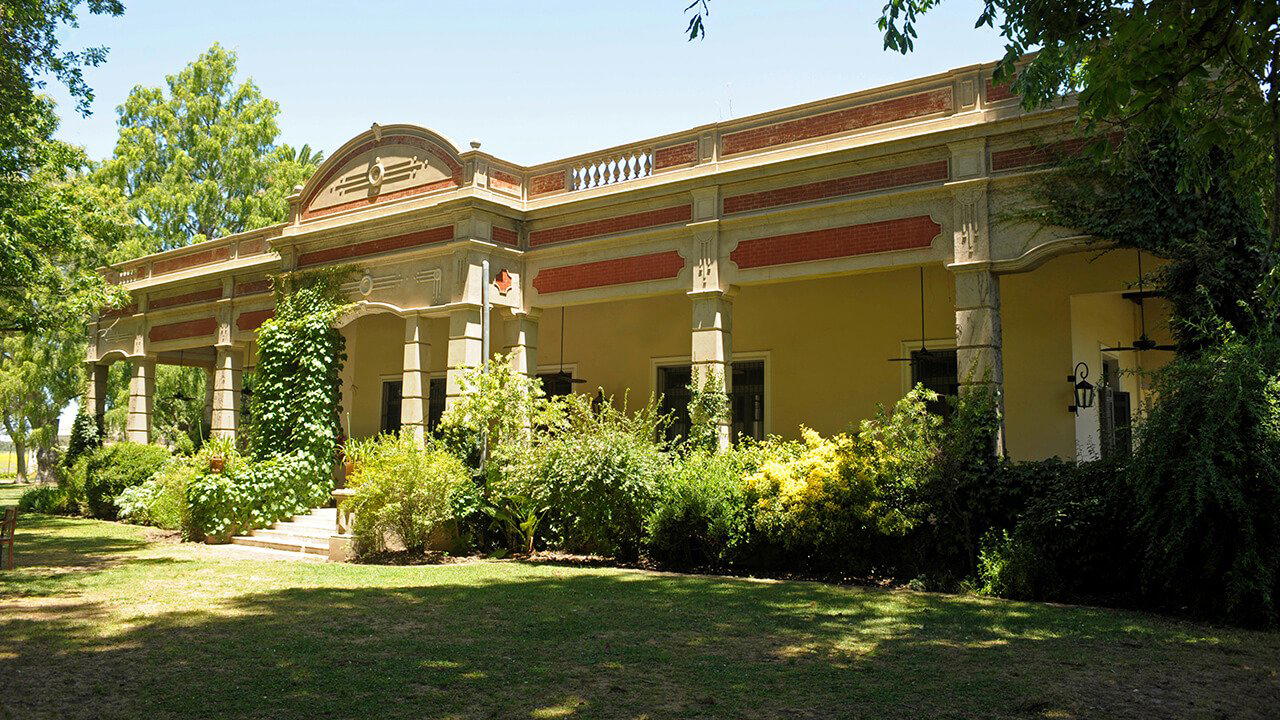
Restaurants in San Antonio de Areco
Browse all →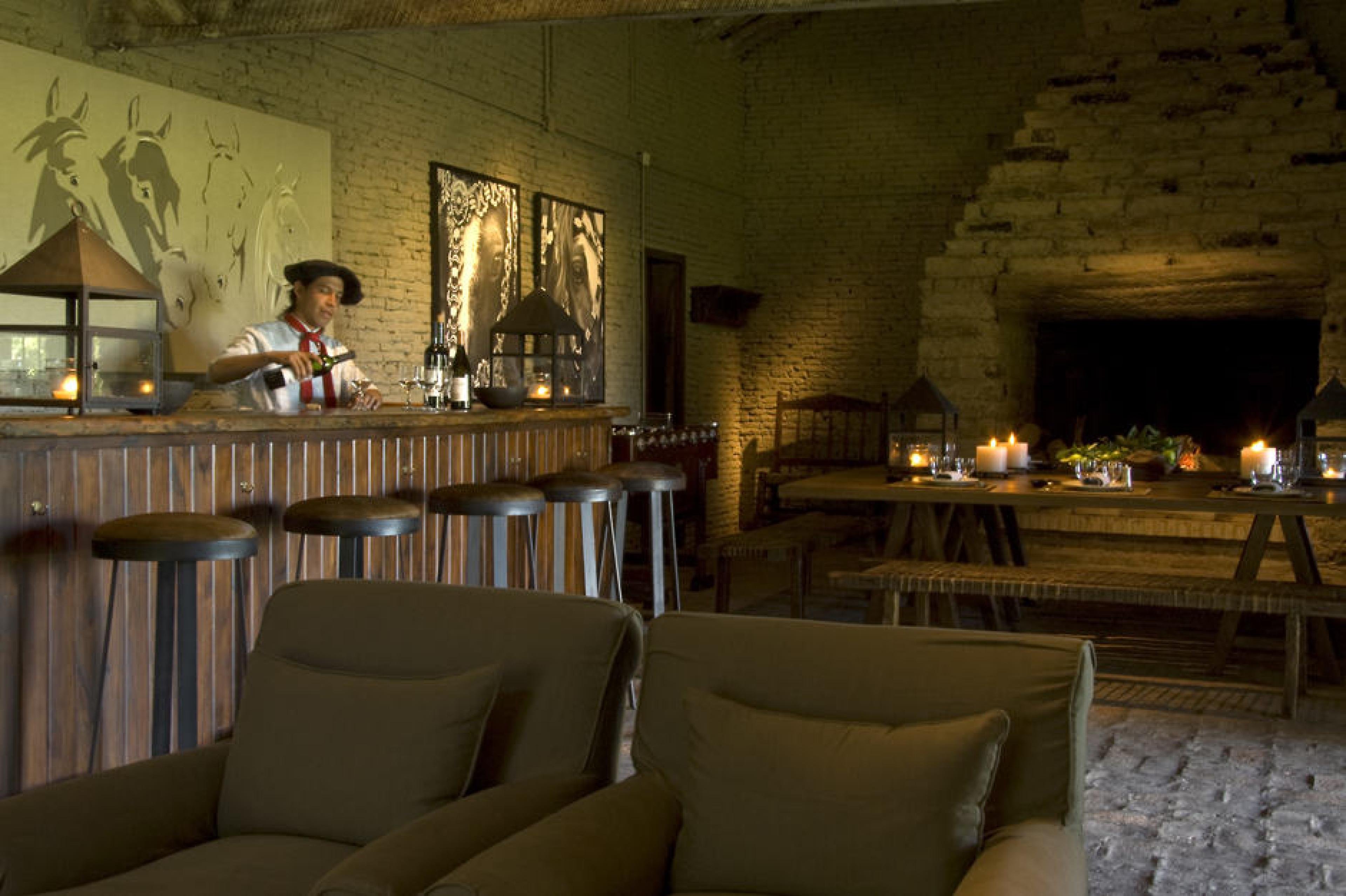

Wineries in San Antonio de Areco
Browse all →
At a Glance
- Rustic
- Elegant
- Cozy
- Classic
- Scenic
- Intimate
- Romantic Getaway
- Weekend Escape
- Anniversary
- Historic Building
- Garden
- Terrace
- Pool
- Wi Fi
- Spa
- Concierge
- Room Service
- Restaurant
- Laundry Service
- Garden
- Pool
- Wi Fi
- Spa
- Concierge
- Room Service
- Restaurant
- Laundry Service
Warm and welcoming colonial atmosphere with dark wooden floors, antique furniture, local textiles, and modern art, featuring serene countryside views, soft natural light, and intimate shared dining experiences.