
Viña Antiyal sits in the Maipo Valley subzone near Paine, in a part of metropolitan Chile where the Andes foothills shape both the soil and the light. The winery represents the smaller, terroir-focused tier of Chilean viticulture, where production scale is deliberately limited and the physical environment is as much the story as what ends up in the bottle. For visitors exploring Chile's wine country, it offers a counterpoint to the large commercial operations that dominate the valley's export profile.
Pearl is the En Primeur Club membership app — saves, bookings, and concierge access live there. Same editors, same standards.
- Address
- G-547, 9540000 Paine, Región Metropolitana, Chile
- Phone
- +56 9 8451 9816
- Website
- antiyal.com
- Directions
- Get directions
 Saves & bookings on Pearl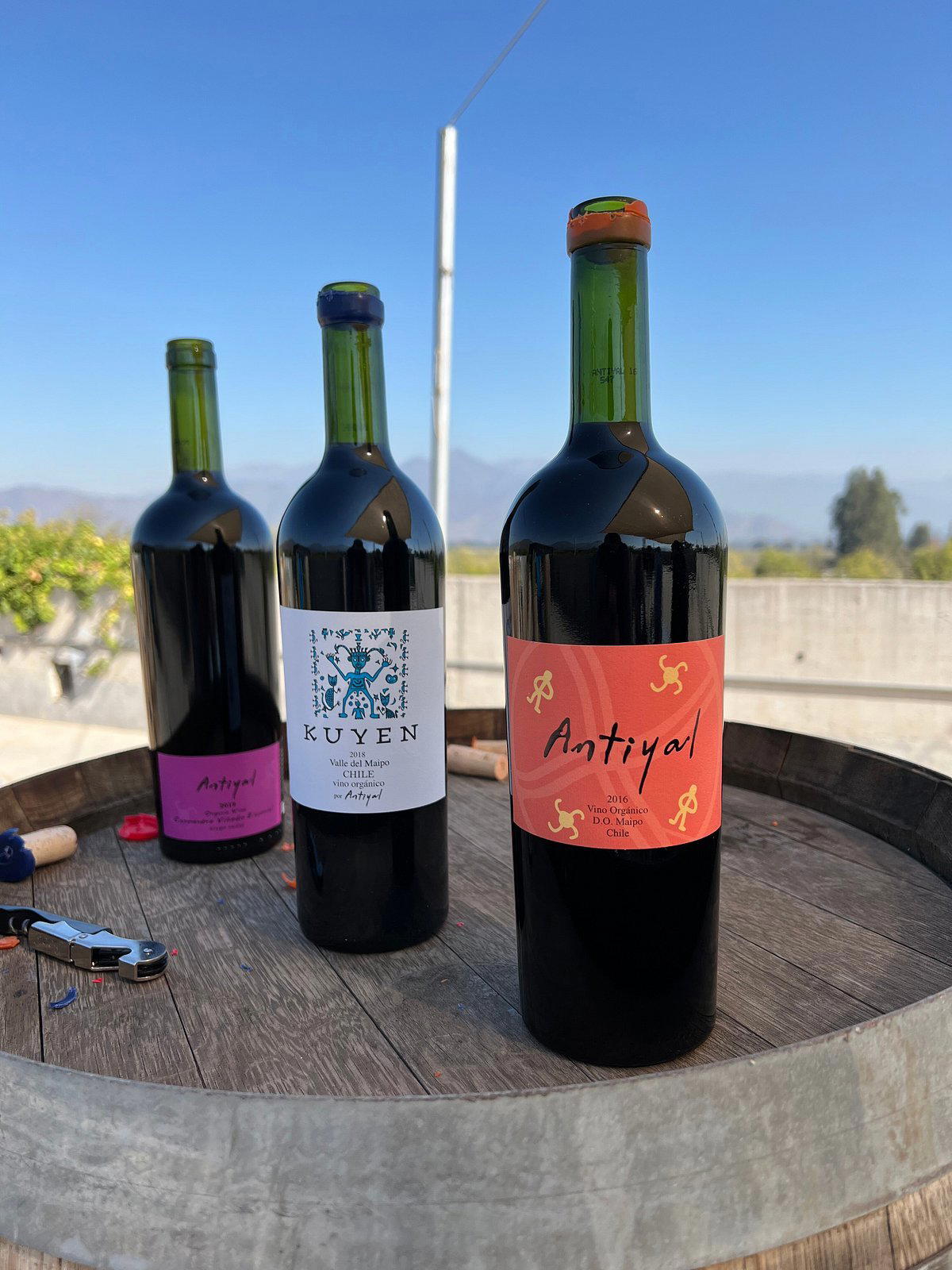
Where the Maipo Foothills Meet the Vine
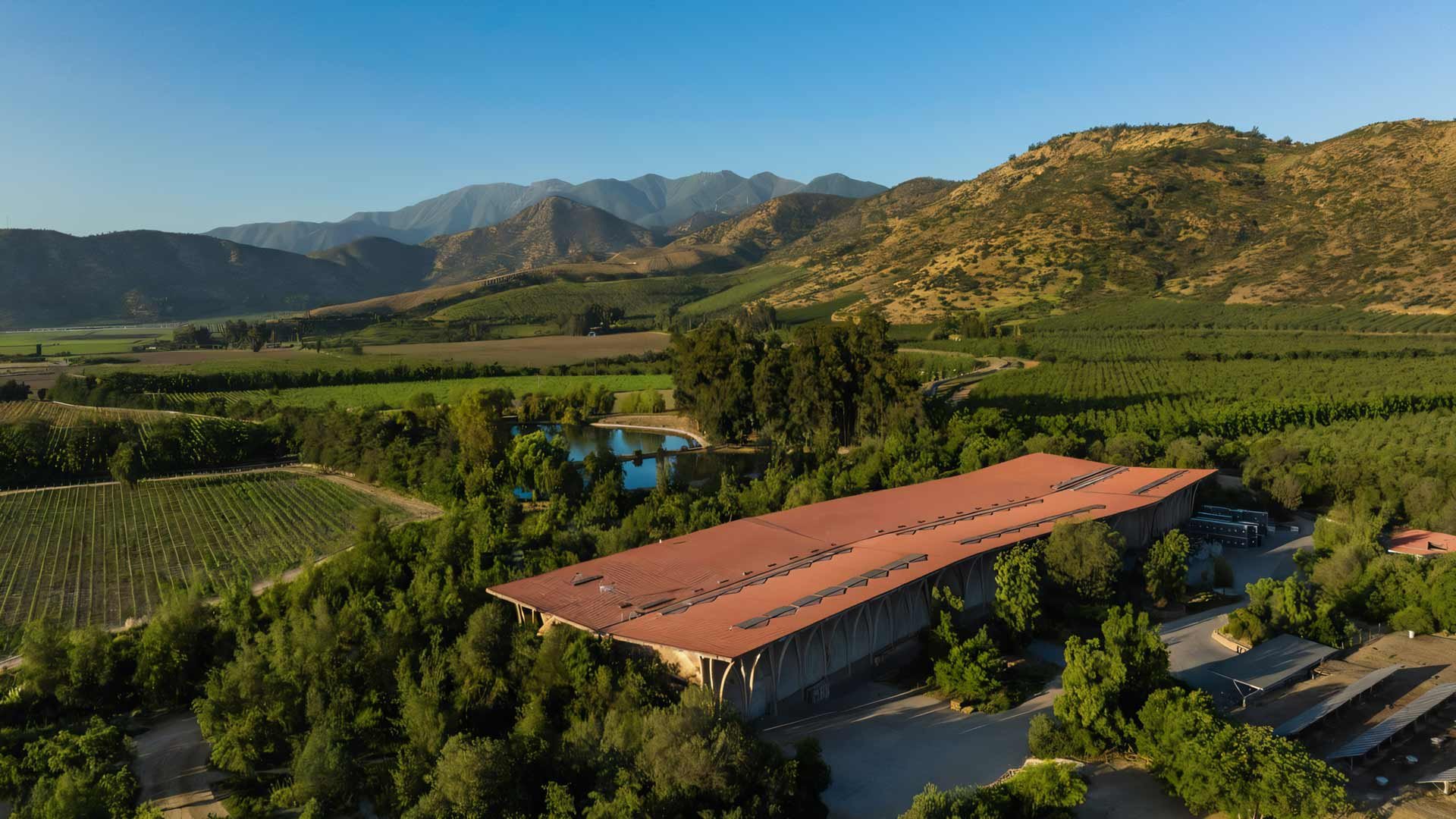
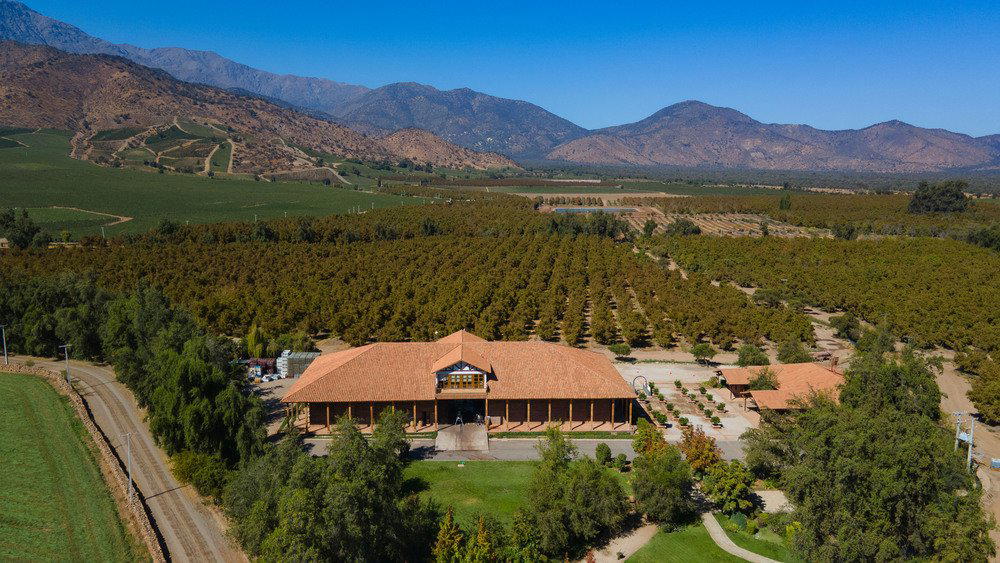
Viña Antiyal is a wine estate in Paine, Región Metropolitana, Chile, open by appointment only and rated 4.1 on Google. Viña Antiyal occupies this territory, positioned along route G-547 in Huelquen at an address that places it firmly in the southern Maipo Valley, a subzone that has attracted serious attention from smaller producers looking for cooler temperatures and more expressive soils than the valley floor closer to the capital. The approach itself frames the visit before you arrive: open land, a horizontal horizon interrupted by Andean peaks, and the kind of quiet that Santiago's wine-curious visitors often forget exists forty-odd kilometres from the city.
The broader Chilean wine industry has long split between industrial-scale export operations and a smaller cohort of family-driven, low-intervention producers working at the margins of commercial viability by choice rather than circumstance. Antiyal belongs to the latter group, and that positioning shapes everything from how the property presents itself physically to how the wines circulate internationally. In a Chilean context, this matters: the Maipo Valley carries a Cabernet-heavy identity built largely on the reputation of large established houses, and producers working at smaller scale in its southern reaches are effectively arguing for a different reading of what the valley can do.
The Physical Logic of the Site
In Chilean wine culture, as in Burgundy and parts of the Rhône, the design and layout of a winery is not incidental to the wine. How grapes move through a facility, how much gravitational flow is used rather than mechanical pumping, and how cellar temperature is managed without artificial intervention all reflect a philosophy that begins with the site itself. Small-footprint wineries in Chile's premium tier have increasingly built or adapted their structures around these principles, and the architectural decisions at properties like Antiyal carry the same logic: the building should serve the wine, and the wine should serve the land.
The Maipo Valley's southern sector, where Huelquen sits, benefits from cooler air drainage off the Andes and alluvial-granite soils that distinguish it from the heavier clay profiles further north. These conditions favour longer hang time and more gradual phenolic development, which is reflected in the style of wines that serious producers in this corridor tend to make. For visitors approaching Antiyal with wine tourism in mind, the physical setting is part of what you are coming to understand: this is not a showcase facility designed for high-volume tastings, but a working property where the site's conditions are legible in the landscape around you.
For context on how premium Chilean wine properties handle the relationship between architecture and environment, Clos Apalta Residence in Valle de Apalta offers an instructive comparison: its cellar design is organized entirely around gravitational flow, treating the hillside itself as a structural element. Vik Chile in San Vicente De Tagua Tagua takes a different approach, pairing a winery with a design-forward hotel that treats the Millahue landscape as both backdrop and subject. Antiyal sits outside both of those models, in a quieter register.
Planning a Visit to the Southern Maipo
Reaching Huelquen from Santiago requires approximately forty to fifty minutes by road heading south through Buin and into the Paine corridor, making Antiyal viable as a half-day excursion for visitors based in the capital. The area does not have the concentrated wine tourism infrastructure of the Colchagua Valley, which is part of its appeal for visitors who prefer direct, unmediated contact with a producer over a packaged route with multiple stops. The harvest period, running from late February through April depending on the vintage and variety, is when the property's agricultural reality is most visible and when southern Maipo's climate advantages become easiest to observe in the vineyard.
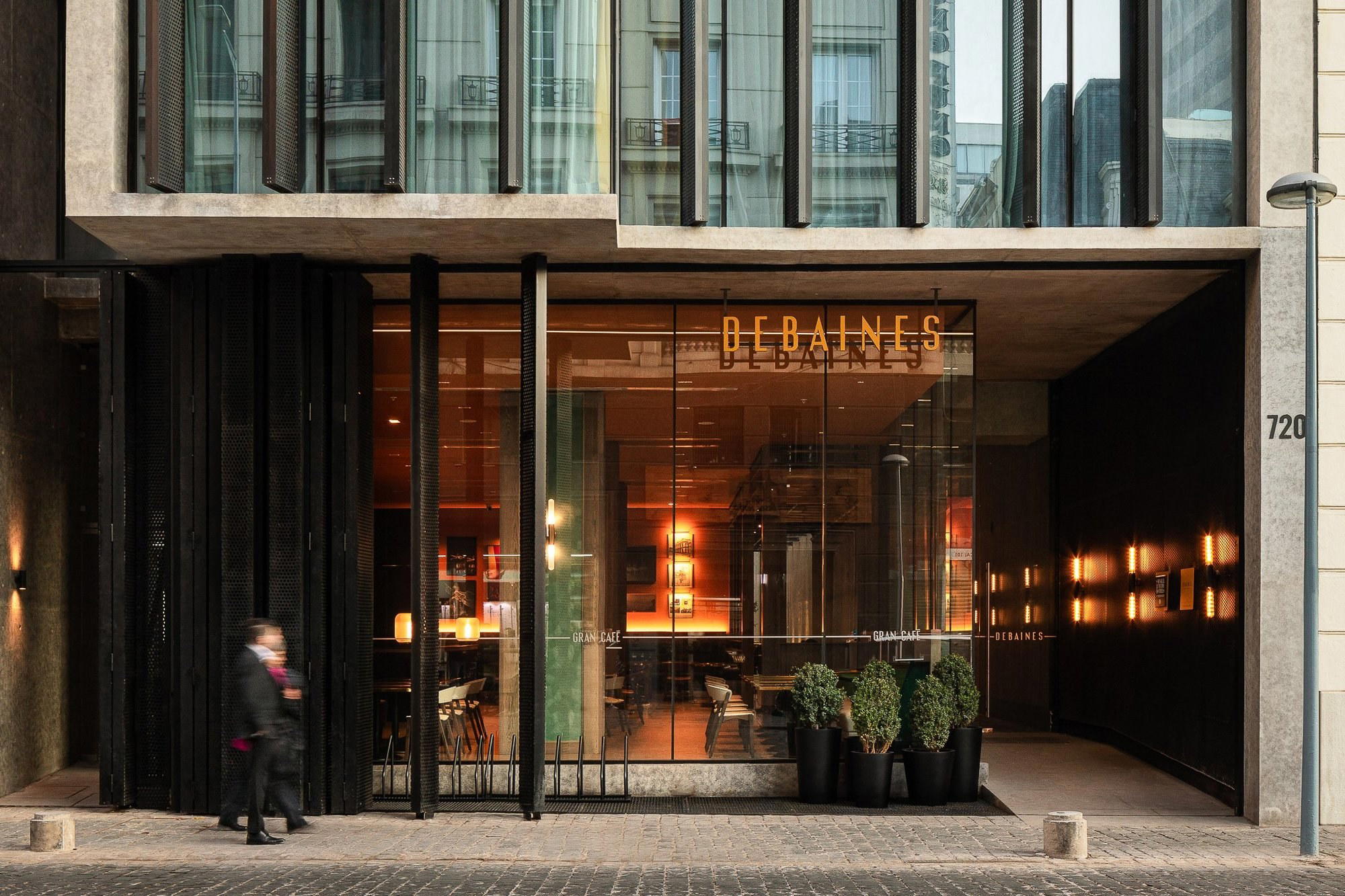
Visitors staying in Santiago with plans to move south should consider that the wine region's premium accommodation options are distributed across a wide geography. Hotel Las Majadas in Pirque sits in the Maipo Valley's eastern arm and offers a useful base for day trips into the valley's various subzones. For those arriving from or departing to Santiago's urban core, Debaines Hotel Santiago and W Santiago represent the city's contrasting poles of boutique restraint and contemporary scale respectively.
Chile's wine regions reward lateral movement: a trip that combines southern Maipo with the Colchagua or Cachapoal valleys builds a more complete picture of what Chilean viticulture actually is. Noi Puma Lodge in Cachapoal positions itself as a design-led base within the wine country proper, offering a different entry point than a Santiago hotel for visitors prioritizing the wine regions over the capital.
For those building a longer Chilean itinerary around landscape and terroir, the country's geography makes strong arguments for pairing wine country visits with more dramatic environments to the north or south. Awasi Atacama in San Pedro de Atacama and Ecocamp Patagonia in Torres del Paine anchor opposite ends of the country, and both share with properties like Antiyal an emphasis on the physical environment as the primary material. Explora Torres del Paine, REMOTA in Puerto Natales, and andBeyond Vira Vira in Pucon extend that logic across Patagonia and the lake district.
Quick Comparison
Comparable venues nearby, for context on price, style, and recognition.
| Venue | Cuisine | Price | Awards | Notes |
|---|---|---|---|---|
| Viña AntiyalThis venue — the venue you are viewing | Family-operated artisanal winery estate blending residential and production spaces with organic farming practices | $$$ | Not listed | Not listed |
| Noi Puma Lodge | rustic mountain lodge with locally inspired design | $$$$ | Not listed | Cachapoal |
| Hotel Casa Real - Viña Santa Rita | Historic boutique hotel in restored 19th-century mansion | $$$$ | Not listed | Maipo Valley |
| Luciano K | Contemporary classic with lively bohemian character, blending 1920s art deco heritage with modern luxury in Santiago's cultural Lastarria neighborhood. | $$$ | 4-Star | Lastarria |
| Ismael Hotel | Contemporary boutique hotel reflecting Santiago's bohemian spirit. | $$$ | 4-Star | Lastarria |
| The Aubrey | Restored historic mansion blending classic comfort with contemporary luxury | $$$$ | 4-Star | Bellavista |
Recognition history
Dated appearances from independent guides and award organizations, with the underlying list record or original source where available.
Falstaff Winery - Listed
Falstaff
Continue exploring
More in Huelquen
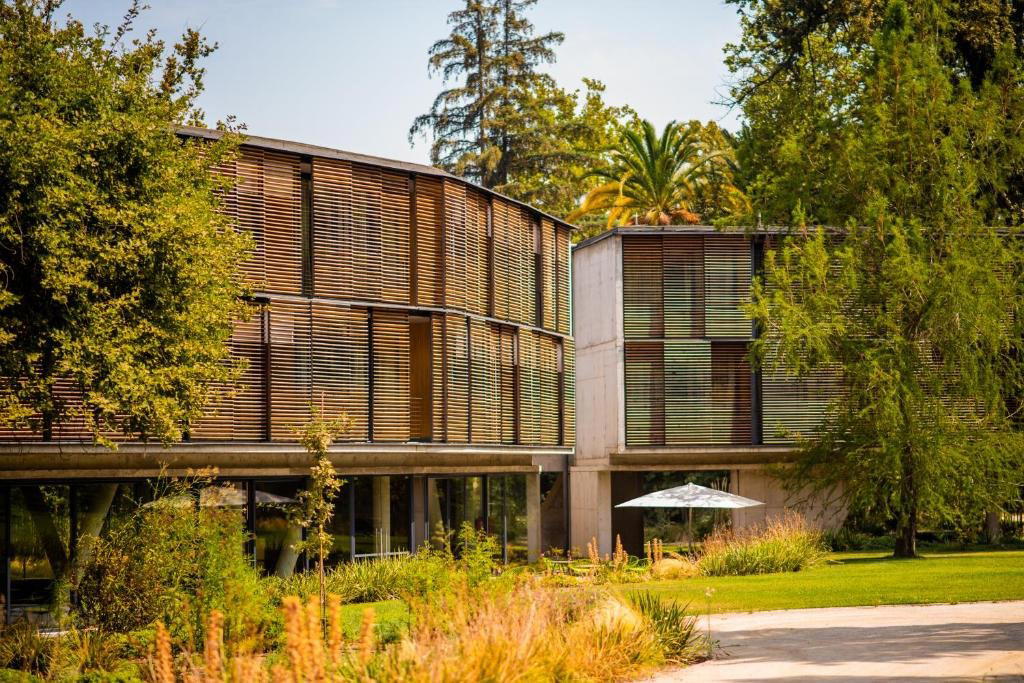
Hotels in Huelquen
Browse all →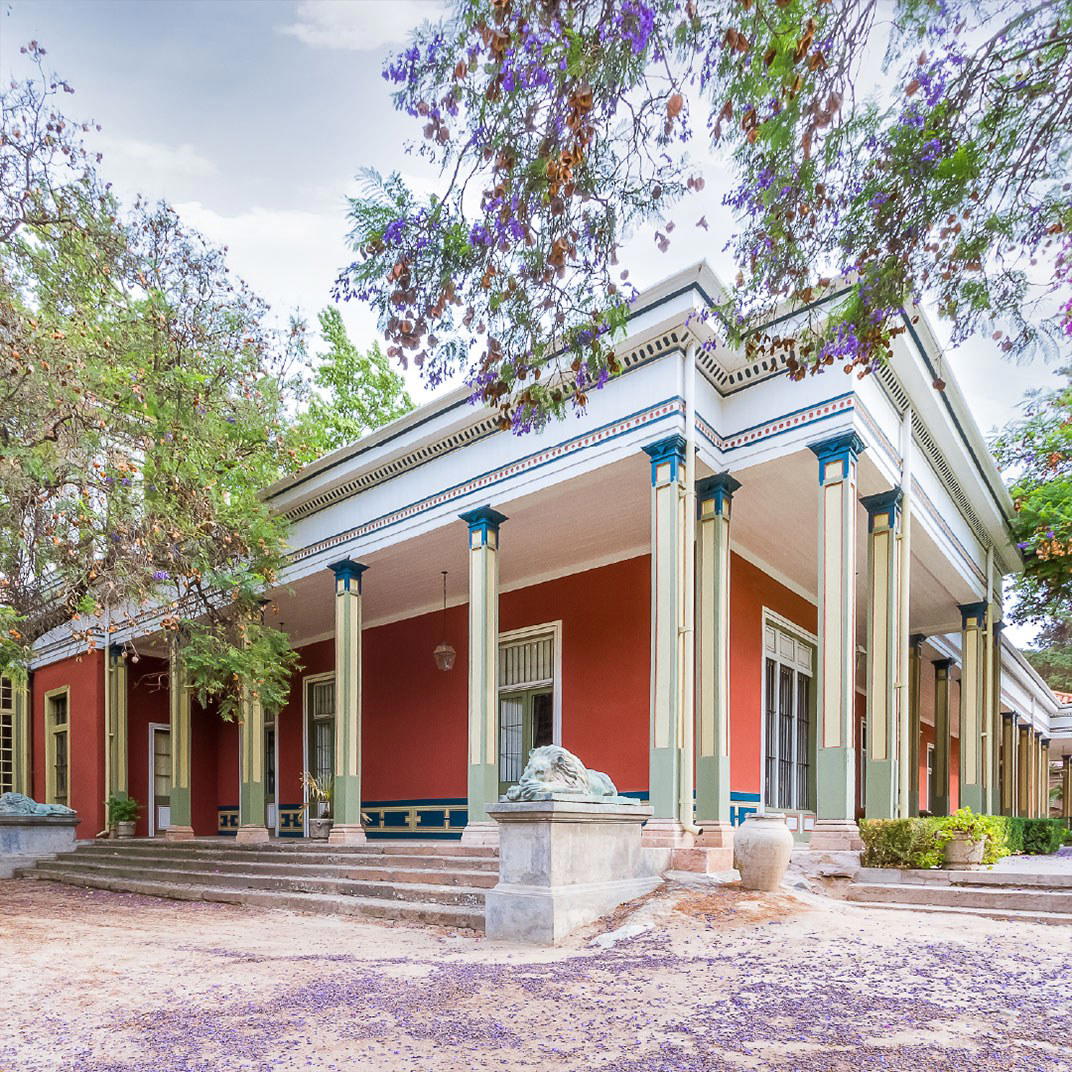
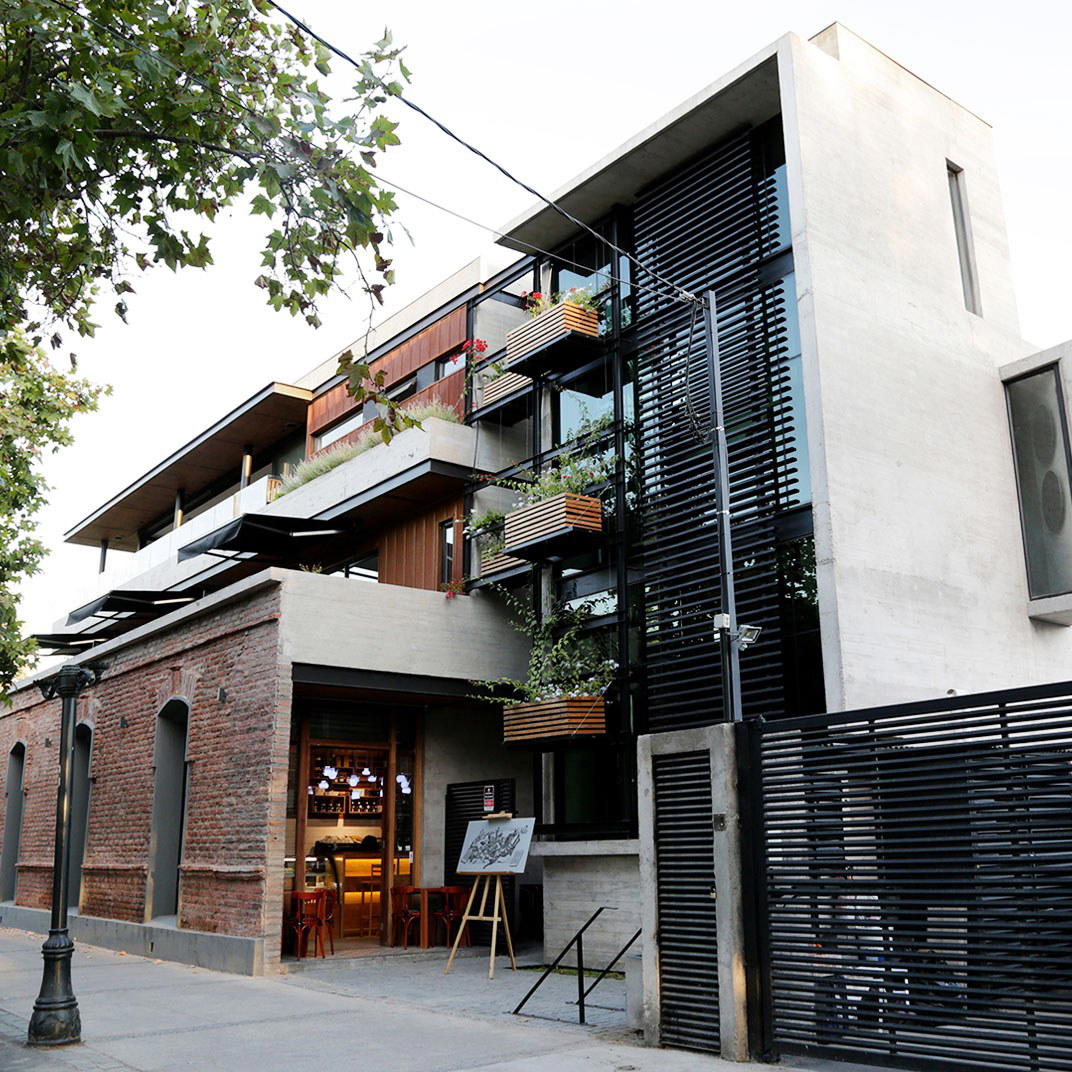
Bars in Huelquen
Browse all →
Restaurants in Huelquen
Browse all →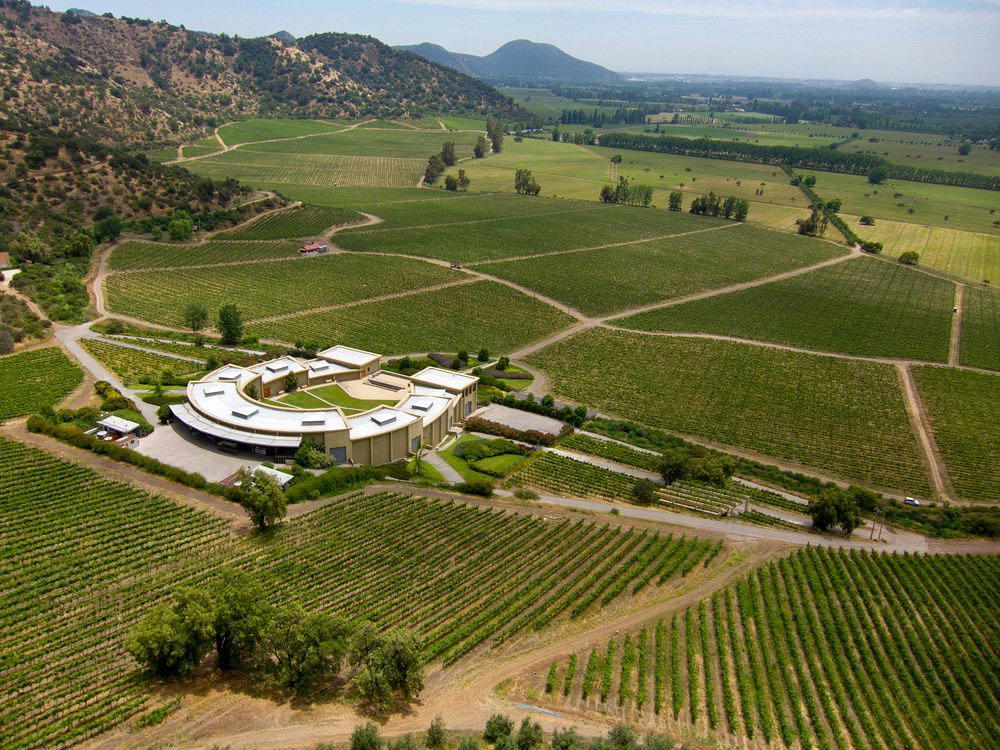

At a Glance
- Rustic
- Romantic
- Bohemian
- Intimate
- Romantic Getaway
- Garden
- Historic Building
- Panoramic View
- Private Dining
- Vineyard
- Garden
Current opening hours
- Monday
- 9:30 AM–5 PM
- Tuesday
- 9:30 AM–5 PM
- Wednesday
- 9:30 AM–5 PM
- Thursday
- 9:30 AM–5 PM
- Friday
- 9:30 AM–5 PM
- Saturday
- 9:30 AM–5 PM
- Sunday
- Closed
Hours can change for holidays and private events. Last verified .
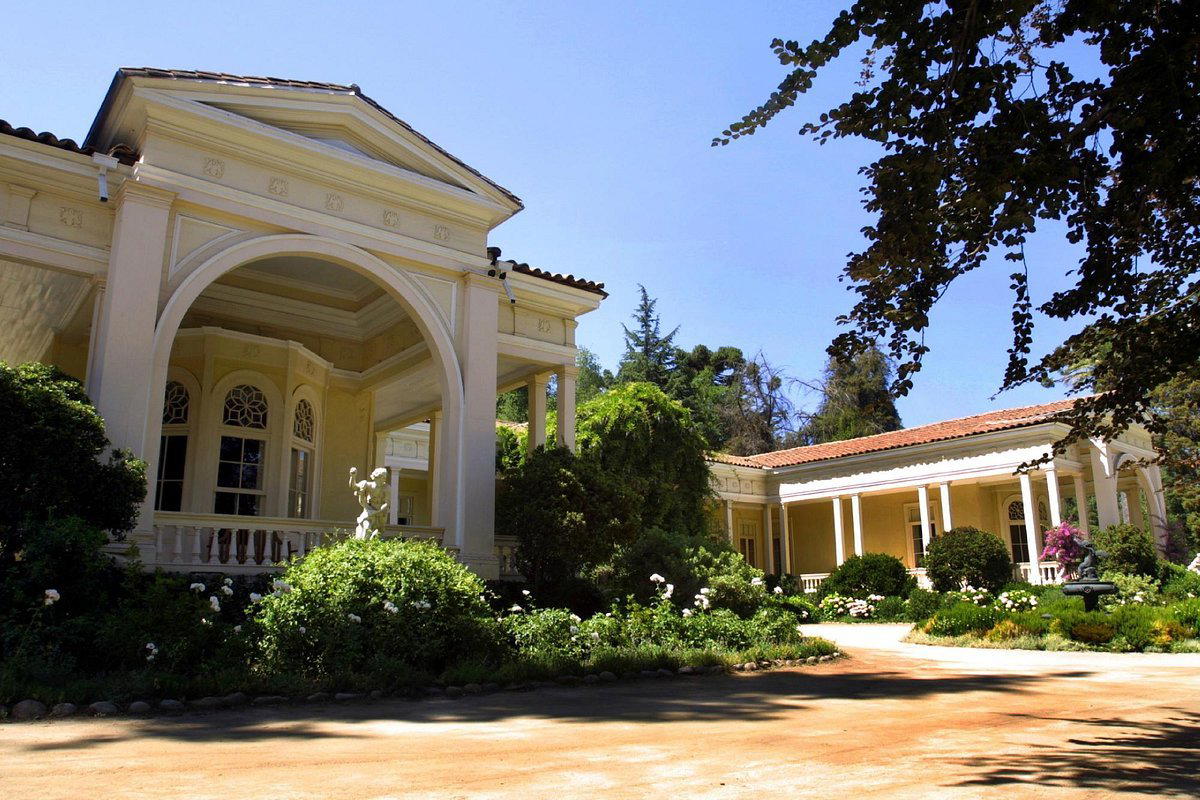
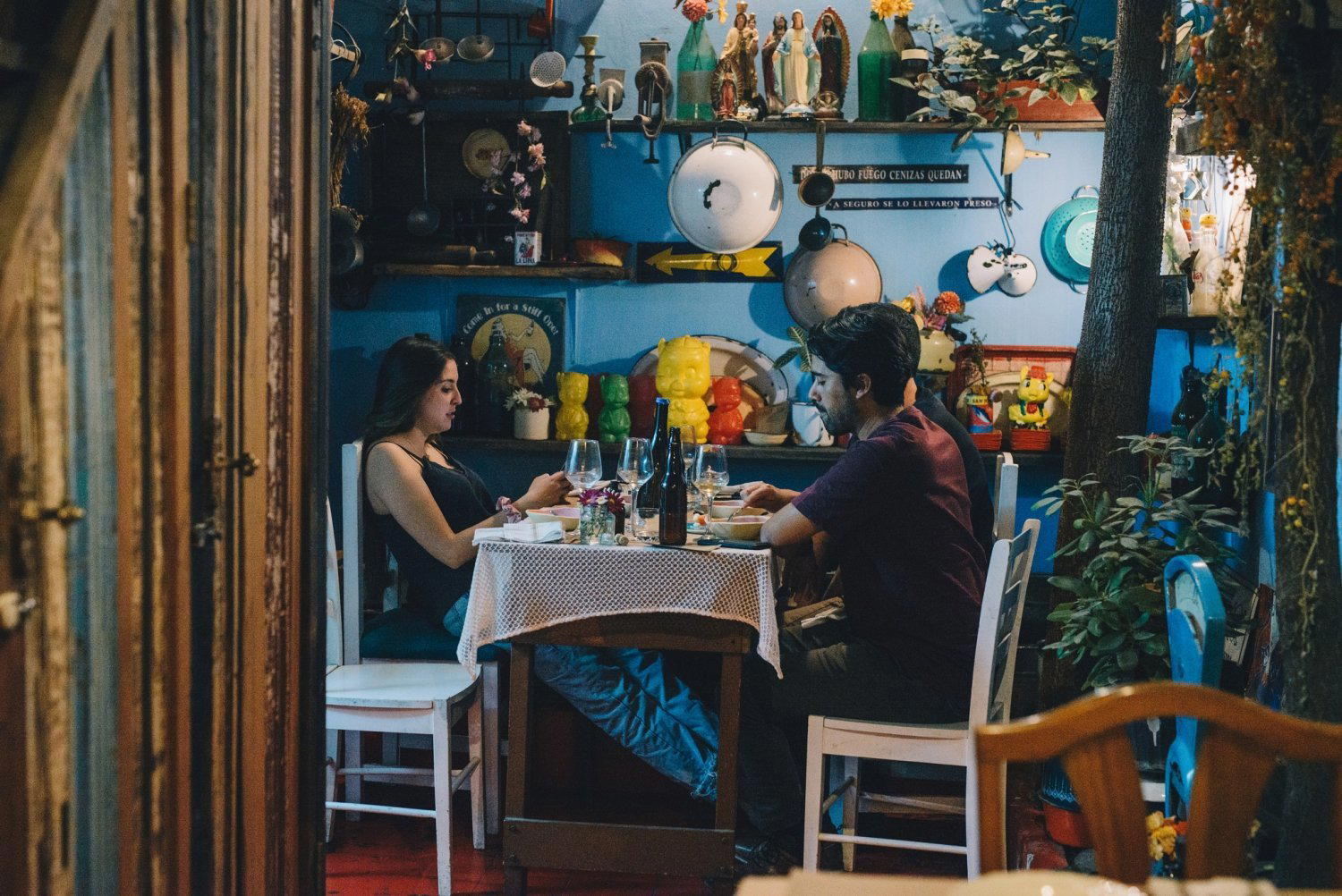
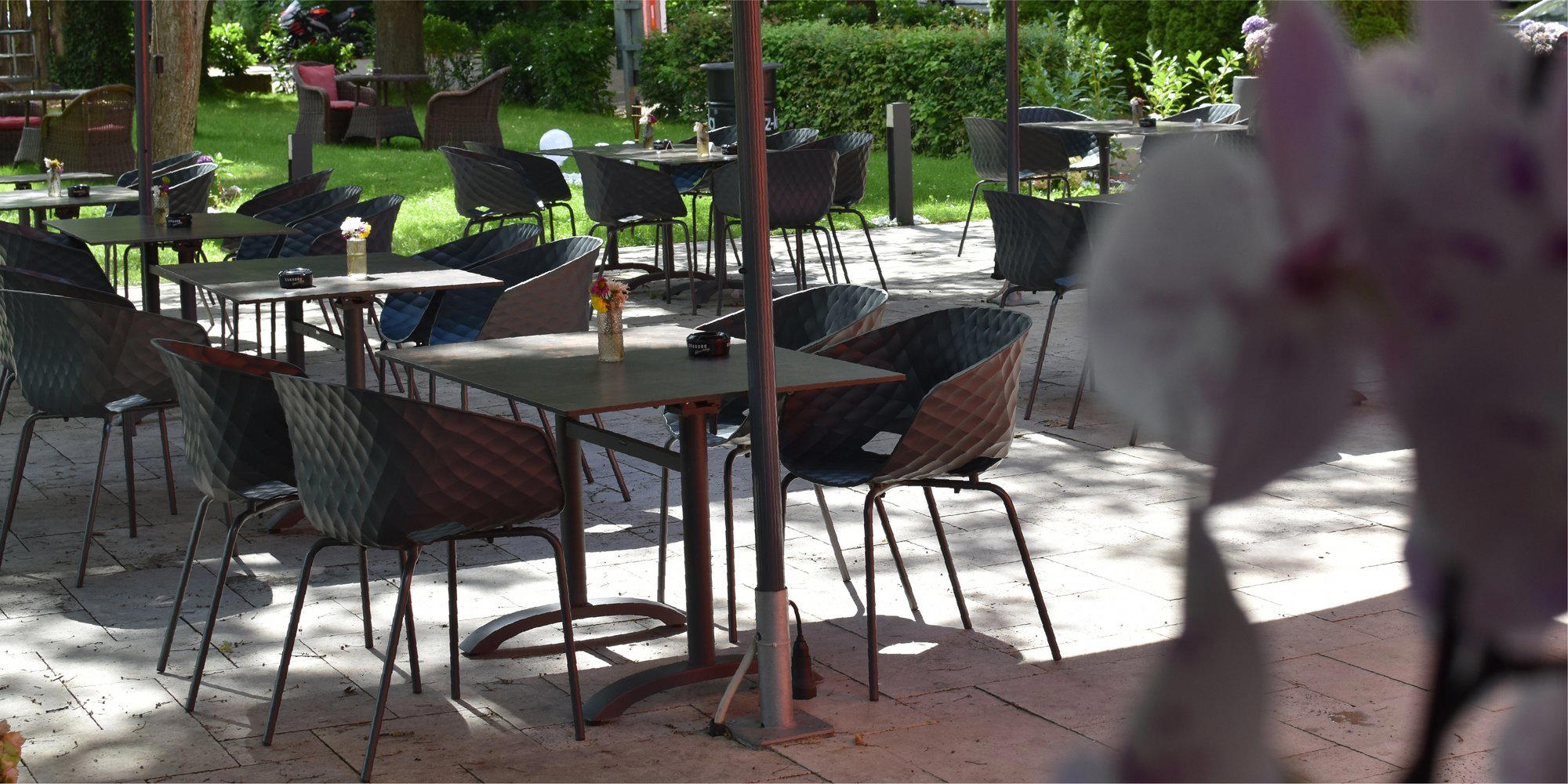
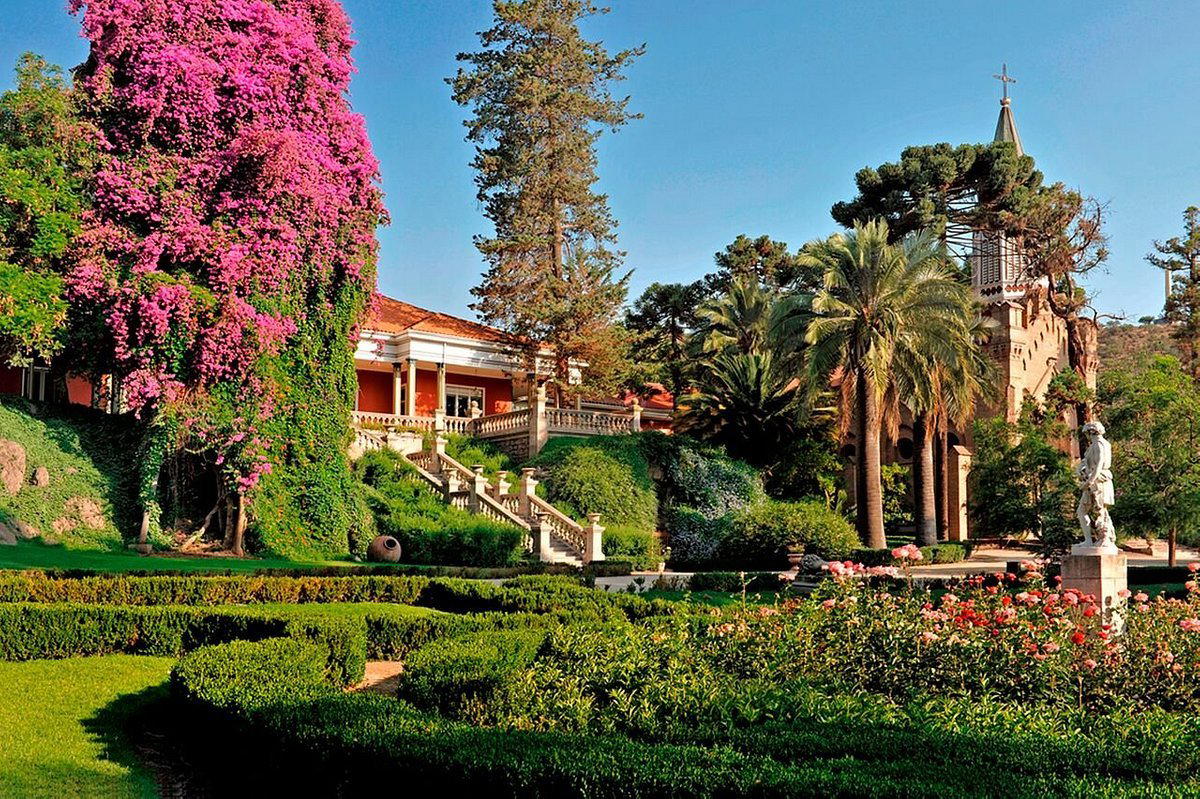
Intimate, rustic family atmosphere with organic surroundings; natural light from vineyard views and garden spaces; peaceful countryside setting with minimal commercial infrastructure.