

Michelin Selected · Mr & Mrs Smith Seal of Approval
Casa Bonay occupies a restored Eixample building on Gran Via de les Corts Catalanes, operating as one of Barcelona's more closely watched design-led independent hotels. Where the neighbourhood's grander addresses lean on international brand architecture, Casa Bonay trades on local creative identity — a positioning that shapes everything from the lobby atmosphere to how daytime and evening service each find a distinct register.

Pearl is the En Primeur Club membership app — saves, bookings, and concierge access live there. Same editors, same standards.
- Address
- Gran Via de les Corts Catalanes, 700, Eixample, 08010 Barcelona, Spain
- Phone
- +34 935 45 80 70
- Website
- casabonay.com
- Directions
- Get directions
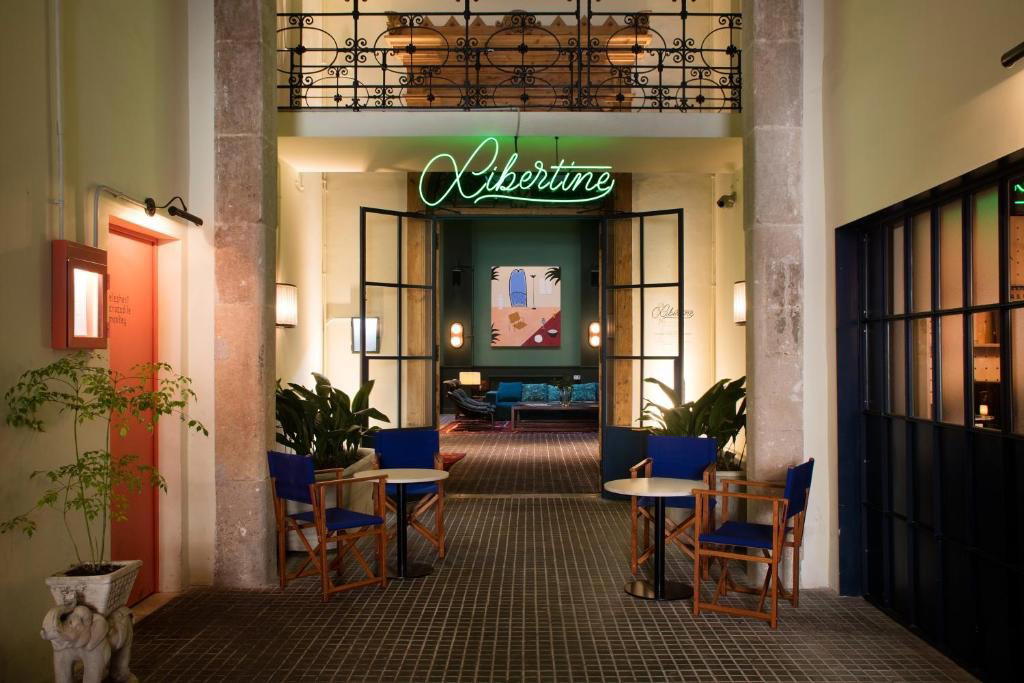
Eixample's Independent Tier, Placed
Barcelona's hotel offer has separated into a familiar split: large international flagships anchored along the waterfront and Passeig de Gràcia, and a smaller cohort of independently positioned properties that draw authority from neighbourhood credibility and design restraint rather than group backing. Casa Bonay, on Gran Via de les Corts Catalanes in the Eixample, belongs to that second category. Properties like Alma Barcelona and Almanac Barcelona work a similar territory, though each stakes out a distinct position within it. Casa Bonay's distinction is rooted in how it uses the building's public spaces: not as amenities to list, but as the actual product.
The Eixample grid is not, by instinct, Barcelona's most atmospheric address. It functions, it connects, it houses the city's commercial density. What design-led independents in this neighbourhood have demonstrated over the past decade is that a carefully converted Modernista or early-twentieth-century building can generate its own ambient authority — something the larger international addresses, for all their resources, have struggled to replicate at human scale. For context on how Barcelona's wider hotel range compares, see our full Barcelona restaurants and hotels guide.
Morning to Afternoon: The Case for Daytime
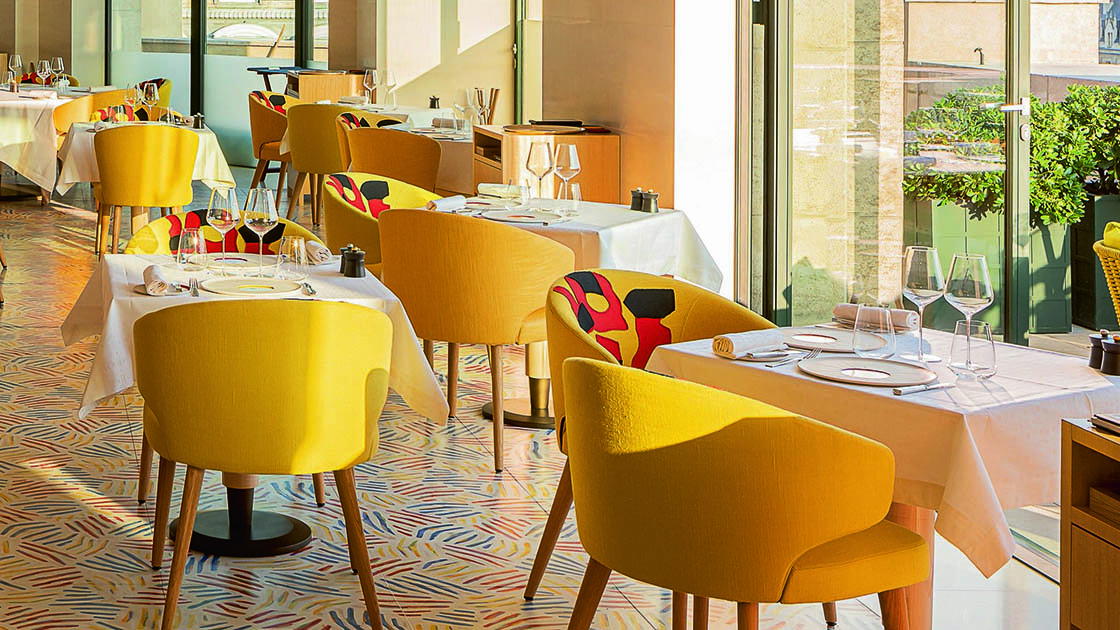
The lunch-versus-dinner divide at properties like Casa Bonay is rarely discussed in hotel coverage, which tends to collapse everything into a single register. In practice, daytime at a design-led Eixample hotel is a different proposition entirely. The lobby and ground-floor spaces carry a working-city energy during morning and lunch hours: residents of the neighbourhood treat these spaces as extension of the street, a pattern common to Barcelona's more porous independent hotels where the boundary between guest and local is deliberately blurred. The light through Eixample windows in the late morning is particular, the grid's broad streets and uniform cornice heights allow a quality of diffuse natural light that the Gothic Quarter's narrow lanes never achieve.
For guests, this matters practically. Daytime is when the public spaces are most layered, most populated by people with somewhere to be, and most useful as a base for moving through the city. Gran Via de les Corts Catalanes is a working artery with direct metro access, placing the property within easy reach of the Sagrada Família, the Passeig de Gràcia Modernista circuit, and the city's denser commercial areas. Arriving before midweek lunch and using the hotel as a daytime base before evening commitments is the most efficient read of what this property offers logistically.
Evening Register: A Different Kind of Quiet
By early evening, the character shifts. The properties in this independent tier tend to function well as departure points rather than destinations in their own right after dark, Barcelona's restaurant culture is dense enough that the city itself pulls guests outward. That said, Casa Bonay's position in the Eixample puts it within comfortable walking distance of a concentration of serious dinner addresses, and the neighbourhood's grid makes movement predictable in a way that Barcelona's older quarters do not. Guests who want the full range of the city's dining options without managing distance and navigation find the Eixample location pragmatically useful.
The evening public-space atmosphere at design-led independents of this type tends toward a lower-volume social register: smaller groups, longer stays at the bar, a quieter counter to the day's intensity. It is the kind of atmosphere that suits guests returning from dinner rather than those seeking a destination in itself. This differs meaningfully from the evening programming at properties like the Mandarin Oriental Barcelona, where the hotel's own food and beverage operation is a primary attraction, or ABaC Restaurant & Hotel, which anchors its identity around a Michelin-starred dining destination. Casa Bonay operates in a different register: the hotel as considered base, not as event.
Where Casa Bonay Sits in the Competitive Set
Among Barcelona's independent design hotels, the relevant peer comparison runs from the Mercer Hotel Barcelona in the Gothic Quarter to the Antiga Casa Buenavista and properties like the Hotel Boutique Mirlo. Each deploys local character differently. The Mercer uses Roman wall archaeology as its anchor; Casa Bonay uses the Eixample's early-twentieth-century residential fabric and a curatorial approach to its public programme. The Hotel Arts Barcelona represents the opposite pole entirely: waterfront scale, international group backing, a brand logic that is global rather than local. Casa Bonay's identity depends on remaining distinct from that tier.
Spain's independent design hotel segment is active beyond Barcelona. Properties like Akelarre in San Sebastián, Atrio Restaurante Hotel in Cáceres, and Mas de Torrent Hotel & Spa in Torrent each demonstrate how independently operated properties use architecture, locality, and food programming as primary positioning tools rather than brand infrastructure. Casa Bonay's approach aligns with this tendency while remaining firmly urban in its execution. For Spain's wider luxury circuit, Abadía Retuerta LeDomaine, Terra Dominicata in Escaladei, and Torre del Marqués Hotel Spa & Winery represent the rural counterpart to this urban model. On the islands, Hotel Can Cera in Palma, La Residencia in Mallorca, and Cap Rocat in Cala Blava follow similar logic in resort formats. Marbella Club Hotel and Pepe Vieira Restaurant & Hotel in Poio extend the Iberian range further. Internationally, design-led urban independents find reference points in properties like Aman New York, The Fifth Avenue Hotel, and Aman Venice, though the scale and price tier differ considerably. Casa Beatnik Hotel in A Coruña and Mandarin Oriental Ritz, Madrid round out the Iberian comparison set.
Planning a Stay: Practical Notes
Casa Bonay sits at Gran Via de les Corts Catalanes 700 in the Eixample, an address with direct metro access and walking distance to the city's central commercial and architectural circuit. Given the volume of Barcelona's independent hotel segment and the city's strong year-round demand, advance booking is advisable for peak months (June through September and major trade-fair periods, when the city's capacity tightens sharply). Spring visits, April and May, offer a more temperate city with fewer competing guests and a different quality of light in the Eixample's wide streets. The property's public-facing ground floor spaces function better as a daytime proposition than an evening destination, which should inform how guests structure time in the city rather than around the hotel.
Peers in This Market
| Venue | Price | Awards |
|---|---|---|
| Casa BonayThis venue — the venue you are viewing | $100–200 | Michelin Selected · Mr & Mrs Smith Seal of Approval |
| Mandarin Oriental Barcelona | Not listed | 2 Michelin Keys · La Liste Top Hotels |
| Soho House Barcelona | Not listed | 1 Michelin Key · La Liste Top Hotels |
| ABaC Restaurant & Hotel | Not listed | 1 Michelin Key |
| Alma Barcelona | $300–500 | 1 Michelin Key · Mr & Mrs Smith Seal of Approval |
| Almanac Barcelona | Not listed | 1 Michelin Key · La Liste Top Hotels |
Recognition history
Dated appearances from independent guides and award organizations, with the underlying list record or original source where available.
Michelin Selected
Michelin
Mr & Mrs Smith Seal of Approval
Mr & Mrs Smith
Continue exploring
More in Barcelona
Hotels in Barcelona
Browse all →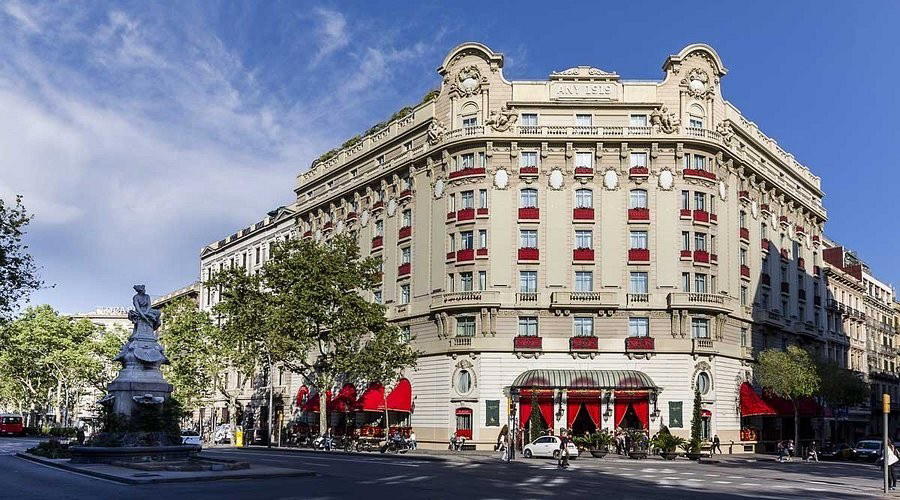
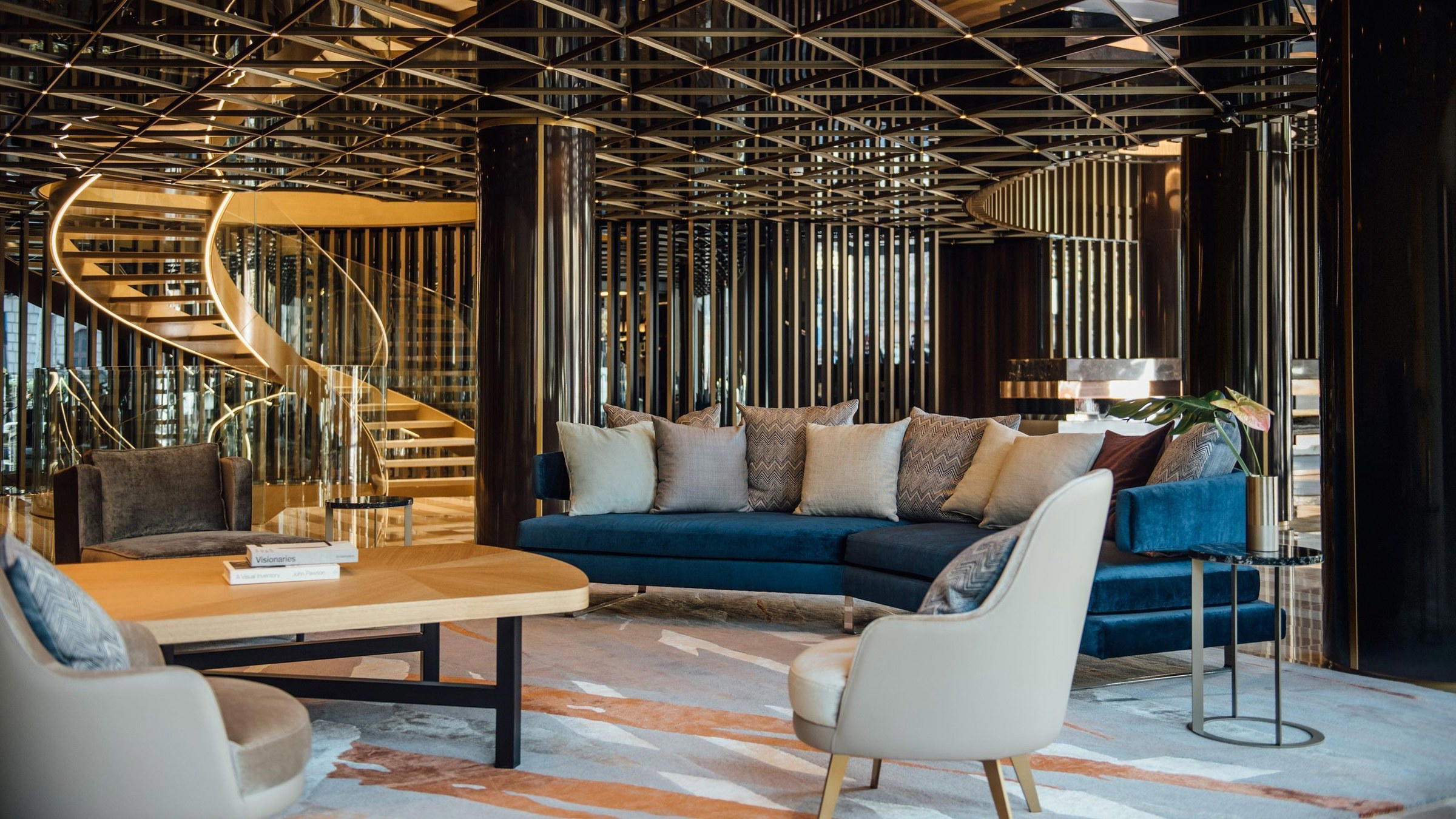
Bars in Barcelona
Browse all →
Restaurants in Barcelona
Browse all →
Details
- Trendy
- Modern
- Lively
- Bohemian
- Weekend Escape
- Romantic Getaway
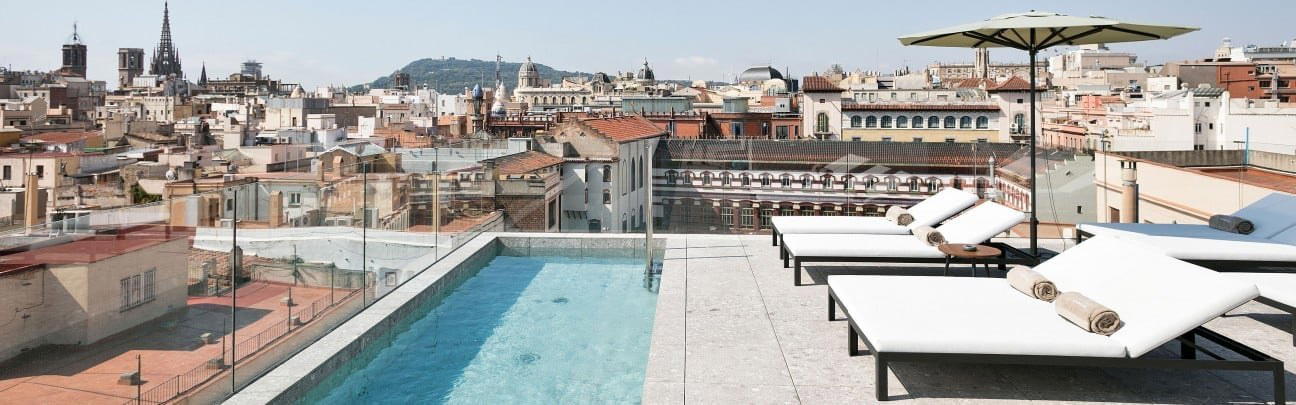
- Rooftop Pool
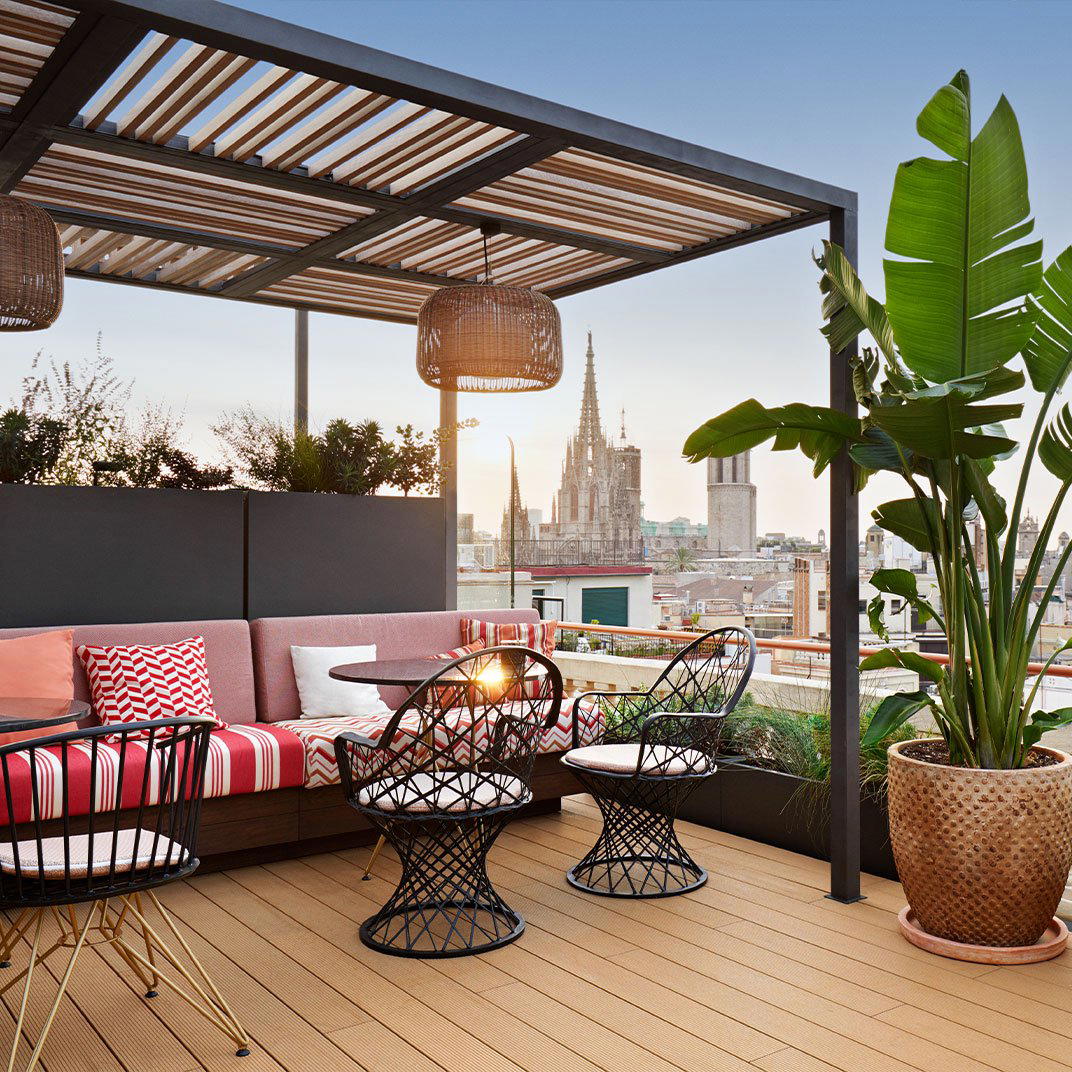
- Terrace
- Historic Building
- Design Destination
- Wi Fi
- Room Service
- Concierge
- Laundry Service
- Spa
- Street Scene
Bright and eclectic with natural light flooding mosaic-floored spaces, colorful playful interiors, and an energetic rooftop terrace evoking a lively beach chiringuito.