Borgo San Gregorio

Michelin Selected
A MICHELIN Selected property in the hills of Irpinia, Borgo San Gregorio occupies a restored rural settlement in Sorbo Serpico, one of Campania's least-visited wine communes. The property sits within the Fiano di Avellino production zone, placing guests inside a working agricultural landscape rather than adjacent to one. For travellers seeking southern Italian countryside accommodation away from the Amalfi Coast circuit, it occupies a genuinely distinct position.

Pearl is the En Primeur Club membership app — saves, bookings, and concierge access live there. Same editors, same standards.
- Address
- Località Cerza Grossa, snc, 83050 Sorbo Serpico AV, Italy
- Phone
- +39 0825 986611
- Website
- borgosangregorio.com
- Directions
- Get directions
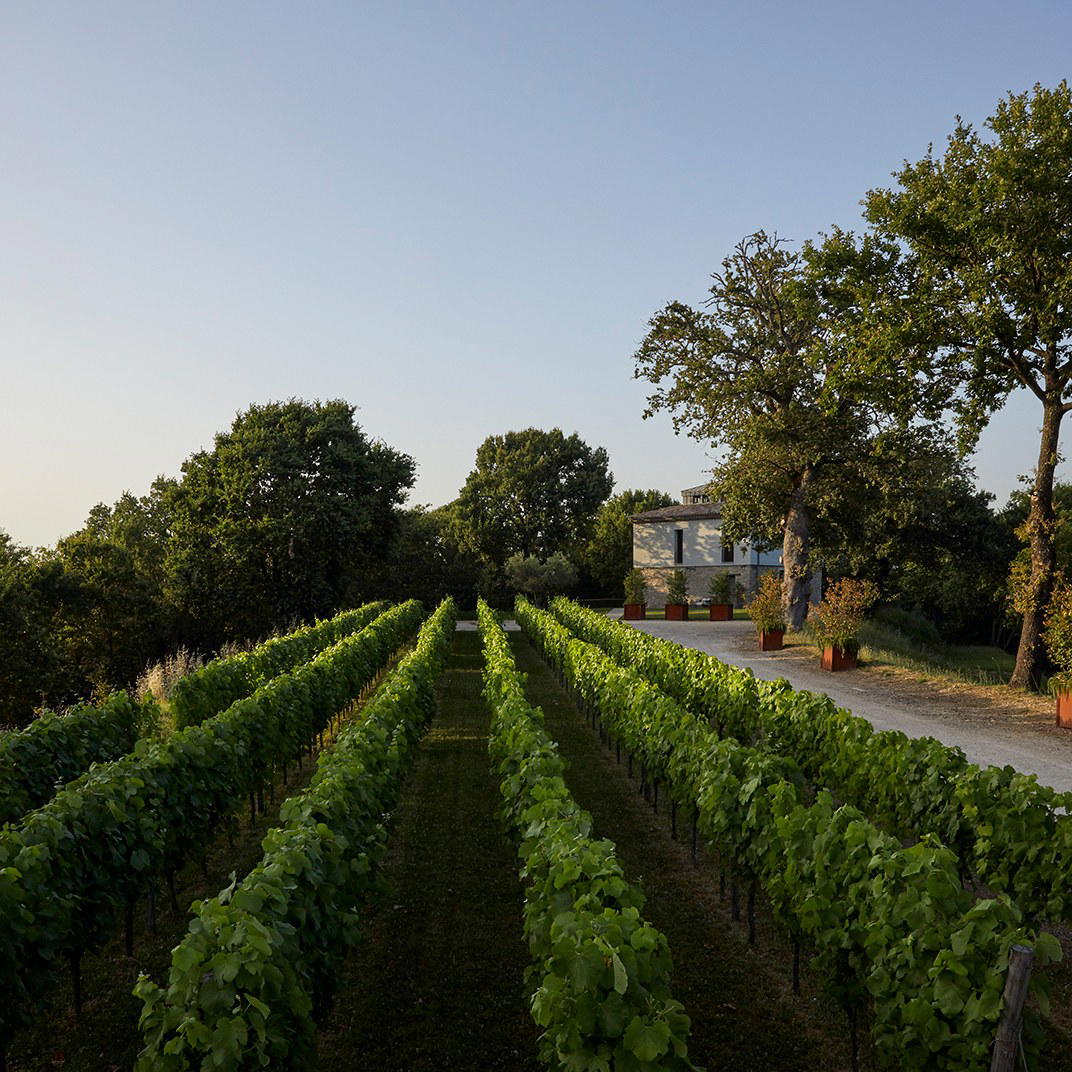
Stone, Silence, and the Irpinian Hills
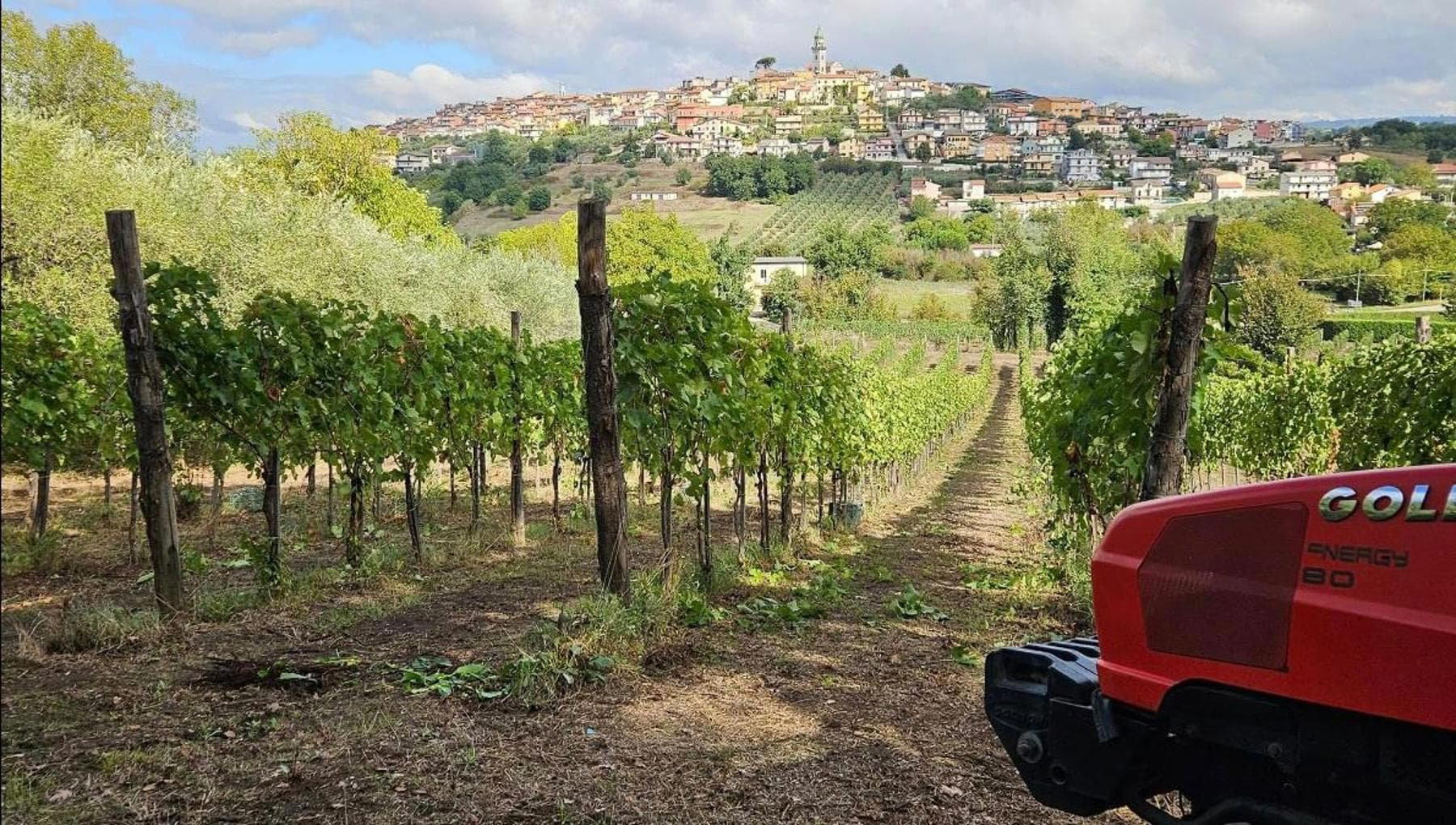
The approach to Sorbo Serpico requires a commitment that most travellers on the southern Italy circuit never make. You leave the A16 autostrada behind Avellino and climb into a landscape that shifts, within twenty minutes, from provincial sprawl to dense chestnut forest and terraced vineyard. The village itself holds fewer than 700 residents. In this context, a restored rural borgo operating as a hotel is less a design intervention than a continuation of what the territory has always been: agricultural, self-contained, and indifferent to coastal tourism.
Properties of this type, a cluster of stone buildings reworked into accommodation without severing their spatial logic, have become a distinct format across central and southern Italy. Where Borgo San Felice Resort in Castelnuovo Berardenga and Rosewood Castiglion Del Bosco in Montalcino have become well-established anchors in Tuscany's premium countryside tier, Irpinia represents the same typology at an earlier stage of international recognition.
The Architecture of Staying Still
Restored borghi succeed or fail on a single question: whether the renovation preserves the spatial hierarchy of the original settlement or collapses it into a uniform hospitality product. The leading examples maintain the distinction between public and private volumes, keep original materials where structurally possible, and resist the urge to standardise room sizes in pursuit of operational efficiency. The result, when done well, is a property where disorientation is part of the experience, where guests navigate between buildings via stone passages and exterior stairs rather than carpeted corridors.
Borgo San Gregorio sits at Località Cerza Grossa, a designation that refers to the specific land parcel rather than a recognised settlement, which tells you something about the scale of the surrounding territory. The property occupies the kind of site that would have functioned historically as a masseria-adjacent farmstead, a working support structure for the broader agricultural economy of the Sabato river valley below. That context shapes what you encounter physically: thick walls calibrated for thermal mass rather than decoration, openings positioned for cross-ventilation rather than views, and an overall massing that reads as accumulated rather than designed.
For travellers who have passed through the more polished countryside formats elsewhere in Italy, including Castello di Reschio in Lisciano Niccone or Casa Maria Luigia in Modena, the register here is more austere. Irpinia has not yet developed the layer of high-end ancillary infrastructure, the wine bars, the artisan food shops, the curated experiences, that has accumulated around Montalcino or the Langhe. That is, depending on your orientation, either the limitation or the point.
Irpinia as Wine Territory
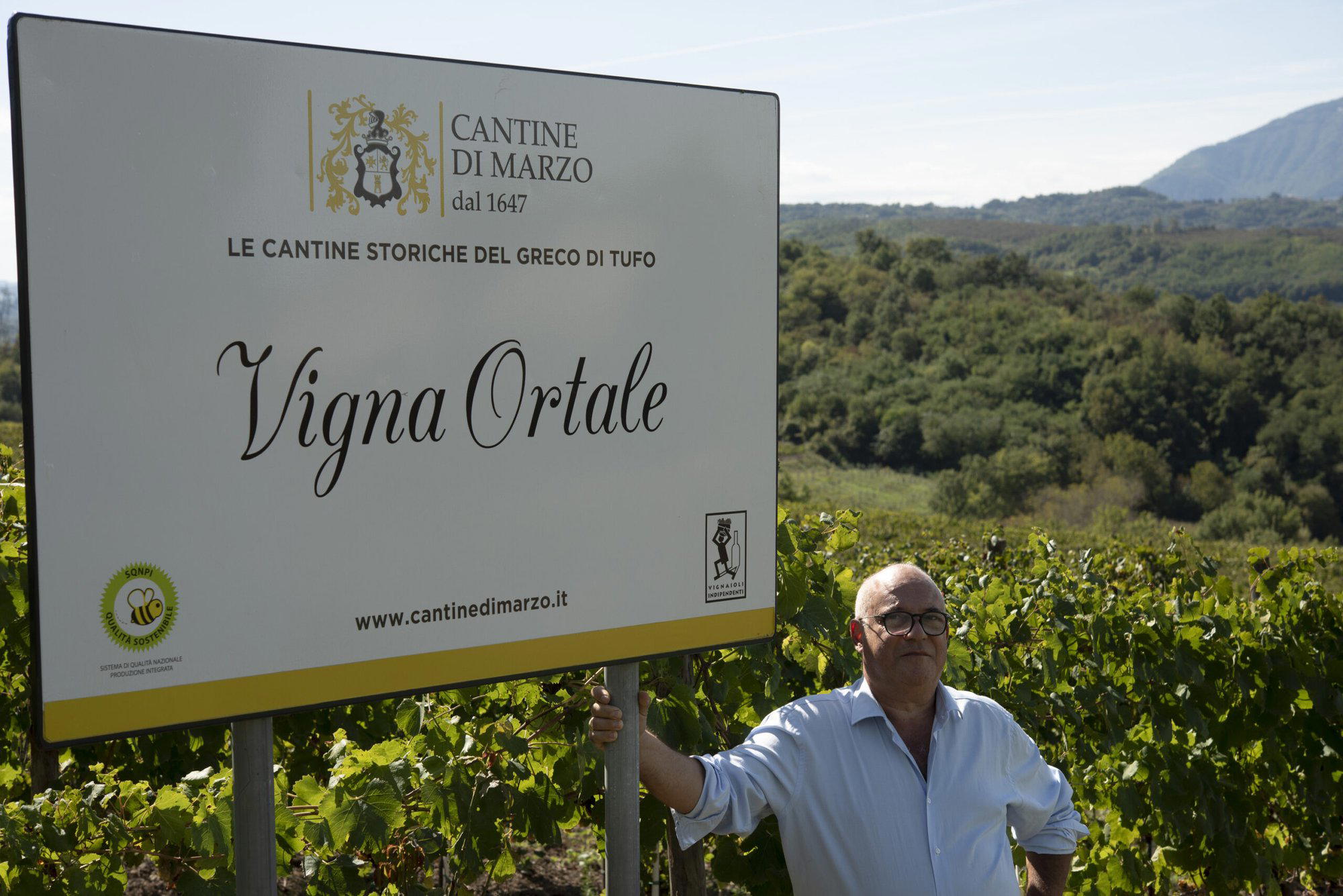
The property's location within the Fiano di Avellino DOCG zone is not incidental. Campania's internal wine production is concentrated in the hills of Avellino province, where volcanic soils and significant diurnal temperature variation produce whites, principally Fiano and Greco di Tufo, that bear little resemblance to the sun-saturated style most travellers associate with southern Italy. These are structured, age-worthy wines with a mineral tension that has attracted serious attention from collectors who track Italian production beyond the Barolo-Brunello axis.
Staying in this territory means proximity to small producers operating at scale too modest for export distribution, estates whose output is absorbed by Italian restaurants and private clients before it reaches international retail. That access, the ability to visit a winery in the Sabato valley on a Tuesday afternoon without an appointment infrastructure, is a practical argument for choosing a property like this over a more developed wine-tourism destination. The Our full Sorbo Serpico restaurants guide maps the local food and wine landscape in more detail for guests planning around producers and trattorie rather than hotel amenities.
Positioning Within Southern Italy's Accommodation Tier
Southern Italy's premium accommodation market has historically concentrated on two poles: the Amalfi and Sorrento coasts, where properties like Borgo Santandrea and Il San Pietro di Positano compete on views and vertical drama, and the Puglia trulli and masseria circuit anchored by properties such as Borgo Egnazia in Savelletri di Fasano. Inland Campania sits outside both gravitational fields. There is no established luxury corridor through Avellino province, no cluster of Relais properties to move between, no airport shuttle infrastructure calibrated to international arrivals.
This gap is precisely what MICHELIN's hotel selection process is designed to surface. The guide's Selected designation does not imply a competitive ranking against coastal five-star properties; it indicates that a property meets consistent standards of comfort, hospitality, and character within its category and location. For the traveller who has already done the Amalfi run, who has stayed at JK Place Capri or navigated the summer crowds at Positano, Irpinia offers a different proposition: Campania without the performance.
Planning a Stay
The nearest significant transport hub is Avellino, roughly 20 kilometres from Sorbo Serpico, with Naples International Airport serving as the primary international gateway, approximately 60 to 70 kilometres to the west. Self-drive is the practical approach; the secondary roads through Irpinia reward it, and access to the valley's wineries and villages is genuinely difficult without a car. Spring, from April through early June, and autumn, September through October, align with the Fiano harvest season and the most temperate conditions in the hills. Summer temperatures at elevation are cooler than the coast, but the roads attract fewer visitors than almost any comparable rural territory in Campania.
Booking should be made directly through the property; the website and phone contact are not currently listed in third-party databases, so direct inquiry via the property address or through accommodation platforms carrying the MICHELIN designation is the most reliable route. Given the small scale typical of restored borgo properties, availability during harvest season fills earlier than comparable coastal inventory, and lead times of six to eight weeks are reasonable for peak autumn dates.
Travellers building a broader Italian itinerary around design-led and countryside properties can map Borgo San Gregorio within a southern arc that extends north through Corte della Maestà in Civita di Bagnoregio and further into the Tuscan network via Borgo San Felice Resort. Those preferring to anchor the trip in major cities before or after can reference Bulgari Hotel Roma in Rome or Four Seasons Hotel Firenze as urban bookends to an inland countryside sequence.
Comparable Spots, Quickly
Comparable venues nearby, for context on price, style, and recognition.
| Venue | Cuisine | Price | Awards | Notes |
|---|---|---|---|---|
| Borgo San GregorioThis venue — the venue you are viewing | Wine estate with modern hospitality | $200–300 | Michelin Selected | Not listed |
| Gourmet- und Boutiquehotel, Restaurant Tanzer | Small boutique retreat blending modern exterior with natural interior furnishings | $300–500 | Michelin Selected | Falzes |
| Tenuta Cammarana | Historic 18th-century neo-baroque farmhouse elegantly restored as an aristocratic country retreat. | $100–200 | Michelin Selected | Ragusa Ibla |
| Poggio Piglia | Cultured contemporary Tuscan casale in bucolic countryside setting | $200–300 | Michelin Selected · Mr & Mrs Smith Seal of Approval | Macciano |
| Dimora delle Balze | Restored 19th-century Sicilian masseria with courtyards and 60-acre estate | Not listed | 1 Michelin Key · Mr & Mrs Smith Seal of Approval | countryside |
| Torre di Moravola | Medieval watchtower converted into contemporary luxury retreat | $300–500 | Michelin Selected | Montone |
Recognition history
Dated appearances from independent guides and award organizations, with the underlying list record or original source where available.
Michelin Selected
Michelin
Continue exploring
More in Sorbo Serpico
Hotels in Sorbo Serpico
Browse all →
Bars in Sorbo Serpico
Browse all →
Restaurants in Sorbo Serpico
Browse all →

Details
- Romantic
- Elegant
- Rustic
- Scenic
- Intimate
- Sophisticated
- Romantic Getaway
- Honeymoon
- Weekend Escape
- Wellness Retreat
- Garden
- Terrace
- Historic Building
- Panoramic View
- Wi Fi
- Pool
- Spa
- Restaurant
- Room Service
- Concierge
- Garden
- Bar
- Mountain
- Garden
- Vineyard
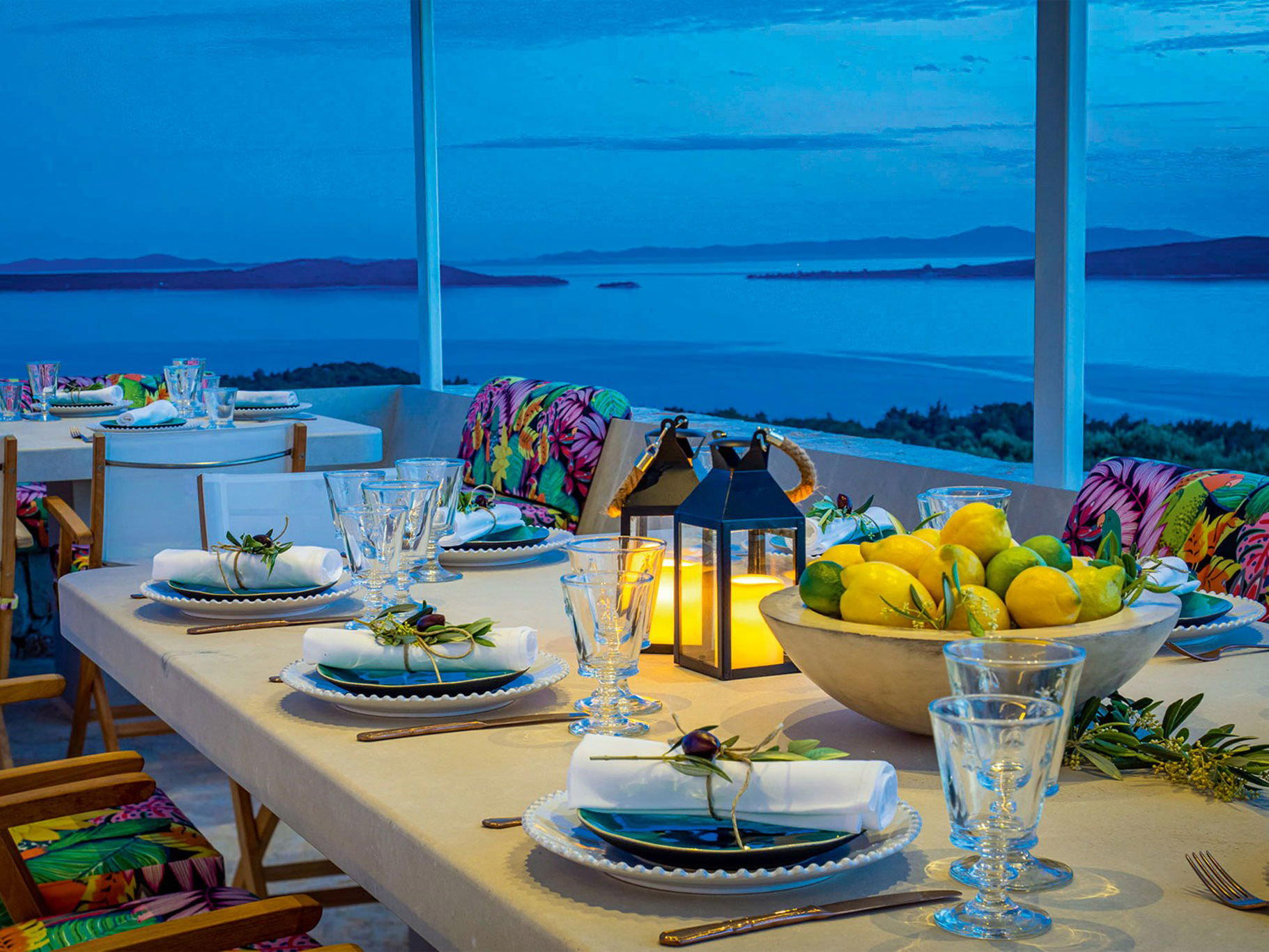
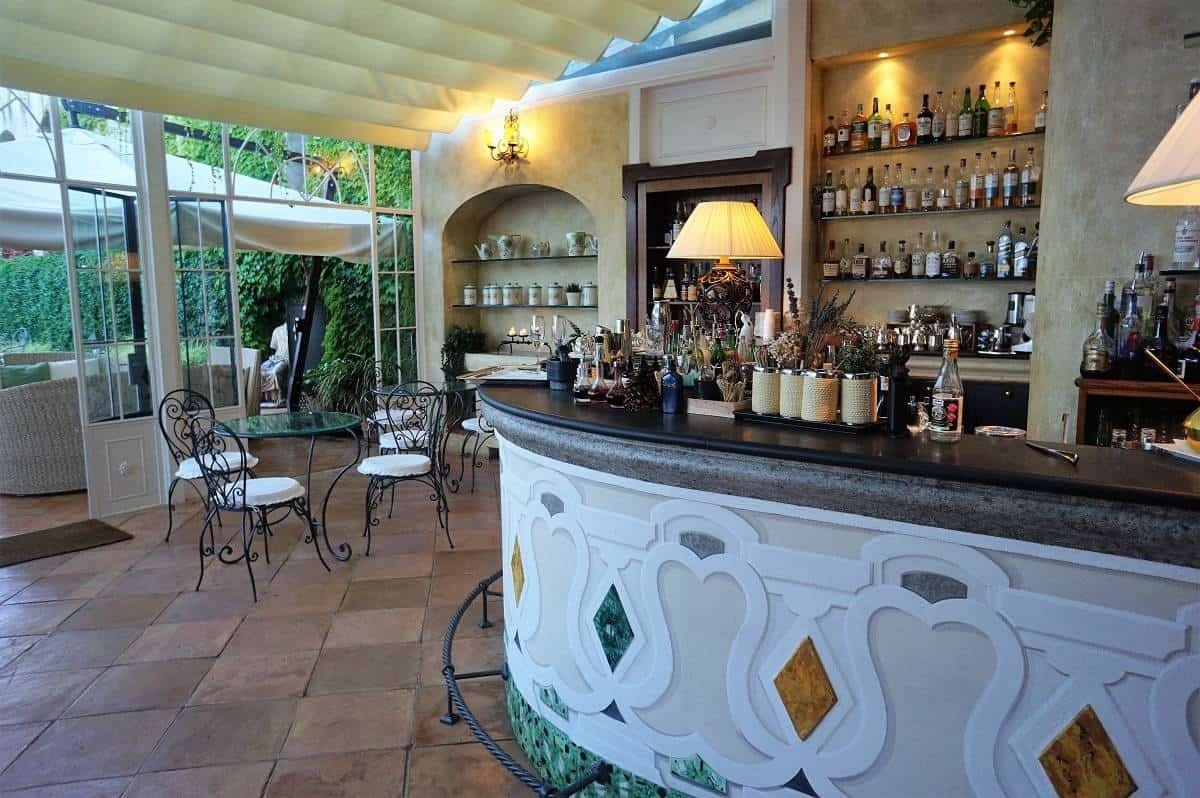
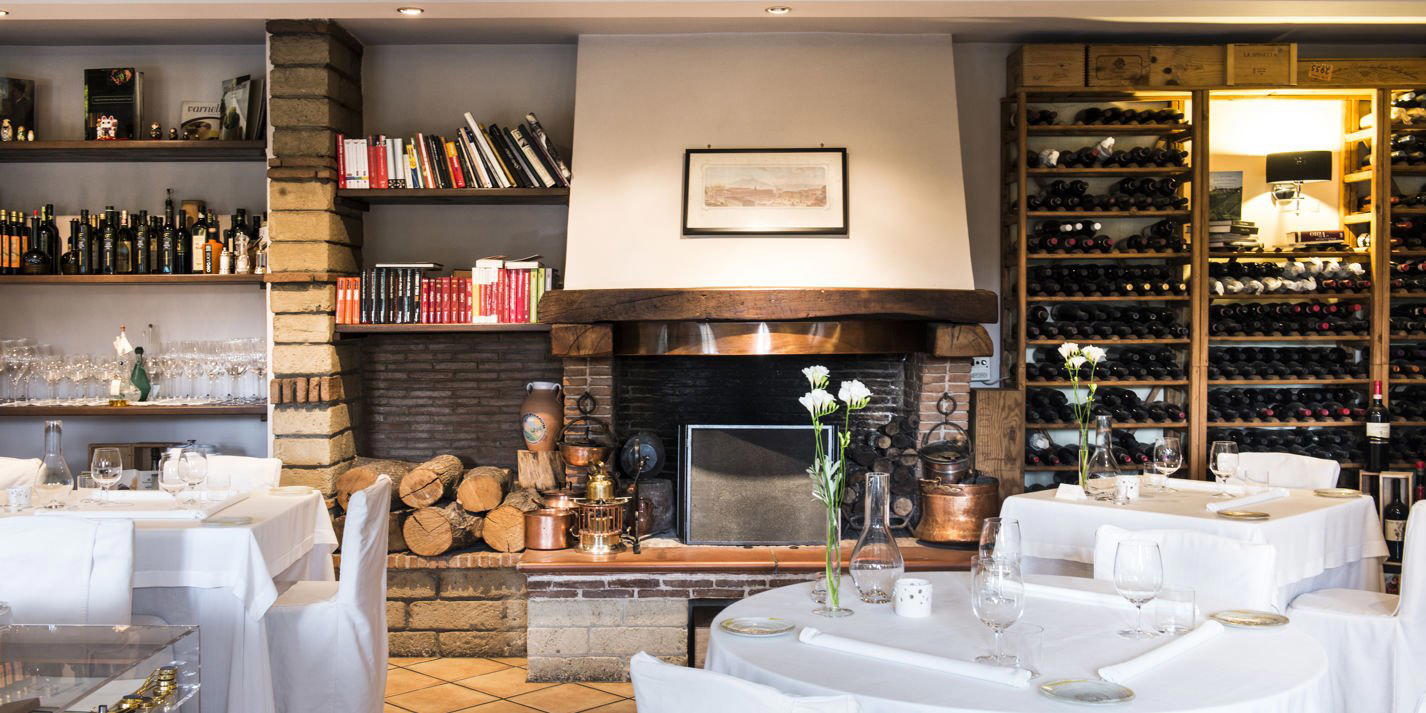
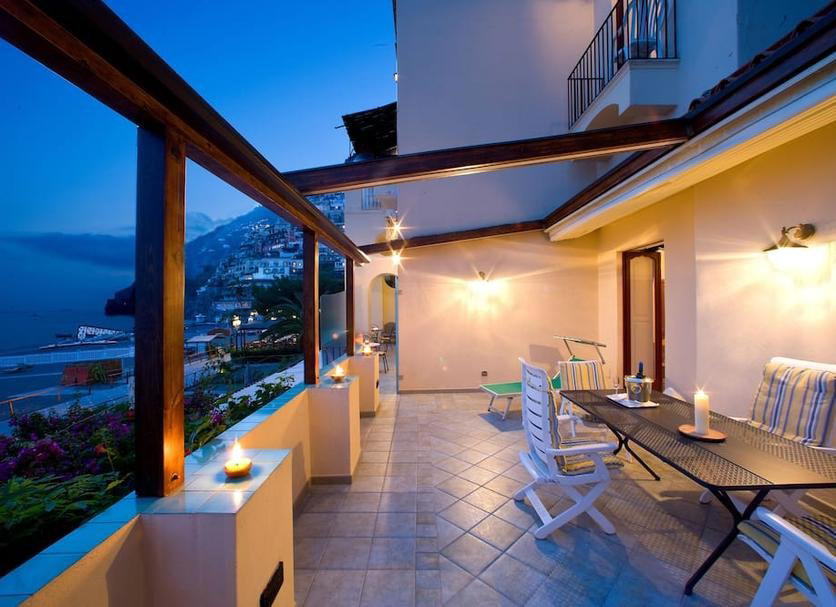
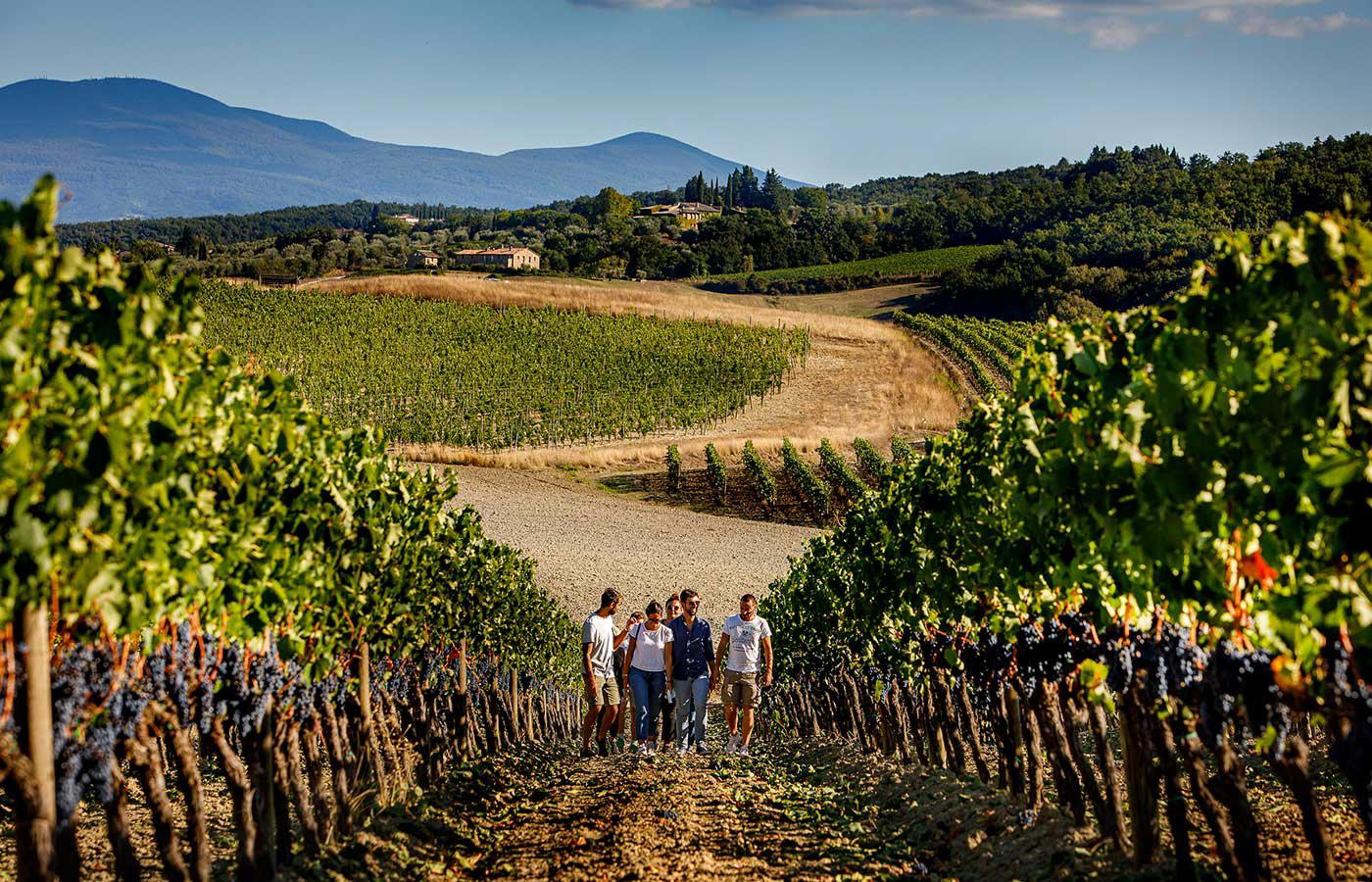
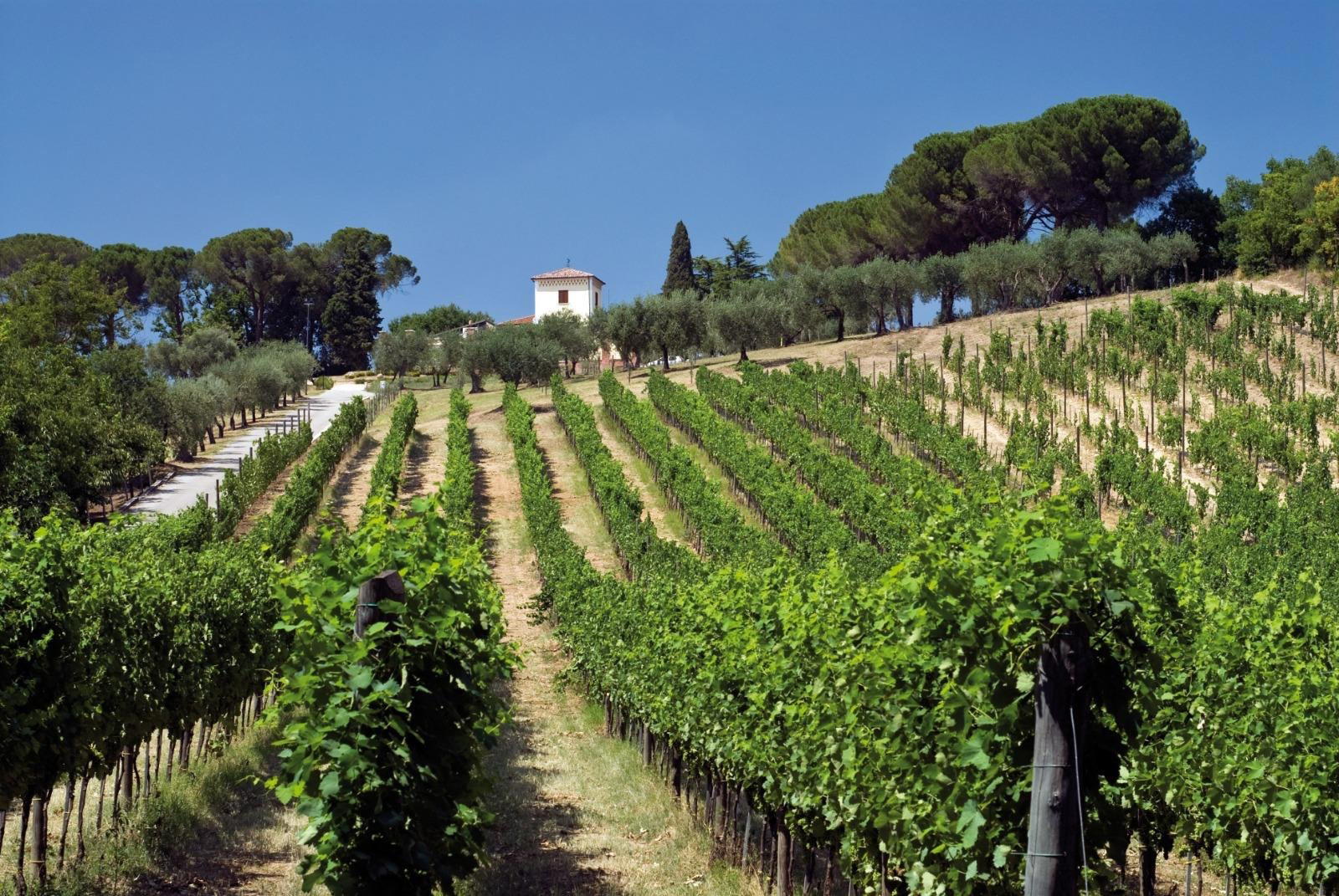
Calm and intimate atmosphere with natural light, contemporary decor inspired by nature, and views of surrounding hills and vineyards.