The Langham Xintiandi occupies a considered position within Shanghai's Huangpu district, placing guests within walking distance of the shikumen lane houses that define the city's architectural memory. The hotel addresses the upper tier of the Xintiandi accommodation market, where proximity to design-led dining and cultural programming matters as much as room specification. It is a reference point for travellers who want central Shanghai without the Bund-facing tourist circuit.
Pearl is the En Primeur Club membership app — saves, bookings, and concierge access live there. Same editors, same standards.
- Address
- 99 Madang Rd, Huangpu, Shanghai, China, 200021
- Phone
- +86 21 2330 2288
- Directions
- Get directions
 Saves & bookings on Pearl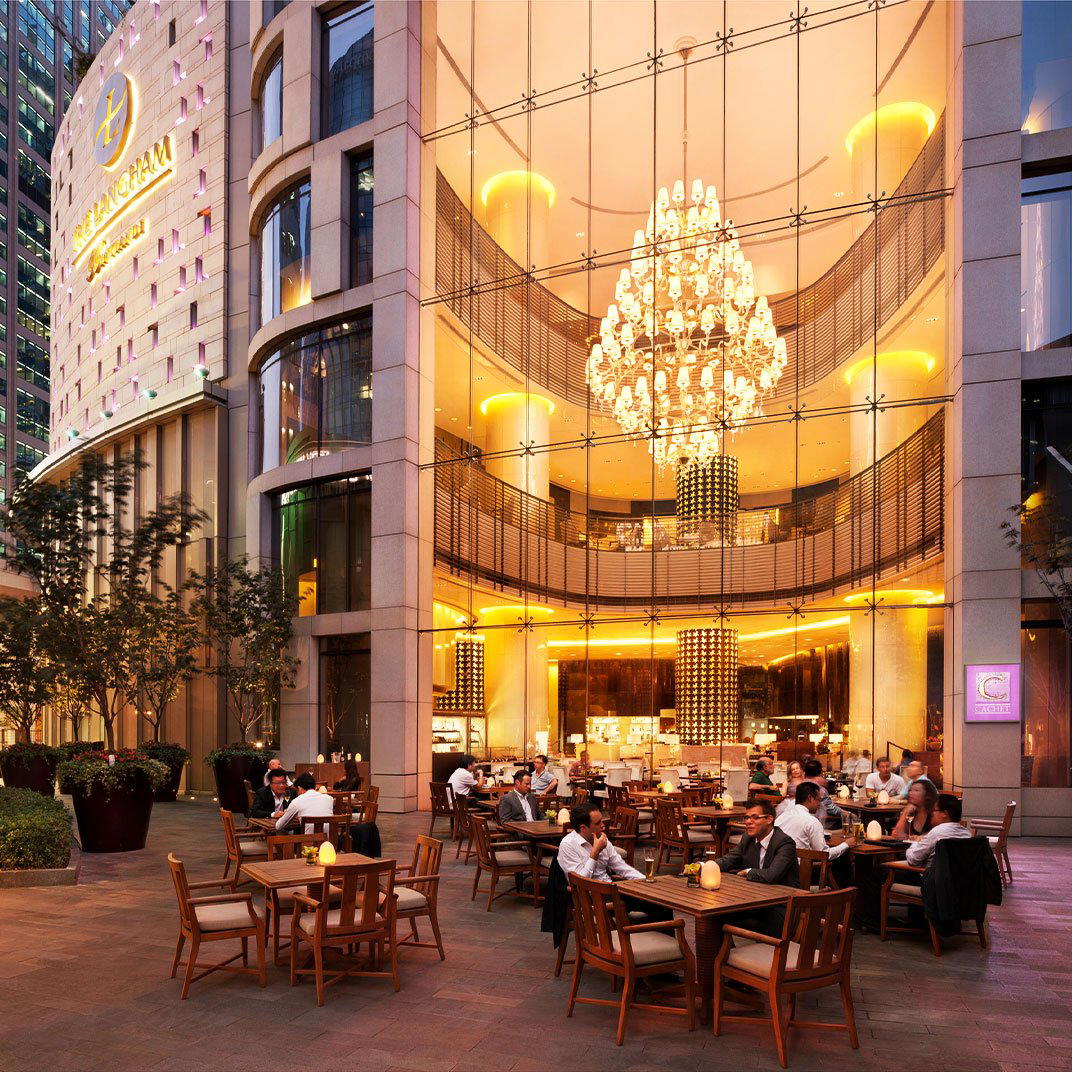
Where Xintiandi Places You in Shanghai's Layered Geography
The Huangpu district has long operated as Shanghai's civic and cultural centre of gravity, and the Xintiandi precinct sits at its most curated edge. The neighbourhood was remodelled in the early 2000s from a grid of shikumen longtang houses, the stone-gate row dwellings that characterise pre-Liberation Shanghai, into a mixed retail and dining zone that now draws both residents and visitors who want proximity to the city's design and restaurant scene without retreating to the Bund's more performative stretch. The Langham Xintiandi, at 99 Madang Road, sits directly within this footprint, which means the trade-off between location premium and neighbourhood character largely resolves in the traveller's favour here.
The Xintiandi Hotel Market and Where This Property Sits
Shanghai's premium hotel sector has stratified considerably over the past decade. The Bund corridor remains the address of reference for grand-hotel traditionalists, properties like the Fairmont Peace Hotel carry a historical weight that newer entrants cannot replicate. The newer luxury cohort has dispersed into neighbourhoods: the Former French Concession, the West Bund, and the Xintiandi precinct each now host properties competing on design coherence and location specificity rather than scale. Within Xintiandi specifically, the competition is instructive. The Andaz Xintiandi occupies the lifestyle-brand end of the spectrum, while the Capella Shanghai, Jian Ye Li operates at a higher price point with a heritage-compound approach. The Langham positions itself between these poles: internationally legible brand standards, a central address, and access to one of the city's most walkable cultural precincts.
Across Shanghai more broadly, the design-led boutique segment has grown significantly. Alila Shanghai and Cachet Boutique Shanghai address travellers who prioritise spatial distinctiveness over brand recognition, while the Bvlgari Hotel Shanghai and Amanyangyun anchor the ultra-premium tier with rates and positioning that place them in a separate conversation entirely. The Langham Xintiandi competes in the upper-middle bracket, where international brand reliability and address specificity carry greater weight.
Local Ingredients, Global Method: How the Xintiandi Dining Scene Operates
The Xintiandi precinct has become one of the more interesting testing grounds in Shanghai for the intersection of imported culinary technique and regional Chinese produce. Shanghai's position as a commercial gateway has historically made it receptive to foreign cooking methods, but the current generation of restaurants operating in and around the Xintiandi area tends to work in the opposite direction: applying international precision, fermentation science, controlled-temperature cooking, European pastry architecture, to ingredients sourced from Jiangnan's agricultural basin. The Jiangnan region, which encompasses the Yangtze River Delta provinces, produces hairy crab, river shrimp, bamboo shoots, and a range of seasonal vegetables that have defined Shanghainese cuisine for centuries. The contemporary technique applied to these products is less about fusion as a style statement and more about extending what the ingredient can do.
Hotels in this tier are expected to participate in that conversation, and the Langham brand has a documented record across its Asian properties of integrating regional culinary programmes rather than defaulting to generic international menus. For comparison, Mandarin Oriental Qianmen in Beijing represents how a comparable international brand addresses regional culinary identity in a different Chinese city context, and the contrast is instructive about how hotel dining in China's major cities has evolved away from generic luxury templates.
Shanghai's Broader Hotel Geography: Context for the Traveller
Understanding where the Langham Xintiandi sits requires some mapping of Shanghai's zones. The Bund and Nanjing Road remain the high-volume tourist corridor. The Former French Concession, directly south and west of Xintiandi, offers a denser residential fabric with independent restaurants and bars that the Huangpu precinct lacks. Xintiandi itself occupies a middle position: more commercial than the Concession, more architecturally coherent than the Bund's tower-heavy riverfront. For travellers whose programme involves the city's design galleries, the contemporary art spaces of the West Bund, or the independent restaurant circuit of Wukang Road, the Langham's address requires short commutes by metro or taxi rather than walking, but those are distances that resolve easily in a city with Shanghai's transport infrastructure.
Across China's wider luxury hotel geography, the divergence in approaches is clear. Resort properties like 1 Hotel Haitang Bay in Sanya or Amanfayun in Hangzhou operate on entirely different logics, landscape immersion, natural-material design, slower rhythms. City hotels in Shanghai operate on access and address, and the Langham Xintiandi's case rests on both. Properties at the further edges of China's geography, such as Mohe Youran Mountain Residence in the Da Hinggan Ling or Vanke Lake Songhua Yunlu Hotel in Jilin, illustrate how different the category becomes once you move beyond the coastal city circuit.
Other Xintiandi-adjacent comparisons within Shanghai's premium set include the Bellagio Shanghai and Artyzen NEW BUND 31 Shanghai, both of which address distinct segments of the market and give some indication of how the city's upper hotel tier has segmented by design language and brand positioning. The Andaz Shenzhen Bay offers a useful point of comparison for how the same parent brand operates differently across Chinese cities.
Planning Your Stay: Practical Orientation
The hotel's Madang Road address in Huangpu places it within a short walk of the main Xintiandi plaza and the lake park, and metro Line 10 and Line 13 both serve the area, connecting the neighbourhood to Jing'an, Pudong, and the rail hubs at Hongqiao and Shanghai Station.
For international travellers contextualising Shanghai against other major-city hotel markets, the contrast with properties like Aman New York or The Fifth Avenue Hotel is useful for calibrating what brand-tier positioning means across different city contexts. In Shanghai, the Langham name operates at a slightly different market register than in Western cities, where comparable positioning would place it firmly in the upper-premium bracket.
Cuisine and Credentials
Comparable venues nearby, for context on price, style, and recognition.
| Venue | Cuisine | Price | Awards | Notes |
|---|---|---|---|---|
| 上海新天地朗廷酒店This venue — the venue you are viewing | Modern luxury flagship blending historic charm with contemporary facilities | $$$$ | 5-Star | Not listed |
| W Shanghai | Futuristic luxury towers fusing Shanghai's past, present, and future. | $$$$ | 5-Star | North Bund |
| Regent Shanghai Pudong | Art Deco-inspired luxury high-rise in the 21st Century Tower | $$$$ | 5-Star | Lu Jia Du |
| Kerry Hotel, Pudong, Shanghai | Contemporary urban hotel integrated with shopping and expo facilities | $$$$ | 5-Star | Yanqiao Xiang |
| Andaz Xintiandi, Shanghai | Contemporary luxury boutique in restored Shikumen district | $$$$ | 5-Star | Lao Ximen |
| Artyzen NEW BUND 31 Shanghai | Modern luxury lifestyle hotel blending contemporary design with Shanghainese cultural elements and artistic sensibility. | $$$$ | 5-Star | Yangsi Xiang |
At a Glance
- Elegant
- Sophisticated
- Modern
- Ornate
- Business Trip
- Romantic Getaway
- Celebration
- Destination Wedding
- Rooftop Pool
- Historic Building
- Panoramic View
- Pool
- Spa
- Fitness Center
- Room Service
- Concierge
- Skyline
- Street Scene
- Pool
- Spa
- Fitness Center
- Room Service
- Concierge
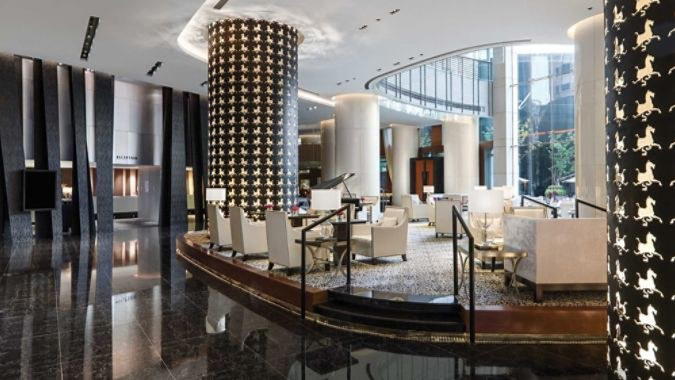
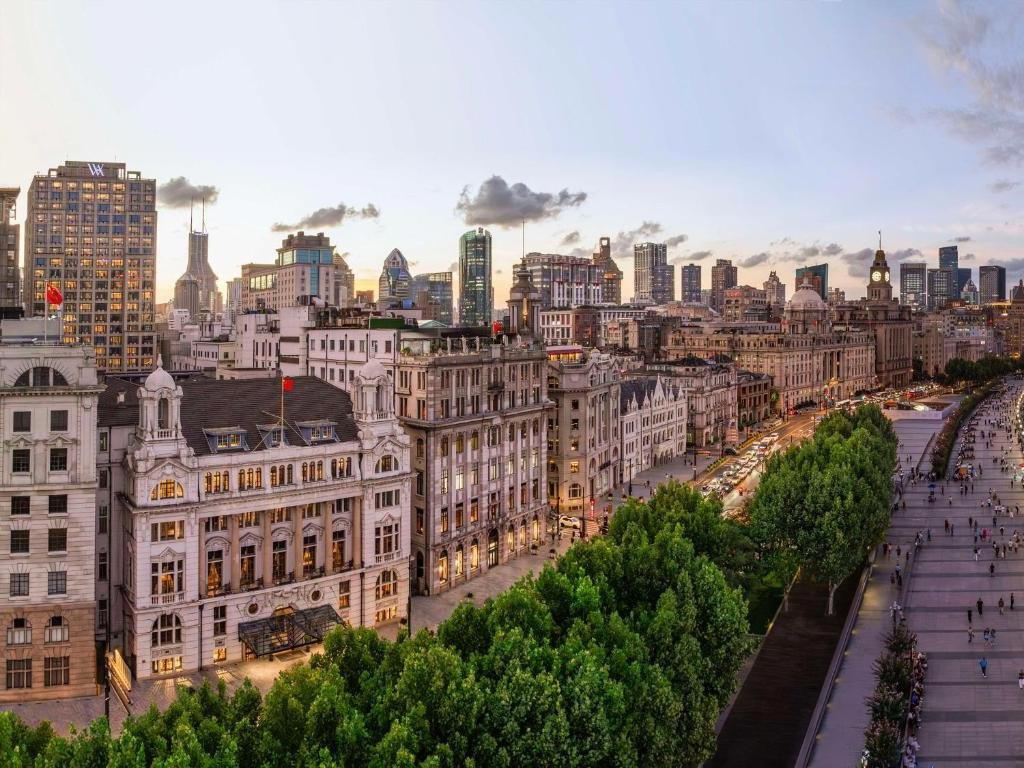
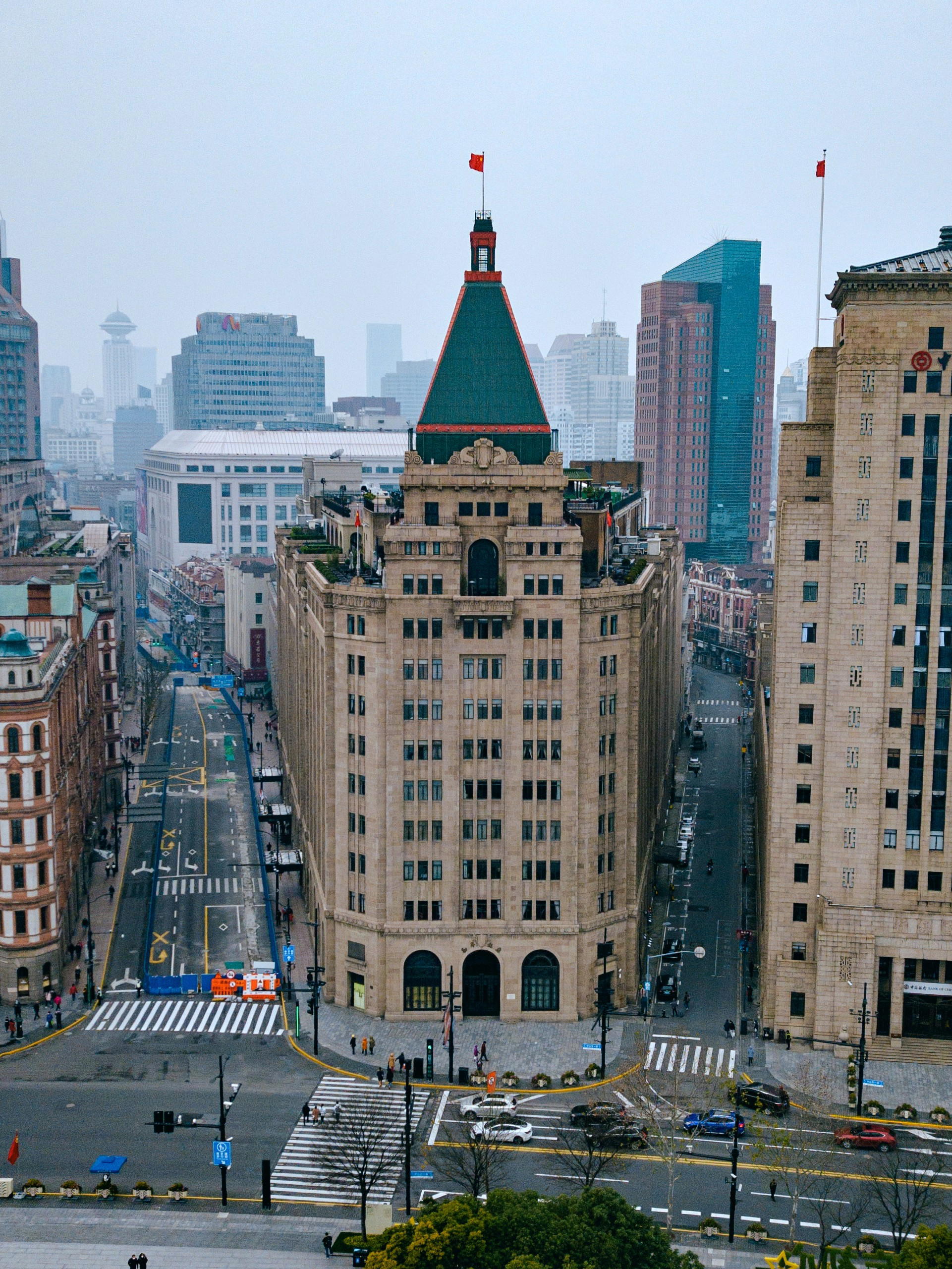
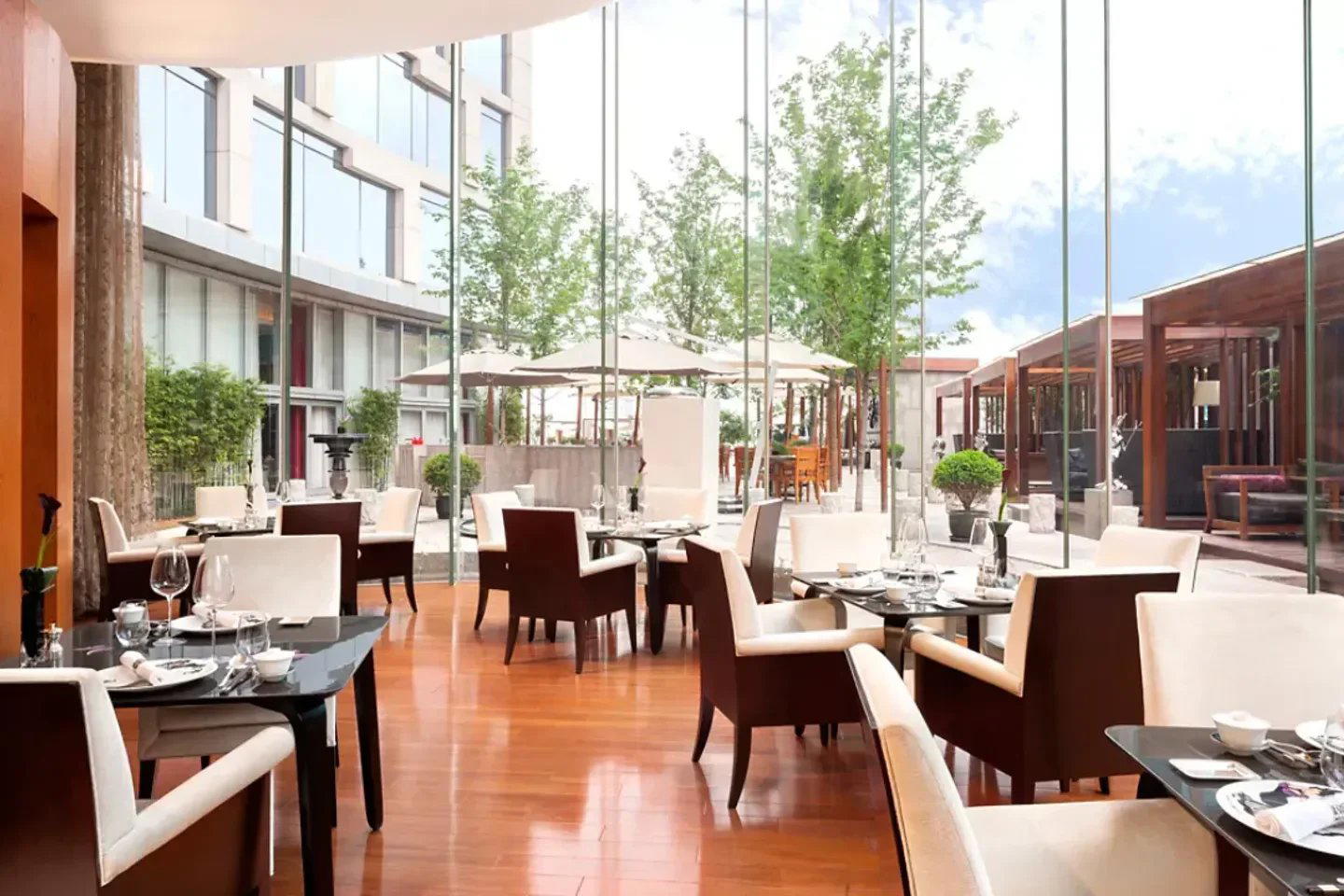
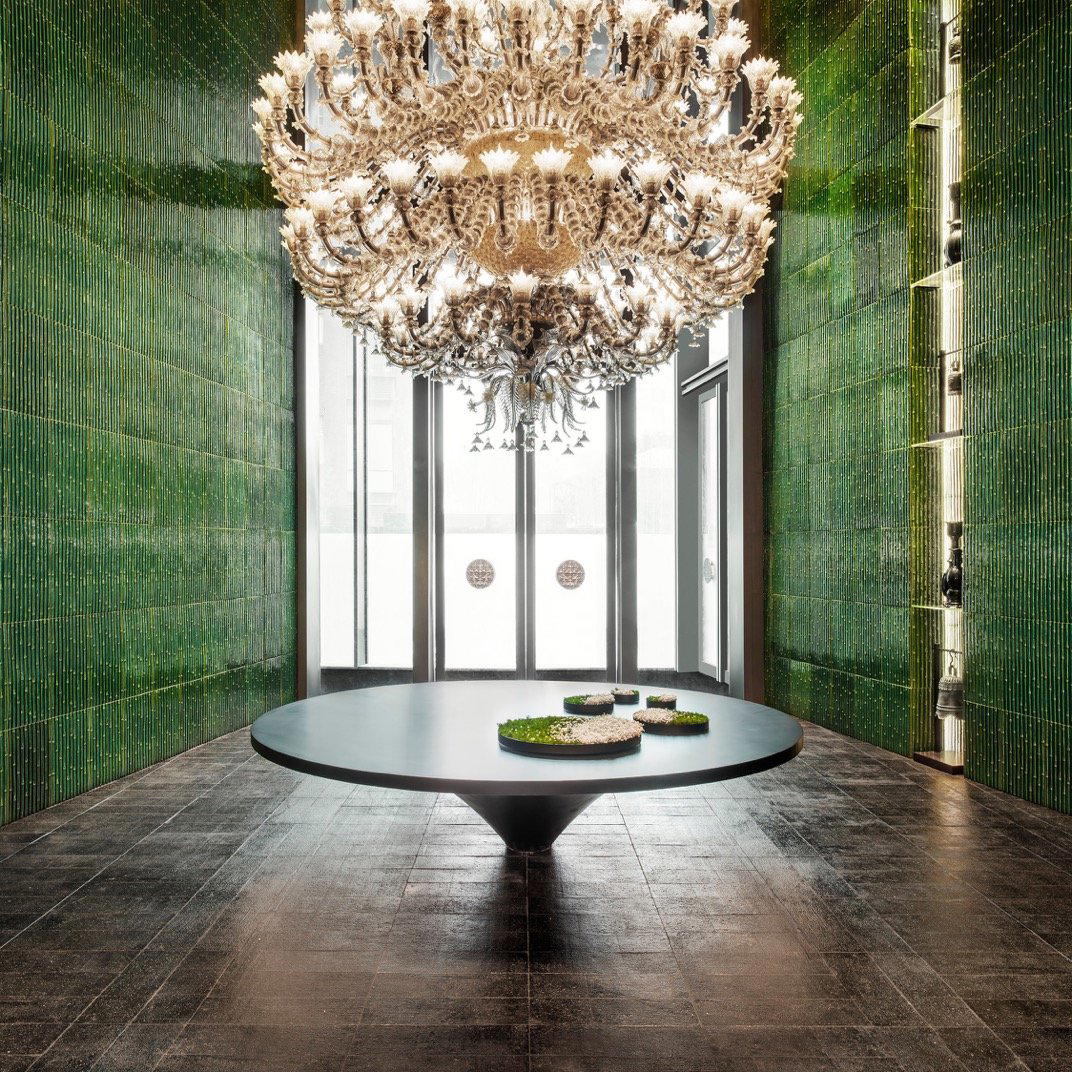
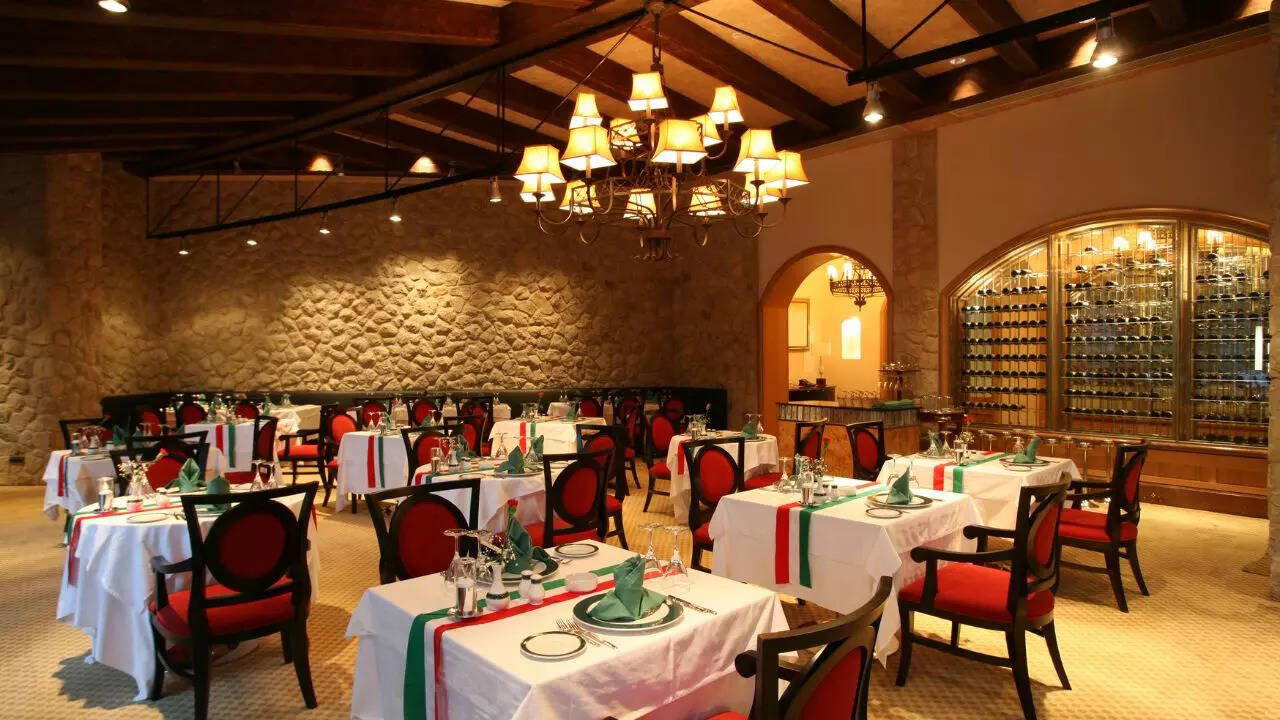
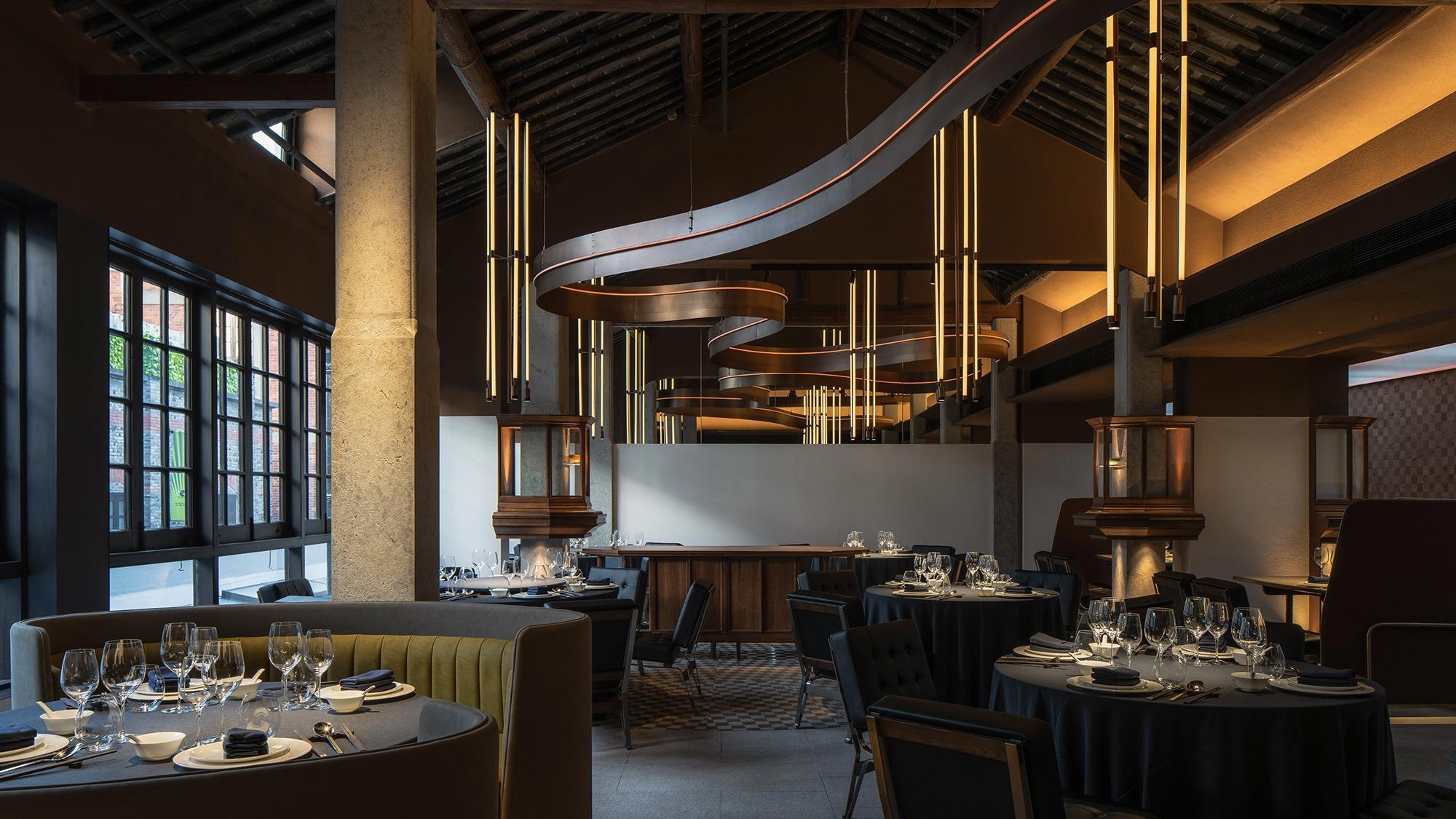
Elegant and lively with high ceilings, contemporary classic design, soft lighting from grand chandeliers, and a fusion of traditional Chinese elements with modern facilities.