
Michelin Selected
Michelin Selected for 2025, Banyan Tree Bintan occupies a headland on Indonesia's Riau Archipelago with private-pool villas designed around the surrounding rainforest and sea. The property sits in the quieter, design-led tier of Bintan's resort corridor, where spatial generosity and natural materials do most of the architectural work. Access via a 45-minute ferry from Singapore's Tanah Merah terminal makes it one of the most logistically accessible escapes in the region.

Pearl is the En Primeur Club membership app — saves, bookings, and concierge access live there. Same editors, same standards.
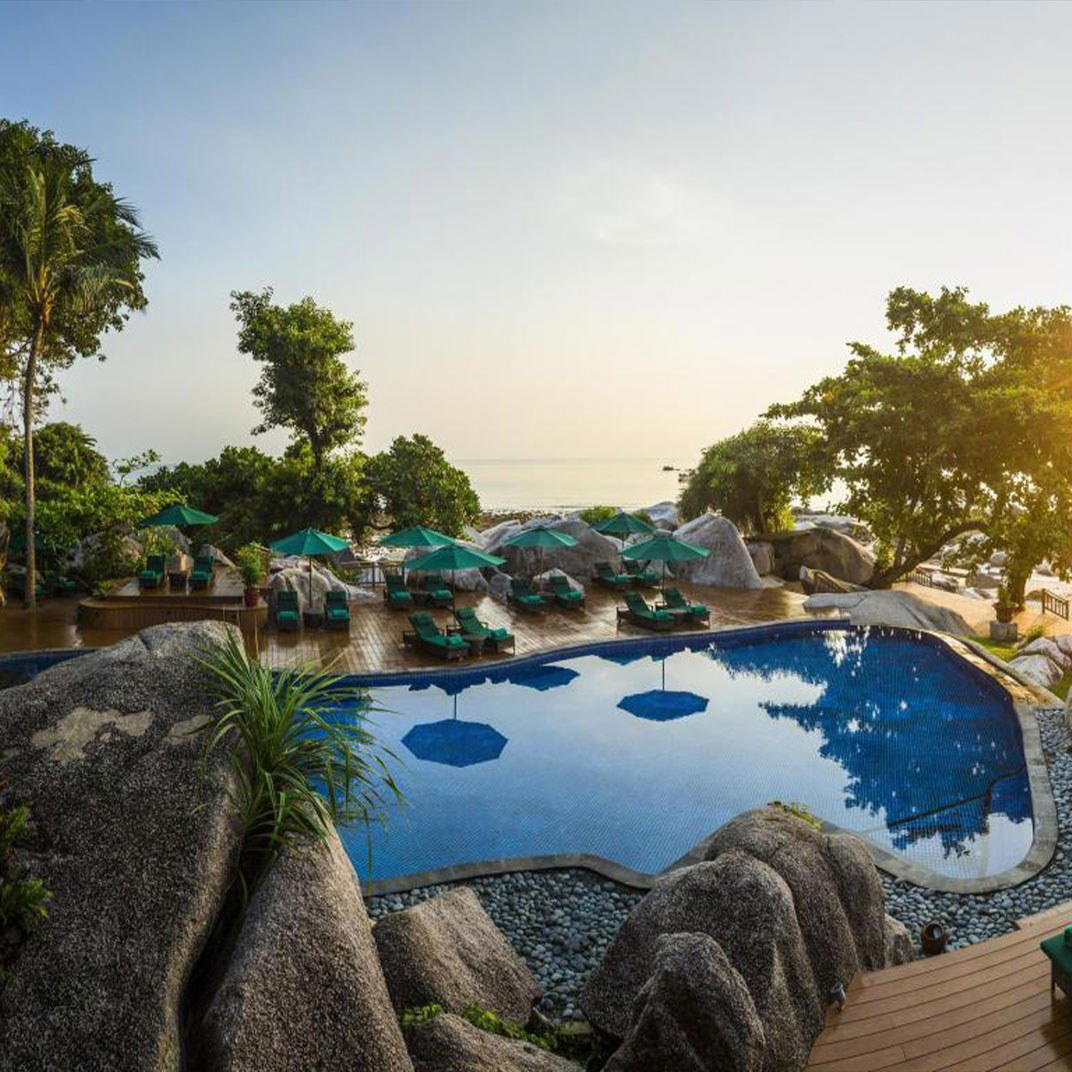
Rainforest Edge, South China Sea: The Architecture of Arrival
The approach to Banyan Tree Bintan does something most resort arrivals do not: it uses the landscape as a structural element. The Riau Archipelago's forested coastline comes into view from the ferry well before the resort itself does, and by the time a vehicle winds through the tree canopy to the main reception, the design intention is already clear. This is a property that positions the forest and sea as primary architecture, with built structures serving as frames rather than focal points. That sensibility places it inside a specific tier of Southeast Asian resort design: properties where site selection and material restraint carry more weight than grand lobby theatrics.
Across the region, luxury hospitality has split into two broad camps. One builds upward and outward, filling space with statement atrium lobbies, conference wings, and high-volume F&B operations. The other works inward, limiting keys, orienting everything toward topography, and letting natural light and vegetation do the heavy lifting. Banyan Tree Bintan belongs firmly to the second camp, a positioning reinforced by its 2025 Michelin Selected recognition, a designation that across the guide's hotels coverage tends to favor properties with coherent design identity over those simply stacking amenities.
The Villa Format and What It Signals
The villa structure common to properties in this tier is not just a commercial format; it reflects a design philosophy about privacy as spatial experience. When each accommodation unit comes with its own pool, terrace, and sight lines oriented away from neighboring villas, the architecture is actively working to dissolve the sense of being in a shared resort complex.
For travelers comparing properties across the Indonesian archipelago, the relevant peer conversation also extends to Mandapa, a Ritz-Carlton Reserve in Ubud, Nihi Sumba in Sumba, and Mulia Villas in Nusa Dua, all of which operate within the private-villa, design-led category at the premium end of Indonesia's resort market. What Bintan adds to that set is proximity: no long-haul domestic flight, no connection through a crowded Bali terminal, just a ferry from one of Southeast Asia's best-connected international hubs.
Bintan as a Setting, Not Just a Location
Bintan Island itself merits context. The island's resort zone was developed under a 1990 bilateral agreement between Indonesia and Singapore, which created a dedicated tourism corridor along the northwest coast. That agreement produced a physically concentrated strip of internationally managed resorts with infrastructure standards calibrated to Singapore-based travelers, giving the island a different character than Bali's organically developed resort towns. The result is a resort environment that feels deliberately curated at the island scale, quieter than the Bali corridor and oriented toward weekend and short-stay guests rather than the longer backpacker and digital-nomad circuits.
For the traveler who finds Bali's Seminyak strip too loud and Nusa Dua too corporate, Bintan's northwest coast reads as a considered alternative. Properties here, including Banyan Tree, operate with a predominantly regional clientele drawn from Singapore, Malaysia, and increasingly southern China, which gives the guest mix a different texture than the more globally distributed crowds at Desa Potato Head in Denpasar or COMO Uma Canggu.
Design Language and Material Choices
Banyan Tree as a brand has historically worked with tropical vernacular architecture, drawing on materials and forms associated with the specific region rather than imposing a generic international-luxury aesthetic. On Bintan, that means structures that sit low in the canopy, pitched roofs that reference Malay architectural traditions, and natural material palettes that absorb rather than reflect the surrounding landscape. The approach shares lineage with what design-led properties across Southeast Asia have pursued for the past two decades, though Banyan Tree was early to establish it as a consistent brand position rather than a one-property experiment.
The spatial hierarchy on a property like this tends to work from public to private in a way that rewards guests who understand the format. The central facilities, pool, spa facilities, and dining outlets, anchor the social end of the property, while villa clusters fan outward toward more secluded positions. Guests who have stayed at properties like Jumeirah Bali, RIMBA by AYANA Bali in Jimbaran Bay, or Plataran Borobudur Resort and Spa in Magelang will recognize this spatial grammar immediately.
Planning a Stay: Access, Timing, and Booking Context
Access runs through Tanah Merah Ferry Terminal in Singapore, with crossings to Bandar Bentan Telani ferry terminal on Bintan taking roughly 45 minutes. The resort sits within a short drive of the ferry arrival point, making the total travel time from central Singapore competitive with many domestic resort transfers in the region. Peak periods align with Singapore school holidays and long weekends, and the island's resort zone can sell out considerably in advance during those windows. The shoulder periods, particularly the months outside the June-July and December holiday blocks, offer more availability and a quieter property experience.
For travelers building a broader Indonesia itinerary, Bintan works well as either a standalone two-to-three night escape or a bookend to a longer trip through the archipelago. Those combining it with Bali can reference properties like Potato Head Suites and Studios in Seminyak, REVIVO Wellness Resort Nusa Dua Bali, or Hotel Komune and Beach Club Bali in Gianyar for contrast across the design-led resort spectrum. Our full Bintan restaurants guide covers the broader dining scene on the island for guests looking to eat beyond the resort.
For the full picture of Indonesia's design-led hotel tier, further reference points include Plataran Komodo Resort and Spa in Labuan Bajo, Innit Lombok in Ekas, Tunak Resort Luxury Escape in Lombok, Lost Lindenberg in Pekutatan, Shore Amora Canggu, MAMAKA by Ovolo in Legian, Kampung Sampireun Resort and Spa in Garut, and InterContinental Bandung Dago Pakar. For those drawn to comparable private-pool villa formats in international contexts, The Fifth Avenue Hotel in New York City, Badrutt's Palace Hotel in St. Moritz, and Hotel de Paris Monte-Carlo and The Ritz-Carlton Jakarta, Mega Kuningan offer useful benchmarks at different price points and latitudes.
Comparison Snapshot
Comparable venues nearby, for context on price, style, and recognition.
| Venue | Cuisine | Price | Awards | Notes |
|---|---|---|---|---|
| Banyan Tree BintanThis venue — the venue you are viewing | Tropical Indonesian villa resort perched on cliffs | $500–750 | Michelin Selected | Not listed |
| The Sanchaya | Colonial-inspired luxury estate blending Southeast Asian heritage with European refinement across a private beachfront setting. | $1,000–1,500 | 2 Michelin Keys · Forbes Recommended | Lagoi Bay |
| The Oberoi Lombok | Luxury private villa resort with village-like clustering of traditional Balinese architecture set within expansive tropical gardens. | $750–1,000 | Michelin Selected | Medana Beach, Northwest Coast |
| Kanvaz Resort Seminyak | Upscale boutique resort with lagoon pools and wellness facilities | Not listed | World Luxury Hotel Awards WLHA Country Winner | Seminyak |
| The Menjangan by LifestyleRetreats | Nature-inspired luxury retreat | Not listed | Michelin Selected | West Bali National Park |
| Batu Karang Lembongan Resort | Traditional Balinese-style luxury boutique resort with indoor-outdoor villas | $100–200 | Michelin Selected | Jungutbatu |
Recognition history
Dated appearances from independent guides and award organizations, with the underlying list record or original source where available.
Michelin Selected
Michelin
Continue exploring
More in Bintan
Hotels in Bintan
All hotels in Bintan →
Bars in Bintan
Browse all →
Details
- Romantic
- Quiet
- Elegant
- Scenic
- Sophisticated
- Ornate
- Honeymoon
- Romantic Getaway
- Wellness Retreat
- Anniversary
- Weekend Escape
- Beachfront
- Infinity Pool
- Private Villa
- Destination Spa
- Golf Course
- Panoramic View
- Pool
- Spa
- Beach Access
- Golf Course
- Concierge
- Room Service
- Airport Transfer
- Waterfront
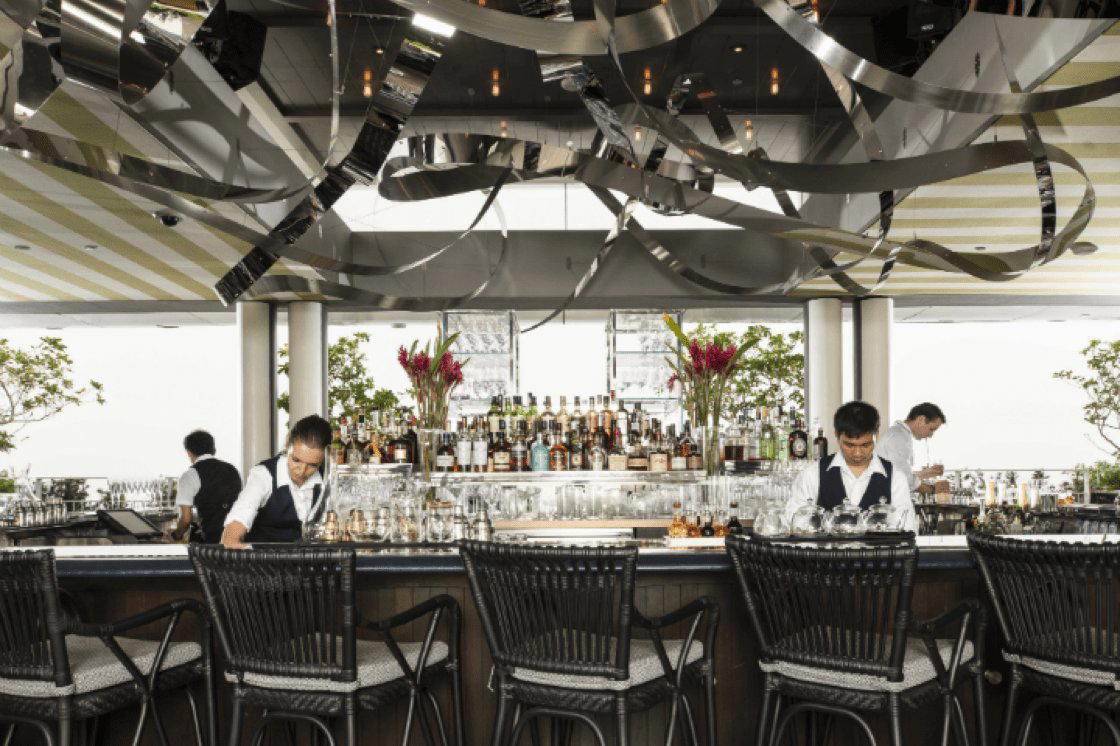
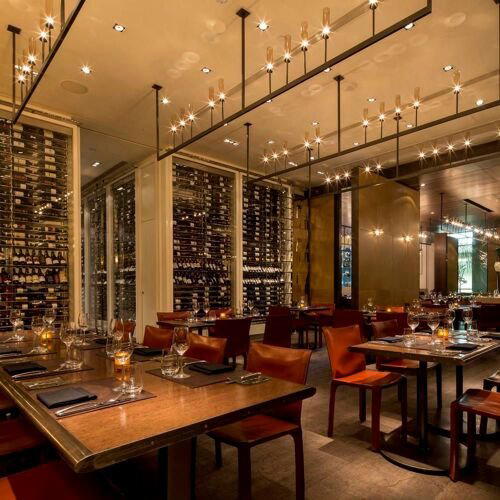
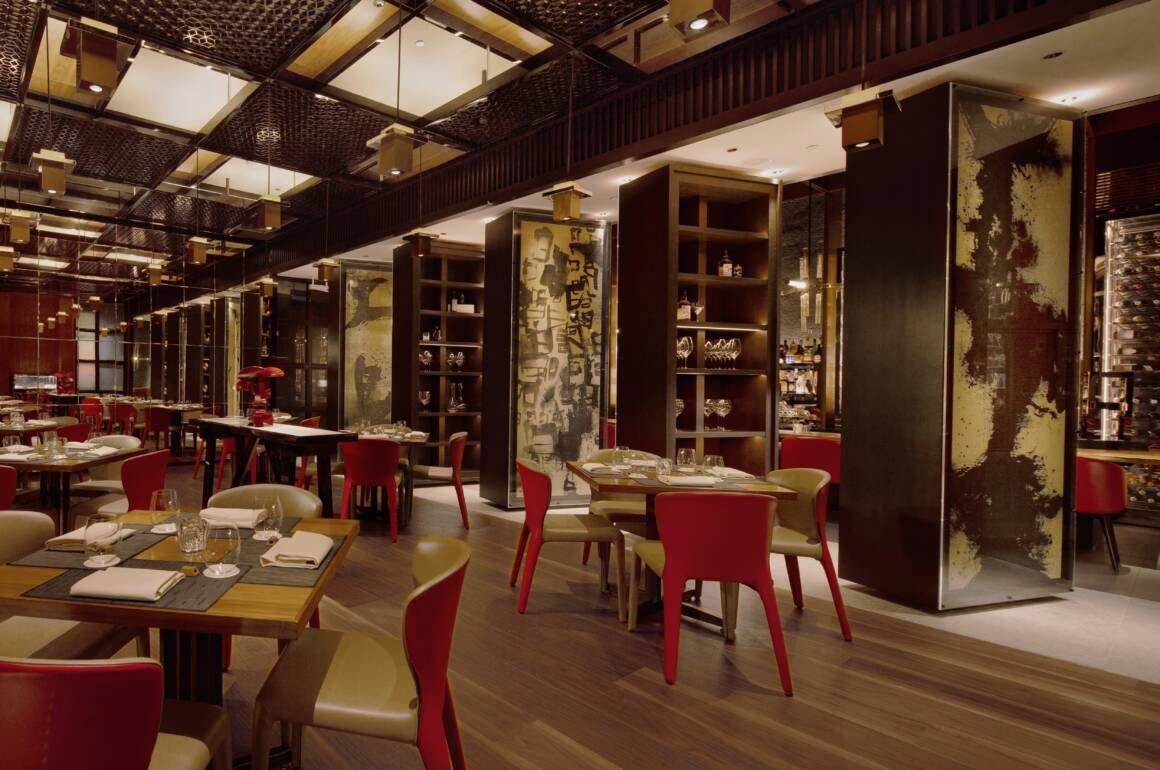
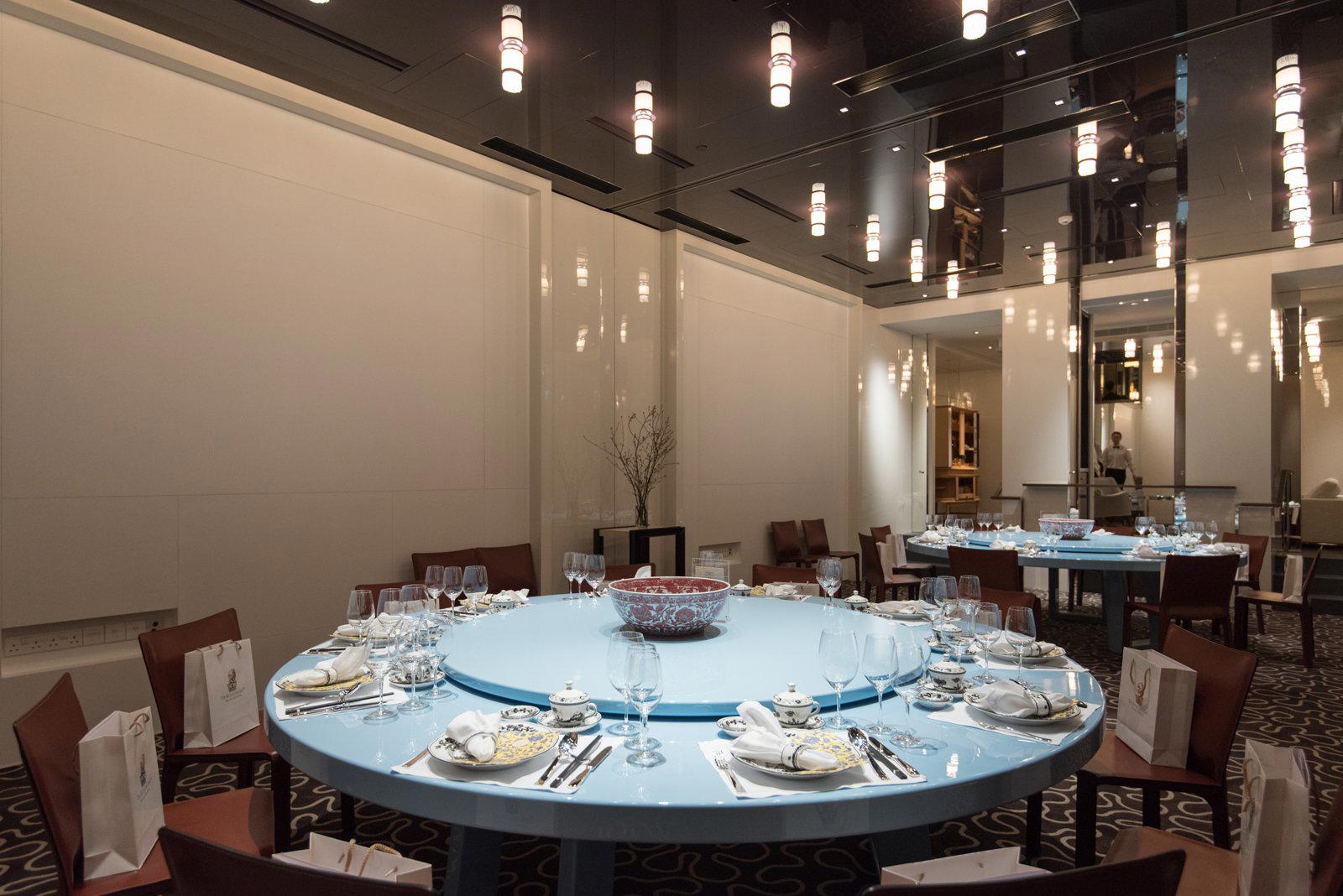
Tranquil and luxurious with natural lighting filtering through tropical foliage, evoking a serene tropical sanctuary.