
Michelin Selected
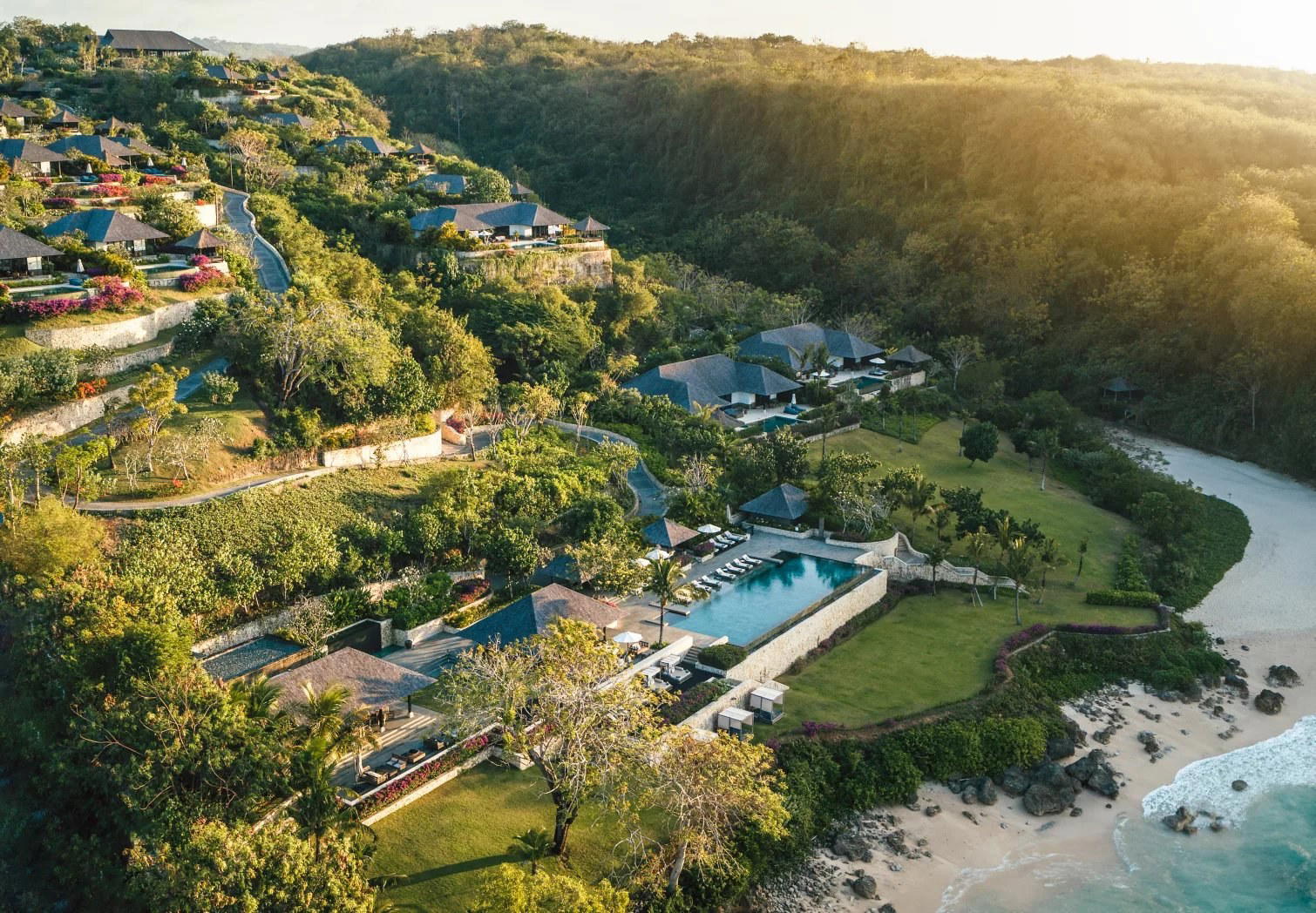
Shore Amora Canggu sits on Jalan Pantai Pererenan in one of Bali's most design-conscious neighbourhoods, earning Michelin Selected status in 2025. The property occupies a quieter stretch of the Canggu coastline, where the architectural language tends toward open-air structures, natural materials, and deliberate integration with the surrounding rice-field and ocean terrain. It belongs to a mid-scale tier of design-led Bali hotels that prioritise spatial character over resort scale.

Pearl is the En Primeur Club membership app — saves, bookings, and concierge access live there. Same editors, same standards.
- Address
- Jl. Pantai Pererenan, Pererenan, Kec. Mengwi, Kabupaten Badung, Bali, Indonesia
- Phone
- +62 361 9091773
- Website
- shoreamora.com
- Directions
- Get directions
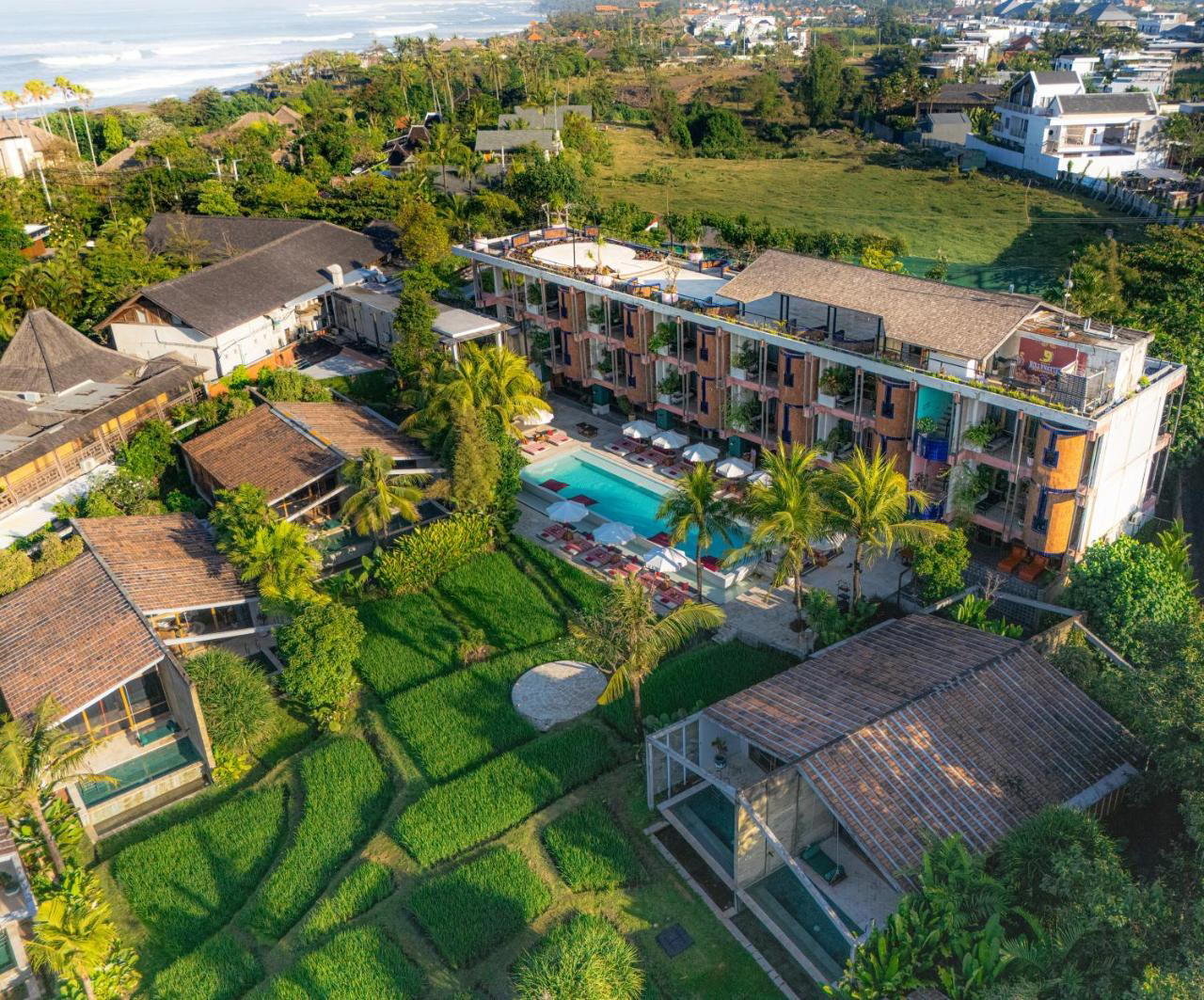
Where Pererenan's Design Sensibility Meets the Shore
The stretch of coast running through Pererenan and into northern Canggu has gradually separated itself from the louder, more commercialised strip around Batu Bolong. Properties here tend to sit lower, open wider, and let the rice-field and ocean views do the work that other hotels assign to lobbies and amenity lists. Shore Amora Canggu, positioned on Jalan Pantai Pererenan, belongs to this quieter corridor, where the architectural conversation is between structure and landscape rather than structure and spectacle.
Michelin's hotel selection programme, which introduced its Indonesia listings formally in 2025, gave Shore Amora Canggu a Selected designation, placing it in the same recognition tier as properties across Bali that have demonstrated a clear sense of place and consistent hospitality standard. Michelin Selected does not carry the star hierarchy of the restaurant guide, but it functions as a meaningful filter in a market as saturated as Bali's, where the distance between a considered property and a commodity one is not always obvious from the outside.
The Architectural Register of Canggu's Northern Edge
Canggu's hotel stock has split into two distinct modes. The first is resort-scale infrastructure, the kind found further south at properties like Jumeirah Bali or Mulia Villas in Nusa Dua, where acreage, pool counts, and F&B programming are the primary competitive levers. The second mode, increasingly dominant in the Pererenan corridor, is a smaller-footprint, design-forward approach where material honesty, spatial generosity, and outdoor integration take precedence over amenity accumulation.
Shore Amora Canggu operates in this second register. The Pererenan address signals something deliberate: this is not the Legian party strip (compare the energy at MAMAKA by Ovolo in Legian) and it is not the polished wellness architecture of Nusa Dua (as found at REVIVO Wellness Resort). Pererenan draws a guest who wants proximity to Canggu's cultural density without being absorbed by it.
In Bali's broader design tradition, the most considered properties tend to use local volcanic stone, reclaimed timber, and high thatched or pitched roof structures to create shade and air movement without mechanical intervention. The best of them read as continuous with the island's vernacular rather than imported onto it. This approach has defined the upper tier of Bali's design-led hotel category for decades, and Pererenan's newer properties have largely absorbed it rather than departed from it.
At the higher end, COMO Uma Canggu sets the benchmark for brand-backed architectural rigour in the neighbourhood, with the COMO group's characteristic restraint applied to a surf-adjacent setting. Shore Amora Canggu operates at a different register, where the design language is self-authored rather than brand-mandated, which tends to produce either more personality or less consistency depending on execution.
Further afield in Bali, the properties that have most successfully defined design-led hospitality at scale include Mandapa, a Ritz-Carlton Reserve in Ubud, where river valley topography shapes every architectural decision, and Bvlgari Resort Bali in Uluwatu, where clifftop position and Italian material sensibility create a specific visual identity. Shore Amora's coastal Canggu position offers a different set of site conditions: flat, rice-field-adjacent land that transitions directly to beach access, a configuration that rewards horizontal architecture and unobstructed sightlines rather than drama through elevation.
The Seminyak cluster, represented by properties like Potato Head Suites and Studios and the culturally layered Desa Potato Head in Denpasar, demonstrates a more programmatic approach to design-led hospitality, where the property functions as a creative campus. Pererenan hotels, including Shore Amora, tend toward a quieter model where the physical environment is the programme rather than a backdrop to one.
The Indonesia Selection in Context
Michelin's 2025 Indonesian hotel selection is broad by geography, covering Bali's varied neighbourhoods alongside properties in other Indonesian islands. Beyond Bali, the archipelago's design-led hotel category extends to properties like Nihi Sumba, which has built an international profile on remote site and surf access, and Innit Lombok in Ekas, which operates in a similarly quiet coastal register to Pererenan but on a less developed island. The Plataran Borobudur Resort and Spa in Magelang and Plataran Komodo Resort and Spa in Labuan Bajo represent the heritage and nature-tourism end of Indonesia's considered hospitality offer.
For Bali specifically, where the hotel supply ranges from bare-bones surf guesthouses to branded ultra-luxury, the Michelin filter is one of the more useful ways to identify properties that have been assessed against an external standard. For a broader view of where the Indonesian hotel market is heading, our full Indonesia guide covers the range from Bali's established circuit to emerging destinations across the archipelago.
Planning a Stay
Pererenan sits north of the main Canggu intersection, accessible by taxi or rideshare from Ngurah Rai International Airport in roughly 45 to 60 minutes depending on traffic conditions, which in southern Bali can vary sharply between morning and late afternoon. The area's own dining and café scene has expanded considerably over the past five years, meaning guests are not dependent on hotel F&B for variety. The beach at Pererenan is calmer in character than the beaches around Echo Beach or Old Man's, where surf crowds concentrate. Dry season, running approximately from May through October, gives the most reliable conditions for outdoor use of any coastal property in this part of Bali, and booking lead times for well-regarded properties in that window should be treated as longer than first instinct suggests.
For guests mapping a broader Indonesian itinerary, properties worth considering in combination include Hotel Komune and Beach Club Bali in Gianyar for a surf-focused east Bali stay, The Meru Sanur for a quieter beach town alternative, and RIMBA by AYANA Bali in Jimbaran Bay for the western cliff coast. Those extending beyond Bali should look at Tunak Resort Luxury Escape in Lombok or the culturally oriented Kampung Sampireun Resort and Spa in Garut. For guests approaching Indonesia as part of a wider Asia itinerary that includes stopovers in Europe or North America, reference points like The Fifth Avenue Hotel in New York, Badrutt's Palace Hotel in St. Moritz, and Hotel de Paris Monte-Carlo illustrate how different markets handle the intersection of design ambition and service standard at the top of the hotel category.
Quick Comparison
Comparable venues nearby, for context on price, style, and recognition.
| Venue | Cuisine | Price | Awards | Notes |
|---|---|---|---|---|
| Shore Amora CangguThis venue — the venue you are viewing | Edgy lifestyle resort fusing modern brutalist design with Balinese hospitality. | $200–300 | Michelin Selected | Not listed |
| Adiwana Suweta | Contemporary Balinese luxury resort blending modern design with traditional cultural elements and eco-friendly practices. | $200–300 | Michelin Selected | Ubud |
| Hotel Komune and Beach Club Bali | Tropical-chic surf resort with wellness focus | Not listed | 4-Star | Keramas |
| One Eleven | Contemporary luxury villa resort blending private villa exclusivity with five-star resort amenities in a minimalist aesthetic. | $750–1,000 | Michelin Selected | Seminyak |
| Aman Villas at Nusa Dua | Balinese luxury villas with private pools and gardens | $1,500–2,500 | Michelin Selected · Mr & Mrs Smith Seal of Approval | Nusa Dua |
| Blue Karma Village | Boutique resort created from three Balinese villas with formal tropical gardens and private joglos. | Not listed | 1 Michelin Key | Umalas |
Recognition history
Dated appearances from independent guides and award organizations, with the underlying list record or original source where available.
Michelin Selected
Michelin
Continue exploring
More in Indonesia
Hotels in Indonesia
Browse all →
Restaurants in Indonesia
Browse all →
Details
- Modern
- Trendy
- Minimalist
- Sophisticated
- Romantic Getaway
- Wellness Retreat
- Weekend Escape
- Infinity Pool
- Pool
- Spa
- Wi Fi
- Room Service
- Fitness Center
- Garden
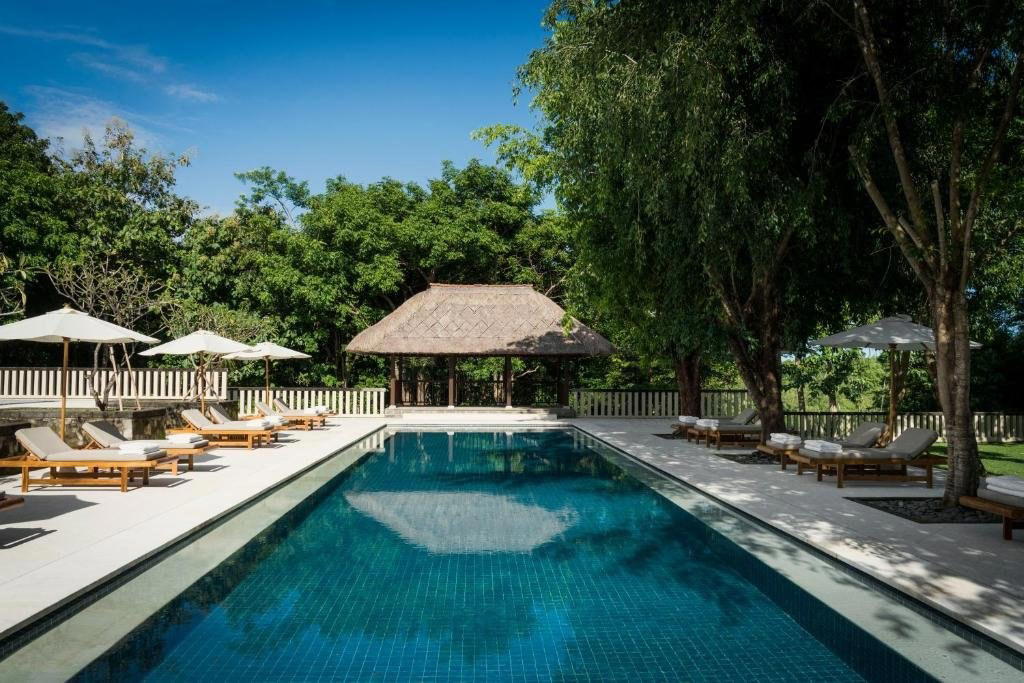
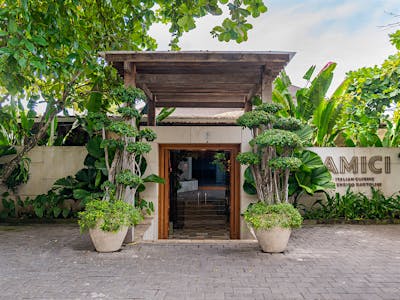
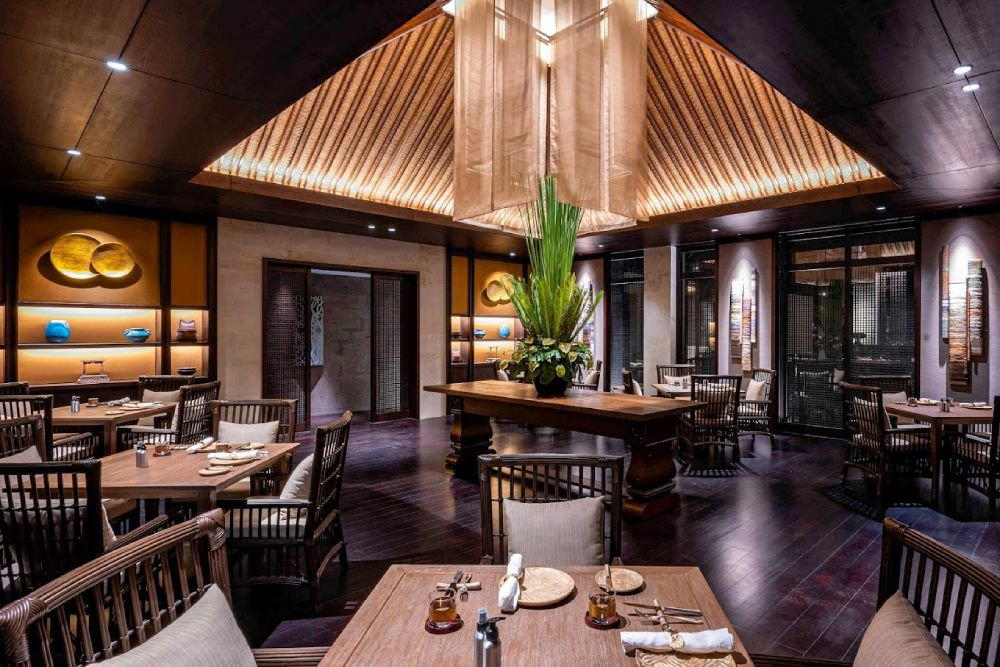
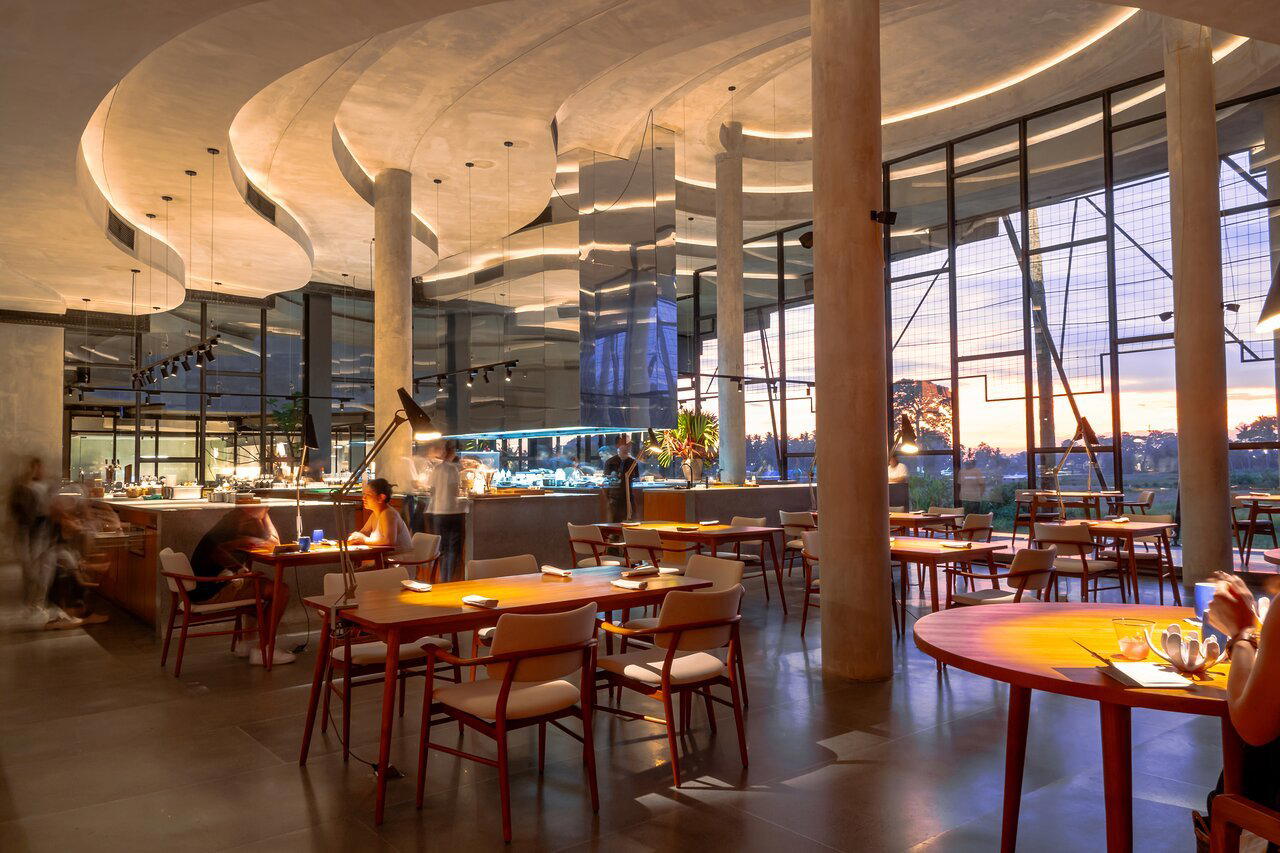
Tranquil and relaxing with natural light, earthy tones, clean lines, and serene pool and rice field surroundings.