RIMBA by AYANA Bali

Michelin Selected
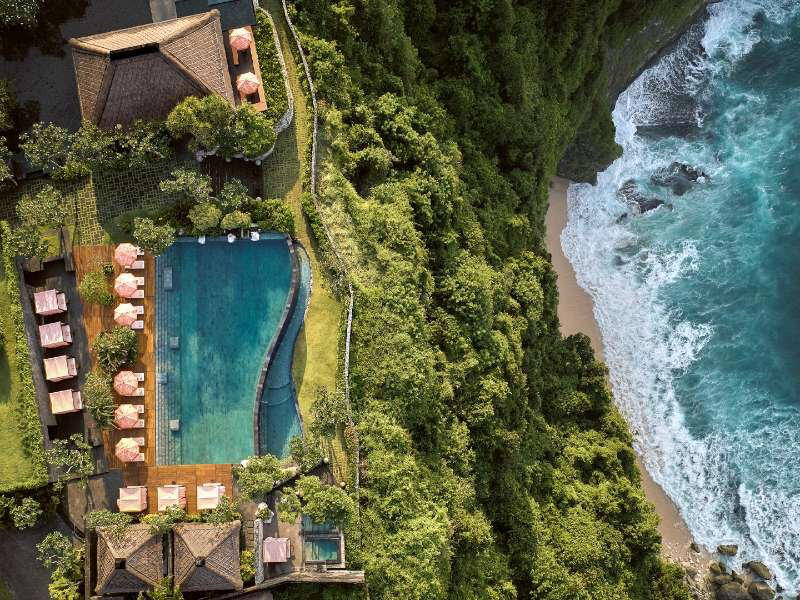
RIMBA by AYANA Bali occupies the forested upper reaches of the AYANA estate on Jimbaran Bay, earning Michelin Selected status in 2025 alongside the broader property. The hotel positions itself between the cliff-edge spectacle of AYANA Resort and a more intimate, jungle-framed experience, with architecture that draws the surrounding canopy into the guest rooms and public spaces. For Jimbaran Bay, it represents a distinct design-led proposition within a market otherwise dominated by seafront villas and international resort chains.

Pearl is the En Primeur Club membership app — saves, bookings, and concierge access live there. Same editors, same standards.
- Address
- Sejahtera, Jl. Karang Mas, Jimbaran, South Kuta, Badung Regency, Bali 80364, Indonesia
- Phone
- +62 361 8468468
- Website
- ayana.com
- Directions
- Get directions
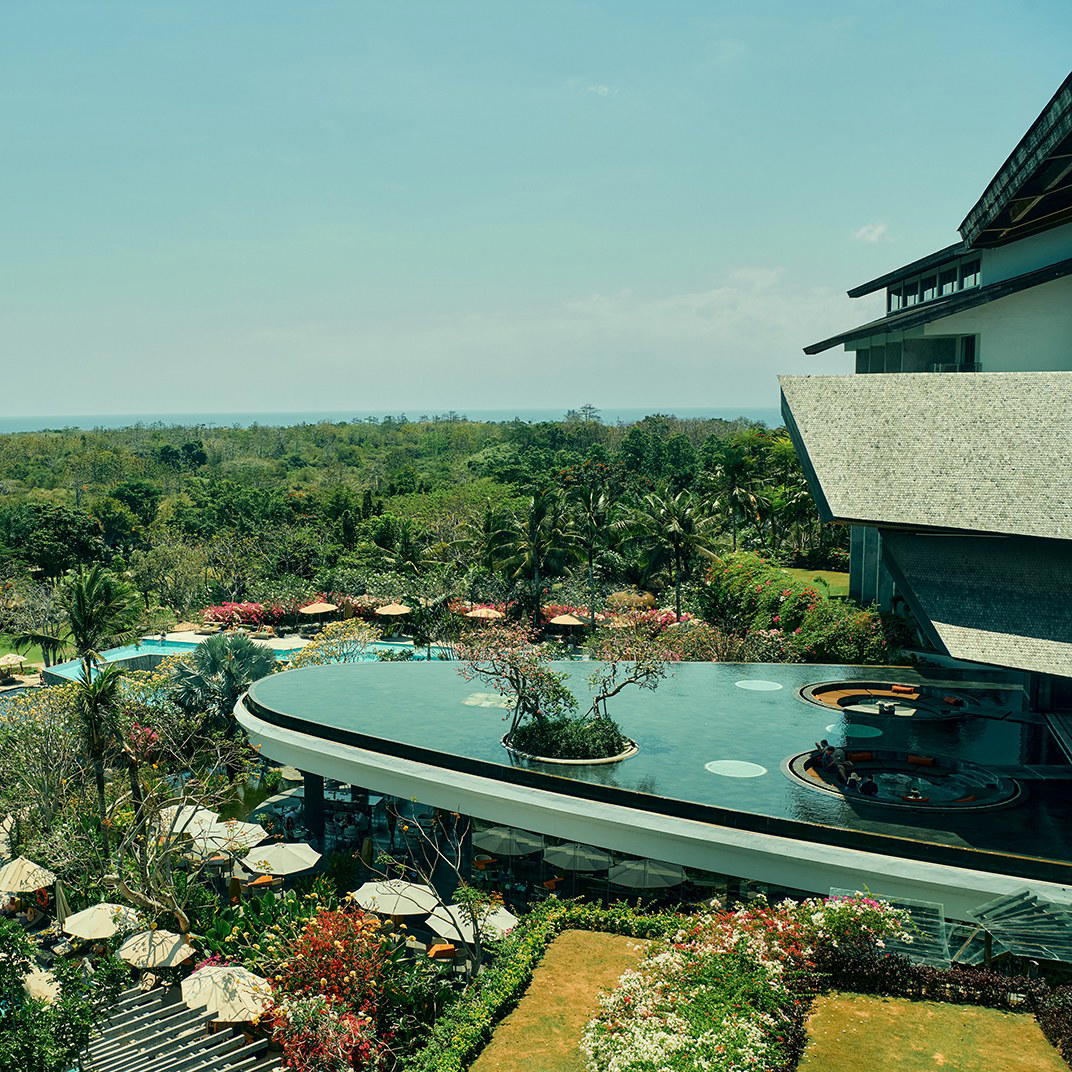
Where the Canopy Becomes the Architecture
Approaching RIMBA by AYANA Bali from the Jimbaran road, the property announces itself through tree cover rather than ocean views. The word rimba translates loosely from Bahasa Indonesia as "jungle" or "forest," and that naming choice is structural rather than decorative: the design philosophy here organises guestrooms, pathways, and communal spaces around an existing forest canopy rather than clearing it. In a region where most premium hotels orient every sightline toward Jimbaran Bay's coastline, RIMBA turns inland, which is either a provocation or a position depending on what you're looking for in a Bali stay.
This is a relatively uncommon approach in Indonesian resort development, where land is typically valued for its ocean adjacency. RIMBA's orientation places it in a smaller peer group of Balinese properties that treat botanical immersion as the primary spatial experience, a category that elsewhere includes properties like Mandapa, a Ritz-Carlton Reserve in Ubud, where the Ayung River gorge provides the equivalent anchor. At Jimbaran Bay, no competitor takes this specific approach, which gives RIMBA a distinct position within what is otherwise a sea-view-dominant market.
The AYANA Estate and What RIMBA's Status Means
RIMBA operates as part of the larger AYANA estate, which spans coastal cliffs and tiered gardens above the Indian Ocean. The estate's configuration matters for understanding RIMBA's identity: AYANA Resort, the sister property, claims the cliff-edge position with its rock bar perched over the ocean and its sweeping sunset sightlines. RIMBA occupies the upper, forest-side portion of the same grounds, which means guests have access to shared estate facilities while experiencing a fundamentally different spatial logic in their accommodation.
In 2025, RIMBA by AYANA Bali received Michelin Selected designation through the Michelin Guide's hotel program, a recognition that places it alongside a curated set of Indonesian properties reviewed for quality across accommodation, service, and experience. Michelin Selected sits below the Michelin Key tier in the guide's hotel hierarchy but above the general directory, functioning as an editorial endorsement rather than a scored award. Within Jimbaran Bay specifically, this places RIMBA in a credentialled tier alongside properties like the Four Seasons Resort Bali at Jimbaran Bay and Jimbaran Puri, A Belmond Hotel, Bali.
Design Language: Forest Framing and Balinese Reference
Indonesian resort architecture at the premium end has split broadly into two dominant modes over the past decade: the maximalist international signature, typified by properties importing global luxury languages with minimal local reference, and the vernacular-inflected approach, which draws from Balinese compound structures, materials, and spatial hierarchies. RIMBA belongs to the second camp, with architecture that references traditional Balinese residential grammar through open-air bale pavilions, natural stone coursework, and the compound's layered movement from public to private space.
What distinguishes RIMBA's design execution is the degree to which the forest is treated as a load-bearing element of the guest experience rather than a backdrop. Rooms and villas are positioned to frame specific tree canopy sections, and the pathway network through the property treats the walk between facilities as a designed experience rather than a logistical inconvenience. This kind of deliberate sequencing between spaces is characteristic of high-calibre resort design and contrasts with the single-building or single-tower configurations that dominate the mid-market Jimbaran corridor.
Across Indonesia more broadly, this approach to environmental integration has precedent in properties like Nihi Sumba in Sumba and the design-led hotels within Desa Potato Head in Denpasar, though each operates in a different ecological register. RIMBA's forest framing is specific to its site: the elevation above sea level, the maturity of the existing tree cover, and the interplay with the AYANA estate's cliff geometry produce a spatial experience that cannot be replicated on the flatter beachfront parcels nearby.
Positioning Within Jimbaran Bay and Bali's Premium Market
Jimbaran Bay's premium hotel market sits between Nusa Dua to the south, which concentrates large-footprint international chains including Mulia Villas and REVĪVŌ Wellness Resort Nusa Dua Bali, and the design-led corridor of Canggu and Seminyak to the north, where properties like COMO Uma Canggu and Potato Head Suites and Studios in Seminyak occupy a younger, more urban-facing demographic. Jimbaran itself has historically skewed toward established luxury: it was the location where the villa-resort format took hold early in Bali's international tourism development, and the area's topology of clifftop and bay allows for both seclusion and sunset views that are difficult to source elsewhere on the island.
RIMBA's position within that geography is specific. Unlike Jumeirah Bali, which operates with a more conventional cliff-edge orientation, RIMBA uses the AYANA estate's shared infrastructure to offer ocean access while maintaining a primary architectural identity rooted in the forest. For travellers who find the relentless ocean-view focus of most Jimbaran hotels slightly monotonous, that inversion is substantive, not cosmetic.
Bali's wider premium hotel market also includes properties across the archipelago worth considering in the same decision context: Innit Lombok in Ekas, Plataran Komodo Resort and Spa in Labuan Bajo, and Hotel Komune and Beach Club Bali in Gianyar each represent different calibrations of environment, activity, and design intent. For Indonesia at its broadest, Plataran Borobudur Resort and Spa in Magelang offers the most dramatic cultural anchor. RIMBA operates in a different register: it is a destination where the daily environment of the property is the dominant experience, rather than an external site or natural spectacle beyond the grounds.
Planning Your Stay
RIMBA by AYANA Bali is located on Jalan Karang Mas Sejahtera in Jimbaran Bay, within the AYANA estate. The property sits roughly 20 kilometres south of Ngurah Rai International Airport in Denpasar, with a transfer typically taking between 30 and 45 minutes depending on traffic along the Bypass Ngurah Rai corridor. Booking is most reliably managed through the AYANA group's reservations infrastructure; the Michelin Selected designation signals demand at a level that makes advance planning advisable, particularly during the July to August peak and the December to January holiday window. The dry season running from April through October represents Bali's most consistent conditions for outdoor-oriented stays, which aligns with RIMBA's forest-and-grounds-centric design proposition. For further planning across Jimbaran Bay, the EP Club Jimbaran Bay guide maps the full range of dining and accommodation options in the area.
Side-by-Side Snapshot
Comparable venues nearby, for context on price, style, and recognition.
| Venue | Cuisine | Price | Awards | Notes |
|---|---|---|---|---|
| RIMBA by AYANA BaliThis venue — the venue you are viewing | Contemporary luxury resort blending modern design with nature-inspired elements and traditional Balinese cultural experiences. | $300–500 | Michelin Selected | Not listed |
| Four Seasons Resort Bali at Jimbaran Bay | Traditional Balinese village architecture reimagined as luxury resort with contemporary design elements and modern amenities. | Not listed | 2 Michelin Keys · La Liste Top Hotels | Jimbaran Bay |
| Jimbaran Puri, A Belmond Hotel, Bali | Low-rise Balinese village-style resort with thatched cottages and villas amid tropical gardens on a sweeping beachfront. | Not listed | 1 Michelin Key · La Liste Top Hotels | Jimbaran Bay |
| Kappa Senses Ubud | Contemporary French luxury resort with Balinese cultural integration and eco-conscious design philosophy. | $200–300 | Michelin Selected | Kedewatan |
| The Ungasan Clifftop Resort | Exclusive clifftop villa resort blending Balinese hospitality with contemporary luxury. | Not listed | 1 Michelin Key · Small Luxury Hotels of the World Member | Ungasan |
| TA’AKTANA, a Luxury Collection Resort & Spa, Labuan Bajo | Luxury resort blending Indonesian heritage with contemporary design across 16 hectares waterfront hillside | Not listed | 1 Michelin Key | Labuan Bajo |
Recognition history
Dated appearances from independent guides and award organizations, with the underlying list record or original source where available.
Michelin Selected
Michelin
Continue exploring
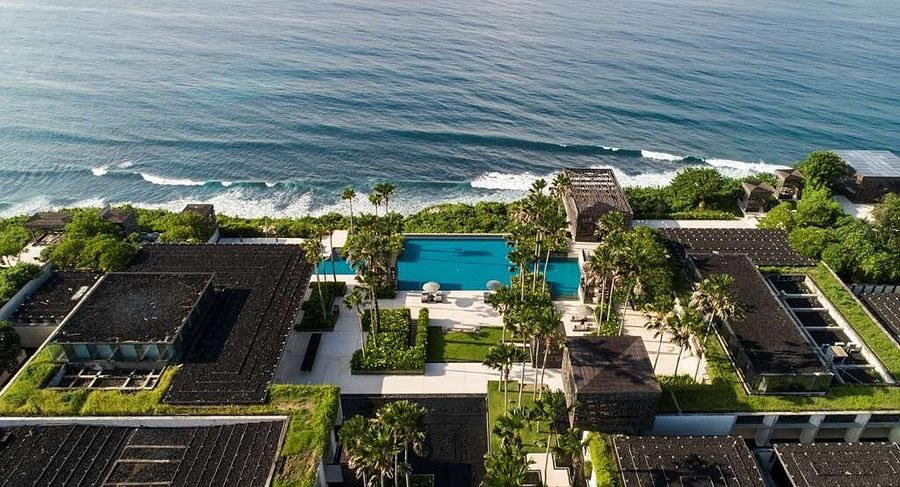
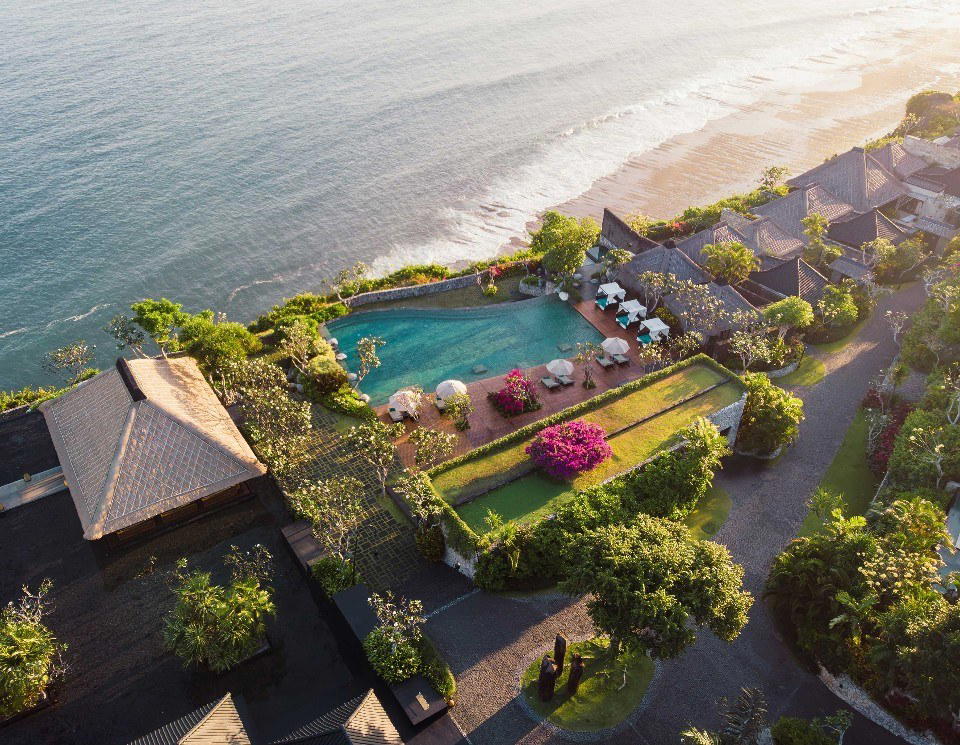
More in Jimbaran Bay
Hotels in Jimbaran Bay
Browse all →
Bars in Jimbaran Bay
Browse all →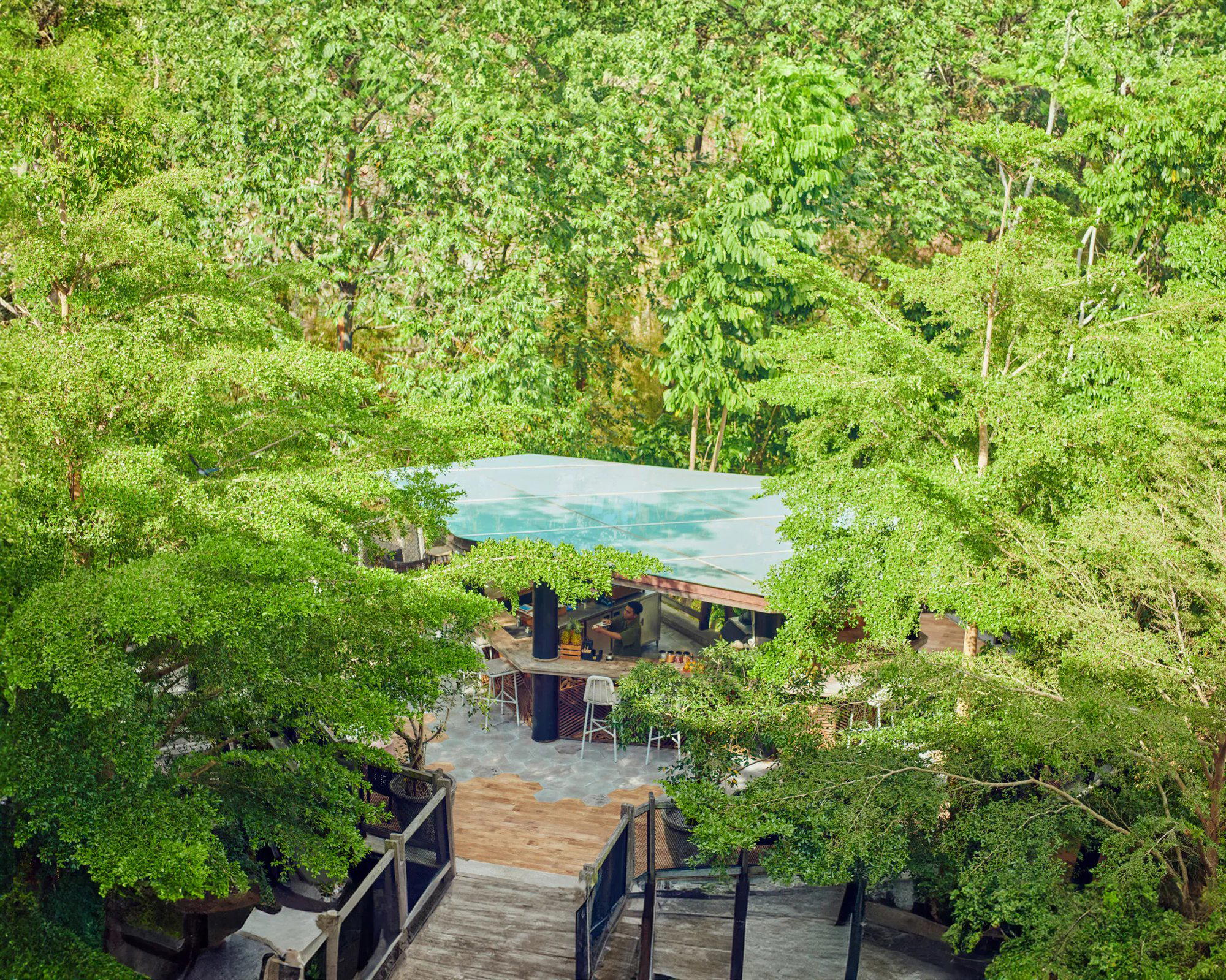
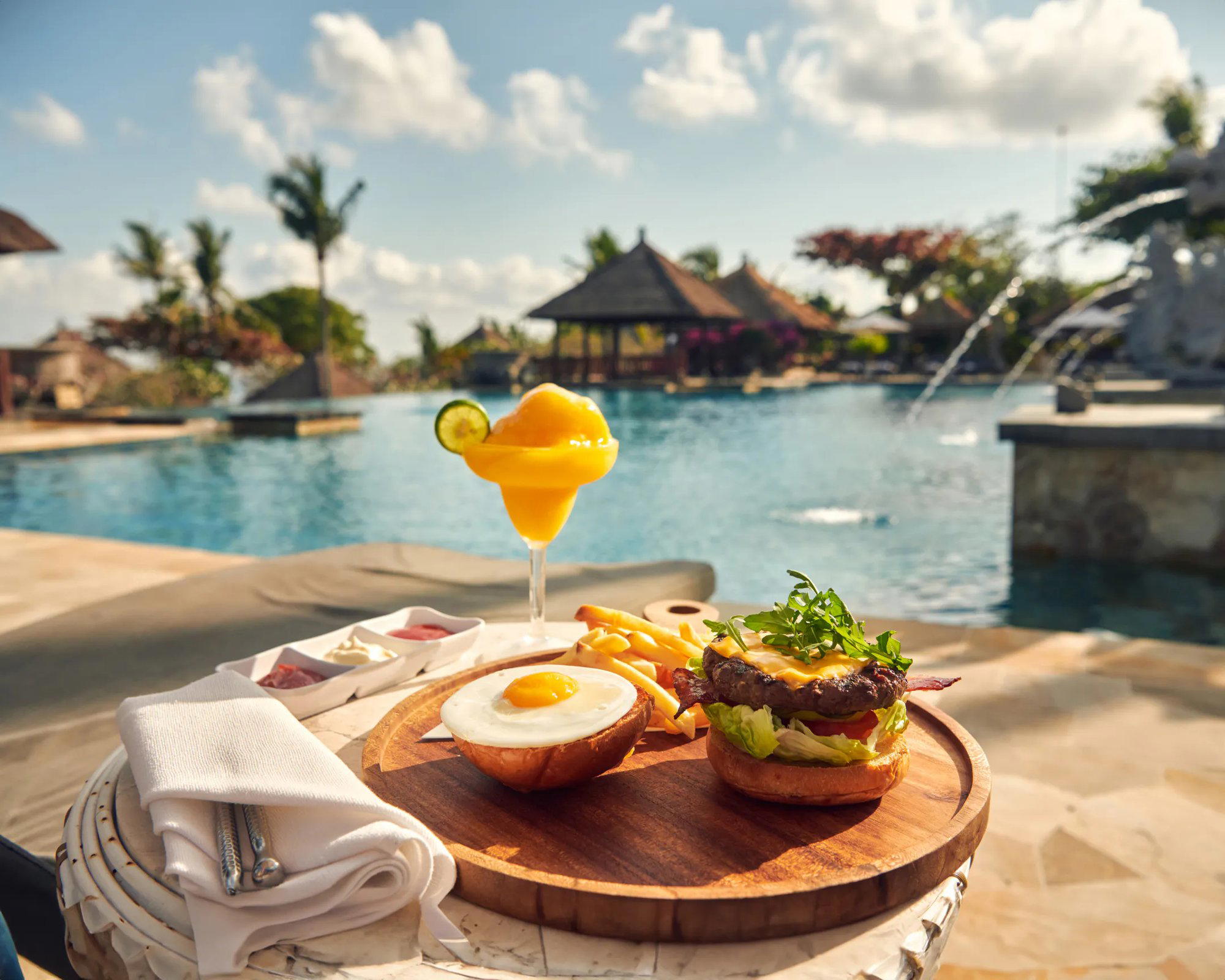
Restaurants in Jimbaran Bay
Browse all →
Details
- Romantic
- Scenic
- Elegant
- Sophisticated
- Family Vacation
- Honeymoon
- Romantic Getaway
- Wellness Retreat
- Beachfront
- Infinity Pool
- Private Villa
- Destination Spa
- Garden
- Terrace
- Panoramic View
- Rooftop Pool
- Wi Fi
- Pool
- Spa
- Fitness Center
- Room Service
- Concierge
- Kids Club
- Beach Access
- Golf Course
- Restaurant
- Bar
- Waterfront
- Garden
- Elevator
- Accessible Restroom
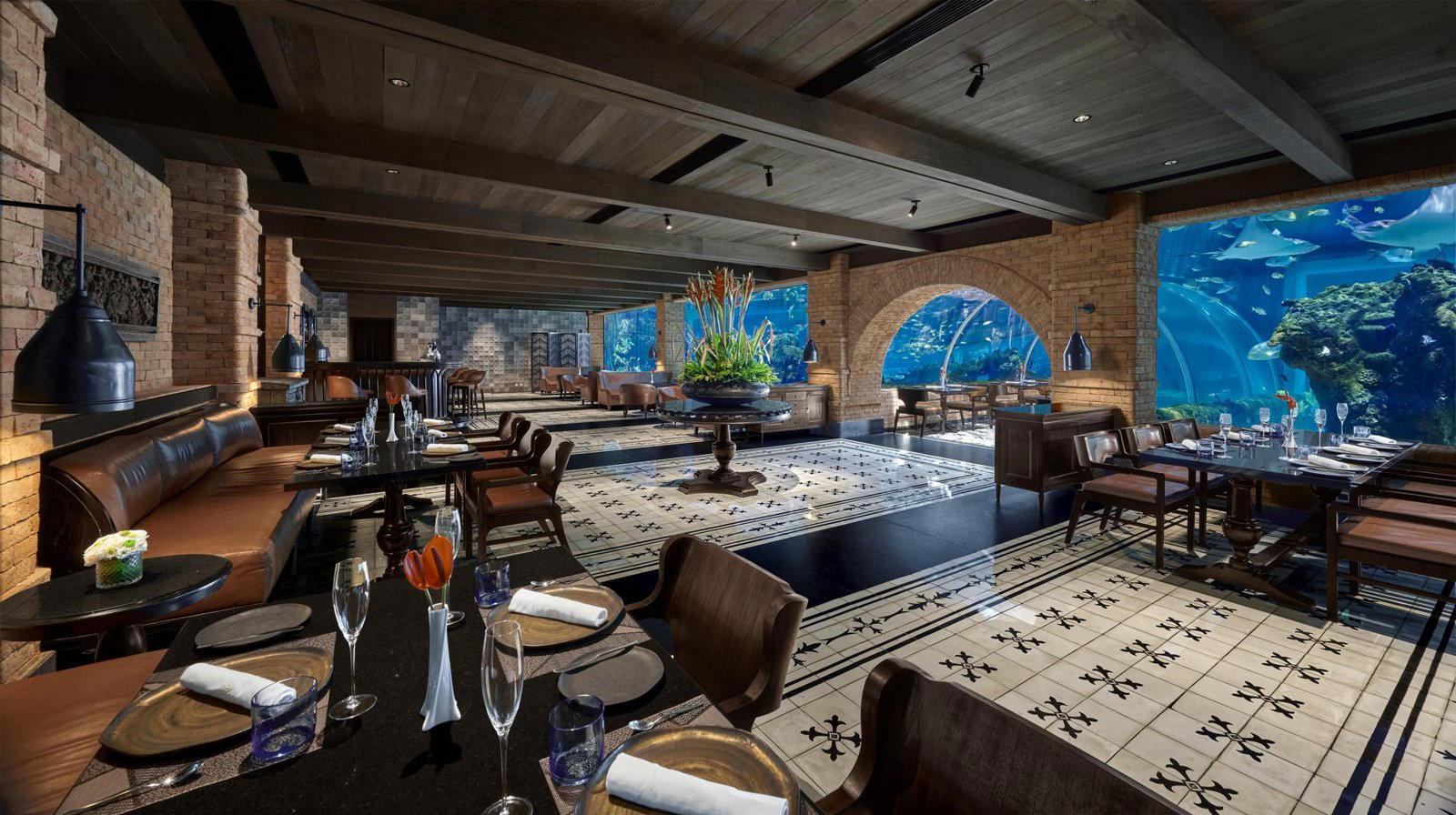
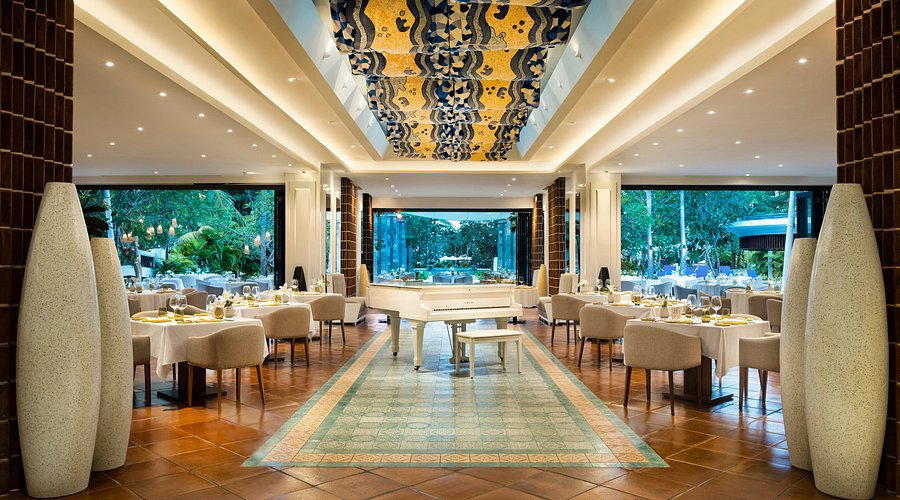
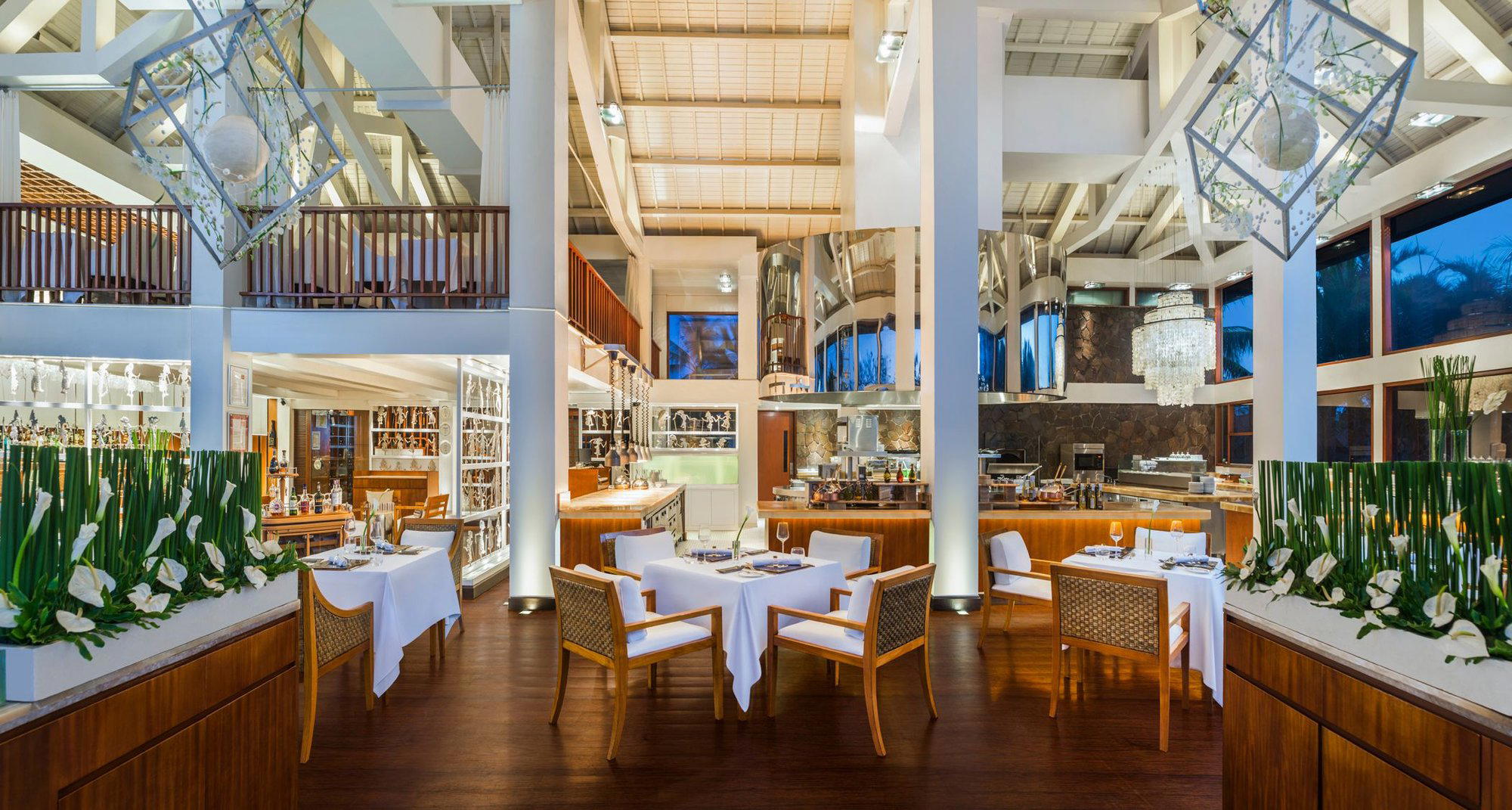
Tranquil and luxurious with lush forest surroundings, multiple infinity pools with sunset views, and a serene atmosphere enhanced by tropical gardens and water features throughout the 8-hectare property.