

Forbes Recommended
Standing 61 stories above South Sathon Road, Banyan Tree Bangkok has shaped the city's luxury skyline since 2002. Part of the Great Hotels of the World collection, its 327 rooms, ten dining venues, and a three-floor spa position it firmly in Bangkok's upper tier of full-service city hotels, a property built around altitude, both physical and experiential.

Pearl is the En Primeur Club membership app, where members save venues, book tables and use the concierge.
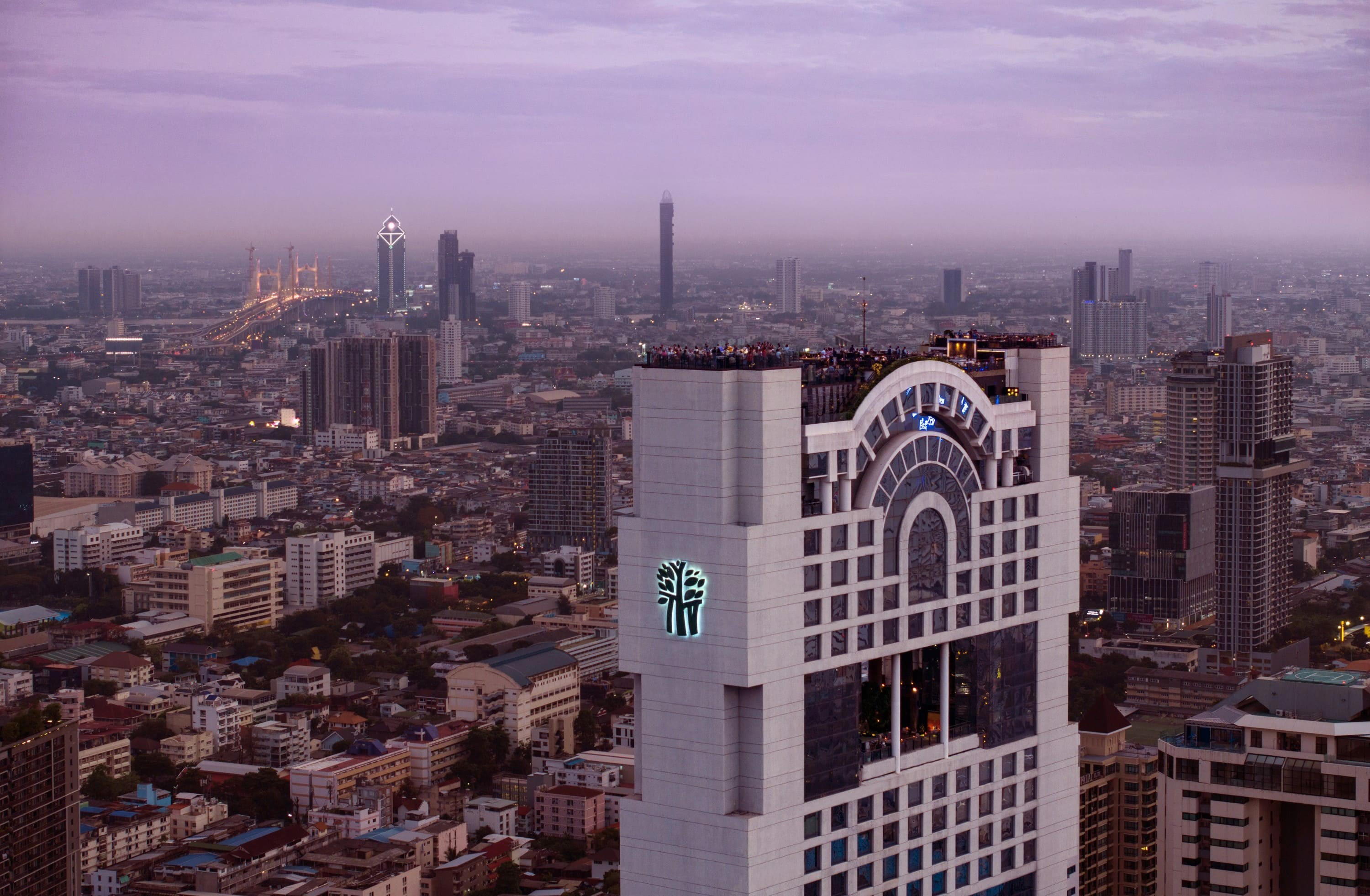
Bangkok from the Leading Down
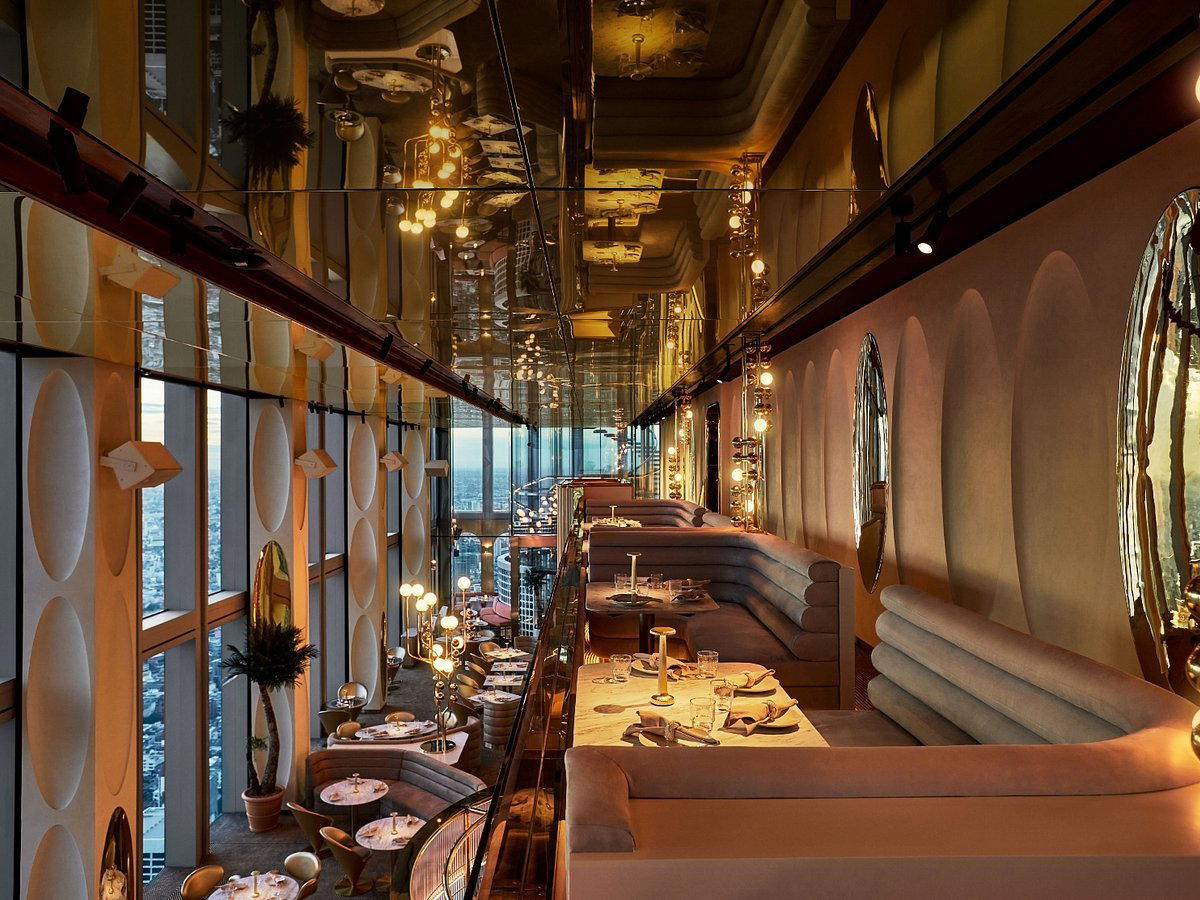
There is a particular kind of confidence that comes with height. Banyan Tree Bangkok, rising 61 floors above South Sathon Road, has been making that statement since 2002, long enough that it now reads as part of the city's permanent architectural grammar rather than a newcomer trying to assert itself. The silhouette is unmistakably narrow for a tower of its scale, which gives it a distinctive profile against the broader Sathon and Silom skyline, a district that houses some of Bangkok's most consequential financial and diplomatic addresses. From the street, the hotel resolves into a tower of glass and steel. From inside, everything inverts: the city becomes the view, framed through floor-to-ceiling windows across all 327 guest rooms.
Among Bangkok's high-end city hotels, Banyan Tree occupies a position that its peers approach differently. Mandarin Oriental Bangkok anchors itself to river heritage and colonial-era gravitas. Capella Bangkok and Four Seasons Bangkok at Chao Phraya River have staked their identities on Chao Phraya frontage. Rosewood Bangkok and Park Hyatt Bangkok operate from the Ploenchit and Ratchaprasong corridors. Banyan Tree's choice of Sathon, a quieter, more residential-leaning business district, gives it a different atmosphere than the retail-adjacent properties further north, while keeping guests within practical reach of both the BTS Skytrain and the broader city.
The Rooms: Altitude as Amenity
Bangkok's luxury hotel market has, in recent years, bifurcated between properties that lead with design spectacle and those that lead with depth of offering. Banyan Tree's approach belongs to the latter category. The 327 guest rooms begin on the 15th floor and extend through to the 58th, a configuration that essentially guarantees an refined outlook regardless of category booked. The design language inside favours dark, rich woods against plush neutral tones, with silk paintings and Thai craft details that gesture toward the country's artisanal traditions without tipping into pastiche. SangSom rum in the minibar is a small but specific local touch that distinguishes the rooms from the generic international luxury template.
Room categories include Banyan Tree Club options, which carry access to a dedicated lounge offering complimentary breakfast, refreshments, and locally produced Thai beer. In Bangkok's competitive club-floor market, where properties like The Okura Prestige Bangkok and The Peninsula Bangkok have built loyalty on the strength of their upper-floor privileges, Club access here functions as a meaningful tier differentiator rather than a marginal add-on. The views from guest rooms shift depending on orientation: the buzzing Sathon streetscape, the green expanse of Lumpini Park, or the wide curve of the Chao Phraya River all appear depending on which direction your windows face.
Dining at Altitude: Moon Bar and the Apsara Experience
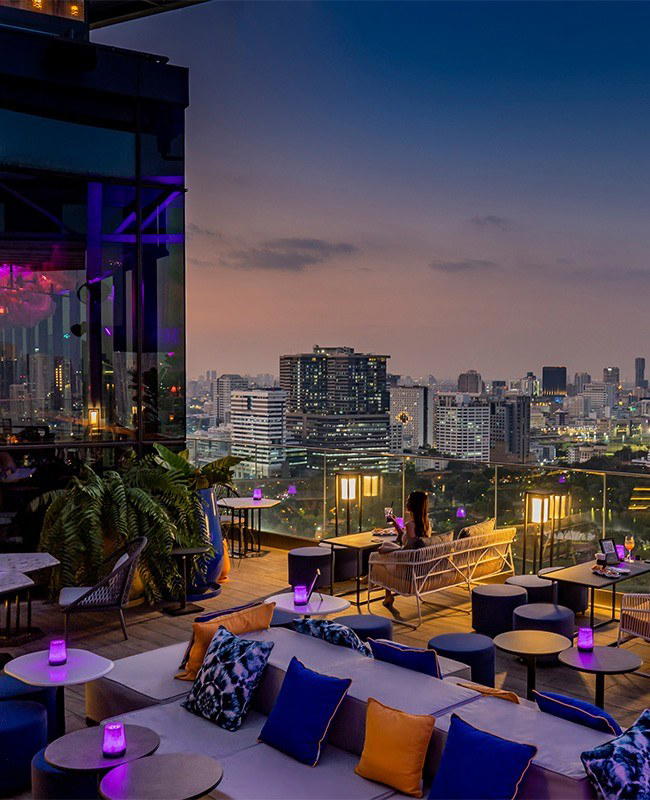
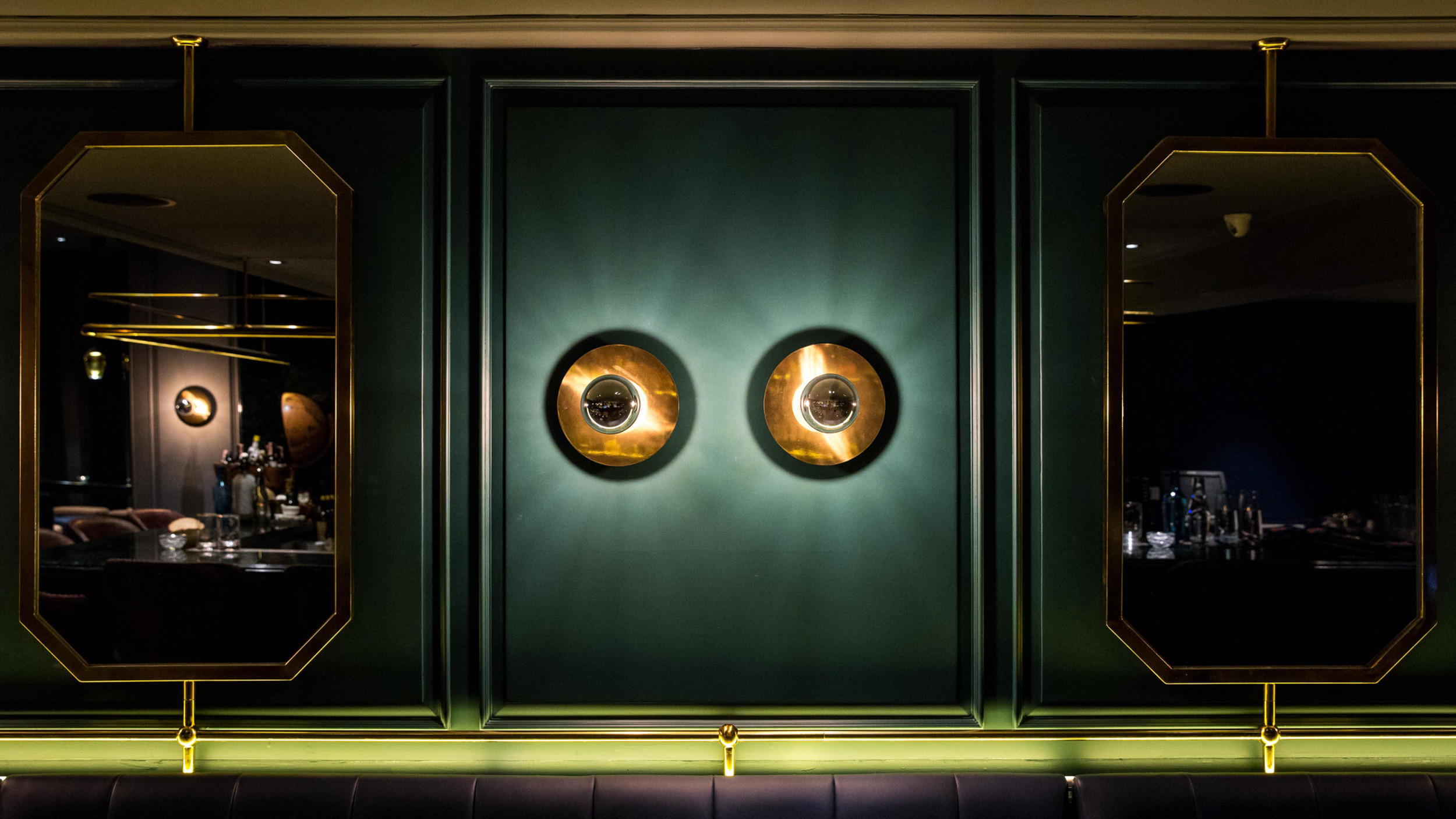
Bangkok has a long relationship with rooftop culture, partly driven by climate logic. The heat at street level in the city, particularly between March and May, makes refined, open-air spaces not just atmospheric but practically preferable. Moon Bar, positioned at the top of the tower, captures the high-altitude breeze that ground-level venues cannot offer. The bar functions as a nightlife anchor for the hotel and draws a mixed local and international crowd drawn by the combination of height and cooling air. In the broader Bangkok rooftop scene, which includes well-documented competitors across Silom and Sukhumvit, Moon Bar's longevity since the hotel's 2002 opening gives it a tenure that most of its peers cannot match.
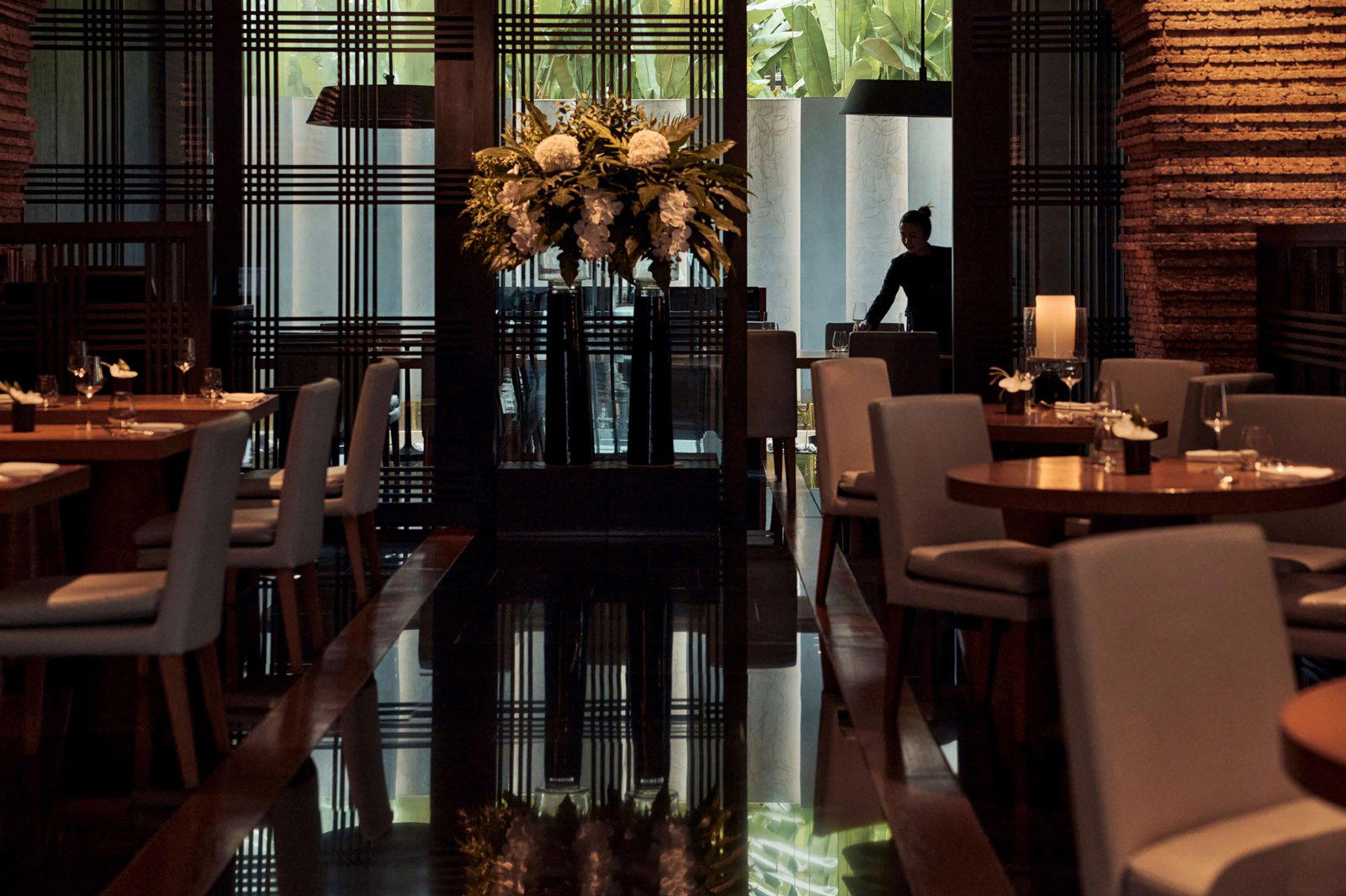
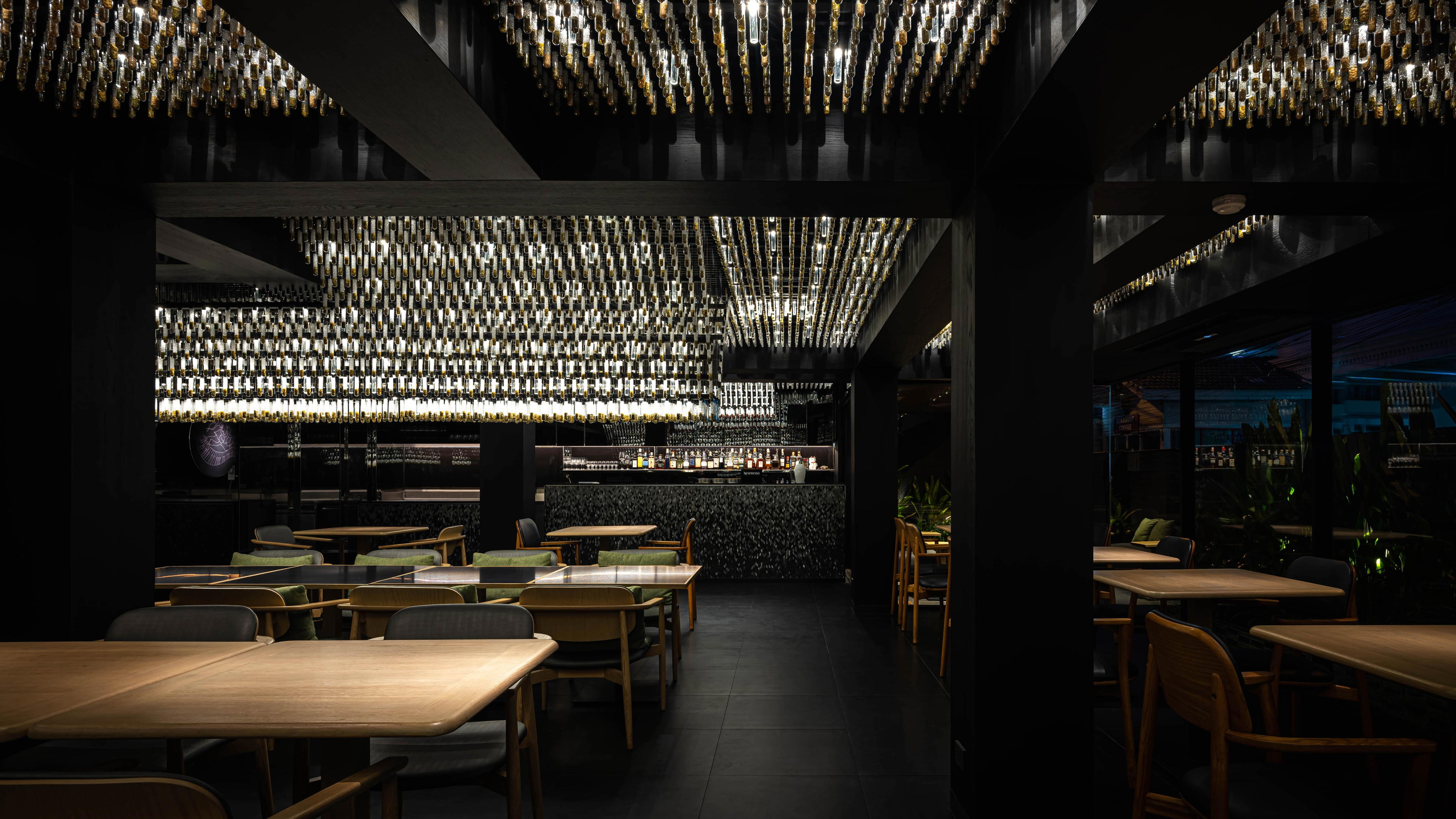
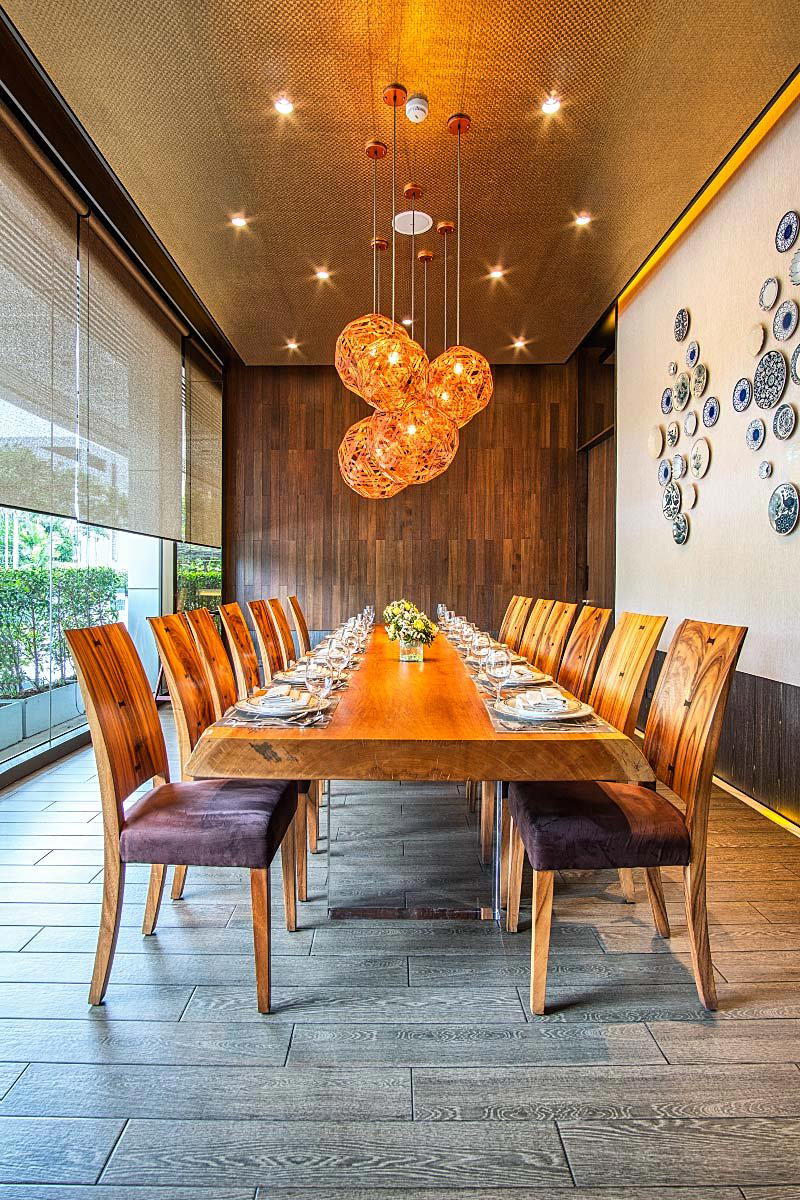
The wider dining program spans ten distinct venues, a scope that positions Banyan Tree Bangkok in the same bracket as large-format luxury properties that treat F&B; as a genuine draw rather than a convenience. Among the ten, the Apsara river dinner cruise occupies a culturally specific niche: a teak rice barge operating on the Chao Phraya, the river that runs through Bangkok's historical and commercial identity. Teak river barges carry significant cultural weight in Thailand, having served as working vessels for rice transport across the country's delta geography for centuries. Repurposing one as a dining vessel is less a gimmick than a direct engagement with that tradition, placing the meal within a specific material and historical context that a rooftop restaurant or hotel dining room cannot replicate.
For guests interested in Bangkok's broader dining scene, our full Bangkok restaurants guide covers the city's most significant addresses beyond the hotel.
The Spa Floor: Three Levels Above the City's Noise
Thailand's spa industry has developed a specific reputation over several decades, built around techniques drawn from traditional Thai medicine, Ayurvedic practice, and Southeast Asian herbal traditions. Banyan Tree Spa operates across three floors of the hotel with 16 treatment rooms, making it one of the larger hotel spa footprints in the Bangkok market. The dim, low-stimulus environment of the treatment rooms is a deliberate counterpoint to the sensory intensity of the city below, Bangkok's density, traffic, and heat make genuine quiet a quantifiable amenity rather than a generic offering. The holistic-themed treatments are performed by trained therapists working within the Banyan Tree group's established spa protocols, a model that the brand has applied across its wider portfolio in properties like Amanpuri in Phuket and destinations beyond Thailand.
Position Within Thailand's Broader Luxury Circuit
Banyan Tree Bangkok belongs to a wider Thai luxury hospitality conversation that extends well beyond the capital. Travelers combining a Bangkok city stay with resort properties elsewhere in the country have a range of well-documented options: Four Seasons Resort Chiang Mai for the north, Phulay Bay, A Ritz-Carlton Reserve in Krabi and Six Senses Yao Noi in Phang Nga for the southern islands, Samujana Villas in Koh Samui and Soneva Kiri in Trat for more remote coastal formats, and Anantara Golden Triangle Elephant Camp and Resort in Chiang Rai for conservation-focused stays in the far north. For beach-adjacent options nearer Bangkok, Aleenta Resort and Spa in Pranburi, Anantara Hua Hin Resort and Spa, Pimalai Resort and Spa in Koh Lanta, and Anantara Layan Phuket Resort represent the country's resort tier across different coastlines. Anantara Rasananda Koh Phangan Villas addresses the growing Koh Phangan market for guests who want the island without its more festival-focused reputation.
Within Bangkok itself, travelers prioritizing different neighborhood contexts might also consider The Siam for its design-led boutique proposition, or Grand Hyatt Erawan Bangkok for proximity to the Erawan Shrine and Ratchaprasong shopping corridor. Those traveling onward to other Aman properties globally might reference Aman New York, Aman Venice, or for a contrasting New York format, The Fifth Avenue Hotel.
Planning a Stay
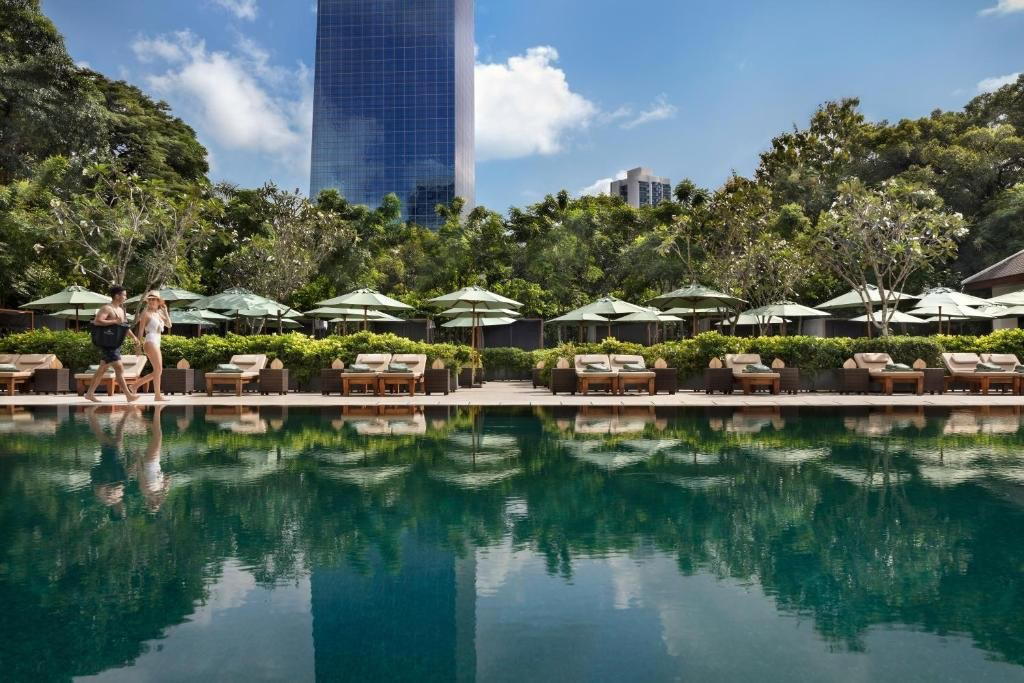
Banyan Tree Bangkok sits on South Sathon Road in the Sathon district, accessible via the BTS Sala Daeng station and MRT Lumpini station, both within walking distance. The 21st-floor pool is positioned to catch the late afternoon light as Bangkok's skyscrapers catch the setting sun, making the hours before dinner a practical time to use it. Lumpini Park, the city's most significant urban green space, is a short walk from the hotel and provides a morning alternative to the fitness center's yoga and Muay Thai programming. Shopping at Siam Paragon, one of Bangkok's anchor luxury retail destinations, is approximately 15 minutes by BTS. With 11 meeting rooms and a theatre capacity of 420, the property also handles significant event and conference volume alongside its leisure guest base, which affects lobby dynamics during peak conference periods.
A Minimal comparable set
Comparable venues nearby, for context on price, style, and recognition.
| Venue | Price | Awards | Notes |
|---|---|---|---|
| Banyan Tree BangkokThis venue (the venue you are viewing) | Not listed | Forbes Recommended | Not listed |
| The Salil Hotel Riverside – Bangkok | $100–200 | World Luxury Hotel Awards WLHA Country Winner | Wat Phraya Krai, Contemporary 5-star boutique hotel with Thai artistic direction, opened late 2023, positioned as a design destination that reimagines luxury through local creative vision. |
| Waldorf Astoria Bangkok | Not listed | Michelin Selected · La Liste Top Hotels | Siam Square, Contemporary luxury hotel blending Thai artistry with refined comfort on Bangkok's skyline. |
| KROMO Bangkok, Curio Collection by Hilton | Not listed | Star Wine List | Khlong Toei Nuae, Modern boutique in lively urban setting |
| Chatrium Grand Bangkok | $200–300 | Michelin Selected · World Luxury Hotel Awards WLHA Country Winner | Siam Square, Contemporary luxury urban sanctuary blending Thai charm with modern hospitality |
| VIE Hotel Bangkok - MGallery Collection | $200–300 | Michelin Selected · La Liste Top Hotels | Prathunam, Contemporary luxury hotel blending modern design with Thai hospitality, positioned as a destination property for informed travelers seeking Michelin-starred dining and wellness experiences |
Recognition history
Dated appearances from independent guides and award organizations, with the underlying list record or original source where available.
Forbes Recommended
Forbes
Great Hotels of the World GHOTW Collection Member
Great Hotels of the World
Full recognition history (3 entries)
Forbes Recommended
Forbes
Continue exploring
More in Bangkok
Hotels in Bangkok
All hotels in Bangkok →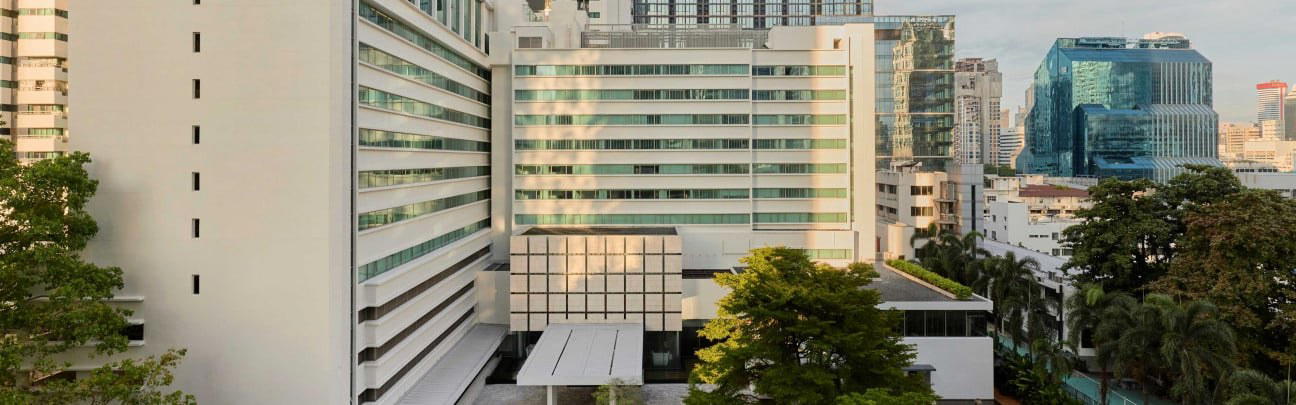
Bars in Bangkok
All bars in Bangkok →
Details
- Elegant
- Sophisticated
- Ornate
- Romantic Getaway
- Honeymoon
- Business Trip
- Wellness Retreat
- Rooftop Pool
- Private Dining
- Panoramic View
- Pool
- Spa
- Fitness Center
- Room Service
- Concierge
- Business Center
- Valet Parking
- EV Charging
- Kids Club
- Skyline
- Elevator
- Accessible Parking
- Wheelchair Accessible
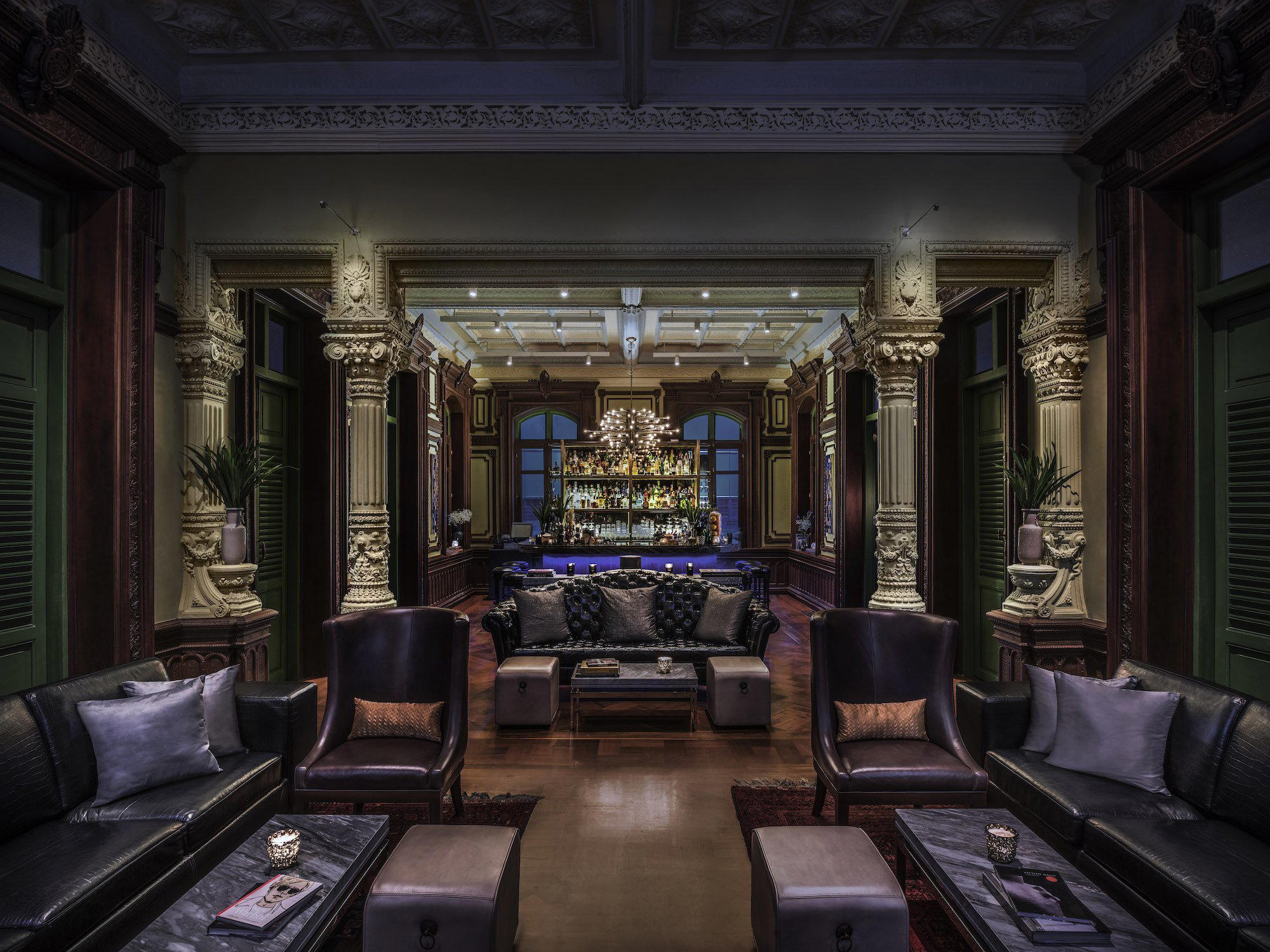
Tranquil and luxurious atmosphere with relaxing spa treatments, poolside serenity, and elegant club lounge featuring soft lighting and premium amenities.