Arisaig Hotel
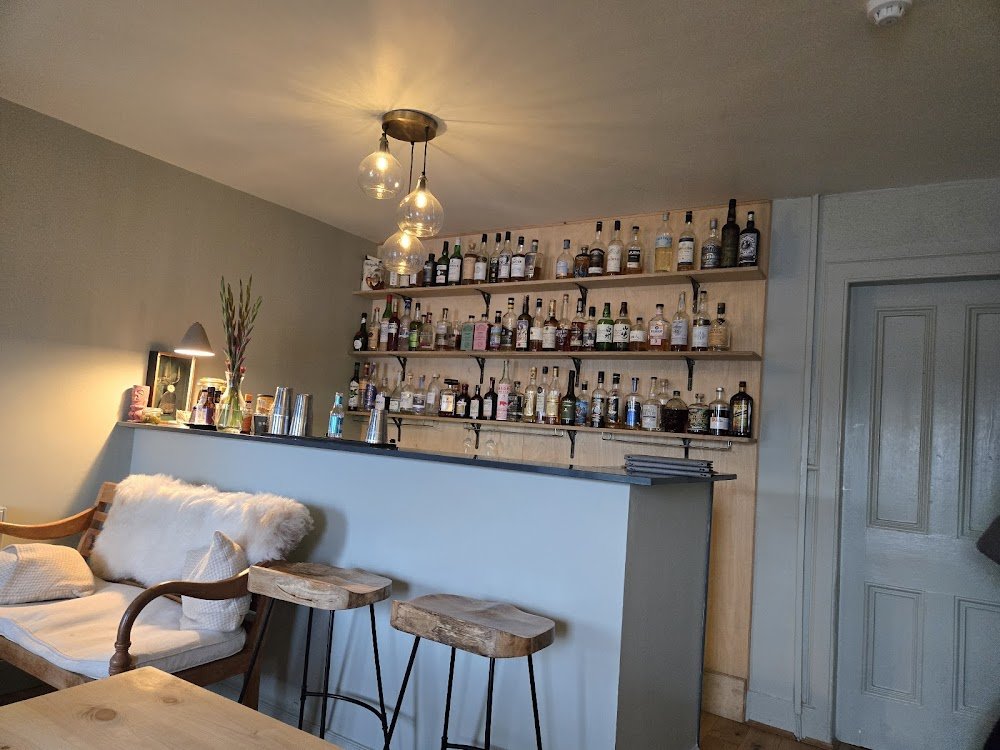
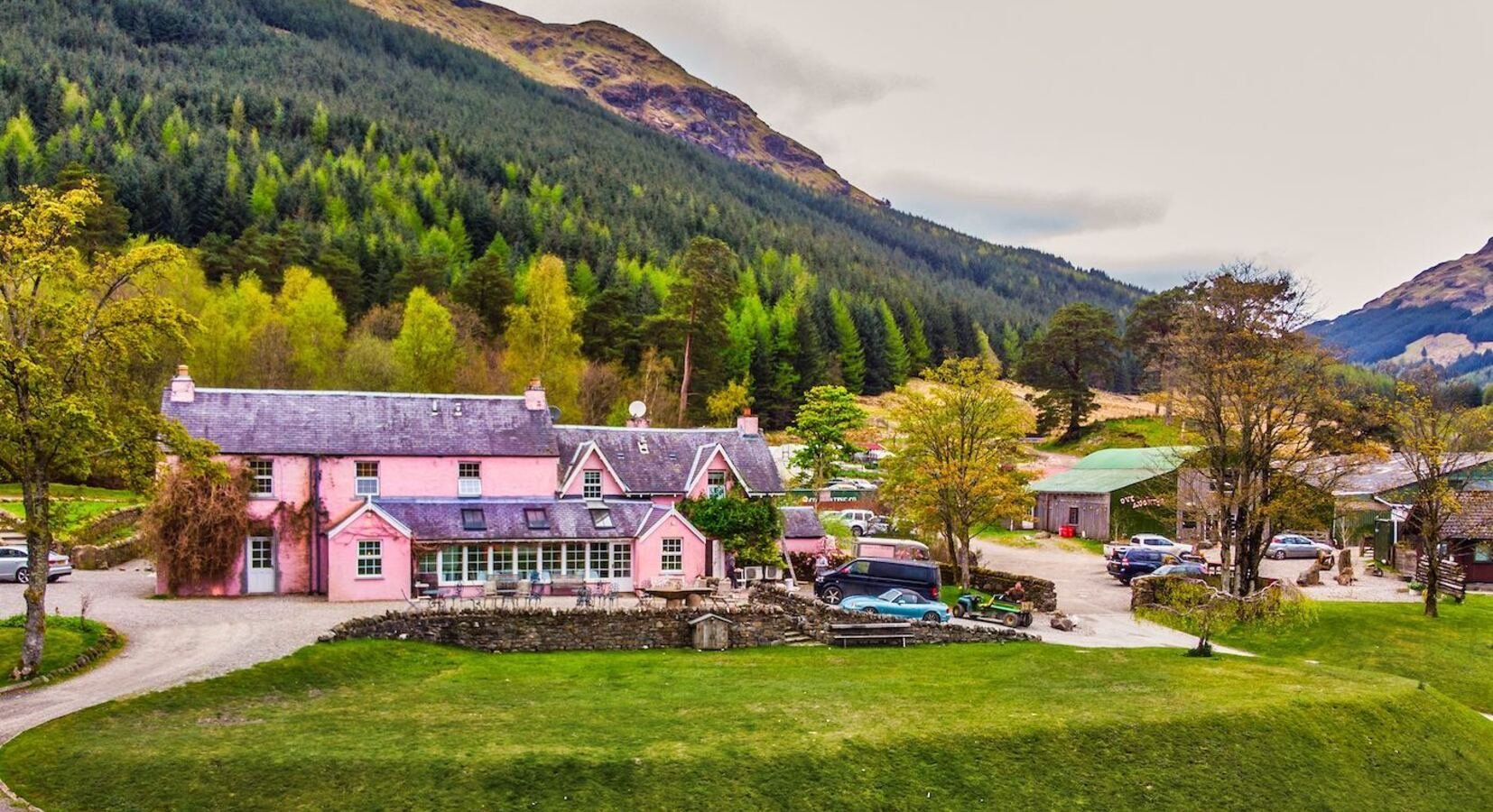
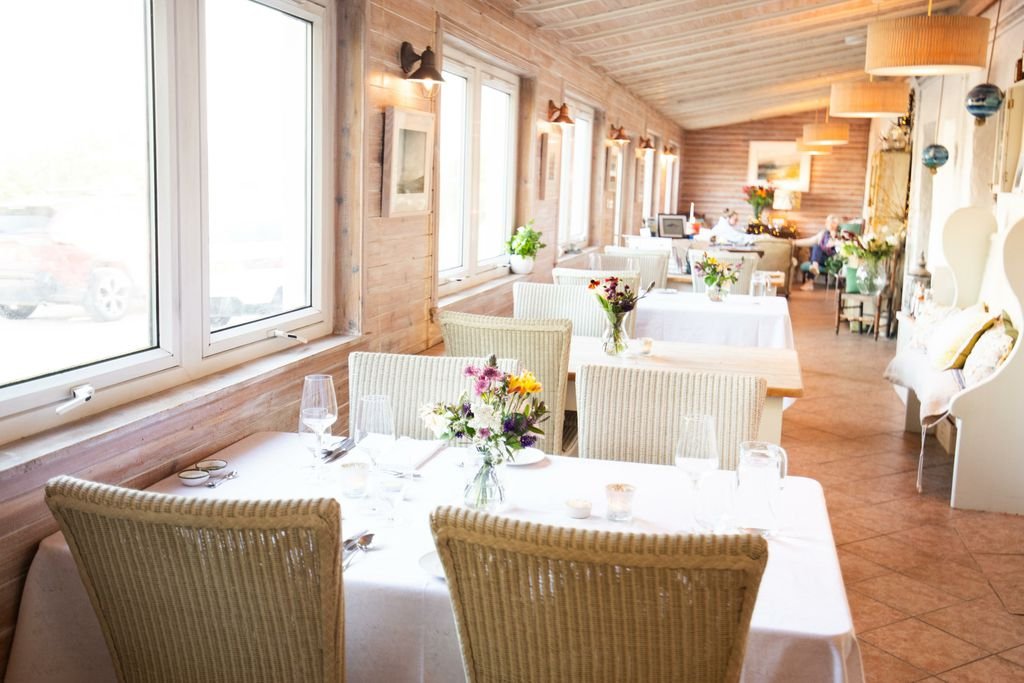
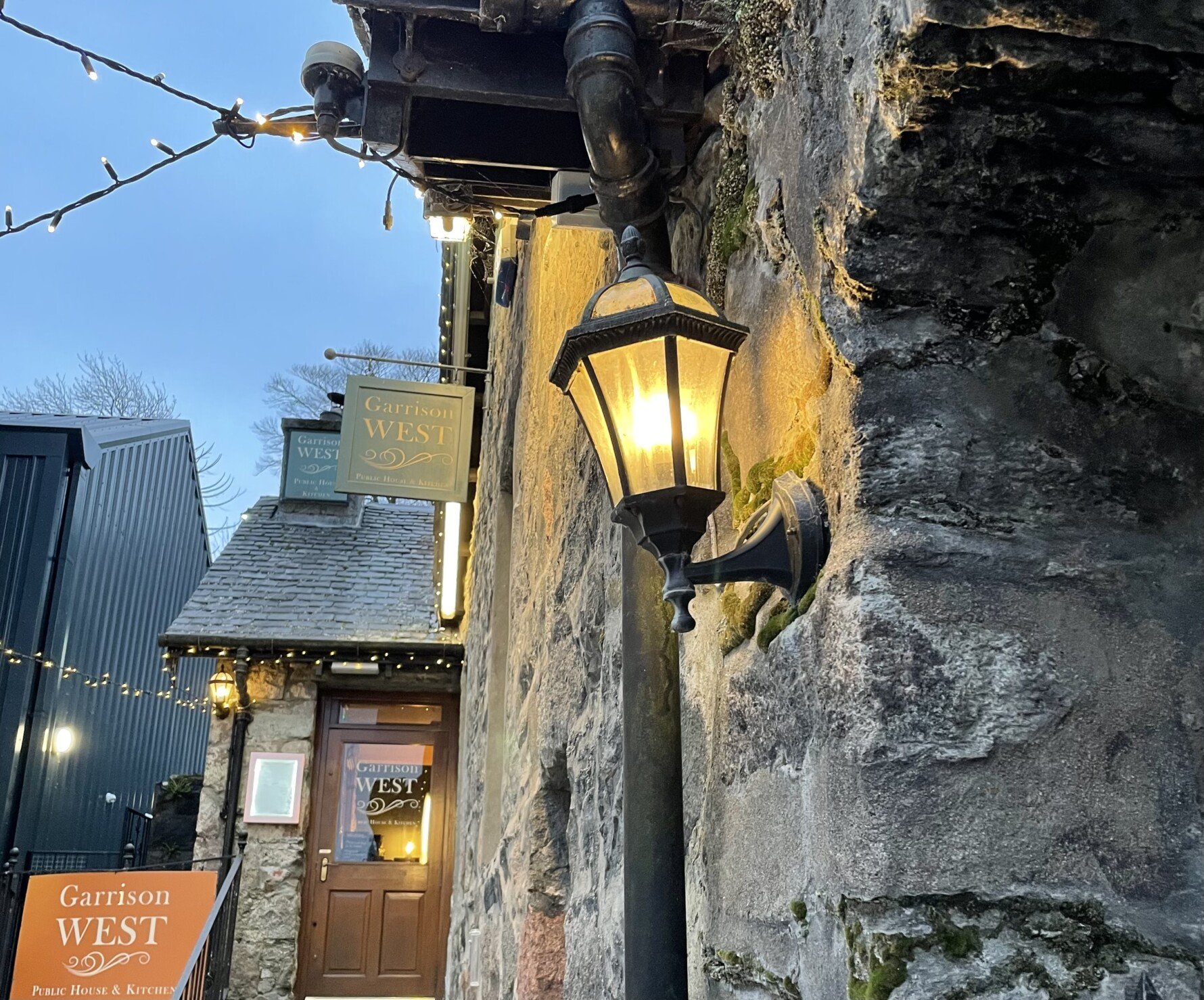
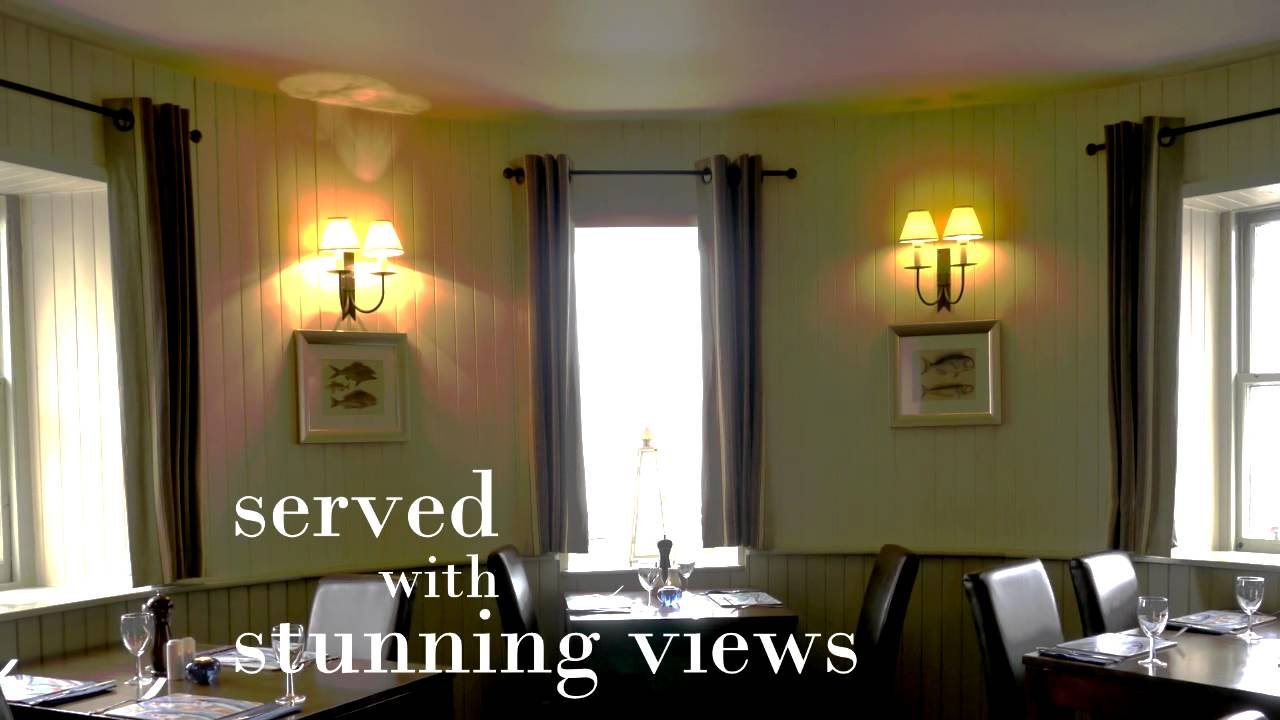
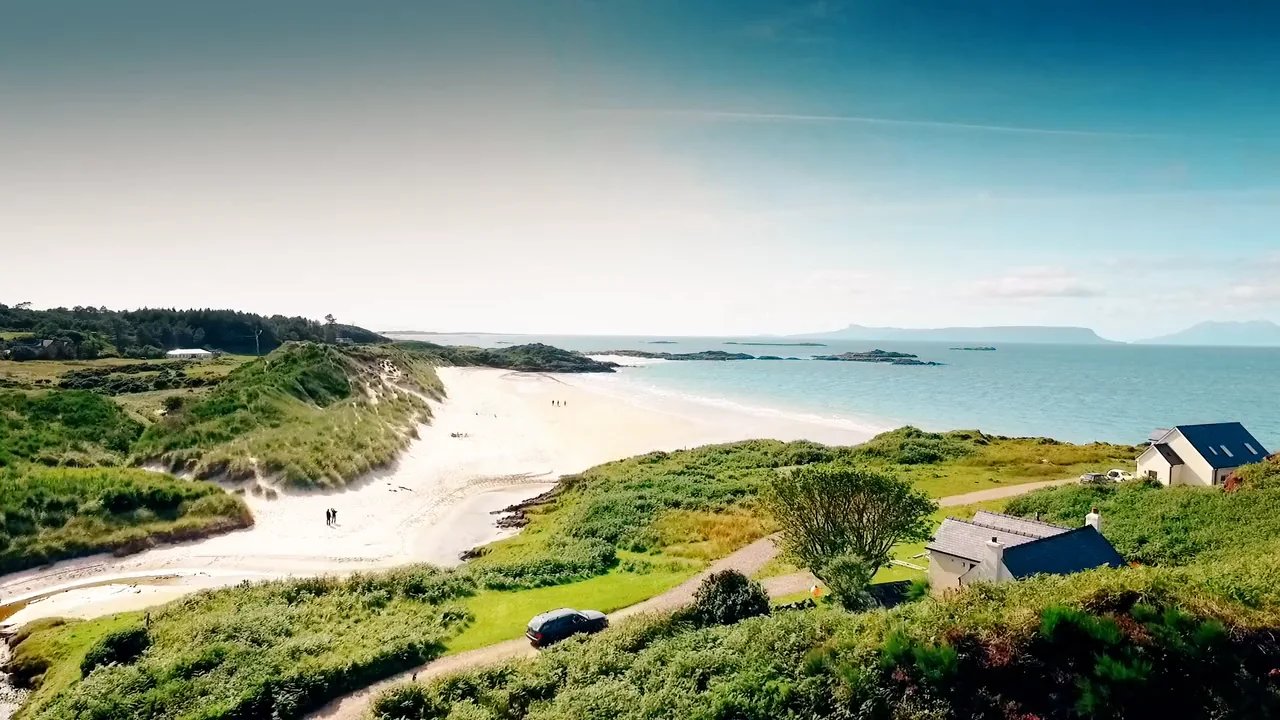
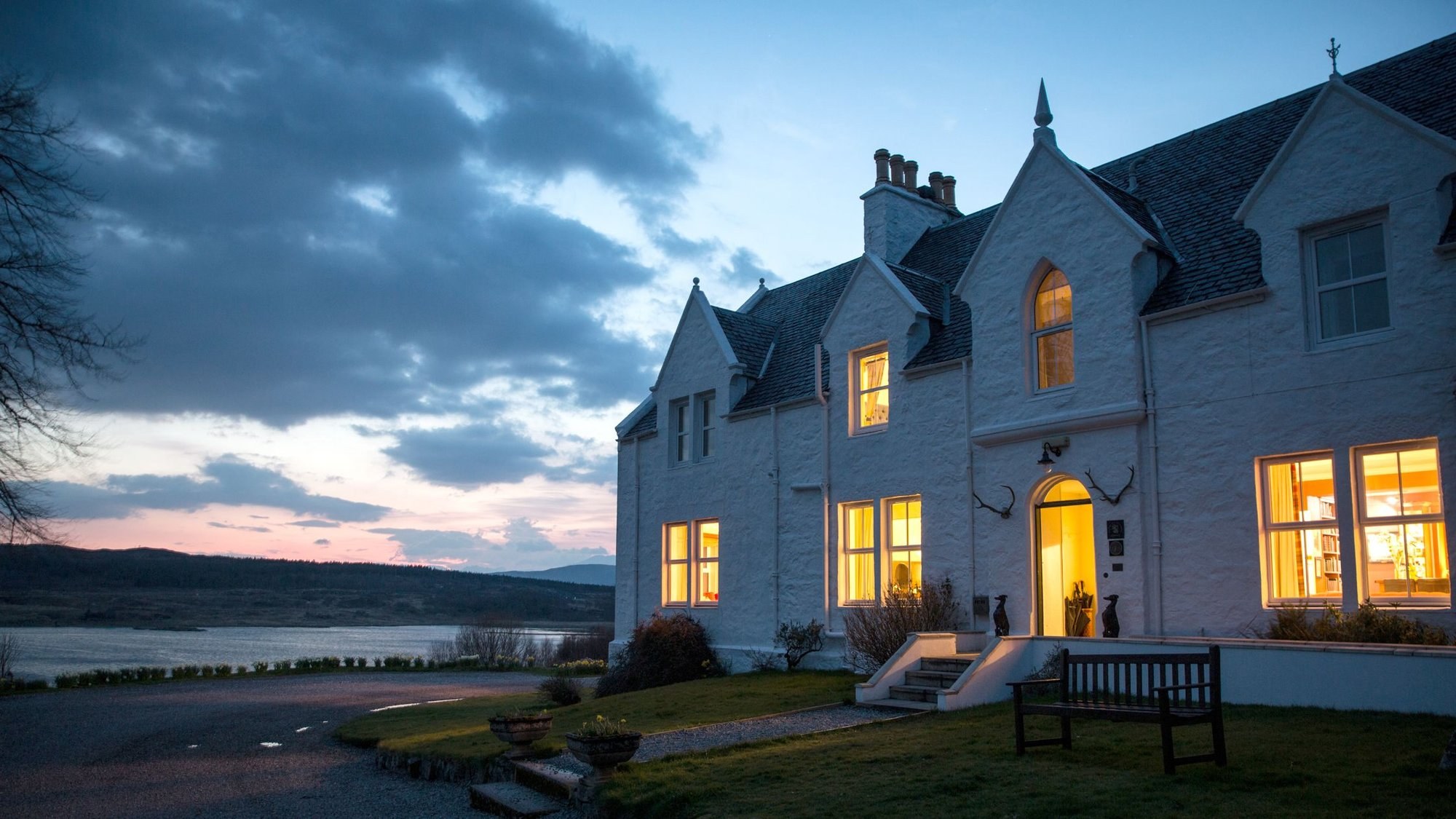
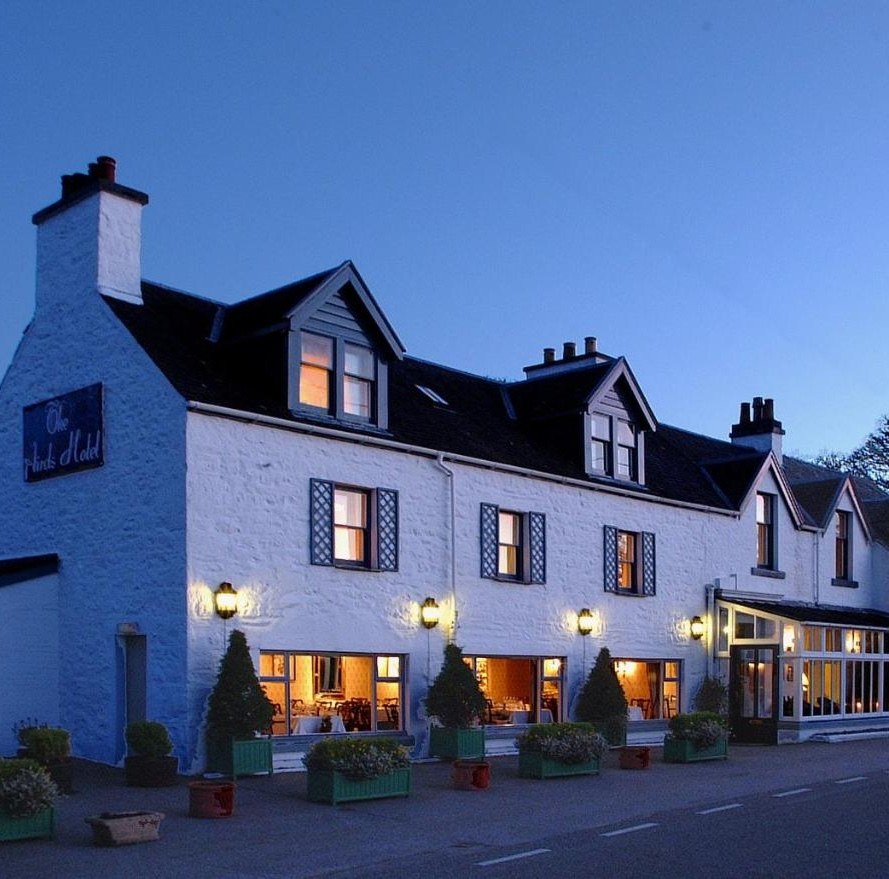
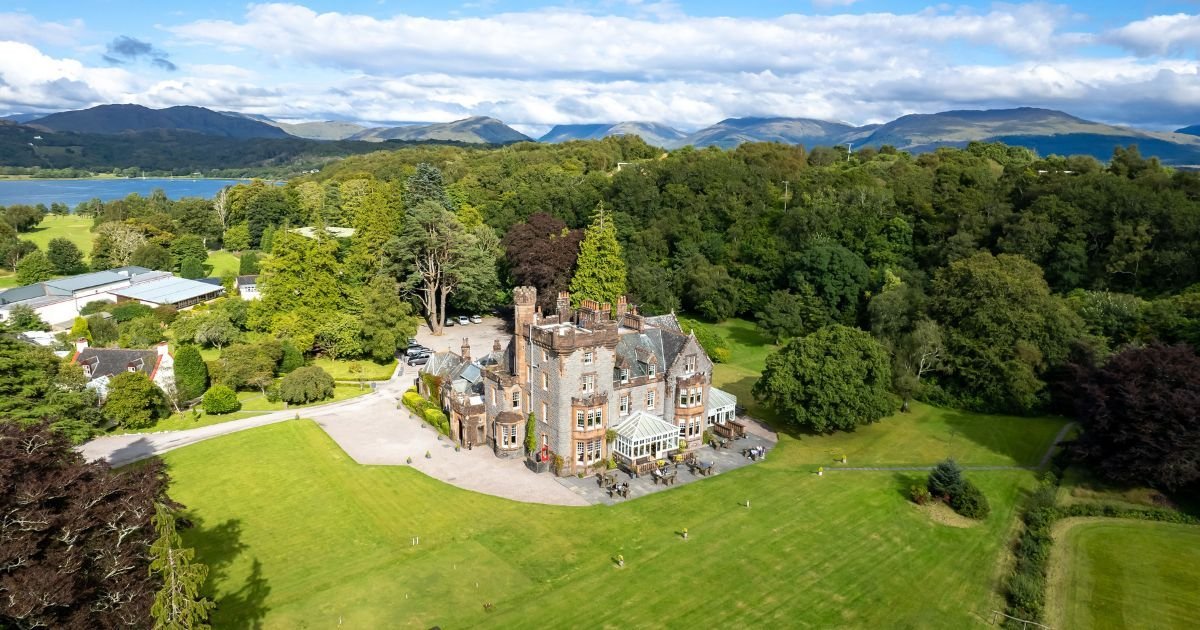
On the western edge of the Scottish Highlands, Arisaig Hotel sits on the Morar peninsula with the Sound of Sleat in view and a drinks culture shaped by its proximity to some of Scotland's most celebrated distilleries. The bar draws from a deep well of regional single malts and west coast spirits, positioning it as a natural stop for those moving between Mallaig and the Isle of Skye ferry. Plan around the limited seasonal transport links to this stretch of the A830.
 Discover on Pearl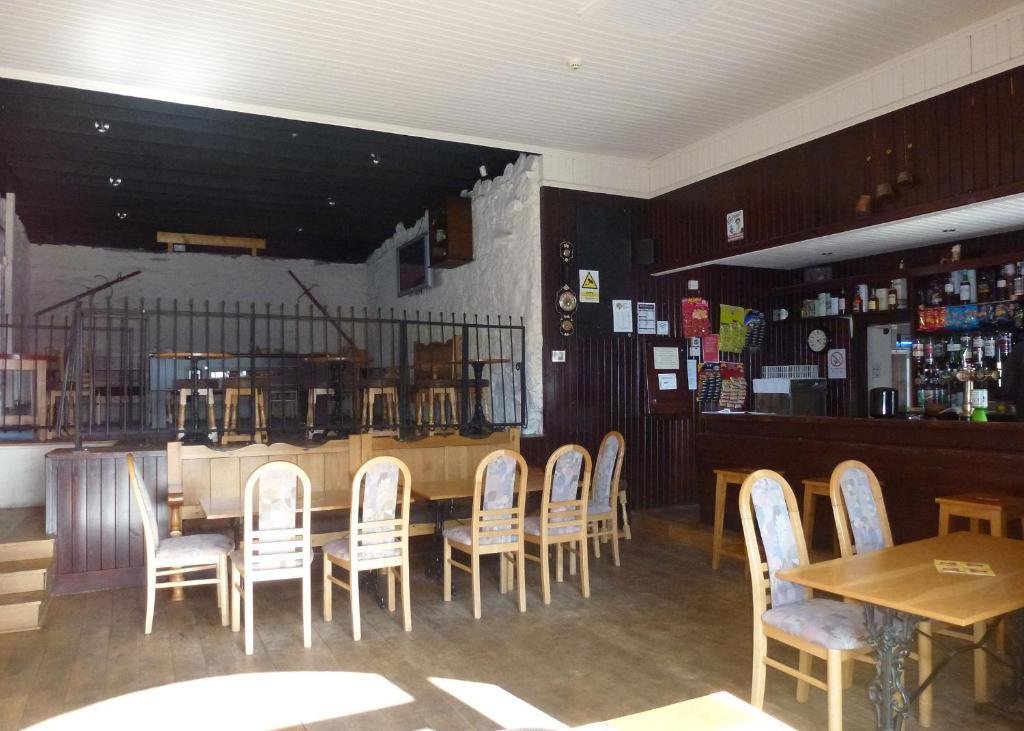
Where the Road Ends and the Whisky Begins
The A830 from Fort William to Mallaig is frequently called the Road to the Isles, and Arisaig sits near its terminus, the last substantial settlement before the fishing port that serves as the jumping-off point for Knoydart and the Small Isles. The physical approach matters here in a way it rarely does for a hotel bar: the light off the water changes the room before you've looked at the back bar, and the sense of arrival, after forty-odd miles of lochside driving, is part of the experience the spirits collection then builds on. This is not a city bar that happens to stock Scottish whisky. It is a Highland hotel bar in the original sense, where the geography and the glass are in genuine conversation.
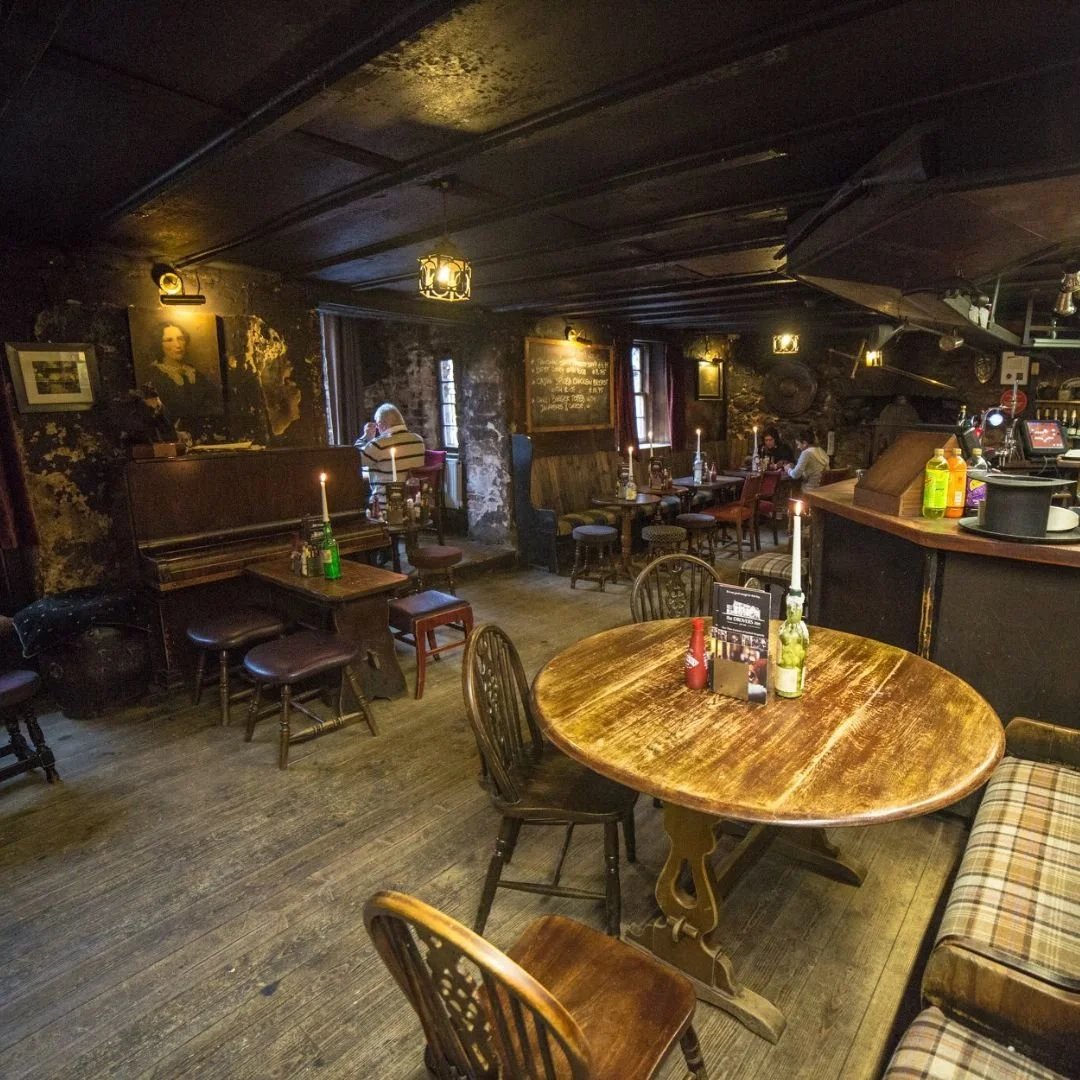
In the broader pattern of west Highland hospitality, properties along this corridor occupy a specific category: small, independently operated hotels where the bar functions as both local pub and traveller's rest. Unlike the more curated whisky experiences being developed at distillery visitor centres further south, or the polished programs at urban venues like Glen Mhor Hotel & Apartments in Inverness, bars in this part of Lochaber tend to reflect whatever the regional supply chain makes available and whatever the local clientele actually drinks. That informality is not a weakness. It is the condition that makes a genuinely representative west coast selection possible.
The Spirits Context: West Coast Scotland and the Case for Proximity
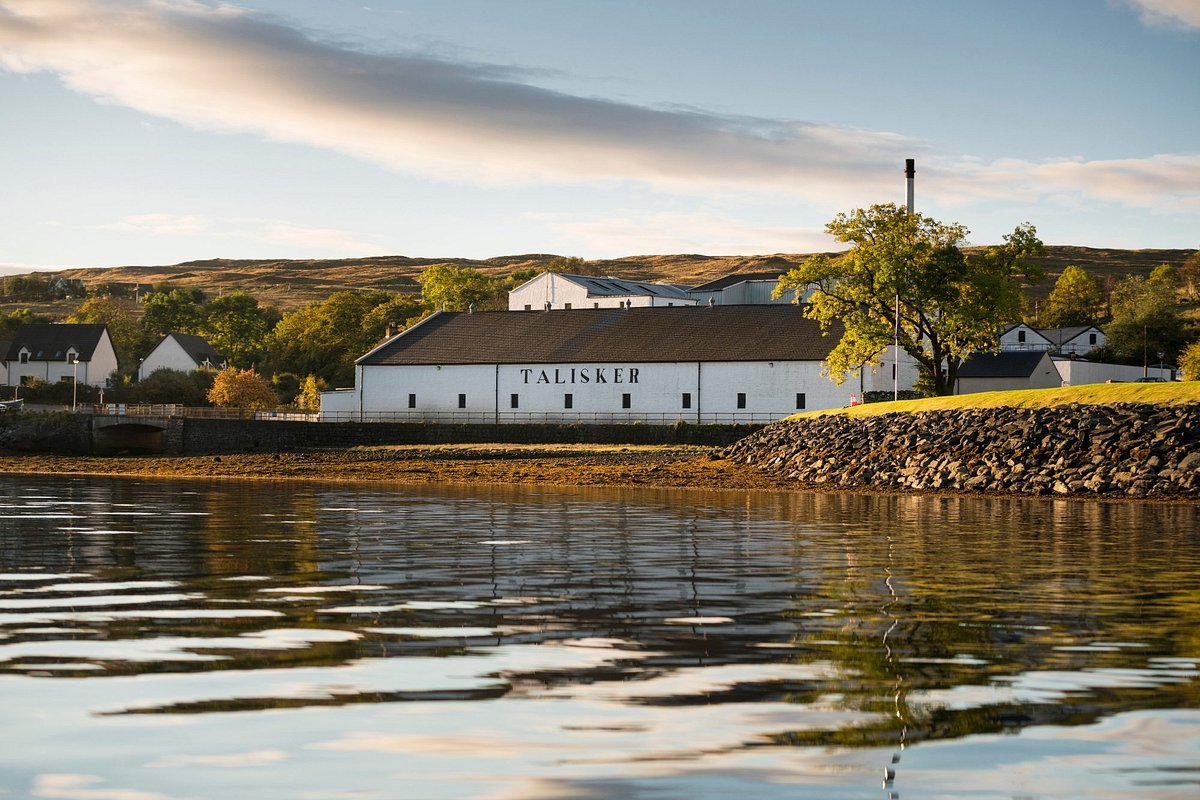
Scotland's whisky geography is not uniform, and the spirits available in a bar this far west reflect a distinct regional logic. The Inner Hebrides distilleries, including Talisker on Skye and the Islay houses further south, are close enough that their products move through local trade channels as everyday pours rather than special-occasion bottles. For a traveller arriving from urban bars in Edinburgh or further afield, that shift in context is instructive: what reads as a premium shelf selection in a city bar is the house pour in a hotel that sits between the distillery and the ferry.
This proximity dynamic shapes how knowledgeable bar programs in the region are leading read. Rather than measuring depth against the kind of curation found at dedicated whisky bars like Bramble in Edinburgh or the rarities-focused back bars at places like Merchant Hotel in Belfast, the more useful frame is what the collection tells you about regional production. A bottle of Talisker 10 in this setting is documentary, not decorative. The peated west coast character, iodine and sea salt driven, reads differently when the sea in question is visible from the car park.
The broader UK cocktail scene, from the technically rigorous programs at 69 Colebrooke Row in London to the neighbourhood confidence of Schofield's in Manchester, has moved decisively toward ingredient provenance and spirit-forward formats. That movement has a natural endpoint in a hotel bar where the provenance is not a story on a menu insert but a function of where the building is. The editorial argument for paying attention to bars in places like Arisaig is precisely that they collapse the distance between production and consumption that urban programs work hard to reconstruct.
Dining and the Highland Hotel Format
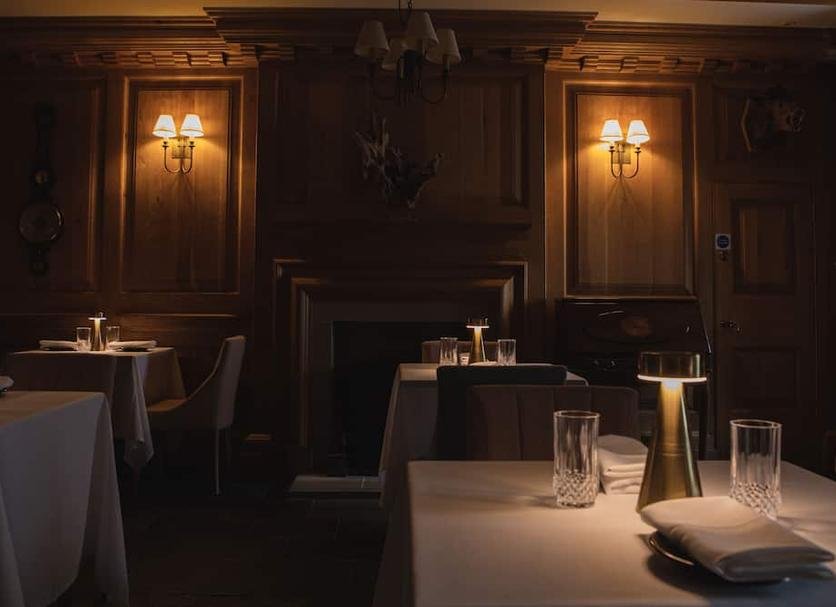
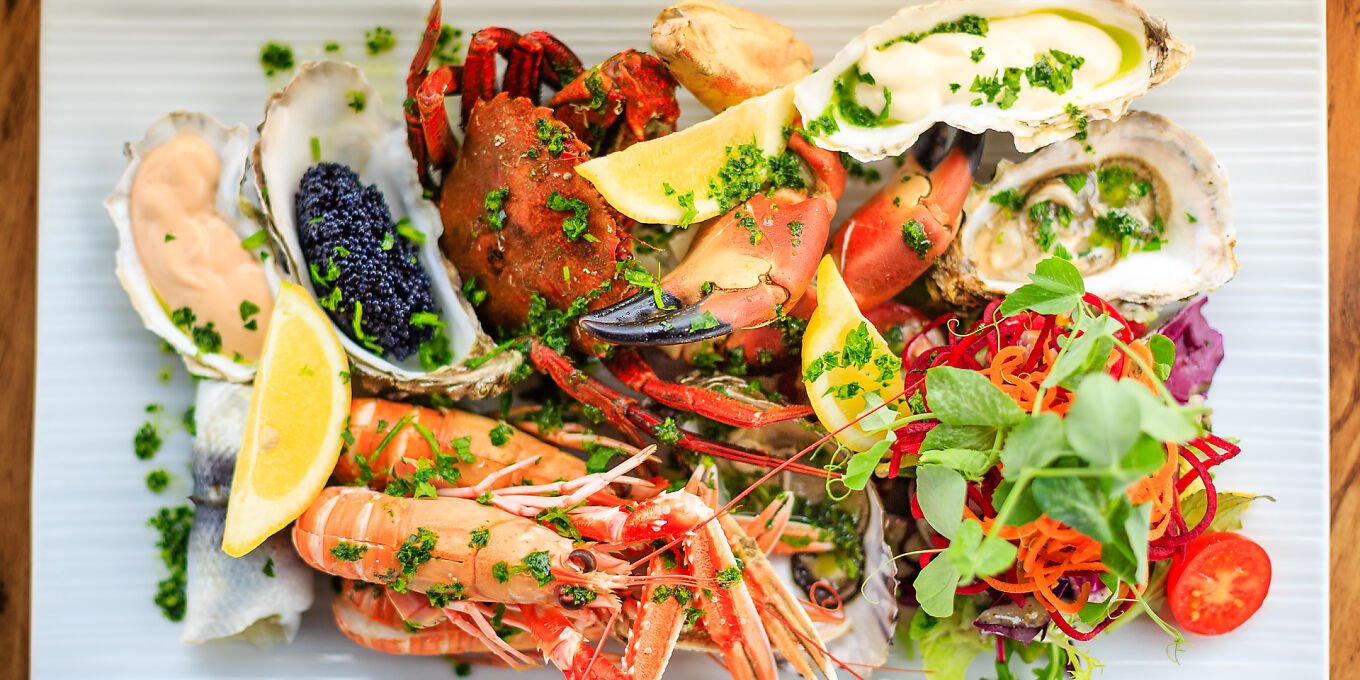
Along the Mallaig line corridor, hotel dining operates within a format shaped by limited local competition and strong seasonal demand. The summer months, when the Jacobite steam train service brings visitors from Fort William and ferry traffic to Skye peaks, represent the core trading period. Hotels in this position typically anchor their menus to local seafood: langoustines from Loch Fyne and Loch Linnhe, Mallaig haddock, and west coast mussels are regional staples that appear across properties in the area. The kitchen's proximity to Mallaig's fishing fleet is a structural advantage that shows up on the plate rather than in the marketing.
For context on how Highland food and drink programs are developing across the region, the Scorrybreac Restaurant in Portree, Skye, offers a useful reference point: that kitchen demonstrates what happens when Highland produce receives focused, technically serious treatment. Arisaig Hotel operates in a less rarefied register, serving the community and the traveller rather than the destination diner, and that distinction is worth naming rather than papering over. See our full Highland restaurants guide for how properties across this region position themselves across the price and ambition spectrum.
Planning the Visit: Logistics on the Road to the Isles
The logistical reality of reaching Arisaig is the first thing a prospective visitor should understand. The village is served by the West Highland Line, one of the most photographed rail journeys in Europe, with Arisaig station a short walk from the main road. Services from Glasgow Queen Street via Fort William are the primary rail option, and the journey takes the better part of a day from central Scotland. By road, the A830 from Fort William runs through Glenfinnan and along the shores of Loch Eilt, a route that demands daylight and dry conditions. Arriving in the dark in poor weather is possible but wastes the drive.
Seasonality governs everything in this part of the Highlands. The summer window, roughly May through September, sees full accommodation demand and the leading conditions for the coastal walking that makes the area worth visiting beyond the bar. Outside that window, the village operates on reduced capacity and travellers should confirm availability directly before making plans. This applies equally to anyone arriving from further afield, whether from cities with more developed bar scenes like Glasgow or from international departure points where Highland hospitality exists mainly as aspiration. For those connecting through the wider UK drinks circuit, reference bars like Mojo Leeds, L'Atelier Du Vin in Brighton, and Avon Gorge by Hotel du Vin in Bristol illustrate how hotel bar programs operate at different points of the hospitality spectrum. Arisaig occupies the end of that spectrum where the setting does the heaviest editorial work. For international visitors, Bar Leather Apron in Honolulu represents the kind of spirit-forward hotel bar program that shares a philosophical proximity to what the leading west Highland bars attempt, albeit in a very different climate.
Booking and Cost Snapshot
These are the closest comparables we have in our database for quick context.
| Venue | Price | Awards | Notes |
|---|---|---|---|
| Arisaig Hotel | This venue | ||
| Bar Termini | World's 50 Best | ||
| Callooh Callay | World's 50 Best | ||
| Happiness Forgets | World's 50 Best | ||
| Mojo Leeds | World's 50 Best | ||
| Nightjar | World's 50 Best |
Continue exploring