Trump Turnberry


Trump Turnberry occupies 800 acres of Ayrshire coastline in a grade-listed Edwardian pile that opened in 1906 and scored 94.5 points on the La Liste Top Hotels ranking for 2026. The Ailsa Links hosted four British Opens, including the celebrated 1977 Nicklaus-Watson duel, and the 1906 restaurant sources produce daily from the adjacent Downhill Farm. It is a serious resort property, not a country house hotel with golf bolted on.
Pearl is the En Primeur Club membership app — saves, bookings, and concierge access live there. Same editors, same standards.
- Address
- Maidens Rd, Turnberry, Maidens, Girvan KA26 9LT
- Phone
- +44 1655 331000
- Website
- trumphotels.com
- Directions
- Get directions
 Saves & bookings on Pearl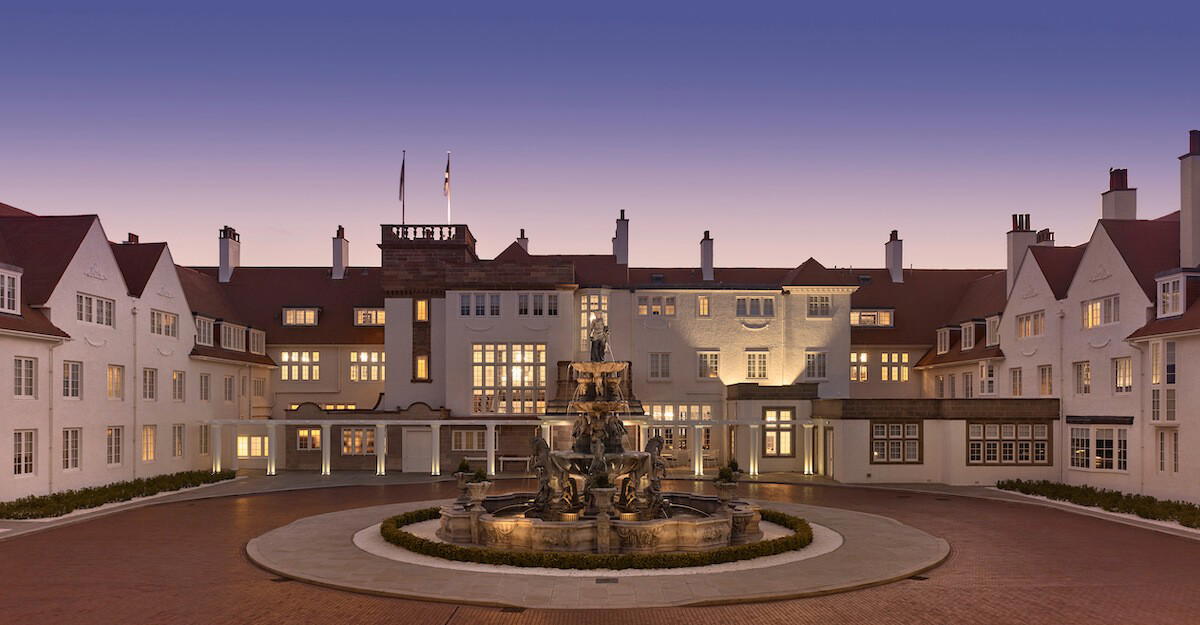
Edwardian Architecture Meets Ayrshire Coast
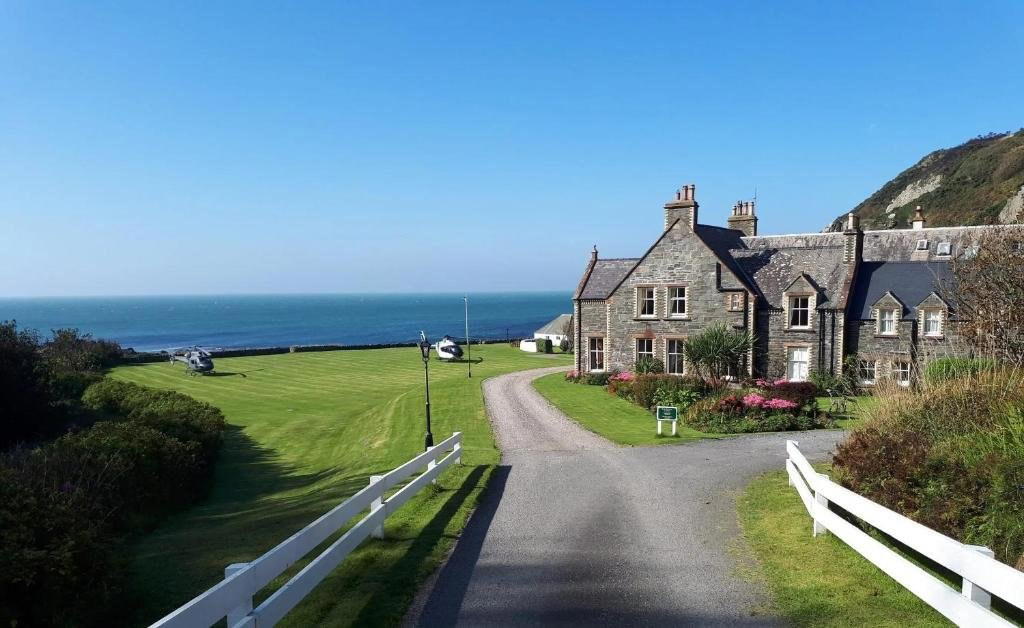
Approaching Trump Turnberry along the Maidens Road, the white-rendered facade rises against a backdrop that shifts between grey Atlantic sky and vivid green links. The building was constructed in 1906 as a railway hotel, a format common to the Edwardian era when Scottish resorts were built to a civic scale that most contemporary luxury properties cannot replicate: broad corridors, high ceilings, ornate plasterwork, and a sense of horizontal mass that makes the structure feel continuous with the cliffs and dune lines stretching toward the Firth of Clyde. That architectural grammar has been preserved through successive renovations while the interiors have moved toward a warmer, richer register. The combination places Trump Turnberry in a narrow comparable set occupied by British resort hotels whose bones predate both world wars, properties like Gleneagles in Auchterarder and, in a different register, Claridge's in London, where the building itself carries part of the argument for staying.
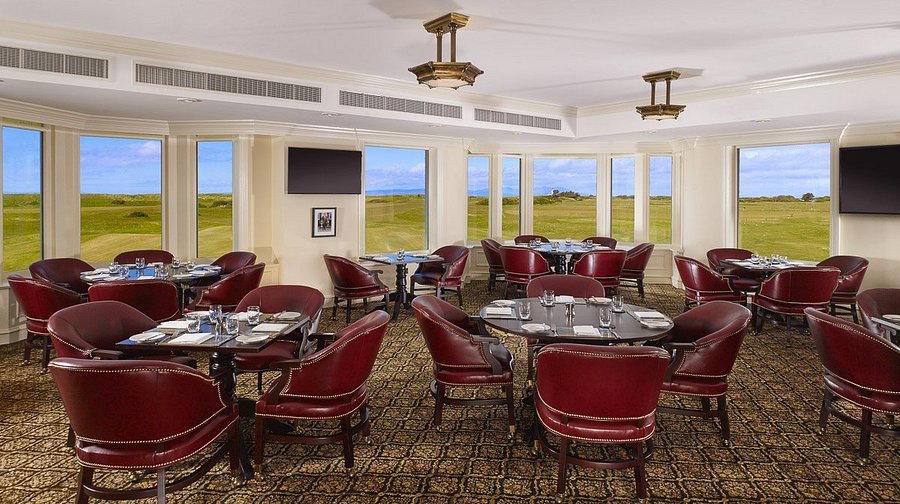
The 800-acre estate reinforces that sense of institutional scale. Most country house hotels operate on a fraction of that footprint, which limits the range of outdoor perspectives available from the building. Here, the restaurants and bars look out over the Ailsa Craig, the granite island from which most competitive curling stones are cut, across to the Isle of Arran, and on clear days toward the Irish coast. The view is not merely scenic; it organises the entire stay spatially, giving a sense of orientation that smaller properties, however carefully designed, cannot manufacture. Those panoramas are available from multiple points within the hotel, not just from one signature terrace.
What the Ailsa Links Tells You About the Property
The historical weight carried by the Ailsa Links shapes how the resort positions itself within the broader golf-resort category. The course hosted four British Opens, including the 1977 championship won by Tom Watson, widely described by golf historians as one of the leading individual duels in major championship history. The recent redesign, by course architect Martin Ebert, toughened the opening holes and added more dramatic sight lines along the terrain, an approach that signals confidence in the course's original routing rather than a wholesale reimagining.
King Robert the Bruce course, opened in 2017 at 7,203 yards, par-72, was named for the medieval king whose castle once occupied this headland. The historical layering, medieval castle site, Edwardian hotel, twentieth-century championship golf, contemporary redesign, gives the property a compressed Scottish history that most resorts in the country lack.
The 1906 Restaurant and the Logic of Local Sourcing
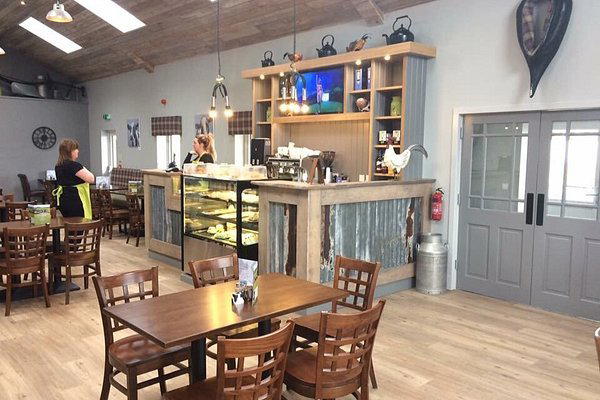
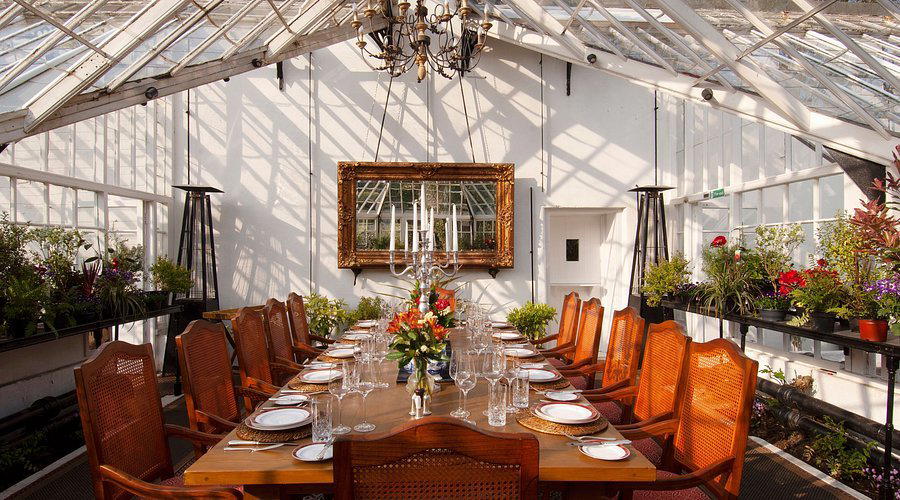
Naming a restaurant for the year a hotel was founded is a familiar move in the heritage property playbook, but the supply chain behind the 1906 restaurant at Turnberry gives the name more operational meaning than most. Produce arrives daily from Downhill Farm, located directly adjacent to the estate. Meat and fish are sourced from the surrounding coastline and Ayrshire region. Cuts are aged on the bone for a minimum of 21 days before service. That combination, estate-adjacent farming, coastal seafood sourcing, and extended bone aging, reflects a model of supply chain integration that is increasingly common among British country-house dining operations that want to reduce dependence on wholesale distribution while adding culinary credibility. For context on how this approach differs across the British property tier, the farm-to-table model at The Newt in Somerset and the approach at Estelle Manor in North Leigh represent different expressions of the same instinct toward vertical sourcing.
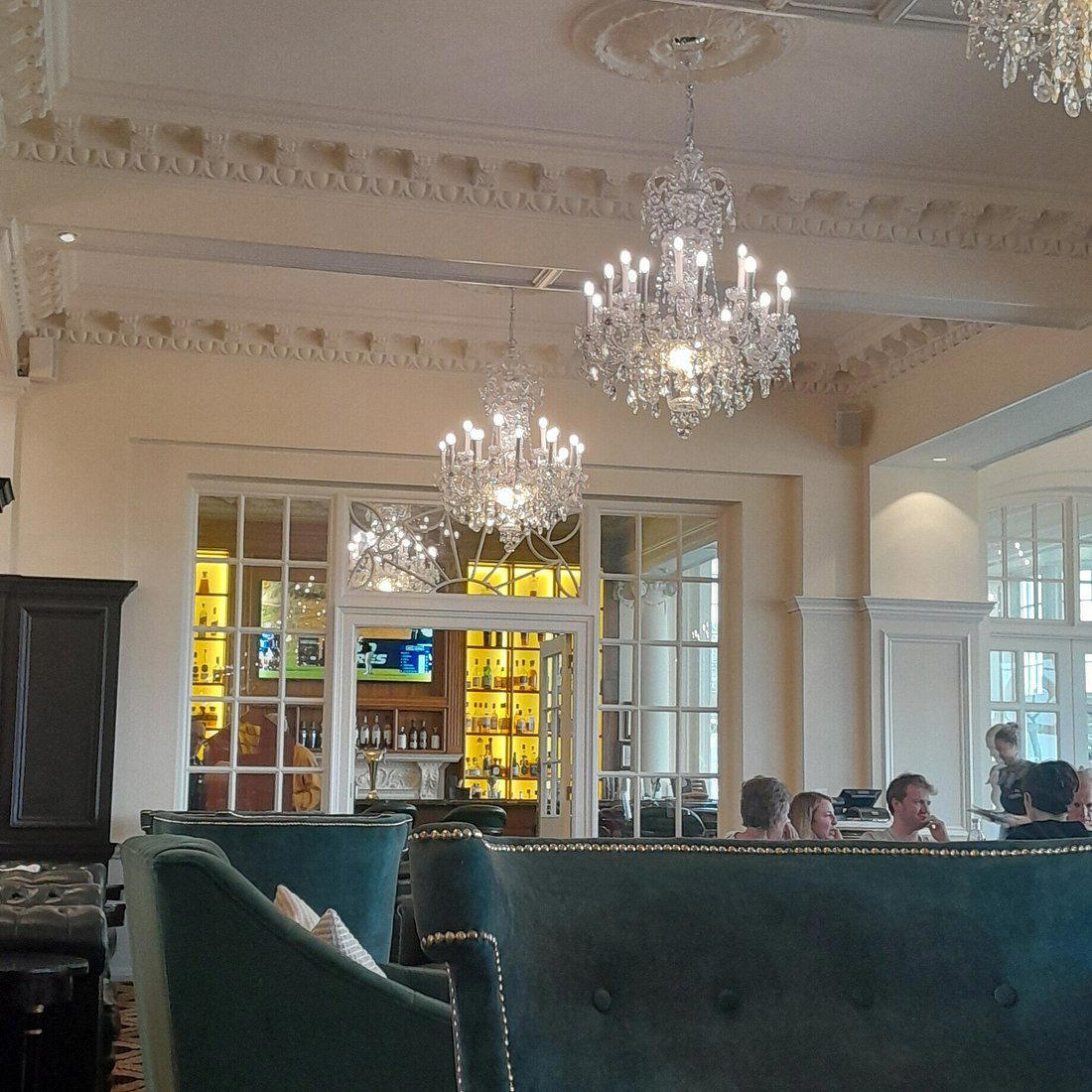
Afternoon tea in the Grand Tea Lounge and Bar operates as a structured ritual rather than a casual offering. The format involves matching tea to guest preference, precise portioning of sugar and cream, and adherence to a traditional Scottish teatime sequence. For visitors without specific knowledge of the format, this level of procedural attention converts what might be a generic hotel amenity into something with genuine instructional value about British, and specifically Scottish, hospitality conventions.
The Spa, the Pool, and the Design of Recovery
The Spa at Turnberry includes a heated infinity pool and a series of relaxation suites oriented to look out toward Ailsa Craig and the Isle of Arran. The ishga massage treatment uses a seaweed-based product range developed specifically for Scottish coastal conditions. The spatial design of the spa, treatment rooms and pools positioned to maintain the same coastal view axis that organises the rest of the property, is consistent with a broader principle of luxury resort design in which the therapeutic environment reinforces rather than isolates from the landscape. Properties like Lime Wood in Lyndhurst and Hell Bay Hotel in Bryher apply similar logic in different coastal and woodland contexts.
Beyond Golf: The Activity and Landscape Context
The Scottish country estate category has expanded its activity portfolio significantly over the past decade, moving away from the golf-and-fishing binary toward a wider range of outdoor formats. Trump Turnberry reflects this shift with electric bike tours into the Ayrshire highlands, clay pigeon shooting, air rifle ranges, and paddleboarding from the coastal frontage. The electric bike offering is particularly relevant given the terrain: the rolling highlands surrounding the estate reward exploration but present enough gradient to make conventional cycling prohibitive for casual riders.
Surrounding area carries its own cultural weight independent of the resort. Culzean Castle, visible from the Turnberry links, was designed by Robert Adam and sits above a range of woodlands, coastal paths, and formal gardens. The castle's Eisenhower Suite served as a private retreat for the former US president and his family from 1945 until his death in 1969, a historical footnote that contextualises the broader significance of this stretch of Ayrshire coastline to twentieth-century transatlantic history. Robert Burns Cottage and Museum, a few miles north, holds the birthplace of Scotland's national poet, while Dumfries House, an eighteenth-century mansion saved from sale and restored under the patronage of King Charles III, sits within range as an architectural destination in its own right. For travellers using Trump Turnberry as a base for wider Ayrshire and Galloway exploration, the cultural infrastructure available within an hour's drive is more concentrated than most Scottish resort locations can offer. For other Scottish properties operating as regional bases, Langass Lodge in the Outer Hebrides and Monachyle Mhor Hotel in Stirling represent different models of landscape-anchored hospitality in the country.
Recognition and Peer Positioning
A La Liste score of 94.5 points in the 2026 ranking places the hotel in the upper tier of that international hotel survey, which draws on aggregated critic scores, guest reviews, and editorial sources to produce a comparable ranking across property types and geographies.6 across more than 1,000 reviews adds volume-weighted confirmation that operational consistency is present across a broad sample of guest experiences, not just among the specialist travel press. The combination of historical pedigree, championship golf credentials, coastline access, and a documented supply chain for its primary restaurant positions the property firmly in the destination-resort tier rather than the transit-hotel or short-break category.
For travellers whose interest skews toward Scotland's broader hospitality range, Burts Hotel in Melrose, Dun Aluinn in Aberfeldy, and Glasgow Grosvenor Hotel each represent distinct positions within the Scottish accommodation spectrum. For the full picture of where the hotel sits among Ayrshire and wider Scottish options, see our full Turnberry restaurants guide.
Planning Your Stay
The hotel is located at Maidens Rd, Turnberry, Maidens, Girvan KA26 9LT. The resort is accessible by road from Glasgow in approximately one hour and fifteen minutes, placing it within viable day-trip range of Scotland's largest city while remaining sufficiently removed to function as a self-contained destination. Amenities include 24-hour room service, indoor pool, gym, fitness classes, golf, spa, restaurants, bar, beach access, meeting rooms, and pet-friendly accommodation. The property accepts dogs, which is relevant given the estate's walking terrain.
How It Stacks Up
Comparable venues nearby, for context on price, style, and recognition.
| Venue | Cuisine | Price | Awards | Notes |
|---|---|---|---|---|
| Trump TurnberryThis venue — the venue you are viewing | Well-known luxury golf resort with historic charm and modern opulence | $$$$ | 5-Star | Not listed |
| Rusacks St Andrews | Historic Victorian golf hotel with modern renovation | $$$$ | 5-Star | Pilmour Links |
| Sanderson | Boutique design hotel in historic modernist building | $$$$ | 5-Star | Fitzrovia |
| Crossbasket Castle | Historic Scottish castle hotel blending period authenticity with contemporary luxury, featuring original architecture and curated heritage decor. | $$$$ | 5-Star | High Blantyre |
| Cambridge House | Heritage luxury with residential feel, prioritizing privacy, comfort and calm while preserving architectural heritage and historical significance. | $$$$ | 5-Star | Mayfair |
| The Randolph Hotel Oxford, a Graduate by Hilton | Historic landmark with modern updates | $$$$ | 5-Star | Oxford City Centre |
Recognition history
Dated appearances from independent guides and award organizations, with the underlying list record or original source where available.
Forbes 5-Star
Forbes
La Liste Top Hotels
La Liste
Forbes 5-Star
Forbes
Continue exploring
More in Turnberry
Hotels in Turnberry
Browse all →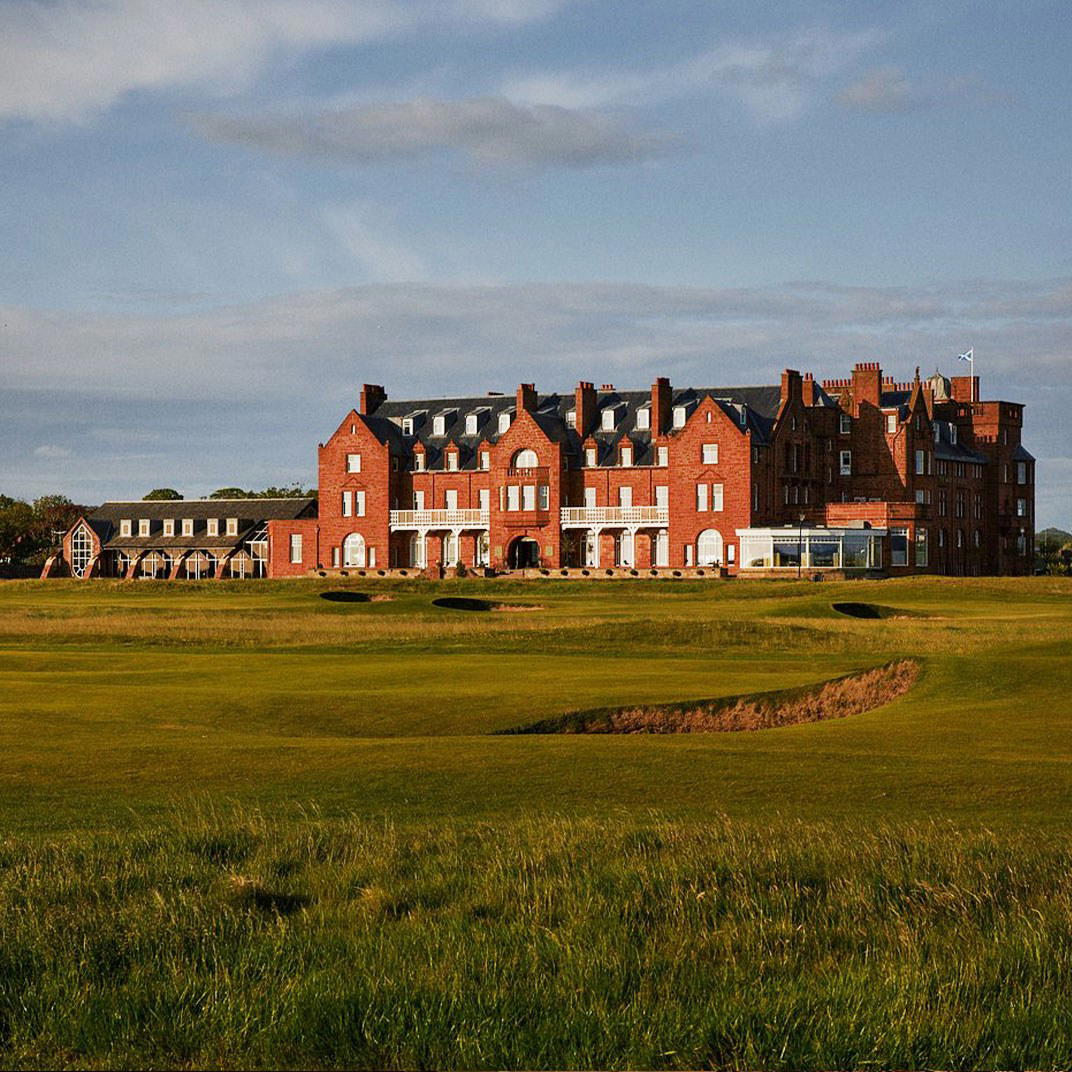
At a Glance
- Elegant
- Scenic
- Well Known
- Sophisticated
- Ornate
- Romantic Getaway
- Family Vacation
- Weekend Escape
- Group Retreat
- Golf Course
- Beachfront
- Panoramic View
- Pool
- Spa
- Fitness Center
- Room Service
- Concierge
- Golf Course
- Beach Access
- Waterfront
- Pool
- Spa
- Fitness Center
- Room Service
- Concierge
- Golf Course
- Beach Access
Luxurious and spacious rooms with individual decor, fireplaces, premium bedding, and ocean views, complemented by a tranquil spa atmosphere and elegant coastal surroundings.