Inver




A former crofter's cottage and boat store on the shores of Loch Fyne, Inver has built a serious reputation for hyper-local, foraged-led cooking in a setting that few restaurants in Britain can match. Michelin-recognised and ranked in La Liste's Top Restaurants, it draws the drive with a concise tasting menu and bothy-style accommodation. Closed Monday and Tuesday; dinner is the main event.
Pearl is the En Primeur Club membership app — saves, bookings, and concierge access live there. Same editors, same standards.
- Address
- Cairndow, Strachur, Scotland, United Kingdom
- Phone
- +44 1369 860537
- Website
- inverrestaurant.co.uk/
- Directions
- Get directions
 Saves & bookings on Pearl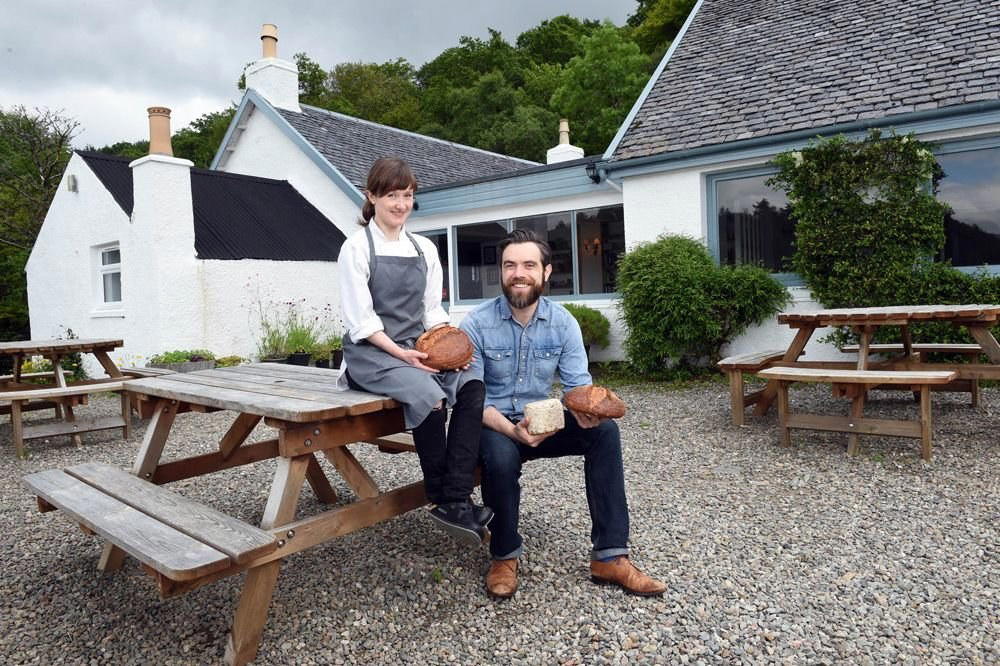
Where Loch Fyne Meets the Plate
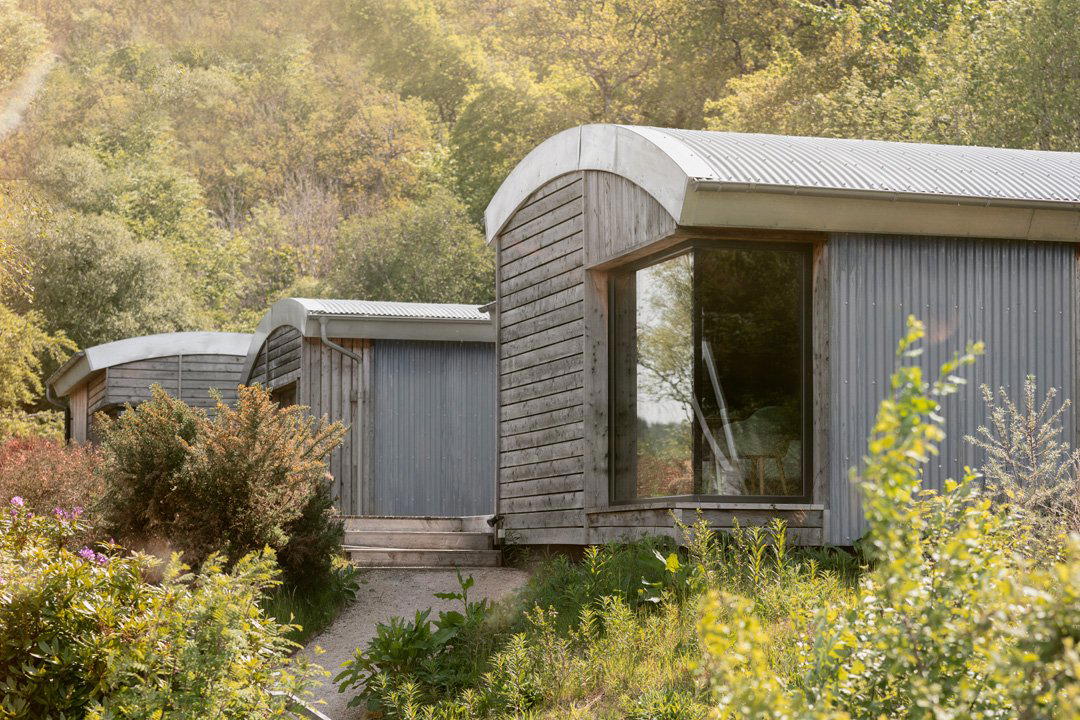
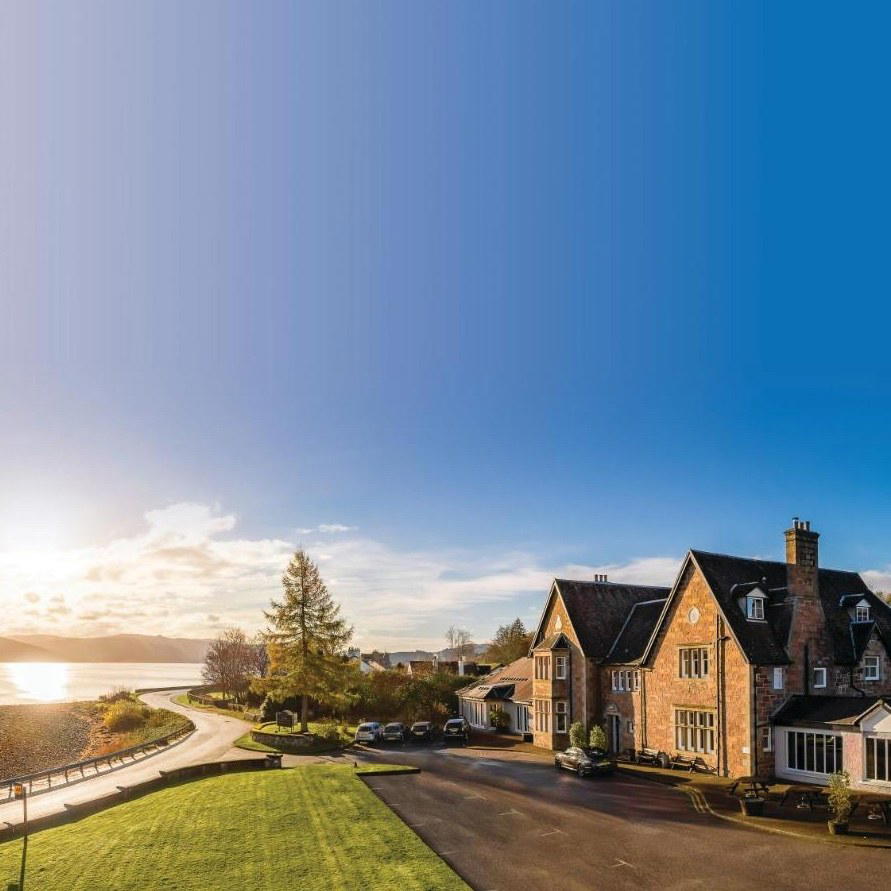
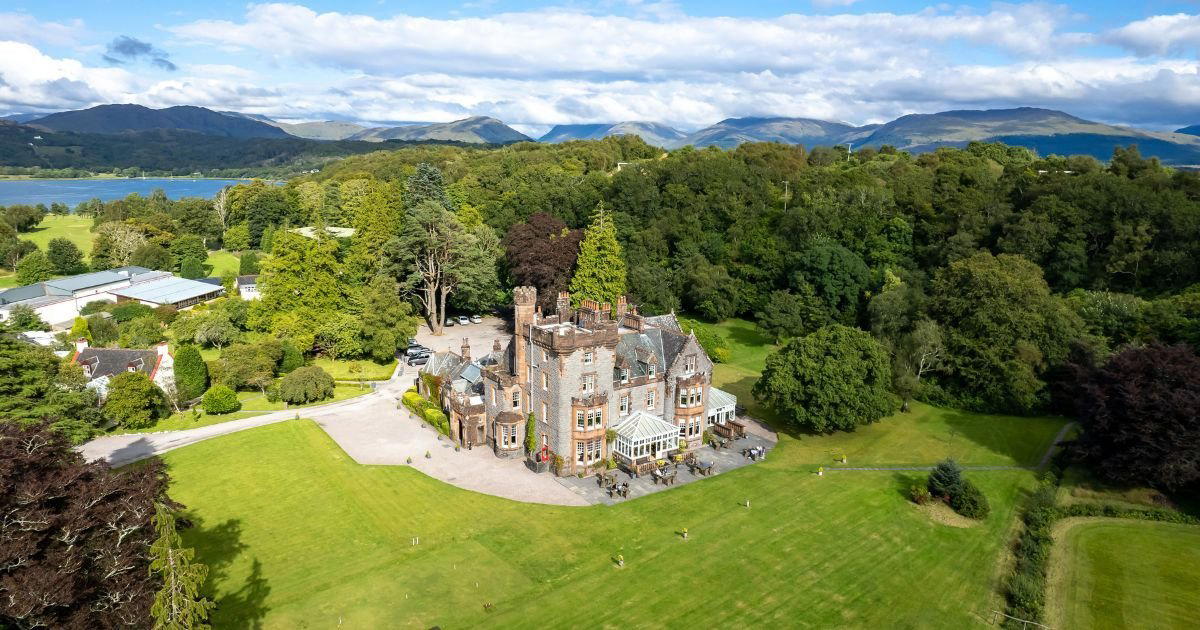
Inver in Strachur is a restaurant serving Modern Scottish Fine Dining, with a tasting menu priced at about $115 per person. A reconfigured 18th-century ferryman's cottage and adjoining boatshed sit on the western shore of Loch Fyne, ospreys visible overhead and the outline of ancient castle ruins in the middle distance. It is the kind of setting that, in lesser hands, would become a distraction, a backdrop for indifferent cooking sold on scenery alone. What makes Inver worth the considerable detour from Glasgow or Edinburgh is that the kitchen treats the landscape as a larder rather than a view. The result is a restaurant that belongs to a growing cohort of destination dining rooms in rural Britain where place and plate are genuinely, rigorously connected, rather than decoratively linked in a press release.
For context on the wider category, Inver sits closer to the former in ambition, but with an informality of setting and a restraint in presentation that makes it feel more akin to a serious Scandinavian farmhouse restaurant than a country house dining room. That Nordic register is not accidental: the cuisine is formally classified as Scottish-Nordic, and the approach to fermentation, forage, and hyper-seasonality aligns it clearly with that tradition rather than with the British country house canon represented by, say, Le Manoir aux Quat' Saisons or Gidleigh Park in Chagford.
The Reinvention of the Rural Local
Britain's gastropub revolution of the 1990s and 2000s established that serious cooking did not require a formal dining room in a capital city. What Inver represents is a further evolution of that argument: that compelling food in Britain might be found not in London's Mayfair or Notting Hill, but in a converted boathouse on a Scottish sea loch, run by people who know every artisan producer, forager, and fishing boat within twenty miles. The comparison with London's premier tier is instructive. Places like The Ledbury or Midsummer House in Cambridge occupy formal, high-production environments with significant staffing infrastructure. Inver's version of high-ambition cooking operates at a more intimate, deliberately personal scale, and that scale is part of the proposition, not a compromise.
This is a characteristic shared by a number of particularly interesting small-scale destination restaurants in Britain: the kitchen and the room are expressions of a closely-held point of view rather than a replicable system. Chef Pamela Brunton's approach draws on the hyper-local and foraged, ingredients sourced from Loch Fyne's waters, surrounding terrain, and a network of artisan producers including a local grower known in sourcing circles simply as Kate. Sustainability is operational here rather than rhetorical, evidenced in details like a bread and butter broth built from leftover sourdough ends, home-churned brown butter, and yeast, a dish that communicates a philosophy without stating it.
The Format: Lounge First, Then the View
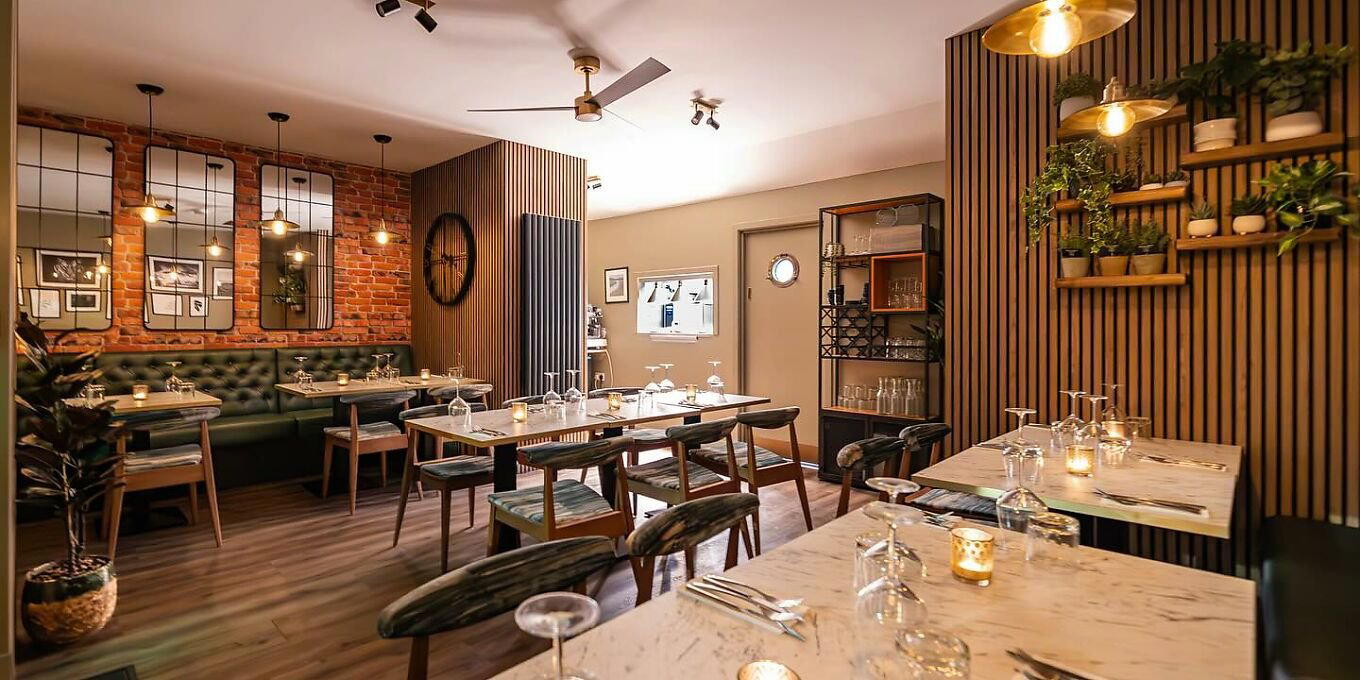
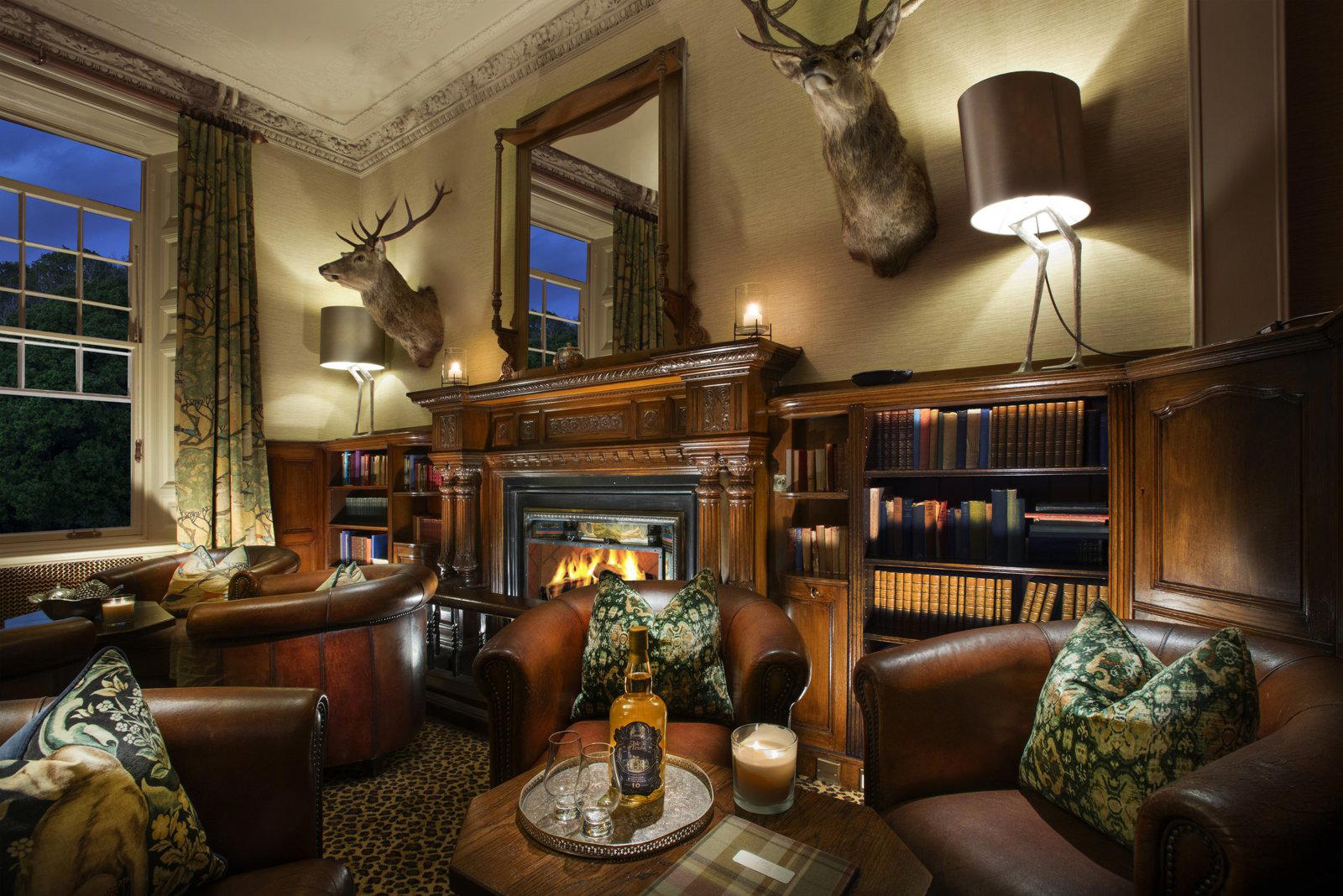
The sequence of the evening is structured deliberately. Guests begin in a lounge-bar with sheepskin-covered armchairs, where four opening courses arrive on a tray before the move to the contemporary dining room. The loch view opens up from there. The format is a tasting menu of six courses nominally, with the opening salvos, an oyster with sea buckthorn oil, or razor clams with rhubarb in a ceviche register, arriving informally in the lounge to anchor the palate in the immediate coastal environment. Main courses have included Loch Fyne scallops and langoustine with purple sprouting broccoli and a sea-herb emulsion finished with blackcurrant-leaf oil, and a four-part serving of organic pork covering loin, collar, belly, and sausage. Desserts are direct rather than elaborate: poached pear with walnut and ginger ice cream has been cited as representative of the register.
Lunch operates as a carte rather than a tasting menu, running Friday through Sunday and structured around seafood and game. It offers a more accessible entry point to the kitchen's vocabulary without the full commitment of the dinner format. The price tier is ££££, or about $115 per person. For Scotland specifically, the peer comparison is closer to Restaurant Andrew Fairlie in Auchterarder, though the registers differ considerably: Andrew Fairlie is a formal, classical-leaning room inside Gleneagles; Inver is a boathouse on a loch shore.
Recognition and Competitive Position
The awards record is consistent without being headline-heavy. Inver holds a Michelin Plate in both 2024 and 2025, signalling recognition of cooking quality without the full star designation. Collectively, the picture is of a restaurant with a committed and growing audience among serious food travellers rather than a place resting on a single prestigious accolade. The trajectory matters: few restaurants in rural Scotland are moving up European rankings across three consecutive years.
The cordials are house-made, a detail worth noting for non-drinkers, and a signal of the kitchen's general disposition toward making rather than buying.
Staying Over: The Bothy Option
Accommodation at Inver takes the form of bothies and shepherds' huts in the grounds, with breakfast provisions delivered in the morning. This model, where a destination restaurant is accompanied by minimal-footprint lodging rather than a hotel infrastructure, has become a recognisable format among serious rural dining destinations in Britain, part of the same movement that positions the meal as an event requiring travel and recovery time. It removes the problem of the return drive on a dark Scottish road, which at Loch Fyne in winter is a non-trivial consideration.
Planning Your Visit
Inver is closed Monday and Tuesday. Wednesday dinner-only service runs from 6:30 pm; Thursday follows the same pattern. From Friday through Sunday, lunch runs 12:00 to 5:00 pm and dinner from 6:30 to 11:30 pm. The address is Cairndow, Strachur, on the western shore of Loch Fyne. Inver runs a children's menu, an unusual provision at this price and format level, and one that expands the potential audience considerably for family groups prepared to make the journey.
Comparable Spots, Quickly
Comparable venues nearby, for context on price, style, and recognition.
| Venue | Cuisine | Price | Awards | Notes |
|---|---|---|---|---|
| InverThis venue — the venue you are viewing | Modern Scottish Fine Dining | $$$$ | Michelin Plate | Not listed |
| Number One | Modern British Fine Dining | $$$$ | Michelin Plate | Greenside |
| Kilberry Inn | Modern Scottish Gastropub | $$$ | Bib Gourmand | Kilberry |
| Mingary Castle | Modern Scottish Fine Dining | $$$$ | Michelin Plate | Kilchoan |
| LOMA by Graeme Cheevers | Modern Scottish Fine Dining | $$$$ | Michelin Plate | Balloch |
| Margo | Modern Mediterranean Small Plates | $$$ | Bib Gourmand | Anderston/City/Yorkhill |
Recognition history
Dated appearances from independent guides and award organizations, with the underlying list record or original source where available.
AA Rosettes 3 Rosettes
AA Rosettes
La Liste Top Restaurants
La Liste
Michelin Plate
Michelin
National Restaurant Awards Top 100 #93 · No. 93
National Restaurant Awards · 2026 National Restaurant Awards Top 100
La Liste Top Restaurants
La Liste
Michelin Plate
Michelin
National Restaurant Awards Top 100 #78
National Restaurant Awards
Opinionated About Dining Top Restaurants in Europe Ranked #283
Opinionated About Dining
The Good Food Guide GFG Very Good
The Good Food Guide
Michelin Plate
Michelin
Opinionated About Dining Top Restaurants in Europe Ranked #301
Opinionated About Dining
Opinionated About Dining Top New Restaurants in Europe Highly Recommended
Opinionated About Dining
At a Glance
- Scenic
- Elegant
- Cozy
- Intimate
- Rustic
- Date Night
- Special Occasion
- Waterfront
- Extensive Wine List
- Local Sourcing
- Farm To Table
- Waterfront
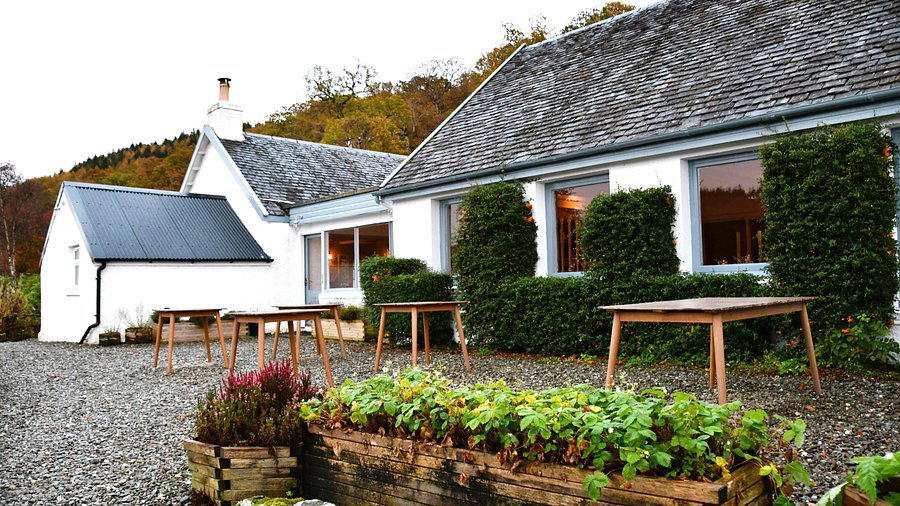
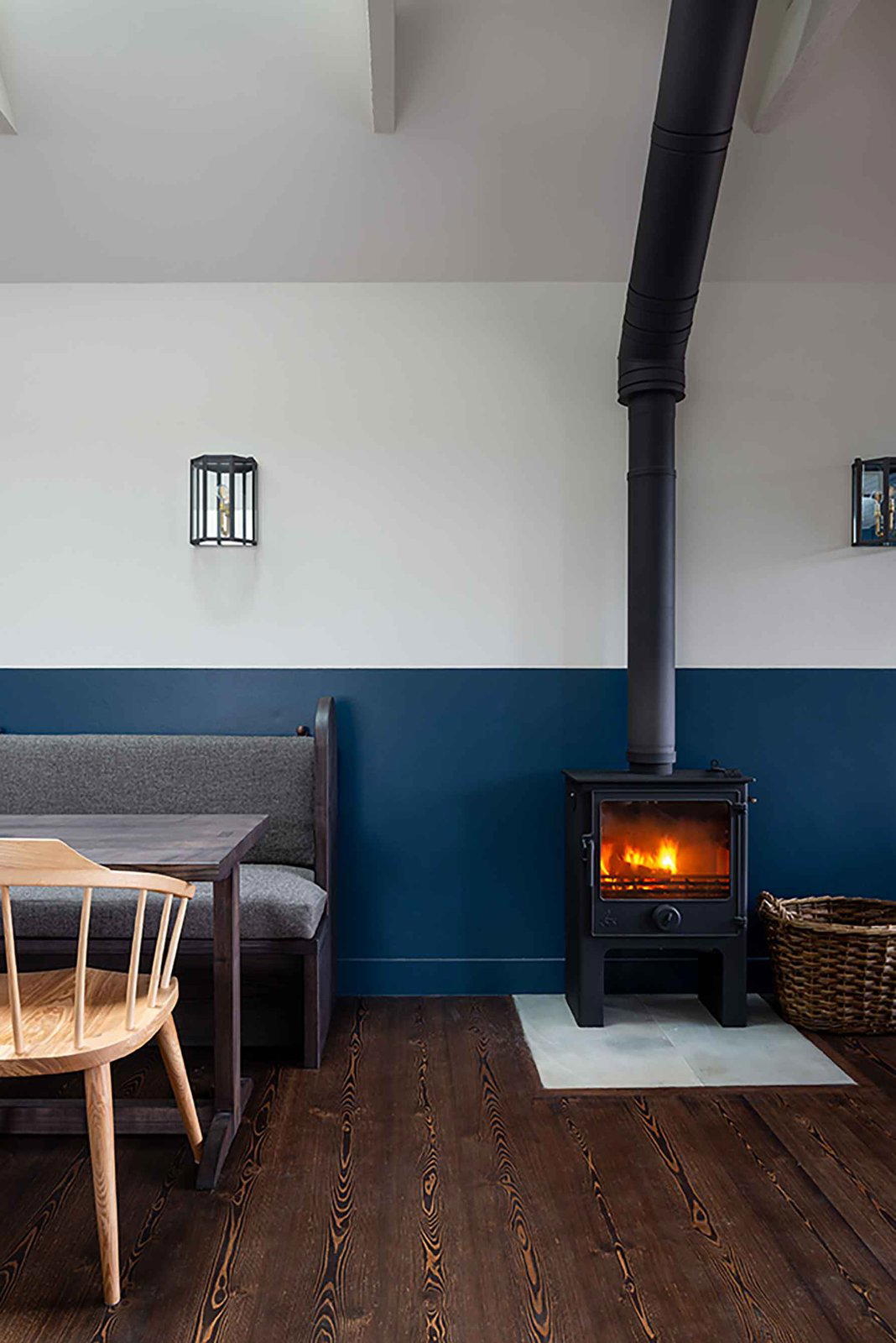
Relaxed yet sophisticated atmosphere with warm hospitality, cosy interiors, and far-reaching loch views enhanced by natural lighting.