Kilberry Inn

A twice Michelin Bib Gourmand-recognised roadside inn on Scotland's remote west coast, Kilberry Inn offers two distinct menus built around produce from the nearby Kilberry Estate. The cooking is honest and grounded in classical technique, served in a setting where the surrounding Argyll landscape feels genuinely present. Overnight stays extend the experience well beyond the table.
Pearl is the En Primeur Club membership app — saves, bookings, and concierge access live there. Same editors, same standards.
- Address
- The Kilberry Inn, Kilberry, Tarbert PA29 6YD, United Kingdom
- Phone
- +44 1880 417990
- Website
- kilberryinn.com
- Directions
- Get directions
 Saves & bookings on Pearl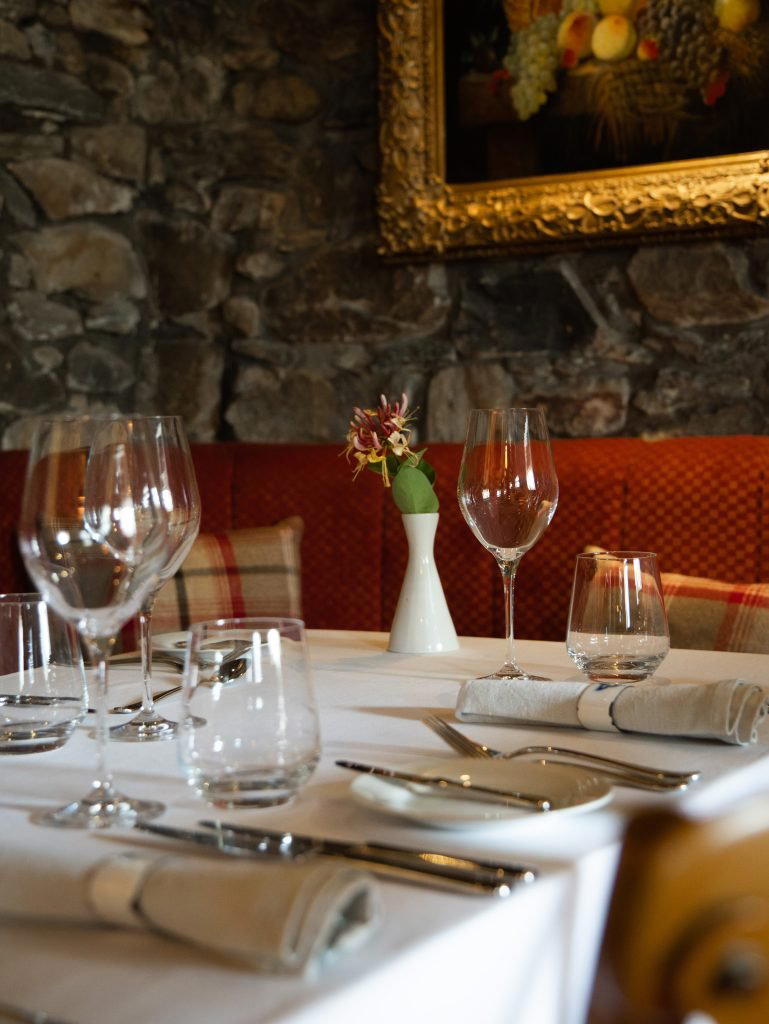
Where the Road Ends and the Cooking Begins
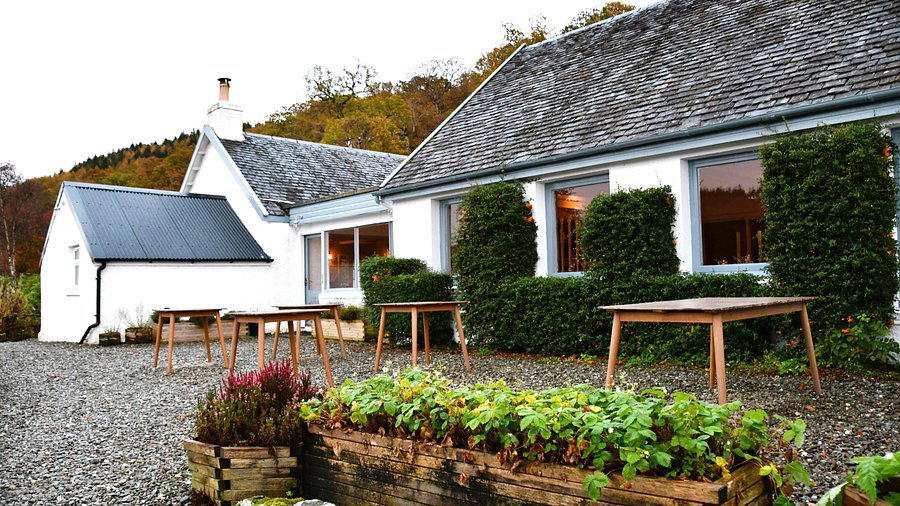
The west coast of Argyll is not a place you pass through. The single-track road to Kilberry demands commitment, winding inland through forestry before opening onto Atlantic coastal views that reward the effort. By the time you reach the inn itself, a modest whitewashed building beside the road, the journey has already done some of the work. The expectation of something genuine, rather than something performed, is already set. That expectation, it turns out, is well-founded.
Kilberry Inn sits within a broader shift in how serious cooking has spread across the British Isles over the past two decades. The reinvention of pub and inn dining, a movement that gathered pace in the early 2000s and changed the terms of what modest, non-urban hospitality could mean, reached its most interesting expression not in the Home Counties or the Cotswolds, but in places where the sourcing story was already written into the surrounding land. Kilberry is one of those places. The inn draws heavily on produce from the adjacent Kilberry Estate, a supply relationship that is short, direct, and reflected on the plate rather than merely listed on a menu. For comparison, venues like Hand and Flowers in Marlow and hide and fox in Saltwood occupy a similar tier within the Bib Gourmand register, where skilled, unselfconscious cooking earns recognition without the formal-dining apparatus of the starred tier.
The Gastropub Tradition, Reframed at the Edge of Scotland
British inn dining has a complicated history. For most of the twentieth century, the roadside inn occupied a functional rather than culinary role: somewhere to warm up, refuel, and move on. The gastropub revolution of the 1990s and 2000s changed the cultural grammar around what a pub kitchen could produce. That movement has since stratified: at one end, urban venues with nationally recognised chefs and destination reputations; at the other, a quieter tier of rural inns where the cooking is defined less by ambition than by precision and honesty. Kilberry Inn belongs firmly in the second category, and that is not a qualification, it is the point.
The Michelin inspectors have awarded the inn the Bib Gourmand in both 2024 and 2025, a designation that carries specific meaning in the Michelin framework: notably good cooking at a price that does not demand a special occasion budget. The ££ price range positions Kilberry below the destination-dining tier occupied by venues like L'Enclume in Cartmel or Restaurant Andrew Fairlie in Auchterarder, and squarely within the accessible-excellence bracket where value relative to quality is part of the critical argument. When Michelin flags an inn in this price tier, in a location this remote, it is making a statement about the cooking's merit in absolute rather than contextual terms.
The menu structure reinforces this approach. Guests choose between a Chef's Menu and a Bib Gourmand Menu, the latter designed to deliver the kitchen's quality at accessible pricing. This dual-track format has become a considered strategy among rural British kitchens seeking to serve both destination diners and local regulars without compromising either experience. The cooking itself is described as classical at its core, with no concession to technique-for-technique's-sake. At a moment when many kitchens have experimented their way back towards simplicity, Kilberry's adherence to honest, satisfying dishes reads less as a stylistic choice and more as a long-held position.
Produce, Place, and the Kilberry Estate
Relationship between a kitchen and its immediate land is one of the more difficult things to fake. Supply chains that run through wholesalers and national distributors can be repackaged as local provenance with careful copywriting, but the cooking eventually reveals the distance. At Kilberry Inn, the estate connection is the kind that was already in place before it became a selling point: the land surrounding the inn is the source, and the menus follow what it produces. The practical outcome is a plate-level specificity that differs from venues where provenance is aspirational rather than operational.
This model echoes the approach at a handful of British properties where geography and produce are genuinely inseparable from the restaurant's identity. Gidleigh Park in Chagford operates within a similarly bounded Devon landscape; Moor Hall in Aughton has built a kitchen garden programme that feeds its tasting menus with granular seasonal specificity. Kilberry's scale is smaller and its format more casual, but the underlying logic, that cooking is most coherent when the geography of the plate matches the geography of the location, is the same.
The Inn Itself: Warmth Without Theatre
The hospitality at Kilberry operates on a register that is harder to engineer than cooking technique. The team's warmth, noted consistently in Michelin's own written commentary on the inn, is the kind that comes from a genuine investment in the place rather than a service protocol.8 from 124 responses at a property this remote suggests a diner cohort that has made considerable effort to arrive, and has left satisfied. Those are not casual footfall numbers, they reflect deliberate decisions to travel to Kilberry specifically.
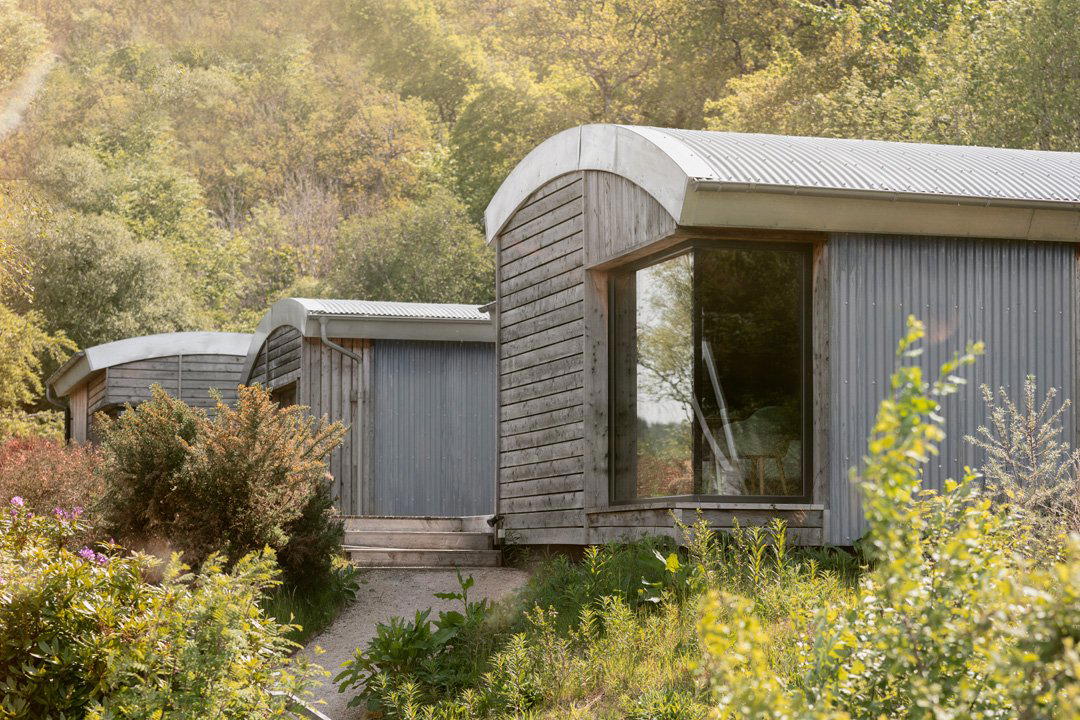
The inn offers overnight accommodation, and the case for staying is direct: the surrounding Argyll coastline and estate landscape requires time to register properly, and arriving with dinner as the only agenda misses the fuller context of what makes the location worth the journey. An overnight stay converts Kilberry from a destination restaurant into something closer to a retreat, and the modest price range makes that a more accessible proposition than the room rates attached to comparable dining destinations in the Scottish Highlands.
Where Kilberry Sits in the British Dining Picture
British dining conversation is frequently pulled towards London, towards venues like CORE by Clare Smyth, The Ritz Restaurant, or Midsummer House in Cambridge, all operating in the upper register where prices, formality, and critical expectation are tightly calibrated. One interesting development in British dining over the past decade, however, has been the depth of quality that has built up at the accessible tier in places that require real travel to reach. 33 The Homend in Ledbury and Opheem in Birmingham each demonstrate how far serious cooking has moved from purely metropolitan concentration.
Kilberry Inn sits at an extreme of that geographic dispersal. It is not the kind of venue you stumble across or visit on a passing whim. It requires planning, a long drive on single-track roads, and a willingness to commit a day or more to a location that has no urban infrastructure around it. What it returns on that investment is cooking that takes its local materials seriously, hospitality that does not perform warmth but delivers it, and a Michelin endorsement now confirmed across two consecutive years. In the context of Le Manoir aux Quat' Saisons or The Fat Duck in Bray commanding ££££ rates for their destination appeal, Kilberry makes the case that the journey itself can be part of the value proposition, without the price tag that usually accompanies it.
Planning Your Visit
Kilberry is most practically reached by car from Tarbert on the Kintyre peninsula, with the inn located at Tarbert PA29 6YD on the B8024, one of Scotland's more scenic single-track coastal routes. Given the remoteness, booking in advance is sensible, both for dinner and any overnight stay. The dual menu format means the visit works at different budget points, though the Bib Gourmand Menu in particular represents the kitchen's quality at its most accessible price. The inn is at its most rewarding when the journey is treated as part of the experience rather than an inconvenience to be minimised.
Comparable Venues
Comparable venues nearby, for context on price, style, and recognition.
| Venue | Cuisine | Price | Awards | Notes |
|---|---|---|---|---|
| Kilberry InnThis venue — the venue you are viewing | Modern Scottish Gastropub | $$$ | Bib Gourmand | Not listed |
| Noble | Modern British Bistro | $$$ | Bib Gourmand | Holywood |
| Purslane | Modern British Fine Dining | $$$ | Michelin Plate | Stockbridge |
| North Port | Modern Scottish | $$$ | Michelin Plate | Perth City Centre |
| Clunie Dining Room | Modern Scottish with Wood-Fire Cooking | $$$ | Michelin Plate | Braemar |
| The Bonnie Badger | Modern Scottish Gastropub | $$$ | Bib Gourmand | Gullane |
Recognition history
Dated appearances from independent guides and award organizations, with the underlying list record or original source where available.
Michelin Bib Gourmand
Michelin
Michelin Bib Gourmand
Michelin
Michelin Bib Gourmand
Michelin
Continue exploring
More in Kilberry
Restaurants in Kilberry
Browse all →
At a Glance
- Cozy
- Rustic
- Intimate
- Scenic
- Special Occasion
- Date Night
- Celebration
- Historic Building
- Extensive Wine List
- Local Sourcing
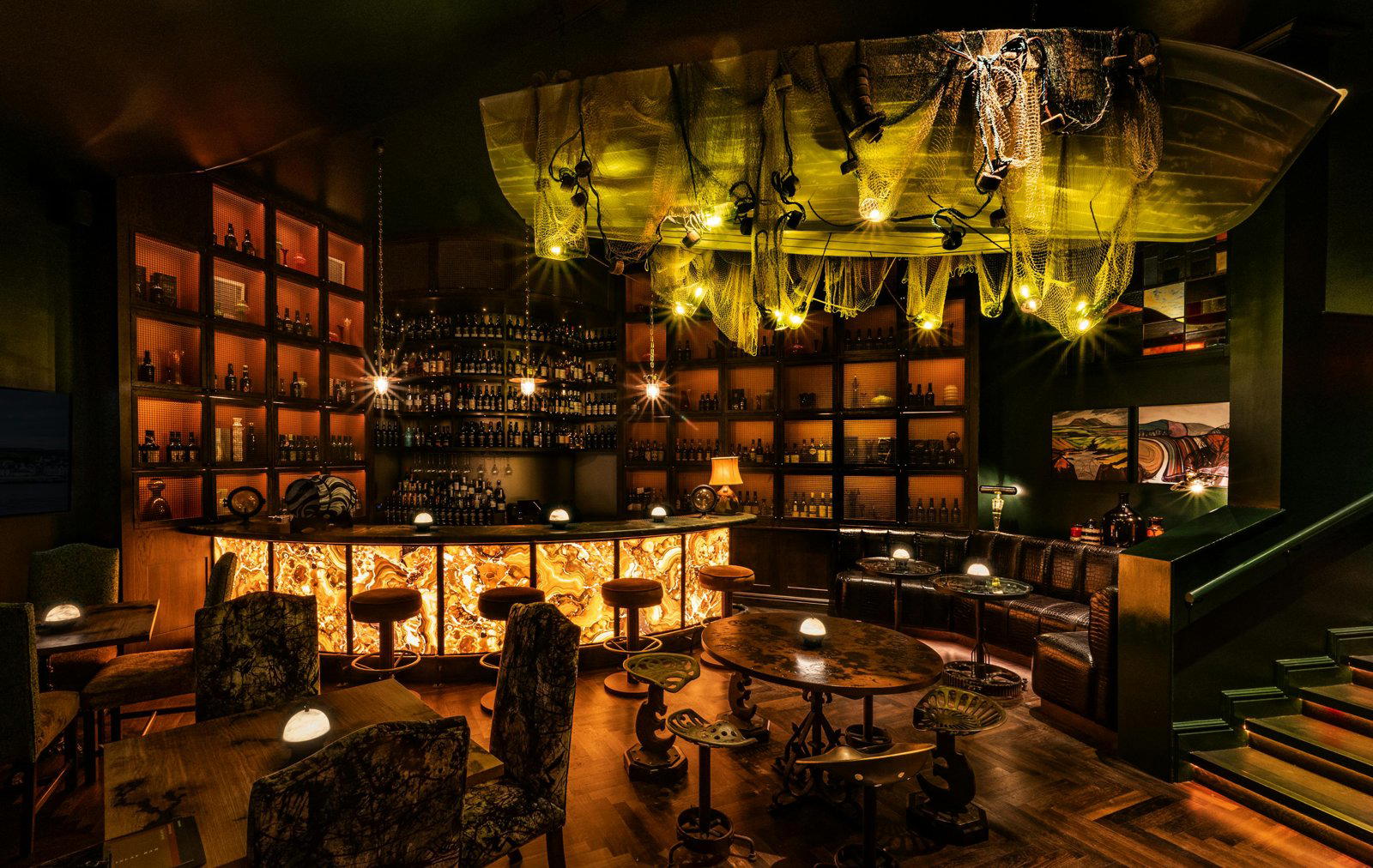
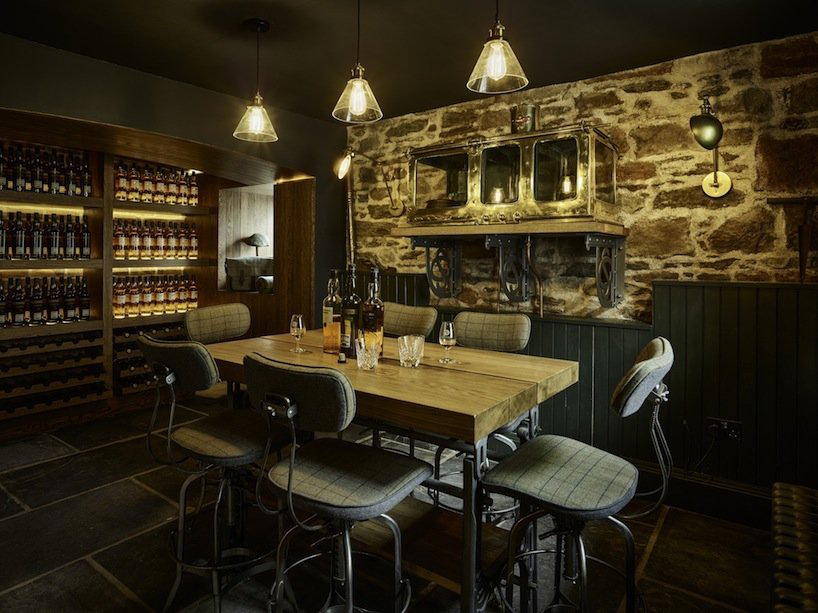
Warm and cosy with log fires, wood burning stoves, and a relaxed refined atmosphere.