Kinneuchar Inn

A 17th-century village pub in the East Neuk of Fife, Kinneuchar Inn holds consecutive Michelin Plates for 2024 and 2025, with a menu that changes up to twice daily to track the surrounding larder. Fresh fish and a bar that still functions as a bar make this one of Scotland's more grounded examples of serious pub cooking.
Pearl is the En Primeur Club membership app — saves, bookings, and concierge access live there. Same editors, same standards.
- Address
- Taynuilt, Kilchrenan PA35 1HD, United Kingdom
- Phone
- +44 1866 833000
- Website
- kilchrenaninn.co.uk
- Directions
- Get directions
 Saves & bookings on Pearl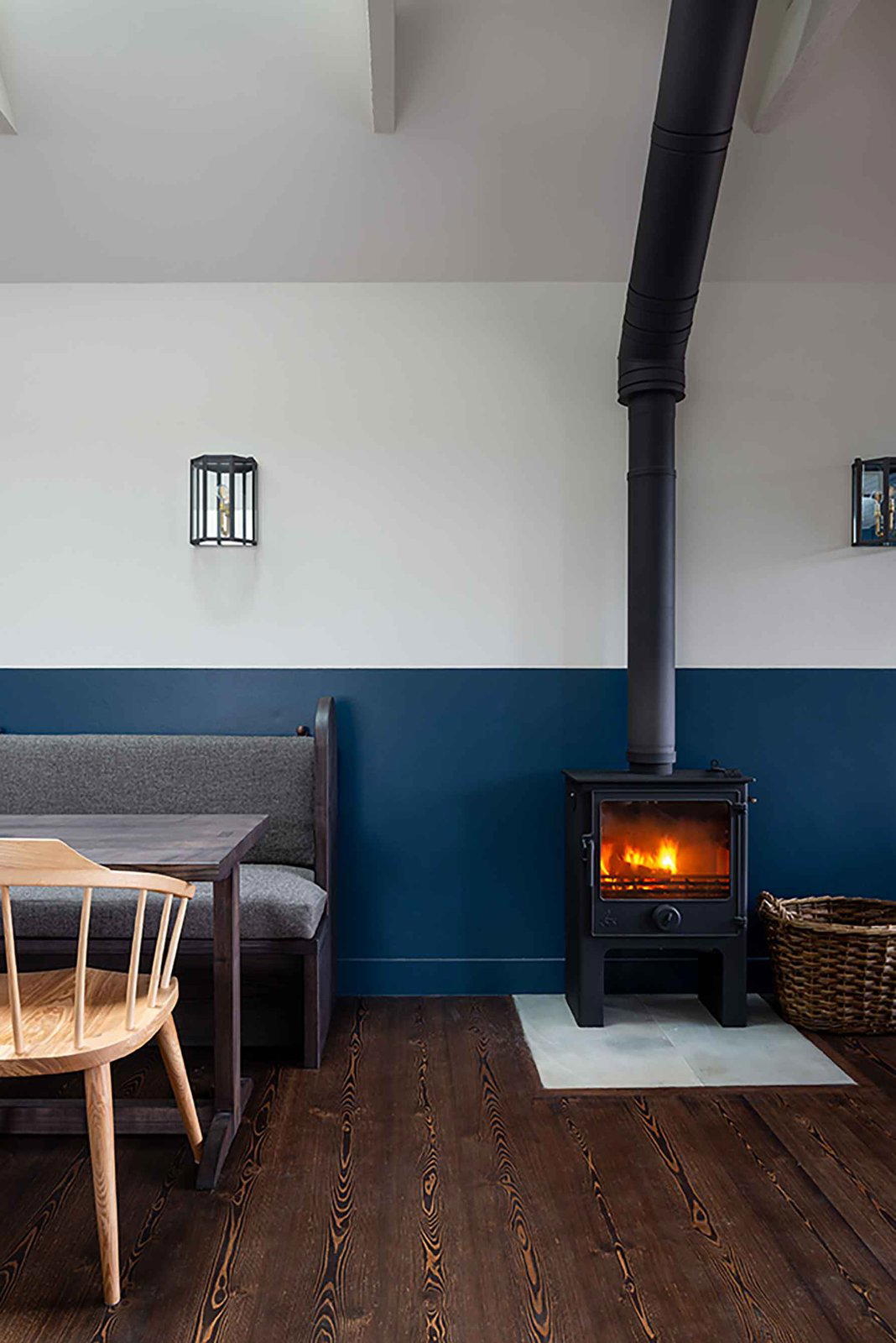
Where the Pub Hasn't Been Replaced, Only Rethought
The gastropub format has, in too many hands, produced a kind of identity crisis: dining rooms that are embarrassed to be pubs, serving food that strains toward formality without quite achieving it. The East Neuk of Fife has produced a different outcome. At Kinneuchar Inn, the 17th-century fabric, stone walls, vaulted ceiling, and functioning bar remain the point, not an awkward backdrop. What has changed is the ambition behind the kitchen pass.
The broader arc of British pub dining over the past two decades is worth holding in mind when thinking about what Kinneuchar represents. Hand and Flowers in Marlow established that a two-Michelin-star kitchen could operate inside a pub building without redecorating the soul out of it. That precedent, serious cooking, genuine pub atmosphere, no pretension tax on the bill, is the tradition Kinneuchar Inn inhabits, scaled down to a Fife village and priced at £££ rather than the four-bracket commitments required at, say, CORE by Clare Smyth in London or Le Manoir aux Quat' Saisons in Great Milton.
The East Neuk Larder as Culinary Argument
Scotland's east coast larder is not a marketing construct. The East Neuk of Fife sits between the North Sea and a stretch of farmland that has supplied Scottish kitchens for centuries: crab, lobster, haddock, and flatfish from inshore boats; soft fruit, heritage vegetables, and game from the surrounding parishes. The challenge for any kitchen working this territory is discipline, knowing what to subtract rather than what to add.
Kinneuchar Inn's menu, which changes up to twice a day, is the operational expression of that discipline. A menu that rotates at that frequency is not a hospitality quirk; it is a supply-chain commitment. It means the kitchen is buying what arrived that morning, not what was ordered three days ago. Fresh fish is the acknowledged centrepiece, and the specials board, by the Michelin assessor's own reckoning, earns its name. The phrase Michelin used, "less is more", is a critical observation as much as a compliment, and it places Kinneuchar in a specific culinary register: restraint-led, product-first, technique in service of ingredient rather than over it.
That approach contrasts usefully with the more technical end of British fine dining. The Fat Duck in Bray and Midsummer House in Cambridge work in a register where technique and transformation are central to the proposition. L'Enclume in Cartmel and Moor Hall in Aughton operate similarly at the summit of the English county-restaurant format. Kinneuchar Inn is doing something different: it is arguing that the ingredient, properly sourced and minimally handled, is the occasion. That argument is credible in this postcode in a way it would not be in a city kitchen relying on wholesale supply chains.
Michelin Recognition and What It Signals Here
The restaurant's Michelin recognition places it inside the Guide's recognised tier without the starred designation. The Plate, introduced by Michelin to acknowledge kitchens cooking at a high standard that has not yet reached the consistency threshold for a star, functions as a credibility marker rather than a ceiling. Several kitchens at this level have subsequently received star recognition; others operate contentedly within it. What the consecutive award does confirm is that the kitchen's output is not occasional, the standard holds across services and across the menu's frequent changes.
For context within Scotland, Restaurant Andrew Fairlie in Auchterarder represents the country's highest Michelin designation, operating in a different format and price bracket entirely. The restaurant sits at a different position on that spectrum: accessible pricing, pub setting, local sourcing as the editorial through-line.
Chef Tommy Heaney leads the kitchen. His involvement is the professional credential behind the menu's ambition, though the more interesting editorial point is what the format asks of that credential: to cook at this standard, in this setting, with this level of ingredient rotation, requires discipline that more elaborate tasting-menu formats sometimes mask rather than demand.
The Room, the Bar, and How to Use Them
The physical character of a 17th-century village pub in rural Fife is not something that needs to be described in superlatives. The vaulted dining room and the bar are two distinct registers for the same kitchen. Sitting at the bar rather than the dining room is a legitimate choice, not a consolation, it is part of how the place functions as a pub rather than a restaurant that happens to have beer on tap. The Michelin note specifically flags the cosy bar as a feature, which is the Guide's way of acknowledging that the atmosphere is integrated with the offer, not separate from it.
For comparison, the rural-British-inn model has been executed with similar conviction at places like hide and fox in Saltwood and Gidleigh Park in Chagford, though both operate in different price tiers and formats. The country-setting kitchen is a durable British format precisely because it makes sourcing a structural advantage rather than a logistical inconvenience. The restaurant uses that advantage directly.
Other strong examples of the Modern British register at different price points and city settings are worth knowing if you are building a broader picture of the category: Opheem in Birmingham, The Ritz Restaurant in London, and 33 The Homend in Ledbury each occupy distinct positions within Modern British cooking, illustrating how wide that category actually runs.
Planning a Visit
The restaurant is located at Taynuilt, Kilchrenan PA35 1HD, United Kingdom, and the village rewards deliberate travel. The village is not on the route between two places most people are already going; arriving here is a decision, not a detour. The menu changes up to twice daily, and booking ahead and arriving without rigid expectations about dishes is the practical approach. Given the 4.9 rating across 506 reviews, tables are unlikely to be available at short notice. Pricing sits at £££, which is the middle of the British restaurant range, consistent with a gastropub format rather than a destination tasting-menu commitment.
For broader planning, see our full Kilconquhar restaurants guide, our Kilconquhar hotels guide, our bars guide, our wineries guide, and our experiences guide for the area.
Fast Comparison
Comparable venues nearby, for context on price, style, and recognition.
| Venue | Cuisine | Price | Awards | Notes |
|---|---|---|---|---|
| Kinneuchar InnThis venue — the venue you are viewing | Seasonal British Gastropub | $$ | Michelin Plate | Not listed |
| Kildrummy Inn | Modern British Gastropub | $$ | Michelin Plate | Kildrummy |
| The Broughton | Modern British Gastropub | $$$ | Michelin Plate | Greenside |
| Coorie Inn | Modern Scottish Gastropub | $$$ | Michelin Plate | Muthill |
| Ardfern | Modern British Small Plates | $$ | Bib Gourmand | Leith |
Recognition history
Dated appearances from independent guides and award organizations, with the underlying list record or original source where available.
Michelin Plate
Michelin
Michelin Plate
Michelin
Michelin Plate
Michelin
Continue exploring
More in Kilconquhar
Restaurants in Kilconquhar
Browse all →
Bars in Kilconquhar
Browse all →
At a Glance
- Cozy
- Rustic
- Intimate
- Classic
- Date Night
- Special Occasion
- Casual Hangout
- Historic Building
- Extensive Wine List
- Local Sourcing
- Farm To Table
Cosy with wood burning stove, vaulted dining room, minimalist Scandi-style interior, candlelight in evenings, and traditional pub atmosphere.