Kilchoan Estate
Kilchoan Estate sits on the Knoydart peninsula, one of the most remote inhabited corners of mainland Britain, accessible only by a two-hour ferry from Mallaig or a multi-day walk across open moorland. The estate represents a particular strain of Scottish retreat: somewhere the journey itself reframes what hospitality means, and where the architecture answers directly to one of Europe's last genuinely wild coastlines.

Pearl is the En Primeur Club membership app — saves, bookings, and concierge access live there. Same editors, same standards.
- Address
- Inverie, Knoydart, Mallaig PH41 4PL, United Kingdom
- Phone
- +44 1687 462133
- Website
- duntondestinations.com
- Directions
- Get directions
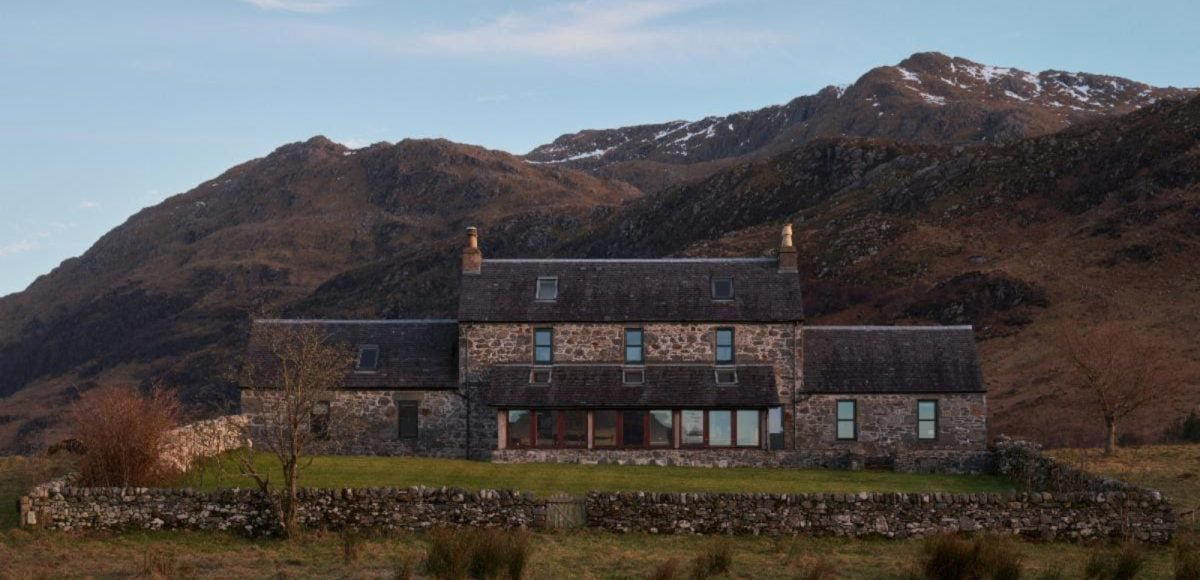
Where Remoteness Is the Architecture
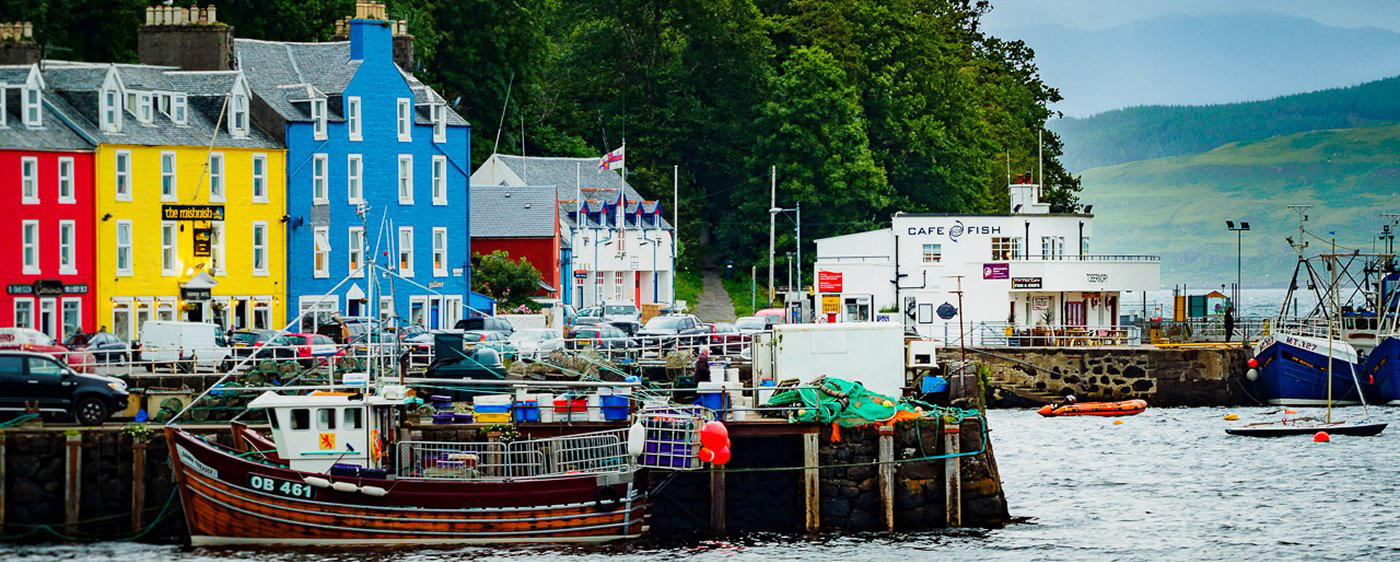
Knoydart is the kind of place that corrects your assumptions about what a Scottish estate can be. The peninsula has no road connection to the rest of Britain. Getting to Inverie, the only settlement of any scale, means boarding the ferry from Mallaig on the West Highland Line terminus, a crossing of roughly two hours across Loch Nevis, or committing to a serious multi-day hill walk over some of the roughest terrain in the country. That inaccessibility is not incidental to Kilchoan Estate's identity — it is the founding condition of it.
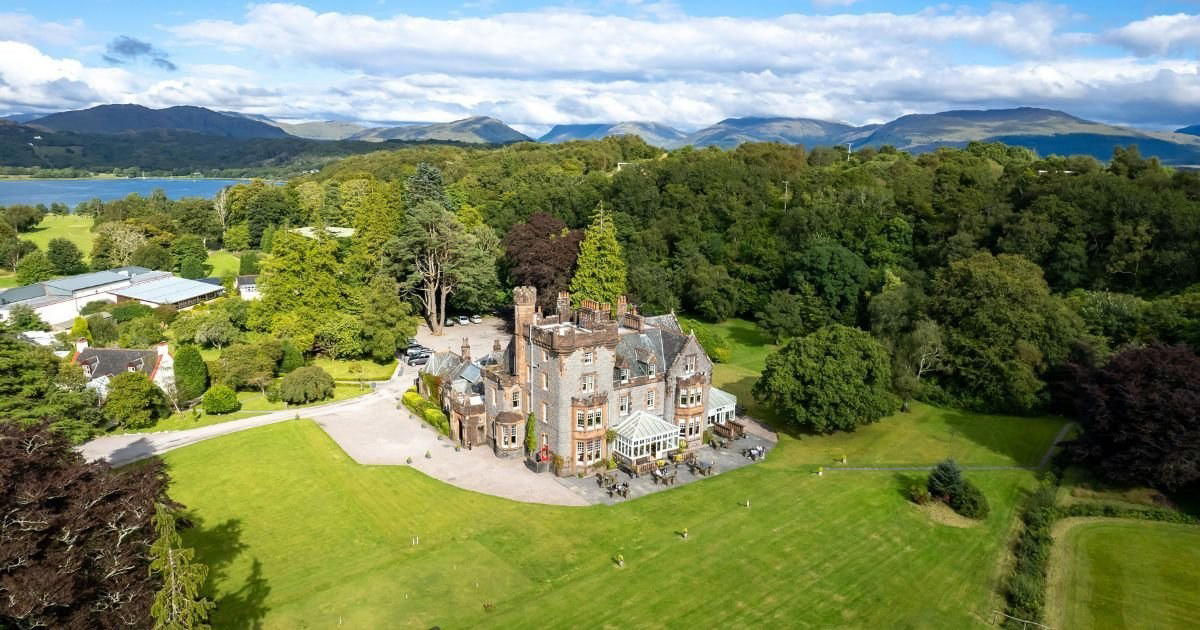
Across the British Isles, remote luxury properties have split into two broad categories over the past decade. The first group softens the edges of remoteness with high-service amenity layers, glossy spa facilities, and enough infrastructure to make guests forget where they actually are. The second group treats the landscape as the primary material, designing the guest experience around it rather than insulating visitors from it. Kilchoan Estate belongs to the second tradition. Its position on the Knoydart peninsula, facing out toward the Inner Hebrides, means that weather, light, tide, and terrain are not backdrop but active participants in any stay.
For comparable Scottish Highland properties working with that philosophy of landscape-first design, Monachyle Mhor Hotel in Stirling and Langass Lodge in Na H-Eileanan An Iar represent the mainland and island variants of the same impulse: small-scale, rooted, and designed to make you feel the specific character of a place rather than a generalised version of Scottish comfort.
The Physical Language of a Knoydart Estate
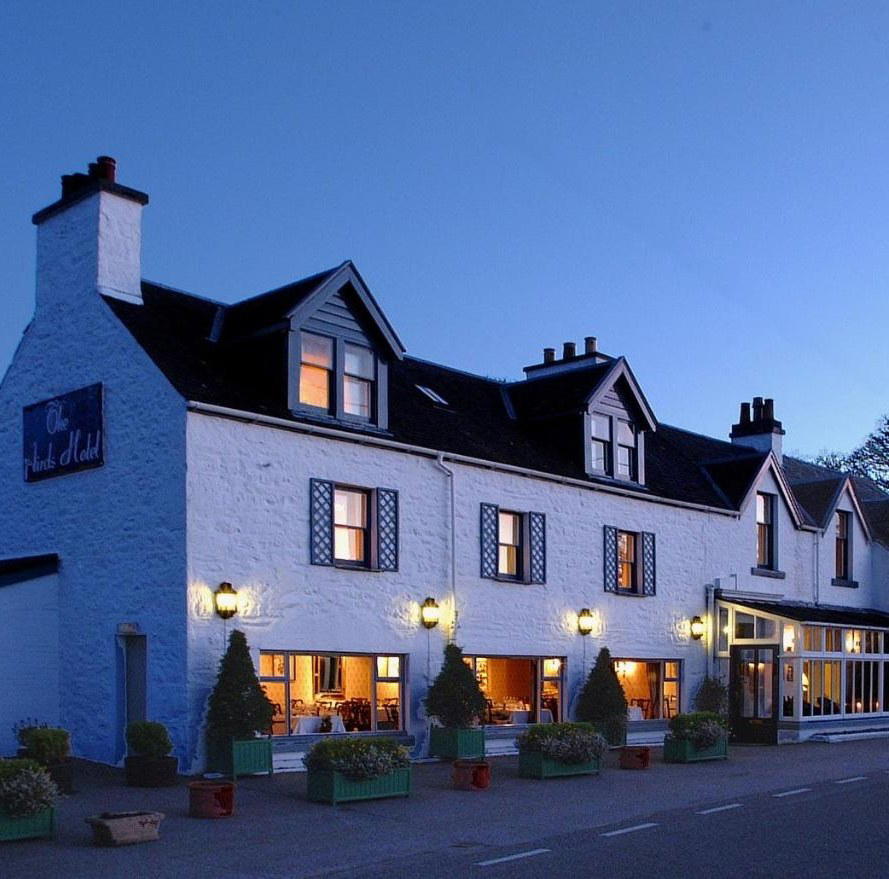
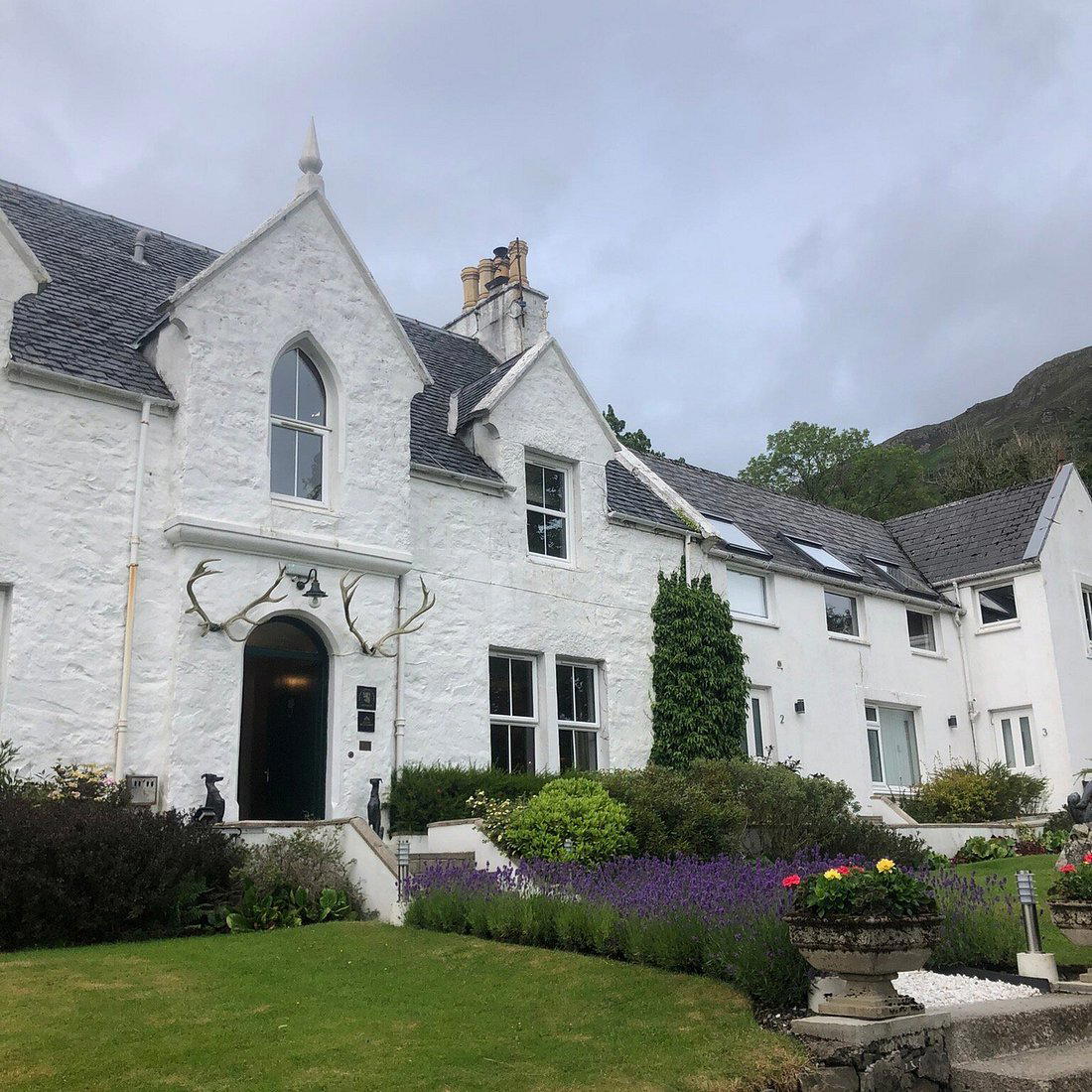
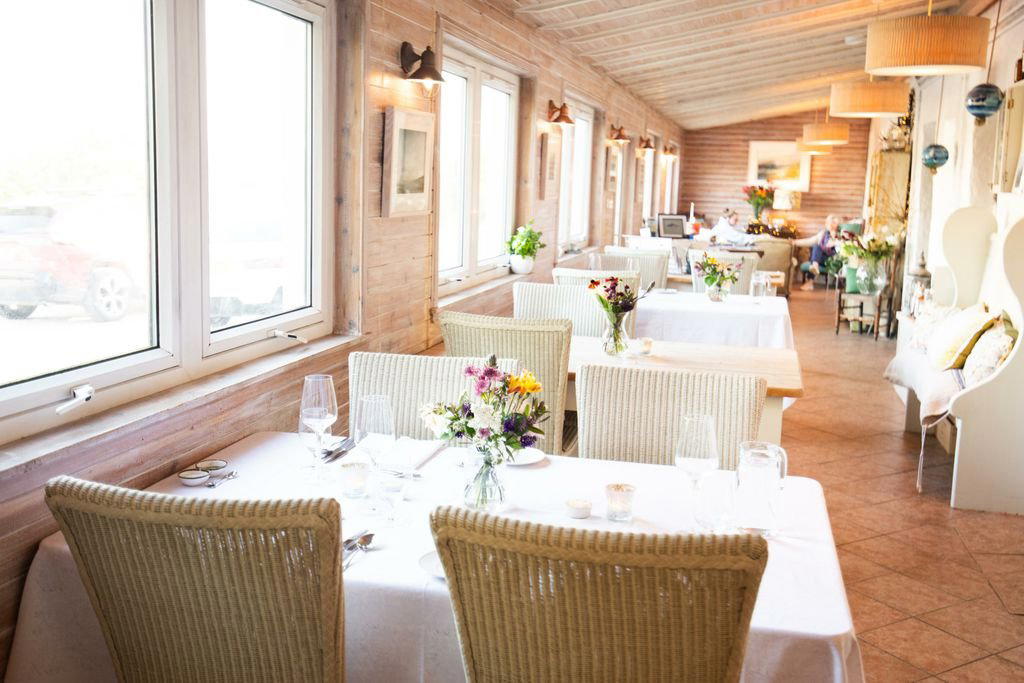
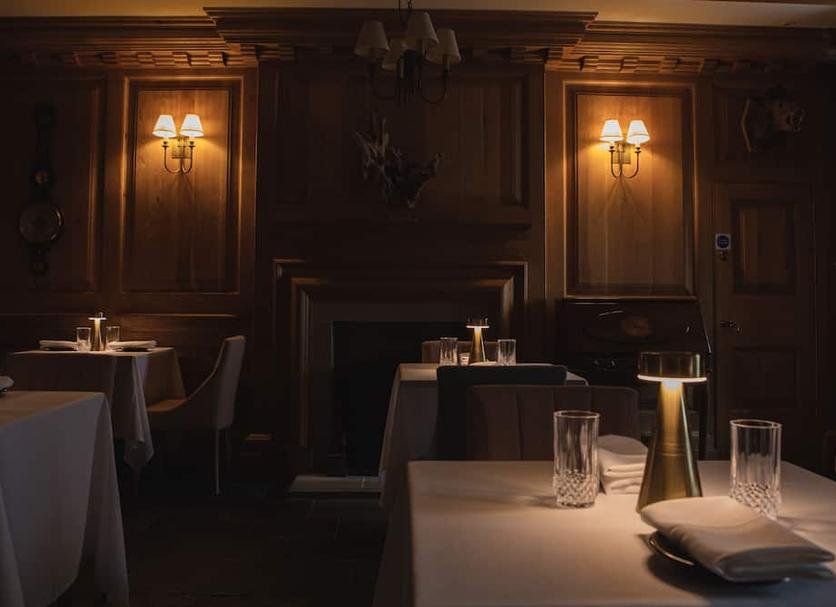
Highland estate architecture in Scotland has a recognisable grammar: local stone, timber beams, windows scaled to the view rather than to interior convenience, and a horizontal relationship with the land that resists the vertical ambitions of urban design. Kilchoan, positioned where the hills of Knoydart descend to the water, sits within that tradition. The estate's built environment reads as an extension of the terrain rather than an imposition on it — a design approach that the wider category of British country-house retreats has embraced unevenly. At Lime Wood in Lyndhurst, for instance, the architecture engages with the New Forest through a different set of references: Arts and Crafts detailing, warm interiors, and a pastoral rather than elemental relationship with landscape. Kilchoan's relationship with its setting is starker, more exposed, and shaped by conditions that the Scottish west coast imposes rather than permits.
Estate properties in this tier of the British hospitality market increasingly compete on what might be called architectural authenticity: the degree to which the built fabric reflects genuine engagement with place, material tradition, and environmental context, rather than importing a design language from elsewhere. On that measure, Knoydart's isolation is an advantage. There is no temptation to build for a passing trade, no commercial pressure to make the property legible to a visitor who arrived without intention. Kilchoan exists for guests who sought it specifically, which shapes everything from the spatial layout to the relationship between interior and exterior.
This contrasts sharply with destination estates that operate at higher volume, like Gleneagles in Auchterarder, where the architecture has to serve thousands of annual visitors across a wide range of formats. At that scale, design becomes infrastructure. At Kilchoan's scale, design can be more personal and more site-specific, closer in spirit to smaller properties like Dun Aluinn in Aberfeldy, where the ratio of built space to surrounding land keeps the guest in consistent relationship with their actual location.
Tone and Register
Remote Highland estates occupy a specific social register in British hospitality: informal enough that muddy boots in the hallway are not a crisis, serious enough that guests arrive with considered expectations. Kilchoan's position on Knoydart, where the nearest town of any size requires a ferry journey, naturally sets the pace. The formality spectrum here sits closer to a well-run country house than to an urban hotel, which is a meaningful distinction. Properties like Estelle Manor in North Leigh or Babington House in Kilmersdon have built business models around relaxed-but-precise service in rural settings; Kilchoan operates in that same broad register, though the geography makes the informality feel less curated and more structural.
The contrast with formally grand Scottish properties is instructive. Burts Hotel in Melrose, in the more accessible Scottish Borders, maintains a town-hotel polish that Knoydart's conditions neither require nor particularly support. And further afield, properties like Claridge's in London or Aman New York represent a different axis of luxury entirely: urban, controlled, and built on precision of service. Kilchoan's appeal is its opposite: the removal of urban precision as the primary value, replaced by proximity to something genuinely unmanaged.
Planning a Stay
Access to Kilchoan Estate runs through Mallaig, the terminus of the West Highland Line from Glasgow, which puts it within reach of guests arriving by train as well as car. The ferry crossing to Inverie is the final and definitive leg, there is no road alternative. That crossing is not available at all hours or in all weather, which means stay planning requires more lead time and weather awareness than most British rural properties. Guests who have stayed at island or coastal-remote properties like Hell Bay Hotel in Bryher or Ardbeg House in Port Ellen will recognise the operational logic: tide and weather set the schedule, not the other way around.
For those basing a wider Scottish itinerary around Kilchoan, Glen Mhor Hotel and Apartments in Highland provides a useful Inverness staging point, and Glasgow Grosvenor Hotel serves the southern gateway for the West Highland Line. Advance planning matters here in a way it does not at properties with easier access. See our full Inverie restaurants guide for context on dining in the area, where options are few but the fishing and foraging traditions of Knoydart make for a specific and serious food culture.
Comparison Snapshot
| Venue | Price | Awards |
|---|---|---|
| Kilchoan EstateThis venue — the venue you are viewing | $1,000–1,500 | Not listed |
| Lime Wood | Not listed | 2 Michelin Keys · La Liste Top Hotels |
| Muir, A Luxury Collection Hotel, Halifax | $300–500 | 1 Michelin Key · Forbes 4-Star |
| Raffles London at The OWO | $1,000–1,500 | 3 Michelin Keys · World's 50 Best #28 |
| The Connaught | $1,000–1,500 | 3 Michelin Keys · World's 50 Best #49 |
| 51 Buckingham Gate, Taj Suites and Residences | Not listed | Michelin Selected · La Liste Top Hotels |
Details
- Quiet
- Scenic
- Rustic
- Intimate
- Wellness Retreat
- Weekend Escape
- Group Retreat
- Romantic Getaway
- Celebration
- Private Villa
- Destination Spa
- Garden
- Panoramic View
- Historic Building
- Spa
- Sauna
- Restaurant
- Housekeeping
- Mountain
- Waterfront
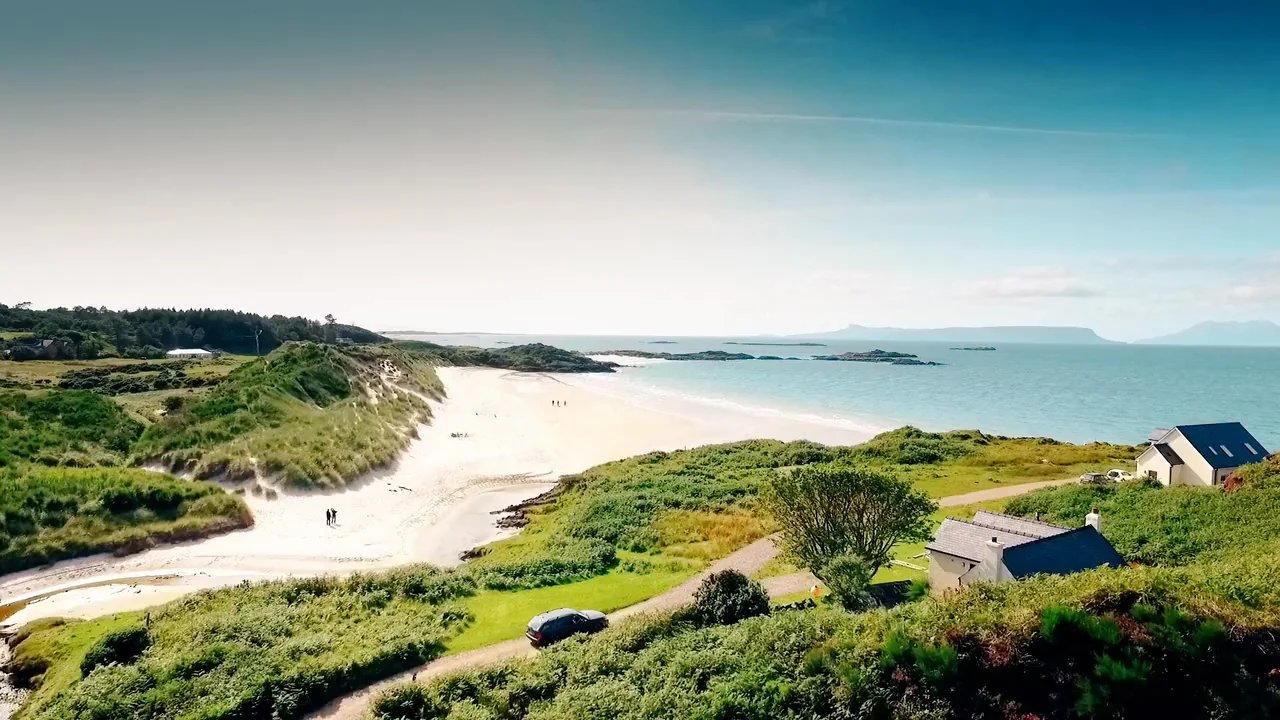
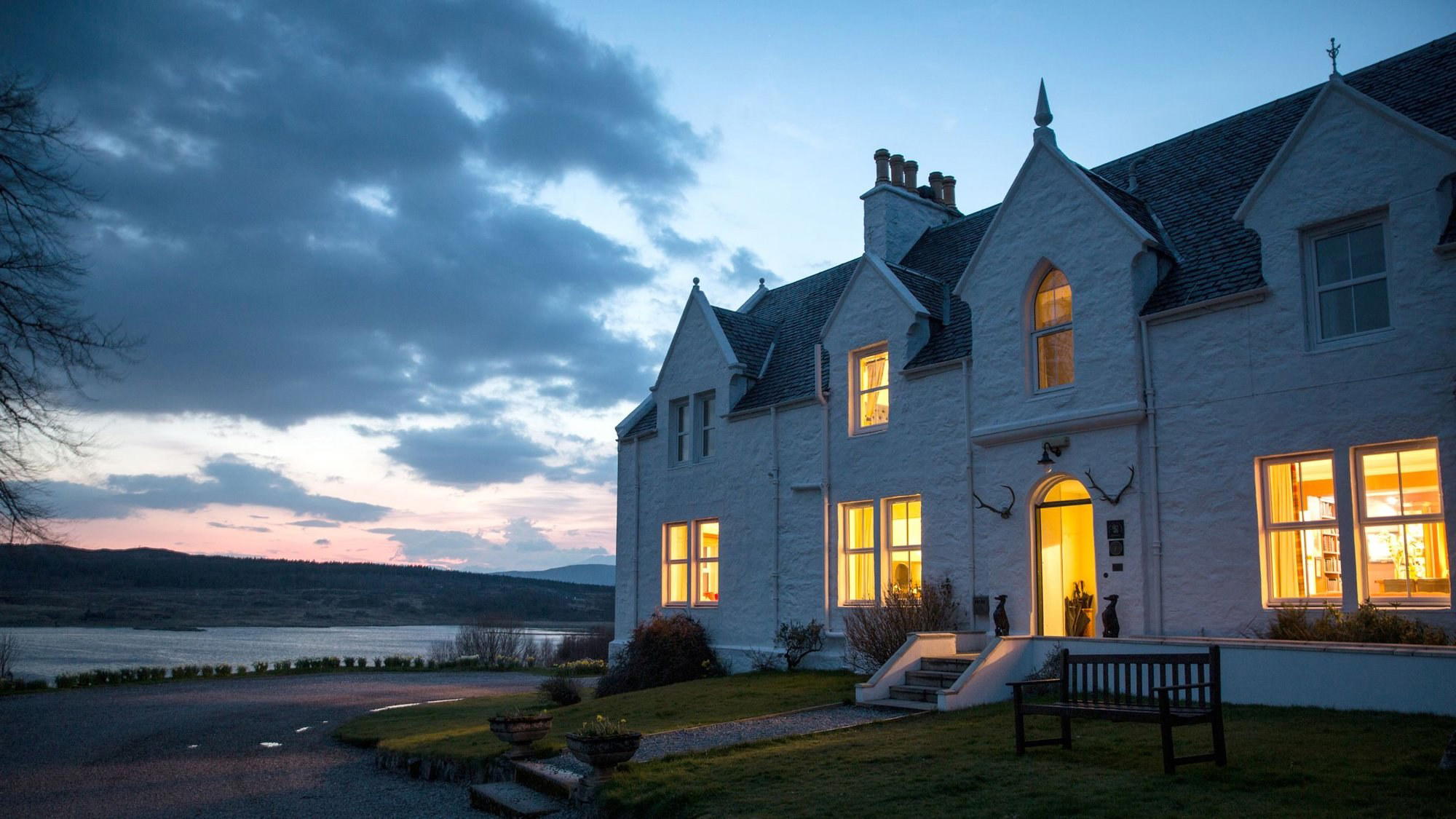
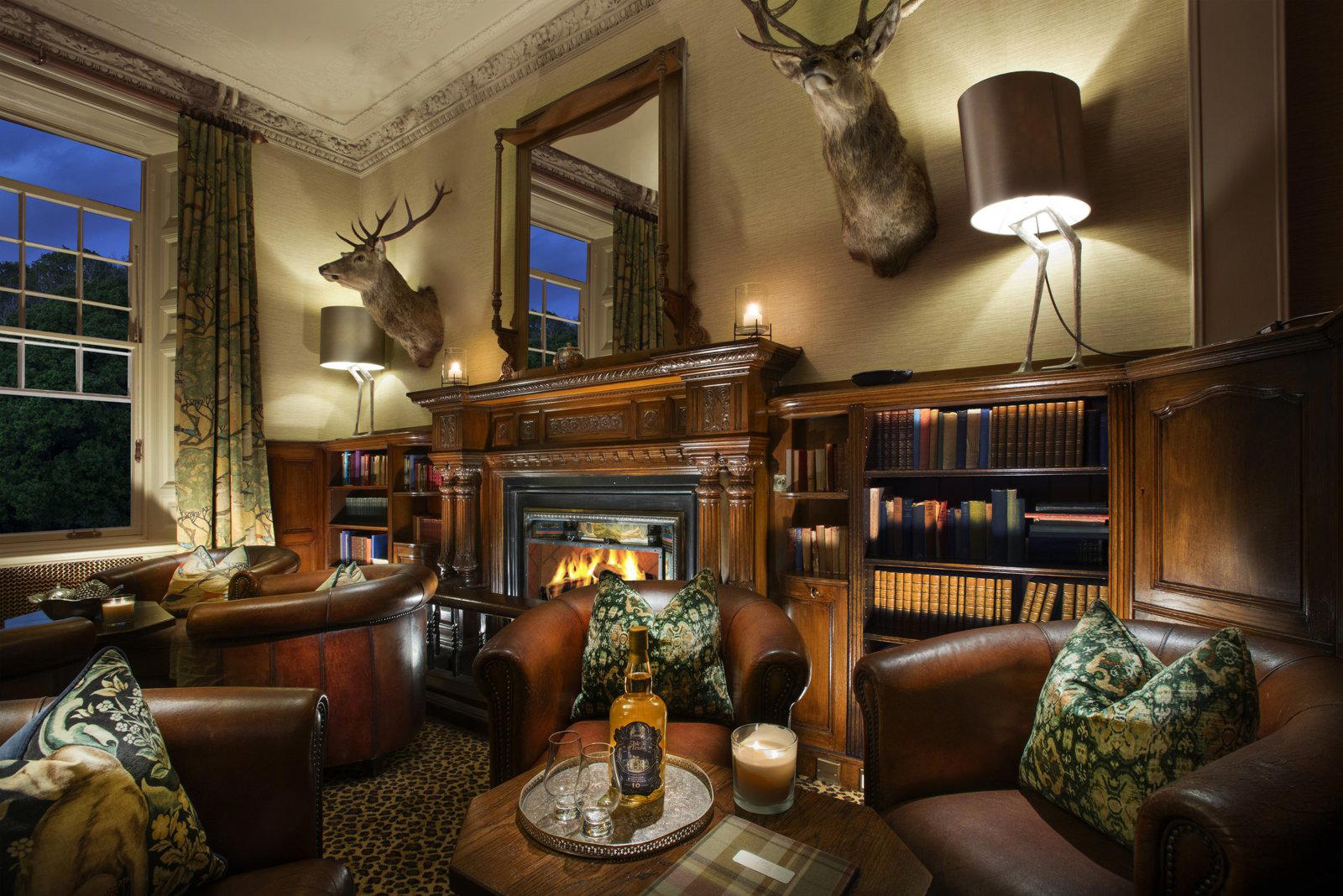
Remote, quiet, and restorative, with a low-volume Highland atmosphere shaped by mountains, lochs, sea, and ancient woodland; interiors emphasize stone, pine, slate, fireplaces, and generous windows that frame the landscape.