
Falstaff Bar - 91 Falstaff Points
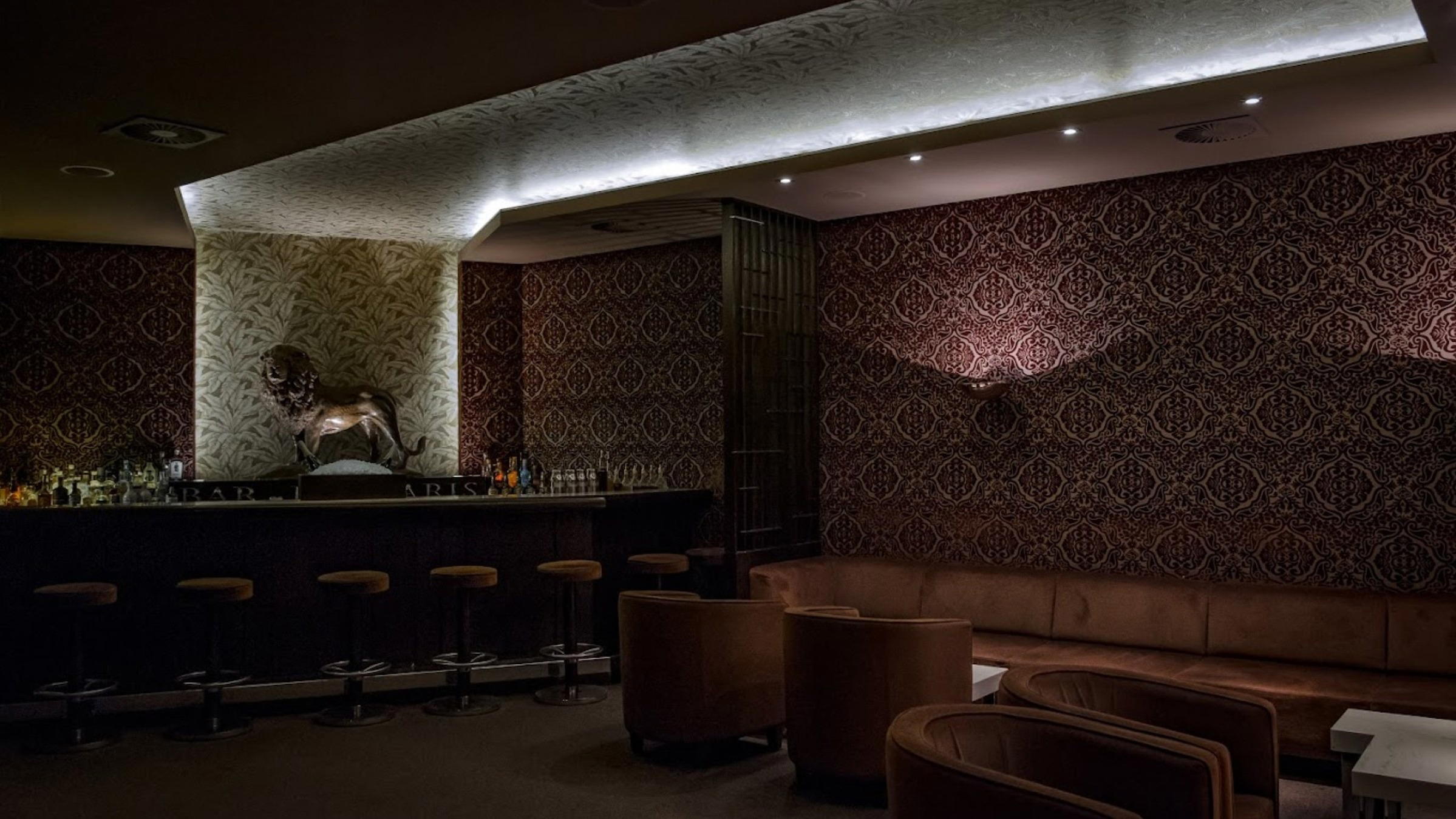
With a Hanseatic feel-good atmosphere here you can cast off for a bar tour around the world with international cocktails. Embarking with signature drinks such as the "Transatlantic" with Jim Beam Rye and Champagne, "Japanese Martini" with Haku Vodka dripped over green tea, or from up close with "Alstergrün" including fine cucumber and mint flavours with gin.

Pearl is the En Primeur Club membership app — saves, bookings, and concierge access live there. Same editors, same standards.
- Address
- An d. Alster 76, 20099 Hamburg, Germany
- Phone
- +49 40 2888862
- Hours
- Mon–Thu 10 AM–12 AMFri–Sat 10 AM–1 AMSun 10 AM–12 AM
- Website
- brhhh.com
- Directions
- Get directions
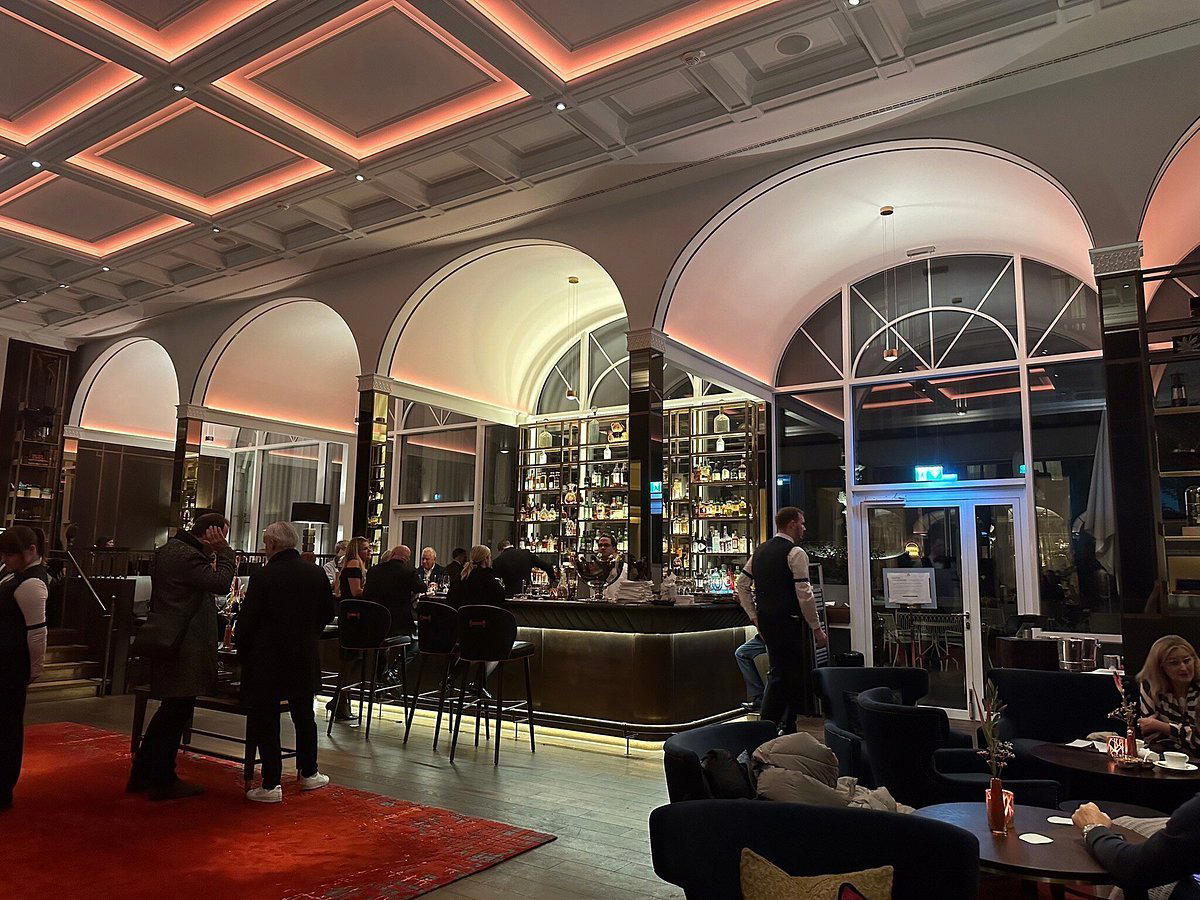
Where the Alster Sets the Tone
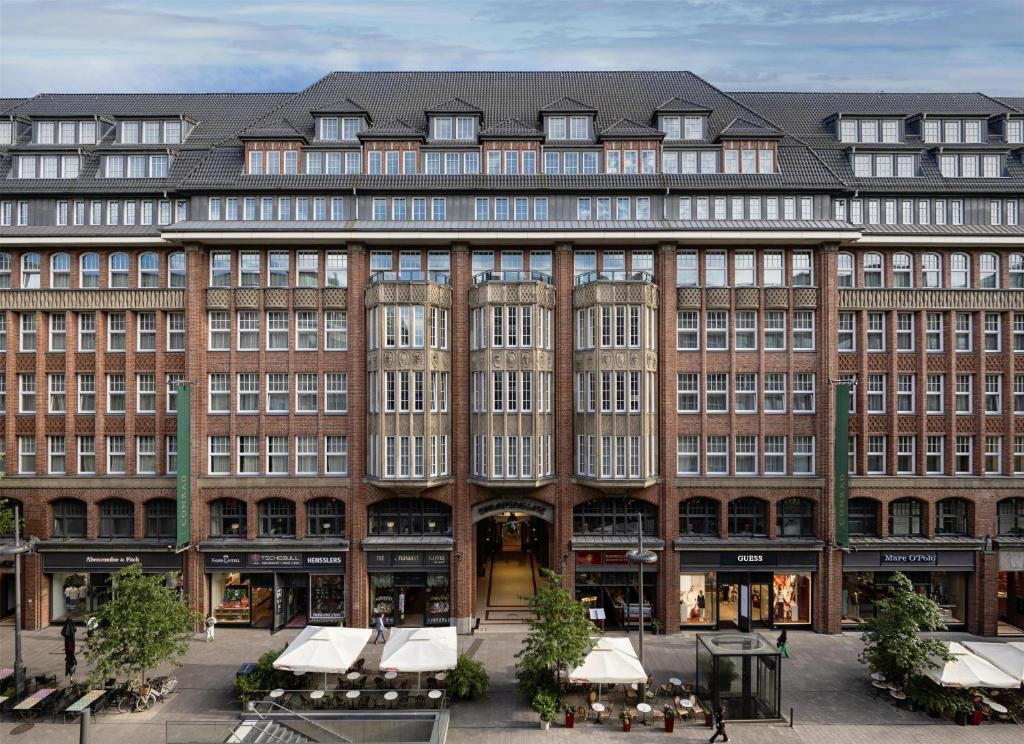
Hamburg's bar scene has never been purely about the drink in the glass. Geography matters here in ways it doesn't in Berlin or Munich. The city's waterways, its trading-port formality, and the particular social register of the Außenalster all press their weight on what gets built along their banks. Atlantic Bar, at An der Alster 76, sits inside that pressure. The address alone carries a kind of posture — this is not a side-street experiment or a reclaimed warehouse concept. It is a bar that operates within the weight of a storied Hamburg address, and the programme answers accordingly.
Germany's bar culture has spent the last decade sorting itself into distinct tiers. At one end, high-volume venues running well-known spirit brands through template cocktail lists. At the other, a smaller cohort of technically serious bars where the programme is built from scratch each season, drawing on fermentation, clarification, fat-washing, and sourcing relationships with small distillers. Atlantic Bar belongs to the latter orientation — a waterfront address making an argument for craft rather than convenience. In that sense, it sits in the same broader conversation as Le Lion Bar de Paris, Hamburg's most internationally recognised cocktail address, though the two occupy different registers of that argument.
The Cocktail Programme as Editorial Statement
Germany's technically serious bar programmes have generally split between two philosophical poles: the classicist approach, which roots itself in pre-Prohibition templates and demands precision execution above creativity, and the modernist approach, which treats the bar as a kitchen, with centrifuges, rotary evaporators, and seasonal ingredient sourcing driving the menu. Hamburg has produced credible examples of both. What distinguishes the stronger programmes is not which pole they inhabit but how clearly they commit to a position.
Atlantic Bar's address on the Alster suggests the classicist register. Waterfront hotel bars in European cities have historically leaned toward the canon: long drinks, well-sourced spirits, and service that matches the architecture. That tradition is not a limitation. In cities like Vienna, London, and Paris, the great hotel-adjacent bars have built reputations precisely because they make the classics correctly, at the right temperature, with the right dilution, served without theatre. The drink arrives and does its job. When that discipline is in place, the bar becomes a fixed point in a city's drinking geography rather than a seasonal destination that shifts with trend cycles.
For Hamburg visitors building a bar itinerary, Atlantic Bar functions as an anchor alongside the more neighbourhood-specific alternatives. Buddels occupies a different price tier and character, skewing toward Hamburg's more casual drinking culture. Gröninger Privatbrauerei Hamburg sits within the brewing tradition rather than the cocktail tradition. Karo Fisch operates in the Karolinenviertel, a neighbourhood with a distinctly different social temperature than the Alster corridor. Each of these addresses a different version of Hamburg's after-dark proposition. Atlantic Bar addresses the version shaped by the city's mercantile self-image, composed, considered, built for a longer evening.
Hamburg in the German Bar Conversation
Placing Hamburg inside Germany's broader bar geography requires some calibration. Berlin tends to dominate international coverage, and Stagger Lee in Berlin represents the kind of deep-concept neighbourhood bar that the capital has made its calling card. Munich's bar culture is older, more structured, and anchored by institutions like Schuman's Bar in Munich, which has operated as a reference point for German bartending for decades. Frankfurt, where The Parlour has built a reputation for serious spirits programming, represents the financial-city variant of the upscale bar format.
Hamburg's position in that matrix is particular. The city's wealth is old and mercantile rather than industrial or financial, and its bar culture reflects that. There is less appetite here for the aggressively conceptual than in Berlin, and less of the conservative formality that defines Munich's top tier. What Hamburg produces well is a bar that holds its ground, that has a clear identity, sources thoughtfully, and serves correctly without needing to explain itself at length. Atlantic Bar, positioned on one of the city's most architecturally significant waterfront stretches, is structured to operate within that character.
Beyond Hamburg, the northern German bar scene extends to addresses like Forstbaumschule Restaurant u. Parkcafé in Kiel, which occupies a different geographic and conceptual register but speaks to the same regional preference for setting as substance. Further south and west, Wyno Weinbar in Düsseldorf and Weingasthaus Breuer's in Rüdesheim anchor the wine-bar end of the upscale drinking spectrum, a category that increasingly competes with cocktail bars for the same evening spend. Internationally, Café La Trova in Miami offers an instructive comparison point: a bar that uses cultural specificity and a defined drinks programme to create a sense of place rather than relying on generic luxury signals.
Planning Your Visit
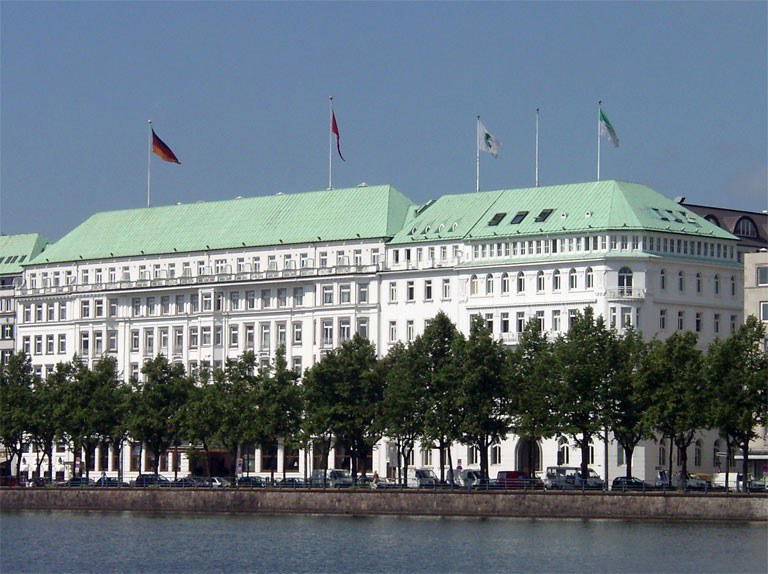
Atlantic Bar sits at An der Alster 76, in the stretch of Hamburg's inner city that runs along the eastern Alster shore. The address is accessible from Hamburg Hauptbahnhof on foot, making it direct to incorporate into an evening that begins or ends in the city centre. The Alster-facing position means the surrounding street character is quieter than the Reeperbahn corridor or the Schanzenviertel, which shapes the atmosphere before you've crossed the threshold. This is a bar for a measured evening rather than a late-night extension of somewhere noisier.
For visits where confirmation matters, checking directly before travel is advisable. Hamburg's better bar addresses do not typically require advance reservations on weekdays, but weekend evenings along the Alster can compress available seating at waterfront venues. Arriving before 20:00 on a Friday or Saturday gives the most flexibility. For a broader map of Hamburg's drinking and dining options, the full Hamburg restaurants guide covers the city's key neighbourhoods and tier structure in detail.
Recognition history
Dated appearances from independent guides and award organizations, with the underlying list record or original source where available.
Falstaff Bar - 91 Falstaff Points
Falstaff
Continue exploring
More in Hamburg
Bars in Hamburg
Browse all →

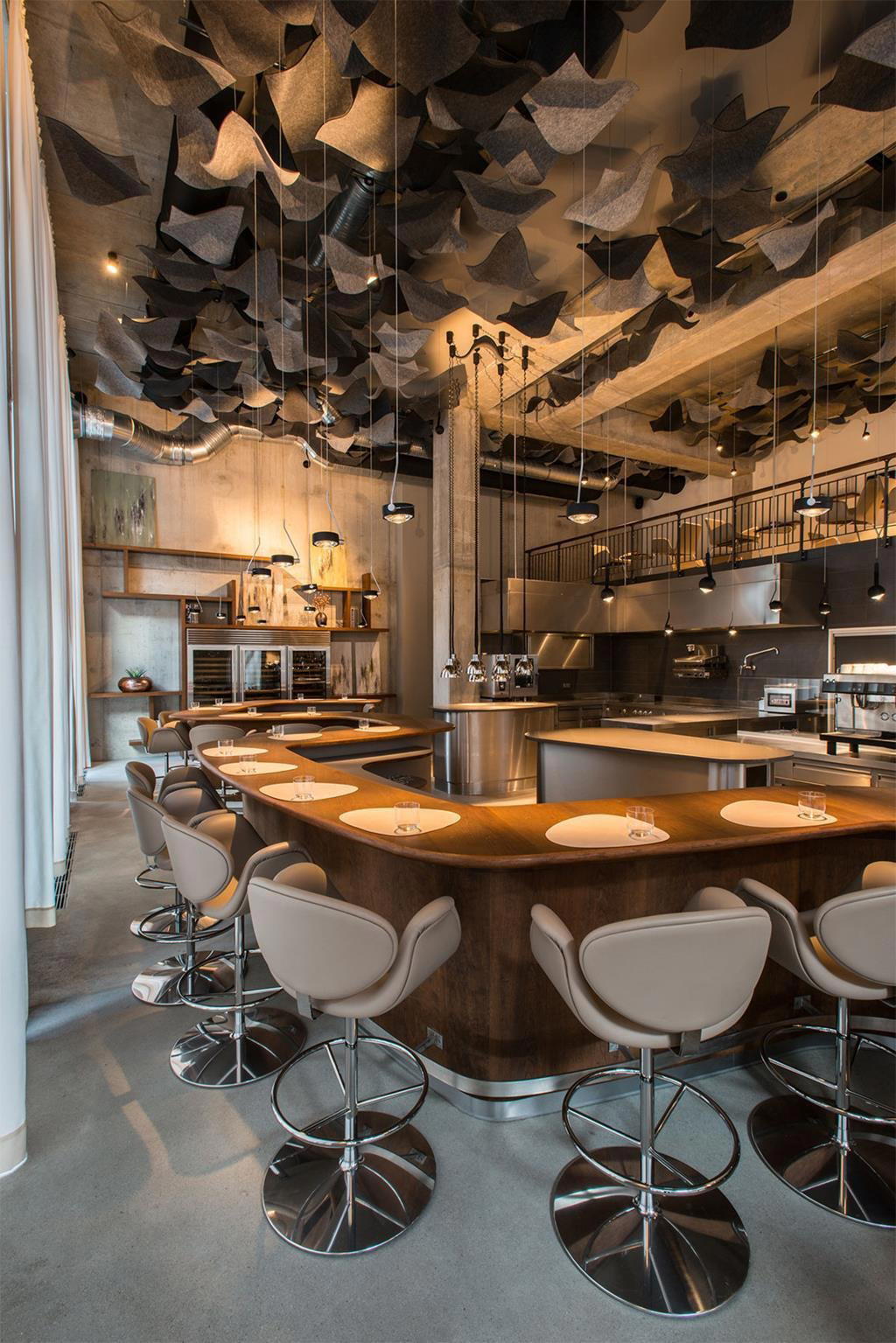
Restaurants in Hamburg
Browse all →
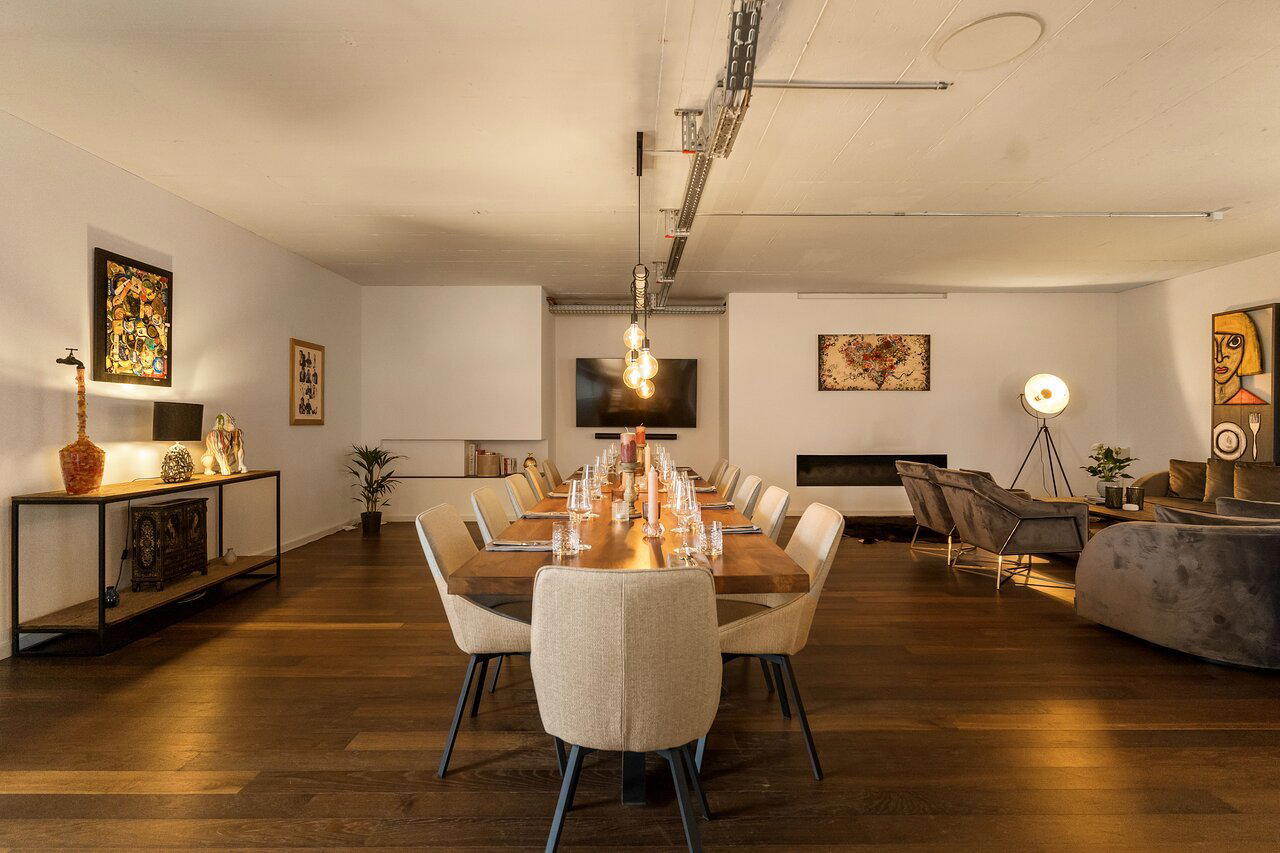
Hotels in Hamburg
Browse all →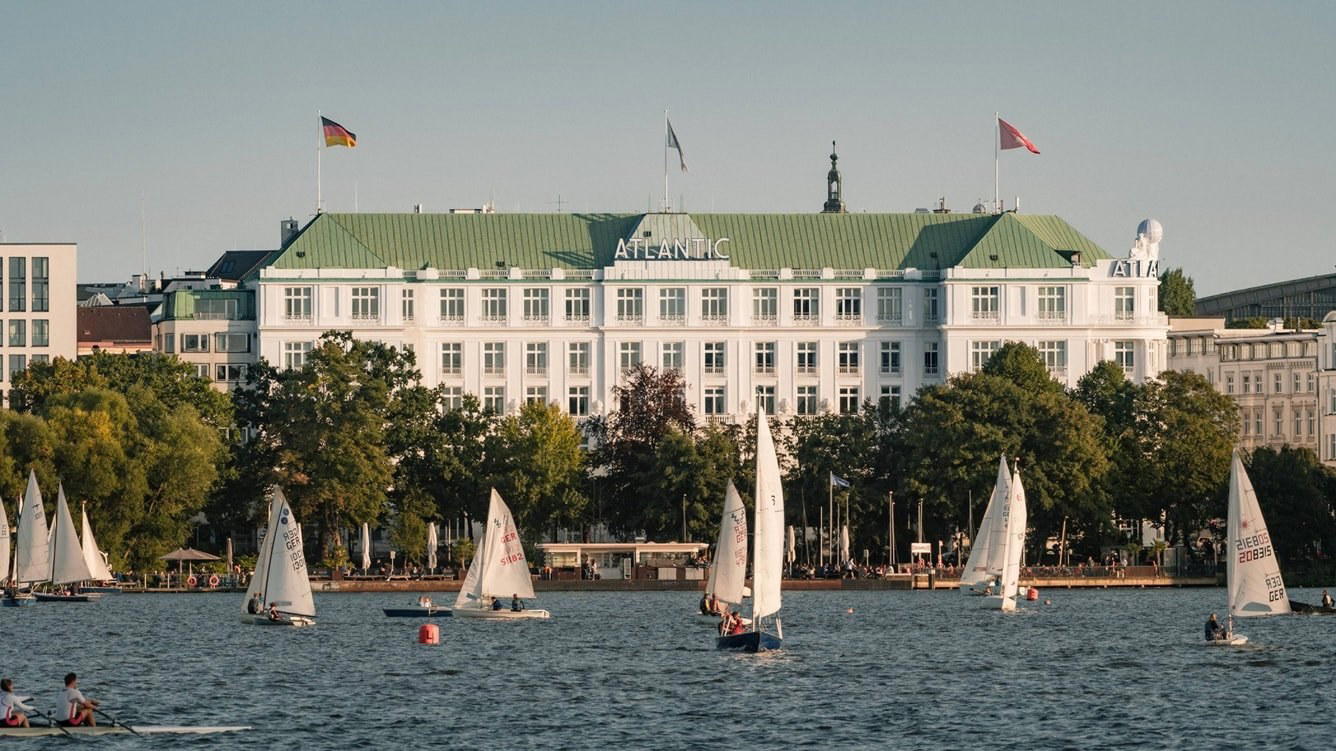
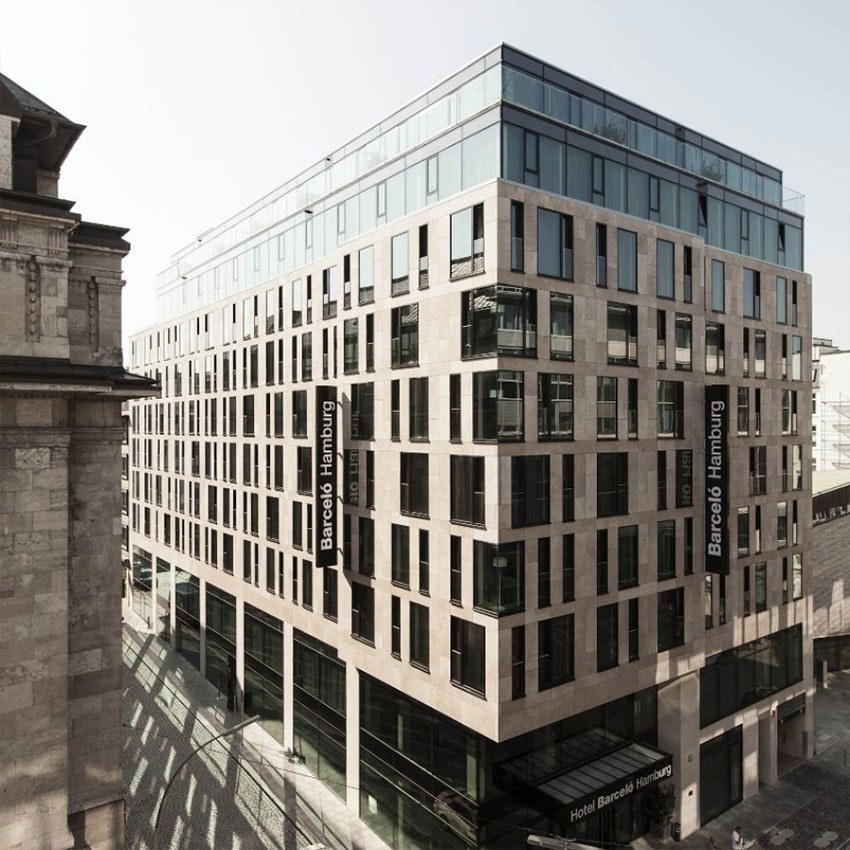
Wineries in Hamburg
Browse all →
Details
- Elegant
- Classic
- Sophisticated
- Well Known
- Date Night
- After Work
- Special Occasion
- Casual Hangout
- Live Music
- Waterfront
- Historic Building
- Hotel Bar
- Panoramic View
- Seated Bar
- Lounge Seating
- Booth Seating
- Classic Cocktails
- Craft Cocktails
- Conventional Wine
- Waterfront
Current opening hours
- Monday
- 10 AM–12 AM
- Tuesday
- 10 AM–12 AM
- Wednesday
- 10 AM–12 AM
- Thursday
- 10 AM–12 AM
- Friday
- 10 AM–1 AM
- Saturday
- 10 AM–1 AM
- Sunday
- 10 AM–12 AM
Hours can change for holidays and private events. Last verified .
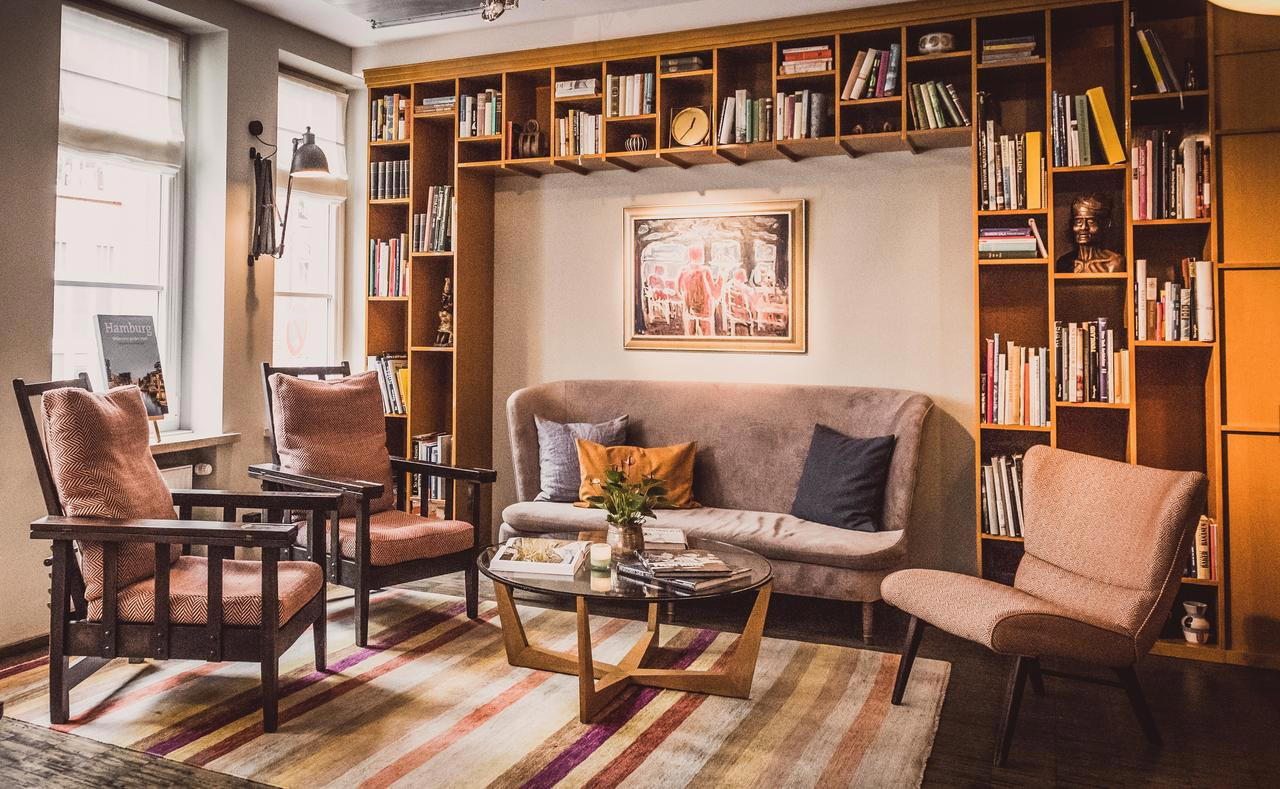
Refined and timeless Art Deco interior with warm lighting, maritime-inspired design elements, and an intimate lounge atmosphere overlooking the water.