House of Jasmines



A century-old estancia in the Andean foothills outside Salta, House of Jasmines occupies a landscape of red-clay cliffs and wide blue skies that the city itself cannot offer. Fourteen rooms blend original tile floors and four-poster beds with contemporary restraint, while the grounds run to a spa, Turkish bath, and unhurried al fresco asados. Rates from US$255 per night; open late October through late April.
Pearl is the En Primeur Club membership app — saves, bookings, and concierge access live there. Same editors, same standards.
- Address
- Ruta Nacional N 51 km 6 La Merced Chica, Salta
- Phone
- +54 9 387 483-6329
- Website
- houseofjasmines.com
- Directions
- Get directions
 Saves & bookings on Pearl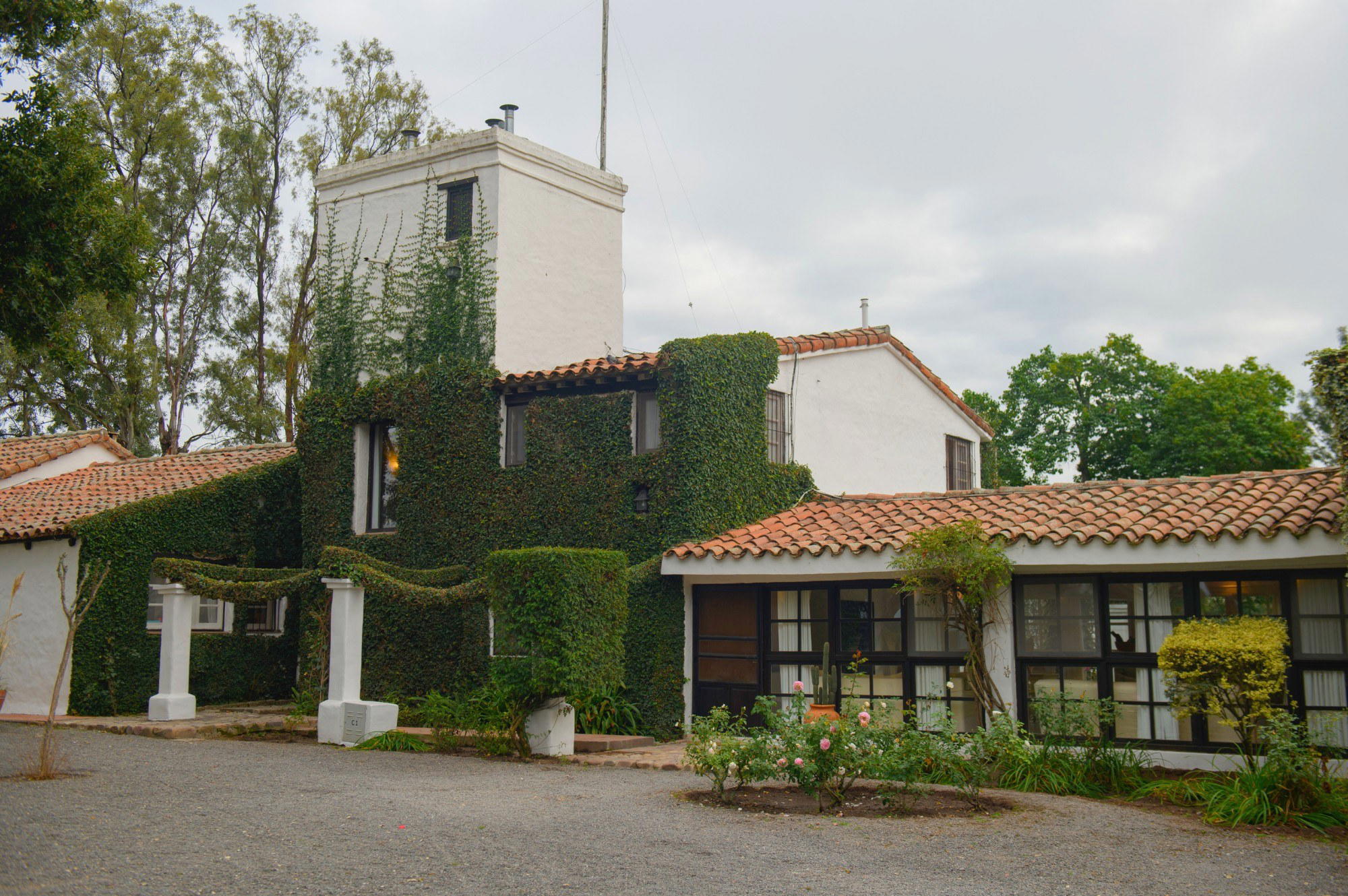
An 18th-Century Estancia at the Foot of the Andes
House of Jasmines is a 4-star hotel in La Merced Chica, Salta, with one Michelin Key and 14 rooms. The approach to House of Jasmines sets the register immediately. A centenary avenue of eucalyptus trees lines the road from Ruta Nacional 51, filtering the Andean light and framing a 300-year-old mansion that reads less like a hotel than like a landowner's estate that has opened its doors. The rocky foothills of the Andes rise behind it. The sky above Salta's high-altitude terrain holds an intensity of blue that lowland Argentina rarely produces. Before you step inside, the architecture has already told you where you are: the Argentine northwest, the NOA, a region that operates on its own cultural and temporal logic.
Argentina's boutique estancia category splits broadly between working-ranch conversions in the pampas and design-led Andean retreats in the northwest. House of Jasmines belongs firmly to the latter tier, drawing on an 18th-century structure rather than constructing a heritage aesthetic from scratch. That distinction matters. The original tile floors, the wooden shutters, the proportions of rooms designed for a different century, these are inherited features, not reproductions, and they place House of Jasmines in a comparable set closer to French chambre d'hôte than to purpose-built Patagonian lodge. For a comparison in the southern estancia tradition, see Estancia El Ombú de Areco in San Antonio de Areco or Estancia La Bandada in San Miguel del Monte, both of which operate within the pampas tradition rather than the Andean one.
The Architecture of Restraint
The interior design at House of Jasmines follows a logic that is becoming more common in premium heritage conversions across South America: strip back to the bones, let the original structure carry the atmosphere, and overlay contemporary comfort without competing with what is already there. The palette runs through crisp white, cream, beige, and chocolate, a sequence that works with the light rather than against it, and that allows the textures of the space to register. Four-poster beds, animal skins, and hand-embroidered linens in 400-thread count sit alongside original architectural details without the friction that often occurs when contemporary furnishings are placed in genuinely old rooms.
Two communal spaces anchor the social life of the property. The living room, heated by a fireplace and animated by indigenous textiles, functions as the social core on cooler evenings. The airy white winter garden operates differently: it is a space for slow mornings and extended afternoons, for reading rather than conversation, for a glass of wine at a tempo the city does not permit. In a property with only 14 rooms, these shared spaces carry more weight than they would in a larger hotel, they are where the convivial atmosphere that defines the estancia tradition actually happens.
Room Structure and What Each Category Delivers
The property divides across three distinct buildings, creating meaningful differences between room categories beyond the standard floor-plan logic. The main house, the oldest building on the estate, contains standard rooms on both floors, four without balcony on the ground level, one without balcony and two superior rooms with terrace above. The superior rooms on the first floor, with their private terraces opening toward the Andean foothills, represent the strongest argument for paying the step-up from standard within the main building; the ground-floor standard rooms deliver the architecture and the linen quality, but sacrifice the outlook.
The two outbuildings serve a different function. The Junior Suites house contains three suites with private terraces, a category that works well for guests who want outdoor space with a degree of separation from the main house's social energy. The Suites house contains three full suites (two of which can interconnect), a configuration that makes it the obvious choice for travelling families or two couples sharing a trip, alongside one standard room with terrace that interconnects with a suite. Rates start from USD 255 per night, with pricing data suggesting an average closer to USD 451, positioning the property above entry-level Argentine boutique hotels but below the international-brand pricing of urban properties like Home Hotel in Buenos Aires. Cavas Wine Lodge in Alto Agrelo or Casa de Uco in Tunuyán.
The Spa, the Grounds, and the Activity Framework
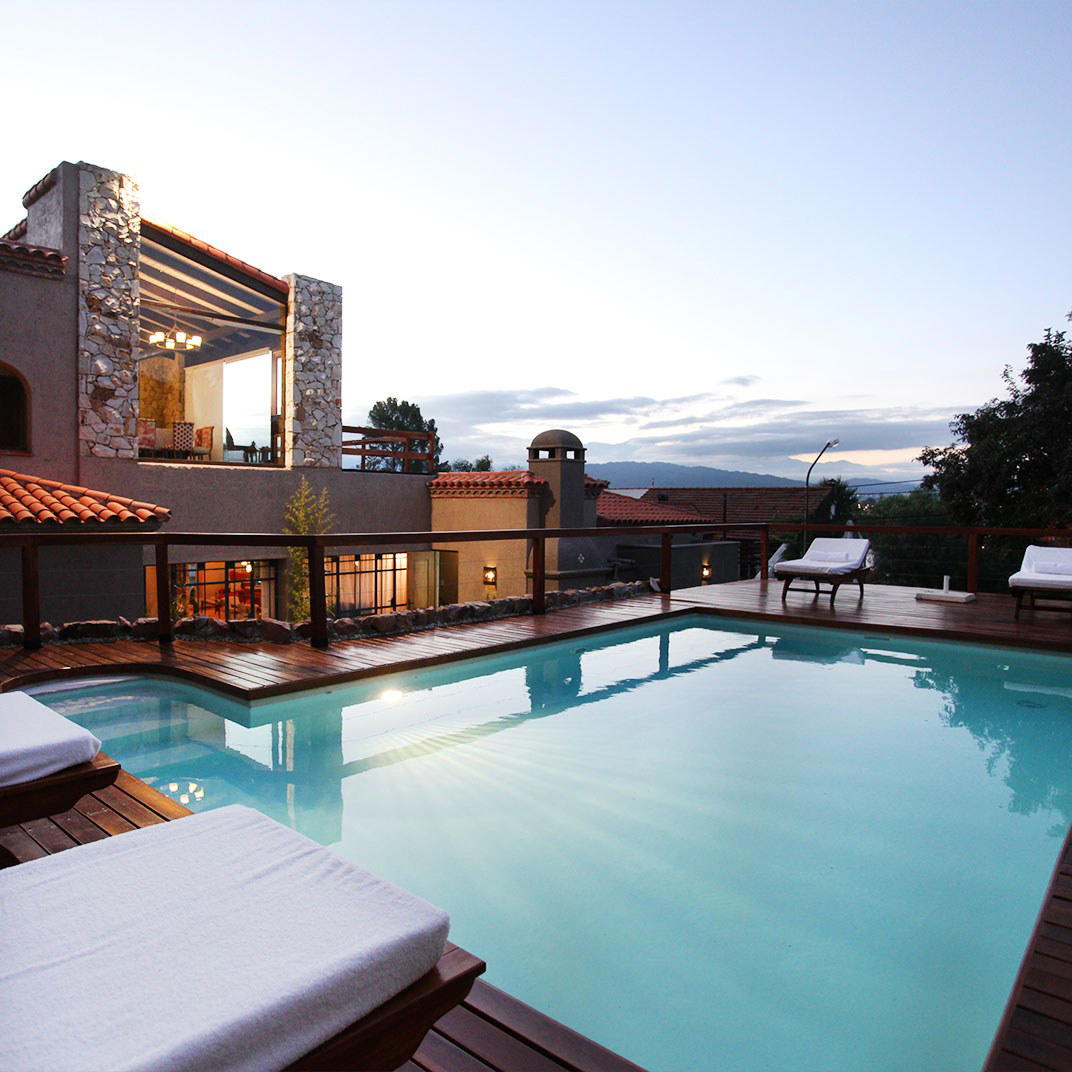
Spa occupies 300 square metres in a building physically separate from the main house, a deliberate separation that gives it a distinct function rather than folding it into the general amenity list. A sauna, hammam, two individual massage rooms, and a dedicated couples massage room make up the treatment infrastructure. The swimming pool adjoins the gym and faces the Andean backdrop directly, a placement that operates as both a practical and an atmospheric decision: the scale of the mountains registers differently from the water than from inside a room.
Grounds extend across 120 hectares, with trekking available across the full estate at no additional charge. Mountain bikes and a paddleball court follow the same model. Horse-back riding, cooking classes focused on empanadas, yoga sessions, and picnics in the organic garden are available as organised experiences. The organic garden also supplies the restaurant, La Table de the hotel, which works with traditional northwestern Argentine dishes and homemade preparations. The Argentine asado served al fresco in the garden functions as the centrepiece meal format, a form that carries significant weight in the country's food culture and that works particularly well in this setting, where the outdoor dining context aligns with the estate's overall logic.
Location as Editorial Argument
Case for the hotel is inseparable from the case for basing yourself outside Salta city rather than in it. The property sits seven minutes by car from Martín Miguel de Güemes International Airport and 15 minutes from the city centre, a position that gives access to Salta's colonial architecture and street culture without the noise penalty of staying inside the city. More significantly, the estancia places itself three hours from two of Argentina's most photographed destinations in opposite directions: the Cafayate wine region to the south, accessible for day trips that can include stops at producers along the Quebrada de las Conchas, and Purmamarca's seven-colour mountains to the north, including access to Salinas Grandes. The Train of the Clouds excursion is also available as a day trip from this base.
For guests whose itinerary extends further into Argentina's wine regions, the northwest circuit connects logically with the Mendoza properties: Awasi Mendoza in Luján de Cuyo, Lodge Atamisque in Tupungato, or Algodón Wine Estates in San Rafael. For those routing through the high-altitude Andean wine country further north, Colomé Winery in Molinos represents the obvious pairing, sitting in Calchaquí Valley wine country at altitude and offering a wine-production context that hotel does not.
That seasonal structure is worth factoring into planning: it concentrates the booking window and shapes the experience, since the Salta region's most liveable outdoor temperatures coincide with the operating period. Airport transfers can be arranged at USD 46 per way, tax included, a logistical detail that matters for a property positioned as a journey from the airport rather than a destination within the city. Guests arriving by car follow Ruta 51 from Salta toward the airport, with the property signposted seven kilometres past the terminal on the right.
Among Argentina's wider collection of design-led rural properties, the hotel occupies a specific niche: old enough to carry genuine architectural authority, small enough (14 rooms) to sustain the convivial estancia atmosphere the format requires, and positioned in a region that remains substantially less trafficked by international visitors than Mendoza or Bariloche. For the type of traveller who reads the northwest as the more instructive Argentine destination, geologically, culturally, gastronomically, the estancia format here carries a different kind of argument than the ski lodges of Las Leñas in Las Heras or the Patagonian scale of Explora El Chaltén. Those properties answer a different question. The hotel answers the question of what the Andean foothills look like when you stay in them long enough to see them change across a day.
Planning Your Stay
Rates from USD 255 per night, with airport transfers available at USD 46 per way. Open late October through late April. The property has 14 rooms across three buildings, with the interconnecting suites in the Suites house offering greater flexibility for groups. Daily excursions to Cafayate, Purmamarca, and Salinas Grandes can be organised through the property.
Quick Comparison
Comparable venues nearby, for context on price, style, and recognition.
| Venue | Cuisine | Price | Awards | Notes |
|---|---|---|---|---|
| House of JasminesThis venue — the venue you are viewing | historic estancia de charme | $$$$ | Michelin 1 Key | Not listed |
| Awasi Mendoza | Spanish colonial adobe villas set in vineyards | $$$$ | 5-Star | Luján de Cuyo |
| SLS Buenos Aires Puerto Madero | Luxury contemporary design hotel blending Buenos Aires cultural energy with international sophistication, featuring residential towers and curated art collection. | $$$$ | 5-Star | Puerto Madero |
| El Cauce, Autograph Collection | Contemporary boutique hotel blending modern design with Mendoza wine country heritage | $$$ | 4-Star | Mendoza |
| El Colibri | Authentic Argentine estancia with colonial architecture and modern comforts. | $$$$ | 5-Star | Santa Catalina |
| The Vines Resort & Spa | rustic-chic laid-back luxury blending earthy elegance with contemporary comfort | $$$$ | Michelin 1 Key | Uco Valley |
Recognition history
Dated appearances from independent guides and award organizations, with the underlying list record or original source where available.
Relais Chateaux Award
Relais Chateaux
Virtuoso Luxury Hotel Partner
Virtuoso
Michelin 1 Key
Michelin
Relais Chateaux Award
Relais Chateaux
Continue exploring
More in La Merced Chica
Hotels in La Merced Chica
Browse all →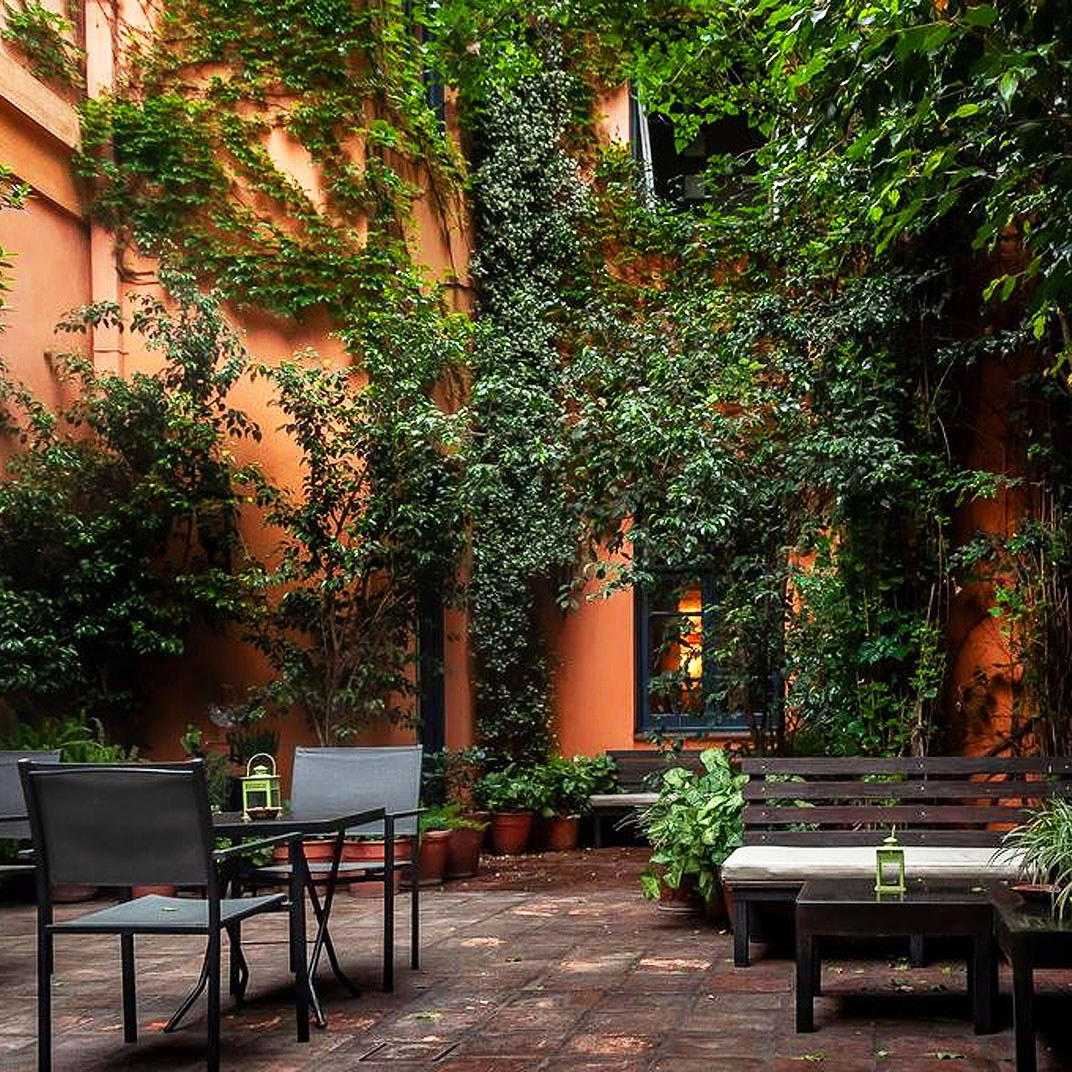
Restaurants in La Merced Chica
Browse all →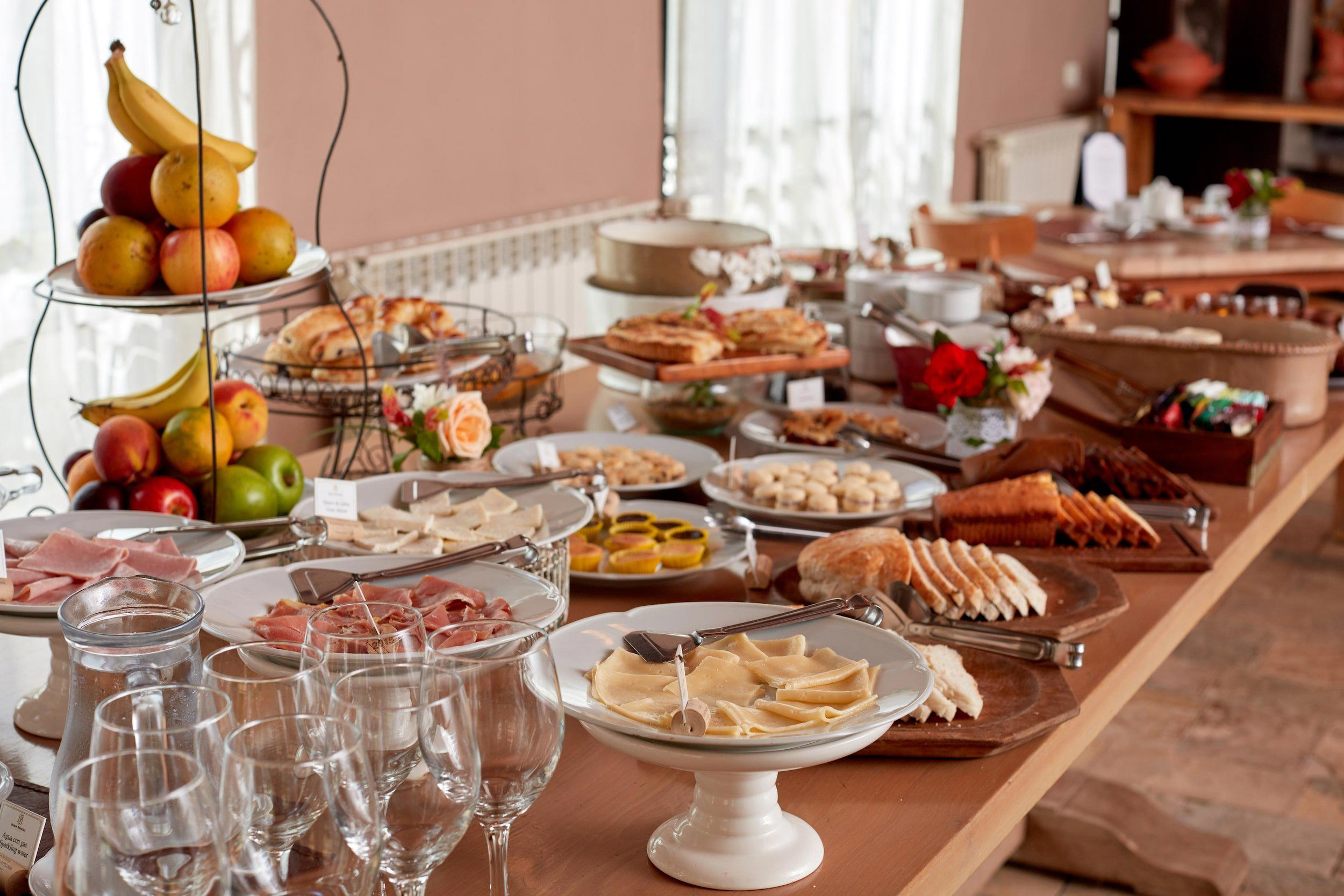

At a Glance
- Romantic
- Elegant
- Cozy
- Scenic
- Sophisticated
- Romantic Getaway
- Honeymoon
- Anniversary
- Weekend Escape
- Historic Building
- Panoramic View
- Garden
- Terrace
- Pool
- Spa
- Room Service
- Concierge
- Fitness Center
- Mountain
- Garden
- Pool
- Spa
- Room Service
- Concierge
- Fitness Center
Warm and relaxed with cozy fireplaces, charming common areas, light contemporary decor in crisp whites and beiges, rustic romantic details like original tiles and wooden shutters, peaceful gardens, and attentive service.