Grand Resort Bad Ragaz





3 Michelin Keys · La Liste Top Hotels · Virtuoso Luxury Hotel Partner
Grand Resort Bad Ragaz has operated as a thermal spa destination in the Swiss Rhine Valley since 1868, built around its own natural hot spring. Today, its two Grand Hotels hold 233 rooms across three design registers, while the dining complex carries six Michelin stars across multiple restaurants, including three for Memories and two for IGNIV by Andreas Caminada. La Liste ranked the resort at 97 points in 2026.

Pearl is the En Primeur Club membership app, where members save venues, book tables and use the concierge.
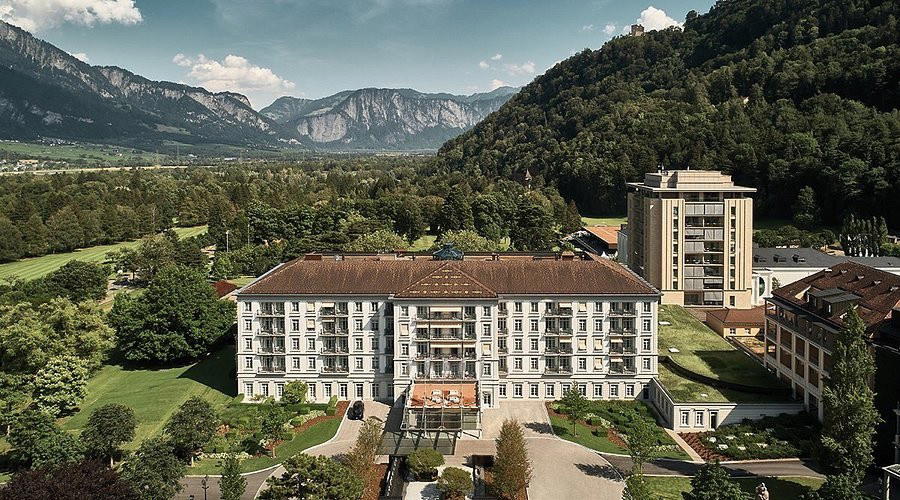
Where Alpine Cure Culture Meets Contemporary Architecture
The tradition of the Swiss bathing cure predates the luxury ski chalet by several centuries. Before Gstaad or Verbier entered the vocabulary of Alpine leisure, towns like Bad Ragaz were the destination, drawing visitors to thermal springs with the kind of seriousness usually reserved for medical institutions. Grand Resort Bad Ragaz is the living record of that tradition, anchored by a natural hot spring that has fed the ornate bathing hall since the original structure was completed in 1868. What makes the resort worth examining now is how a property of that age has managed to grow without erasing itself. The additions made across multiple decades sit alongside the antique grandeur rather than replacing it, producing a campus where classical, contemporary, and modern design registers coexist inside the same address. For Swiss grand hotel comparisons, see also Baur au Lac in Zurich and Beau-Rivage Palace in Lausanne, both of which operate in the classical-continuity tradition but within urban rather than spa-resort contexts.
The Architecture of Three Eras
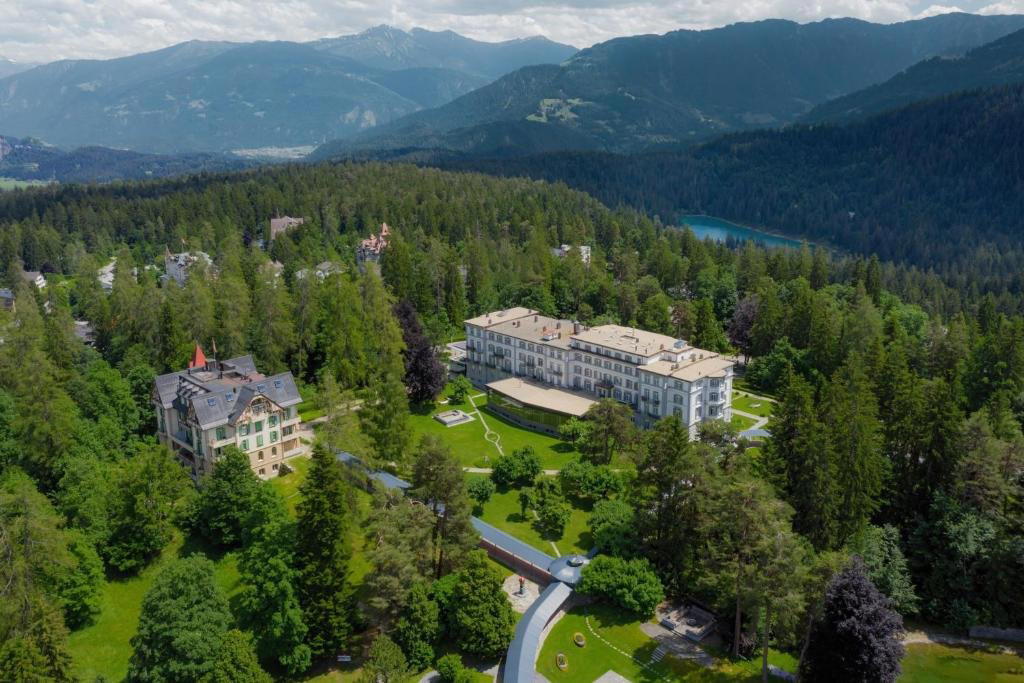
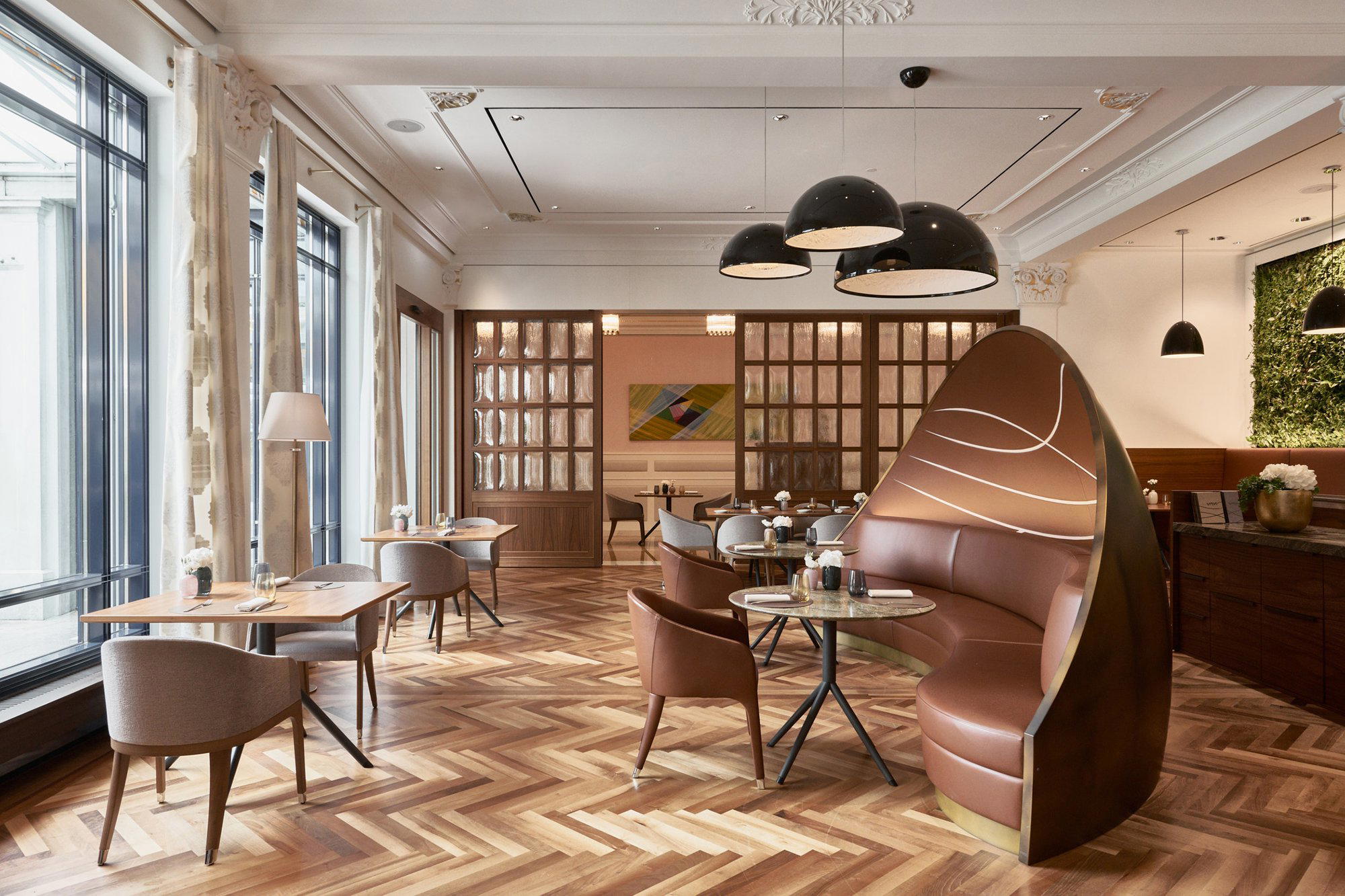
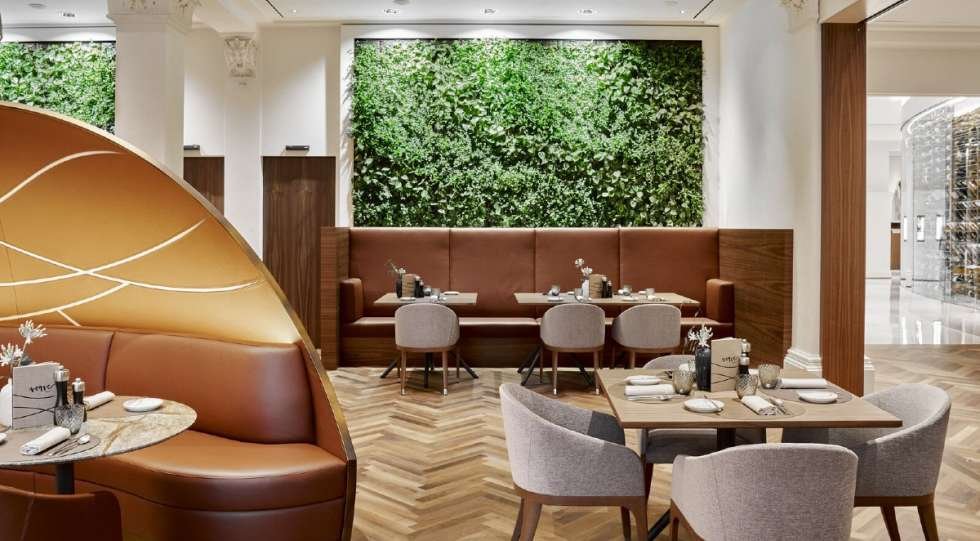
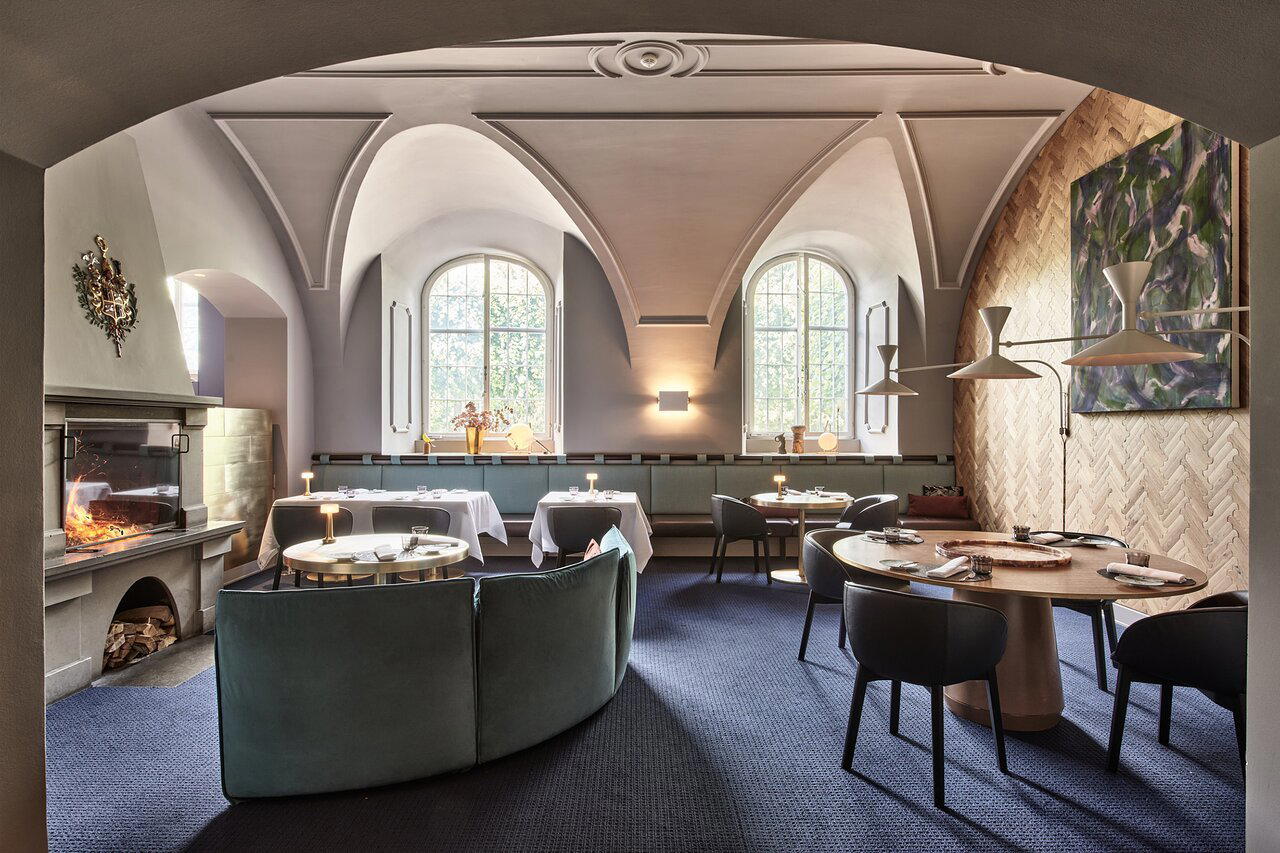
The resort's two Grand Hotels, the Grand Hotel Quellenhof and Spa Suites and the Grand Hotel Hof Ragaz, together hold 233 rooms and suites distributed across three distinct design vocabularies: delicately classical, coolly contemporary, and a more assertive modern register. That range is not accidental. Swiss luxury hospitality has split over the past two decades between properties that double down on Belle Époque coherence and those that layer successive renovations into something deliberately pluralist. Grand Resort Bad Ragaz sits firmly in the second camp, where the aesthetic tension between periods becomes part of the spatial experience rather than a problem to be resolved. Properties like Badrutt's Palace Hotel in St. Moritz and Hotel Les Trois Rois in Basel occupy the coherence end of that spectrum; Bad Ragaz occupies the other, and it works precisely because the original 1868 bones are strong enough to absorb everything built around them.
Panoramic mountain views from the hotel buildings function as an architectural constant that ties the differing interior registers together. In Alpine resort design, the relationship between interior and exterior is always the primary spatial argument. When the window frames the Churfirsten range, the question of whether a room is classical or contemporary becomes secondary. The resort understands this, and the rooms, whatever their period, are calibrated around that connection to the landscape rather than around period-consistency for its own sake. Compare this with the approach at The Alpina Gstaad or CERVO Mountain Resort in Zermatt, where the design program is far more singular and the interior-to-landscape relationship is mediated through a consistent material language.
Six Michelin Stars Under One Roof
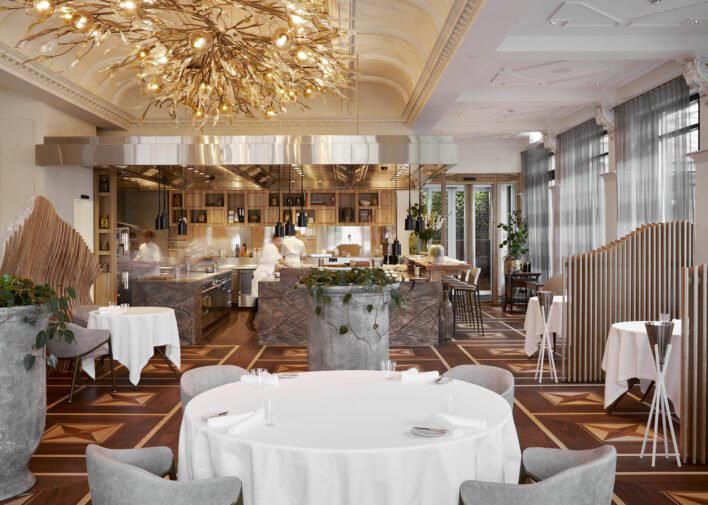
Concentration of Michelin recognition at a single resort address is rare in Switzerland and worth placing in competitive context. The Bad Ragaz dining complex carries six Michelin stars across its restaurants: three stars plus one Green Michelin Star for Memories, two stars for IGNIV by Andreas Caminada, and one star for Verve by Sven Wassmer. The Michelin 3 Keys designation for the property itself, awarded in 2024, reflects the overall hospitality standard as assessed separately from individual restaurant performance. For context, Beau-Rivage Geneva and Hotel Bellevue Palace Bern both operate at the Swiss five-star tier without this level of starred dining concentration at the property itself.
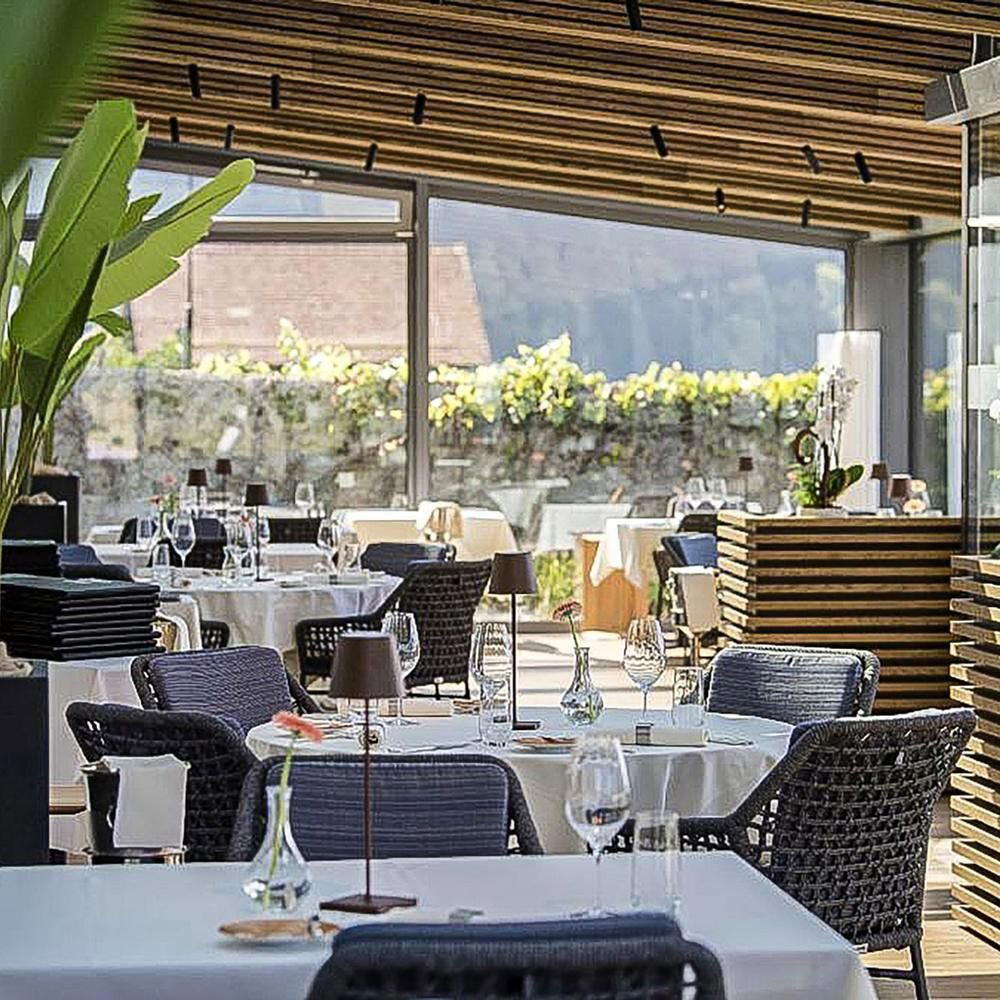
Andreas Caminada's IGNIV format, which has expanded beyond Bad Ragaz to other locations, represents a particular strand in modern fine dining: the sharing-format, high-technique approach that positions itself against the traditional tasting-menu structure. Memories, operating at three Michelin stars, places Bad Ragaz in a very small category of resort-based restaurants operating at that recognition level in Europe. The Green Michelin Star alongside the three culinary stars signals the kind of sustainability framing that increasingly accompanies top-tier European restaurant recognition, particularly in Alpine contexts where sourcing from the surrounding region is both a practical reality and a credentialling choice. Our full Bad Ragaz restaurants guide covers the broader dining picture of the region.
Thermal Spa as Structural Logic, Not Amenity
In most five-star resort contexts, the spa is an amenity added to accommodate demand. At Bad Ragaz, the thermal spring is the structural logic around which everything else was built. The NEWYOU Method, the resort's proprietary health framework, combines preventive medicine, nutritional medicine, and wellness treatments into a packaged program architecture that distinguishes the property from resorts where spa services are delivered as standalone bookings. This positions Bad Ragaz within a smaller and more specific competitive set: European medical wellness destinations rather than conventional luxury hotels with spa floors. Properties like Bürgenstock Resort or Park Hotel Vitznau carry strong wellness credentials but operate without the thermal spring infrastructure and medical consultation framework that defines Bad Ragaz's offer.
The thermal bathing hall itself, fed by the natural spring, is the physical anchor of that tradition. Swiss bathing culture at this level differs from Nordic spa formats or urban wellness clubs in its emphasis on the therapeutic water source as irreplaceable. The spring at Bad Ragaz has fed the baths for centuries; the contemporary resort infrastructure is organized around that continuity rather than around the delivery of a standardized spa menu. That distinction matters to the guest who is choosing between a wellness retreat and a luxury hotel with spa access. Bad Ragaz is unambiguously the former, even as it delivers the latter as a component. For a different expression of Swiss mountain wellness, 7132 Hotel in Vals offers Peter Zumthor's celebrated thermal baths in an architectural context that is singular and worth comparing directly.
Wine Country Proximity and Outdoor Programming
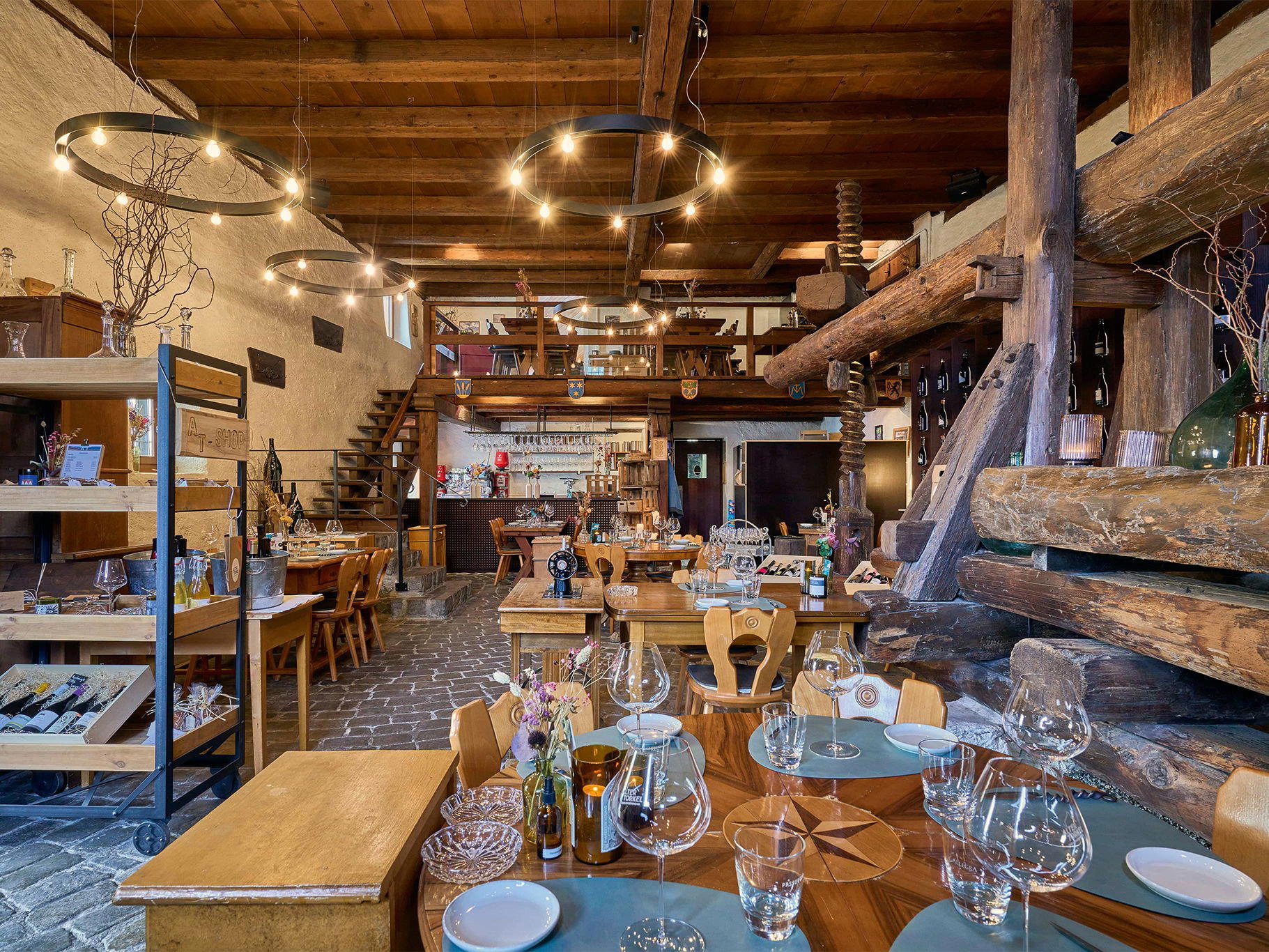
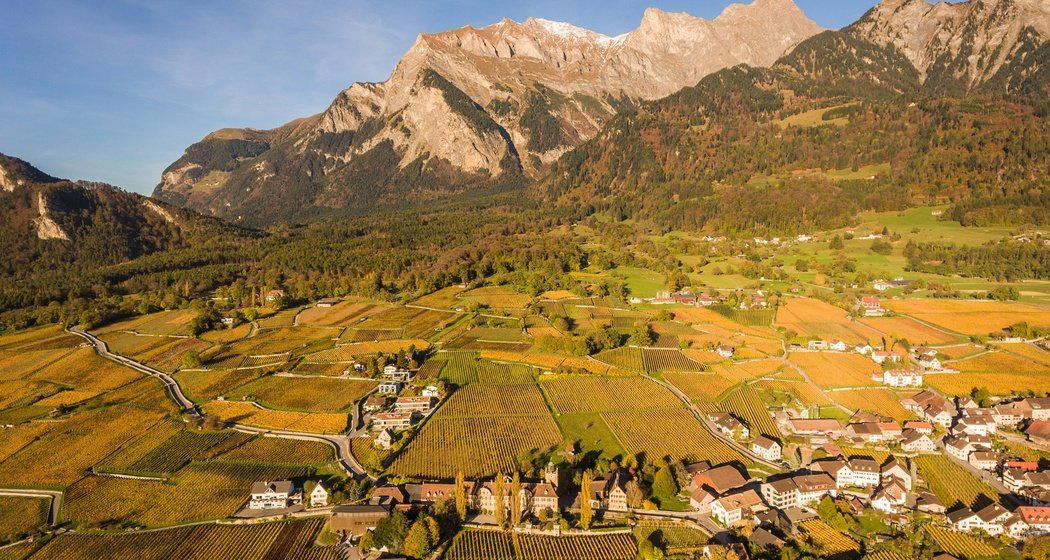
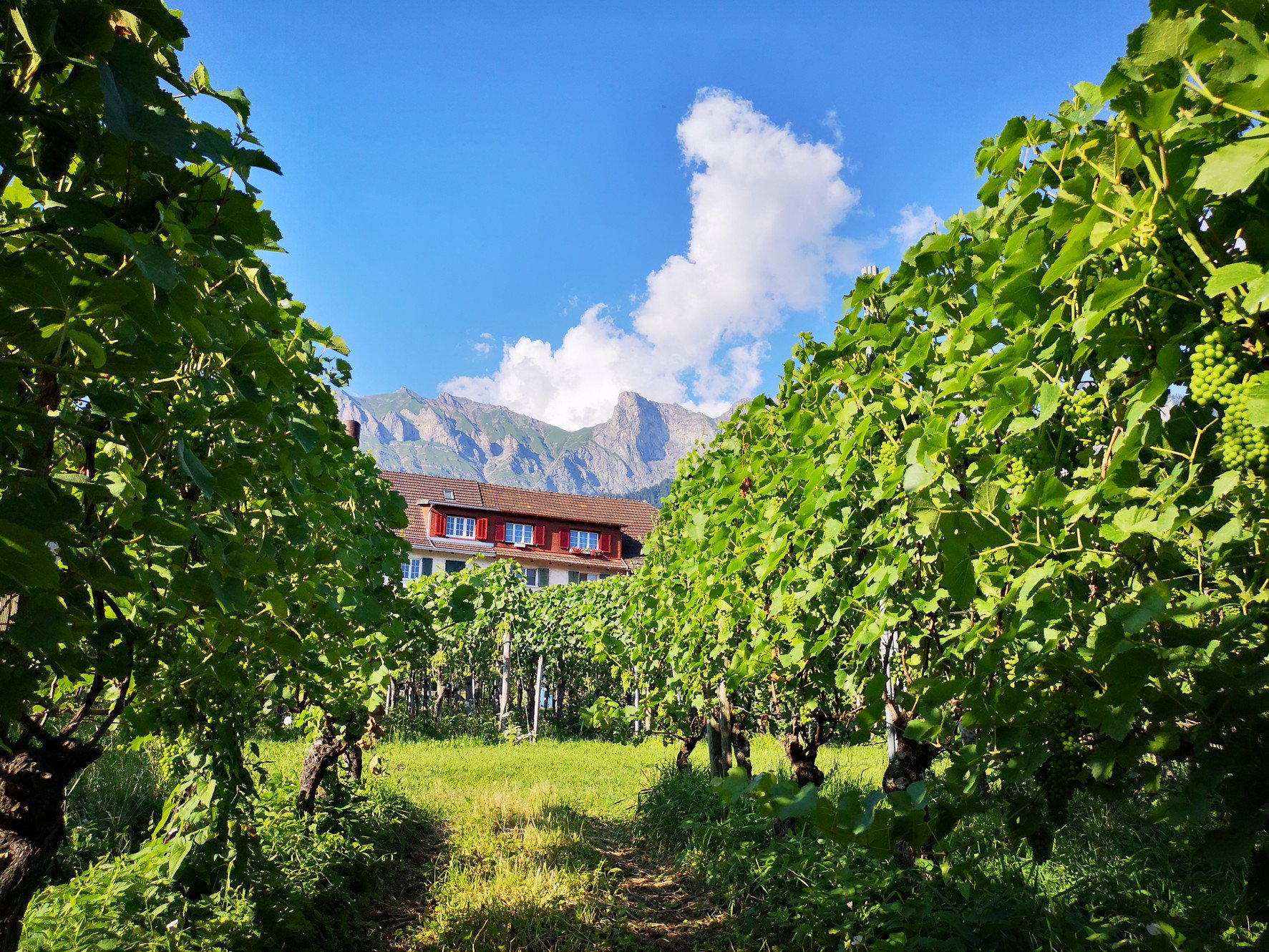
The Bündner Herrschaft wine region sits immediately adjacent to Bad Ragaz and supplies the geographic context that complements the resort's culinary ambitions. Switzerland's most serious Pinot Noir comes from this area, and the proximity is relevant to how the resort's restaurants approach their wine programs. The region's wine culture is relatively low-profile internationally despite its domestic prestige, which means guests arriving from outside Switzerland encounter a wine identity that doesn't travel as broadly as Burgundy or Barolo but operates at a comparable level of seriousness within its producers. For resort guests interested in territorial wine exploration, Bündner Herrschaft is accessible without significant travel from the property.
Outdoor programming, including two on-site golf courses (an 18-hole and a 9-hole), hiking trails, and winter access to nearby ski areas, places Bad Ragaz in the category of resort where the activity program is diversified enough to sustain a multi-day stay across seasons. The golf courses are notable in Swiss resort terms: the resort is the only one in Switzerland to operate two courses under its own management. For comparison, resorts like Guarda Golf Hôtel in Crans-Montana are built around golf access without owning the courses directly, while Castello del Sole in Ascona operates in the warm-season resort category with a very different activity profile. See also Grand Hotel Kronenhof in Pontresina and Valsana Hotel in Arosa for comparable Alpine multi-season resort structures, and The Capra in Saas-Fee or Hotel Villa Honegg for smaller-scale Alpine properties where the activity experience is more concentrated.
Planning a Stay
Rates at Grand Resort Bad Ragaz start at approximately $698 per night, positioning the property at the premium end of Swiss resort pricing and in line with comparables such as The Chedi Andermatt and Mandarin Oriental Palace, Luzern. The 233 rooms across two Grand Hotels give the resort more availability than smaller design properties, but demand for the starred dining is a separate constraint: Memories at three Michelin stars will require advance reservation independent of the room booking, and guests arriving without a restaurant reservation should expect limited availability for peak nights. La Liste's 97-point rating for 2026 and the Leading Hotels of the World membership (2025) confirm the property's position in the top tier of Swiss hospitality. The resort is located at Bernhard-Simonstrasse 20, 7310 Bad Ragaz, in the eastern Swiss Rhine Valley, with rail access from Zurich via the Chur line. For international travelers, Aman New York, The Fifth Avenue Hotel, and Aman Venice offer useful reference points for the kind of guest who moves between this tier of property across cities and regions. Villa Principe Leopoldo in Lugano and Boutique Hotel Restaurant Krone Regensberg represent the smaller-format end of the Swiss luxury spectrum for travelers who want to contrast styles within a single itinerary.
In Context: Similar Options
Comparable venues nearby, for context on price, style, and recognition.
| Venue | Cuisine | Price | Awards | Notes |
|---|---|---|---|---|
| Grand Resort Bad RagazThis venue (the venue you are viewing) | Alpine luxury heritage resort blending tradition with contemporary wellness design | $500–750 | 3 Michelin Keys · La Liste Top Hotels | Not listed |
| Bürgenstock Resort | Contemporary luxury resort blending modern comfort with traditional Swiss alpine heritage | Not listed | Michelin 3 Key | Bürgenstock |
| The Alpina Gstaad | Contemporary chalet-style mountain resort blending Swiss traditions with modern luxury. | $1,500–2,500 | 3 Michelin Keys · La Liste Top Hotels | Oberbort |
| Baur au Lac | Timeless luxury heritage property with over 180 years of tradition in Zurich's heart. | Not listed | 3 Michelin Keys · La Liste Top Hotels | Enge |
| Hotel Les Trois Rois | Historic grand hotel with neoclassical elegance | Not listed | 3 Michelin Keys · La Liste Top Hotels | Messe |
| Carlton Hotel St. Moritz | Grand dame luxury resort blending historic heritage with contemporary design, positioned as a sanctuary for informed travelers seeking alpine elegance. | $1,000–1,500 | 3 Michelin Keys · La Liste Top Hotels | St. Moritz |
Recognition history
Dated appearances from independent guides and award organizations, with the underlying list record or original source where available.
Michelin 3 Keys
Michelin
La Liste Top Hotels
La Liste
Virtuoso Luxury Hotel Partner
Virtuoso
World Spa Awards Switzerland's Best Wellness Retreat 2026 Nominee
World Spa Awards
Leading Hotels of World Member
Leading Hotels of World
Full recognition history (8 entries)
Michelin 3 Keys
Michelin
World Spa Awards Switzerland's Best Wellness Retreat 2025 Nominee
World Spa Awards
Michelin 3 Keys
Michelin
Continue exploring
More in Bad Ragaz
Hotels in Bad Ragaz
All hotels in Bad Ragaz →
Bars in Bad Ragaz
All bars in Bad Ragaz →


Details
- Elegant
- Sophisticated
- Ornate
- Quiet
- Scenic
- Wellness Retreat
- Romantic Getaway
- Family Vacation
- Destination Spa
- Infinity Pool
- Panoramic View
- Golf Course
- Spa
- Pool
- Fitness Center
- Room Service
- Concierge
- Valet Parking
- Golf Course
- Tennis
- Sauna
- Mountain
- Garden
- Wheelchair Accessible
- Elevator
Tranquil and luxurious with soothing thermal pools, saunas, steam rooms featuring Swarovski crystals, minimalist spa designs, and relaxing natural light overlooking mountains and gardens.