
A private distillery in the Vorarlberg village of Klaus, Broger holds a Pearl 2 Star Prestige rating for 2025, placing it among Austria's more formally recognised small-batch spirits producers. The operation at Dammweg 43 sits within a region where agricultural distilling has deep roots, and the prestige designation signals a level of craft that separates it from hobby-scale production.
Pearl is the En Primeur Club membership app — saves, bookings, and concierge access live there. Same editors, same standards.
- Address
- Dammweg 43, 6833 Klaus
- Phone
- +43 5523 53546
- Website
- broger.info
 Saves & bookings on Pearl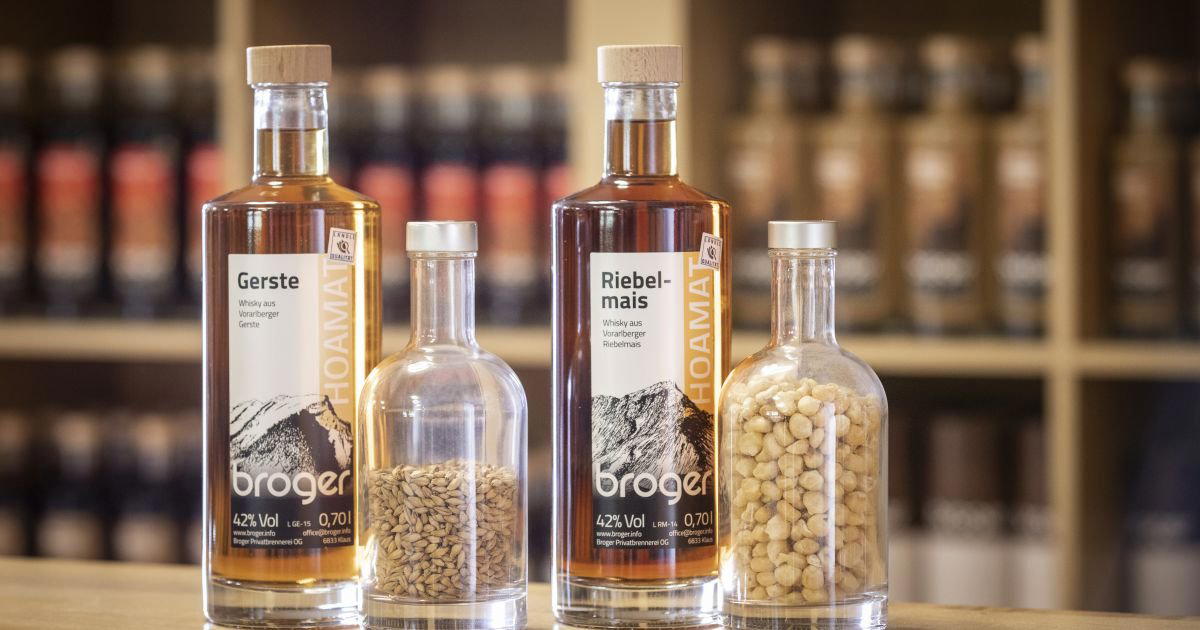
Distilling in the Vorarlberg Valley: Where Alpine Conditions Shape the Spirit
Austria's western province of Vorarlberg sits in a different climatic register from the Pannonian wine country that defines the country's better-known fermented traditions. Here, the Rhine Valley floor meets the first serious rise of the Alps, and the temperature swings, the clean mountain-fed water sources, and the proximity to both German and Swiss distilling cultures have shaped a distinct approach to small-batch spirits production. Klaus, a compact settlement in this corridor, is not a name that appears on most international spirits itineraries. That relative obscurity is partly structural: Vorarlberg distilling operates in the shadow of the country's wine appellations. Operations like Broger Private Distillery exist within a specialist tier that rewards visitors who come specifically rather than those passing through.
The address at Dammweg 43 places Broger within the agricultural fringe of Klaus, which is consistent with the geography of private distilling across this part of Austria. Fruit orchards, grain fields, and pasture land remain close to the valley floor, and the raw materials that feed small-batch distillation are correspondingly local. Austria's regulatory framework for private distilling is among the more structured in the German-speaking world, distinguishing between commercial operations and the Abfindungsbrennerei model, where small-scale producers work within fixed quotas. Broger's designation as a private distillery signals a deliberate positioning within that framework rather than a step toward large-volume commercial production.
The 2025 Pearl 2 Star Prestige Rating: What It Signals
Broger holds a Pearl 2 Star Prestige rating for 2025, which is the most concrete credential in the available record and the clearest positioning signal the operation carries. Within Austrian spirits assessment, a two-star prestige designation does not arrive through volume or marketing investment. It reflects evaluated quality at the product level, assessed against a comparable set of producers working at comparable scale. The Pearl rating system sits alongside other specialist Austrian quality frameworks, and a two-star result at the prestige tier places Broger in a cohort above the baseline of regional craft production.
That gap between assessed quality and public profile is not unusual in the Austrian spirits sector. The country's most discussed producers internationally tend to cluster in wine: operations like Weingut Kracher in Illmitz or Weingut Emmerich Knoll in Dürnstein carry decades of critical attention and international allocation lists. Distillers operating in Vorarlberg's agricultural context work in a quieter register, which means their ratings travel less far but carry proportionally more weight among specialists who are actively tracking the sector. The 2025 designation marks Broger as a producer worth monitoring within that context.
Alpine Terroir and the Logic of Local Distillation
The editorial angle of terroir expression, applied conventionally to wine, translates differently in a distilling context but does not disappear. In fruit distillation, which dominates Austrian private-sector production, the raw material question is inseparable from what ends up in the bottle. Vorarlberg's elevation, its frost patterns, and the specific cultivars that survive and thrive in this part of the Rhine Valley corridor all contribute to the aromatic profile available to a distiller working from local sources. Producers in flatter, warmer Austrian regions, including the estates of the Wachau or the Neusiedlersee shore, work with different fruit stocks and different harvest windows. The Vorarlberg context creates a different set of starting conditions.
This connection between place and production is what distinguishes serious private distilling from contract or industrial spirits work. When a producer at this scale holds a two-star prestige rating, it is typically because the raw material selection and the distillation decisions reflect the specific conditions of the location rather than a generic house style applied regardless of origin. Austria's broader craft distilling scene has seen renewed interest in the past decade, with operations across multiple provinces building reputations on exactly this kind of geographic specificity.
Klaus in Context: Small-Scale Production in a Non-Tourist Town
Klaus does not have the profile of Klosterneuburg or Krems. It is not a destination built around hospitality infrastructure, and visitors arriving specifically for Broger will find a working agricultural community rather than a wine tourism circuit. That framing matters for planning purposes. The surrounding Vorarlberg region has its own draw, particularly for visitors arriving from the direction of the Bregenzerwald or crossing from Switzerland, but Klaus itself is not a stop on any established wine or spirits route that generates independent visitor flow.
That absence of external traffic context is part of what defines the private distillery tier in Austria. These operations are not structured around tastings, retail, or hospitality in the way that larger estate wineries like Weingut Bründlmayer in Langenlois or Weingut Wohlmuth in Kitzeck have built their visitor propositions. Contact in advance is the standard practice for private distilleries in this category. Anyone planning a visit should approach accordingly, treating this as a specialist producer rather than a walk-in venue.
International comparison can extend to Aberlour in Aberlour, where visitor infrastructure around a prestige distillery functions at a very different level. And for Burgenland wine context that frames the eastern end of Austria's spectrum, Weingut Pittnauer in Gols and Weingut Heinrich Hartl in Oberwaltersdorf sit in a different tradition but comparable specialist tier.
Planning a Visit to Broger
Dammweg 43 in Klaus is the recorded address, and the operation's private character means that logistics require direct contact rather than booking through a third-party platform. Direct contact is the practical path for serious visitors. The Pearl 2 Star Prestige rating for 2025 gives a verified quality anchor; everything else about the visit requires direct confirmation from the producer. Arrive having done that groundwork, and the experience of engaging with a rated Austrian private distillery in its actual working environment offers a perspective on the country's spirits culture that the larger, more visitor-ready operations cannot replicate.
At-a-Glance Comparison
Comparable venues nearby, for context on price, style, and recognition.
| Venue | Cuisine | Price | Notes |
|---|---|---|---|
| Broger Private DistilleryThis venue — the venue you are viewing | Winery | $$ | |
| Brennerei Schwarzenberger | Winery | , | Haiming |
| Wohlfarter Distillery | Winery | , | Bregenz |
| Condelli Distillery | Winery | , | Linz |
| Loysch Distillery | Winery | , | Klosterneuburg |
| Destillerie Figerl | Winery | , | Stanz bei Landeck |
Continue exploring
More in Klaus
Wineries in Klaus
Browse all →
Bars in Klaus
Browse all →
Restaurants in Klaus
Browse all →
At a Glance
- Rustic
- Intimate
- Cozy
- Solo Exploration
- Wine Education
- Private Tasting
- Sustainable
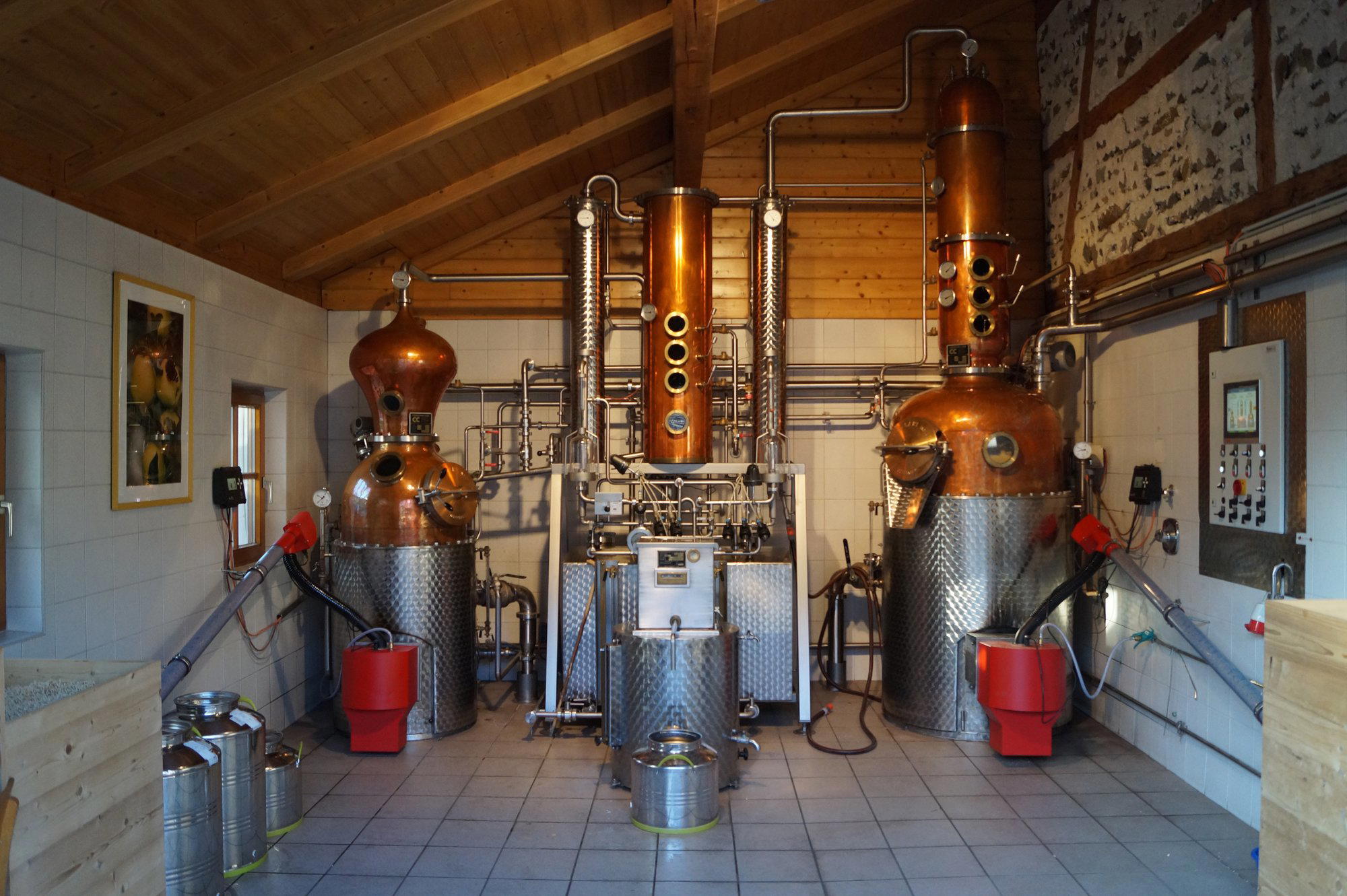
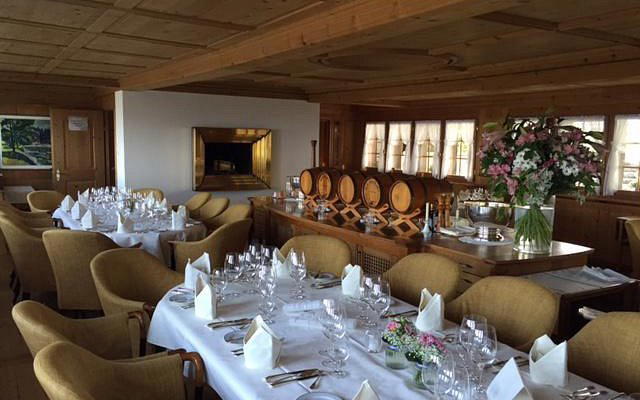
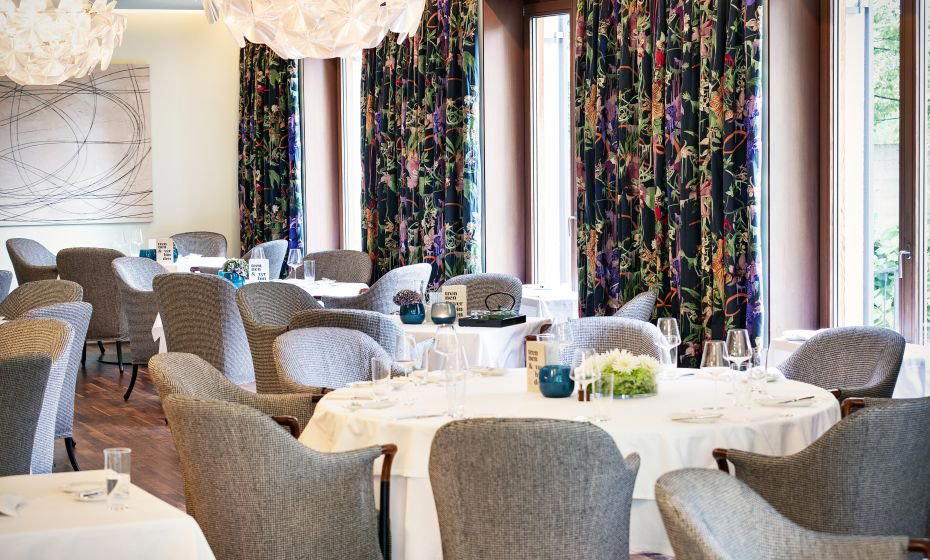
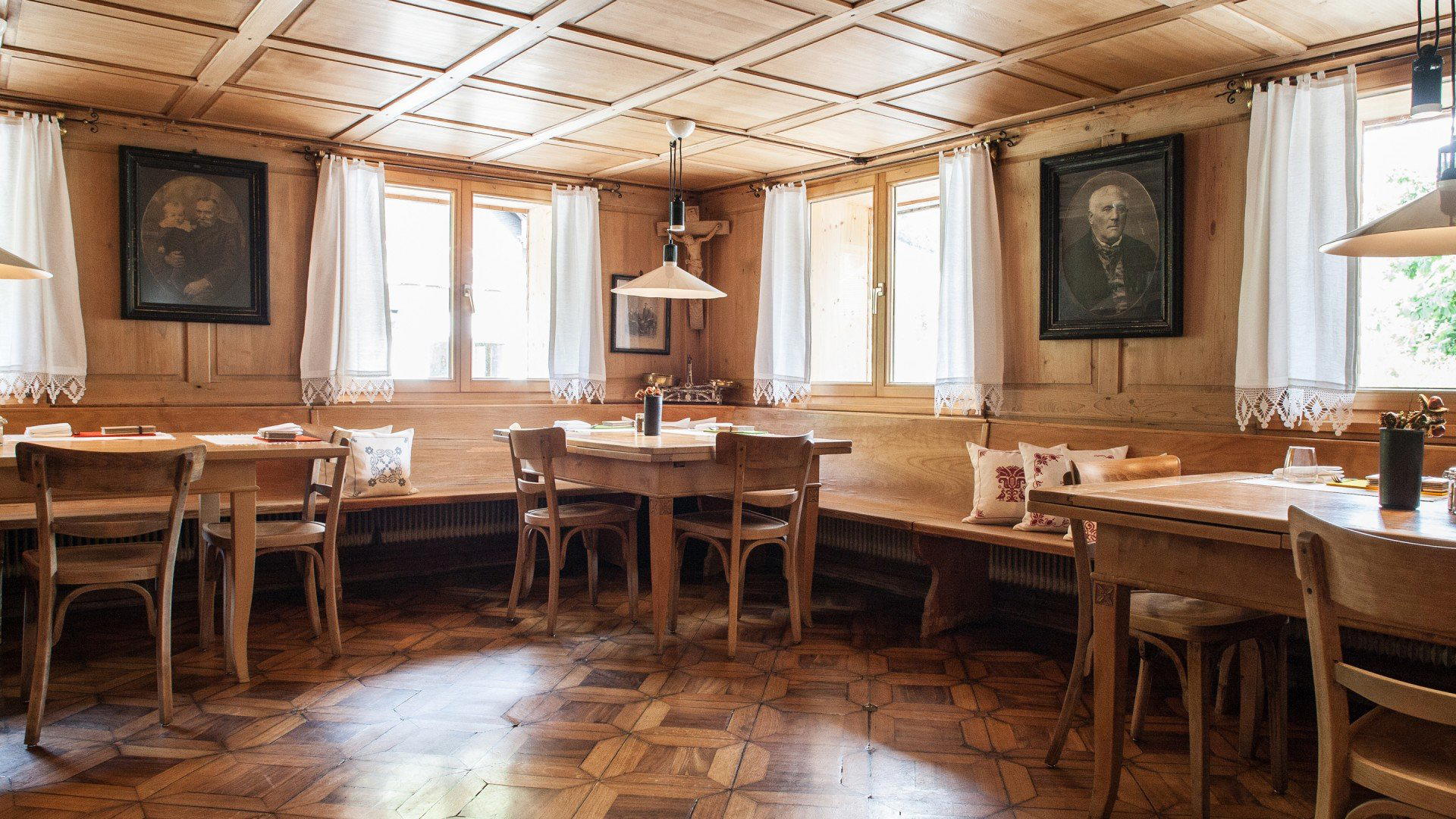
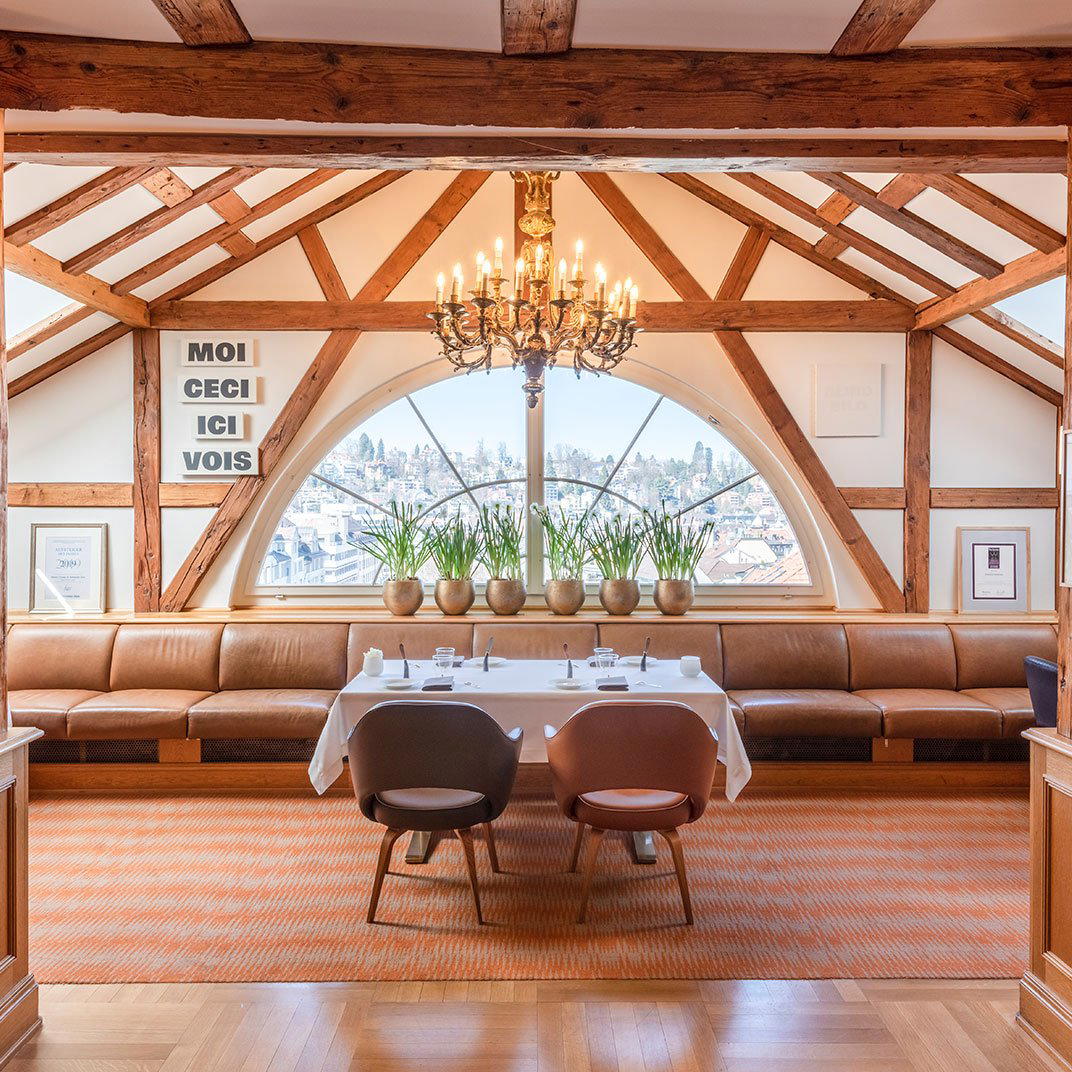
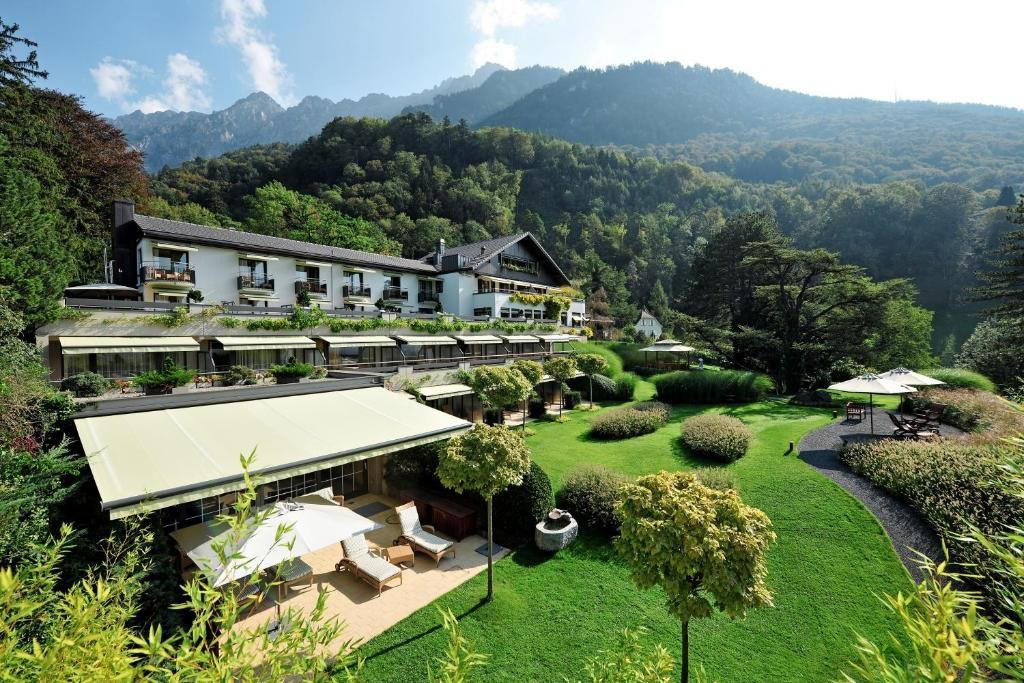
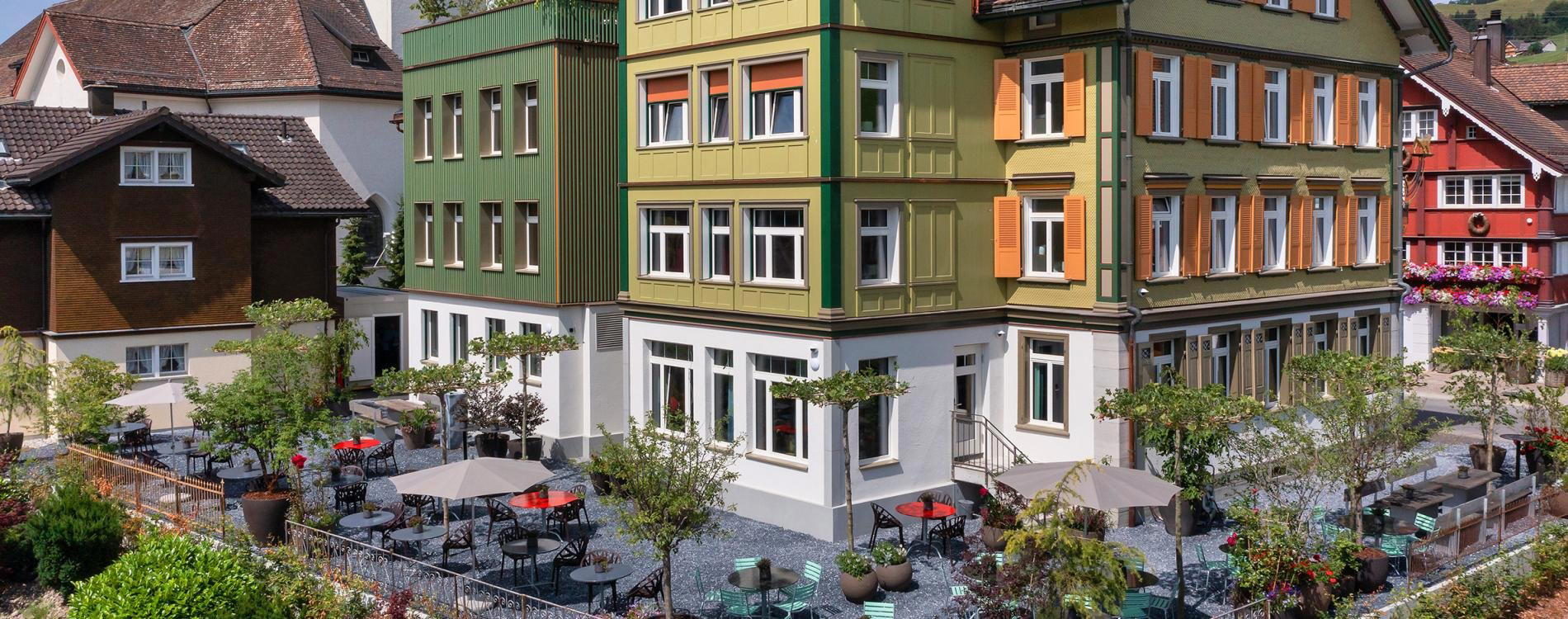
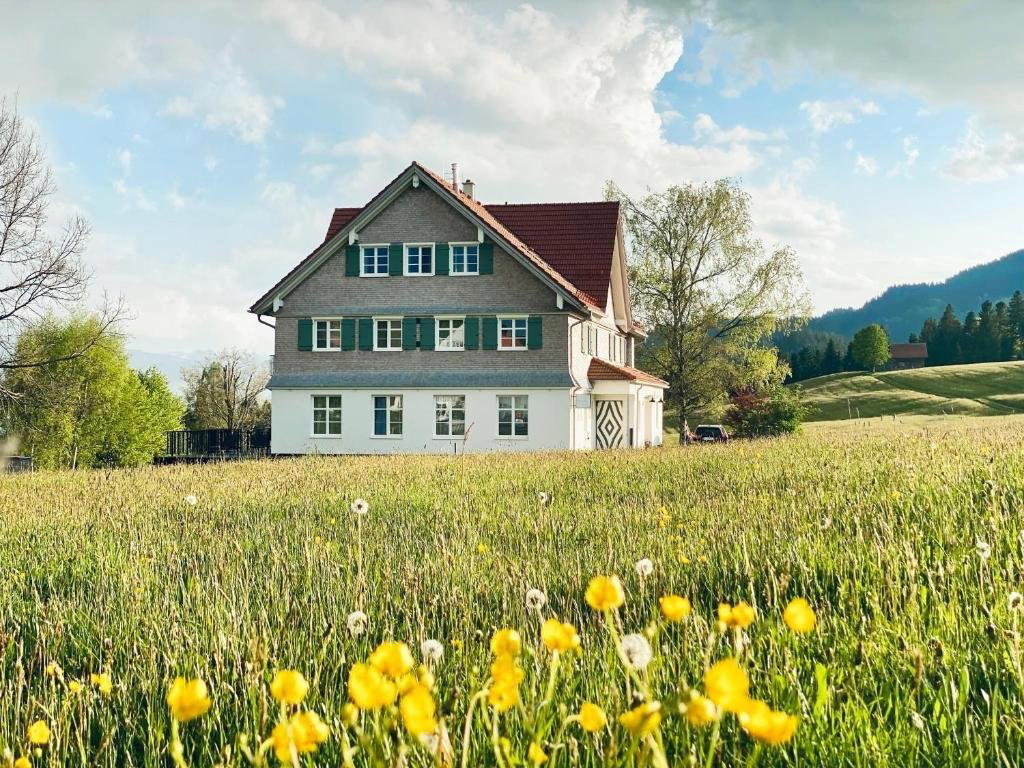
Welcoming family atmosphere with transparent views into the distillation process; intimate setting emphasizing artisanal craftsmanship and personal connection with the producers.