Shinjuku Golden-Gai is a dense cluster of some 200 micro-bars packed into six narrow alleys in Kabukicho, each venue seating between four and twelve people. Surviving urban redevelopment pressure since the 1940s, this district represents one of Tokyo's most concentrated examples of post-war bar culture and a quiet counter-argument to the city's relentless modernisation.
Pearl is the En Primeur Club membership app — saves, bookings, and concierge access live there. Same editors, same standards.
- Address
- Japan, 〒160-0021 Tokyo, Shinjuku City, Kabukicho, 1 Chome−1−6 あかるい花園 五番街
- Phone
- +81 3 3209 6418
- Website
- goldengai.jp
- Directions
- Get directions
 Saves & bookings on Pearl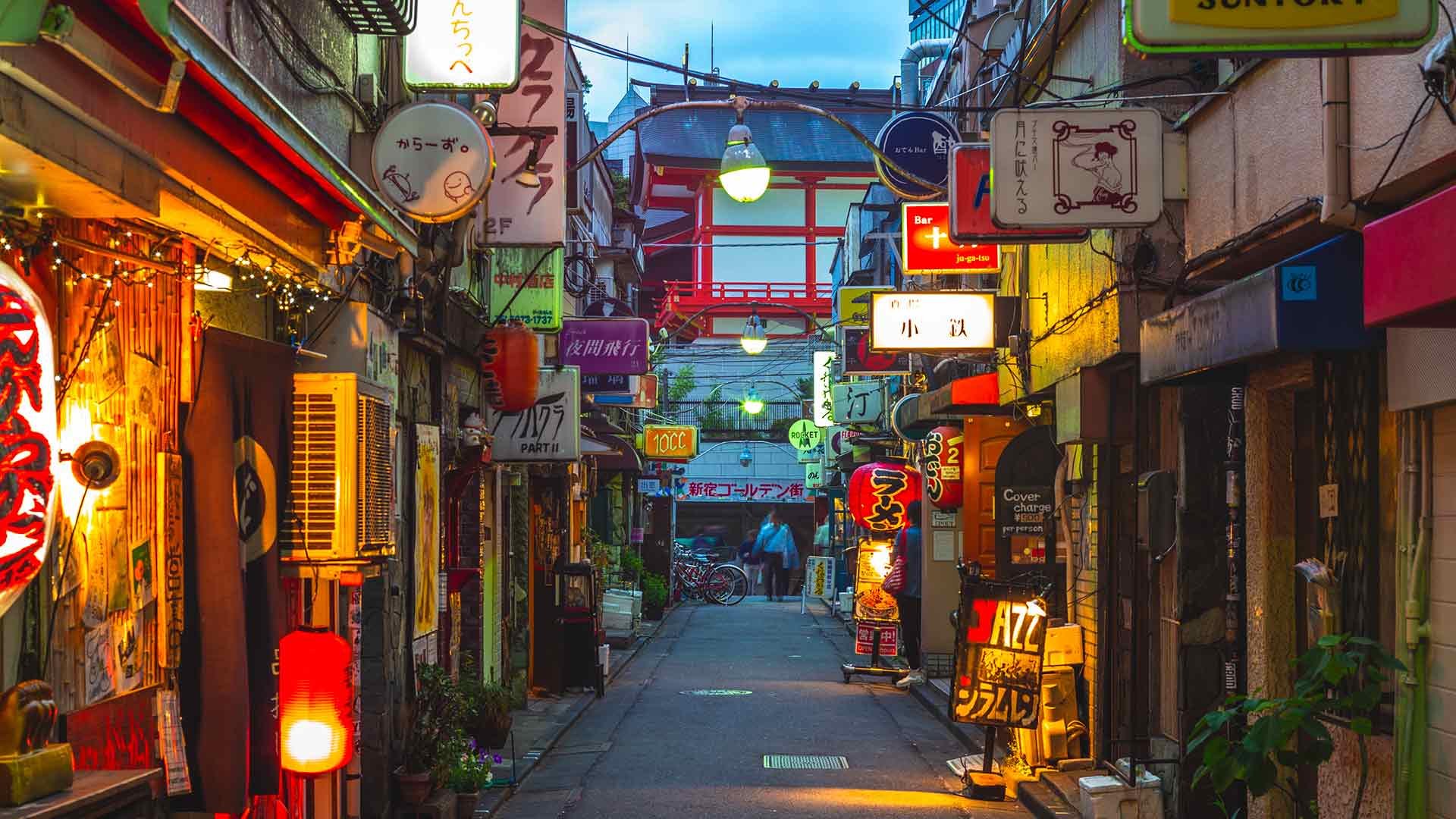
Six Alleys, Two Hundred Bars, One Argument Against Growth
Tokyo's bar scene has bifurcated sharply over the past two decades. On one side sit the polished hotel lobby bars and Ginza precision-cocktail counters — spaces such as Bar High Five or Bar Orchard Ginza — where technique, sourcing credentials, and measured pours define the offer. On the other sits Shinjuku Golden-Gai, a neighbourhood that makes none of those promises and keeps a different kind of faith with its drinkers entirely. Approximately 200 bars occupy roughly six alleys near Kabukicho, each venue operating in a footprint that rarely exceeds twelve seats. The district has existed in some form since the black-market years following the Second World War, and that continuity is not incidental, it shapes everything about how the area functions.
Small Spaces, Low Throughput, Minimal Waste
The sustainability argument for Golden-Gai is structural rather than ideological. These bars do not print sustainability mission statements or source ingredients with documented carbon footprints. What they do, by sheer constraint of space and volume, is operate with the kind of low-waste, low-throughput model that larger venues spend considerable effort trying to approximate. A bar seating six to eight people through the course of an evening orders precisely, stores minimally, and produces almost no food waste by default. The economics of small-batch purchasing mean over-ordering is self-correcting; there is no walk-in freezer to absorb excess.
That same spatial logic applies to energy. A room of ten square metres, heated by the presence of five or six people and a small space heater, runs on a fraction of the power consumed by a full-scale bar operation. These are not design choices made in the name of environmental consciousness, they are the byproduct of surviving in one of the world's most expensive cities on a minimal footprint. The result, however, aligns closely with what sustainability-focused hospitality commentators describe as the ideal: small, local, deeply human-scaled.
Similar dynamics show up across Japan's specialist bar culture. At Bar Nayuta in Osaka and Lamp Bar in Nara, intimate counter formats similarly reduce overcatering and the associated waste streams that larger venues treat as a cost of doing business. The Golden-Gai model predates any of those venues by decades, but it demonstrates the same principle at neighbourhood scale.
The Physical Experience of Arrival
Walking into Golden-Gai from Kabukicho's main drag requires a deliberate choice to turn off the bright commercial strip and into something darker and narrower. The alleys are lit by lanterns and handwritten signage, many of the bars identified only by a name on a piece of card or a laminated photograph in the window. Staircases lead to second-floor rooms barely distinguishable from a well-equipped storage closet. The wooden exteriors are dense and aged, and the sense of vertical compression, buildings stacked close together over lanes barely wide enough for two people to pass, is immediate and disorienting in a useful way. You are not in the same city that contains Bulgari Ginza or the branded hotel bars of Shinjuku's west exit.
Each bar has a particular identity, often tied to a specific owner who has operated from the same address for ten, twenty, or thirty-plus years. The subject matter varies: jazz, film, manga, theatre, folk music. Some serve only regular customers and will tell newcomers politely that the space is full even when it contains only one other person. Others are explicitly welcoming to visitors. Reading which is which requires patience and a tolerance for rejection, but this, too, is part of the area's character, it was never engineered for frictionless access.
Where Golden-Gai Sits in Tokyo's Bar Tier
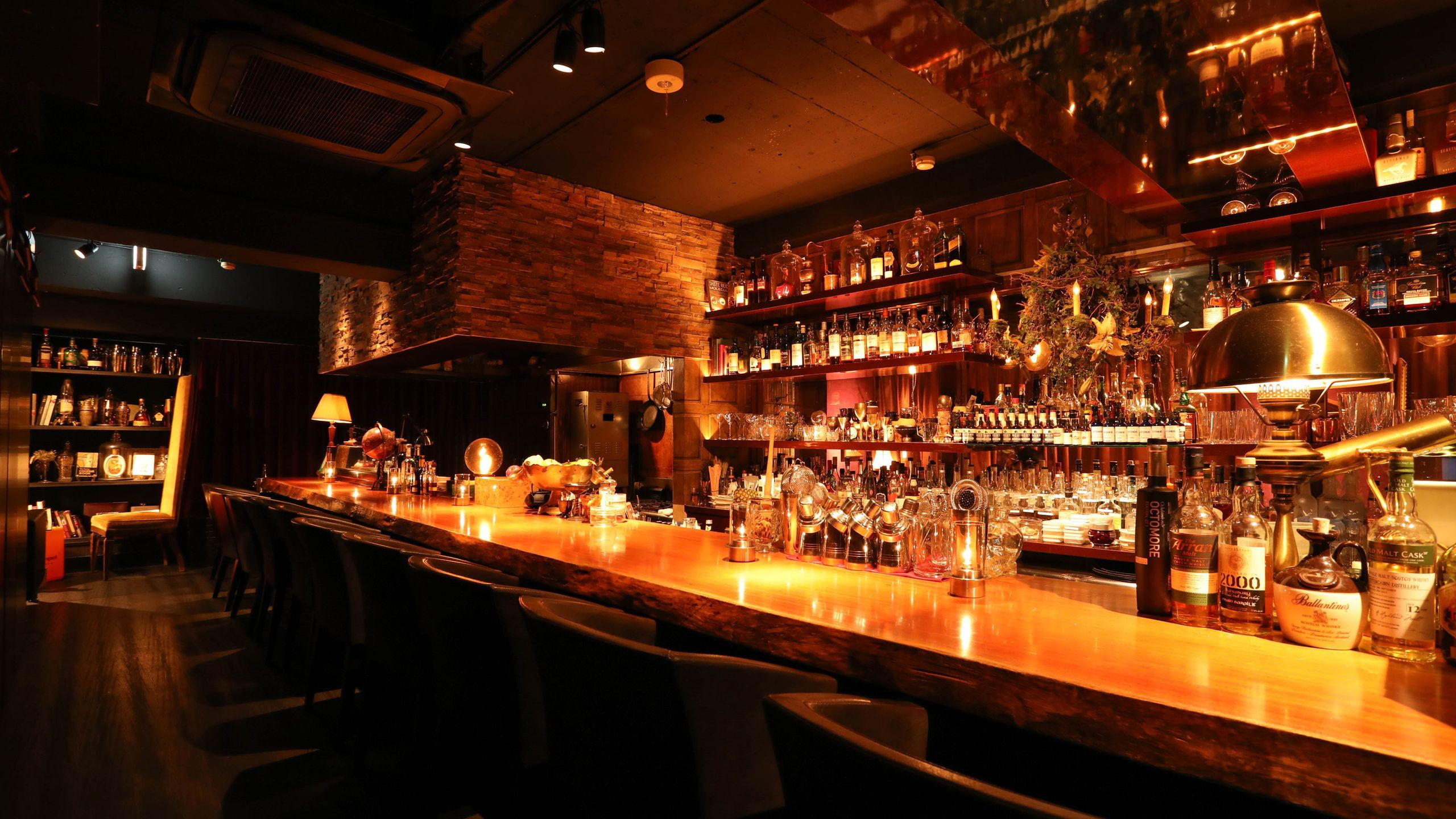
Placing Golden-Gai in a competitive framework requires adjusting what you are comparing. It does not compete with Bar Benfiddich, where a single rare-spirit cocktail can exceed 2,000 yen and the bartender's reputation draws international visitors specifically for the craft. It does not occupy the same register as Bar Libre, with its more defined cocktail format and modern Tokyo bar sensibility. Golden-Gai is neither a cocktail destination nor a spirits showcase in the conventional sense.
What it offers is closer to what the Japanese refer to as ichigen-san okotowari culture, a community of regulars built slowly over time, compressed into a walkable district. The bars here price modestly relative to the cocktail counters of Ginza or Roppongi. Entry charges (known locally as seating charges or table fees) are common and should be expected, typically running between 500 and 1,000 yen per person, though individual venues set their own terms. Most bars serve beer, whisky, and simple mixed drinks rather than elaborate cocktail programs. The focus is on the room, the conversation, and the specific character of whoever is running the space that evening.
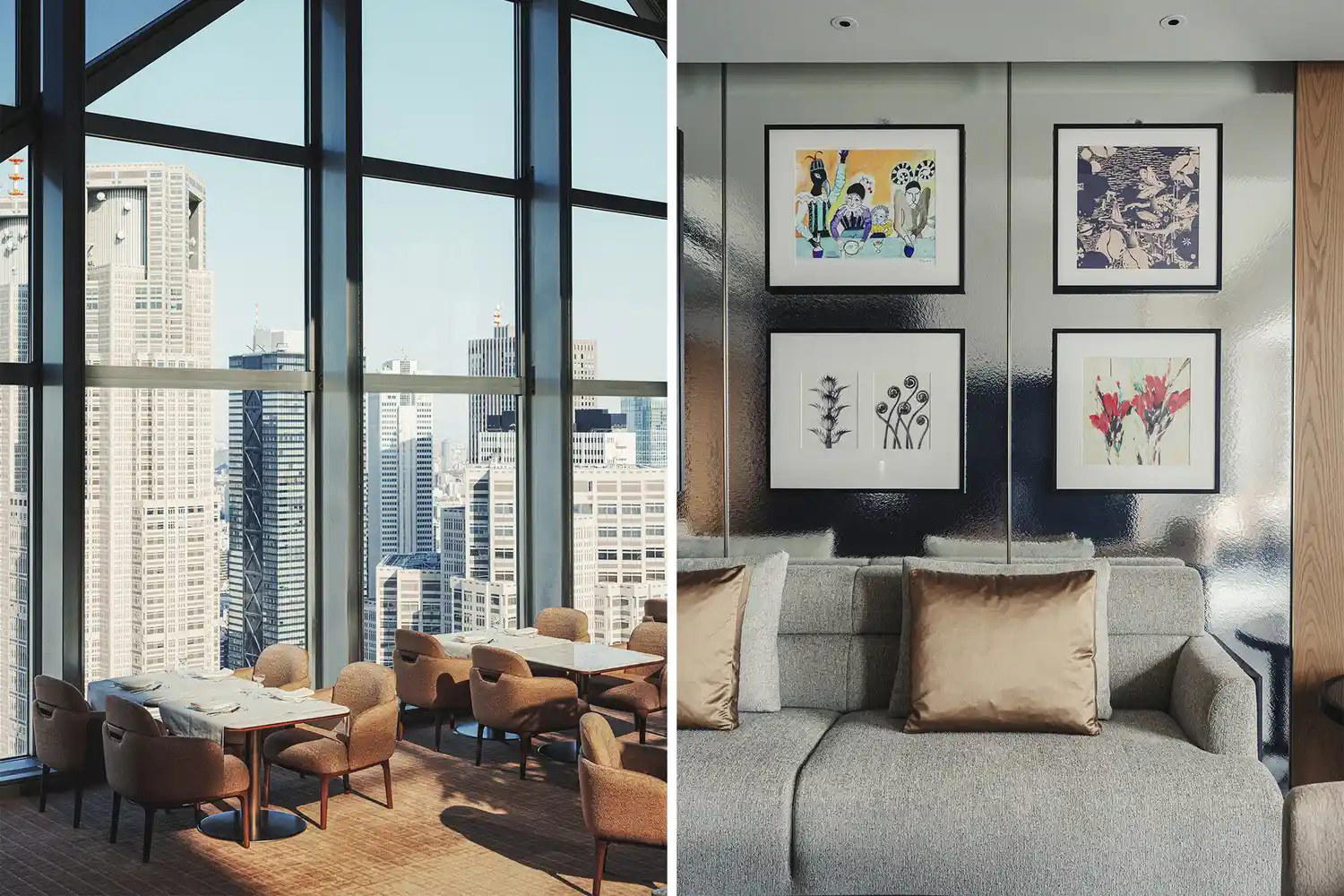
For visitors already working through Tokyo's more polished bar circuit, Golden-Gai functions as a counterweight. After a technically precise session at a Ginza cocktail counter, the shift into a six-seat room in Golden-Gai recalibrates the experience. Both forms of bar culture have their logic; neither replaces the other. Our full Tokyo bar and restaurant guide maps the wider scene if you are building a multi-evening itinerary.
Situating Golden-Gai in Japan's Smaller-Bar Tradition
The micro-bar format is not unique to Tokyo. Bee's Knees in Kyoto and Yakoboku in Kumamoto both operate in the compact, owner-led model that Golden-Gai epitomises at district scale. In Osaka, the density of small drinking rooms in neighbourhoods like Namba and Fukushima echoes the same pattern, and venues such as anchovy butter in Osaka demonstrate how the format continues to generate new iterations. Even internationally, the influence of Japanese small-bar culture reaches venues like Bar Leather Apron in Honolulu and Kyoto Tower Sando, both of which carry forward the counter-focused, host-centric format.
Golden-Gai is where that tradition is most concentrated and most exposed to its own fragility. The district has survived multiple rounds of redevelopment pressure, primarily from the early 1980s through to recent years, when land values in Shinjuku continued to rise and questions about the long-term viability of low-revenue, low-density hospitality in central Tokyo became more pressing. Its survival has depended on community organisation and cultural designation rather than commercial performance alone.
Planning a Visit
Golden-Gai is accessible on foot from Shinjuku Station's east exit, approximately a ten-minute walk through Kabukicho. The alleys run adjacent to Hanazono Shrine and are most active from early evening through to the early hours of the morning, with Friday and Saturday nights producing the highest foot traffic. No booking system governs access to the district as a whole; individual bars operate on a walk-in basis, and visiting three to four venues across a single evening is a reasonable pace. Bring cash, as many bars do not accept cards, and expect a table or seating charge at most venues in addition to drink prices. The physical conditions, steep stairs, low ceilings, limited ventilation, are worth knowing in advance.
Budget Reality Check
| Venue | Price |
|---|---|
| Shinjuku Golden-GaiThis venue — the venue you are viewing | This venue |
| Bar Benfiddich | World's 50 Best |
| Bulgari Ginza Bar | World's 50 Best |
| Star Bar Ginza | World's 50 Best |
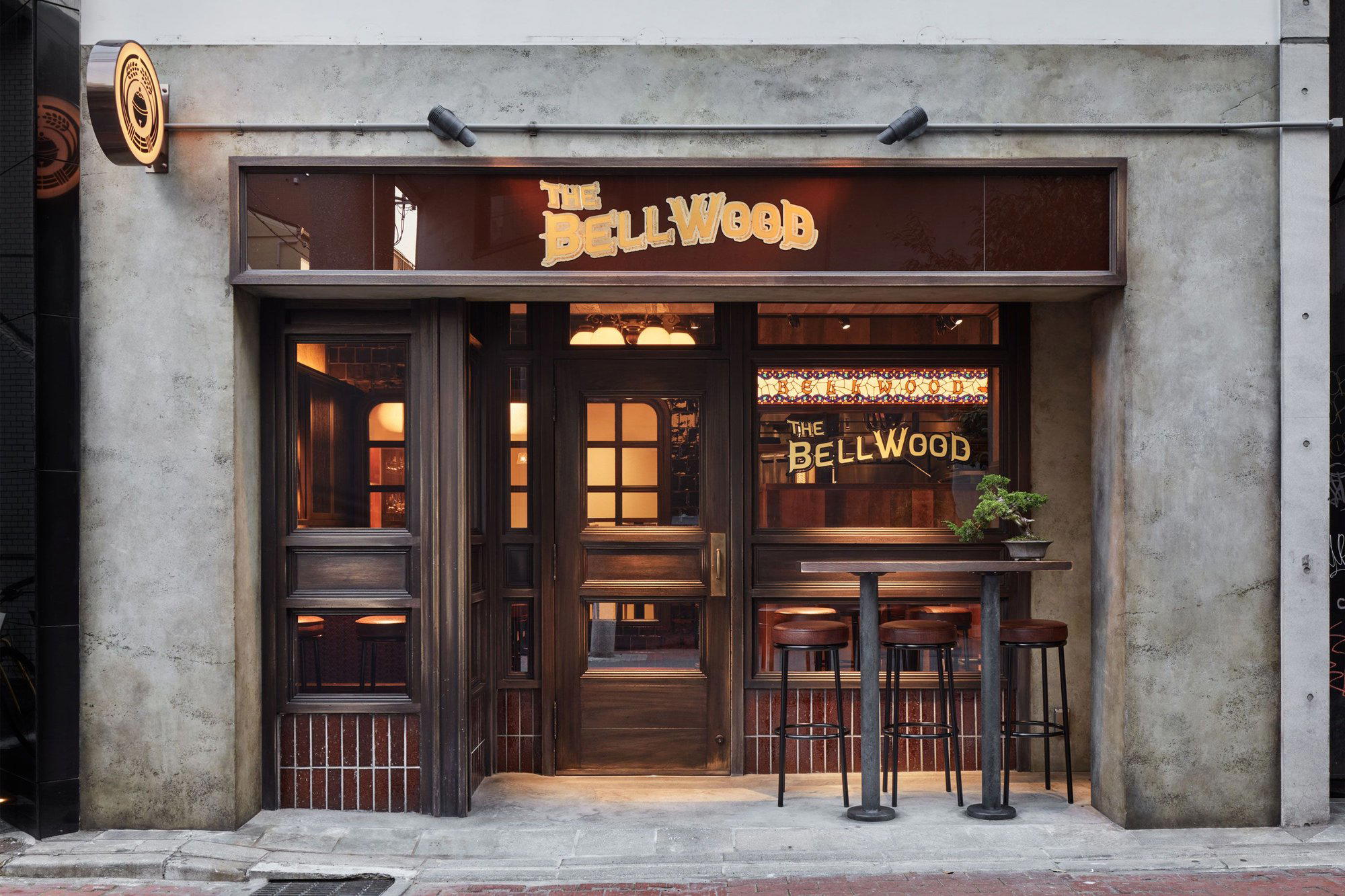
| The Bellwood | World's 50 Best |











At a Glance
- Well Known
- Intimate
- Cozy
- Trendy
- Late Night
- Casual Hangout
- Solo
- Historic Building
- Counter Only
- Standing Room
- Sake
- Whiskey
- Craft Cocktails
Current opening hours
- Monday
- Open 24 hours
- Tuesday
- Open 24 hours
- Wednesday
- Open 24 hours
- Thursday
- Open 24 hours
- Friday
- Open 24 hours
- Saturday
- Open 24 hours
- Sunday
- Open 24 hours
Hours can change for holidays and private events. Last verified .
Dimly lit, ramshackle, and atmospheric with eclectic, cozy interiors reflecting distinctive themes and subculture vibes.
Know Before You Go
- Getting there
- Japan, 〒160-0021 Tokyo, Shinjuku City, Kabukicho, 1 Chome−1−6 あかるい花園 五番街