One of the Avenue Montaigne addresses that defined Paris palace-bar culture, La Bar du Plaza Athénée earned a spot on the World's 50 Best Bars list in 2012 and continues to draw those who treat the 8th arrondissement's hotel bars as a category of their own. The room reads as an exercise in Deco grandeur, red and silver, crystal and leather, where the drink in hand is almost secondary to the setting.
Pearl is the En Primeur Club membership app — saves, bookings, and concierge access live there. Same editors, same standards.
- Address
- Hôtel Plaza Athénée, 25 Av. Montaigne, 75008 Paris
- Phone
- +33 1 53 67 66 00
- Website
- dorchestercollection.com
- Directions
- Get directions
 Saves & bookings on Pearl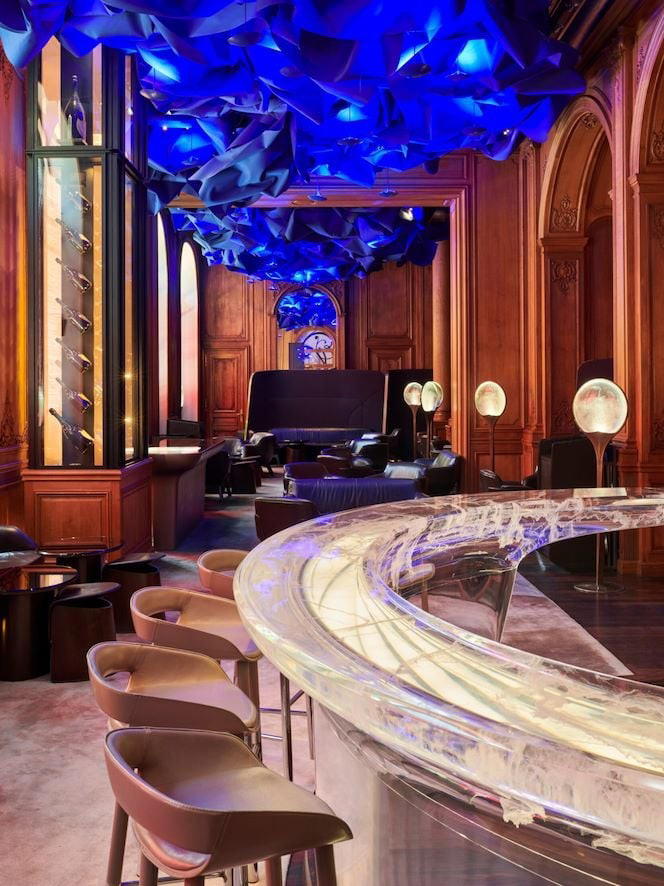
The Avenue Montaigne Standard
Paris hotel bars occupy a tier of their own in the city's drinking culture. Across the 8th arrondissement and the broader Golden Triangle, the palace hotels, those carrying the official Palace designation from the French Ministry of Tourism, have long run bars that operate less like cocktail destinations and more like social institutions. La Bar du Plaza Athénée, on Avenue Montaigne, sits inside that tradition: a room where what you order matters far less than where you are sitting and who is beside you.
That social weight is not incidental to the bar's appeal. It is the whole point. The address at 25 Avenue Montaigne places it at the centre of Paris couture geography, Dior, Valentino, and Chanel are within walking distance, and the bar has functioned accordingly for decades, drawing a clientele that treats the room as an extension of a particular kind of Parisian life rather than as a cocktail destination in the technical sense favoured by newer establishments on the Right Bank.
What the Room Actually Does
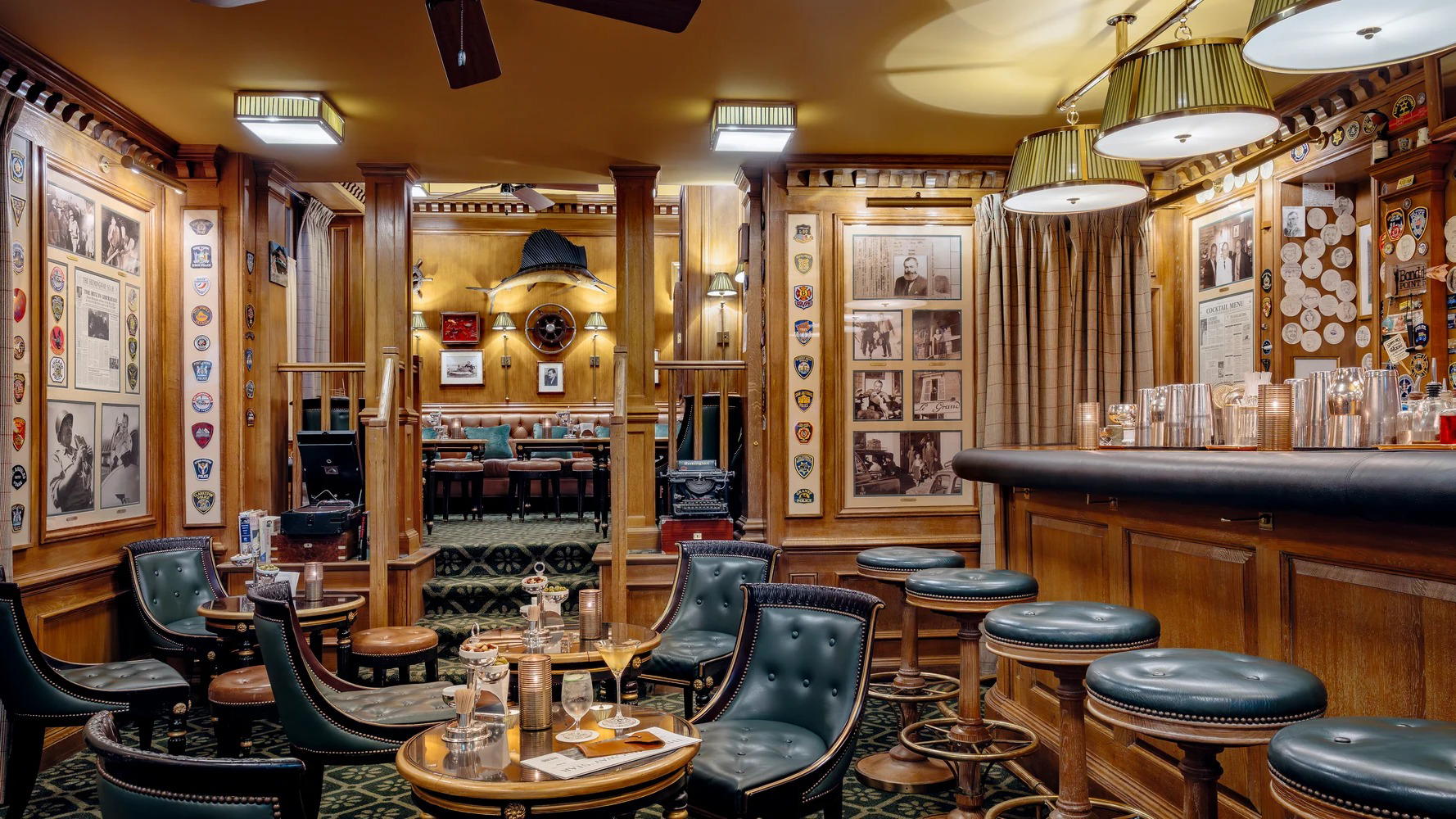
The interior of La Bar du Plaza Athénée operates in a register that newer hotel bars rarely attempt. The palette is famously red: deep crimson seating against walls hung with crystal and silver detailing, the light kept low enough that the room feels perpetually evening. This is not minimalist, and it is not trying to be. Where contemporary bar design in Paris has moved toward exposed brick and curated record collections, as at Candelaria or the technical-program style of Danico, La Bar du Plaza Athénée makes the opposite argument: that formality, when executed at this scale, is its own form of atmosphere.
The effect on entering is one of compression. The room is not vast, which concentrates the theatricality. Conversation carries differently here than in the open-plan hotel lobbies that have become common across the city's luxury properties. The seating arrangement favours intimacy over spectacle, which explains in part why the bar has retained a private clientele alongside the predictable tourist traffic that any palace-hotel address attracts.
On the question of sound: the room runs quieter than comparable hotel-bar formats, which is either a virtue or a drawback depending on what you want from the evening. For anyone who finds the high-energy production of Buddha Bar too orchestrated, the lower register of Plaza Athénée reads as the more disciplined choice.
Where It Sits in the Paris Bar Conversation
Paris's cocktail scene has splintered noticeably since the early 2010s. At one end, technically rigorous independent bars have built reputations around house-made ingredients, imported spirits programmes, and compressed tasting menus, a model that earned Candelaria and places like it serious critical attention. At the other, the palace-hotel bars retained their position not through menu innovation but through accumulated social capital and setting that cannot be replicated quickly.
La Bar du Plaza Athénée was ranked #49 on the World's 50 Best Bars list in 2012, a signal, at the time, that the format was being taken seriously by the international bar community. That placing put it inside a peer conversation that included grand hotel bars from London, New York, and Hong Kong, and it validated what regulars already understood: that this category of bar is not competing with independent cocktail operations on the same terms. The judging criteria that place a bar on the World's 50 Best list reward total experience, and the Plaza Athénée's total experience is among the more cohesive of any hotel bar in France.
The Cocktail Question
Given the room's design emphasis, the question of what to drink is less fraught than it might be at a bar where the menu is the primary editorial statement. The classic repertoire, Champagne by the glass, French spirits, long drinks built around cognac or calvados, fits the setting. Guests who arrive expecting the kind of single-origin mezcal flights or centrifuge-clarified drinks associated with the technical bar circuit will find themselves in the wrong room.
That is not a weakness in the Plaza Athénée bar's offering; it is a clarification of purpose. The bar is priced at about $55 per person, and it is broadly consistent with the experience the room delivers: accomplished without being notable on technical cocktail terms, but operating in a context where technical cocktail excellence was never the primary proposition.
Bars built around the opposite proposition, Bar Nouveau on the Paris cocktail circuit, or further afield, places like Bar Leather Apron in Honolulu, compete on entirely different metrics. Understanding which mode you are in when you walk through the Plaza Athénée's doors is most of what you need to know before you arrive.
Planning a Visit
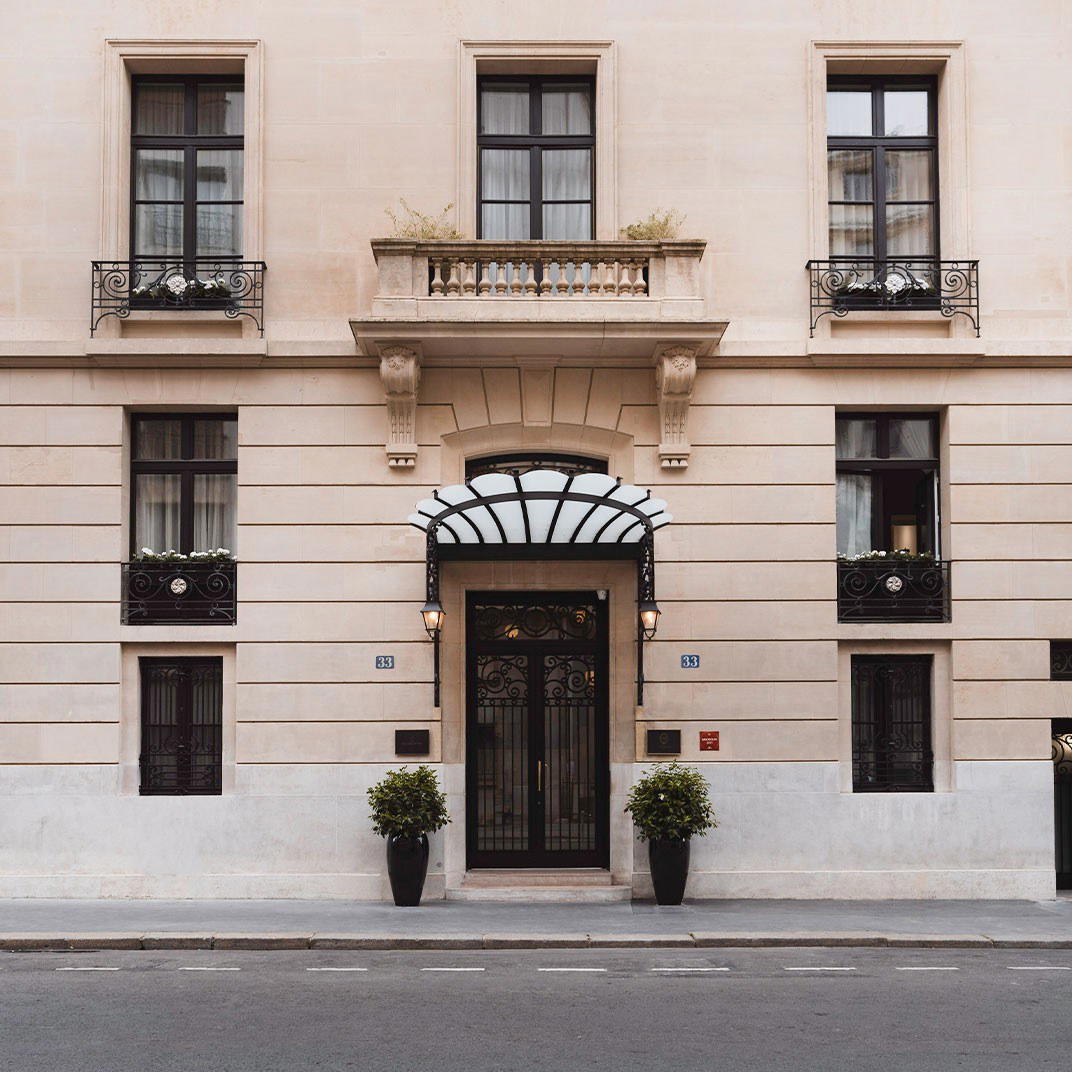
The bar sits within the Hôtel Plaza Athénée at 25 Avenue Montaigne in the 8th arrondissement.
| Venue | Format | Walk-in Access | Recognition | Price Tier |
|---|---|---|---|---|
| The bar | Palace hotel bar | Generally possible; hotel busy periods may restrict | World's 50 Best #49 (2012) | Palace hotel pricing |
| Danico | Independent cocktail bar | Walk-ins welcome, bar seating available | Strong critical press | Mid-range cocktail bar |
| Candelaria | Taqueria / hidden back bar | Front room walk-in; back bar may queue | International recognition | Accessible |
| Buddha Bar | High-volume venue bar | Walk-ins common | Brand recognition | Mid-high |
Dress code at this address follows the conventions of the 8th arrondissement's palace hotels: smart casual at minimum, with formal dress well received.
Beyond Paris
For readers whose interest in serious French bar culture extends beyond the capital, the country's regional cities have built their own distinct programmes. La Maison M. in Lyon operates in a different register entirely, as does Bar Casa Bordeaux in Bordeaux's wine-shaped drinking culture. In the south, Papa Doble in Montpellier, Coté Vin in Toulouse, and Le Café de la Fontaine in La Turbie each map to different corners of what French bar culture looks like outside the palace-hotel format. Further east, Au Brasseur in Strasbourg reflects the Alsatian tradition that sits at some distance from either the Parisian cocktail scene or the Avenue Montaigne model.
None of those addresses compete with the bar on its own terms. The palace-hotel bar format in Paris has no direct regional equivalent in France, which is precisely what makes the 8th arrondissement's cluster of palace bars a category that rewards understanding on its own terms rather than as an extension of the broader cocktail conversation.
Cuisine-First Comparison
Comparable venues nearby, for context on price, style, and recognition.
| Venue | Cuisine | Price | Awards | Notes |
|---|---|---|---|---|
| La Bar du Plaza AthénéeThis venue — the venue you are viewing | hotel_bar | $$$$ | World's 50 Best #49 | Not listed |
| Le Coq | Bar | Not listed | World's 50 Best #40 | Paris |
| Le Forum | Bar | Not listed | World's 50 Best #33 | Paris |
| Danico | cocktail_bar | $$$ | World's 50 Best #30 | Galerie Vivienne |
| Sherry Butt | cocktail_bar | $$ | World's 50 Best #43 | Le Marais |
| The Cambridge Public House | pub | $$ | World's 50 Best #19 | Le Marais |
Recognition history
Dated appearances from independent guides and award organizations, with the underlying list record or original source where available.
World's 50 Best Best Bars #49
World's 50 Best
Continue exploring
More in Paris
Bars in Paris
Browse all →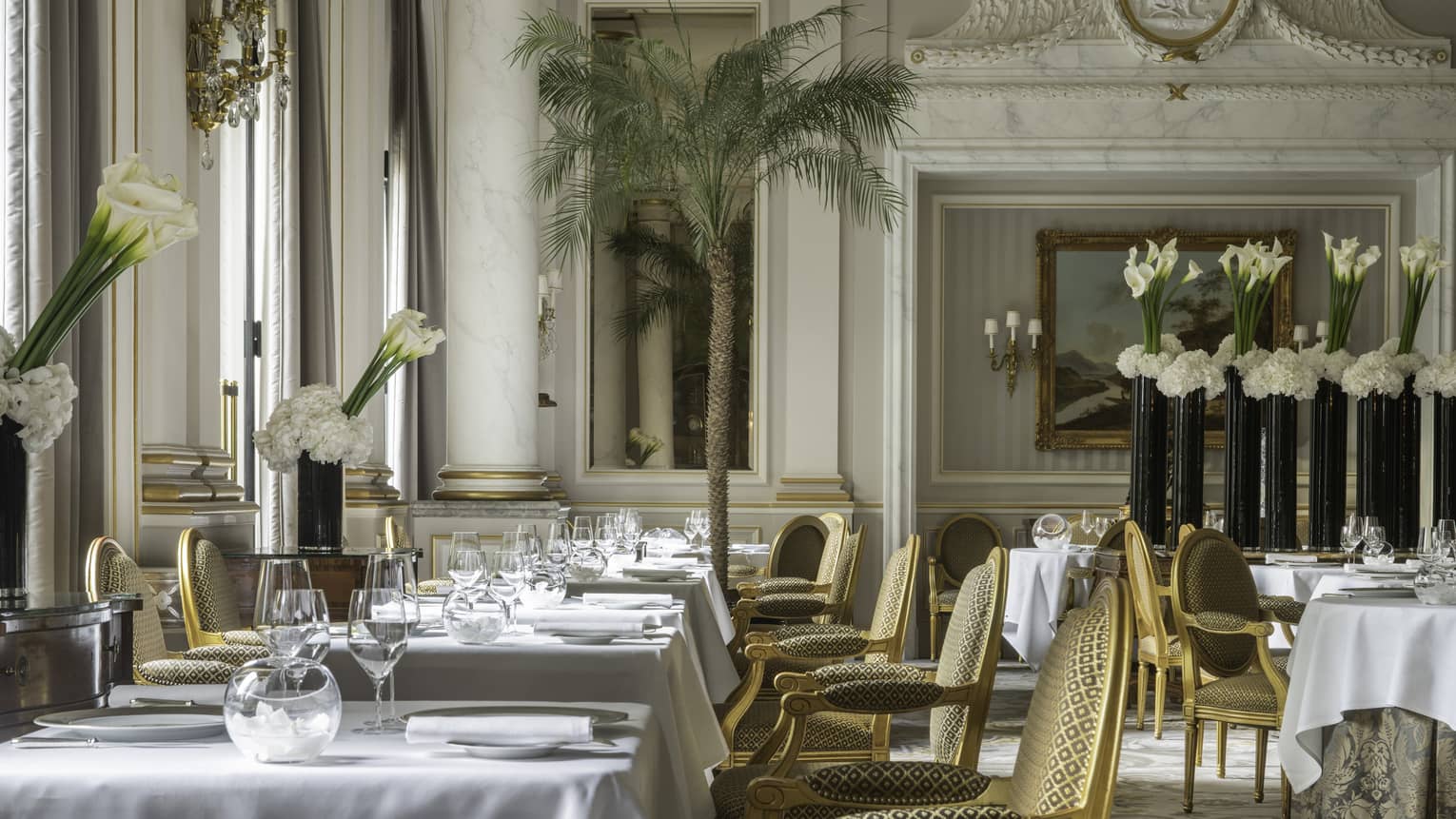
Restaurants in Paris
Browse all →
Hotels in Paris
Browse all →
At a Glance
- Elegant
- Sophisticated
- Well Known
- Lively
- Special Occasion
- Date Night
- Hotel Bar
- Design Destination
- Lounge Seating
- Seated Bar
- Craft Cocktails
- Street Scene
Dark, modern, and lively atmosphere with deep blue fabric ceiling, translucent resin bar, and upbeat contemporary music.