Ootoya - Union Square
Ootoya's Union Square location brings the Japanese teishoku tradition to one of Manhattan's most food-competitive blocks. The format centers on balanced, set-meal dining rooted in home-style Japanese cooking rather than the omakase or ramen categories that dominate New York's Japanese dining conversation. Located at 41 E 11th St, it occupies a quieter register in a neighborhood that rewards knowing where to look.
Pearl is the En Primeur Club membership app — saves, bookings, and concierge access live there. Same editors, same standards.
- Address
- 41 E 11th St, New York, NY 10003
- Phone
- +1 212 473 4300
- Website
- ootoya.us
- Directions
- Get directions
 Saves & bookings on Pearl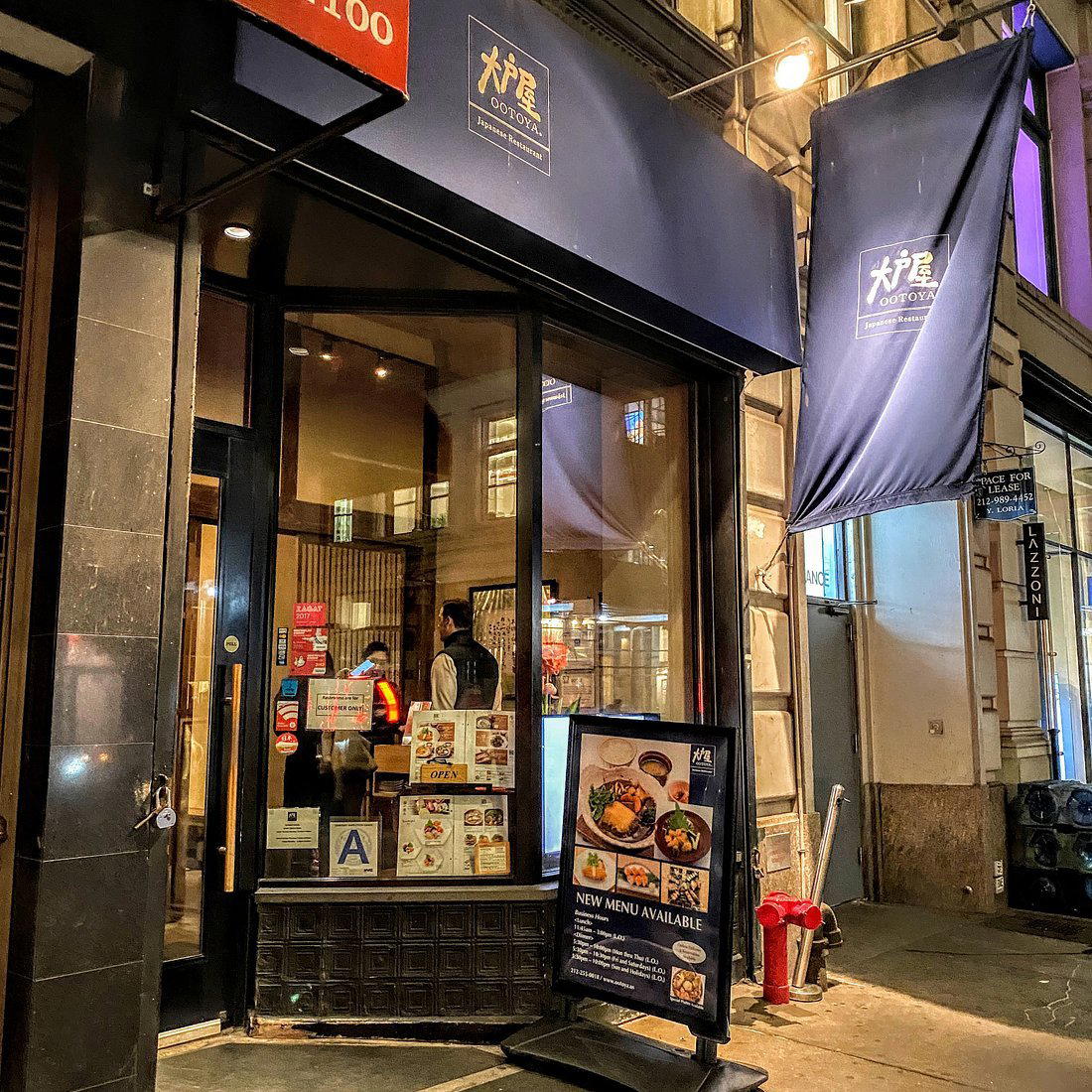
A Different Register of Japanese Dining in Union Square
Union Square sits at the intersection of several of New York's most densely contested dining corridors. The blocks radiating from the park hold everything from fast-casual chains to serious tasting-menu rooms, and the competition for attention is relentless. In that context, the teishoku format that Ootoya has built its identity around occupies a deliberately quieter frequency. Where much of New York's Japanese dining conversation runs through omakase counters, tonkotsu ramen shops, and izakaya-style drinking dens, the teishoku tradition centers on balanced set meals: a protein, rice, miso soup, and pickles assembled with the logic of a Japanese home kitchen rather than a chef's tasting progression.
That positioning has proved durable in an era when Japanese dining in the United States has fragmented into sharper specialist categories. The high end has consolidated around counter omakase — often Michelin-starred, often allocation-only. The casual end has organized around ramen, sushi burritos, and conveyor-belt formats. Teishoku sits between those poles, associated with the kind of everyday, nutritionally considered cooking that Japanese workers and families eat rather than the ceremonial or celebratory modes that tend to travel more visibly abroad.
Ootoya in New York: How the Format Evolved Here
Ootoya arrived in New York as part of a broader wave of Japanese casual-dining chains that began testing American markets in the 2010s, a period when Japanese food culture was expanding its footprint beyond sushi and ramen. The chain's Tokyo roots gave it a reference point that American diners interested in more than the obvious categories could connect to: this was the kind of food that working neighborhoods in Japan eat on weekday evenings, built around preparation technique rather than premium ingredient spectacle.
The evolution of that format in a New York context is telling. Manhattan's dining culture pressures imported formats in two directions simultaneously: toward premium repositioning (add a tasting menu, raise the price point, court the press) or toward fast-casual compression (speed up service, narrow the menu, compete on throughput). Teishoku resists both moves. The meal structure itself — multiple small components assembled with care, eaten in a particular order, doesn't accelerate cleanly into fast-casual, and the home-cooking reference point doesn't translate into the kind of luxury narrative that drives premium repositioning. Ootoya's Union Square outpost has largely held its format rather than drifting toward either pole, which in itself represents a kind of editorial commitment in a city that tends to push every imported concept toward one extreme or the other.
For context on how New York's broader Japanese and Asian dining scene has developed across different boroughs and neighborhoods, the EP Club New York City guide maps the relevant patterns across cuisine types and price tiers.
The Teishoku Tradition and What It Signals to Diners
Understanding what Ootoya is selling requires a brief detour into what teishoku actually means as a dining structure. Unlike omakase, which transfers all decision-making to the chef, or à la carte dining, which puts every choice on the customer, teishoku operates as a pre-composed meal set. The logic is nutritional balance as much as culinary ambition: proteins are grilled, simmered, or fried; rice is a structural component rather than a side; miso soup functions as a palate anchor; and pickles provide acidity and contrast. It is a format designed around eating well every day rather than eating memorably on occasion.
That distinction matters when assessing how Ootoya fits into Union Square's competitive set. The immediate neighbors in the neighborhood's dining scene skew toward formats that require a decision framework, what cuisine, what price tier, how long a meal. Teishoku simplifies that decision to a single protein choice, then handles the rest. For a lunchtime crowd or an early dinner diner who wants a complete, considered meal without building it from components, that clarity has genuine value.
New York's bar scene, which often overlaps with the post-dinner or pre-dinner window that casual Japanese dining also targets, has developed its own parallel sophistication. Spots like Angel's Share in the East Village have long held a connection to Japanese bar culture, while Amor y Amargo and Attaboy NYC represent the technical cocktail tier that has grown alongside the city's more serious dining infrastructure. Superbueno extends that conversation into Latin-inflected formats. The point is that Union Square and its surrounding neighborhoods support diners who think carefully about where they eat and drink, which is precisely the audience that a well-executed teishoku format can hold.
Comparable formats have found footholds in other American cities with serious food cultures. Kumiko in Chicago has built recognition around Japanese culinary reference points applied to a bar context. Bar Leather Apron in Honolulu works within a Pacific-influenced framework. Jewel of the South in New Orleans, Julep in Houston, ABV in San Francisco, and Allegory in Washington, D.C. each demonstrate how specific regional food cultures develop their own sophisticated casual tier alongside the premium one. The Parlour in Frankfurt offers a European reference point for how transplanted formats hold their identity in competitive markets. In each case, what survives is the format with the clearest identity, not the one that tried to become something else.
Planning Your Visit
Ootoya Union Square is located at 41 E 11th St, New York, NY 10003, a short walk from the Union Square subway hub (4/5/6/L/N/Q/R lines), which makes it accessible from most Manhattan neighborhoods without much logistical friction. The address puts it close to the southern edge of the Flatiron district and within easy reach of Greenwich Village. Dress: No dress code applies; the format is designed for everyday dining.
Continue exploring
More in New York City
Bars in New York City
Browse all →
Restaurants in New York City
Browse all →
Hotels in New York City
Browse all →





At a Glance
- Modern
- Minimalist
- Intimate
- Date Night
- Casual Hangout
- Standalone
- Seated Bar
- Counter Only
- Sake
Current opening hours
- Monday
- 11:30 AM–2:30 PM, 5:30–9 PM
- Tuesday
- 11:30 AM–2:30 PM, 5:30–9 PM
- Wednesday
- 11:30 AM–2:30 PM, 5:30–9 PM
- Thursday
- 11:30 AM–2:30 PM, 5:30–9 PM
- Friday
- 11:30 AM–2:30 PM, 5:30–9 PM
- Saturday
- 11:30 AM–2:30 PM, 5:30–9 PM
- Sunday
- 11:30 AM–2:30 PM, 5:30–9 PM
Hours can change for holidays and private events. Last verified .
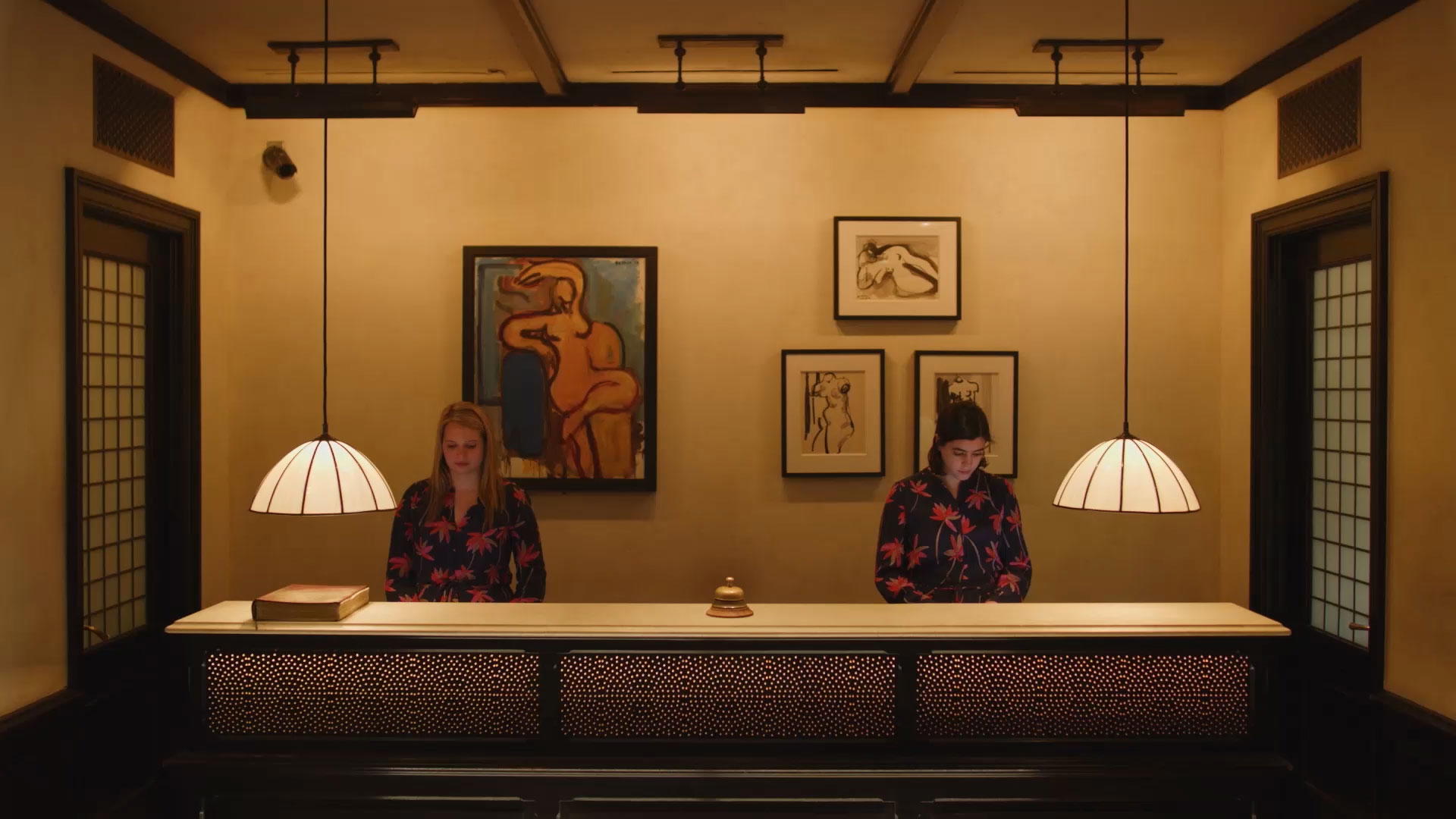
Dark, simple, and minimalist decor with an intimate bar seating area and polite Japanese service.
Know Before You Go
- Getting there
- 41 E 11th St, New York, NY 10003