Cafe Erzulie
Cafe Erzulie occupies a distinct position in Brooklyn's evolving Caribbean dining scene, drawing on Haitian culinary tradition at an address on Broadway in Bushwick. The kitchen works at the intersection of diaspora cooking and technique-driven preparation, placing it within a wider New York conversation about how immigrant food cultures translate into contemporary restaurant formats.

Pearl is the En Primeur Club membership app, where members save venues, book tables and use the concierge.

Broadway, Bushwick, and the Weight of Caribbean Tradition
Broadway in Bushwick carries a particular charge for Brooklyn's dining scene. The corridor has absorbed successive waves of culinary ambition without losing the neighbourhood textures that drew those kitchens here in the first place. On that stretch, Cafe Erzulie positions itself within a New York tradition that has become increasingly visible over the past decade: diaspora cooking that refuses to treat its origins as a starting point to move away from. Haitian cuisine, long underrepresented at the level of full-service restaurants in New York, finds a serious address here at 894 Broadway.
The name Erzulie references one of the most complex figures in Haitian Vodou, a spirit associated with love, beauty, and the sacred, a choice that signals cultural specificity rather than a generalised Caribbean softening. That specificity runs through everything a place named this way implies about its culinary identity.
Haitian Cooking in the Broader New York Frame
New York's Caribbean restaurant tier has historically split between casual lunch counters serving a neighbourhood clientele and upscale pan-Caribbean formats that dilute specificity in favour of broader accessibility. Cafe Erzulie operates in a different register: a Haitian-focused kitchen on a Brooklyn street that has attracted enough attention to pull diners from across the boroughs. That positioning matters because it reflects a wider shift in how diaspora cuisines are being received, curated, and discussed in American food media.
The comparison set for a place like this is not straightforwardly drawn. It shares an interest in technique and sourcing with Brooklyn's ingredient-led kitchens, but its reference points are Jacmel and Port-au-Prince rather than Copenhagen or Kyoto. The editorial question worth asking is how it handles the intersection of those two worlds: whether the global technique framework sharpens the traditional flavours or flattens them. The evidence, based on what the venue's address and cultural positioning suggest, points toward a kitchen that treats Haitian ingredients and preparations as the fixed point, with technique brought in to serve the tradition rather than reframe it.
Local Ingredients, Global Method
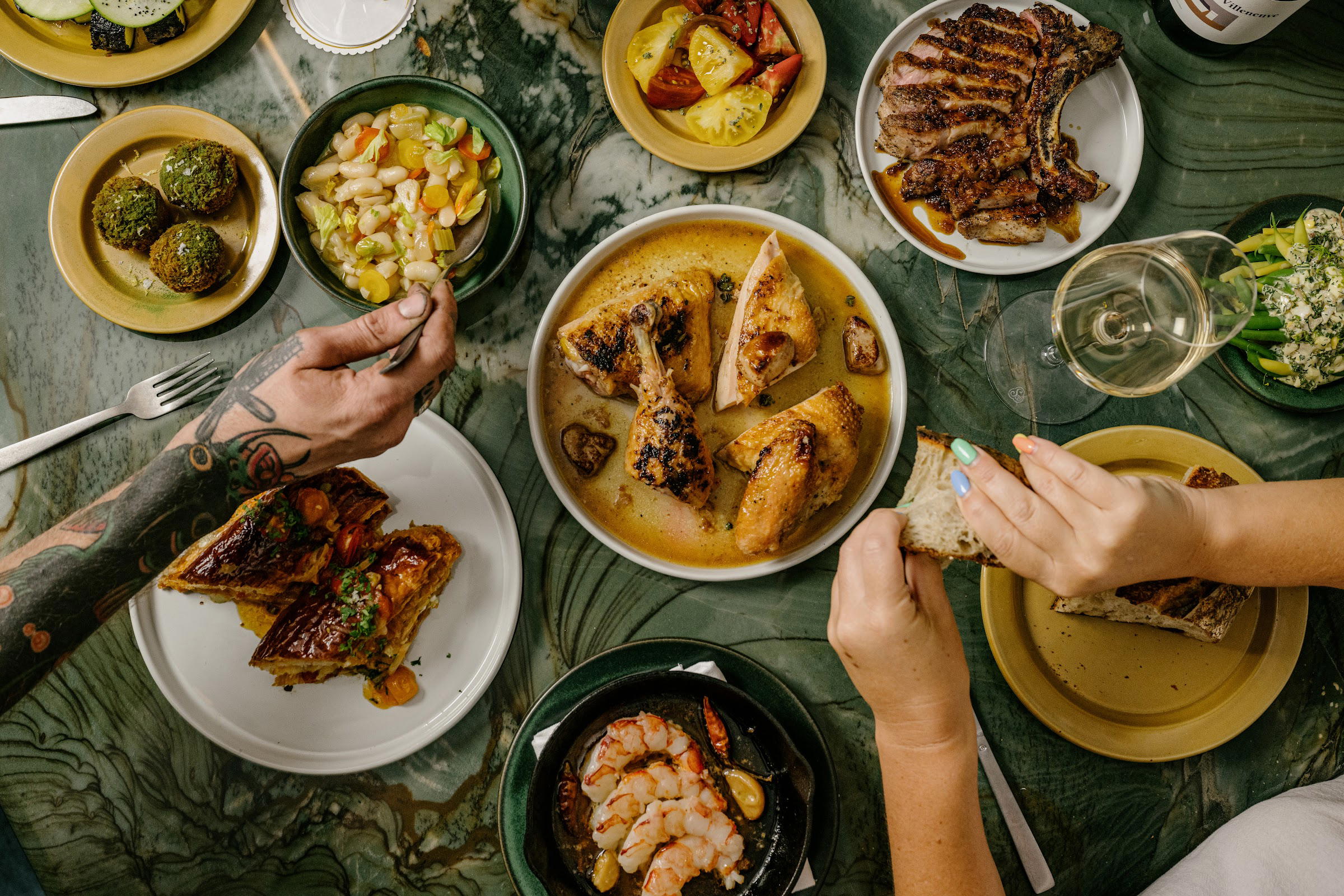
The editorial angle that defines serious diaspora kitchens in New York right now is not fusion in the old sense. It is something closer to repatriation: bringing professional kitchen discipline back to cooking traditions that were always technically complex but rarely given the staging those techniques deserve. Haitian cuisine has a particularly rich base to work from. Epis, the aromatic paste built from scotch bonnet, bell pepper, garlic, and herbs that underlies much of the cooking, is as structurally sophisticated as any European mirepoix. Dishes built on pikliz, legim, and griot involve layering acidity, heat, and slow-cooked depth in ways that reward the same close attention any serious kitchen gives its core preparations.
When that foundation meets the discipline of a restaurant that has built a following in one of New York's most competitive dining neighbourhoods, the result is a category of cooking that belongs neither to the casual Caribbean counter nor to the pan-global tasting menu circuit. It occupies a position that a growing number of diners are actively seeking out: specificity at a professional level, without the cultural flattening that comes with scaling a cuisine for a mass audience.
For context on how this kind of format plays across American cities, it is worth noting that cocktail bars in cities like New Orleans and Houston have developed analogous approaches to local ingredient use and technical ambition. Jewel of the South in New Orleans and Julep in Houston both represent the version of that argument in drinks. In dining, the parallel is happening at restaurant level, and Brooklyn is one of the cities where it is most visible.
The Brooklyn Context
Bushwick and the surrounding Broadway corridor have attracted kitchens that operate with a particular independence from Manhattan's critical machinery. That distance is not geographic isolation, it is an editorial posture. The restaurants that take root here tend to be more interested in building a neighbourhood conversation than in competing for the attention of the Midtown expense-account circuit. For Haitian cuisine specifically, that environment is more permissive: a kitchen can price to its community, pace itself to its own seasonal logic, and develop a regulars base before it becomes a destination for diners arriving from elsewhere.
New York's Caribbean diaspora is concentrated in Brooklyn in ways that give a kitchen like Cafe Erzulie a different kind of authority than it would have in a more ethnically diffuse neighbourhood. It exists in proximity to the community whose cooking it represents, which changes the dynamic of how it is received and how it develops over time. That grounding is one of the things that separates it from Caribbean-inflected restaurants operating in more tourist-facing Manhattan settings.
For a broader map of what New York's restaurant scene offers across neighbourhoods and cuisines, our full New York City restaurants guide covers the range. For cocktail bars that reflect comparable ambition and specificity, Superbueno and Amor y Amargo represent the city's technically serious end of the drinks conversation, while Angel's Share and Attaboy NYC hold their own distinct positions in the broader bar tier. Further afield, Kumiko in Chicago, ABV in San Francisco, Allegory in Washington, D.C., and Bar Leather Apron in Honolulu each demonstrate how technique-led formats translate across American cities. Internationally, The Parlour in Frankfurt on the Main shows the same argument being made in a European context.
Planning Your Visit
Cafe Erzulie is located at 894 Broadway, Brooklyn, NY 11206, in the Bushwick neighbourhood. Given the venue's profile and the dining patterns of comparable Brooklyn addresses, booking ahead is advisable, particularly on weekends when neighbourhood foot traffic from both local and destination diners peaks. The Broadway corridor is accessible by subway, with multiple lines serving the broader Bushwick area.
Address: 894 Broadway, Brooklyn, NY 11206.
Comparable Venues
Comparable venues nearby, for context on price, style, and recognition.
| Venue | Cuisine | Price | Notes |
|---|---|---|---|
| Cafe ErzulieThis venue (the venue you are viewing) | cocktail_bar | $20–30 | Not listed |
| Sauced | wine_bar | $20–30 | East Village |
| Banter NYC | sports_bar | $10–20 | Greenwich Village |
| Two Hands | cocktail_bar | $20–30 | Tribeca-Civic Center |
| Sendo | Bar | $30–50 | Midtown South-Flatiron-Union Square |
| Café Kitsuné West Village | wine_bar | Not listed | West Village |
Continue exploring
More in New York City
Bars in New York City
All bars in New York City →
Restaurants in New York City
All restaurants in New York City →



Cafe Erzulie
The drinks
- Craft cocktails
Signature drinks: Summer Sorrel, Smokey Palomas.
Details
- Whimsical
- Cozy
- Trendy
- Energetic
- Bohemian
- Date Night
- Late Night
- Group Outing
- Celebration
- Live Music
- Garden
- Courtyard
- Lounge Seating
- Outdoor Terrace
- Craft Cocktails
- Garden
Current opening hours
- Monday
- Closed
- Tuesday
- Closed
- Wednesday
- 7–11 PM
- Thursday
- 7 PM–2 AM
- Friday
- 7 PM–4 AM
- Saturday
- 4 PM–4 AM
- Sunday
- 4–11 PM
Hours can change for holidays and private events. Hours as of .
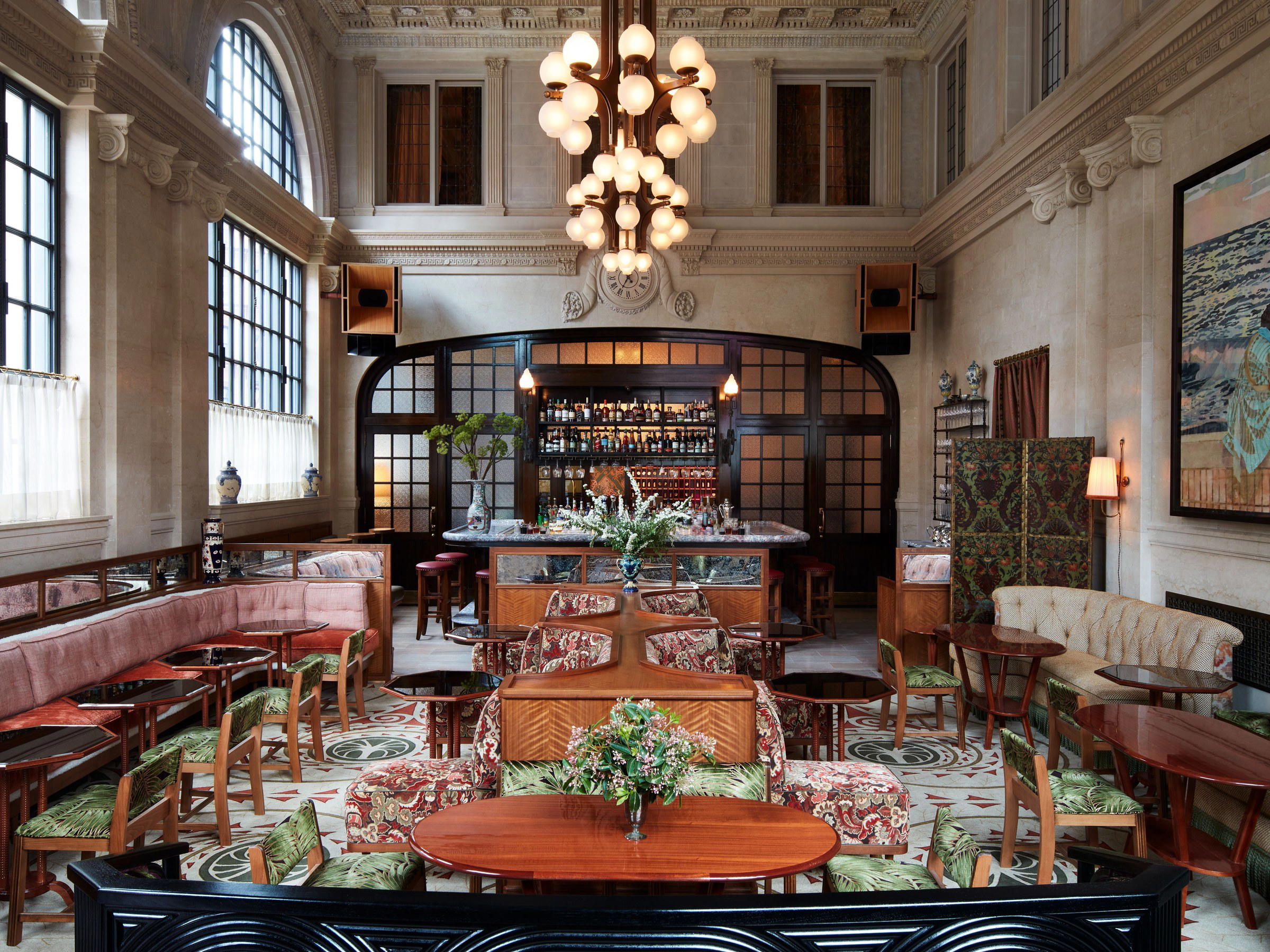
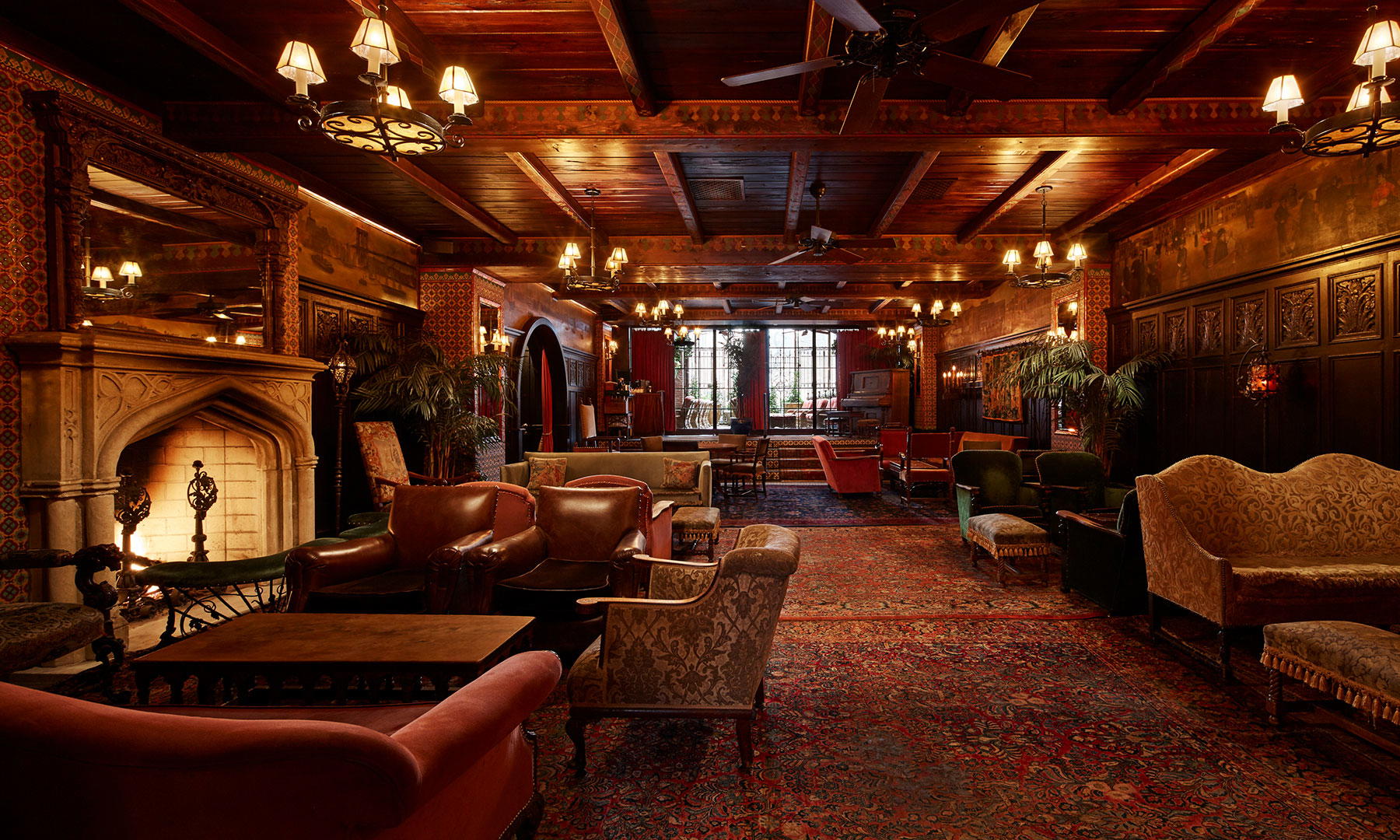
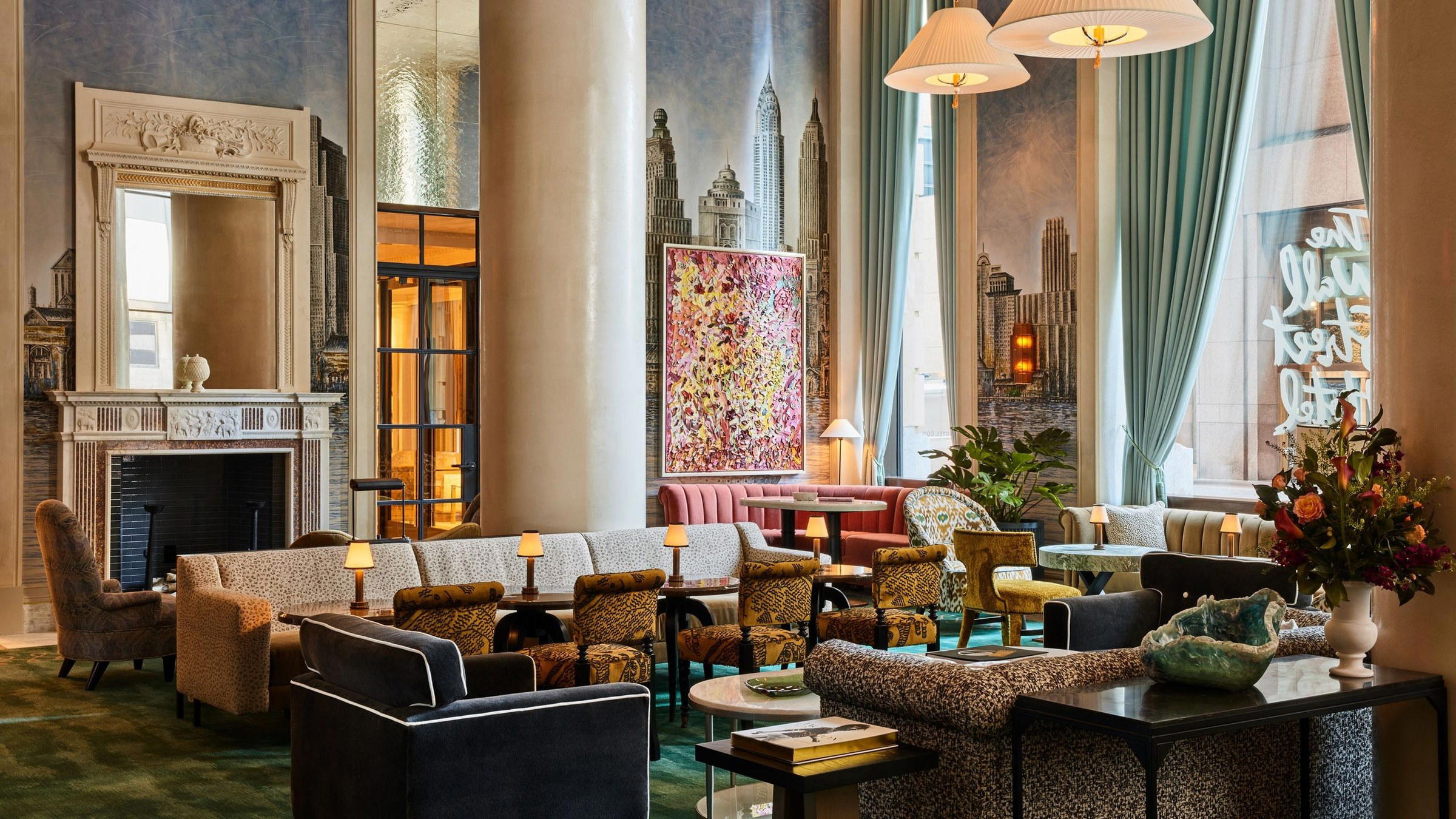
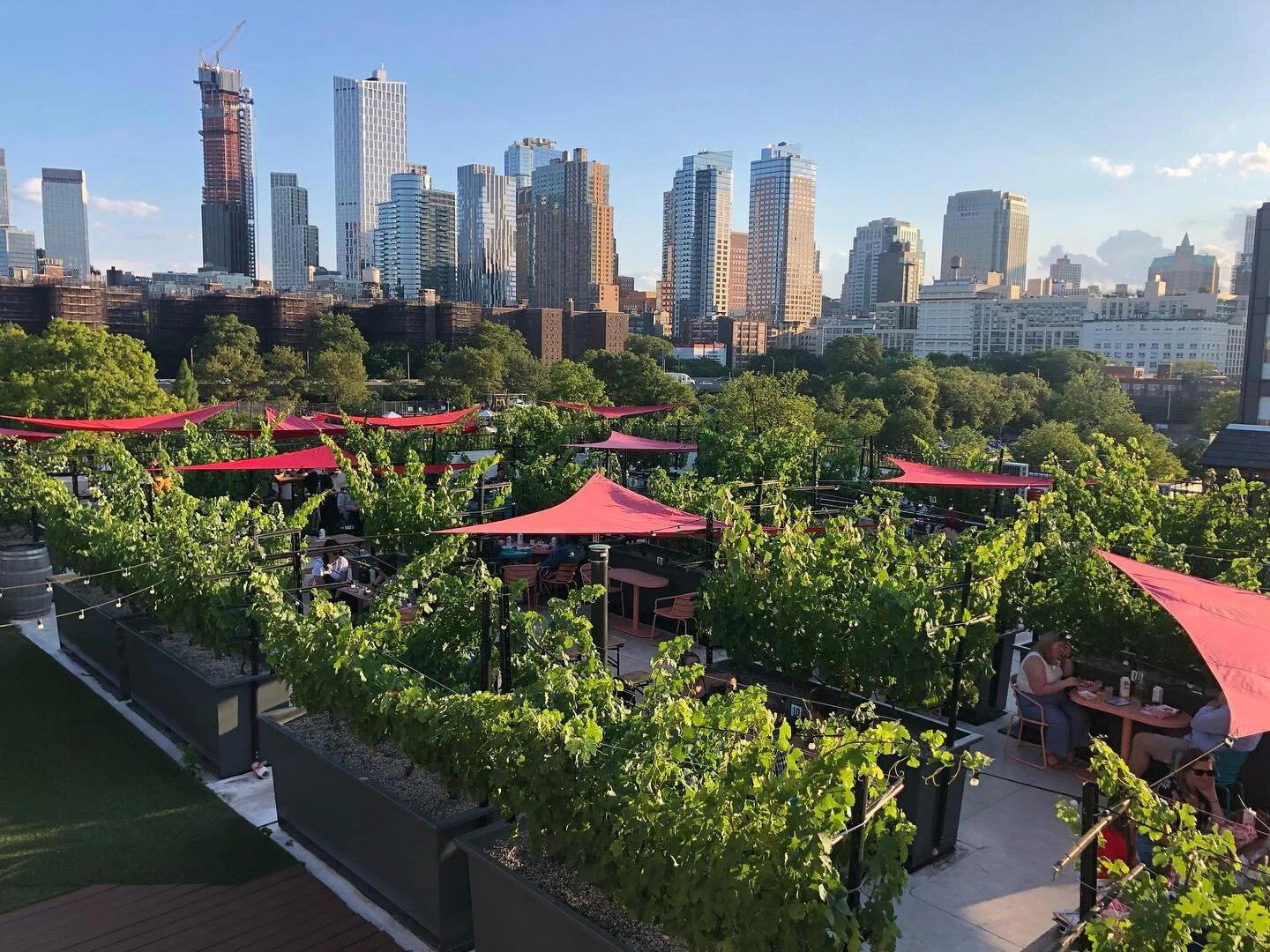
Candy-colored tropical oasis with enchanting vibes, lush backyard garden, and lively atmosphere blending Haitian culture and Brooklyn energy.