Hudson Clearwater
Hudson Clearwater occupies a discreet position on Hudson Street in the West Village, where the neighborhood's residential grain and long-standing preference for ingredient-led cooking inform a room that rewards repeat visits. The bar program and kitchen operate within a tradition of sourcing that has defined this corner of Lower Manhattan for years. Reservations are advisable, particularly on weekends.
Pearl is the En Primeur Club membership app — saves, bookings, and concierge access live there. Same editors, same standards.
- Address
- 447 Hudson St, New York, NY 10014
- Phone
- +1 212 989 3255
- Website
- hudsonclearwater.com
- Directions
- Get directions
 Saves & bookings on Pearl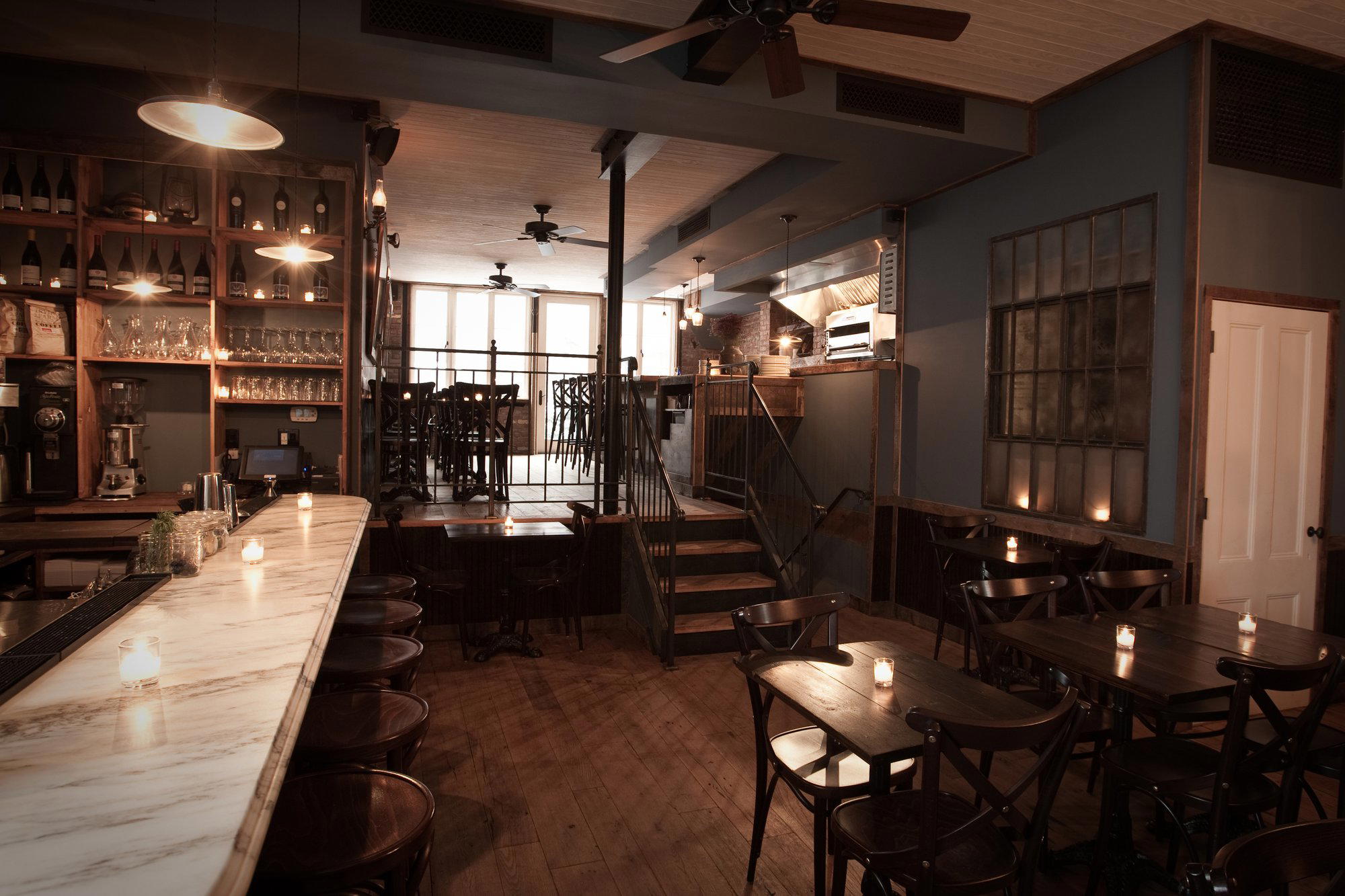
Where the West Village Sets Its Sourcing Standard
The West Village has a particular relationship with provenance. Before farm-to-table became a phrase deployed in press releases, the blocks around Hudson Street were already operating on the assumption that what arrives in the kitchen matters as much as what leaves it. The neighborhood's compressed grid of townhouses and converted carriage buildings attracted a specific kind of operator: one who understood that a room of twelve tables carries obligations the large Midtown dining halls do not. Hudson Clearwater, at 447 Hudson St, sits inside that tradition rather than alongside it.
Approaching from the Hudson Street end, the building reads more residential than commercial, which is the West Village's enduring talent: absorbing restaurants into the fabric of the block so that the transition from street to dining room feels less like entering an institution and more like arriving somewhere. That permeability between neighborhood and interior is not accidental. It has shaped the dining culture of this zip code for decades, producing places where the sourcing conversation happens quietly, between the kitchen and the guest, rather than on a billboard above the bar.
The Sourcing Logic Behind West Village Kitchens
Ingredient sourcing in the West Village operates differently from the wholesale-driven model that sustains higher-volume restaurants in other parts of Manhattan. The smaller kitchens along this stretch have, over time, built relationships with regional producers whose output is too limited for larger operations. That constraint becomes an advantage: the menu changes because the supply changes, not because a marketing calendar demands it. Dishes reflect what arrived from upstate farms or day-boat fishing operations rather than what a national distributor had in abundance.
The difference is emphasis: the West Village format tends toward restraint in presentation, letting the sourcing do the arguing rather than dressing it up in architectural plating. A piece of fish that has traveled fewer miles needs less on the plate with it.
The Room and What It Asks of You
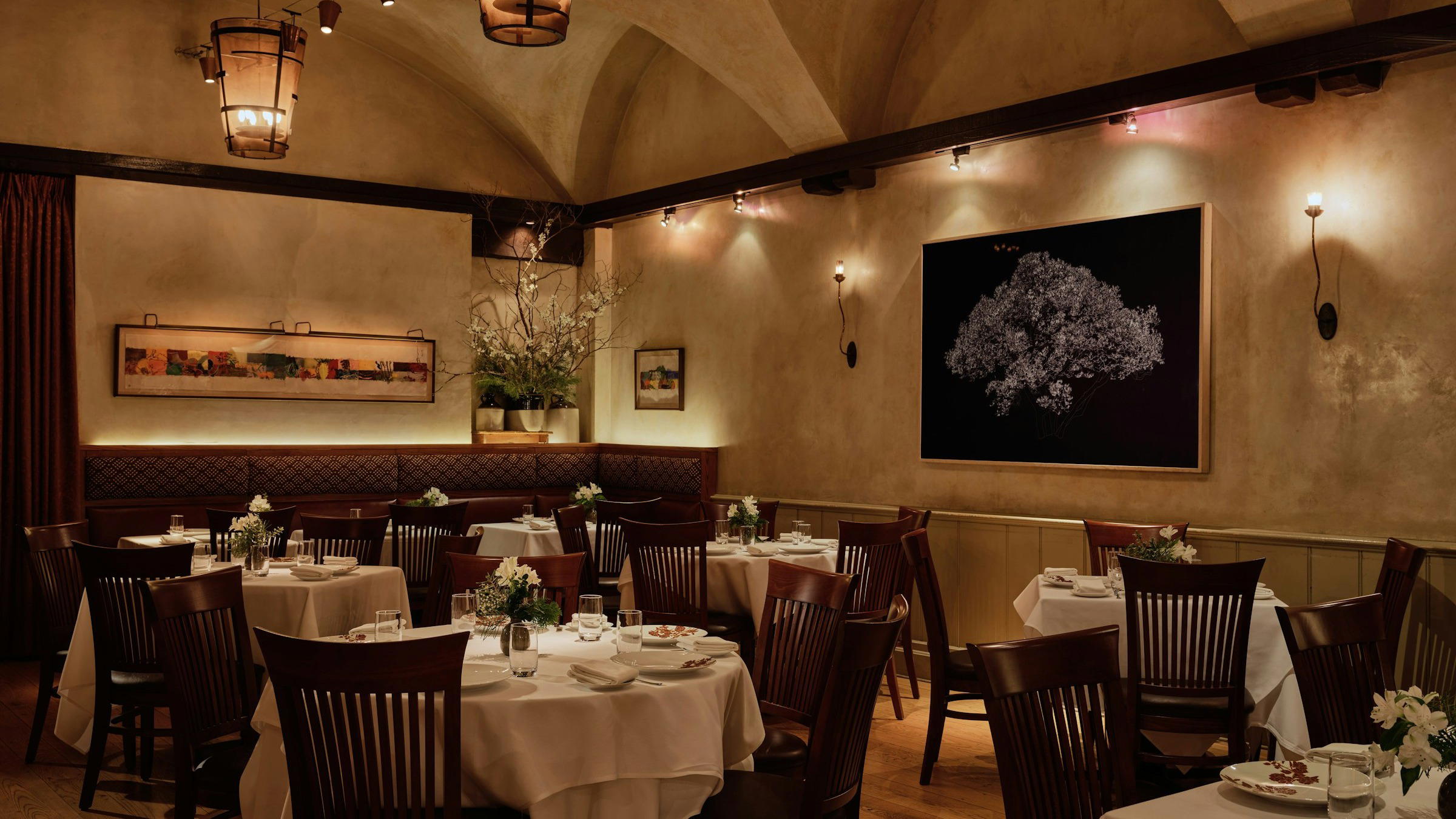
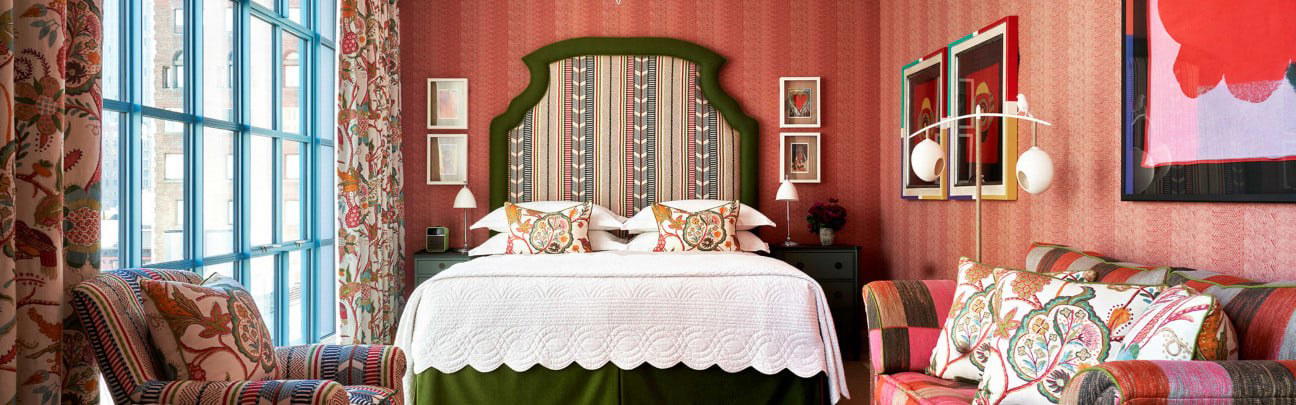
The interior at Hudson Clearwater is compact in the way that earns the word rather than apologizes for it. West Village dining rooms of this scale create a specific social contract: proximity is unavoidable, so the cooking has to justify the closeness. When the sourcing is right, it does. Shared plates at this density feel collaborative rather than crowded. The room rewards the kind of attention that larger, louder spaces make difficult.
The bar program belongs to the same tradition of considered ingredient use that defines the kitchen. New York's cocktail scene has moved away from novelty theatrics toward programs built on technical precision and sourced ingredients, and the bars in this part of the city have generally led that transition. For reference points across the city's current cocktail spectrum, Amor y Amargo in the East Village runs a bitters-forward program that represents one end of that technical axis, while Attaboy NYC on the Lower East Side operates a no-menu format built entirely around the guest's brief. Angel's Share in the East Village brings a Japanese-influenced precision to its glassware and technique. Hudson Clearwater's bar sits within that broader city pattern, prioritizing quality of base spirit and seasonal modifier over performance.
For those mapping ingredient-led bar programs beyond New York, the pattern repeats in different registers: Kumiko in Chicago applies Japanese technique to American spirits with similar sourcing discipline, while ABV in San Francisco and Jewel of the South in New Orleans both anchor their programs in locally sourced and historically grounded ingredients. Bar Leather Apron in Honolulu, Julep in Houston, and Allegory in Washington, D.C. extend the same principle into their respective markets. Across the Atlantic, The Parlour in Frankfurt on the Main represents the European iteration of this sourcing-first cocktail philosophy. And back in New York, Superbueno in the East Village demonstrates how a tightly edited Latin spirits program can carry the same logic into a different flavor tradition.
Timing and Practical Notes
The West Village empties and fills on a rhythm that differs from Manhattan's more tourist-heavy corridors. Weekday evenings move at a pace that accommodates conversation; weekends compress the room and the bar. Reservations are the sensible approach for dinner, particularly Thursday through Saturday, when Hudson Street's restaurants fill from the neighborhood outward. The block between Christopher and Barrow Streets sees consistent foot traffic on warm evenings, so arriving slightly before your reservation time allows you to settle into the neighborhood rather than rush into the room.
For those building a full West Village evening, the walk north toward the Meatpacking District or south toward the Holland Tunnel area provides context for how this stretch of Hudson Street maintains its residential character despite the density of restaurant operations. The block's low-rise scale keeps noise levels manageable and the sight lines human, which is part of why the sourcing conversation that defines these kitchens feels credible here in a way it might not in a glass tower dining room four miles uptown.
For a broader orientation to what New York's restaurant scene offers across neighborhoods and price tiers, the full New York City restaurants guide maps the current state of the market with enough specificity to plan around your priorities rather than defaulting to reputation alone.
Continue exploring
More in New York City
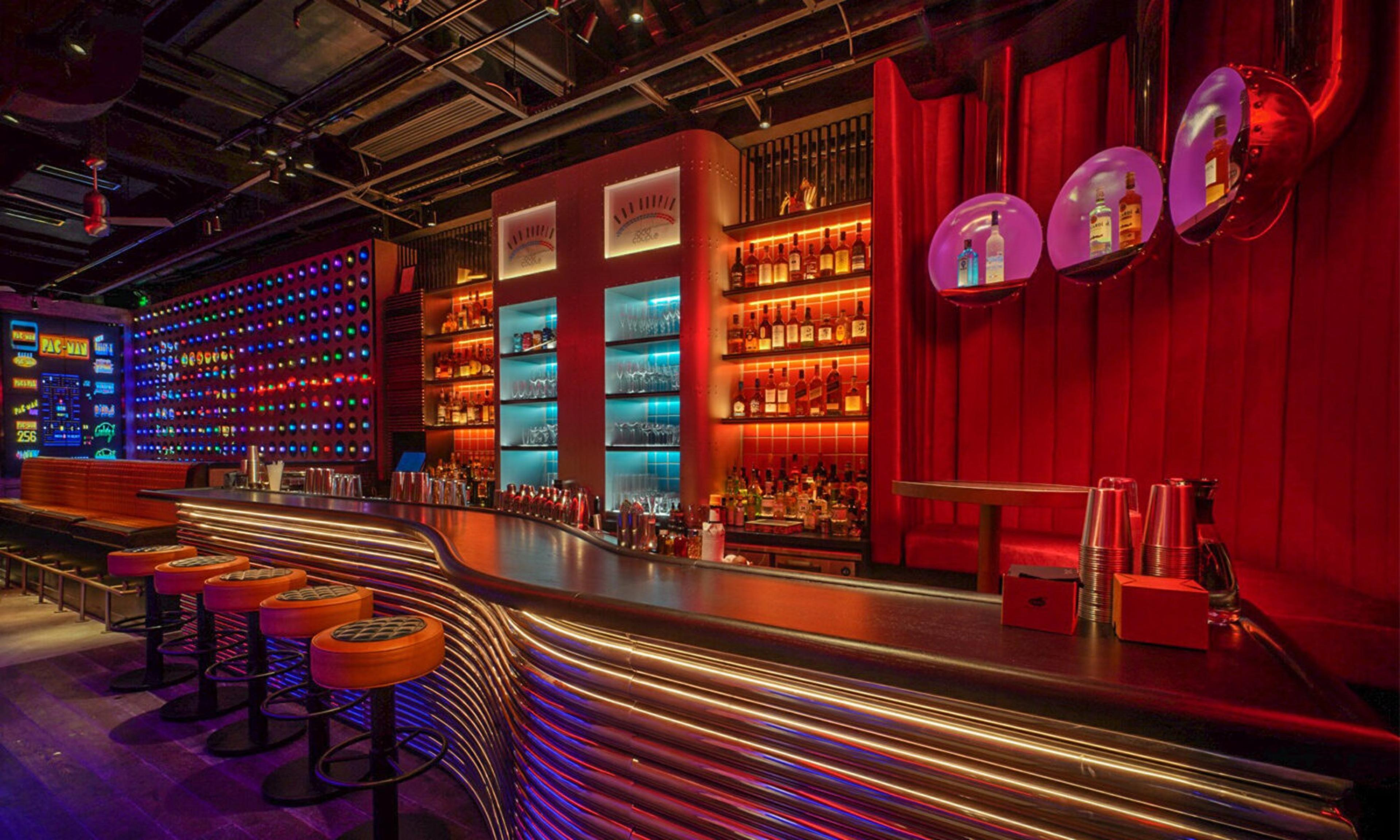
Bars in New York City
Browse all →
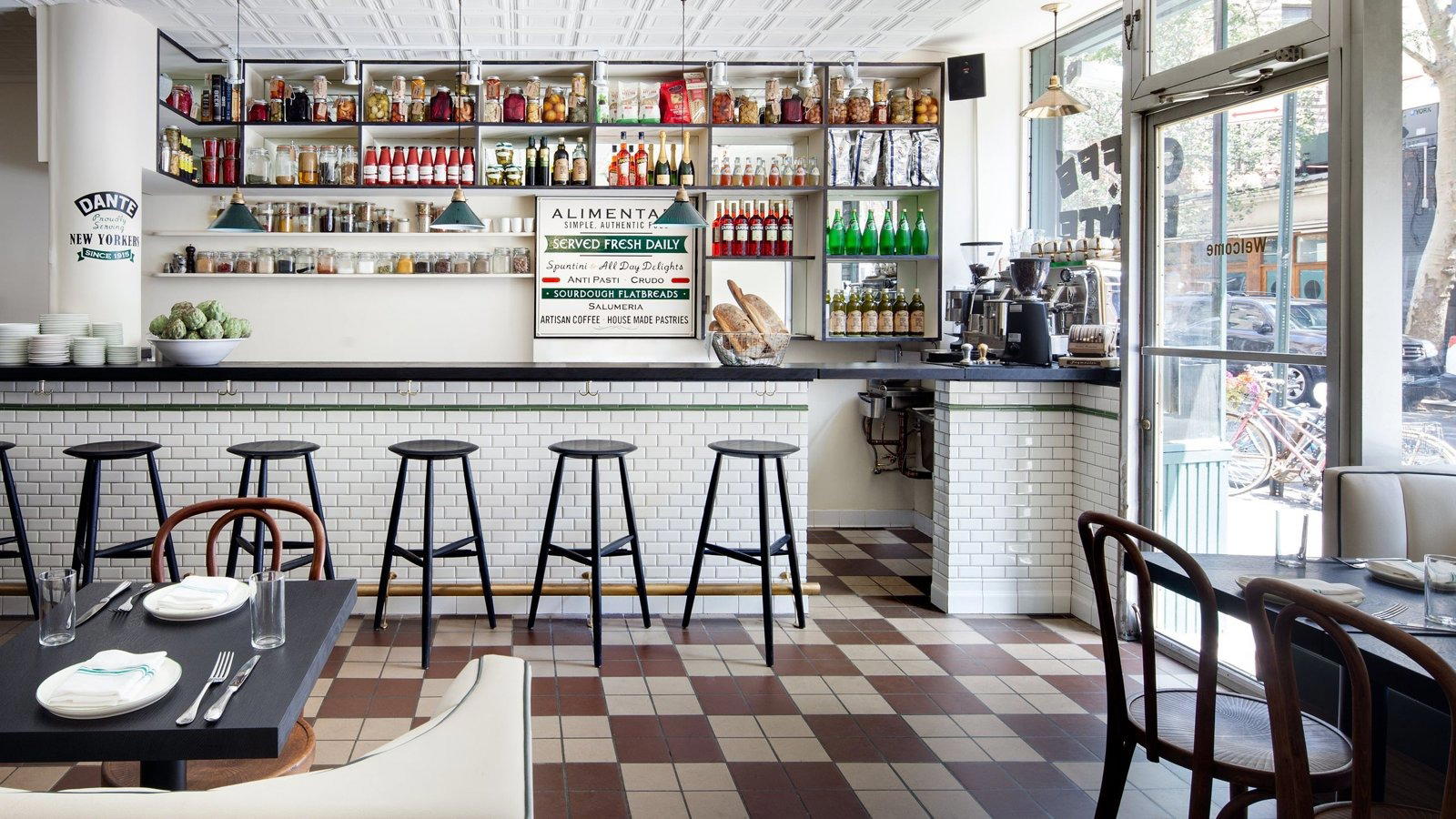
Restaurants in New York City
Browse all →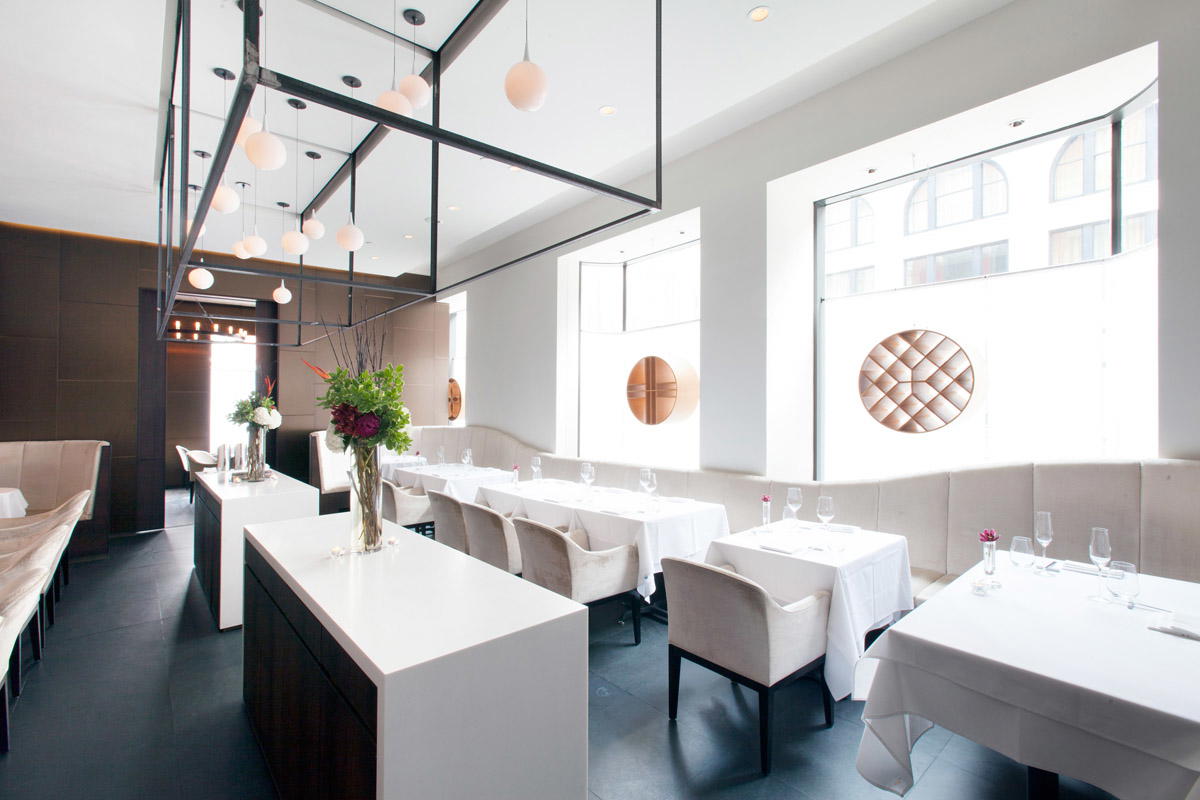
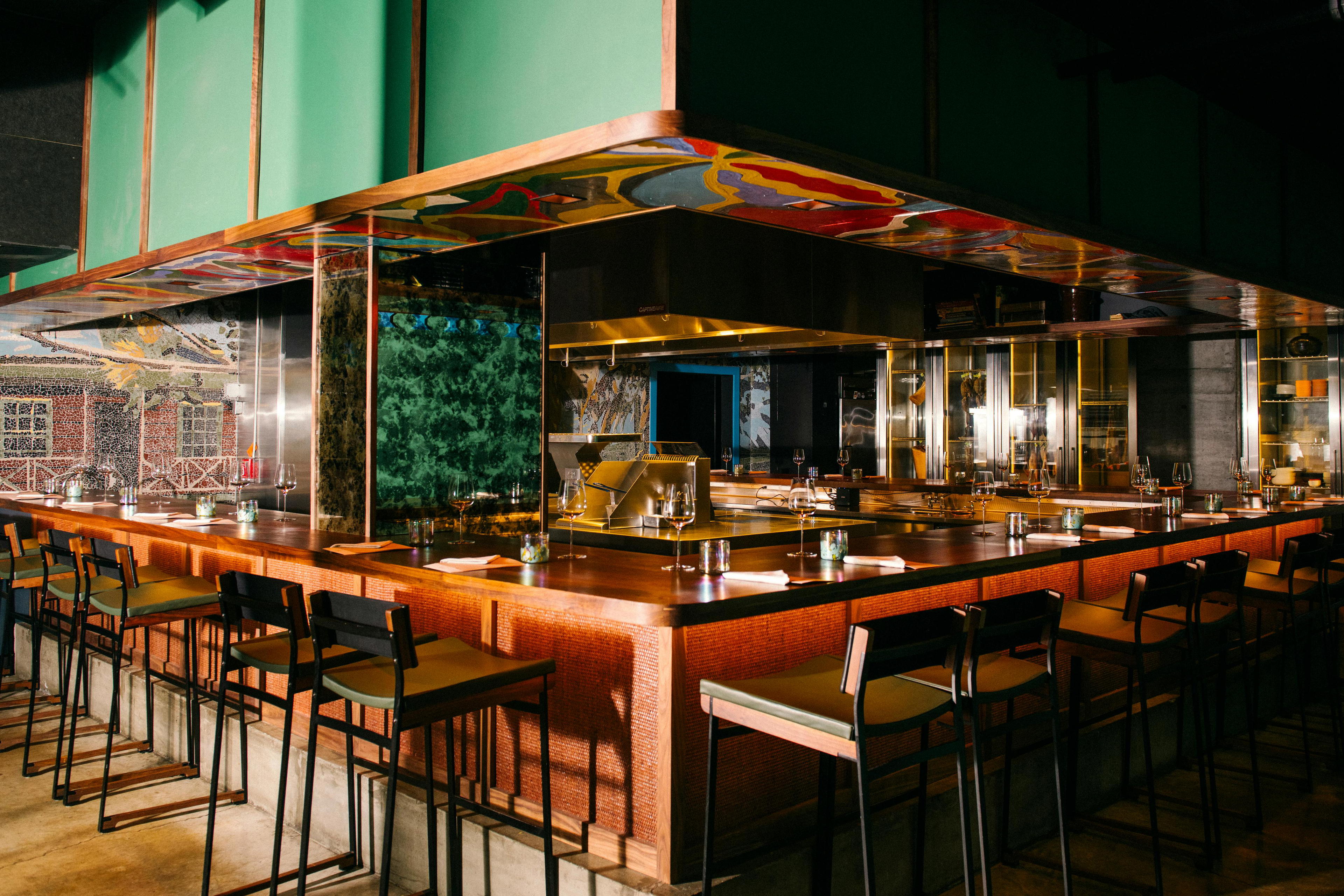
Hotels in New York City
Browse all →






At a Glance
- Cozy
- Rustic
- Elegant
- Date Night
- Casual Hangout
- Courtyard
- Outdoor Terrace
- Lounge Seating
- Craft Cocktails
- Garden
Current opening hours
- Monday
- 8 AM–2 AM
- Tuesday
- 8 AM–2 AM
- Wednesday
- 8 AM–2 AM
- Thursday
- 8 AM–2 AM
- Friday
- 8 AM–2 AM
- Saturday
- 8 AM–2 AM
- Sunday
- 8 AM–2 AM
Hours can change for holidays and private events. Last verified .
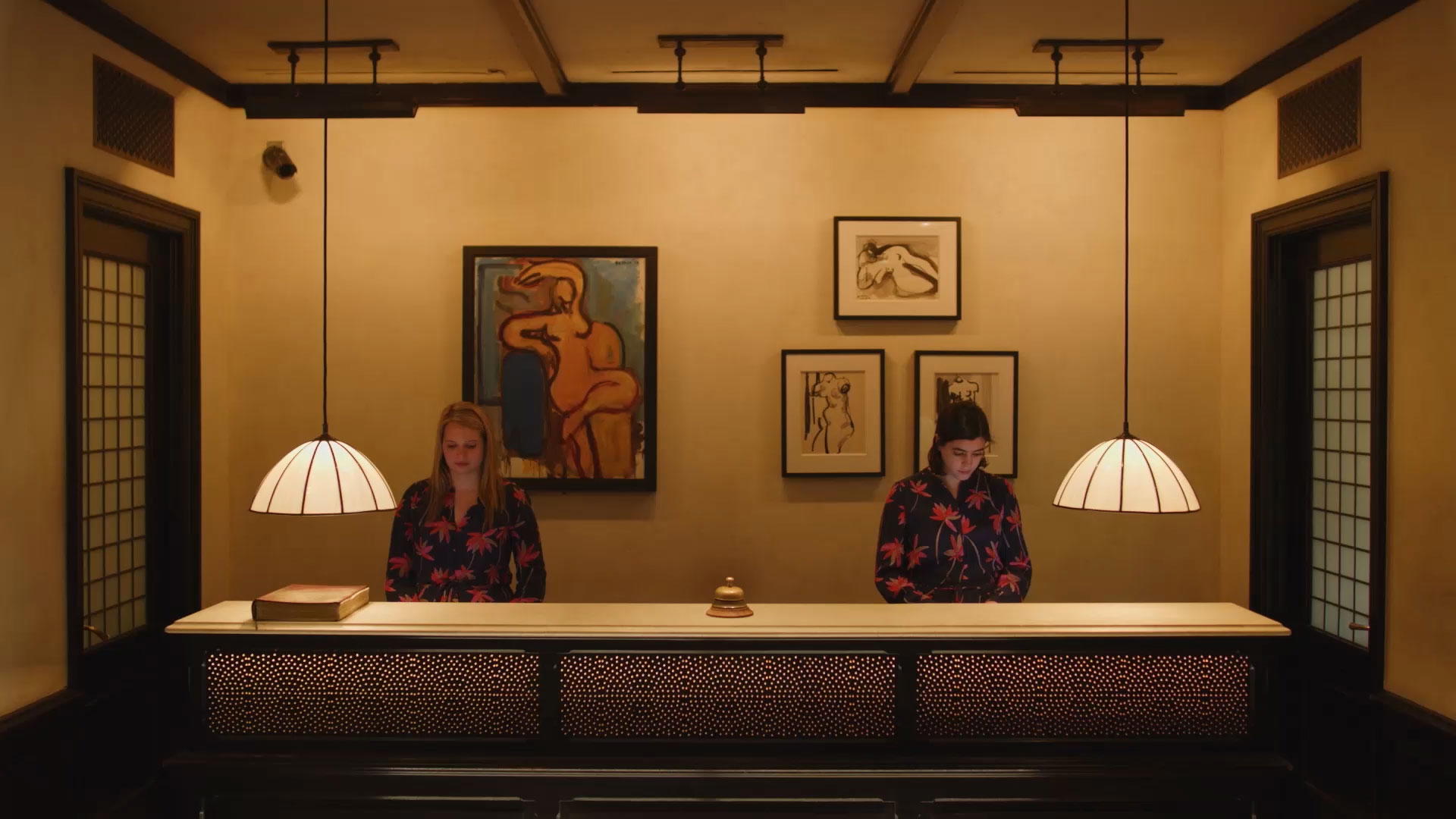
Warm and inviting with rustic charm blended with modern aesthetics, casual yet elegant.
Know Before You Go
- Getting there
- 447 Hudson St, New York, NY 10014