Mutin
Mutin occupies a second-floor address in Hannam-dong, one of Seoul's most concentrated pockets of serious bar culture. The venue sits within a neighbourhood where cocktail programs have grown increasingly precise and internationally referenced, making it a natural stop for those tracking the city's evolving drinks scene. Reservation logistics and menu details reward those who arrive with some advance research.

Pearl is the En Primeur Club membership app, where members save venues, book tables and use the concierge.
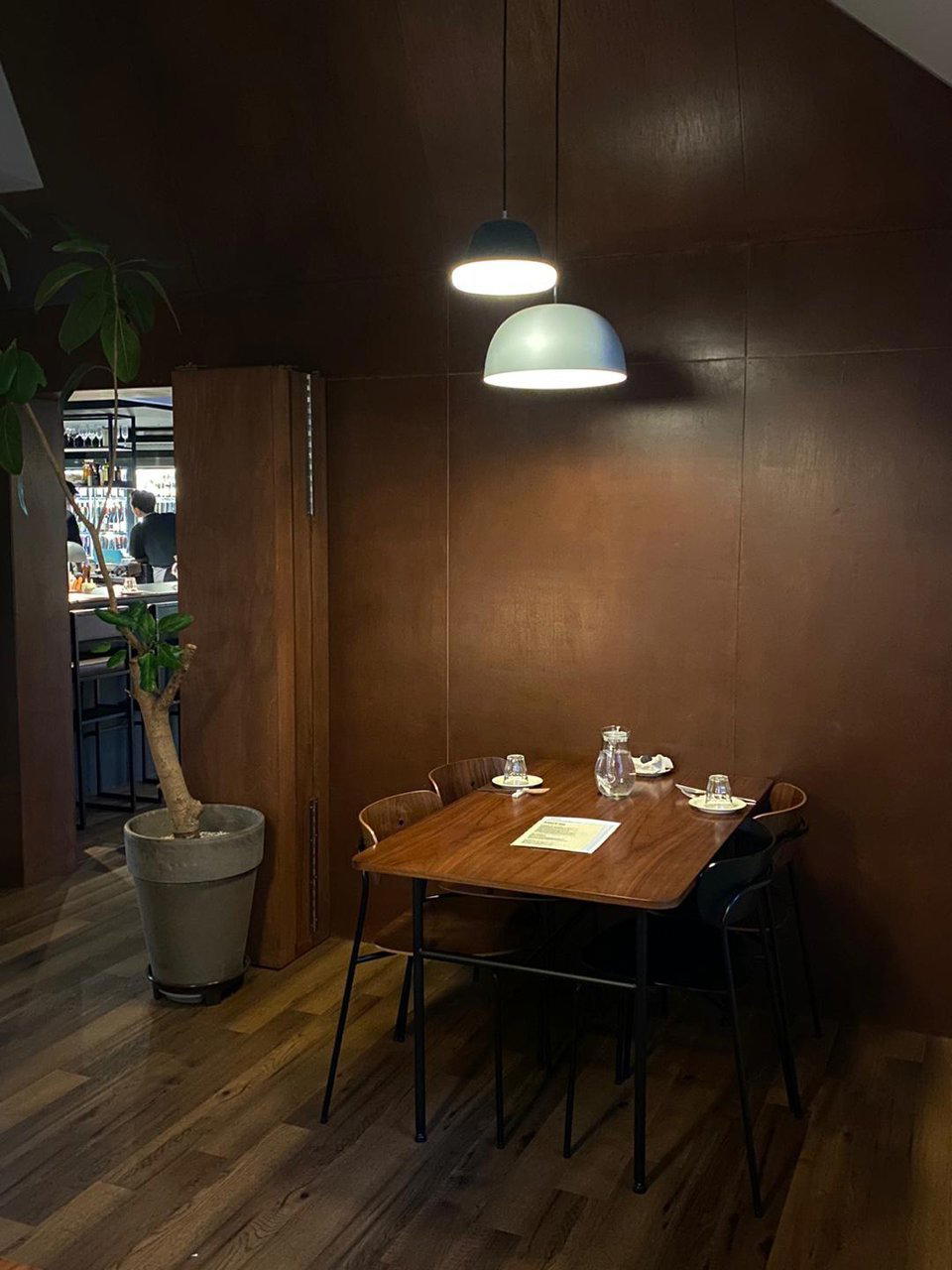
Hannam-dong and the Architecture of a Seoul Bar Menu
Hannam-dong, in Seoul's Yongsan District, has spent the better part of a decade assembling a critical mass of serious drinking establishments. The neighbourhood draws a different crowd than Itaewon's older strip or Gangnam's louder venues: the bars here tend toward considered menus, lower volume, and clientele who are tracking what's in the glass rather than who's in the room. Mutin sits on the second floor of a building at 653-103 in this district, and the climb upstairs is part of the format. Second-floor bars in Seoul consistently signal a certain kind of intentionality, the space isn't designed to catch foot traffic, which means the people inside chose to be there.
That spatial logic shapes how menu architecture tends to work in venues like this. When a bar removes itself from the street-level walk-in market, it can build a drinks list around a specific point of view rather than broad appeal. The leading examples of this format in Seoul, and Hannam-dong produces several, treat the menu as a structured argument: an opening set of lighter, more accessible drinks that establish the house vocabulary, followed by progressively more complex or technique-forward expressions that reward repeat visits and slower drinking.
How Seoul's Cocktail Scene Structures Its Menus
Seoul's cocktail bar progression over the last several years has followed a pattern visible in other Asian cities that moved quickly through early craft phases: an initial wave of imported Western templates (speakeasy aesthetics, classic revival menus), followed by a sharper local inflection that pulls from Korean ingredients, fermentation traditions, and texture preferences. What distinguishes the current Hannam-dong cohort is that this localisation has become structural rather than decorative. Korean ingredients aren't garnishes or marketing points; they're load-bearing elements that determine the architecture of individual drinks.
Bars in this tier of Seoul's scene, venues like Bar Cham, Bar D. Still, and Charles H, have each settled into distinct menu philosophies that reflect their competitive positioning. Some organise around spirit provenance, building sections by base spirit category in the traditional format. Others sequence by flavour profile or season, turning the menu into a tasting arc. Still others, particularly those with smaller seat counts and tighter booking windows, operate with abbreviated lists that change frequently, using scarcity of choice as a quality signal. Where Mutin lands within this range is worth understanding before you go.
The broader Seoul bar scene, for reference, now places among the most closely watched in Asia. Venues from the city appear regularly in regional awards conversations, and the influence flows both directions: international bartenders increasingly spend time in Seoul, and Korean bartenders trained locally are appearing in programs abroad. That cross-pollination is most visible in Hannam-dong, where the bar density creates enough peer pressure to keep menus from stagnating. For a comparative picture of how this culture extends beyond the capital, Climat in Busan and Muyongdam in Jeju Si show how the same menu seriousness has distributed across South Korea's other cities.
Reading the Room: What the Format Suggests
A second-floor address in Hannam-dong with no prominently listed phone number or website is a specific kind of signal in Seoul's bar culture. It suggests a venue that communicates primarily through reputation and repeat visitor networks rather than broad digital marketing. Bars structured this way typically keep seat counts modest, the format doesn't scale well, and rely on word-of-mouth and social proof rather than search visibility to maintain occupancy. That pattern correlates, in Seoul's scene, with programs that prioritise craft depth over volume throughput.
For comparative context on what well-developed menu architecture looks like in the cocktail bar category, Alice Cheongdam in Seoul's Cheongdam neighbourhood represents one model: a theatrically structured experience where the menu sequence is explicitly designed as a progression. Internationally, Bar Leather Apron in Honolulu and Jewel of the South in New Orleans demonstrate how serious intent translates into menu structure in very different cultural contexts, both useful reference points for understanding what distinguishes a bar with a genuine point of view from one with a well-designed list.
Korea's regional bar culture adds further dimension. Regency Club in Incheon, Anjuga in Ansan Si, and Seuwichi in Heungdeok each demonstrate that the precision and investment visible in Seoul's leading bars has filtered into secondary markets, which raises the standard for what a Seoul-based venue needs to offer to hold attention.
Planning Your Visit
Mutin is located on the second floor at 653-103 Hannam-dong, Yongsan District, Seoul. The Hannam-dong area is accessible from Hangangjin station on Line 6, with the bar-dense section of the neighbourhood a short walk from the exit. Given the format signals described above, second-floor positioning, limited public-facing booking infrastructure, it is worth approaching the visit with some flexibility. Venues in this category in Hannam-dong can fill quickly on weekends and on evenings when the neighbourhood's foot traffic peaks, typically Thursday through Saturday. Arriving earlier in the evening, or visiting on a weekday, reduces the friction of finding a seat at a venue without a confirmed reservation.
For a fuller map of where Mutin sits within Seoul's drinking and dining options, our full Seoul restaurants guide covers the city's current scene across neighbourhoods and categories, with enough context to build an itinerary around a specific area or culinary interest.
Accolades, Compared
| Venue | Price | Awards |
|---|---|---|
| MutinThis venue (the venue you are viewing) | $30–50 | Not listed |
| Alice Cheongdam | $20–30 | World's 50 Best #13 · Top 500 Bars Best Bars #156 |
| Bar Cham | $10–20 | World's 50 Best #33 · Top 500 Bars Best Bars #147 |
| Bar D. Still | $10–20 | World's 50 Best #44 |
Continue exploring
More in Seoul
Bars in Seoul
All bars in Seoul →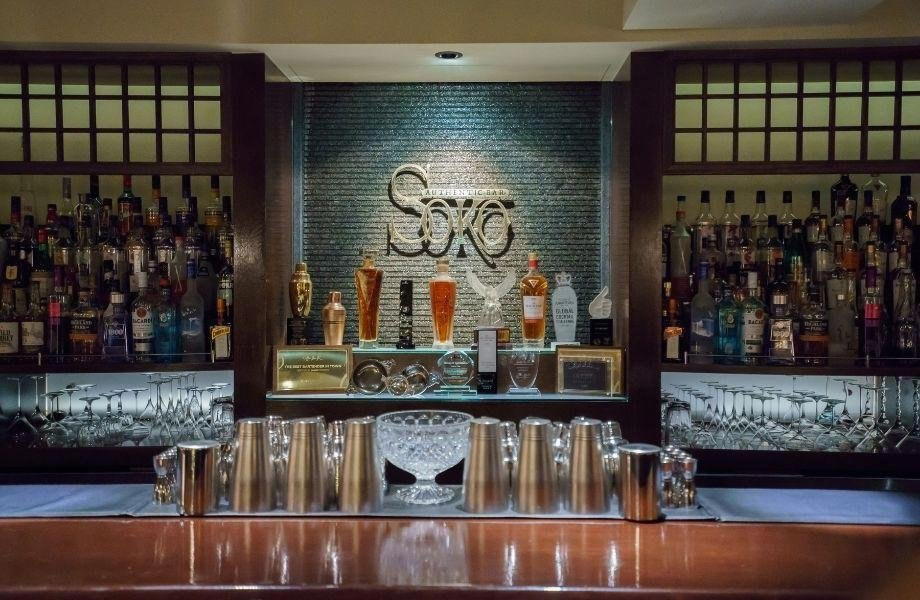
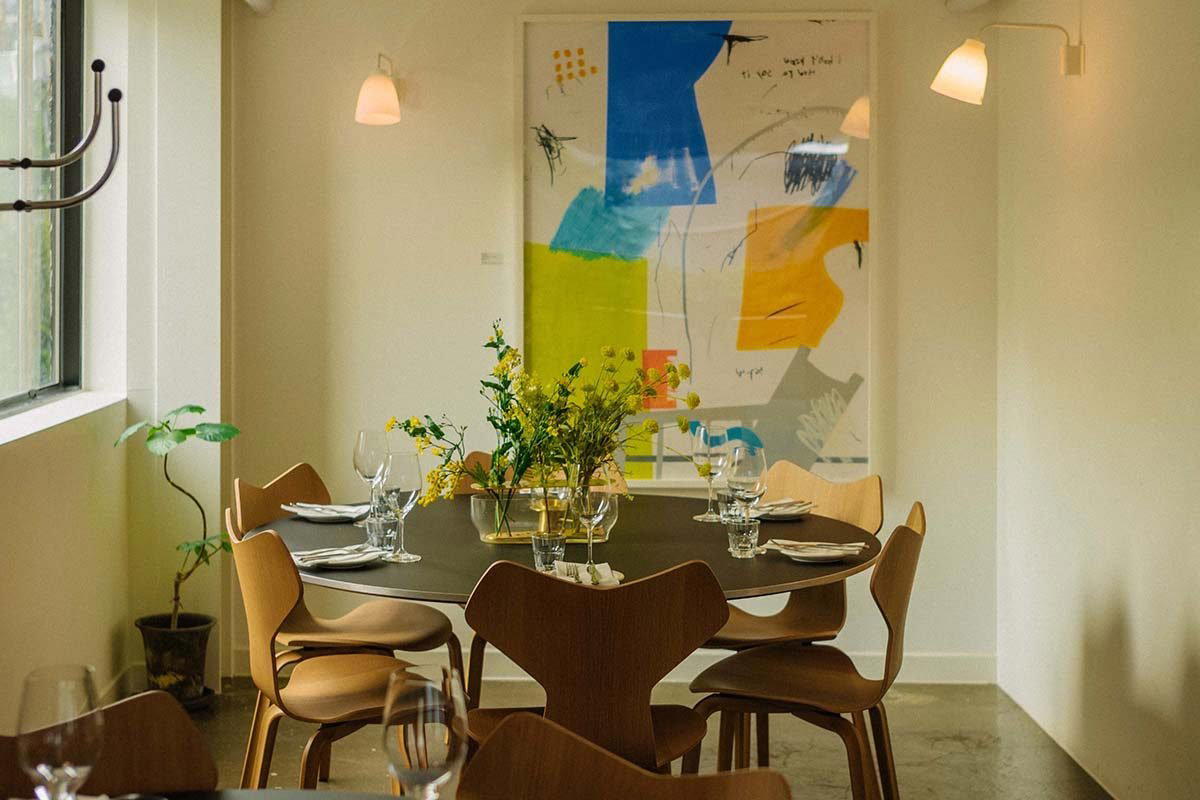
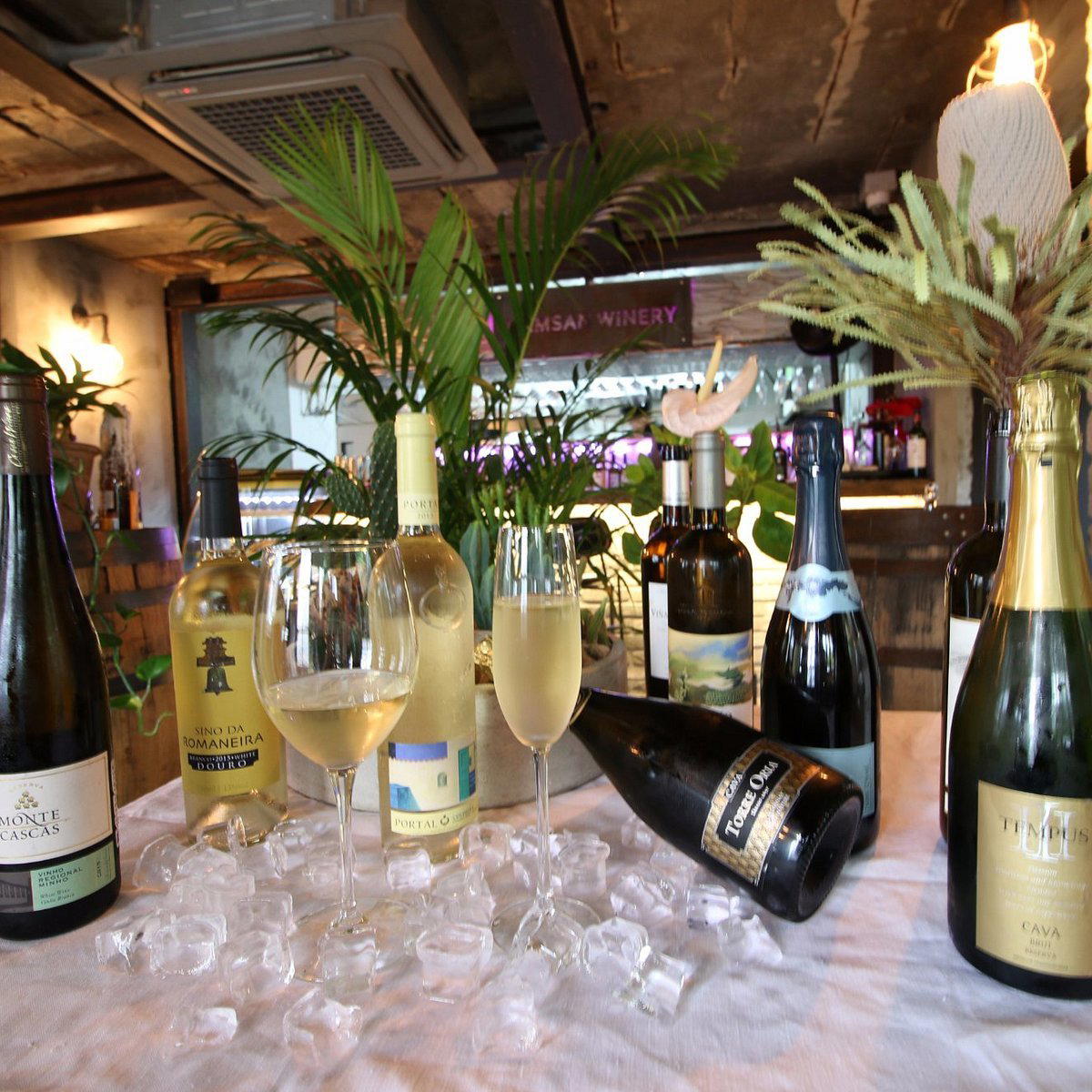
Restaurants in Seoul
All restaurants in Seoul →
Details
- Trendy
- Modern
- Intimate
- After Work
- Casual Hangout
- Date Night
- Standalone
- Design Destination
- Seated Bar
- Lounge Seating
- Natural Wine
- Conventional Wine
Current opening hours
- Monday
- 6 PM–12 AM
- Tuesday
- 6 PM–12 AM
- Wednesday
- 6 PM–12 AM
- Thursday
- 6 PM–12 AM
- Friday
- 6 PM–12 AM
- Saturday
- 6 PM–12 AM
- Sunday
- Closed
Hours can change for holidays and private events. Hours as of .
Contemporary wine bar atmosphere with natural wine focus and modern aesthetic.