In ‘t Aepjen
One of Amsterdam's oldest surviving brown cafés, In 't Aepjen occupies a timber-framed canal house on Zeedijk dating to the 15th century. The bar trades in Dutch jenever and traditional café ritual rather than contemporary cocktail innovation, making it a reference point for anyone mapping the city's drinking history alongside its modern bar scene.
Pearl is the En Primeur Club membership app — saves, bookings, and concierge access live there. Same editors, same standards.
- Address
- Zeedijk 1, 1012 AN Amsterdam, Netherlands
- Phone
- +31 20 626 8401
- Directions
- Get directions
 Saves & bookings on Pearl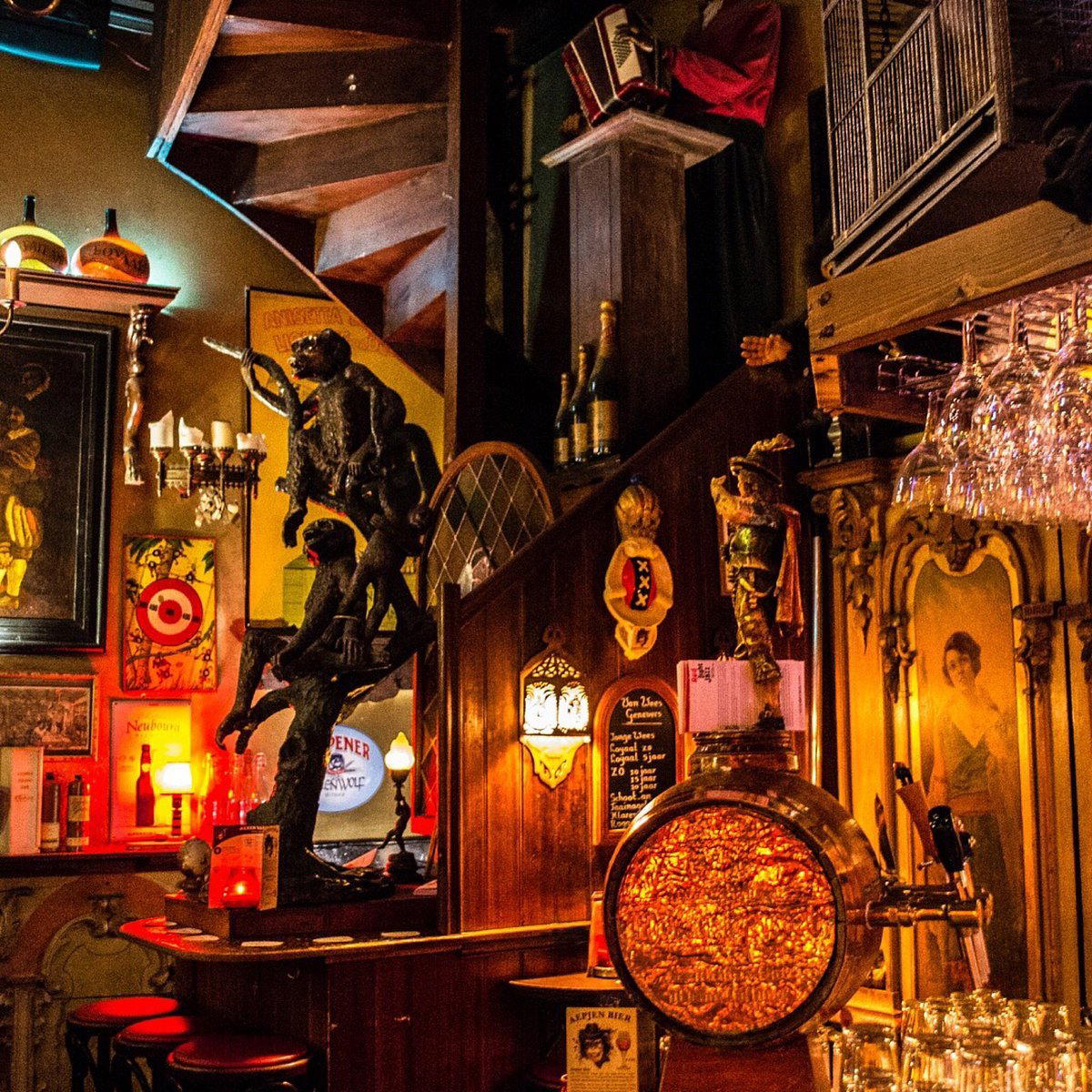
Where Amsterdam's Drinking History Still Has a Pulse
Zeedijk 1 is not a street address so much as a coordinate in Amsterdam's social memory. The Zeedijk, running from Centraal Station toward the edge of what was once the city's sailor quarter, has cycled through centuries of reinvention — maritime commerce, rough-edged nightlife, neighbourhood decline, gradual recovery — and In 't Aepjen has been present through most of it. The building itself is one of only two remaining timber-fronted houses in Amsterdam, a construction detail that dates the structure to the early 1500s and places it in a category occupied by almost nothing else in the city. Walk past it on a weekday afternoon and the façade looks less like a bar and more like something that survived by accident. That impression is part of its authority.
The Brown Café as a Drinking Tradition
To understand In 't Aepjen, you first need to understand what a brown café is and what it is not. The bruine kroeg is a Dutch pub format defined by age, atmosphere, and restraint: wood-darkened interiors, sand on the floor in the oldest examples, a short drinks list anchored by Dutch jenever and local beer, and a hospitality approach that treats the regular as the primary customer. The format is not a designed aesthetic. It accrued over decades of tobacco smoke, wooden furniture, and low light, and venues that try to replicate it from scratch tend to read as costume rather than character.
Amsterdam's brown café scene operates in tension with the city's growing cocktail bar culture. Venues like Door 74 and Tales & Spirits represent the modern, technically driven end of Amsterdam drinking, reservation-only formats, seasonal menus, precise dilution and temperature control. In 't Aepjen sits at the opposite pole, where the bartender's craft is measured not by technique innovation but by consistency, institutional knowledge, and the ability to hold a room that has been holding itself together for five centuries. These are different disciplines, and conflating them produces the wrong expectations in both directions.
Jenever and the Logic of the Pour
The drink most associated with In 't Aepjen, and with Dutch brown café culture broadly, is jenever: the grain-based spirit that preceded gin and from which the English word derives. Dutch jenever splits into two principal styles, jonge (young), which is lighter and closer to modern gin, and oude (old), which carries more malt wine character, more body, and a softer, rounded profile that rewards the traditional kopstoot format: a small tulip glass filled to the brim, served alongside a beer. The ritual of leaning forward to take the first sip without lifting the glass is one of those Dutch bar habits that sounds affected in description but feels completely natural in practice, particularly in a room that has been serving the same drink in roughly the same way for generations.
The bartender's role in a venue like this differs from the cocktail-bar model in ways that matter. There is no opportunity to express creativity through menu development or to demonstrate technique through visible preparation theatrics. The craft is quieter: knowing the stock, knowing the regulars, maintaining the pace of service in a room that can shift from near-empty to crowded as Zeedijk foot traffic surges in the evening. The authority behind the bar at In 't Aepjen is historical and contextual rather than credential-based, which is its own kind of qualification.
Location, Neighbourhood, and Who Actually Comes Here
Zeedijk sits at the edge of De Wallen, Amsterdam's red-light district, which means the immediate surroundings include tourist density that most brown cafés in quieter neighbourhoods avoid. In 't Aepjen draws a mixed crowd as a result: some visitors seeking exactly this kind of historical bar encounter, some locals who treat it as a reliable neighbourhood fixture, and some who arrive simply because it is the first thing of genuine character visible when walking south from Centraal Station. The location is both its exposure and its occasional complication, since the volume of passing foot traffic can make the atmosphere feel variable depending on the hour.
For a calmer version of Amsterdam's bar culture at the edges of the old city, venues like Amsterdam Roest offer a different register entirely. Those planning to spend a full day working through the city's drinking options might also consider Bakers & Roasters for the morning and early-afternoon hours before the café crawl begins in earnest. Our full Amsterdam restaurants guide maps out both the historical and contemporary layers of the city's food and drink scene.
In 't Aepjen Against the Broader Dutch Bar Scene
Amsterdam's bar culture is more varied than its international reputation as a tourist-heavy city might suggest. Beyond the capital, venues across the Netherlands occupy distinct niches: Espressobar Kopi Soesoe in Rotterdam and Florin Utrecht in Utrecht reflect how Dutch bar and café culture adapts to different city rhythms and demographics. Further out, Boode Foodbar in Bathmen shows the format in a rural register. The point is that Dutch drinking culture is not monolithic, and In 't Aepjen represents one specific strand of it, the urban, historically anchored brown café, rather than the whole picture.
Peer references across other Dutch cities include Bowie in The Hague, Brasserie Lalou in Delft, and Café Barolo in Eindhoven, each operating in a different city context but sharing the common thread of bars where the room's accumulated character does significant work. For an international comparison in how a historically grounded bar carries its authority into a contemporary market, Bar Leather Apron in Honolulu offers an interesting counterpoint: a bar where craft credentials and physical setting work together in a very different cultural register.
Planning a Visit
In 't Aepjen is located at Zeedijk 1, a short walk from Amsterdam Centraal Station, which makes it easy to reach from any point in the city by metro, tram, or foot. The bar is a walk-in venue with no booking requirement, and given the format, short menu, direct service, there is no practical reason to plan ahead beyond timing your visit to avoid the peak tourist hours that concentrate on Zeedijk in the mid-evening. Afternoons tend to be quieter and give the interior space and atmosphere more room to register. No formal dress code applies; the room sets its own tone and that tone is consistently unpretentious.
Cuisine-First Comparison
| Venue | Cuisine |
|---|---|
| In ‘t AepjenThis venue — the venue you are viewing | This venue |
| Door 74 | World's 50 Best |
| Tales & Spirits | World's 50 Best |
Continue exploring
More in Amsterdam
Bars in Amsterdam
Browse all →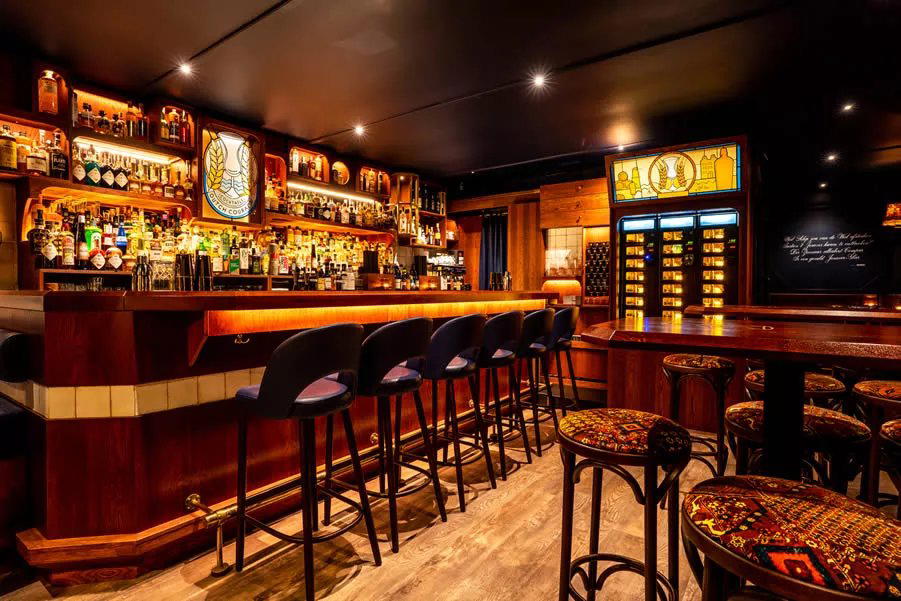
Restaurants in Amsterdam
Browse all →
Hotels in Amsterdam
Browse all →
Wineries in Amsterdam
Browse all →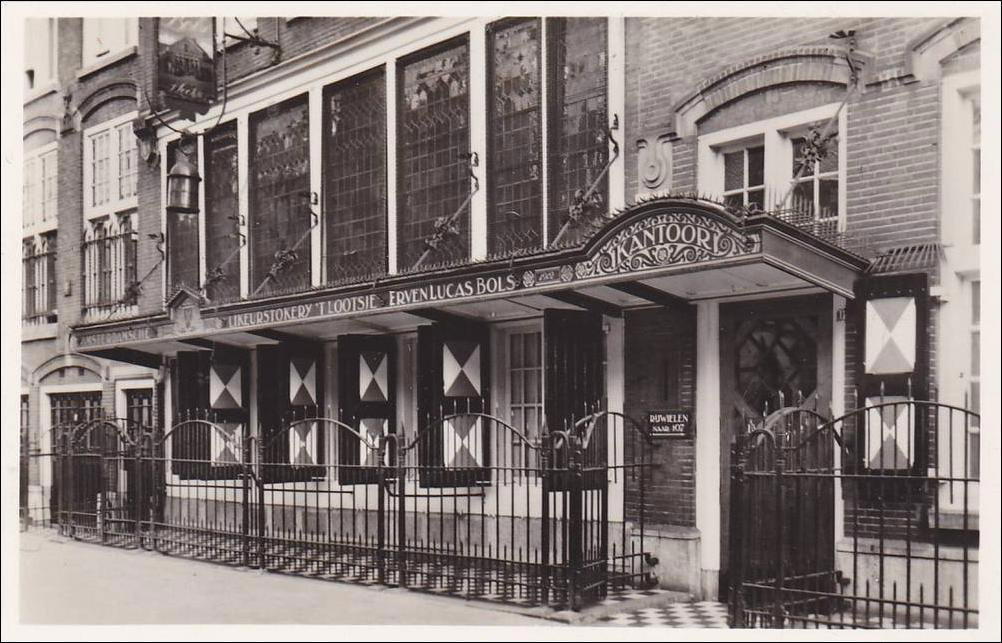
At a Glance
- Cozy
- Historic
- Well Known
- Intimate
- Rustic
- Casual Hangout
- After Work
- Historic Building
- Seated Bar
- Craft Beer
Current opening hours
- Monday
- 2 PM–1 AM
- Tuesday
- 2 PM–1 AM
- Wednesday
- 2 PM–1 AM
- Thursday
- 2 PM–1 AM
- Friday
- 2 PM–3 AM
- Saturday
- 2 PM–3 AM
- Sunday
- 2 PM–1 AM
Hours can change for holidays and private events. Last verified .
Cozy and inviting historic brown cafe with wooden interiors, old memorabilia, and a warm tavern-like atmosphere.
Know Before You Go
- Getting there
- Zeedijk 1, 1012 AN Amsterdam, Netherlands