
World's 50 Best #36
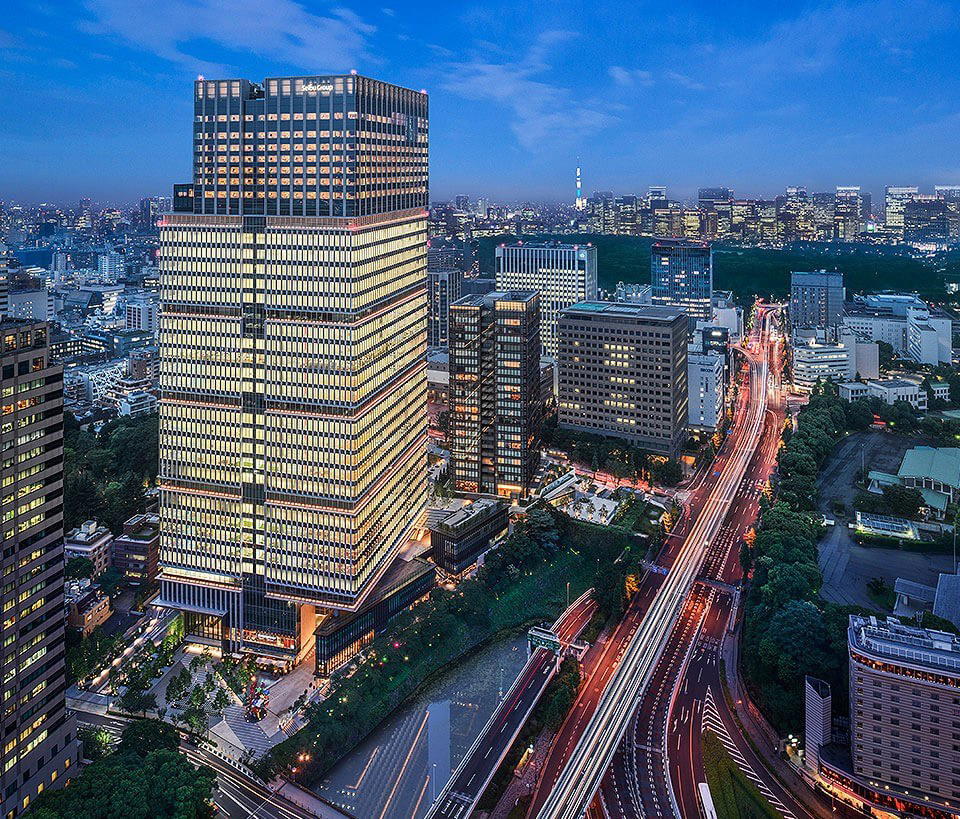
Positioned on the second floor of the Torin Akasaka Building in Minato City, it operates within a Tokyo bar scene known for technical precision and creative ambition. The address puts it within reach of Akasaka's business district crowd and the broader Minato cocktail circuit.

Pearl is the En Primeur Club membership app — saves, bookings, and concierge access live there. Same editors, same standards.
Akasaka's Bar Scene and Where Codename Mixology Fits
Tokyo's cocktail culture has never operated on a single register. Ginza anchors the classical end, where bars like Bar High Five and Bar Orchard Ginza have spent decades refining the Japanese bartender's approach to Western spirits and precise technique. Shinjuku tilts toward the idiosyncratic, with Bar Benfiddich representing a farm-to-glass philosophy that sits apart from the polished mainstream. Between those poles, Akasaka occupies a particular position: a business district with enough after-hours foot traffic to sustain serious drinking establishments, but without the tourist-facing pressure that shapes the offer elsewhere. Codename Mixology Akasaka emerged from that context, earning a spot on Asia's 50 Best Bars in 2016 at number 36 — a signal that the bar was doing something worth tracking even within a city crowded with credentialed competition.
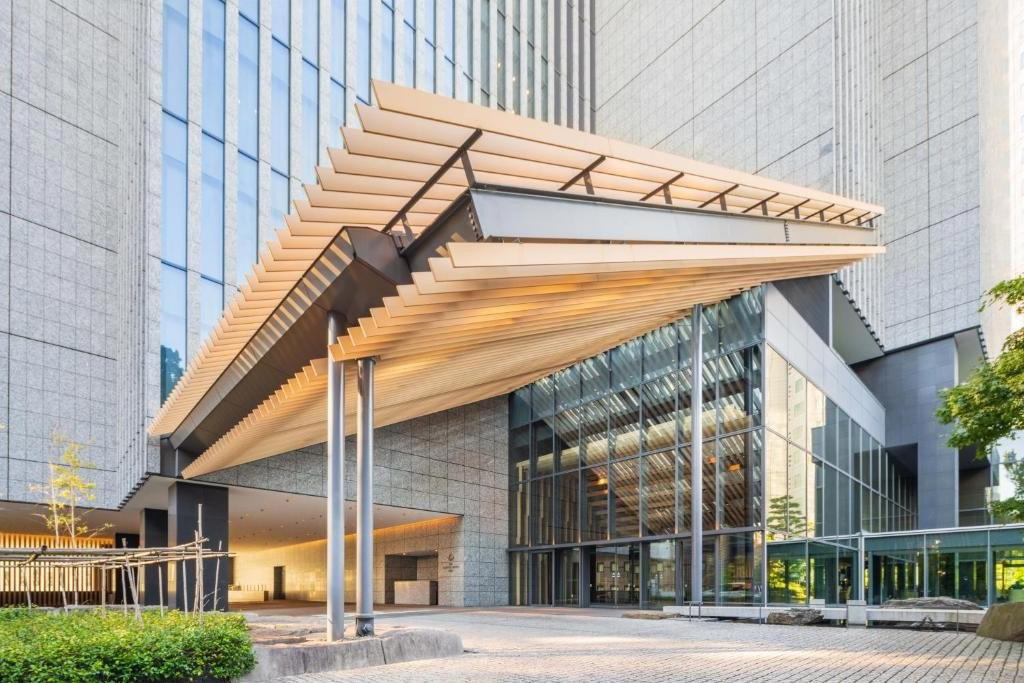
The building itself, the Torin Akasaka Building on the third block of Akasaka in Minato City, houses the bar on the second floor — a detail that already separates it from street-level venues and the immediate hospitality of a ground-floor walk-in. In Tokyo's bar culture, a second-floor address often carries its own implication: you're going there with intention. You looked it up. That self-selection shapes the clientele and the atmosphere before anyone even sits down.
Industry Recognition as a Calibration Tool
Asia's 50 Best Bars, now a benchmark for the region's cocktail community, placed Codename Mixology Akasaka at number 36 in its 2016 edition. At the time, that list was young enough that a placement still carried genuine friction, bars didn't accumulate rankings through category management or marketing spend. The Tokyo entries on that list spanned a range of approaches, from Ginza's established counter-style operations to newer venues testing different service formats. That Codename Mixology appeared in Akasaka, rather than in the more-trafficked Ginza or Shinjuku bar corridors, pointed to a recognition that quality in Tokyo's cocktail scene was not geographically confined.
That score, across a meaningful volume of responses, suggests a consistent experience rather than a venue coasting on a single year of attention. In competitive markets like Tokyo, sustained review performance over time is often more telling than peak-year award placement.Bar Libre and other technically-oriented Tokyo bars that built reputations through craft rather than scale.
The Akasaka Neighbourhood as Context
Akasaka is not a cocktail destination in the way that Ginza or even parts of Shibuya are. It functions primarily as a professional and political district, the neighbourhood sits close to the TBS headquarters, several major hotel properties, and government-adjacent office buildings. That demographic shapes what a serious bar here actually needs to deliver: reliability, discretion, and a level of technical quality that holds up against a clientele that drinks in a lot of cities. The bars that survive and earn recognition in Akasaka tend to do so because they have something specific to offer, not because the district generates walk-in overflow.
For visitors assembling a Tokyo itinerary around the bar scene, Akasaka works as a stop that sits outside the usual Ginza-to-Shinjuku axis. From here, the broader Minato City drinking circuit is accessible, and the neighbourhood itself is easy to reach via the Tokyo Metro's Chiyoda and Ginza lines. Combining Codename Mixology with other Minato or central Tokyo stops is logistically reasonable; the area is not isolated, even if it's slightly off the tourist circuit.
Tokyo Bars in a National Frame
Looking at Japan's cocktail scene beyond Tokyo sharpens the picture of what the Tokyo bars, including Codename Mixology Akasaka, represent collectively. Bar Nayuta in Osaka and Bee's Knees in Kyoto show that serious bar culture has distributed itself across Japan's major cities, with each location developing a distinct relationship to local spirits, ingredients, and service traditions. Lamp Bar in Nara has earned its own critical attention, and bars like Yakoboku in Kumamoto and anchovy butter in Osaka Shi reflect how the craft bar format has taken hold in smaller regional cities. Even in Kyoto, venues such as Kyoto Tower Sando have begun developing cocktail programming worth tracking.
Against that national spread, Tokyo's ranked bars carry the weight of the country's densest critical mass of drinkers, international visitors, and industry professionals. A 2016 Asia's 50 Best placement in that environment means something different than the same ranking might in a smaller market. The competition is internal as much as regional. Codename Mixology Akasaka sat inside that competitive frame and held its own. For a broader read on how the Tokyo bar and restaurant scene is currently structured, our full Tokyo guide maps the city's options by neighbourhood and category.
For international reference, Bar Leather Apron in Honolulu draws a useful comparison: bars in cities not typically associated with serious cocktail culture have earned Asia-Pacific recognition by going deep on technique and specificity rather than relying on location prestige. The dynamic in Akasaka is not entirely different, the neighbourhood doesn't confer status, so the bar has to earn it through the glass.
Planning a Visit: What to Consider
Second-floor bar addresses in Tokyo occasionally operate on reservations for some seatings while holding walk-in capacity at others; arriving with a plan rather than assuming availability is standard practice for Tokyo bars at this level.
Award-recognised Tokyo bars, particularly those with Asia's 50 Best history, tend to draw a mix of industry visitors and local regulars. If the bar is on your itinerary specifically because of its critical track record, weeknight visits typically offer a different environment than weekend evenings, when the broader Akasaka dining-and-drinking crowd is larger.
A Quick Peer Check
Comparable venues nearby, for context on price, style, and recognition.
| Venue | Cuisine | Price | Awards | Notes |
|---|---|---|---|---|
| Codename Mixology AkasakaThis venue (the venue you are viewing) | cocktail_bar | $50–100 | World's 50 Best #36 | Not listed |
| Gold Bar | cocktail_bar | $50–100 | World's 50 Best #67 · Tatler Listed in Best Bars Asia-Pacific | Minato |
| Tokyo Confidential | rooftop_bar | $50–100 | World's 50 Best #70 · Top 500 Bars Best Bars #89 | Minato |
| Mixology Laboratory | Bar | Not listed | World's 50 Best #38 | Chūō |
| Punch Room at Edition Tokyo | cocktail_bar | $20–30 | World's 50 Best #23 · Top 500 Bars Best Bars #500 | Chūō |
| Memento Mori | cocktail_bar | $30–50 | World's 50 Best #41 | Minato |
Recognition history
Dated appearances from independent guides and award organizations, with the underlying list record or original source where available.
World's 50 Best Asia's Best Bars #36
World's 50 Best
Continue exploring
More in Tokyo
Bars in Tokyo
All bars in Tokyo →
Restaurants in Tokyo
All restaurants in Tokyo →



Codename Mixology Akasaka
The wine
- Wine program
- Curated wine list
- Craft cocktails
Signature drinks: Gastro Chocolate Martini, Rhubarb Rose Campari, Wasabi Gin with Pear and Elderflower, foie gras vodka martini.
Details
- Sophisticated
- Elegant
- Cozy
- Trendy
- Date Night
- Solo
- Group Outing
- Special Occasion
- Design Destination
- Standalone
- Seated Bar
- Lounge Seating
- Counter Only
- Private Rooms
- Booth Seating
- Craft Cocktails
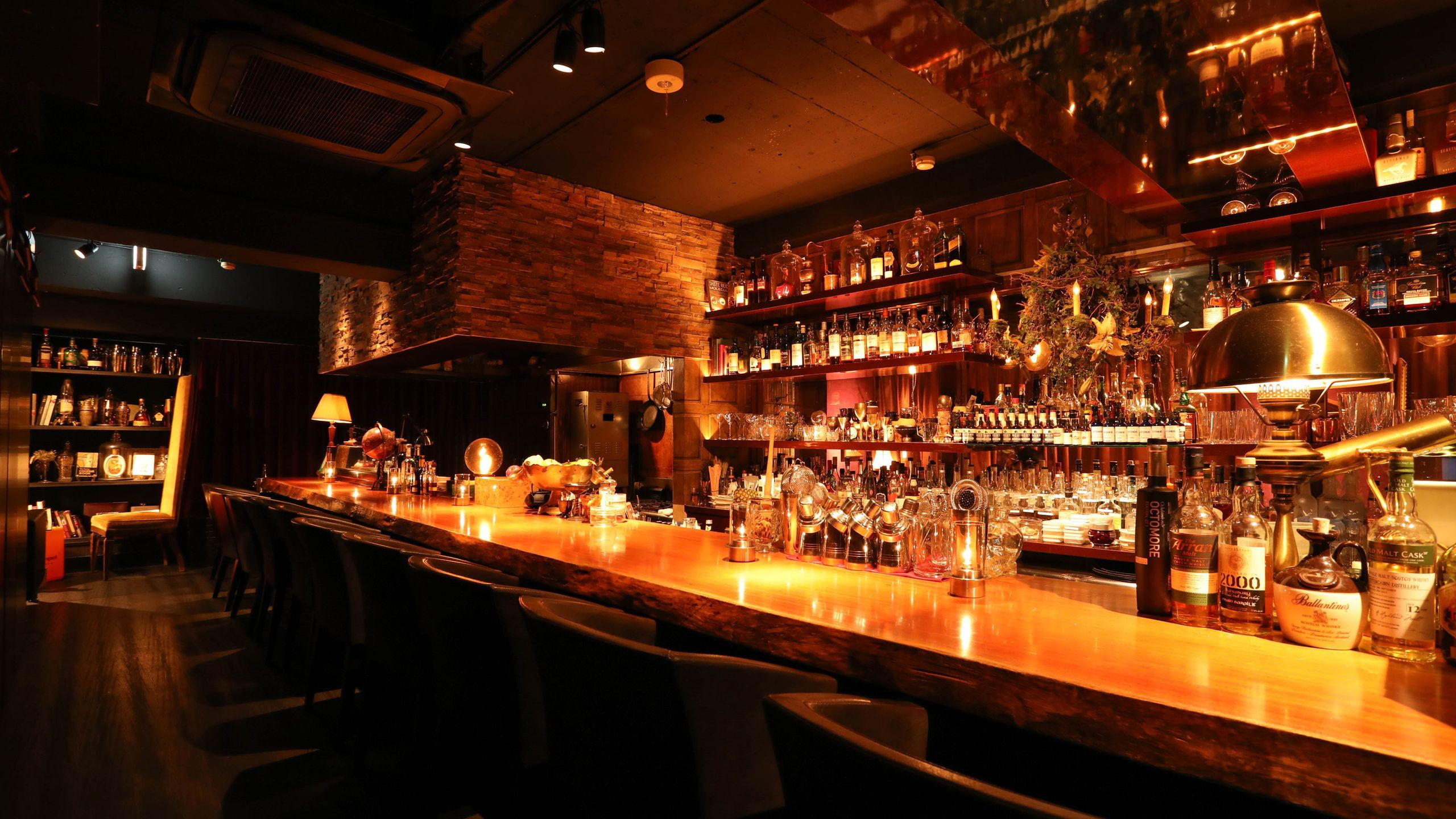
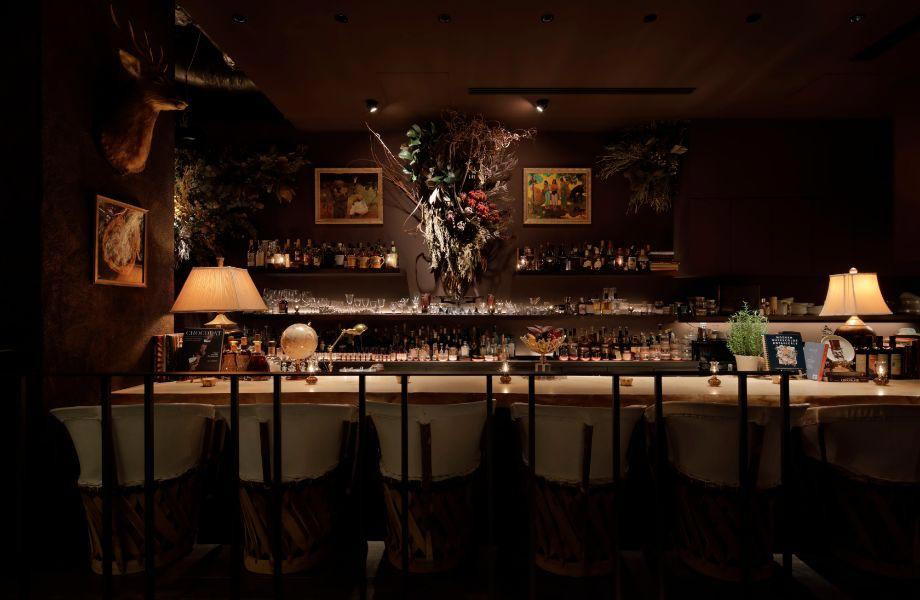
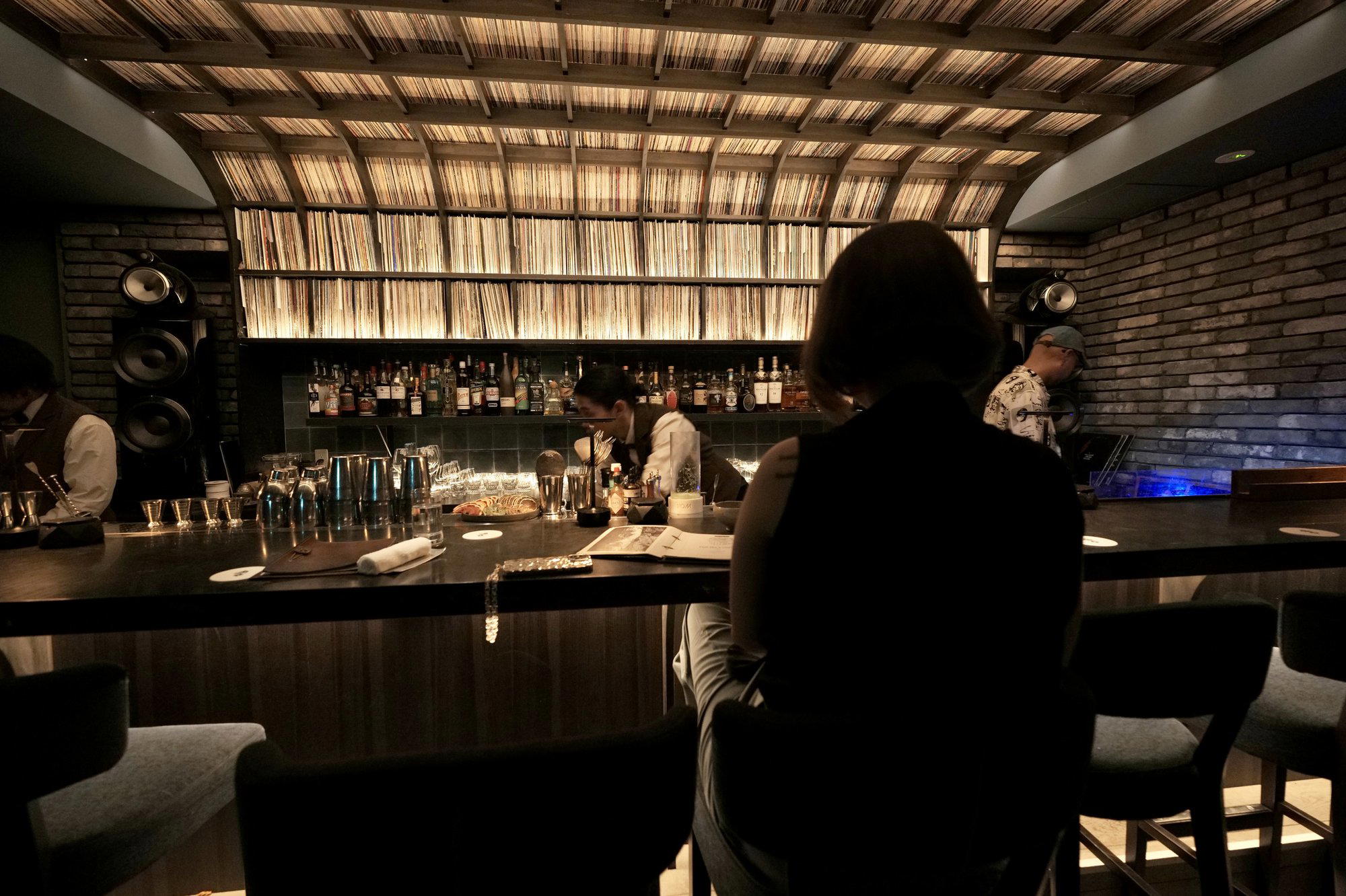
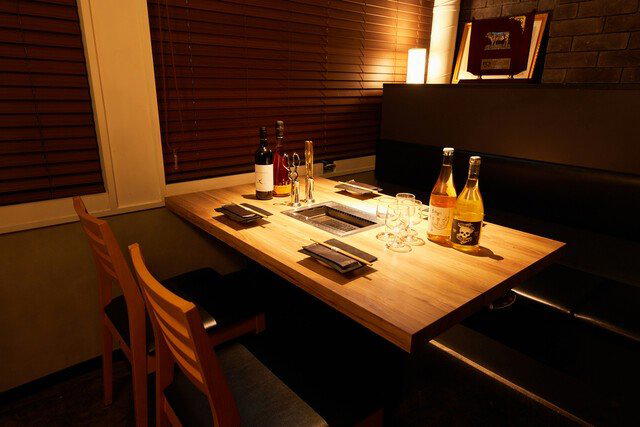
Sophisticated and stylish interior with warm lighting, dark wood design, smoky theme, counter seating, lounge sofas, and relaxing spaces.