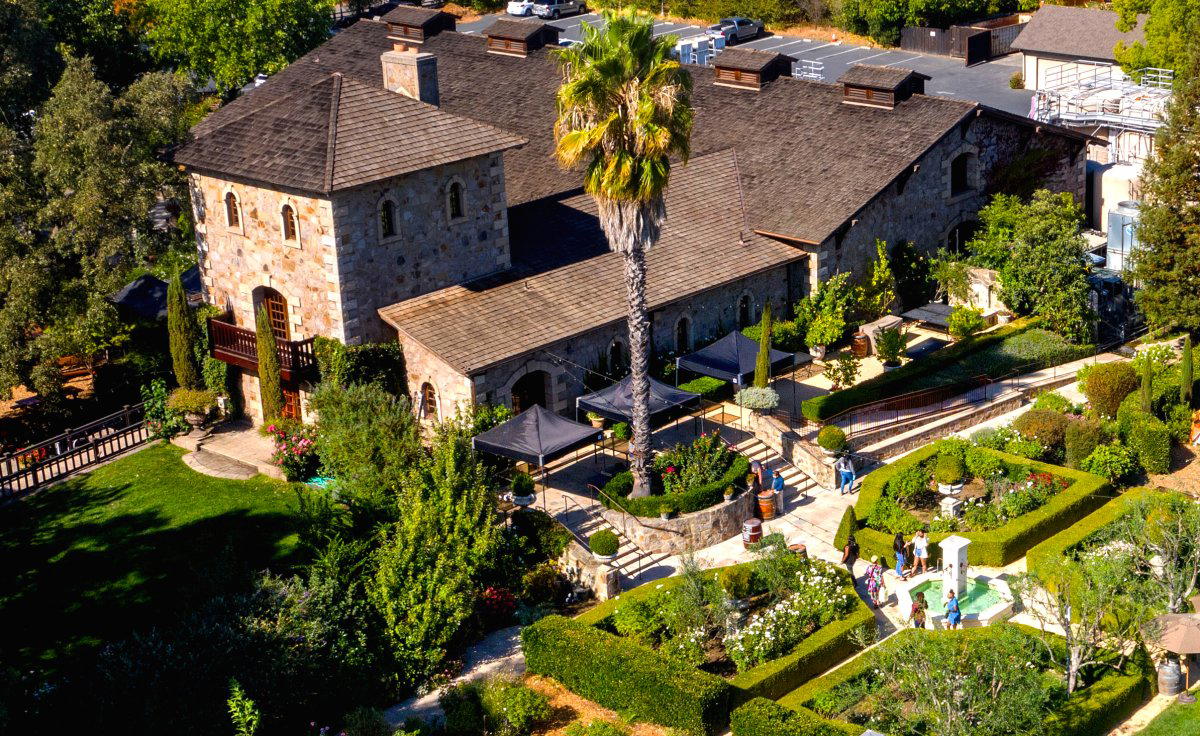
V. Sattui Winery
Situated along White Lane in St. Helena, V. Sattui Winery occupies a particular position in Napa's visitor-facing winery scene: a property where the picnic grounds and deli provisions are as central to the experience as the wine itself. The combination of estate tasting, substantial food programming, and outdoor dining makes it a reference point for how Napa wineries approach the food-and-drink pairing question at scale.

Wine Country Eating: How V. Sattui Frames the Food Question
Napa Valley has spent the better part of two decades wrestling with a structural tension: it is one of the world's most visited wine regions, yet for much of its modern history the food options at the wineries themselves lagged well behind the quality of what was in the glass. The corrective has come in waves. Some estates brought in serious restaurant kitchens. Others, like FARM Restaurant + Bar, built full dining programs that operate as independent destinations. V. Sattui, located on White Lane in St. Helena, took a different path: it built its food identity around a substantial deli and provisions model, where cured meats, artisan cheeses, charcuterie, and prepared foods are sold to be consumed on the grounds alongside bottles purchased from the winery.
That format sits in an interesting position relative to Napa's broader hospitality evolution. It predates the era of the estate restaurant and, in some ways, anticipated what visitors actually want: the ability to eat well without leaving the property, without a reservation, and without the formality of a seated service. At a time when regional competitors like Carneros Resort and Spa anchor their food-and-drink programming in full resort infrastructure, and Boon Fly Café has built a standalone following for its California-inflected menu, V. Sattui's deli-and-picnic model remains a distinct category choice.
The Grounds as Setting: Picnic Culture in the Napa Context
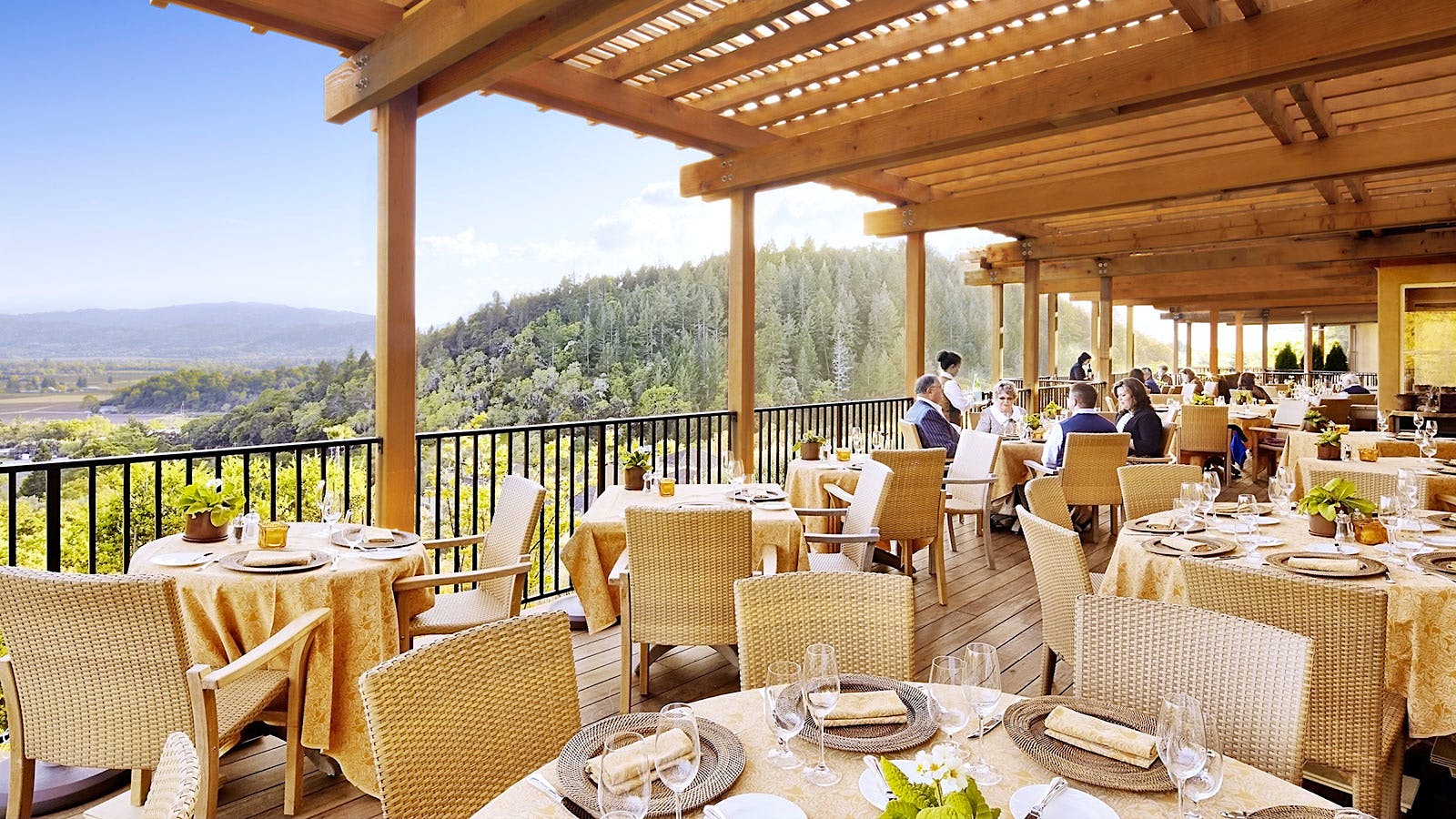
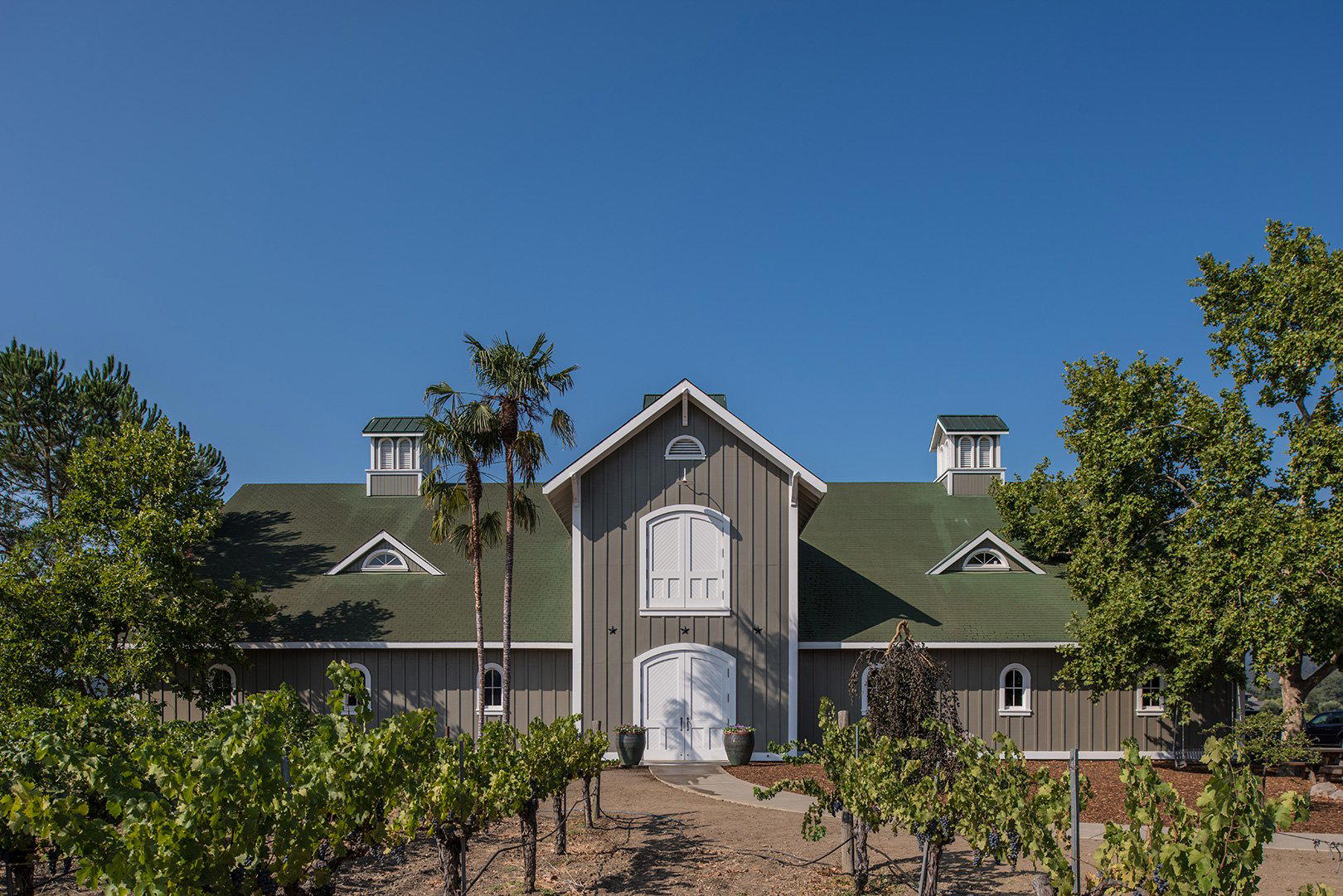
Arriving at 1111 White Lane, the property reads immediately as a place designed for outdoor time rather than quick cellar-door throughput. The picnic grounds have been a defining feature for decades, and the logic of the format becomes clear once you understand what it enables. Visitors can move from tasting room to deli counter to outdoor table without losing the thread of the wine experience. The pairing is self-directed: you select the wines, you select the provisions, and the combination is your own composition rather than a prescribed tasting menu.
This is not a minor distinction in the context of how Napa's hospitality scene has evolved. Prescriptive, reservation-required seated tastings have come to dominate the premium tier. The casual, outdoor, self-assembled eating experience has become comparatively rare at estates with V. Sattui's scale and production depth. In that sense the property occupies a niche that is less about wine scores and more about a particular kind of afternoon: grounds, sun, a bottle of Cabernet, a board of cheese and salami.
The approach connects to a broader California tradition of producer-direct hospitality that you find elsewhere in regions like Paso Robles and the Sonoma Coast, but which has been gradually displaced in Napa by higher-margin, lower-volume tasting formats. For context on how the category has developed at the reservation-required end of the spectrum, Clos Pegase Winery & Tasting Room offers a useful comparison in how estate architecture and curated tasting programs can define a property's identity differently.
What Goes in the Glass: The Wine Program
V. Sattui's production covers the range of Napa varietals that the appellation has built its reputation around: Cabernet Sauvignon in multiple expressions, Zinfandel, Merlot, and a set of white and dessert wines that extend the range for visitors who want to move across styles during a visit. The winery operates on a direct-to-consumer model, meaning wines are sold exclusively through the property and the wine club rather than through retail or restaurant channels. That exclusivity is a deliberate category signal: it keeps the visitor relationship central and gives the wine club a practical proposition beyond the usual membership benefits.
The food-and-drink pairing question at V. Sattui is therefore partly answered by the range of the deli. A Cabernet-heavy wine program asks for food that can hold its ground against tannin and structure: aged hard cheeses, cured meats, and charcuterie all function well against that profile. The deli provisions available on-site are broadly suited to this pairing logic, which is less coincidental than it appears. Wineries that have thought seriously about on-site food know that the counter has to match the bottles, and at V. Sattui the deli and the wine list have developed in parallel over a long operational history.
For readers interested in how bars and drinks programs in other cities approach the food pairing discipline with equivalent seriousness, Kumiko in Chicago and Jewel of the South in New Orleans both represent programs where the relationship between what is eaten and what is drunk is treated as a primary design concern rather than an afterthought. Across the Pacific, Bar Leather Apron in Honolulu applies similar discipline to its pairing framework. Domestically, ABV in San Francisco is worth noting for its kitchen-forward approach to bar food in a California context, while Superbueno in New York City, Julep in Houston, and The Parlour in Frankfurt on the Main each illustrate how the pairing conversation is being addressed across different venue formats globally.
Timing, Seasons, and the Planning Question
Spring and autumn are the seasons that define Napa's visitor calendar, and V. Sattui's outdoor-oriented format responds directly to weather. The picnic grounds work leading from March through May, when temperatures are moderate and the vineyards are actively growing, and again from September through November when harvest brings the valley to its most kinetic period. Summer visits are possible but the midday heat on open grounds is a real consideration, and arriving early in the day mitigates the worst of it.
The winery's direct-sales and wine club model means planning a visit with a serious purchase in mind is worth doing in advance, particularly if you are arriving with a group and want time at both the tasting counter and the deli. Walk-in access to the grounds and deli is generally available, but the tasting room should be confirmed before arrival given that Napa's most-visited properties operate with managed capacity during peak season. Wine club membership offers the clearest advance purchase pathway for visitors planning to take bottles home. For broader context on the dining and drinking options across the appellation, see our full Napa County restaurants guide.
Frequently Asked Questions
- How would you describe the overall feel of V. Sattui Winery?
- The property reads as an outdoor hospitality destination as much as a tasting room. The picnic grounds and deli counter set the tone: this is a place for extended outdoor time rather than a quick structured tasting. In the context of St. Helena and the broader Napa appellation, the format is notably more relaxed than the reservation-only seated tastings that define the premium tier of the region.
- What drink is V. Sattui Winery famous for?
- The winery's reputation is built primarily around its Cabernet Sauvignon, which anchors the production alongside a range of other Napa varietals. The wines are sold exclusively through the property and wine club, which reinforces the estate's identity as a producer with a direct relationship to its customer base rather than a conventional retail distribution model.
- What is V. Sattui Winery known for?
- V. Sattui is known for the combination of its estate wine production and its on-site deli and picnic grounds. That pairing of provisions and outdoor eating space has made it a reference point for the visitor-facing side of Napa hospitality, distinct from the restaurant-forward model that other estate properties have adopted. The direct-to-consumer sales model and the wine club are also consistent identifiers for the property.
- How hard is it to get in to V. Sattui Winery?
- Walk-in access to the grounds and deli is generally available, placing V. Sattui in a more accessible tier than the many Napa estates that now require advance reservations for any tasting. That said, during harvest season and peak spring weekends, the property draws high visitor volumes and the tasting room may operate with managed capacity. Checking ahead before a visit during those windows is a sensible precaution.
- Is a visit to V. Sattui Winery worth it?
- For visitors whose interest runs toward an afternoon of outdoor eating and direct wine purchasing rather than a formal tasting program, the property delivers a format that has become harder to find at scale in Napa. The deli provisions and picnic grounds model is the primary draw; visitors looking for a structured, credential-heavy tasting experience may find the reservation-required estates in St. Helena and Yountville a closer match for that expectation.
- Can you buy V. Sattui wines outside the winery?
- V. Sattui operates on an exclusive direct-to-consumer model, meaning the wines are not available through retail stores or restaurant lists. Purchasing requires either a visit to the property at 1111 White Lane in St. Helena or membership in the winery's wine club, which is the primary channel for ongoing allocations. This structure places V. Sattui in the same category as several other Napa producers who have prioritised the estate relationship over broad distribution.
City Peers
Comparable venues for orientation, based on our database fields.
| Venue | Cuisine | Price | Notes |
|---|---|---|---|
| V. Sattui Winery | This venue | ||
| Carneros Resort and Spa | |||
| Clos Pegase Winery & Tasting Room | |||
| Boon Fly Café | |||
| FARM Restaurant + Bar | |||
| Mustards Grill |
Need a Table?
Our members enjoy priority alerts and concierge-led booking support for the world's most difficult bars and lounges.
Get Exclusive Access