Café Old Sailor
Café Old Sailor sits on Oudezijds Achterburgwal in Amsterdam's oldest quarter, a canal-side brown café that operates as a working document of Dutch drinking culture rather than a polished hospitality product. The draw is atmosphere accumulated over decades, a straightforward beer-and-conversation format, and a location that places it at the centre of the city's most historically layered neighbourhood.
Pearl is the En Primeur Club membership app — saves, bookings, and concierge access live there. Same editors, same standards.
- Address
- Oudezijds Achterburgwal 39-A, 1012 BG Amsterdam, Netherlands
- Phone
- +31 20 773 7931
- Website
- cafeoldsailor.eu
- Directions
- Get directions
 Saves & bookings on Pearl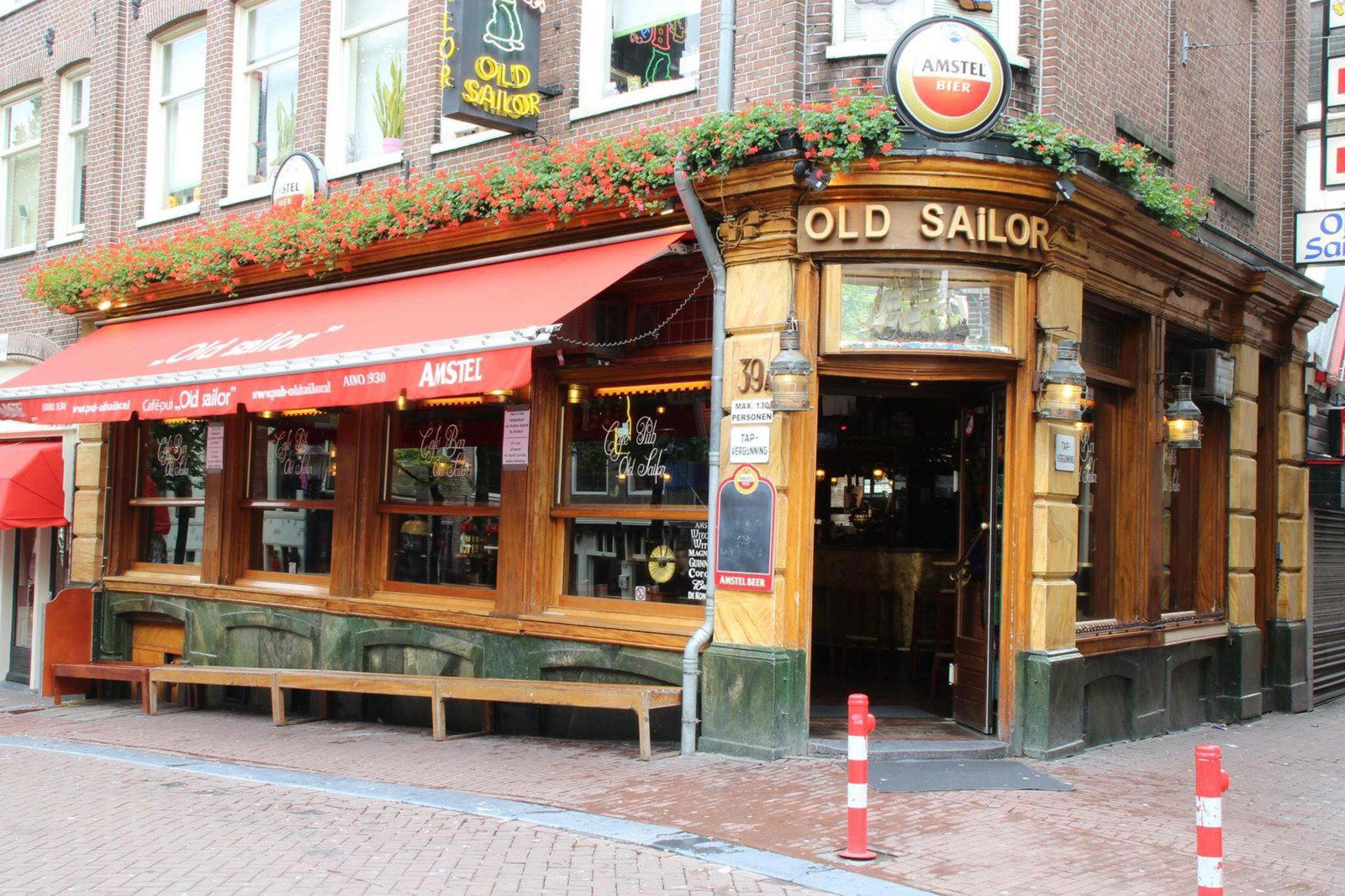
Canal Side, Old Quarter: What Café Old Sailor Represents in Amsterdam's Drinking Culture
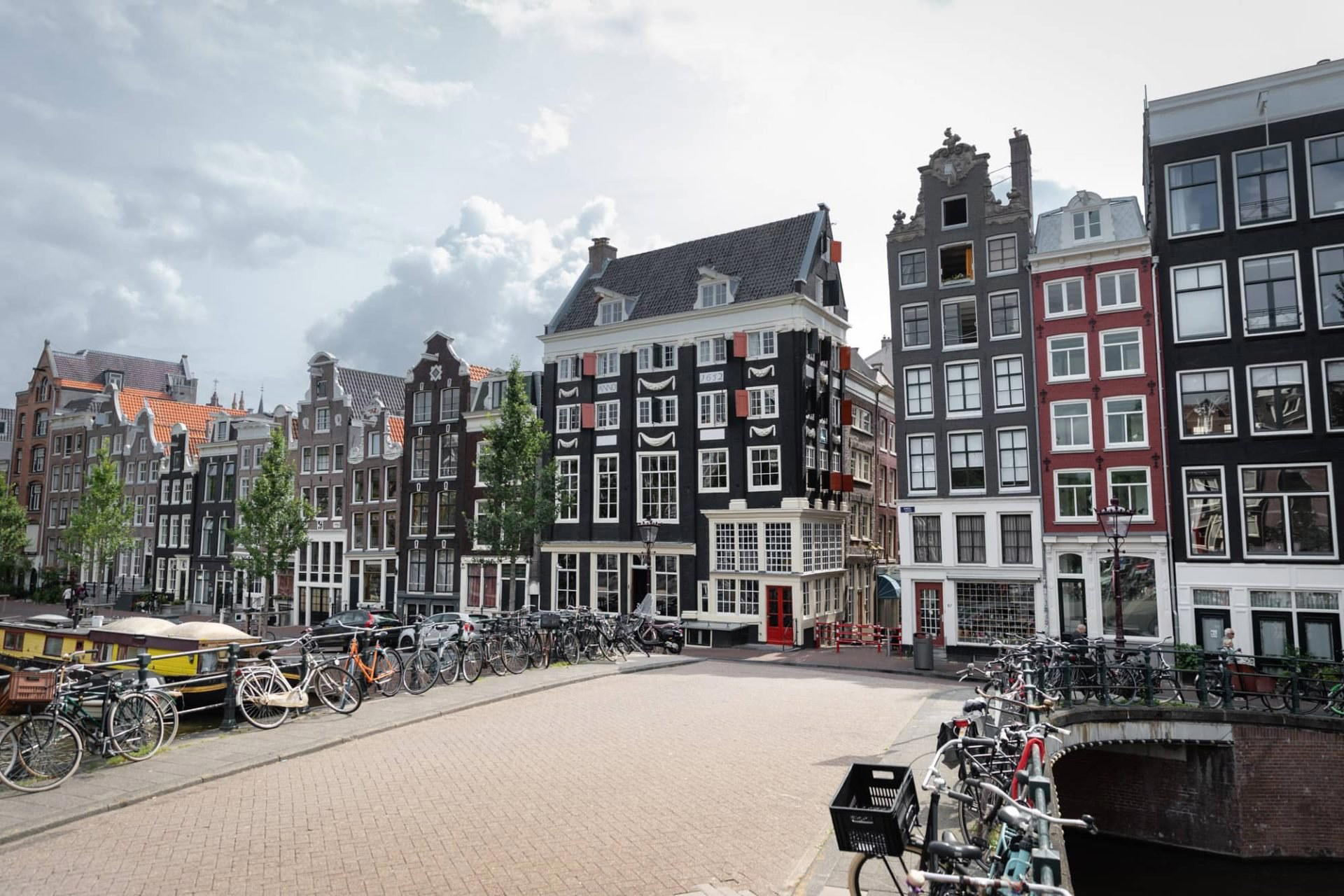
The address says more than most venue descriptions can. Oudezijds Achterburgwal is one of Amsterdam's oldest canal streets, running through the heart of the Red Light District at a point where the city's medieval history, its 17th-century maritime wealth, and its contemporary reputation for permissive urbanism all compress into a few hundred metres. A brown café that has held its ground on this stretch operates as something closer to neighbourhood infrastructure than hospitality offering. Café Old Sailor is that kind of place.
Amsterdam's bruine kroegen, or brown cafés, constitute one of the more specific drinking traditions in northern Europe. The name comes from the tobacco-stained walls and dark wood interiors that accumulate over generations of use, not from any designed aesthetic. These are places where the patina is the point. In a city where the bar scene has moved decisively toward precision cocktail programs and curated spirits lists, with venues like Door 74 and Tales & Spirits representing Amsterdam's technically ambitious end of the spectrum, the brown café occupies a completely different cultural register. It is the anti-concept concept: a room that resists the idea of a concept entirely.
The Oudezijds Achterburgwal Setting
Approaching along the canal, the distinction between tourist-facing operators and genuinely local institutions becomes apparent quickly. The Oudezijds Achterburgwal corridor has long attracted bars and coffee shops that read the neighbourhood's foot traffic and price and present accordingly. A brown café in this context is not trying to compete with the cocktail bars of Leidseplein or the wine rooms of the Jordaan. It is positioned, by tradition and by geography, as the place where you drink Dutch beer, spend very little, and sit inside a room that smells of history rather than brand strategy.
The canal-side position matters as a cultural marker. Amsterdam's maritime past ran through exactly these streets, and the sailor in the name is not incidental. The Zeedijk and Oudezijds corridors were historically the territory of sailors, dockers, and the working population of a city built on trade. That history is not performed at Old Sailor; it is simply present in the physical fabric of the place and the neighbourhood around it.
Format and Draw
The draw at Café Old Sailor is categorical rather than specific to a particular menu innovation or chef. Brown cafés operate on a format that prioritises draught beer served properly, a limited but functional food offering, and a room where conversation happens without the ambient pressure of a design-forward space or a cocktail list that demands interpretation. The format appeals most directly to visitors who want access to the actual rhythm of Amsterdam neighbourhood life, not a curated simulation of it.
Amsterdam Roest and venues like Bakers & Roasters serve a reader who wants a deliberate experience with a clear format and aesthetic. Old Sailor serves a reader who wants none of that friction and would prefer to sit with a Heineken or Amstel and watch the canal. Both are valid positions. They are simply not the same position.
Brown Cafés in the Wider Dutch Context
The brown café tradition extends well beyond Amsterdam. Utrecht has its own version of the format, as do Rotterdam and The Hague, each with slight regional character differences. Rotterdam's café culture skews harder-edged and less tourist-mediated; Espressobar Kopi Soesoe represents Rotterdam's more contemporary take on neighbourhood hospitality. In Utrecht, venues like Florin Utrecht operate in a city with a strong student-driven café culture that overlaps with, but differs from, Amsterdam's tourist-heavy version. Elsewhere in the Netherlands, from Boode Foodbar in Bathmen to Bowie in The Hague and Brasserie Lalou in Delft, the neighbourhood café format adapts to local demographics and urban character without losing its essential function as a place of low-friction sociability.
What Amsterdam's version of the tradition carries that other Dutch cities do not is the sheer density of tourism and the pressure that places on authenticity. A brown café on Oudezijds Achterburgwal will inevitably serve a high proportion of visitors rather than regulars in a way that a comparable institution in Bathmen or Delft would not. Whether that dilutes the experience or simply changes its character is a matter of what the reader is looking for. For visitors, the café remains a functional entry point into a drinking tradition that predates the craft beer movement, the cocktail renaissance, and the entire category of experiential hospitality.
Planning a Visit
Café Old Sailor is located at Oudezijds Achterburgwal 39-A, 1012 BG Amsterdam, placing it within walking distance of Centraal Station and the main concentration of Old Town sights. No booking infrastructure is relevant here; brown cafés operate on a walk-in basis by definition, and the format does not support advance reservations. The neighbourhood is at its most navigable in the earlier parts of the day before the evening foot traffic from the Red Light District peaks. For readers building a broader Amsterdam itinerary, the full Amsterdam restaurants and bars guide maps the city's drinking and dining options across neighbourhoods and formats. If the cocktail end of the spectrum is relevant to your trip, Door 74 operates a reservation-required speakeasy format that represents Amsterdam's most technically rigorous bar program. For something in between, Tales & Spirits runs a more approachable but still craft-focused operation. And if the brown café format appeals beyond Amsterdam, Café Barolo in Eindhoven offers a comparable neighbourhood-institution feel in a different Dutch city. For readers who want to see how the format translates to an entirely different context, Bar Leather Apron in Honolulu demonstrates how the neighbourhood-anchor bar concept operates in a Pacific setting.
Cost Snapshot
| Venue | Price |
|---|---|
| Café Old SailorThis venue — the venue you are viewing | This venue |
| Door 74 | World's 50 Best |
| Tales & Spirits | World's 50 Best |
Continue exploring
More in Amsterdam
Bars in Amsterdam
Browse all →
Restaurants in Amsterdam
Browse all →
Hotels in Amsterdam
Browse all →
Wineries in Amsterdam
Browse all →
At a Glance
- Cozy
- Lively
- Classic
- Well Known
- Casual Hangout
- Group Outing
- After Work
- Historic Building
- Live Music
- Standalone
- Seated Bar
- Standing Room
- Outdoor Terrace
- Booth Seating
- Craft Beer
- Whiskey
- Rum
- Street Scene
Current opening hours
- Monday
- 11 AM–1 AM
- Tuesday
- 11 AM–1 AM
- Wednesday
- 11 AM–1 AM
- Thursday
- 11 AM–1 AM
- Friday
- 11 AM–3 AM
- Saturday
- 11 AM–3 AM
- Sunday
- 11 AM–1 AM
Hours can change for holidays and private events. Last verified .
Dimly lit traditional Dutch pub with dark wood paneling, aged wooden furniture, and maritime-themed decorations including steering wheels and ship instruments creating a cozy yet lively atmosphere.
Know Before You Go
- Getting there
- Oudezijds Achterburgwal 39-A, 1012 BG Amsterdam, Netherlands