Bar Gallizia
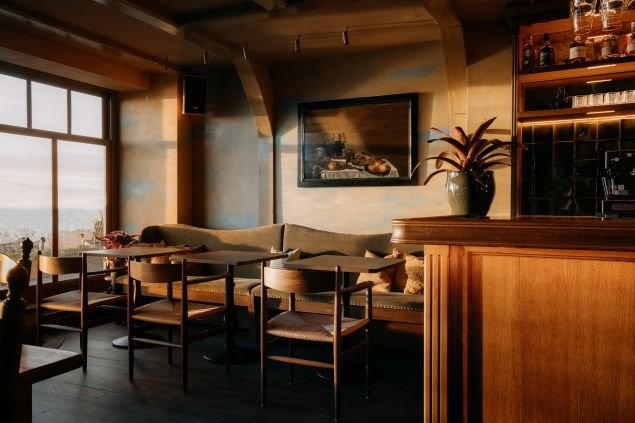
Bar Gallizia sits on Javastraat in Amsterdam's Indische Buurt, operating as the kind of neighbourhood bar that earns its regulars through consistency rather than concept. The East neighbourhood has shifted considerably over the past decade, and Gallizia has moved with it without losing its local character. For visitors, it offers a point of contact with a Amsterdam that operates well outside the canal-belt tourist circuit.
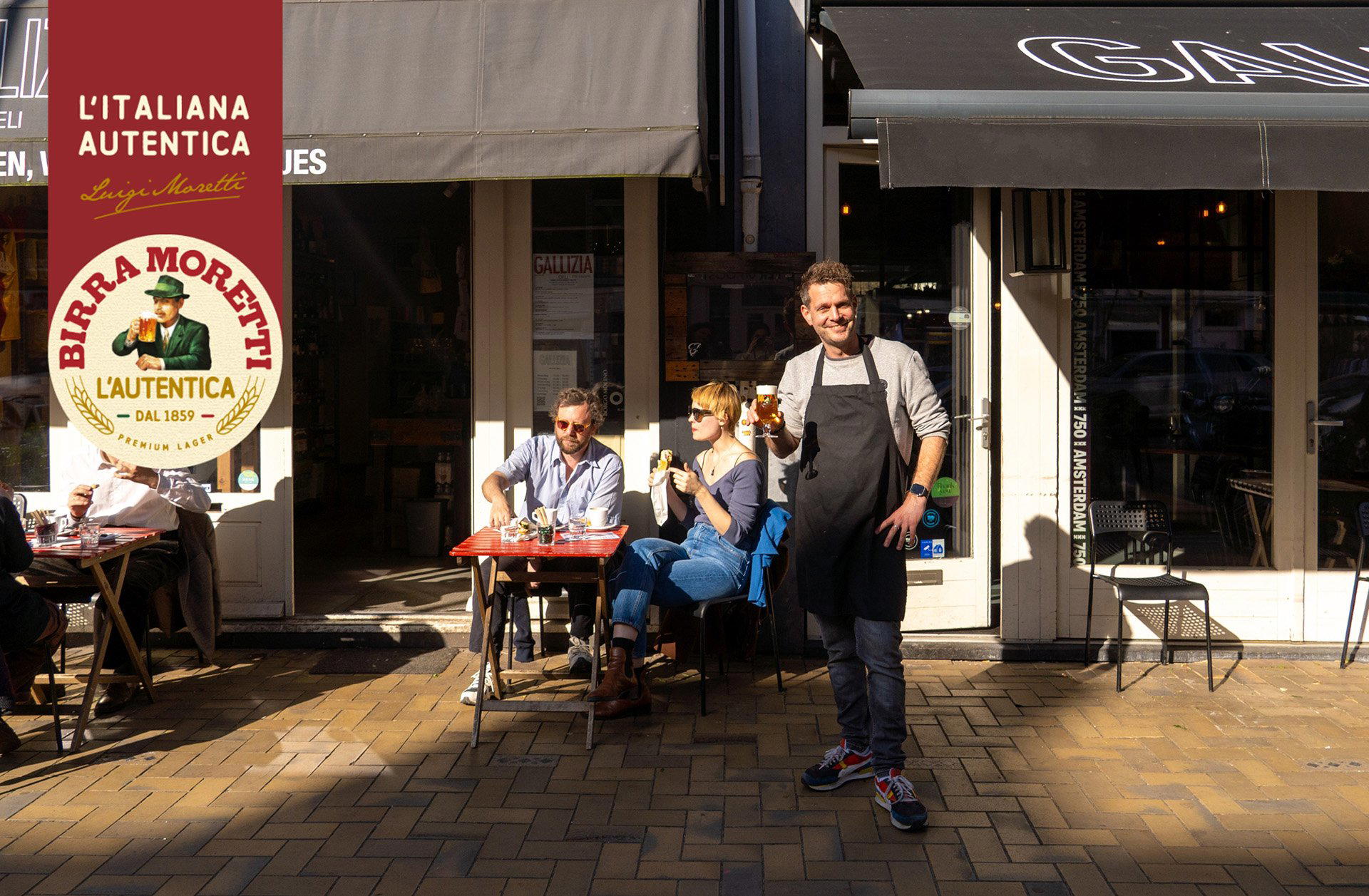
Javastraat and the East Amsterdam Bar Scene
Amsterdam's drinking culture has always organised itself around the neighbourhood café rather than the destination bar. The bruine kroeg tradition, brown cafés worn into comfort by decades of use, gave way in many districts to concept-driven cocktail rooms, but that shift played out unevenly across the city. In the Indische Buurt, the eastern neighbourhood centred on Javastraat, the transition was slower and the result more layered. Streets that spent years as purely residential with functional food shops have accumulated a loose collection of bars and cafés that serve residents first and curious visitors second. Bar Gallizia on Javastraat 67 sits inside that pattern.
Javastraat itself reads as a working street rather than a curated destination. It runs through one of the more genuinely mixed parts of the city, where Indonesian, Surinamese, and Dutch communities have overlapped for generations, a legacy of Amsterdam's colonial trade history that shaped the entire Indische Buurt neighbourhood. The street names here, Java, Lombok, Bali, Celebes, trace the Dutch East Indies map. Bars on this stretch don't rely on foot traffic from tourists arriving by tram from the Rijksmuseum. Their customer base walks in from surrounding streets.
The Neighbourhood Watering Hole in 2020s Amsterdam
The concept of the neighbourhood bar has come under pressure across European cities as rising rents push out long-standing operators in favour of higher-revenue formats. Amsterdam's inner canal belt has largely completed that transition: the cocktail bars that earn attention there, places like Door 74 and Tales & Spirits, operate with technical programs, deliberate menus, and booking systems that position them as destinations rather than locals' spots. They are excellent at what they do, but they serve a different function than a street-corner bar in the Oost.
Further east, the economics shift. Javastraat businesses draw from a dense residential population where repeat custom matters more than viral visibility. A bar that functions as a genuine gathering point for the surrounding blocks occupies a role that the destination cocktail bar cannot replicate, regardless of how refined its menu becomes. Bar Gallizia operates in this register. The address places it within walking distance of Oosterpark and the residential grids that fill out the Indische Buurt, an area with a growing reputation among Amsterdam's own residents as one of the more liveable parts of the city, even as development pressure has increased across the east.
The broader Oost drinking scene has diversified considerably. Amsterdam Roest, a few kilometres along the waterfront, draws a younger creative crowd to a reclaimed industrial setting, while the café density around Linnaeusstraat and Beukenplein has grown into something that functions almost as a secondary city centre for residents east of the Amstel. Bar Gallizia on Javastraat sits in an older part of that geography, where the bar's identity is less about programming and more about presence.
What to Drink and How to Approach the Visit
Amsterdam's bar category has split broadly into three tiers over the past decade: the technically focused cocktail bars, which compete on program sophistication and often attract international recognition; the mid-tier café-bars, which blend drinks with food and maintain hybrid identities; and the neighbourhood regulars, which serve a narrower function but serve it reliably. The distinction matters for managing expectations. A visitor arriving at Bar Gallizia from, say, the cocktail room format of a reservation-only inner-city bar will encounter a different proposition entirely, one that measures itself against different standards.
For drinks guidance, the sensible approach at a neighbourhood bar of this type in the Netherlands is to follow what the local clientele orders. Dutch beer culture remains the baseline at most street-level Amsterdam bars, with regional and national lagers and a growing spread of craft options reflecting broader Dutch interest in brewing that has developed since the early 2010s. Jenever, the Dutch-origin spirit that predates gin and sits somewhere between a grain spirit and a botanical one, is another reference point at Amsterdam neighbourhood bars. Its role in Dutch drinking culture is substantial and largely invisible to visitors who arrive through the cocktail-bar circuit, where it appears, if at all, as an ingredient rather than a drink in its own right.
What the address and neighbourhood context suggest is a bar oriented toward approachability rather than showmanship. That framing is itself useful intelligence: the ordering decision at this type of venue is less about identifying the signature serve and more about reading the room.
Getting There and Around the Indische Buurt
Javastraat 67 sits in the eastern section of Amsterdam's Indische Buurt, accessible by tram or a direct cycle from the city centre. The neighbourhood rewards exploration on foot: the surrounding streets contain a concentration of independent food businesses worth knowing. Bakers & Roasters, with its strong brunch following, operates nearby, and the broader Javastraat café strip has become a reference point for locals navigating the east. For anyone building a longer Amsterdam bar itinerary, the full Amsterdam restaurants and bars guide provides the wider map.
Visitors spending time in the Netherlands beyond Amsterdam will find comparable neighbourhood-bar cultures in other Dutch cities. Florin Utrecht in Utrecht operates in a similarly community-facing register, while Bowie in The Hague and Brasserie Lalou in Delft offer points of comparison for the mid-tier café-bar format that Dutch cities do consistently well. For those tracking the Dutch bar scene across a wider geography, Espressobar Kopi Soesoe in Rotterdam represents the café end of the spectrum, and Café Barolo in Eindhoven and Boode Foodbar in Bathmen round out the regional picture for anyone moving through the south and east. Internationally, the neighbourhood-anchored bar format at Bar Leather Apron in Honolulu offers an interesting point of contrast for how the local-regulars bar concept translates across different hospitality cultures.
Awards and Standing
| Venue | Price | Awards |
|---|---|---|
| Bar GalliziaThis venue (the venue you are viewing) | Not listed | Not listed |
| Door 74 | $30–50 | World's 50 Best #33 · Top 500 Bars Best Bars #337 |
| Tales & Spirits | $50–100 | World's 50 Best #31 |
| Bar du Champagne | Not listed | Star Wine List |
Continue exploring
More in Amsterdam
Bars in Amsterdam
All bars in Amsterdam →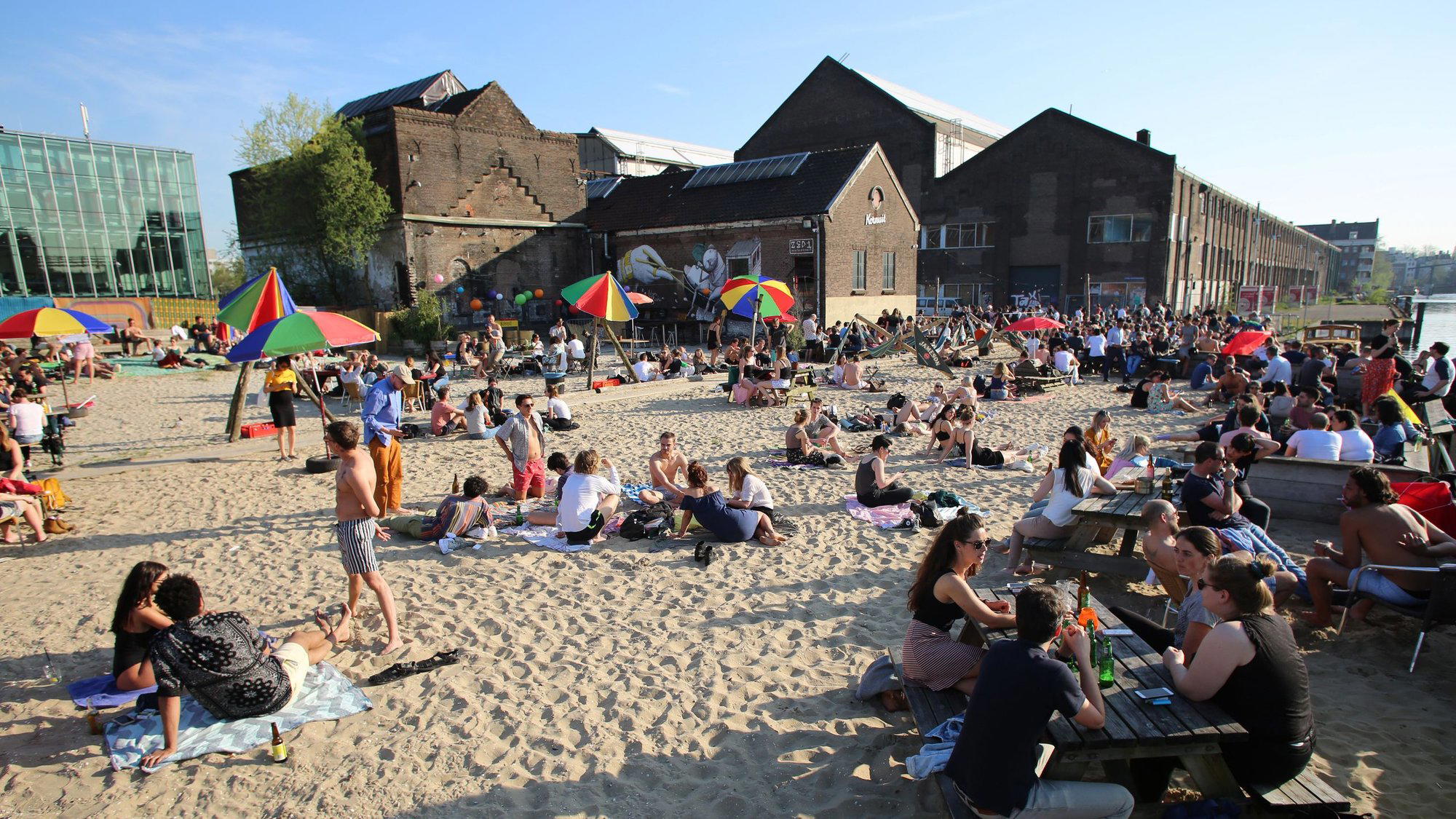
Restaurants in Amsterdam
All restaurants in Amsterdam →
Hotels in Amsterdam
All hotels in Amsterdam →
Wineries in Amsterdam
All wineries in Amsterdam →
Details
- Rustic
- Cozy
- Lively
- Industrial
- Casual Hangout
- Group Outing
- Standalone
- Seated Bar
- Lounge Seating
- Conventional Wine