Located in Tsukiji's Chuo ward, Tsukiji Unitora Nakadori sits in one of Tokyo's most storied food districts, where the legacy of the old wholesale market still shapes how locals eat and drink. The address on Nakadori places it within walking distance of the inner market remnants and the outer market stalls that continue to draw serious eaters. A useful reference point for anyone exploring central Tokyo's food corridors.

Pearl is the En Primeur Club membership app — saves, bookings, and concierge access live there. Same editors, same standards.
- Address
- Japan, 〒104-0045 Tokyo, Chuo City, Tsukiji, 4 Chome−10−5 MIHIROビル 1階
- Phone
- +81 3 6264 2188
- Hours
- Daily 7 AM–11 PM
- Website
- beyondtsukiji-hd.co.jp
- Directions
- Get directions
- Booking
- Book on the venue's website
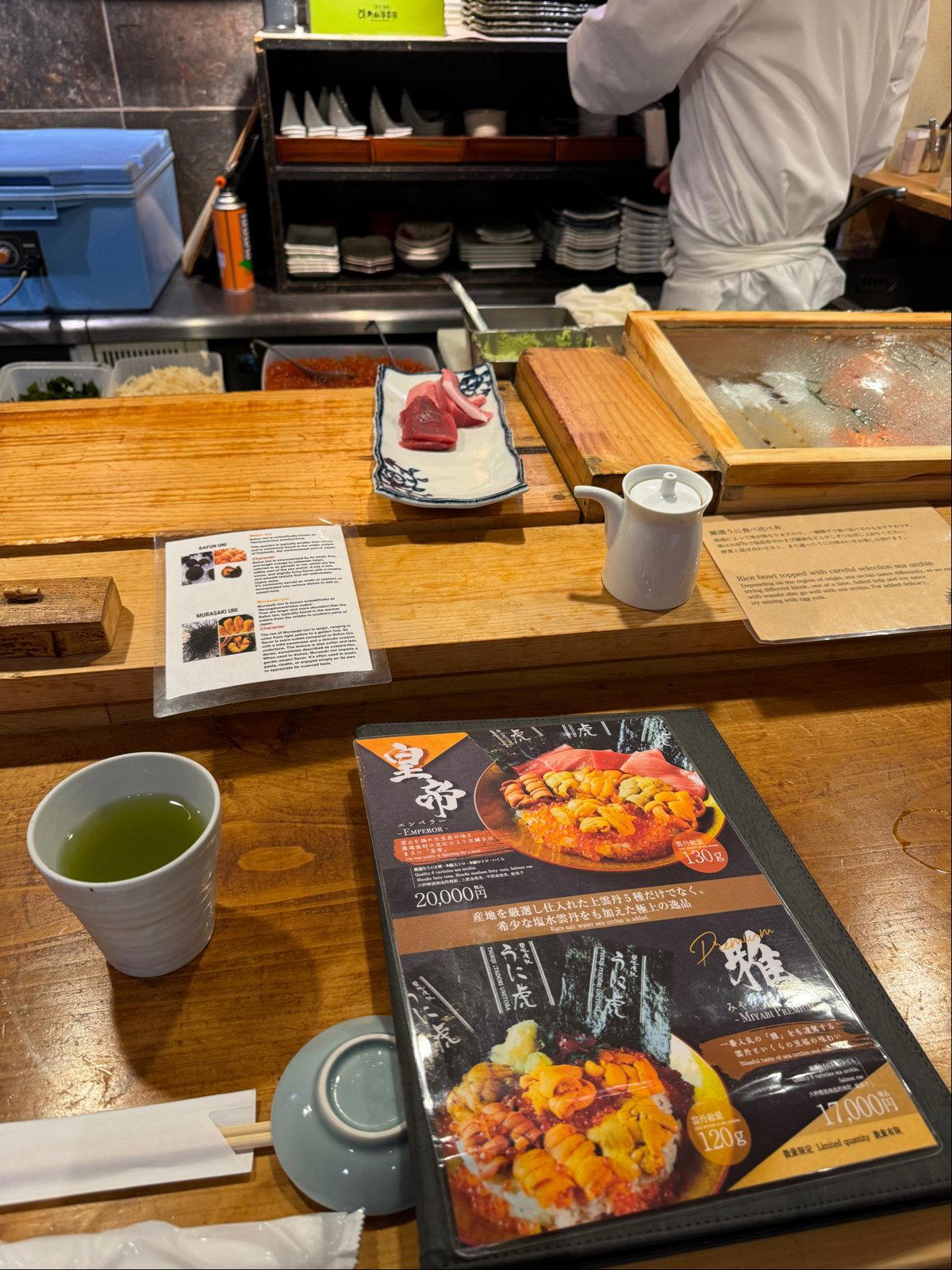
A Street That Still Tastes Like the Old Market
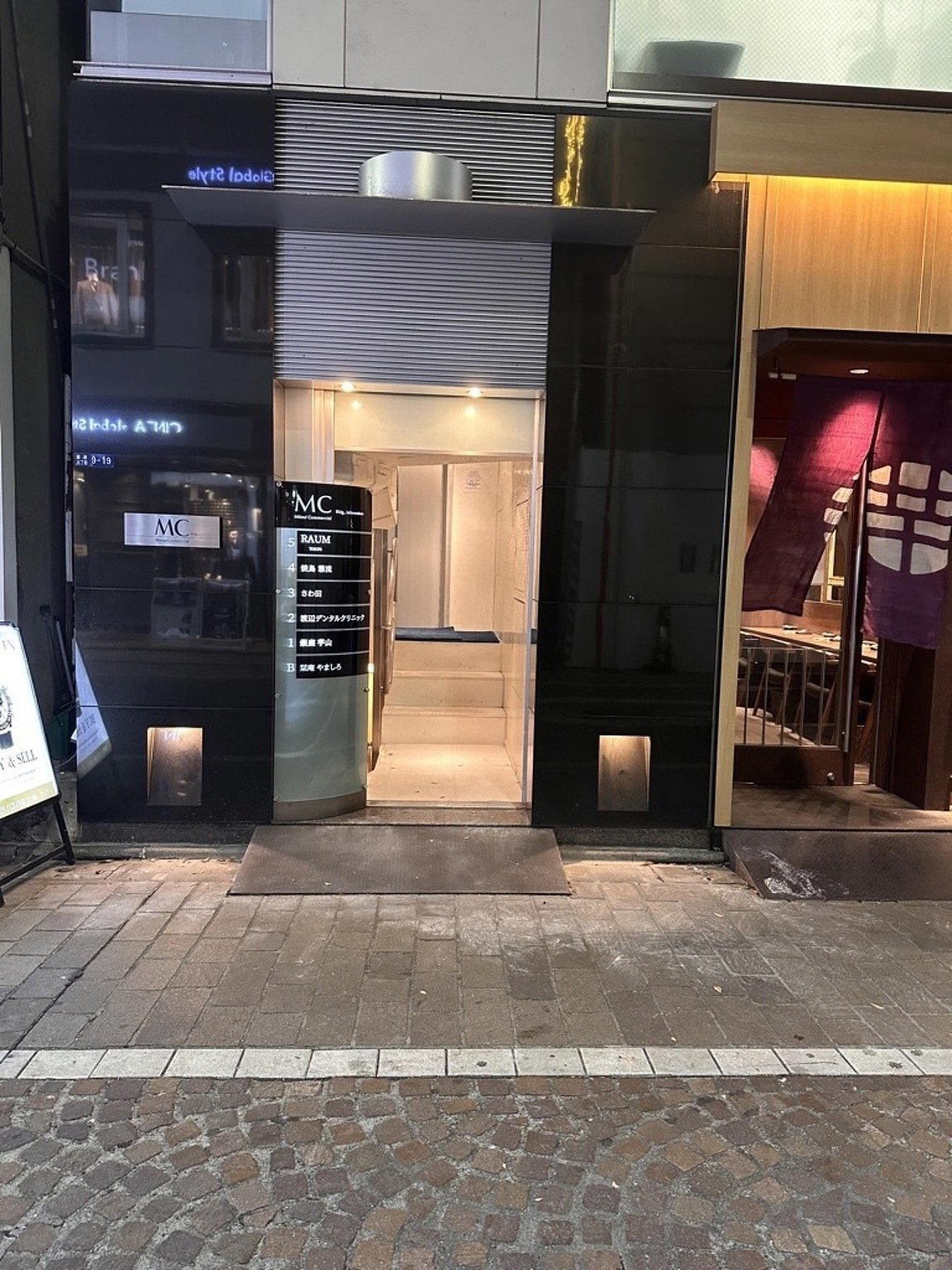
Tsukiji's Nakadori strip occupies an unusual position in Tokyo's dining geography. Long after the wholesale tuna auctions relocated to Toyosu in 2018, the outer market surrounding 4-chome retained its identity as a place where eating is transactional in the leading sense: direct, unpretentious, shaped by decades of feeding people who work with food for a living. The address at 4 Chome-10-5, the MIHIROビル ground floor, places Tsukiji Unitora Nakadori squarely in this corridor, where the physical density of small-format food businesses is among the highest in central Tokyo.
That density matters architecturally as much as commercially. Ground-floor tenancies on Nakadori tend to be compact, often converted from former storage or wholesale-adjacent uses, with the result that the spaces carry a particular material character: exposed structure, practical surfaces, proportions designed for throughput rather than lingering. It is a design language inherited from the market, and it persists across the street's newer occupants. The room tells you something about the neighborhood before a single plate arrives.
What the Tsukiji Address Signals
Tokyo's dining districts tend to stratify clearly. Ginza, two stops away on the Hibiya line, anchors the city's highest price tier and its densest concentration of Michelin-rated rooms. Tsukiji operates differently. The outer market's reputation was built on volume, freshness, and a certain accessibility that Ginza pricing explicitly excludes. Venues on and around Nakadori have historically positioned against that tradition: good product at direct prices, with formats that reflect the market's working rhythms rather than a tasting-menu pacing. For context on the broader Tokyo bar and dining scene, our full Tokyo restaurants guide maps the city's key districts and price tiers in detail.
Within that frame, the ground-floor unit at MIHIROビル reads as a deliberate spatial choice. Single-floor, street-level rooms on this stretch tend toward high turnover and direct sight lines to the kitchen or counter, where whatever is being prepared stays visible. That transparency is part of the appeal: the Tsukiji tradition of letting product speak for itself doesn't require ambient lighting or decorative concealment.
Space as Editorial Statement
Japanese dining rooms at the compact end of the format spectrum often communicate their intentions through restraint: what is removed from the room is as significant as what remains. The MIHIROビル ground-floor footprint in Tsukiji fits a category of spaces where the architecture does not attempt to separate the diner from the surrounding neighborhood. Street noise, natural light, proximity to neighboring occupants — these are conditions accepted rather than designed away. The result is a dining environment that feels continuous with the market street outside, which in Tsukiji is a statement about where the venue's values sit.
This spatial approach places Tsukiji Unitora Nakadori in a different conversation from the insulated, purpose-built dining rooms that define Tokyo's premium counter segment. The room is not performing neutrality or luxury; it is performing proximity — to product, to street, to the working food district that still defines the neighborhood's character six years after the wholesale auctions left.
Drinking Well Nearby: Tokyo's Bar Geography
For visitors building an evening around the Tsukiji area, Tokyo's bar circuit extends in several useful directions. Ginza's cocktail program runs from technically rigorous to historically rooted: Bar High Five has maintained consistent recognition for its counter-led format, while Bar Orchard Ginza positions within Ginza's fruit-forward cocktail tradition. Bar Benfiddich in Shinjuku operates at a more esoteric register, with a single-bartender format and botanicals sourced with notable specificity. Bar Libre offers another reference point within Tokyo's technical cocktail tier.
Beyond Tokyo, Japan's bar culture extends with equal seriousness into Osaka, Kyoto, and smaller cities. Bar Nayuta in Osaka and anchovy butter in Osaka Shi represent the Osaka approach to the craft bar format, which tends toward slightly warmer informality than Tokyo's more formal counter tradition. In Kyoto, Bee's Knees has built a following, and the Kyoto Tower Sando provides a more accessible point of entry. Further afield, Lamp Bar in Nara and Yakoboku in Kumamoto show how Japan's bar seriousness extends well beyond its major cities. For comparison outside Japan entirely, Bar Leather Apron in Honolulu applies a Japanese-influenced approach to the Hawaiian context.
Know Before You Go
Practical Details
- Address: 4 Chome-10-5 MIHIROビル 1F, Tsukiji, Chuo City, Tokyo 104-0045
- District: Tsukiji outer market corridor, Chuo ward
- Nearest Station: Tsukiji Station (Tokyo Metro Hibiya Line) or Tsukijishijo Station (Toei Oedo Line)
- Floor: Ground floor (1F), street-level access
- Reservations: Contact method, walk-in availability likely given the outer market format tradition, but verification recommended
- Pricing:; Tsukiji outer market venues typically price accessibly relative to central Tokyo dining
- Hours:, the outer market's rhythm historically favors morning and midday service, though evening operations vary by venue
In Context: Similar Options
Comparable venues nearby, for context on price, style, and recognition.
| Venue | Cuisine | Price | Awards | Notes |
|---|---|---|---|---|
| Tsukiji Unitora NakadoriThis venue — the venue you are viewing | sake_bar | $30–50 | Not listed | Not listed |
| Kanemasu | pub | Not listed | Not listed | Chūō |
| Izakaya Vin | wine_bar | $50–100 | Star Wine List | Shibuya |
| Spotted Stone | hotel_bar | Not listed | Not listed | Minato |
| Bar TRAM | speakeasy | $30–50 | Tabelog 100 #22 | Shibuya |
| Sushi Tokyo Ten | sake_bar | $50–100 | Not listed | Shibuya |
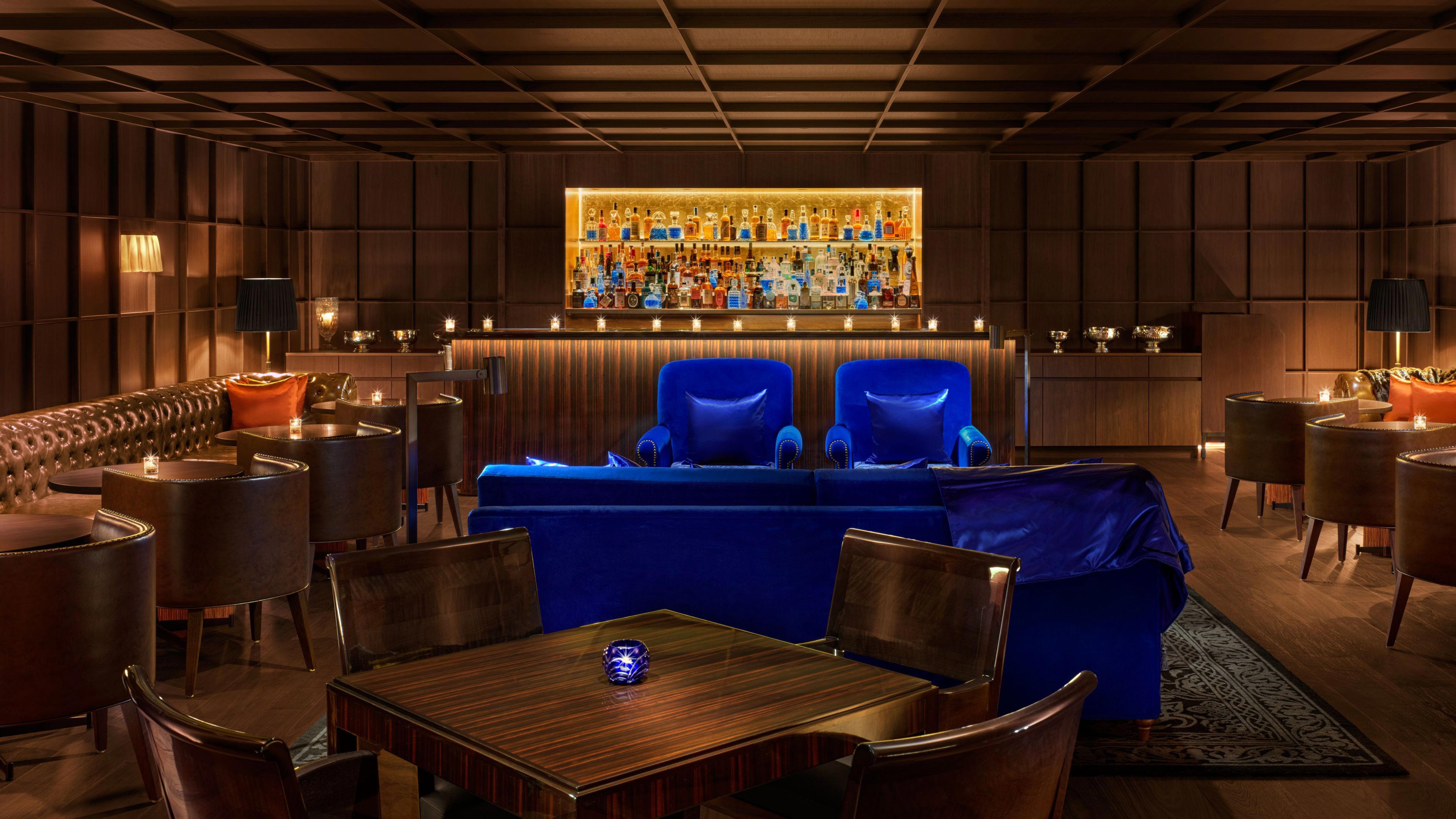

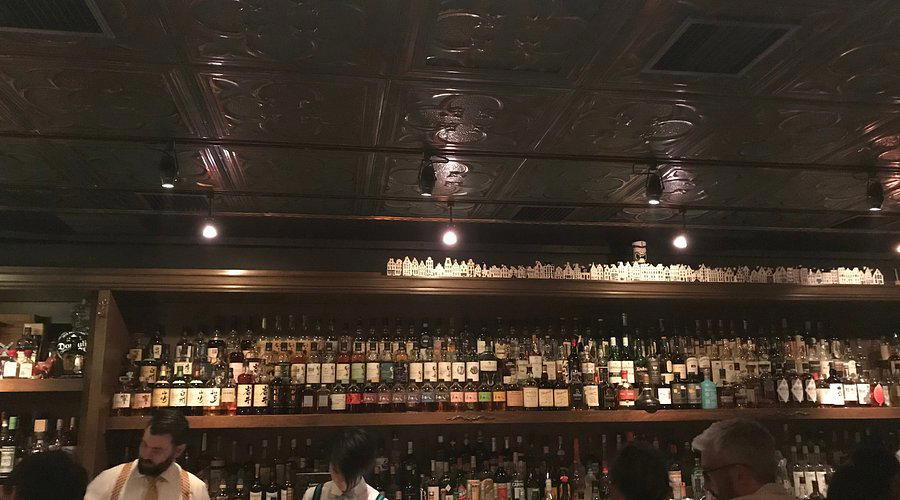
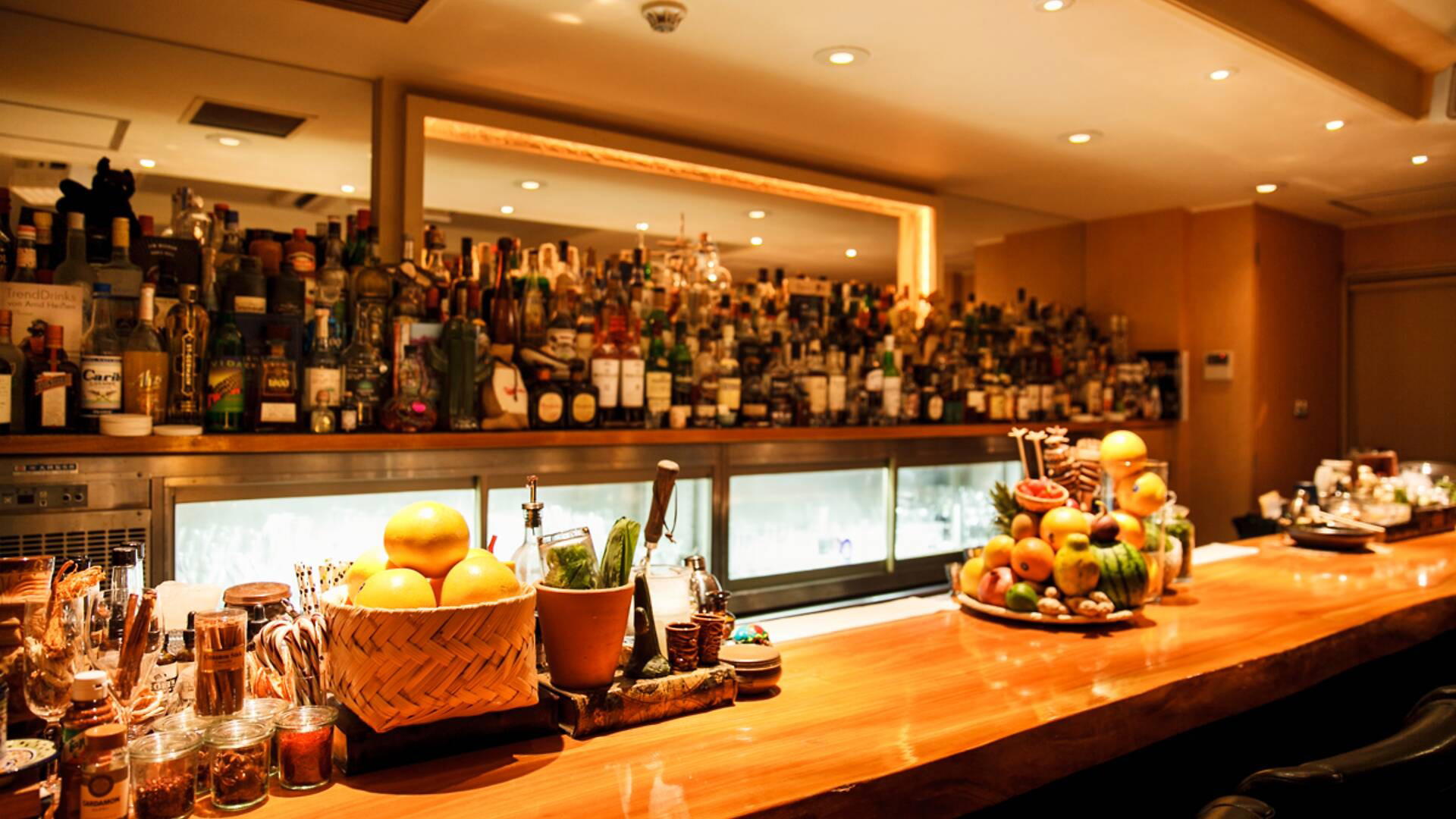




Details
- Cozy
- Modern
- Casual Hangout
- Standalone
- Counter Only
- Seated Bar
- Sake
Current opening hours
- Monday
- 7 AM–11 PM
- Tuesday
- 7 AM–11 PM
- Wednesday
- 7 AM–11 PM
- Thursday
- 7 AM–11 PM
- Friday
- 7 AM–11 PM
- Saturday
- 7 AM–11 PM
- Sunday
- 7 AM–11 PM
Hours can change for holidays and private events. Last verified .
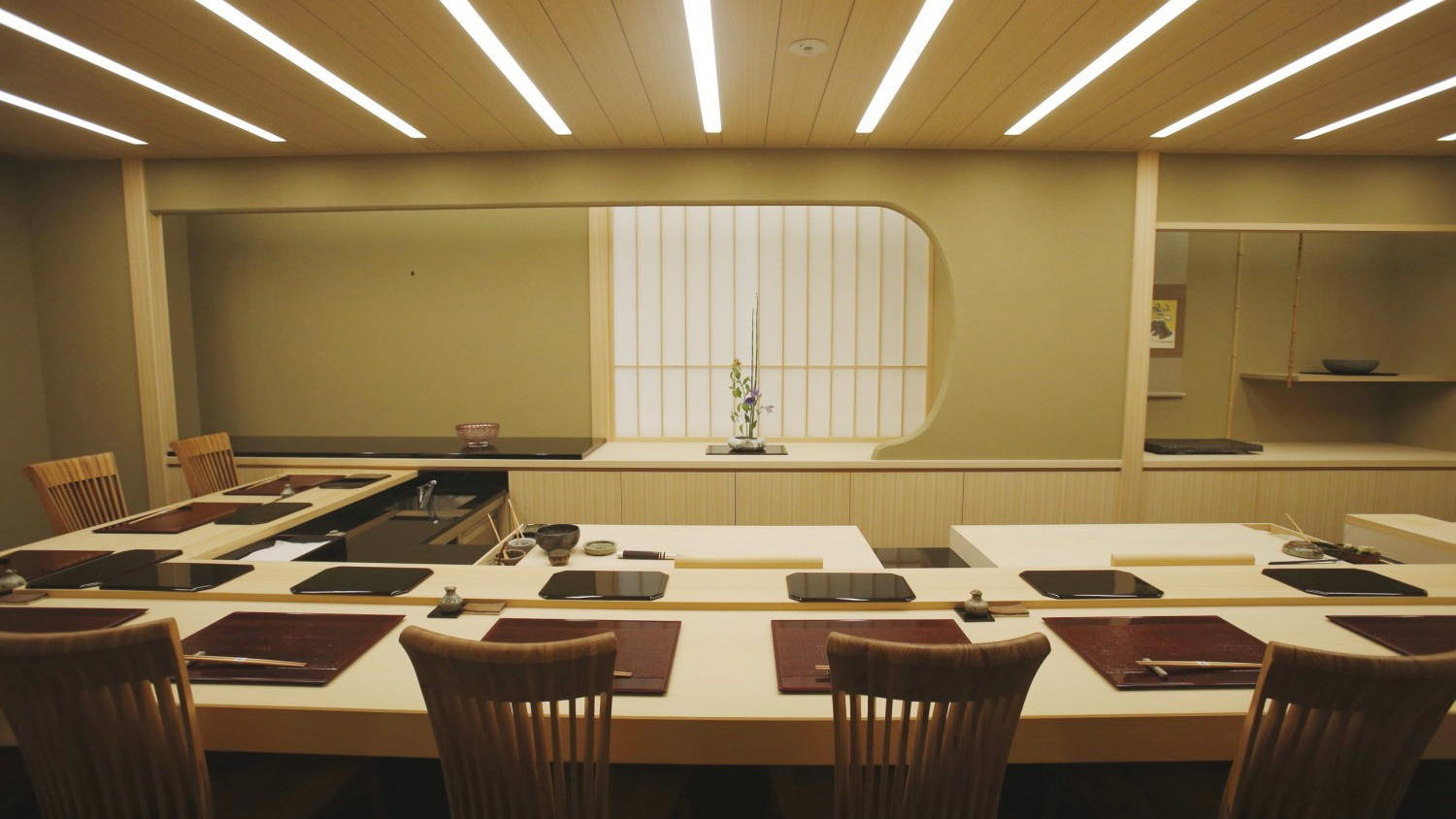
Bright, clean, and modern with a casual yet lively atmosphere at the intimate sushi counter.