
Tokyo’s cocktail culture has shifted toward small rooms where technique matters more than theatre. Bar Centifolia fits that mode: a Tokyo cocktail bar led by Yuzo Komai and ranked No. 56 on Opinionated About Dining’s 2026 Casual in Japan list, with Azabujuban giving it a quieter setting than the city’s louder nightlife corridors.
Pearl is the En Primeur Club membership app — saves, bookings, and concierge access live there. Same editors, same standards.
- Address
- Azabujuban, 1 Chome−6−5 ラミュウーズ十番ビル ラミューズ麻布十番ビル6F, Tokyo, Kantō, Japan
- Phone
- +81 3-3478-6228
- Website
- instagram.com
 Saves & bookings on Pearl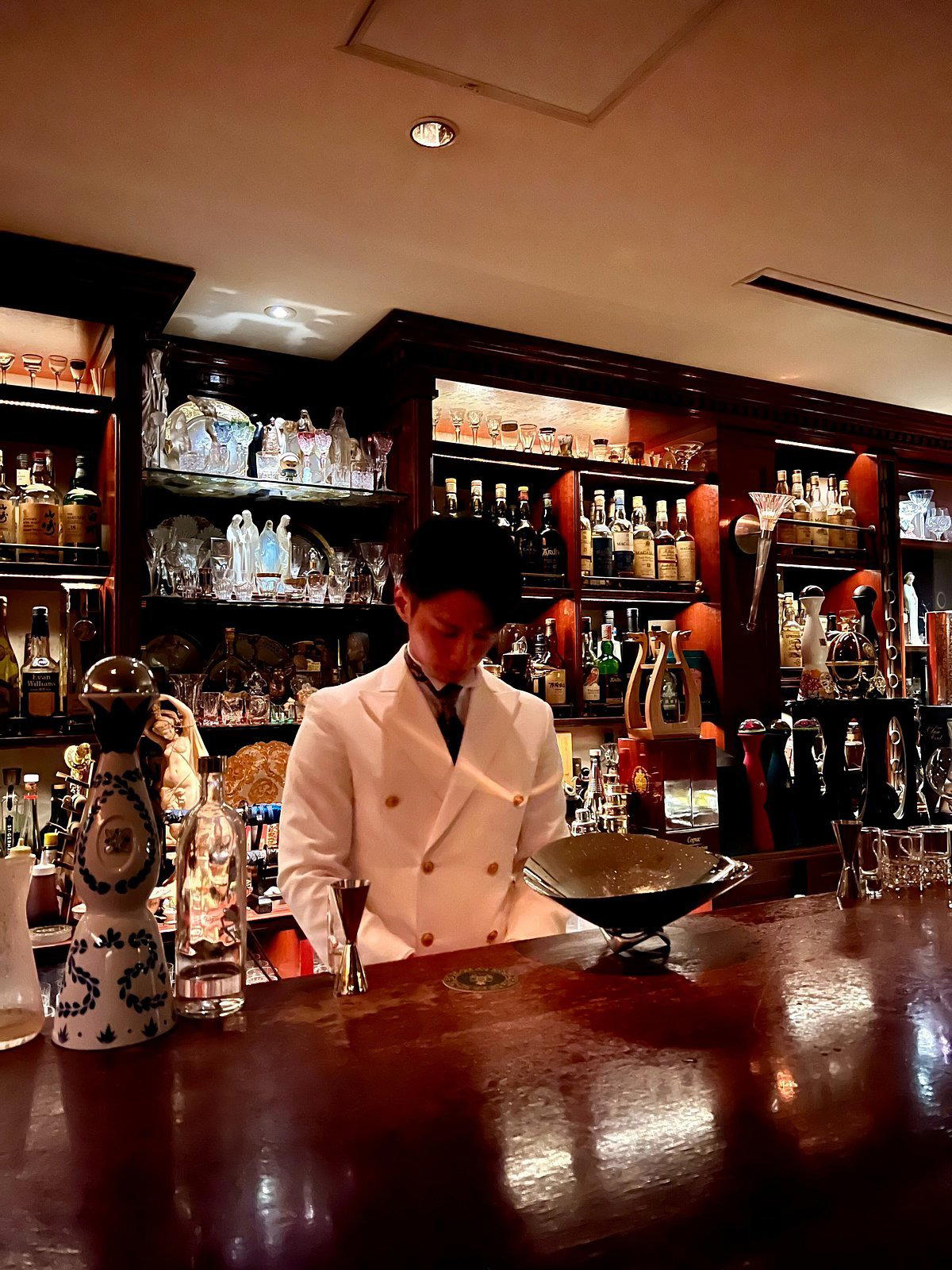
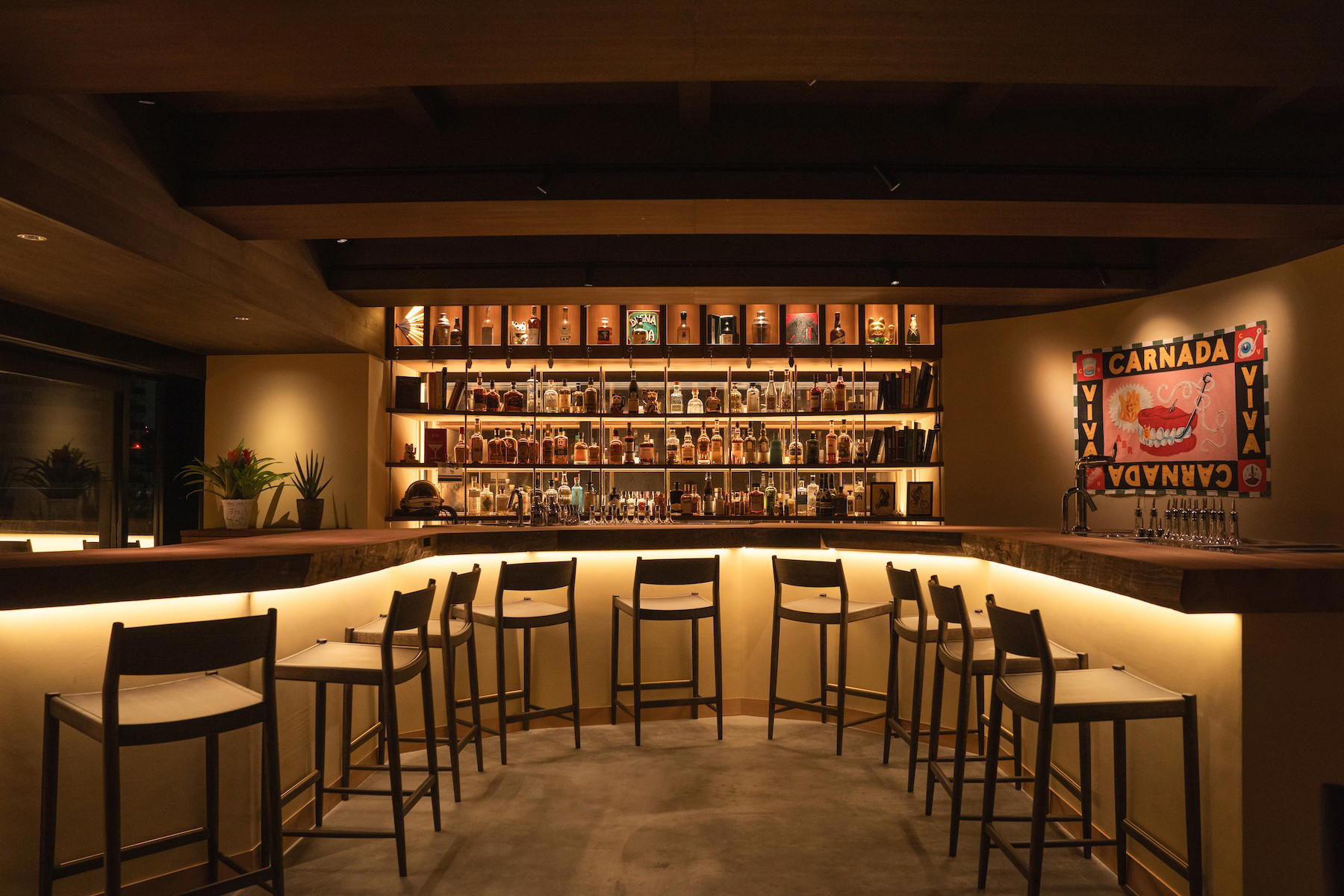
Azabujuban changes register after dark. Polished but without Ginza’s hard glare or Shinjuku’s late-night churn, its better small bars feel tucked into the vertical city, reached by elevator rather than announced from the street. That context suits Bar Centifolia: Tokyo’s serious cocktail culture is often less about spectacle than concentration, a counter, controlled pacing, and a bartender’s command of dilution, temperature, glassware, and silence.
Tokyo has long treated the bar as a specialist room. Where international cocktail cities often lean on menu architecture, brand collaborations, or concept, Tokyo’s counter tradition asks a narrower question: can the drink be made precisely enough that the guest notices restraint, not performance? Bar Centifolia belongs to that lineage, and its 2026 ranking at No. 56 on Opinionated About Dining’s Casual in Japan list gives it a public marker beyond neighbourhood word of mouth.
Azabujuban's quieter bar culture suits a precision-led counter
Azabujuban gives this kind of bar useful cover. It is close enough to central Tokyo’s dining circuits to attract drinkers who plan carefully, yet it does not behave like a volume-driven bar-hopping district. The room is best understood as a controlled stop in a night, not a default late-night fallback after a large group dinner.
For travellers, the comparison is not branded hotel bars or high-traffic nightlife rooms, but Tokyo’s smaller specialist counters, where technique carries the evening. Japanese cocktail tradition places unusual weight on minor decisions: how ice is cut or handled, how citrus is expressed, how a drink is stirred, and how quickly service moves from one guest to the next. Those cues reward attention and punish impatience. A strong visit depends on arriving in the right mood, ordering with direction, and letting the pacing settle.
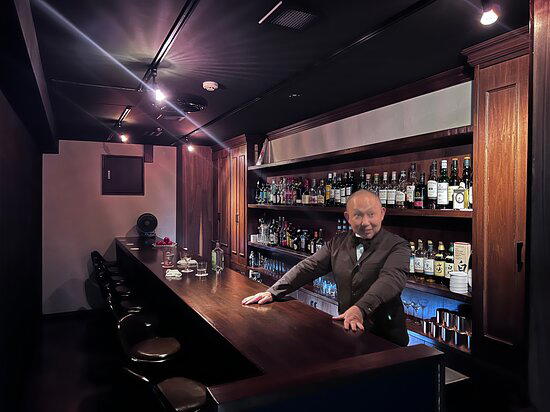
Yuzo Komai’s name is attached to Bar Centifolia, which matters less as biography than as authorship. In a city with many technically competent bars, the bartender’s hand is the organising principle: not a backstory, but the reason the format can remain small and exacting. The better Tokyo counters need no long narrative arc. They need consistency across repeated gestures, night after night.
The OAD Casual in Japan placement also matters. “Casual” here should not mean loose or improvised; in Japan, casual recognition often captures places accessible in spirit but serious in execution. For a cocktail bar, the signal is less about luxury cues than the quality of the drinking experience relative to restaurants and bars across the country.
Why the OAD ranking matters in a city crowded with serious drinks
Tokyo has an unusual density of accomplished cocktail rooms, many difficult for outsiders to interpret. Some are known through bartender networks, some through hotel circuits, and some through Japanese-language media that rarely crosses into international travel planning. Opinionated About Dining’s 2026 Casual in Japan list gives Bar Centifolia an external credential without forcing it into the frame of Michelin dining or global bar awards.
That helps reader decision-making. A cocktail bar attached to a chef-driven tasting-menu economy would be judged by rarity and expense; an independent Tokyo counter is judged by whether the evening feels controlled, personal, and technically coherent. The No. 56 rank does not make the bar a trophy. It signals enough recognition for a planned Tokyo drinking itinerary rather than an improvised afterthought.
The stronger approach is to treat the bar as part of Tokyo’s small-format precision culture. Begin with food elsewhere, then move into cocktails when conversation can narrow. The format should reward guests who care about balance over novelty. Tokyo bars often show quality in the second drink, once the bartender has read preferences and the guest has stopped scanning for a signature item. In this tradition, the point is not excess choice. It is calibration.
There is also useful contrast with Tokyo’s restaurant scene. Sushi counters, yakitori rooms, curry specialists, cafés, and cocktail bars all share an obsession with narrow formats, expressed differently. Readers mapping a wider itinerary can use Our full Tokyo restaurants guide, Our full Tokyo bars guide, Our full Tokyo hotels guide, Our full Tokyo wineries guide, and Our full Tokyo experiences guide to build the evening by neighbourhood rather than checklist.
How to place it within a Tokyo night
Bar Centifolia is better suited to a focused drink than a sprawling group plan. The useful rhythm is dinner first, cocktails after, with time left for the counter to dictate pace. Azabujuban works well for travellers seeking a central night without the heavier traffic patterns of bigger entertainment zones. The address places the bar in Tokyo’s vertical-bar grammar, where finding the right floor is normal drinking choreography, not a gimmick.
For food-led planning, nearby and cross-city references define Tokyo’s specialist formats. Casual seafood and charcoal cooking appears in. 鮪と炭火焼き うお炭 秋葉原店, while Shinjuku’s compact dining circuit includes 12/10 Shinjuku ten. Yakitori’s counter discipline can be traced through 124. KAGURAZAKA (Yakitori), Tokyo’s lighter daytime register appears at 2D Cafe, and curry has its own tightly defined subculture, represented by 3 Chome no Curry Ya San.
The broader Japan map shows how specialised formats travel beyond the capital: beef sukiyaki at -Grilled beef Sukiyaki- KAMAKURA TANUKIAN 鎌倉 たぬき庵 in Kamakura, café culture at.cafe in Osaka, regional dining at.know in Kumamoto, Vietnamese cooking at (Shoku) Vietnam in Kawasaki, Sapporo curry at [Curry Senmon Ten] Maruyama Kyoju. in Sapporo, and Kyoto’s contemporary register at [ki:] in Kyoto. For cocktail context outside Japan, ABV, Cocktail Bar in San Francisco and Bar Contra, Cocktail Bar in New York City show how American bars often frame technique through a louder, more menu-driven idiom.
The editorial case for Bar Centifolia is specific: it suits travellers who value Tokyo’s quieter cocktail grammar, want an externally recognised bar without turning the night into a trophy hunt, and prefer a small room’s intelligence to a high-volume scene’s energy. In 2026, its OAD ranking gives the bar a clear trust signal; the better reason to go is that Azabujuban remains a natural stage for measured drinking.
Peer Set Snapshot
Comparable venues nearby, for context on price, style, and recognition.
| Venue | Cuisine | Price | Awards | Notes |
|---|---|---|---|---|
| Bar CentifoliaThis venue — the venue you are viewing | Cocktail Bar | $$ | , | |
| Bar Naito | Classic Japanese cocktail bar | $$ | , | Chūō |
| Paul Bassett Shinjuku | Specialty Coffee & Café | $$ | , | Shinjuku |
| BANDARA LANKA | Authentic Sri Lankan Cuisine & Ceylon Tea | $$ | , | Shinjuku |
| Cafe Paulista | Historic Ginza kissaten & coffeehouse | $$ | , | Chūō |
| Hainanese Chicken Rice Azabujuban Main Shop | Singaporean Hainanese Chicken Rice | $$ | , | Minato |







At a Glance
- Intimate
- Sophisticated
- Modern
- Lively
- Hidden Gem
- Date Night
- Solo
- Celebration
- Special Occasion
- After Work
- Chefs Counter
- Standalone
- Craft Cocktails
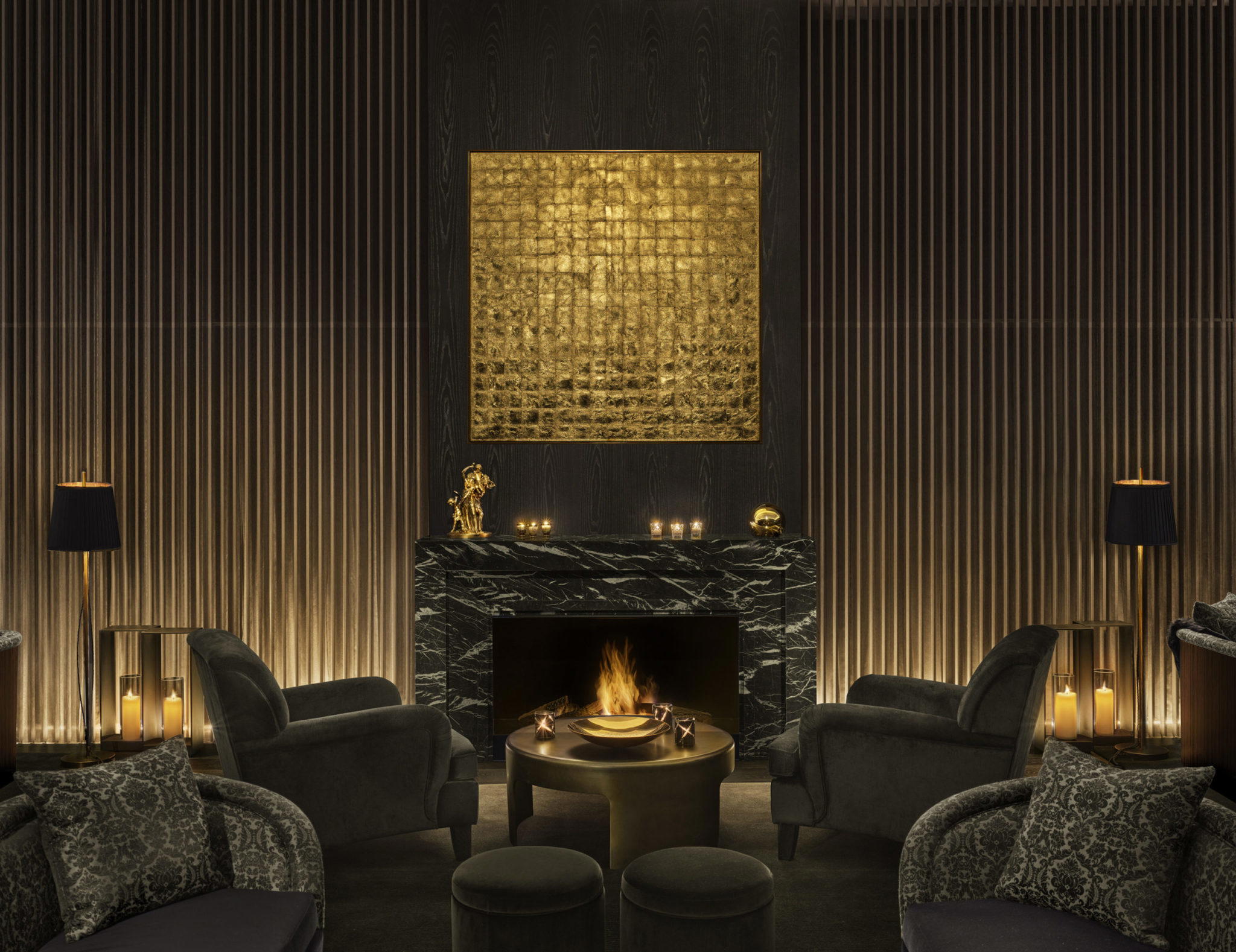
Intimate, low-key, and polished, with a sense of exclusivity and performance-driven energy around the bar program.