Google: 4.5 · 2,889 reviews
Abe & Louie's
Abe & Louie's occupies a particular position on Boylston Street that Boston's steakhouse circuit has long recognized: a room built for occasion dining, where the weight of the space does as much work as what arrives at the table. It sits in the Back Bay's premium corridor, drawing both long-standing regulars and visitors navigating the neighbourhood's concentrated dining options for the first time.
 Discover on Pearl
Pearl is the En Primeur Club membership app — saves, bookings, and concierge access live there. Same editors, same standards.
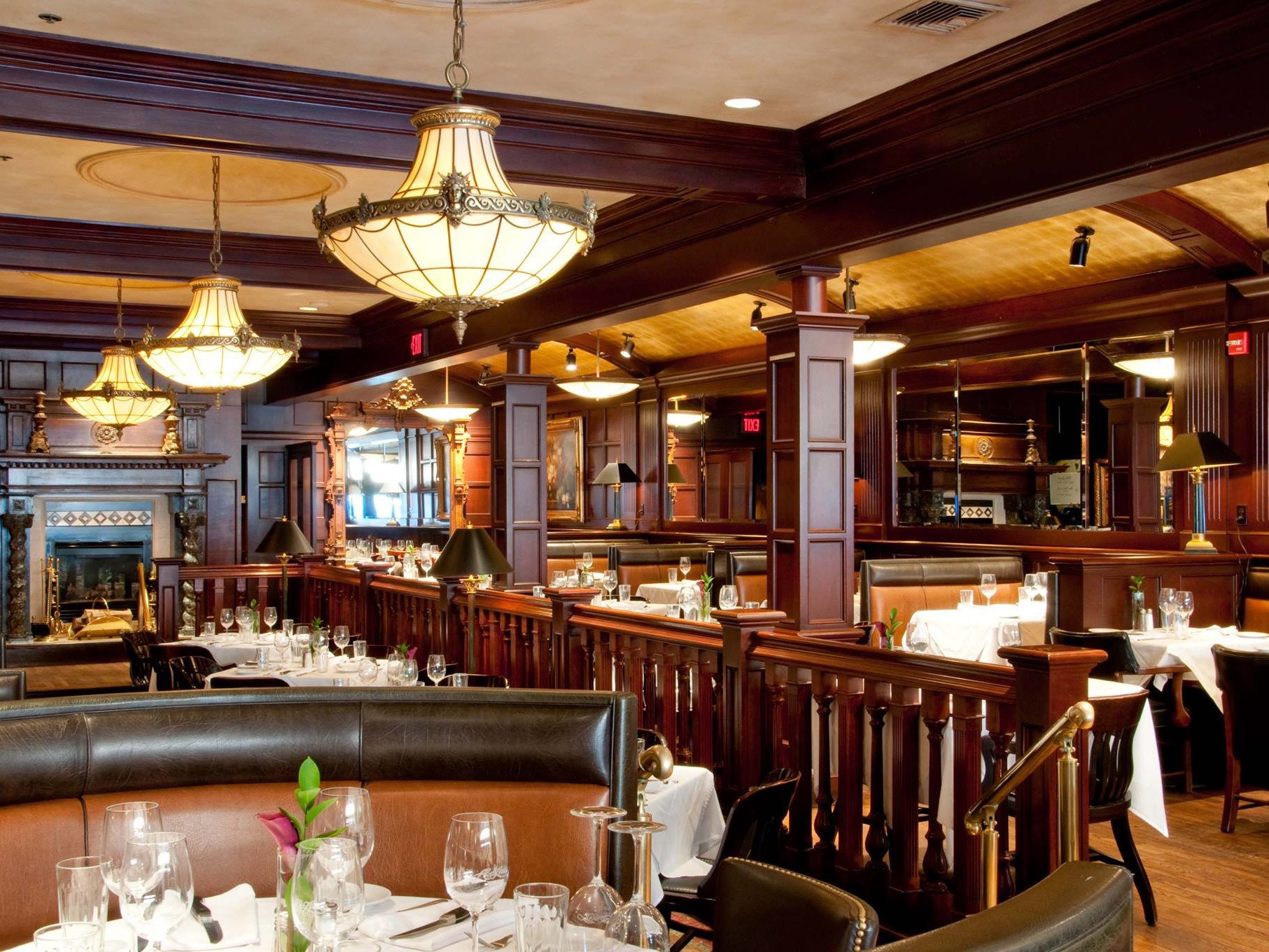
The Room Before the Meal
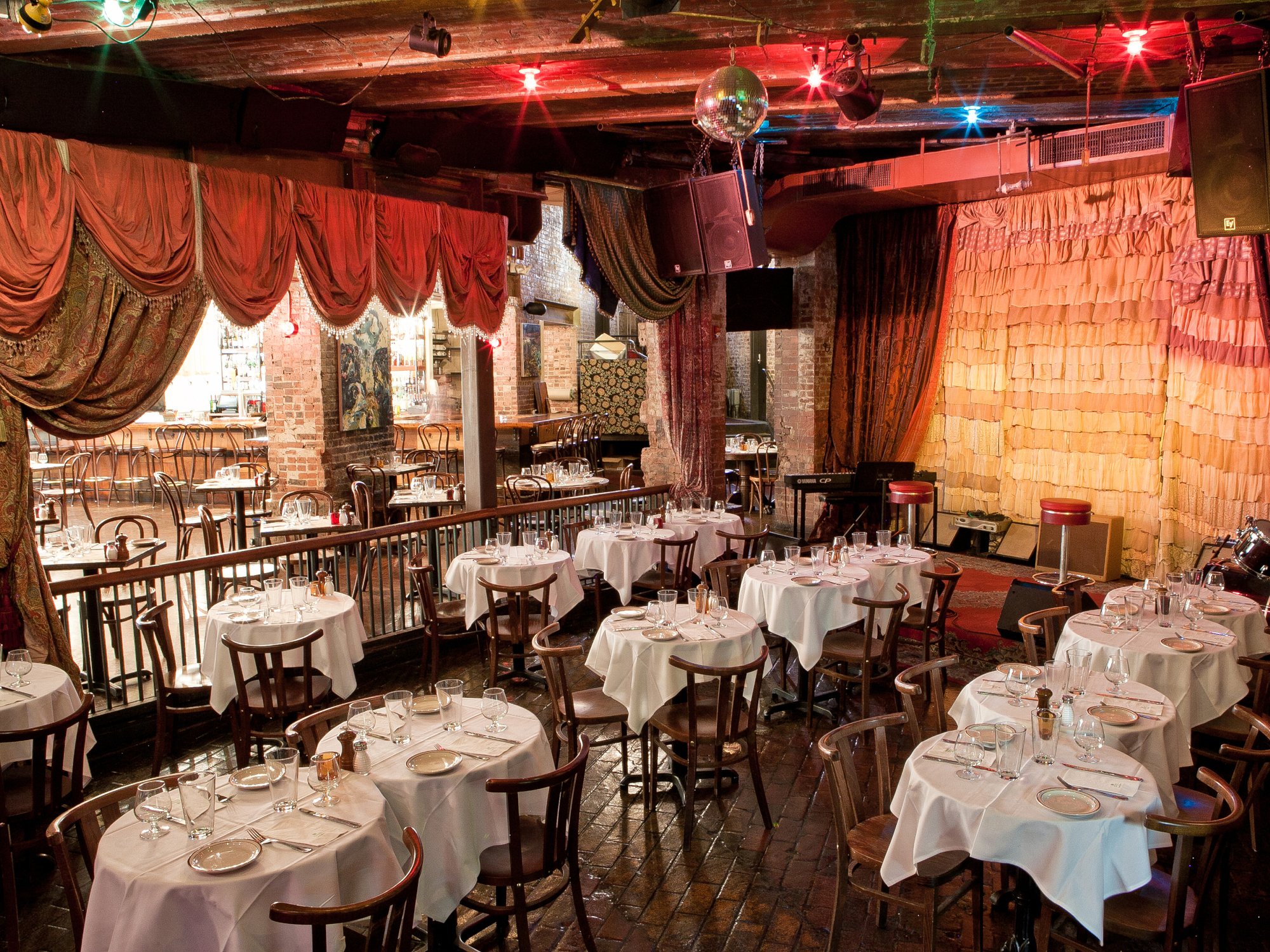
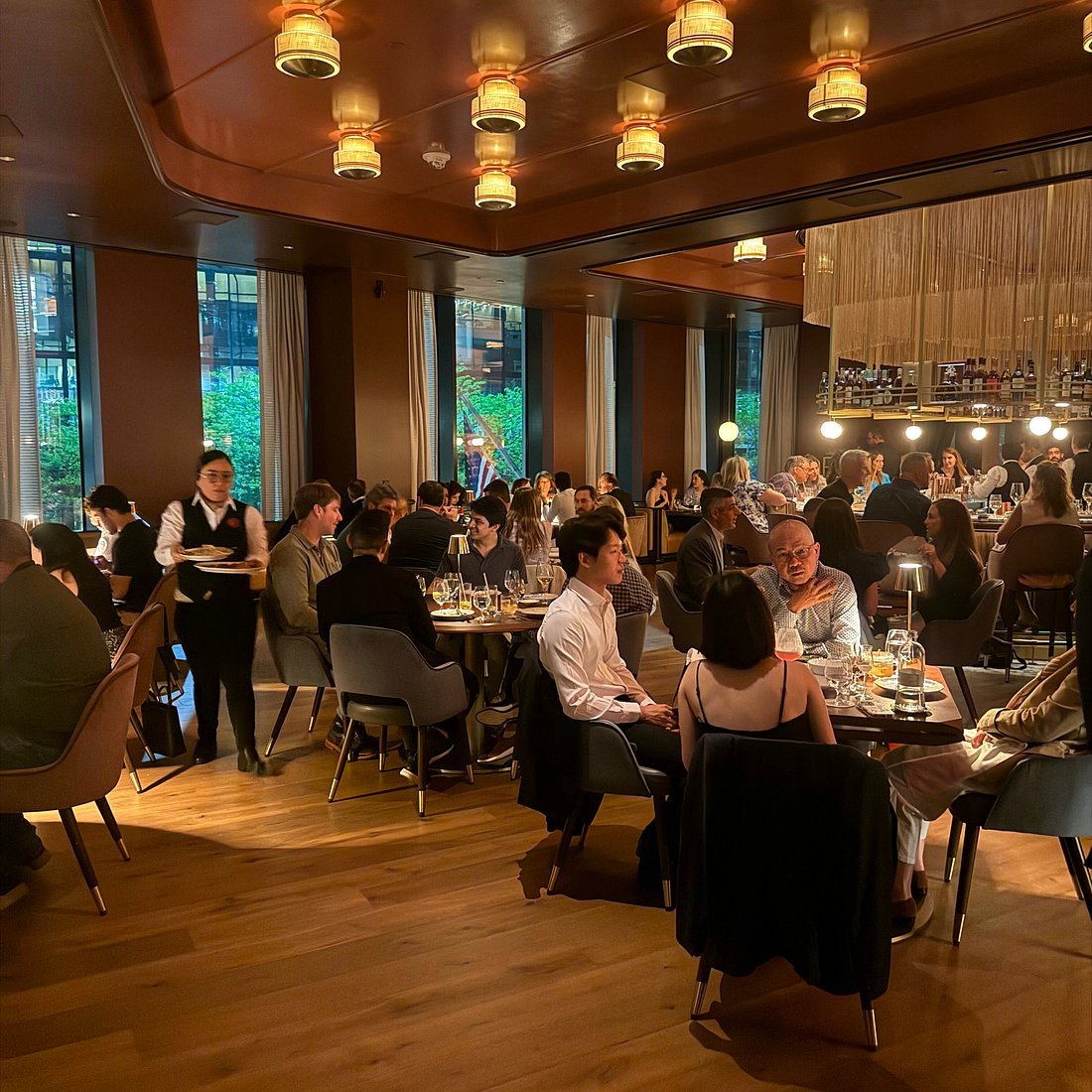
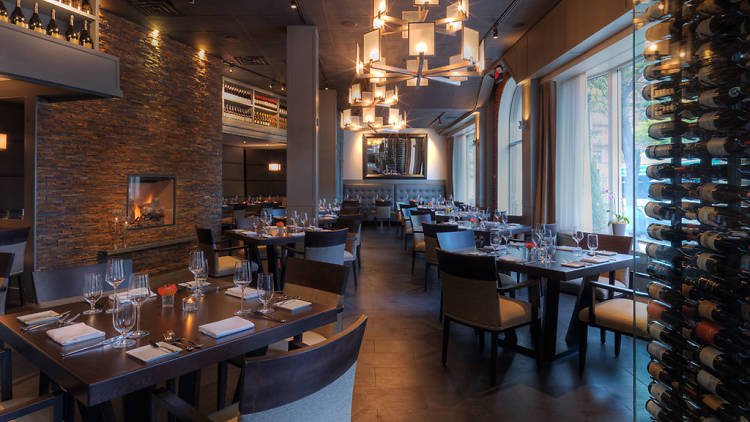
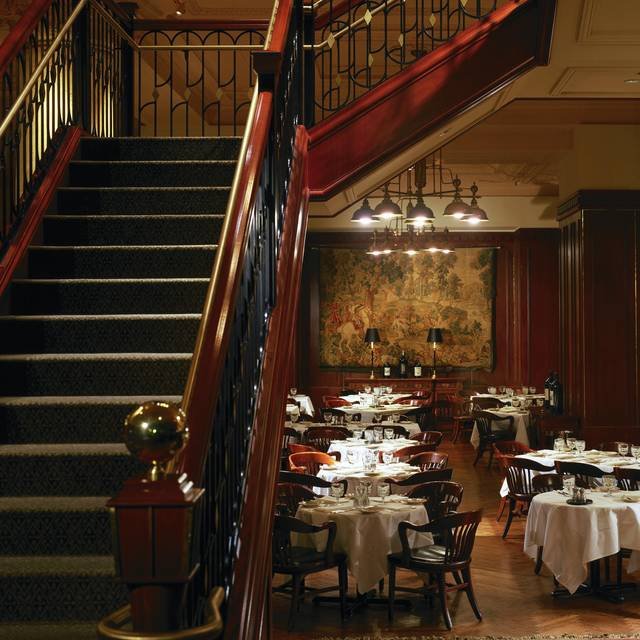
There is a specific kind of Boston steakhouse that announces itself through architecture rather than signage. Walking into 793 Boylston Street, the proportions do the persuading: high ceilings, the low rumble of a full dining room, the particular acoustic signature of a space where hard surfaces and cloth-covered tables have reached a kind of negotiated equilibrium. Abe & Louie's operates in this register. The Back Bay address places it in a corridor that also includes some of Boston's most-booked restaurants, and the room reads as deliberate in a way that newer openings in the neighbourhood rarely achieve. Dark wood, white tablecloths, and the kind of lighting that flatters rather than flattens — these are not accidental choices. They signal a specific contract with the diner: this is a room that takes the ritual of a formal dinner seriously.
The American steakhouse, at this price tier and in this setting, functions as a civic institution as much as a restaurant. Boston's version of the form has always been slightly more conservative than its New York counterpart — less interested in spectacle, more anchored in consistency. Abe & Louie's fits that tradition. The Boylston Street location, in the heart of Back Bay within walking distance of Copley Square, means the room draws a varied crowd across the week: business dinners on weeknights, anniversary tables on weekends, pre-event crowds before concerts at the nearby Prudential Center. Understanding who fills a room at different times is part of understanding a restaurant's actual character.
What the Steakhouse Format Demands
The classic American steakhouse is among the most demanding formats to sustain because its pleasure is almost entirely in execution. There is no conceptual novelty to fall back on, no fusion pivot available when a dish doesn't land. The cut has to be aged correctly, the temperature has to hold from kitchen to table, and the sides , typically ordered separately, typically large, typically shareable , need to justify their own presence rather than exist as padding. In cities where steakhouses cluster, the differentiation between a well-run room and a great one often comes down to these margins.
Boston's Back Bay has enough steakhouse options that the market is genuinely competitive. The venues that persist in this tier over years tend to do so through consistency of product and a regulars base that treats the room as a standing appointment. For visitors approaching for the first time, the format rewards advance planning: Boylston Street steakhouses at the upper end of the market fill quickly on weekends and around major events in the Back Bay calendar. Booking ahead, rather than walking in, is the appropriate approach for any Friday or Saturday evening.
Atmosphere as Editorial
The sensory experience of a steakhouse at this level isn't separable from its function. The sound of a full room , silverware, conversation, the particular quietness of service that is efficient without being audible , creates a baseline that either the kitchen rises to match or fails to justify. What Abe & Louie's offers is a room that has calibrated this experience over time. The Back Bay's premium dining strip has seen enough openings and closures that longevity itself carries information: rooms that don't work tend not to survive in this corridor at this price point.
The atmosphere here is less about novelty and more about familiarity deployed with care. For visitors accustomed to the newer generation of cocktail-forward dining rooms represented by places like Equal Measure or Asta , both of which prioritize ingredient-led cocktail programs and a different register of hospitality , the steakhouse format at Abe & Louie's operates on a different set of assumptions. Neither approach is superior; they are addressing different evenings and different intentions.
Boston's bar and dining scene has diversified considerably across the past decade, with venues like Baleia and Banyan Bar + Refuge pulling the city toward more contemporary formats. The steakhouse persists alongside these shifts rather than competing directly with them. Different occasions demand different rooms, and the classic American steakhouse continues to occupy a specific niche that newer formats haven't displaced.
Boston in a Broader Context
Across American cities, the premium steakhouse tier has had to contend with a generation of diners who may find the format slightly formal by default, and a critical conversation that has increasingly favored restaurants with more visible culinary ambition. Despite this, rooms like Abe & Louie's in Boston belong to a broader national tradition of steakhouses that have maintained relevance by being precisely what they are rather than adapting to trends.
That same pattern plays out in other cities with strong dining scenes. Cocktail-forward venues like Kumiko in Chicago or Jewel of the South in New Orleans represent one trajectory for premium hospitality; the sustained steakhouse represents another. Both coexist in mature food cities. Bar Leather Apron in Honolulu, Julep in Houston, Superbueno in New York City, ABV in San Francisco, and The Parlour in Frankfurt all demonstrate how specialty hospitality formats can hold distinct positions within competitive markets without displacing one another. The ecosystem logic applies equally to Boston.
For a fuller picture of where Abe & Louie's sits within Boston's overall dining offering, our full Boston restaurants guide maps the city's key neighbourhoods and dining tiers in more detail.
Planning Your Visit
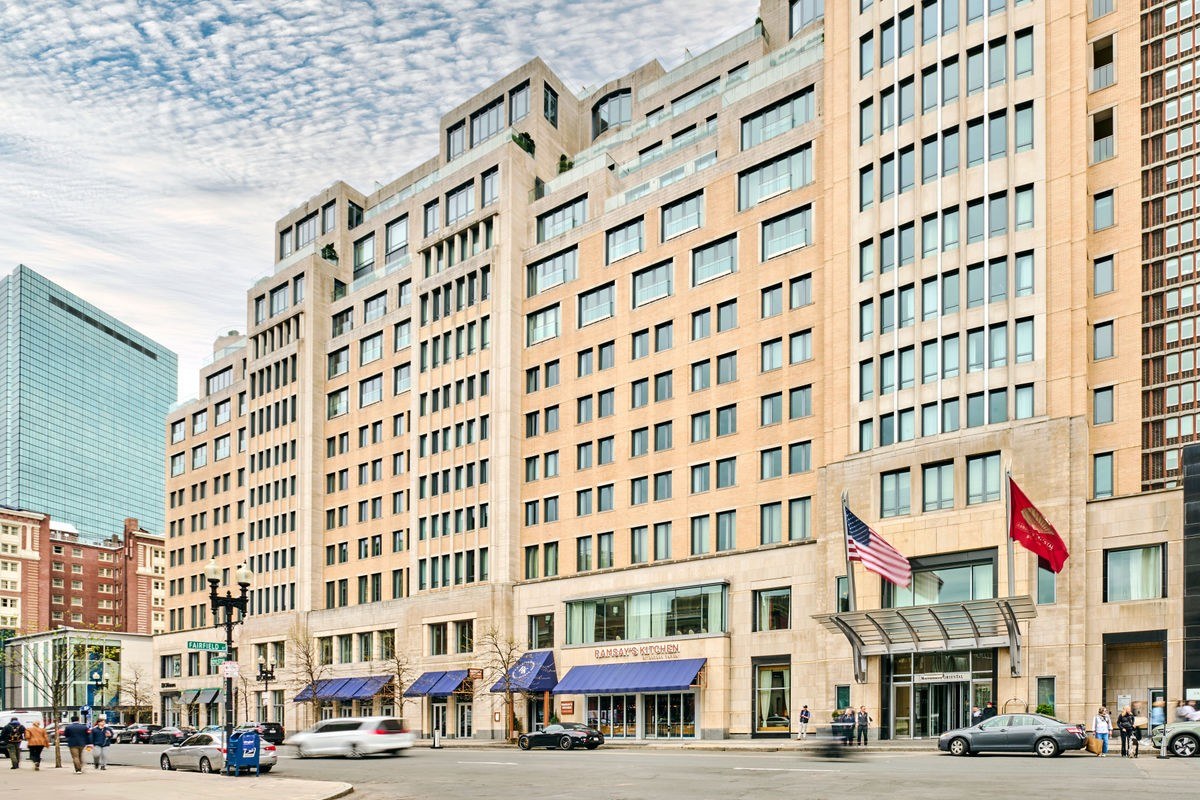
793 Boylston Street in Back Bay is accessible from Copley station on the Green Line, placing it within direct reach of most of Boston's central hotels. The room's position in the Back Bay dining corridor means it draws from a wide radius, particularly on event nights tied to the Prudential Center and surrounding venues. For weekend dinners, particularly in autumn when the Back Bay sees peak visitor volume and the city's event calendar is at its fullest, advance reservation is the practical standard rather than the exception. Weeknight visits, particularly early in the week, allow more flexibility without sacrificing the full atmosphere of a working room.
Comparable Spots
A quick peer list to put this venue’s basics in context.
| Venue | Cuisine | Price | Notes |
|---|---|---|---|
| Abe & Louie's | This venue | ||
| Equal Measure | |||
| Blossom Bar | Cocktail bar (referenced as alum) | Cocktail bar (referenced as alum) | |
| NAMU Distilling Company | Korean-American distillery and snacks (soju, gin, makgeolli-based spirits, anju) | Korean-American distillery and snacks (soju, gin, makgeolli-based spirits, anju) | |
| Swingers | Activity-bar with Detroit-style pizza | Activity-bar with Detroit-style pizza | |
| My Girl | Cocktail lounge / small bites | Cocktail lounge / small bites |
At a Glance
- Elegant
- Sophisticated
- Classic
- Date Night
- Special Occasion
- Group Outing
- Historic Building
- Seated Bar
- Booth Seating
- Private Rooms
- Classic Cocktails
- Whiskey
Timeless sophistication with an air of elegance, featuring a large, set table dining room ideal for steakhouse experiences.