NAMU Distilling Company

NAMU Distilling Company on Heath Street brings Korean-American spirits production into Boston's drinking scene, with house-made soju, gin, and makgeolli-based spirits served alongside anju snacks. The operation earned Star Wine List recognition in 2026, placing it among a small peer group of spirit-forward venues where what's in the glass is the primary editorial subject.
Pearl is the En Primeur Club membership app — saves, bookings, and concierge access live there. Same editors, same standards.
- Address
- 89 Heath St, Boston, MA 02130, USA
- Directions
- Get directions
 Saves & bookings on Pearl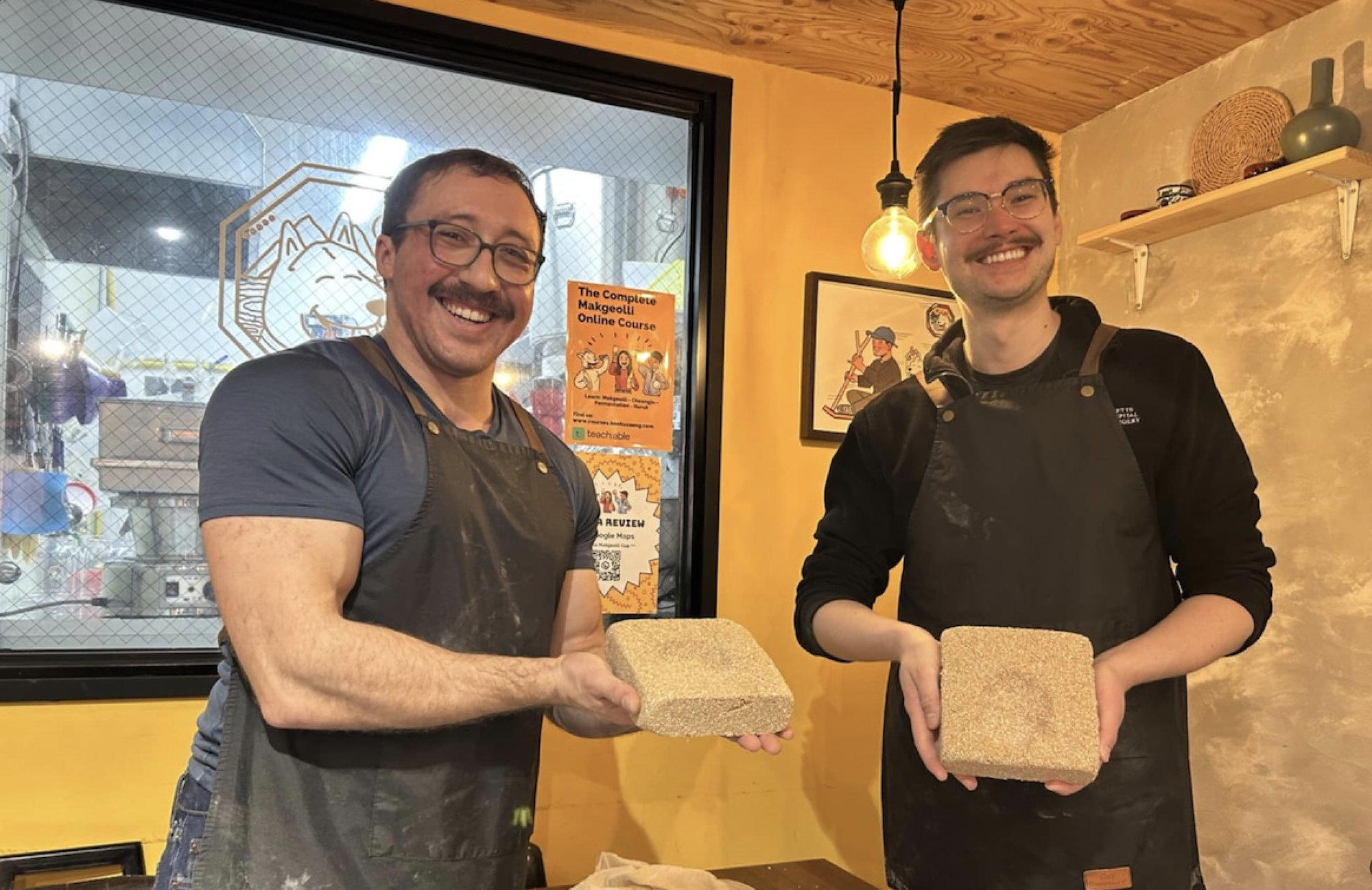
Where Boston's Korean-American Spirits Conversation Is Happening
The address, 89 Heath Street in Jamaica Plain, tells you something about the kind of operation NAMU Distilling Company is. Jamaica Plain has long functioned as Boston's incubator neighborhood for food and drink concepts that don't fit the downtown mold: small-batch, category-aware, and built around a specific point of view rather than broad appeal. A Korean-American distillery producing soju, gin, and makgeolli-based spirits in that context isn't an anomaly. It's a logical extension of the neighborhood's track record.
American craft distilling has spent the last decade expanding well beyond whiskey, and interesting work is now happening at the intersection of Western production technique and non-Western ingredient traditions. Korean fermentation culture, in particular, offers a rich base: makgeolli's live-culture complexity, the clean grain character of traditional soju, and a drinking tradition built around anju, the category of snacks and small plates designed specifically to accompany spirits. NAMU operates in that space, producing its own spirits rather than curating from outside suppliers, which places it in a narrow tier of American venues where the bar program and the production process are the same project.
The Spirits Collection: What's Being Made and Why It Matters
The editorial angle at NAMU isn't the back bar in the conventional sense, there's no wall of rare allocated bottles from other producers. The depth here comes from what's being distilled on-site. House soju, gin, and makgeolli-based spirits represent three distinct production challenges, and the fact that a single operation is running all three simultaneously is a credentialing statement in itself.
Soju production in the American market remains sparse. Most soju consumed in the US is imported, predominantly from large Korean industrial producers whose products bear little resemblance to traditional regional styles. A craft distillery making soju domestically is working against significant commercial headwinds, which means the decision to do so is a deliberate one about category identity rather than market convenience. For context, the American craft spirits scene that's most meaningfully engaged with Asian spirits traditions includes operations like Kumiko in Chicago, where Japanese whisky and shochu occupy serious real estate on the menu, or Bar Leather Apron in Honolulu, where Pacific Rim spirit traditions inform the program at an equivalent level of seriousness. NAMU's production-led model goes further: it makes the spirits itself.
The gin program adds a second dimension. American craft gin has matured to the point where botanical choices are now the primary differentiator between serious producers and commodity-level operations. A Korean-American distillery has obvious access to botanical references, from doenjang to perilla to citrus varieties common in Korean cooking, that most craft gin producers aren't working with. The Korean-American framing of the operation points to botanical choices shaped by that ingredient territory and by Boston's local market.
Makgeolli-based spirits represent especially technical frontier among the three. Makgeolli is a live-culture rice wine with active fermentation; using it as a base for distillation requires managing that living ingredient in ways that conventional wine or grain distillates don't demand. Spirits bars with comparable Asian-fermentation depth are rare anywhere in the US. The 2026 Star Wine List recognition, an award that typically acknowledges venues where the drinks list reflects genuine curation and category knowledge, is a verifiable signal that NAMU's program is being taken seriously beyond its neighborhood footprint.
Anju: The Food That Makes the Spirits Make Sense
Korean drinking culture has always understood that spirits are best served alongside food rather than in isolation. Anju, the tradition of snacks and small plates paired with alcohol, isn't a recent food-trend adoption. It's a structural element of how Korean social drinking works. A distillery serving anju isn't offering food as an afterthought to keep guests drinking longer. It's completing the cultural context that gives the spirits their meaning.
This separates NAMU from the majority of Boston's serious spirits venues, which operate in a Western framework where food is either absent or incidental. The combination of production and anju service places the operation closer in concept to a sake brewery with a kitchen than to a conventional American cocktail bar. Boston has a handful of bars doing credible spirits work, Equal Measure for technically precise cocktails, Asta for wine-bar depth, Baleia for a different kind of beverage-forward experience, but none of them are making their own Korean-American spirits in-house and pairing them with a culturally specific food tradition. The category overlap NAMU occupies is genuinely its own.
Nationally, the closest conceptual peers are operations like Superbueno in New York City, where Latin American spirits traditions and food pairing work in tight coordination, or Jewel of the South in New Orleans, where historical cocktail tradition and a specific culinary context reinforce each other. In each case, the drinks and the food are doing the same cultural work, not competing for attention. See also Julep in Houston and ABV in San Francisco for other US bars where category-depth and cultural specificity drive the program. Internationally, The Parlour in Frankfurt on the Main operates with a similar conviction about spirits knowledge as the primary offering.
Planning Your Visit
NAMU Distilling Company is located at 89 Heath Street, Boston, MA 02130, in Jamaica Plain. Jamaica Plain is accessible by the MBTA Orange Line (Green Street or Stony Brook stations place you in the neighborhood). The Star Wine List recognition, confirmed for 2026, is a useful benchmark for anyone mapping this against Boston's other drinks destinations.
Price and Recognition
Comparable venues nearby, for context on price, style, and recognition.
| Venue | Cuisine | Price | Notes |
|---|---|---|---|
| NAMU Distilling CompanyThis venue — the venue you are viewing | Not listed | $$ | Not listed |
| Temple Records | Not listed | $$ | Downtown Crossing, cocktail_bar |
| Beyond Proof | Not listed | $$ | Jamaica Plain, cocktail_bar |
| Shōjō Boston | Not listed | $$ | Chinatown, cocktail_bar |
| Warren Tavern | Charlestown, pub | $$ | Not listed |
| Kenzoku Mazesoba | Not listed | $$ | Kenmore, sake_bar |
Recognition history
Dated appearances from independent guides and award organizations, with the underlying list record or original source where available.
Star Wine List
Star Wine List
Continue exploring
More in Boston
Bars in Boston
Browse all →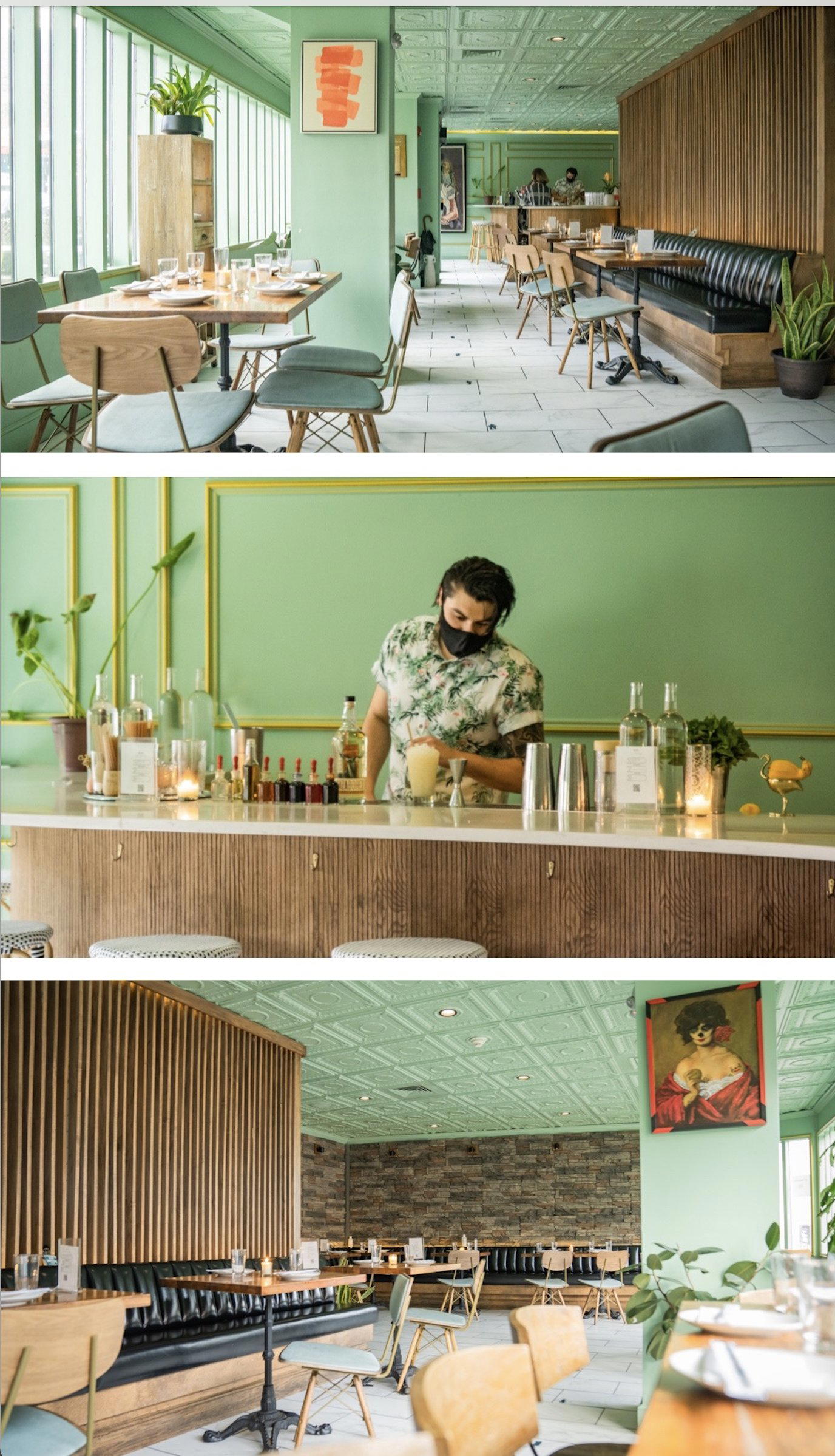

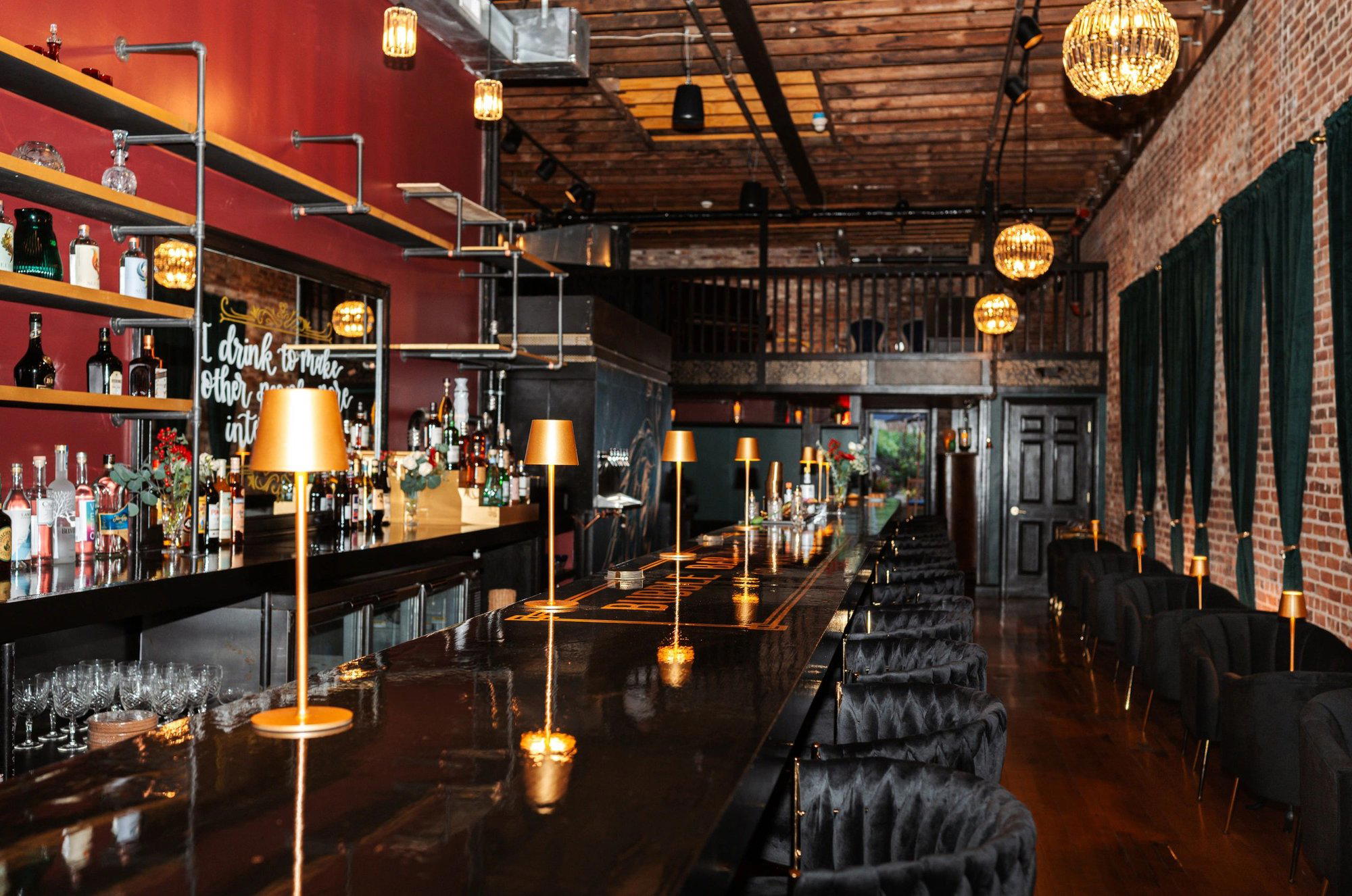
Restaurants in Boston
Browse all →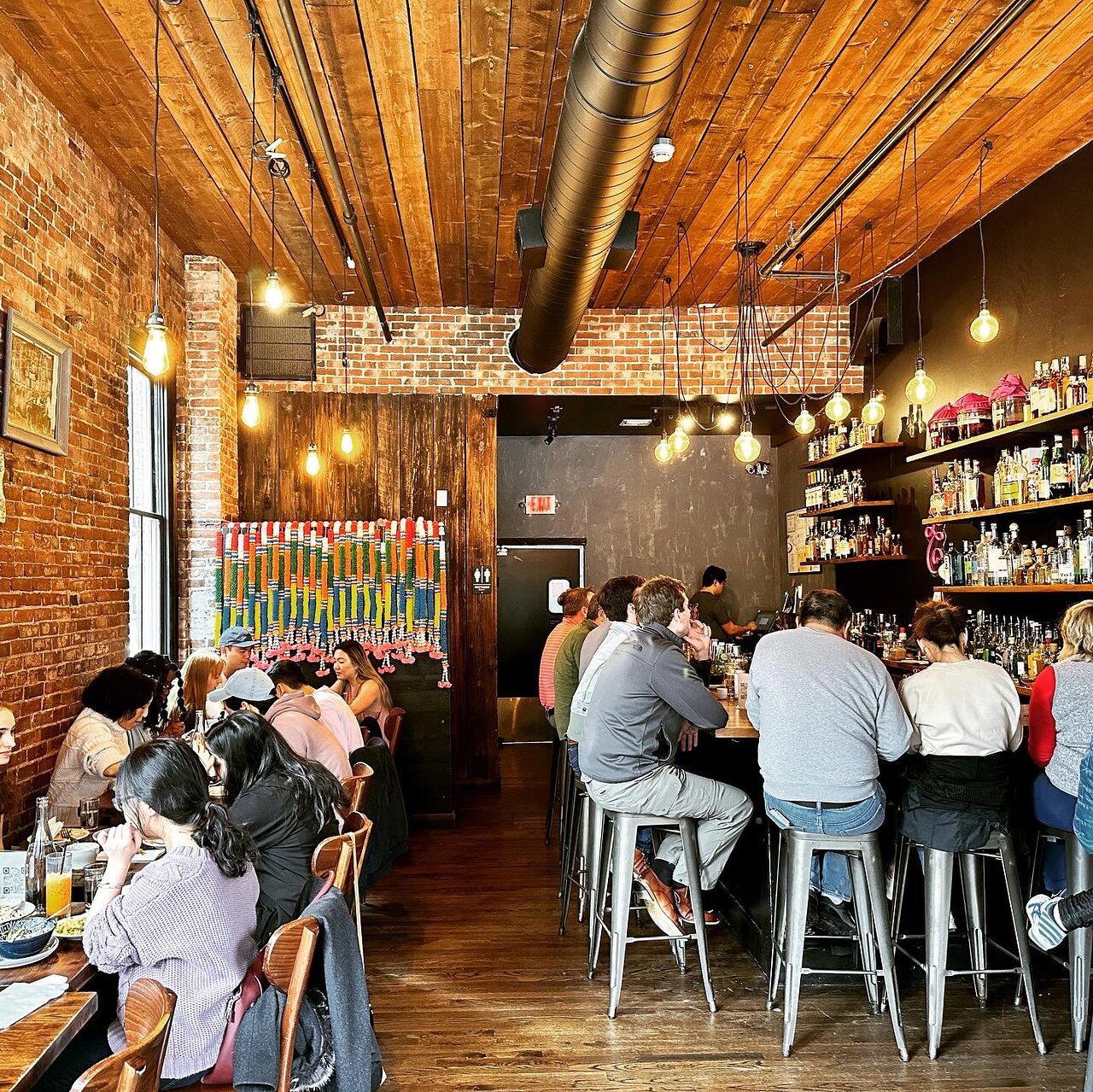
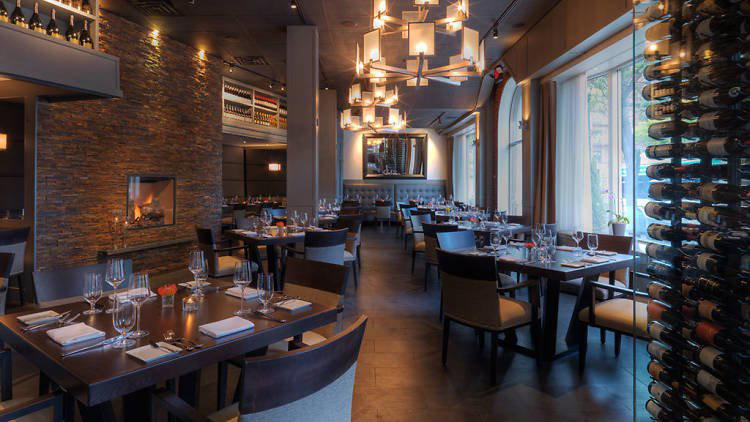
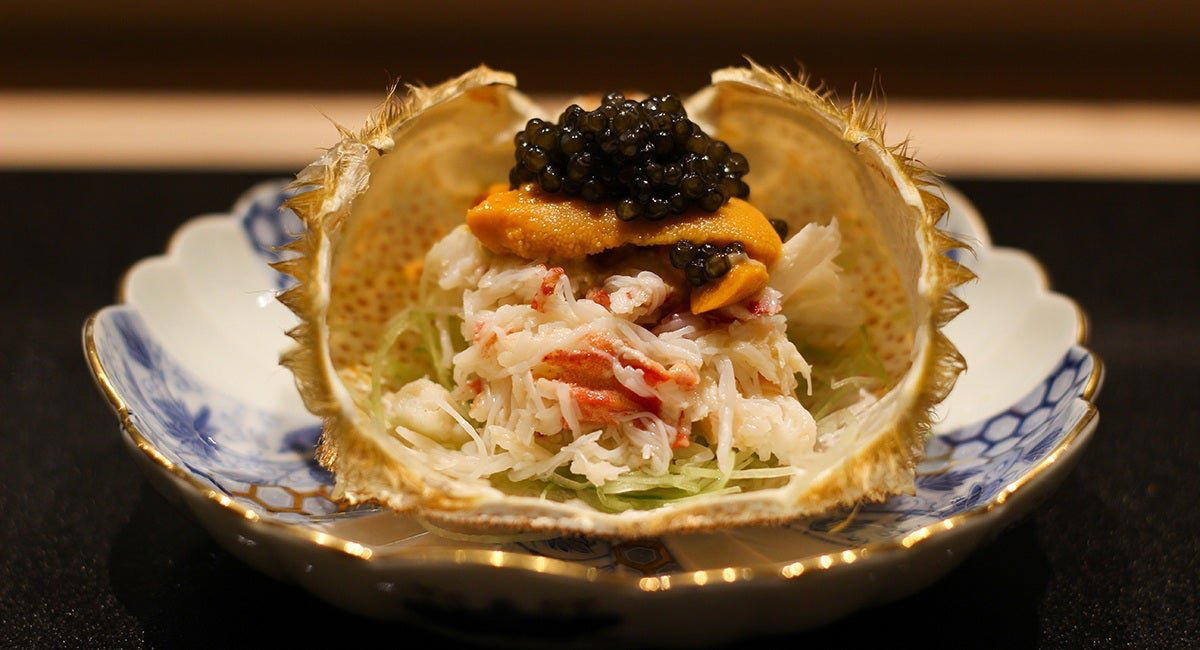
Hotels in Boston
Browse all →
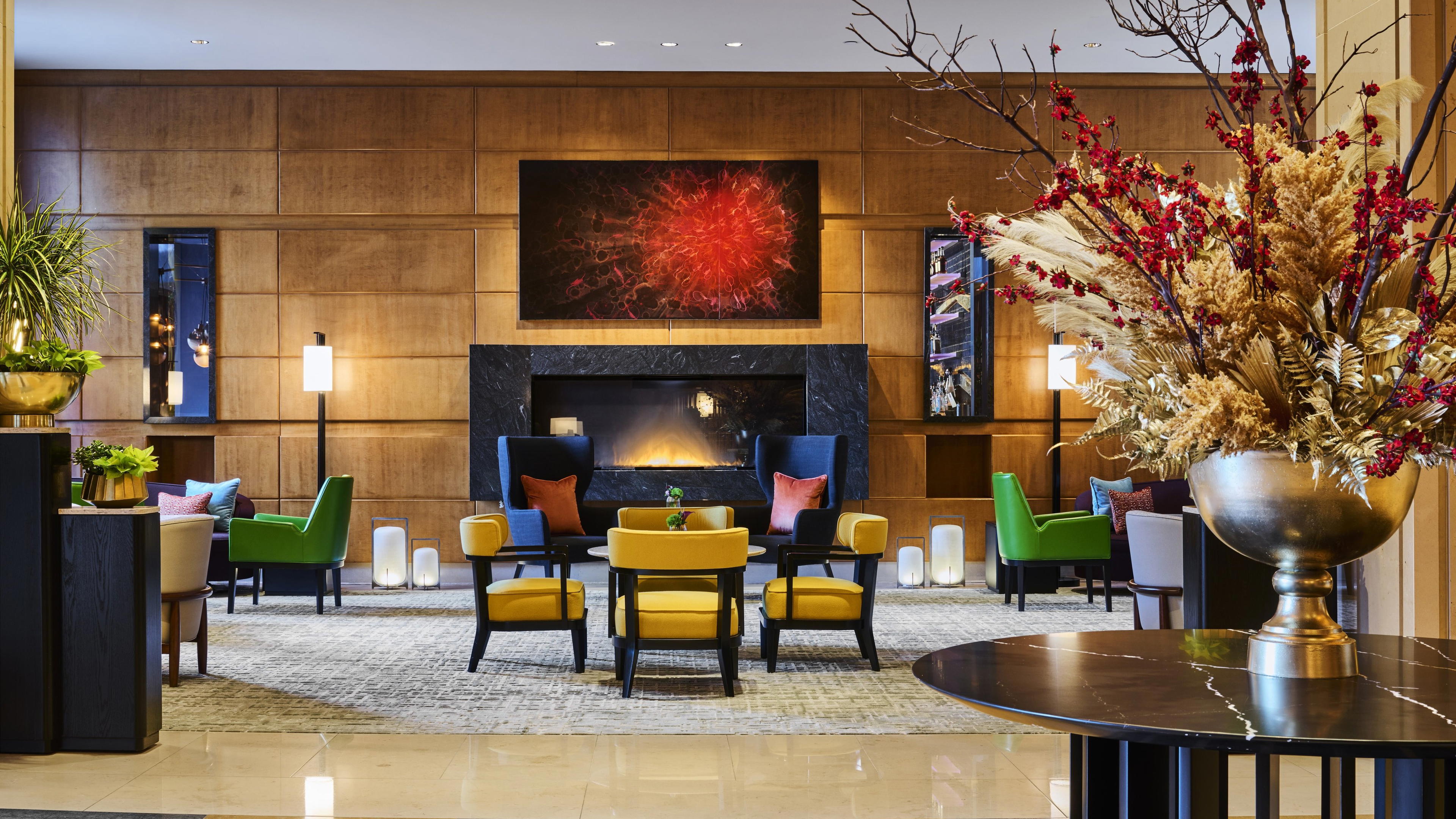

Wineries in Boston
Browse all →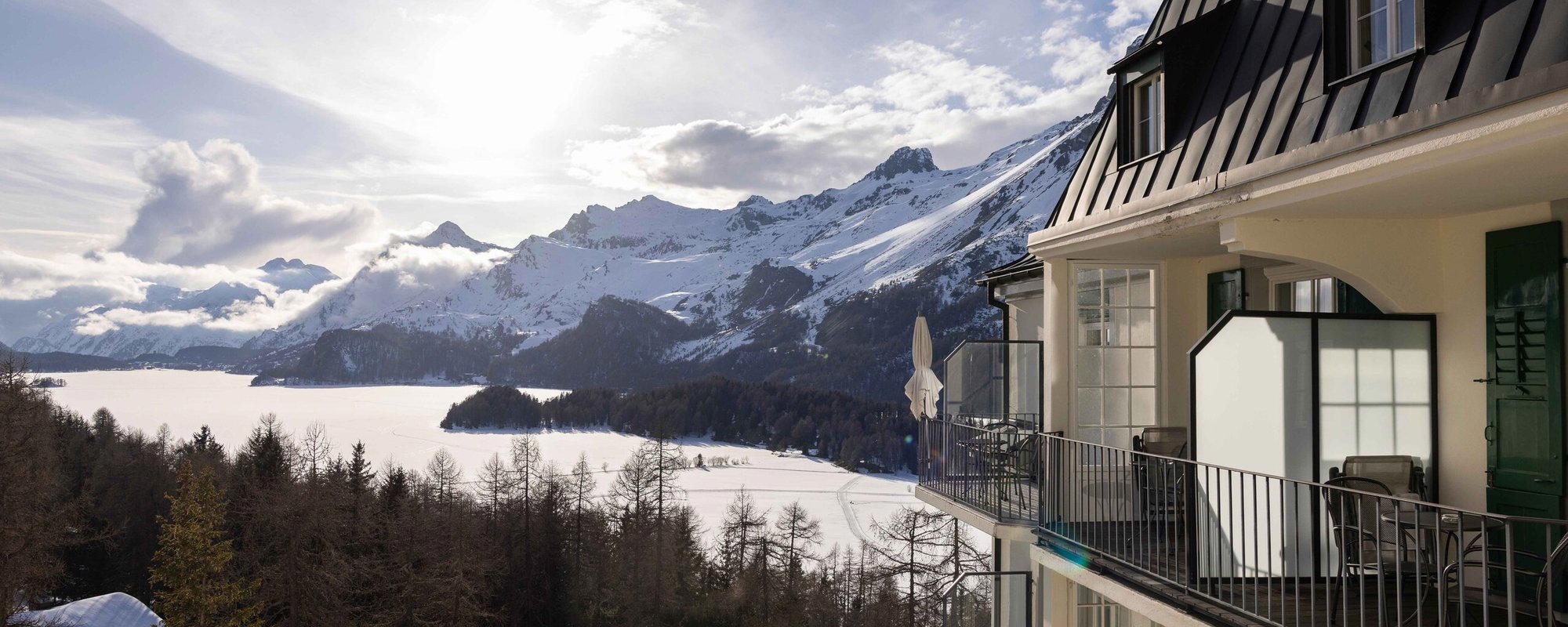
At a Glance
- Trendy
- Modern
- Industrial
- After Work
- Casual Hangout
- Group Outing
- Design Destination
- Lounge Seating
- Seated Bar
- Craft Cocktails
- Gin
Industrial-chic interior inspired by traditional Korean hanok with natural materials, lush greenery, and lanterns creating a magical Korean night market atmosphere.