On Cát Bà Island near Beach 3, Le Pont Club occupies a strip where the Gulf of Tonkin sets the mood before you've ordered a drink. The bar sits within a coastal leisure scene that has grown steadily as the island attracts travellers looking beyond Hạ Long Bay's main circuits. For EP Club readers passing through Hải Phòng, it registers as a reference point for the island's emerging nightlife.
 Discover on Pearl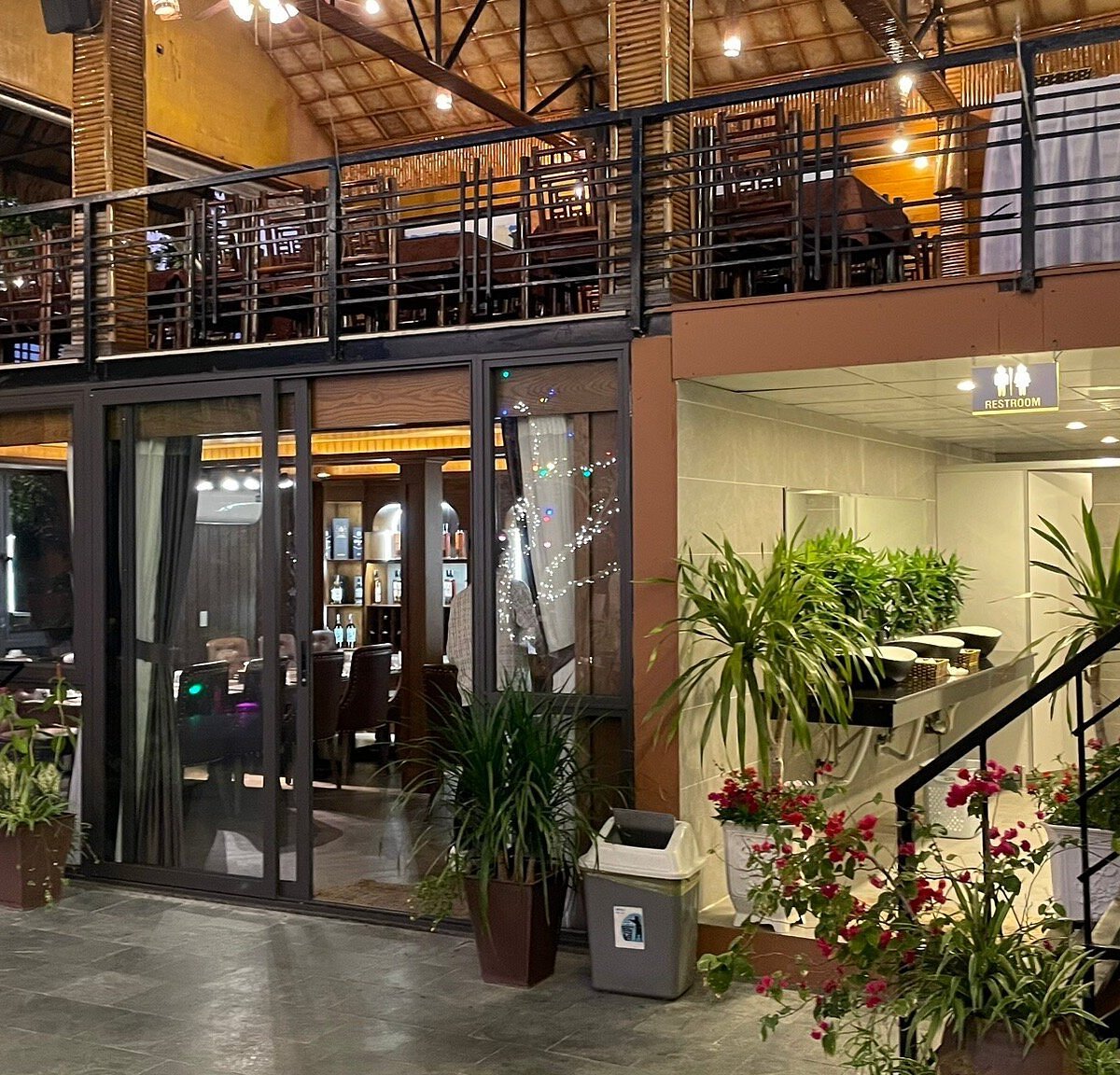
Drinking on the Edge of the Gulf: Cát Bà's Bar Scene in Context
Vietnam's northern coast has long been defined by its karst geography and the day-tripper economy that geography generates. Cát Bà Island, the largest in the Hạ Long Bay archipelago and technically within Hải Phòng municipality, sits at a pivot point in that economy. As overnight and multi-day visitors have displaced single-day cruises as the dominant visitor pattern, the island's leisure infrastructure has had to respond. Restaurants, guesthouses, and bars oriented toward staying guests rather than transiting ones have proliferated along the beach-facing strips. Le Pont Club, positioned near Beach 3 on the island's southern flank, belongs to that second generation of venues: places built for people who have decided to stay awhile. For a broader map of where this fits in the city's hospitality offer, see our full Hai Phong restaurants guide.
The competitive context for a bar in this location is not the cocktail programs of Hanoi or Ho Chi Minh City. It is the collection of beach-adjacent venues that compete for the same island visitors across an evening: the question of where to sit, what to drink, and how long to linger. That context matters because it sets the expectation the venue is working against, and working with. Vietnam's coastal bar scene, from the narrow lanes of Hội An to the seafront strips of Đà Nẵng, has moved toward more considered beverage programs as the visitor profile has shifted upmarket. The bars doing interesting work, even outside the major cities, tend to be the ones that engage with that shift rather than ignore it.
The Physical Approach: What the Setting Establishes
Beach 3 on Cát Bà sits away from the main harbour-front concentration of restaurants and tour agencies, which gives the surrounding strip a lower-density character than the island's central waterfront. Approaching Le Pont Club from that direction, you are already past the heaviest tourist infrastructure. The Gulf of Tonkin's light changes quickly at dusk, moving from haze to colour in roughly twenty minutes, and venues on this stretch face west in a way that captures it. That is not a minor ambient detail. In bar design, the relationship between interior and available natural backdrop is often the dominant factor in what a place feels like before a single drink arrives. Bars along Vietnam's coast that have understood this, including venues covered in our guide to Before and Now in Hội An, tend to construct their programming around the rhythm of that light rather than fighting it with loud interiors.
Reading a Cocktail Programme Without a Published Menu
One of the more instructive exercises in bar criticism is assessing what a venue's cocktail approach signals when no verified menu exists. In Vietnam's coastal resort tier, bar programs tend to cluster into three types: the fruit-blender category aimed at tropical-drink expectations, the imported-spirit category with standard serves and no local engagement, and the smaller emerging category that uses local ingredients, regional spirits, or adapted technique to produce something with a sense of place. The bars in that third category are the ones worth tracking, and they tend to be the ones that build a returning visitor base rather than a purely transactional one.
Where Le Pont Club sits within that taxonomy is, at this stage, a question the venue's own output will have to answer. What the setting suggests, a beach-adjacent location on an island with a growing visitor profile and proximity to a coast that produces interesting ingredients, is a context where the third category of approach would find a receptive audience. For reference on what technically serious cocktail programs look like in the region, the Drinking and Healing program in Ho Chi Minh City and The Haflington in Hanoi represent the current benchmark for considered bartending in northern and southern Vietnam respectively. Outside Vietnam, programs at Kumiko in Chicago and Bar Leather Apron in Honolulu demonstrate what ingredient-led, technique-forward programs look like at a recognised standard, as does the historically informed work at Jewel of the South in New Orleans.
The bars worth watching on Vietnam's coast are not necessarily trying to replicate that urban benchmark. What the leading coastal programs do, and what the better examples in nearby beach towns like Đà Nẵng and Cam Phả are beginning to demonstrate (see Genji Bar in Cam Phả), is find a register that fits the physical setting: lower volume, longer serves, drinks that hold up to warm air and an open view. That is a different discipline from the enclosed precision of a city cocktail bar, but it is a discipline nonetheless.
How Le Pont Club Fits the Island's Trajectory
Cát Bà's development as a destination has accelerated since Hạ Long Bay and Cát Bà Archipelago received UNESCO World Heritage status, a designation that has both increased visitor numbers and, gradually, raised the expectation threshold for what the island's hospitality offers. That pattern, award-driven recognition translating into demand for better-quality accommodation, food, and drinking experiences, is visible across Southeast Asian island destinations. Venues that position themselves ahead of that curve, rather than in the middle of the existing offer, tend to fare better as the destination matures. Le Pont Club's location near Beach 3, at some remove from the densest tourist cluster, is consistent with that kind of positioning.
For comparison within Vietnam's coastal bar scene, Bamboo 2 Bar in Thanh Khê and Le Rendez Vous in Đà Nẵng's Sơn Trà district illustrate how French-influenced or hybrid concepts have taken hold along the central coast. The northern coast, including Cát Bà, has been slower to develop that layer of hospitality, which means the opportunity for a venue with a considered program is correspondingly larger. Whether Le Pont Club has moved to fill that space is something the venue's evolving offer will determine. Readers tracking this category more broadly might also note how programmes like Superbueno in New York and Julep in Houston have shown that a strong point of view on ingredient sourcing and cultural context can anchor a bar's identity regardless of scale.
Planning a Visit
Cát Bà Island is reached from Hải Phòng city by ferry, with services running from the Bến Bính terminal. The crossing takes roughly forty-five minutes to an hour depending on the route and vessel type, and travel from Hà Nội to Hải Phòng adds another ninety minutes by road or rail. The island is most visited between April and October, when weather is stable; the shoulder months of April and October offer fewer crowds while conditions remain manageable. Le Pont Club's position near Beach 3 means it is a short distance from the main Cat Ba Town accommodation cluster, accessible on foot or by the motorbike taxis that are the island's standard short-distance transport. Given the absence of published booking details, arriving earlier in the evening rather than at peak hours is the practical approach until contact information is confirmed.
Frequently Asked Questions
Comparison Snapshot
These are the closest comparables we have in our database for quick context.
| Venue | Cuisine | Price | Awards | Notes |
|---|---|---|---|---|
| Le Pont Club | This venue | |||
| Drinking & Healing | World's 50 Best | |||
| Stir | World's 50 Best | |||
| The Haflington | World's 50 Best | |||
| The Hudson Rooms | World's 50 Best | |||
| Workshop14 | World's 50 Best |
Need a Table?
Our members enjoy priority alerts and concierge-led booking support for the world's most difficult bars and lounges.
Get Exclusive Access