Genji Bar brings cocktails, light bites, and afternoon tea to Cam Pha, a city better known for its coal-mining heritage than its bar scene. The format sits in the quieter, more considered tier of northern Vietnam's emerging cocktail culture, where the absence of Ho Chi Minh City's volume creates space for a different kind of evening. A rare drinks destination in a city that rarely appears on Vietnam's bar circuit.

Pearl is the En Primeur Club membership app, where members save venues, book tables and use the concierge.
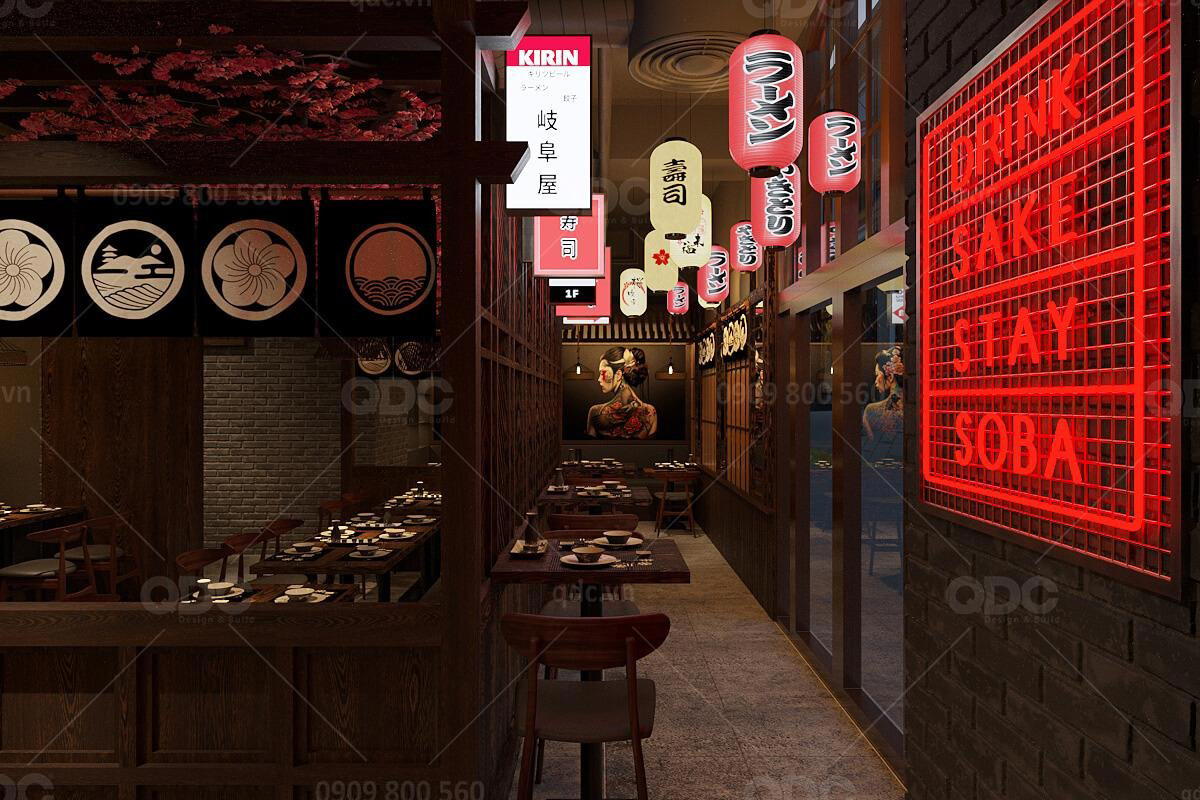
A Bar in a City That Doesn't Expect One
Cam Pha sits in Quang Ninh province, roughly forty kilometres northeast of Ha Long City, and its identity has been shaped far more by coal extraction and industrial port activity than by hospitality. That context matters when thinking about what a cocktail bar means here. In Cam Pha, Genji Bar operates in a different register entirely: it is the kind of venue whose significance is partly defined by its location, serving a city where the act of sitting down to a properly constructed cocktail remains less routine than in Vietnam's larger centres. For those travelling the northeastern coast, either as a base for Bai Tu Long Bay or passing through between Ha Long and the Chinese border, it represents a drinks option that the city's industrial character wouldn't lead you to anticipate. See our full Cam Pha restaurants guide for broader context on eating and drinking in the city.
The Format: Cocktails, Light Bites, Afternoon Tea
The programme at Genji Bar covers three distinct formats within one space: cocktails, light bites, and afternoon tea. This combination is more deliberate than it might first appear. Across Southeast Asia, bars that operate through multiple dayparts tend to do so out of commercial necessity, the afternoon tea component pulls in a crowd that wouldn't arrive at 9pm, while the cocktail programme holds the evening. What this means in practice is a venue that functions across a longer arc of the day than a single-format bar, and one that attracts a more varied clientele as a result.
The afternoon tea format in particular places Genji Bar in a Southeast Asian tradition that has been gaining traction in mid-sized cities beyond the major tourist hubs. In Vietnam's larger centres, the format has been absorbed into hotel lobbies and colonial-era café spaces. In a city like Cam Pha, the same offering carries a different weight: it fills a gap that a city of this size and character typically leaves open. Bars navigating this dual-audience approach, the afternoon tea crowd and the evening cocktail drinker, share a structural challenge: the programme has to function credibly across both registers without diluting either. The degree to which Genji Bar resolves that tension is part of what makes it worth considering as a destination in its own right.
Cocktail Culture in Northern Vietnam's Secondary Cities
Vietnam's cocktail scene has concentrated heavily in Ho Chi Minh City and, to a lesser extent, Hanoi. Venues like Drinking and Healing in Ho Chi Minh City and Workshop14 in Hanoi operate in environments where bartenders are in regular dialogue with international trends, where local ingredients have been integrated into technically demanding formats, and where peer pressure from neighbouring venues drives programmes forward. The further you move from those two cities, the thinner the cocktail infrastructure becomes.
Hoi An has developed its own drinking culture, partly driven by tourism density, as seen at venues like the Hoi An Brewing Company Tap Room and Riverside Beer Garden. Da Nang has its own emerging scene. But Cam Pha sits outside the tourist circuits that sustain those cities' bar economies. Quang Ninh province draws visitors primarily for Ha Long Bay and, increasingly, Bai Tu Long Bay, but those visitors tend to base themselves elsewhere. The bar scene in Cam Pha itself remains sparse by any measure, which positions Genji Bar less as a competitor within a crowded field and more as an outlier in a city that doesn't have one.
That positioning has parallels across Asia's secondary cities. Bars in markets where cocktail culture is not yet default tend to carry a different kind of responsibility: they are partly in the business of building appetite for the format itself, not just executing within an established category.
The Name and Its Register
The name Genji carries obvious Japanese literary resonance, The Tale of Genji is one of the oldest novels in the world, and the name has been adopted across hospitality and bar culture in East and Southeast Asia as shorthand for a certain kind of refined, considered atmosphere. Whether that register carries through to the actual programme at Cam Pha's Genji Bar is something that depends on execution rather than naming convention. Across the region, Japanese-inflected bar names and aesthetics have become a recurring feature of venues positioning themselves toward a more deliberate, slower-paced drinking experience, distinct from the high-volume nightlife model. The format, cocktails and afternoon tea rather than bottle service and DJ programming, is consistent with that orientation.
For context on how bars in Vietnam's north are beginning to find distinct identities outside the major cities, it's worth noting the emergence of venues like Le Pont Club in Hai Phong and United Bar in Thanh Khe, which are each working within the same structural challenge: building a credible drinks programme in a city where the category itself is still establishing its audience.
Planning a Visit
Cam Pha is accessible from Ha Long City by road, typically under an hour depending on traffic, and from Hanoi via a combination of expressway and provincial road, putting it at roughly three to four hours from the capital. The city is not a typical leisure destination, and visitors are most likely arriving either on business, as a staging point for Bai Tu Long Bay excursions, or as part of a broader northeastern coastal itinerary that might also include Van Don island and Mong Cai near the Chinese border.
Given the city's limited hospitality infrastructure, planning ahead is more important here than in a major centre where alternatives are plentiful. For anyone travelling Vietnam's northeastern corridor and looking for a drinks stop with some character, the bar sits in a city where that kind of option is genuinely sparse. Broader drink-led itineraries in Vietnam might also draw on venues like Le Rendez Vous in Da Nang's Son Tra district, which similarly operates outside the main tourist drag. Internationally, bars navigating the craft-cocktail and hospitality crossover include Jewel of the South in New Orleans, Julep in Houston, and Superbueno in New York City, each of which demonstrates how a bar format can carry cultural specificity while remaining broadly accessible.
How It Stacks Up
| Venue | Cuisine | Price | Awards |
|---|---|---|---|
| Genji BarThis venue (the venue you are viewing) | Cocktails, light bites, afternoon tea | $20–30 | Not listed |
| Drinking & Healing | Not listed | $1–10 | World's 50 Best #99 |
| Workshop14 | Not listed | $10–20 | World's 50 Best #34 · Top 500 Bars Best Bars #355 |
| Stir | Not listed | $20–30 | World's 50 Best #84 · Top 500 Bars Best Bars #223 |
| The Haflington | Not listed | Not listed | World's 50 Best |
| The Hudson Rooms | Not listed | Not listed | World's 50 Best |
Continue exploring
More in Cam Pha
Restaurants in Cam Pha
All restaurants in Cam Pha →
Hotels in Cam Pha
All hotels in Cam Pha →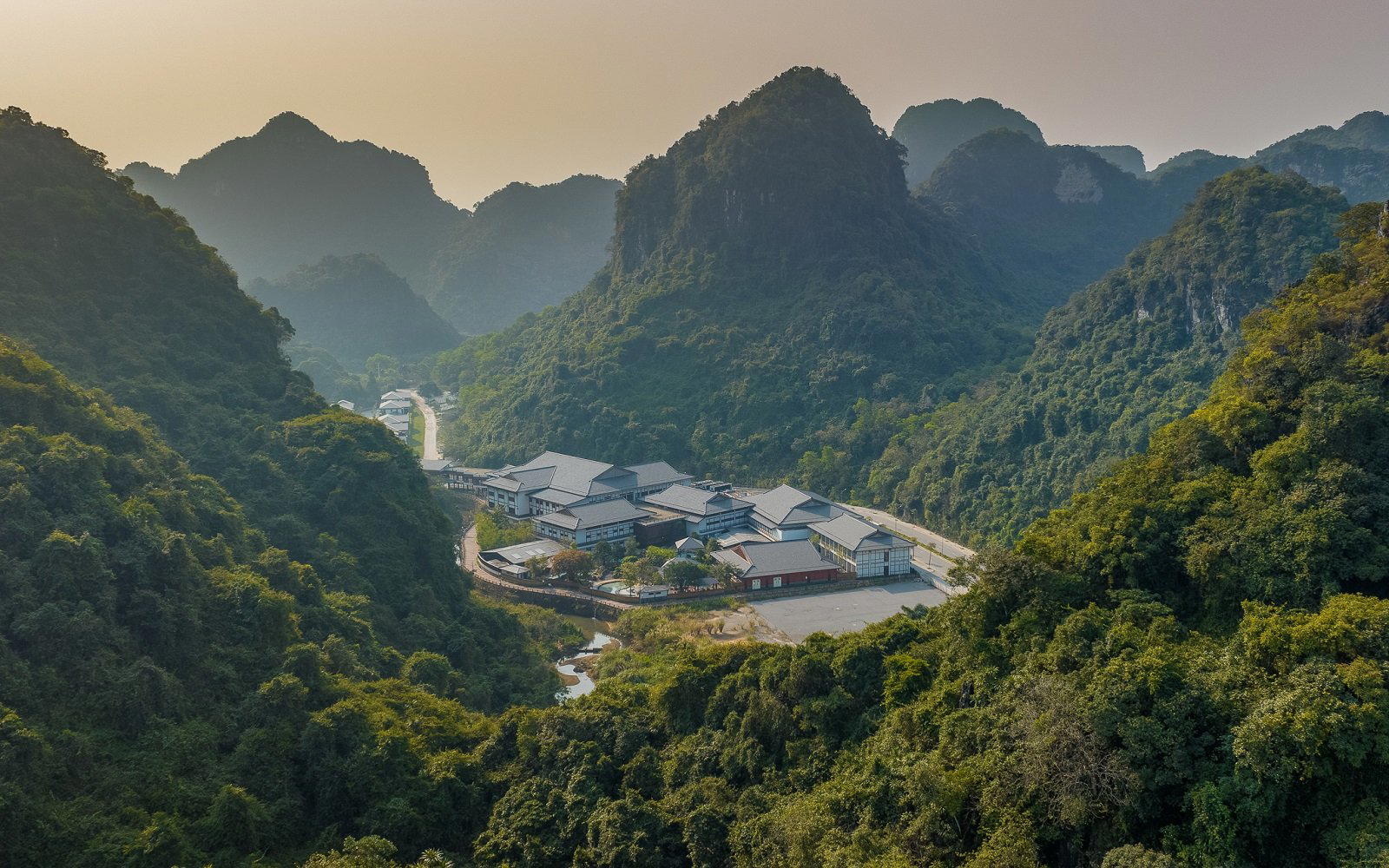
Details
- Scenic
- Elegant
- Sophisticated
- Date Night
- Casual Hangout
- Panoramic View
- Hotel Bar
- Lounge Seating
- Craft Cocktails
- Mountain
Relaxed atmosphere with panoramic mountain views and elegant Japanese-inspired design.