Karu Distillery

Karu Distillery operates from Grose Vale on the lower slopes of the Blue Mountains, where the region's cool elevation and sandstone-filtered air shape its production. Awarded Pearl 2 Star Prestige in 2025, it sits among Australia's more seriously credentialed craft distilleries. For visitors combining spirits exploration with a Blue Mountains itinerary, it represents a purposeful detour from the plateau's more familiar cellar doors.
 Discover on Pearl
Pearl is the En Primeur Club membership app — saves, bookings, and concierge access live there. Same editors, same standards.
- Address
- 296 Cabbage Tree Rd, Grose Vale NSW 2753
- Phone
- +61 493 408 090
- Website
- karudistillery.com.au
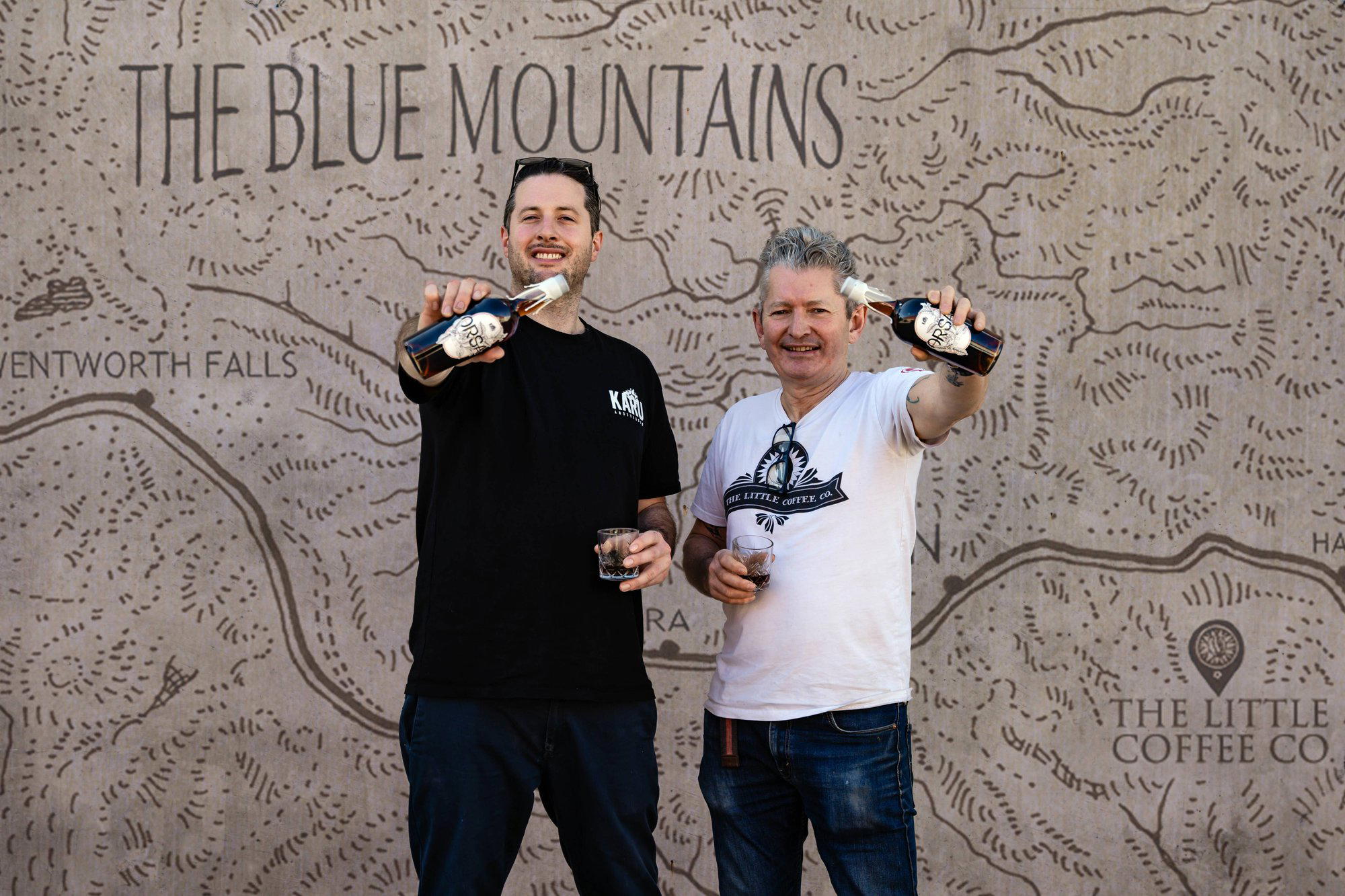
Where the Blue Mountains Make Spirits
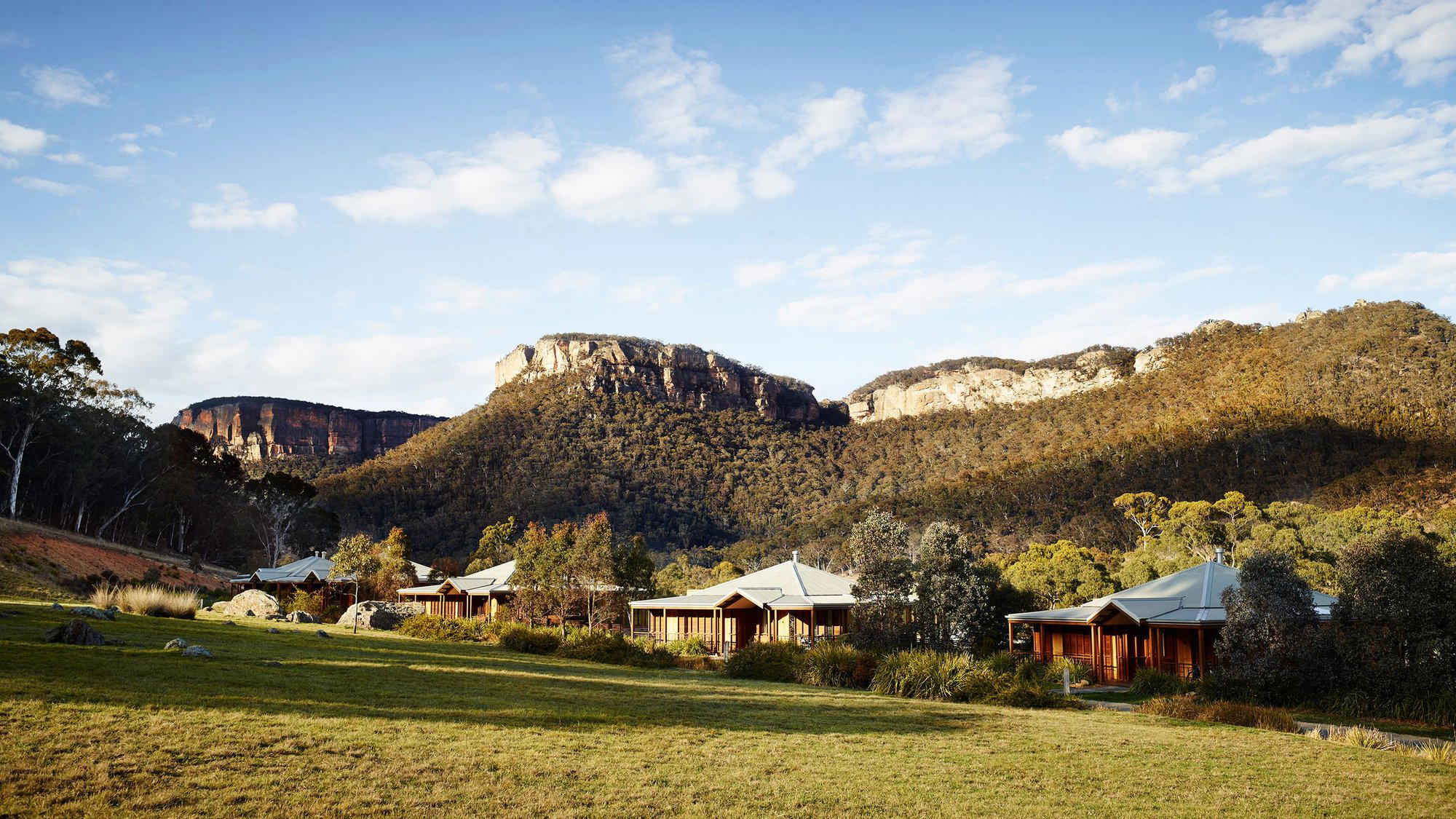
The road out to Grose Vale runs through sandstone country, past eucalyptus ridgelines that catch the afternoon light at an angle you rarely see closer to Sydney. By the time you reach 296 Cabbage Tree Road, Grose Vale feels genuinely remote. That distance is not incidental to what Karu Distillery does. The Blue Mountains sits at altitude, with temperature swings and humidity patterns that differ markedly from the coastal plain below, and those conditions shape what spirit-making looks like in this corner of New South Wales.
Craft distilling in Australia has grown from a handful of operations a decade ago into a sector with enough geographic spread that regional character is beginning to matter. Urban distilleries, led by producers like Archie Rose Distilling Co in Sydney, built the contemporary template: high production values, transparent sourcing, premium positioning against imported spirits. What followed, gradually, was a second wave of producers choosing location not for distribution convenience but for what the environment itself could contribute. Karu sits in that second cohort, operating in a landscape that has its own distinct climate logic.
Terroir and the Distiller's Argument
The concept of terroir has always been more comfortable in wine circles than in spirits, and Australian wine's engagement with place is itself still maturing. The generational producers who built regional identity, from Henschke in the Eden Valley to Penfolds across multiple South Australian sites, did so over decades of accumulating site-specific knowledge. The argument that a distillery's location shapes its output is harder to make quickly, but it is a serious argument nonetheless: water source, barrel maturation conditions, and the ambient yeasts present in a given environment all interact with the production process in measurable ways.
The Blue Mountains' altitude means cooler average temperatures than Sydney's western suburbs, which affects how spirits mature in cask if barrel-aged products are part of the range. The region receives higher annual rainfall than many of the country's established wine zones, which keeps humidity refined and may influence evaporation rates during ageing. These are not decorative facts about the scenery; they are practical variables that producers working in this region deal with in ways that distillers operating in climate-controlled urban facilities do not. For comparison, Brown Brothers in King Valley and Bird in Hand in the Adelaide Hills have each made explicit arguments about how elevation and cool-climate conditions shape their respective outputs. The same logic applies here, at a different scale and for a different category of drink.
Recognition and the Prestige Tier
Karu Distillery holds a Pearl 2 Star Prestige rating from EP Club (2025), placing it in the upper segment of the EP Club recognition framework. Within the Australian craft spirits sector, this kind of independent assessment matters partly because the category lacks the long-established critical infrastructure that wine regions have built up over generations. Producers like Bundaberg Rum Distillery carry historical weight that functions as its own credentialing system; newer craft operations rely more heavily on current critical recognition to signal quality positioning to an audience still calibrating what Australian craft spirits should cost and where they belong in the international conversation.
The Prestige tier rating also positions Karu relative to the broader premium drinks sector in New South Wales. The Hunter Valley's established wine producers, including Brokenwood, operate in a region with decades of critical validation behind it. A distillery earning prestige recognition in a non-traditional production area is making a different kind of argument: that terroir and craft can exist outside of established zones, and that a premium rating in a newer context is, if anything, harder to achieve given the absence of accumulated regional credibility to lean on.
Grose Vale and the Blue Mountains Drinks Scene
Grose Vale sits on the lower slopes of the Blue Mountains, accessible from the Hawkesbury and within reach of Sydney day-trippers, but far enough removed to feel like a destination rather than a suburb. The area forms part of a broader spread of artisan food and drink producers that have established themselves across the lower Blue Mountains over the past two decades, occupying a niche that larger-scale producers in flatter, more logistically convenient terrain rarely pursue. For context on how the broader Blue Mountains drinks and dining scene fits together,
The international comparisons are instructive. Scottish single malts from regions like Speyside, with Aberlour as a reference point, built their identities through the specific interaction of highland water, peat, and climate with the production process over long periods. American Napa producers like Accendo Cellars in St. Helena made the case for appellation-specific character within wine. Australian craft distillers are at an earlier point in constructing a similar regional identity, and the Blue Mountains, with its altitude, humidity, and clean water access, has the environmental profile to participate in that construction meaningfully.
How It Sits in the Australian Craft Spirits Tier
Australian craft spirits at the premium end split broadly between producers focused on technical excellence in controlled environments and those making a geographic argument. The former group, which includes several well-regarded urban operations, competes primarily on production craft and ingredient transparency. The latter group, which includes Karu and a smaller number of rural and regional distillers, is making the additional claim that where a spirit is made contributes to what it tastes like. This is a harder claim to substantiate in the short term, but it is also the claim that, over time, builds the most durable premium positioning.
For reference, Victoria's craft spirits scene includes producers whose output reflects the specific agricultural and climatic character of their regions, just as Bass Phillip in Gippsland or Leading's Wines in Great Western made the case for their respective wine zones through sustained quality over time. South Australia's long-established producers, from Angove Family Winemakers in Renmark to Blue Pyrenees Estate, built regional credibility through longevity. The craft spirits sector is compressing that timeline, with critical recognition like Karu's EP Club Prestige rating doing work that might otherwise take a generation.
Planning a Visit
Karu Distillery is located at 296 Cabbage Tree Rd, Grose Vale NSW 2753, accessible by car from Sydney via the Bells Line of Road or through Hawkesbury. The site sits in rural farmland rather than a commercial strip, which means the visit itself is a deliberate trip rather than a walk-in opportunity. Grose Vale is approximately 90 minutes from Sydney's CBD under normal traffic conditions, making it a natural half-day or full-day excursion when paired with other Blue Mountains stops. Karu Distillery operates by appointment only.
Frequently Asked Questions
- How would you describe the overall feel of Karu Distillery?
- Karu sits in rural Grose Vale on the lower Blue Mountains, which sets a tone quite different from city-based premium producers. The environment is agricultural and unhurried. The EP Club Pearl 2 Star Prestige rating (2025) signals a premium quality level, though the experience aligns with a craft regional producer rather than a large commercial destination.
- What do visitors recommend trying at Karu Distillery?
- Specific product details are best confirmed with the distillery directly, as EP Club does not publish menu or tasting list details without current verified data. What the Prestige 2 Star recognition does confirm is that the output has been assessed at a high quality level within the EP Club framework, which provides a reliable baseline for what to expect.
- What makes Karu Distillery worth visiting?
- The EP Club Pearl 2 Star Prestige rating (2025) places Karu in the upper recognition tier for Australian craft producers. Combined with its location in the Blue Mountains, a region with genuine environmental character, the distillery offers something that urban premium producers cannot: a direct encounter with how place and production interact. For visitors already travelling to the Blue Mountains, it represents a specific and well-credentialed stop in a region with growing drinks-tourism depth.
A Quick Peer Check
Comparable venues nearby, for context on price, style, and recognition.
| Venue | Cuisine | Price | Awards | Notes |
|---|---|---|---|---|
| Karu DistilleryThis venue — the venue you are viewing | Blue Mountains | $$ | 1 recognition | |
| Lindeman's | Shiraz, Cabernet Sauvignon | $$ | 1 recognition | Pokolbin |
| Mountain Ridge Winery | Shoalhaven Coast | $$ | , | Shoalhaven Heads / Berry – Coolangatta Mountain ridge |
| Garagiste | Chardonnay, Pinot Noir | $$$ | 1 recognition | Mornington Peninsula |
| Joshua Cooper Wines | Winery | , | 1 recognition | Heathcote |
| Pooles Rock | semillon, chardonnay | $$ | 1 recognition | Pokolbin |
Continue exploring
More in Blue Mountains
Bars in Blue Mountains
Browse all →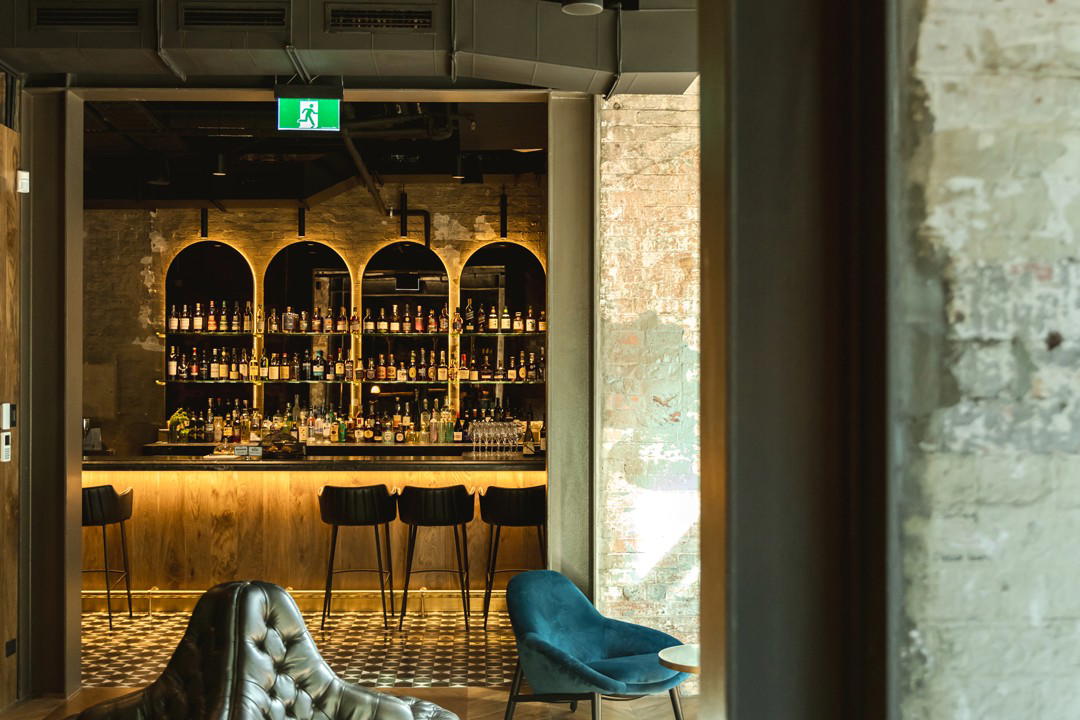
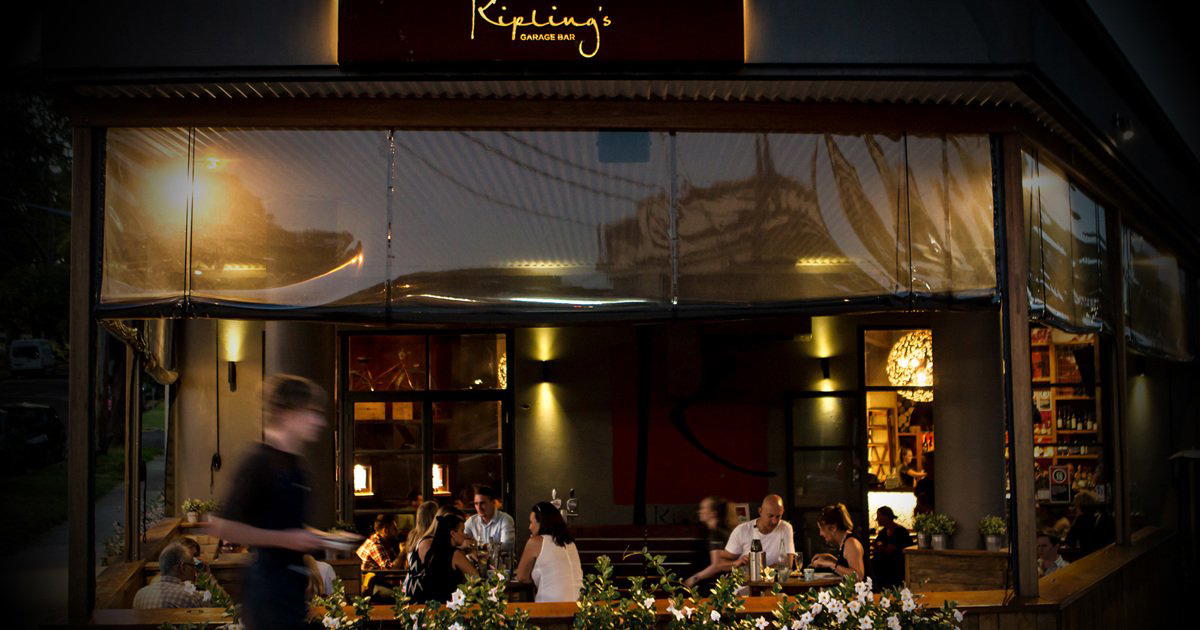
Restaurants in Blue Mountains
Browse all →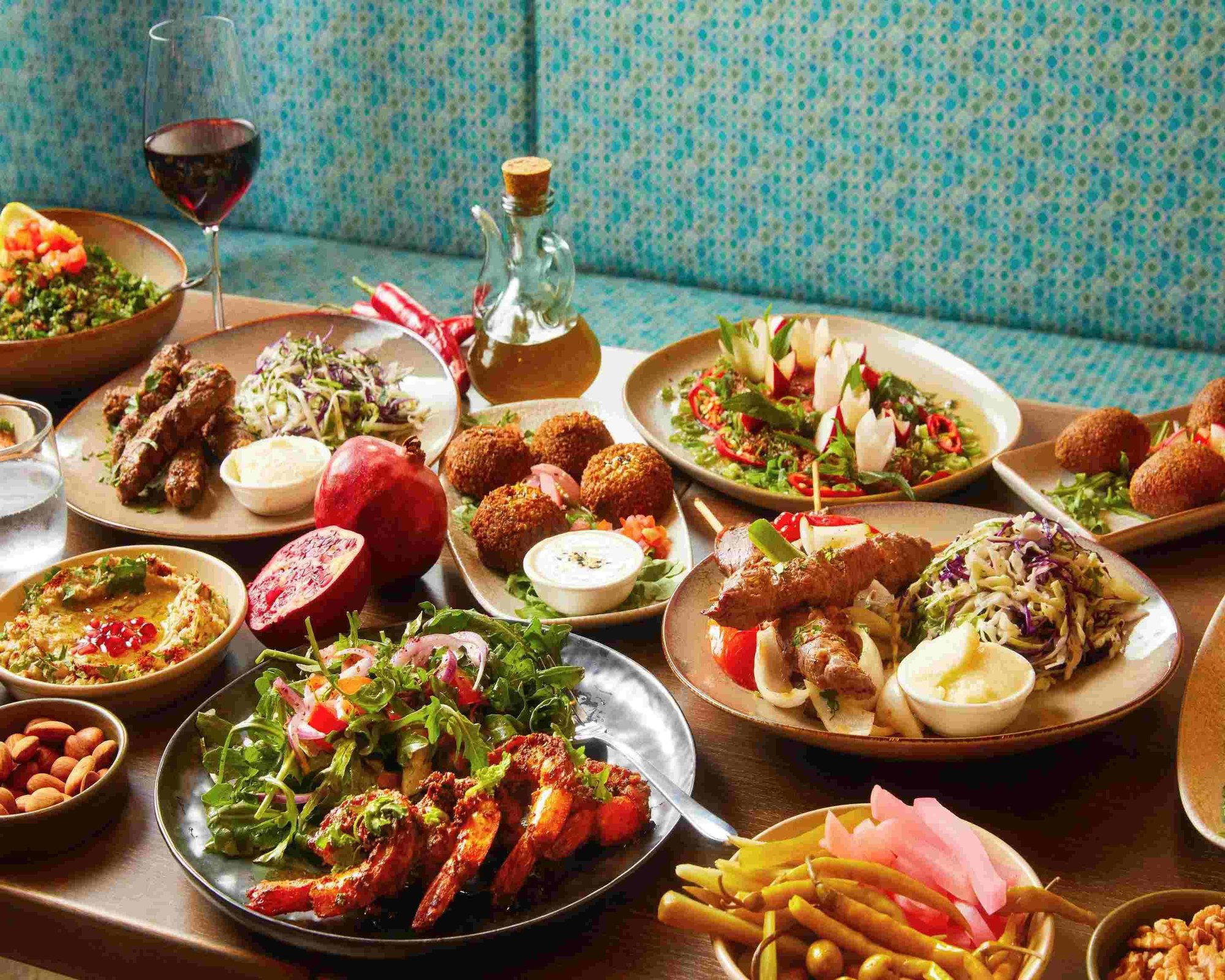

At a Glance
- Rustic
- Scenic
- Intimate
- Solo Exploration
- Wine Education
- Estate Grounds
- Sustainable
- Mountain
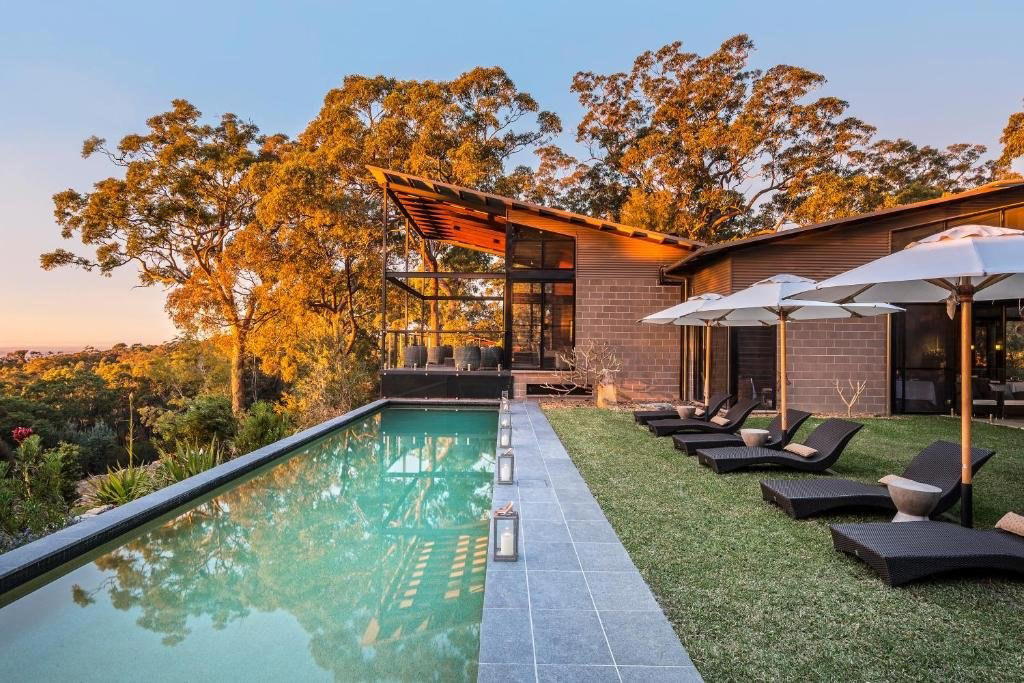
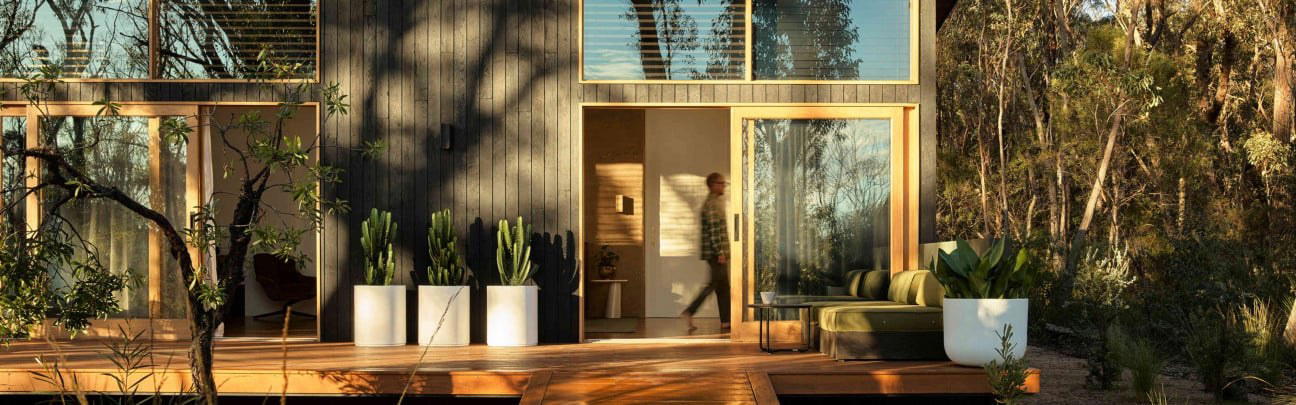
Rustic and natural atmosphere amidst giant gum trees and eucalypts, evoking the wild Australian bush with an intimate, hands-on distillery feel.