
Falstaff Winery - Listed
The estate operates within a winemaking tradition shaped by the Neusiedlersee's microclimate and the town's centuries-long association with Ruster Ausbruch, placing it squarely in the upper tier of the region's producer hierarchy.

Pearl is the En Primeur Club membership app — saves, bookings, and concierge access live there. Same editors, same standards.
- Address
- Hauptstraße 29, 7071 Rust
- Phone
- +432685287
- Website
- michaelwenzel.at
- Directions
- Get directions
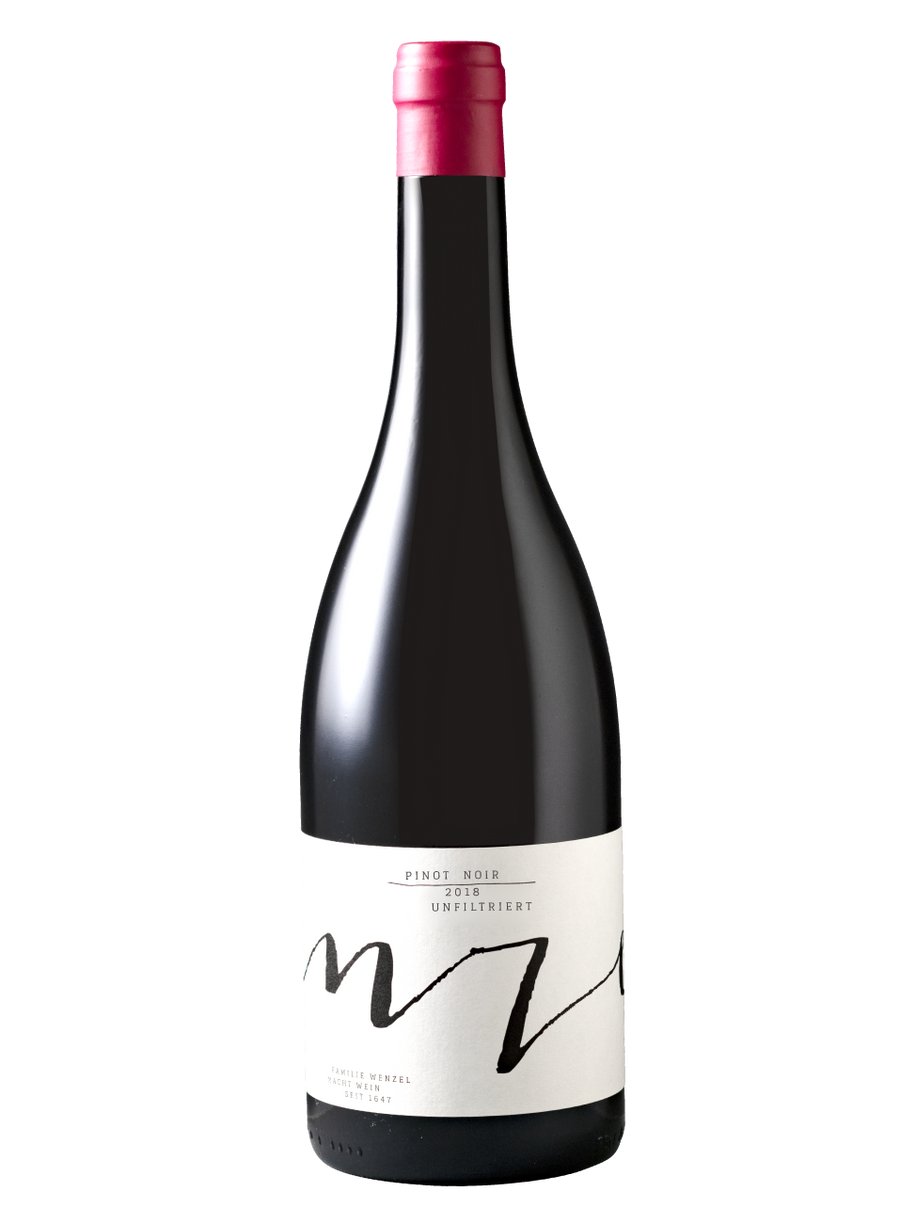
Rust and the Weight of What the Lake Does to Wine
Approach Rust from the east on a still morning and the Neusiedlersee sits almost indistinguishably flat against the horizon, its reed-fringed shoreline releasing a low, humid haze that rolls westward over the vineyards before the town wakes up. That moisture is not atmospheric accident. It is the engine of one of Central Europe's most documented noble-rot traditions, and it has shaped what producers here put in the bottle for the better part of four centuries. Weingut Wenzel, at Hauptstraße 29, operates inside this context: a producer on the main artery of a UNESCO-listed town where winemaking credentials are measured against a long regional memory.
Rust's claim on the wine map rests on Ruster Ausbruch, a botrytised style predating Tokaji Aszú in documented form and once traded at prices that rivalled Hungarian imperial wines. The town received its royal wine charter in 1681, granting citizens the right to sell wine freely in exchange for a payment to the Habsburg court. That institutional weight never fully left. Walking Hauptstraße today, past cellar doors set into Baroque facades, you are moving through a streetscape that has been organised around wine commerce for centuries. Weingut Wenzel belongs to that physical and historical fabric.
This is the tier where a visit to the estate, rather than a retail purchase, starts to make sense as the primary point of contact with the wines.
Burgenland's northern shore of the Neusiedlersee has, over the past two decades, developed a clearer internal hierarchy among its producers. At one end sit larger-volume estates with broad distribution; at the other, smaller family producers whose output is closely tied to single-village identity and whose pricing reflects scarcity rather than category. Wenzel's address on Hauptstraße places it geographically and reputationally in the second group, in company with addresses like Weingut Ernst Triebaumer and Weingut Feiler-Artinger, both of which have shaped the modern understanding of what Rust's top-end dry and sweet wines can achieve.
The Tasting Format in a Town Built for It
Rust is one of the few Austrian wine towns where the tasting experience is embedded in the architecture rather than added to it. Cellar doors here occupy ground-floor spaces that were built for exactly this purpose: thick-walled, cool even in summer, with the kind of vertical storage and immediate access to recent vintages that larger operations route through separate visitor centres. The format that results is less programmatic than what you encounter at, say, a Wachau estate visitor centre, and more contingent on who is pouring and what the season has produced.
That contingency is part of the point. In a region whose sweet wine tradition depends on botrytis arriving at the right moment, and whose dry whites and reds respond to the specific heat accumulation of a given summer, the most informative tasting is the one that engages directly with vintage variation. Producers at the Prestige tier in Rust tend to have enough depth of stock to show that variation across multiple years rather than presenting only the current release. For a visitor arriving with some knowledge of Austrian varietals, particularly Welschriesling, Weißburgunder, or the Blaufränkisch that the region's reds are built on, the Hauptstraße cellar-door format offers something closer to a dialogue than a sales experience.
For broader orientation on how Rust's producers fit within the Burgenland and Austrian wine scenes, the EP Club Rust guide maps the town's key addresses in relation to each other and to the surrounding region.
Where Wenzel Sits in the Austrian Producer Map
Austria's quality wine geography is unusually fragmented for a country of its size. The Wachau, the Kamptal, Kremstal, Thermenregion, and Burgenland each have internally coherent producer cultures that do not map neatly onto one another. A useful comparison set for Wenzel sits outside Rust: Weingut Bründlmayer in Langenlois operates in the Kamptal with a scale and range that Burgenland estates rarely match; Weingut Emmerich Knoll in Dürnstein defines a Wachau style rooted in Riesling and Grüner Veltliner; and Weingut Kracher in Illmitz, on the eastern shore of the same lake, has set the international reference point for Burgenland sweet wine at the leading end.
Wenzel does not operate in that international-scale reference tier. Its Prestige rating in 2025 places it in the serious-but-local category: producers whose work rewards direct engagement and whose wines are most legible to visitors who arrive with some regional context. For those building a structured tour of the lake's northern shore, Weingut Pittnauer in Gols and Weingut Heinrich Hartl in Oberwaltersdorf offer further points of comparison within the Burgenland producer network.
For those extending a trip beyond Burgenland, Weingut Wohlmuth in Kitzeck and Weingut Scheiblhofer Distillery in Andau round out the Austrian producer landscape across different stylistic registers. Austria's spirits scene, represented by addresses like 1310 Spirit of the Country Distillery in Sierning, 1404 Manufacturing Distillery in Sankt Peter-Freienstein, and 1516 Brewing Company in Vienna, sits in an entirely different category, but signals how seriously the country treats fermentation craft across categories. For reference beyond Austria's borders, Aberlour in Aberlour and Accendo Cellars in St. Helena represent the premium single-producer format in Speyside and Napa respectively.
Planning a Visit to Hauptstraße 29
Rust is accessible from Vienna in under two hours by car, with Eisenstadt serving as the nearest larger hub for those arriving by rail and continuing by regional transport. The town itself is compact enough to cover on foot, with the main cellar-door addresses concentrated along Hauptstraße and the adjacent streets running toward the lake. Visiting in late autumn, after the harvest period, gives access to both the current release and the energy of a town that has just completed its most intensive annual cycle. Summer visits are more tourist-heavy but benefit from longer days and the chance to see the vineyards during the growing season.
Direct enquiry via the address at Hauptstraße 29 is the recommended approach, as is planning around the estate's schedule rather than assuming walk-in availability. At the Prestige tier in a small wine town, producer-direct contact almost always produces a more considered visit than arrival without notice.
Style and Standing
Comparable venues nearby, for context on price, style, and recognition.
| Venue | Cuisine | Price | Awards | Notes |
|---|---|---|---|---|
| Weingut WenzelThis venue — the venue you are viewing | Furmint, Gelber Muskateller | $20–30 | Falstaff Winery - Listed | Not listed |
| Weingut Ernst Triebaumer | Blaufränkisch, Chardonnay | Not listed | Falstaff Winery - 5 Stars | Rust |
| Weingut Feiler-Artinger | Blaufränkisch, Zweigelt | Not listed | Falstaff Winery - 4 Stars | Rust |
| Privatbrennerei Hiebl | Winery | Not listed | Not listed | Reikersdorf |
| Brennerei Tagwerker | Winery | Not listed | Not listed | Lienz |
| Schnapsbrennerei Habbel | Winery | Not listed | Not listed | Kirchberg am Wechsel |
Recognition history
Dated appearances from independent guides and award organizations, with the underlying list record or original source where available.
Falstaff Winery - Listed
Falstaff
Continue exploring
More in Rust
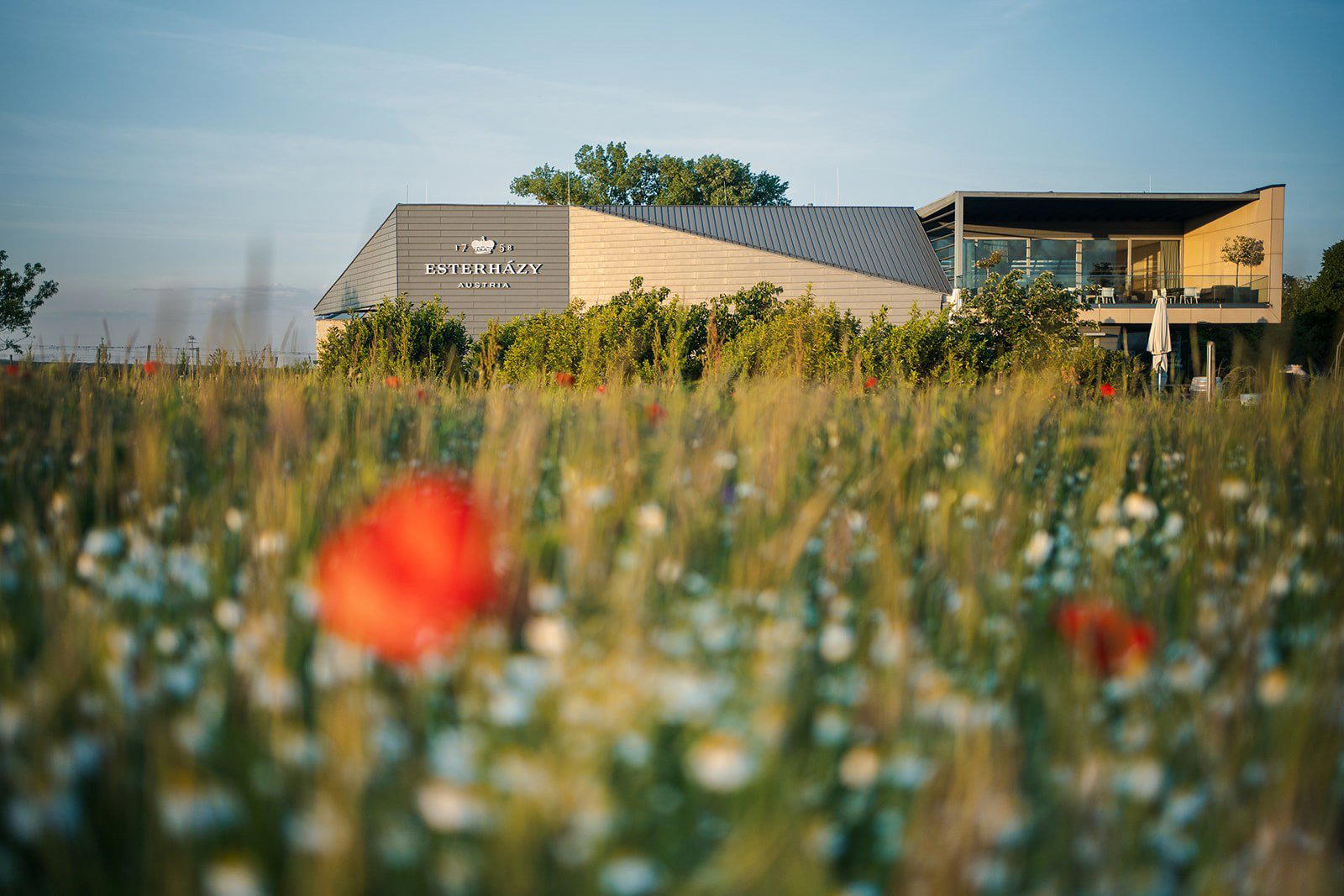
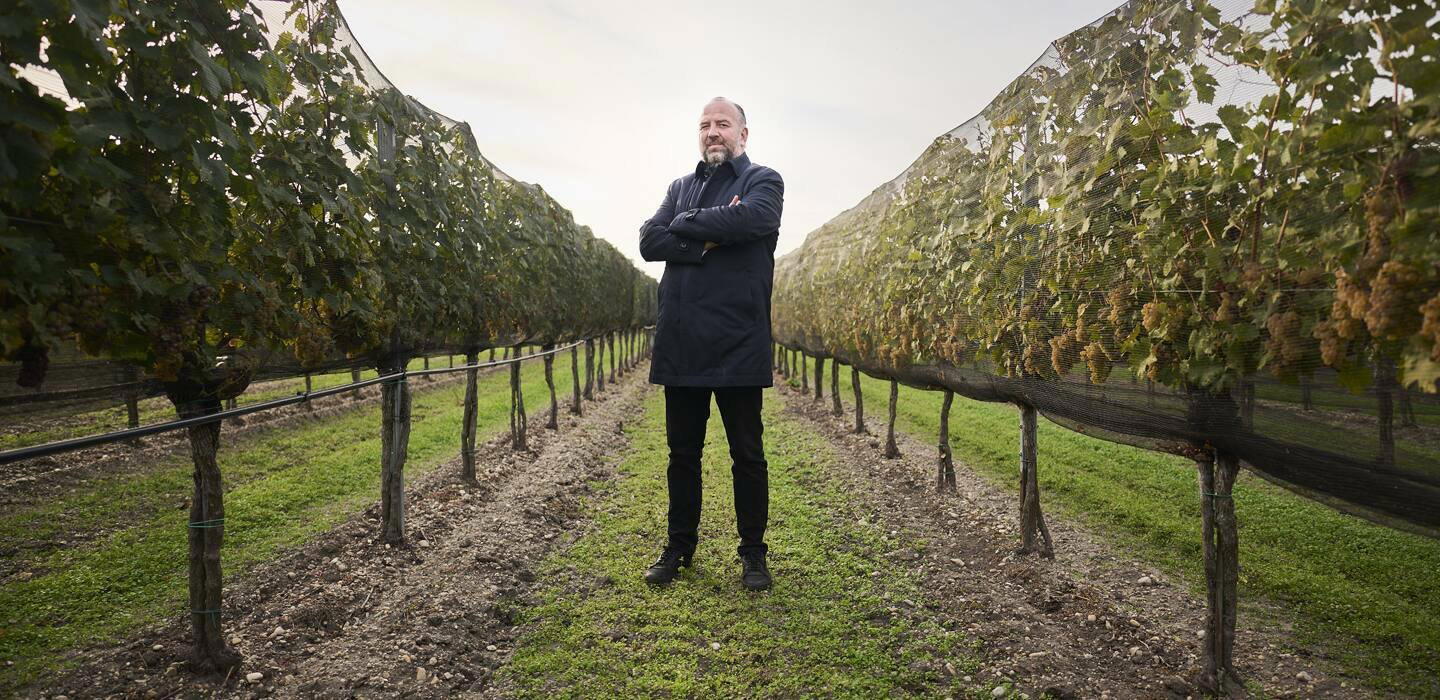
Wineries in Rust
Browse all →
Bars in Rust
Browse all →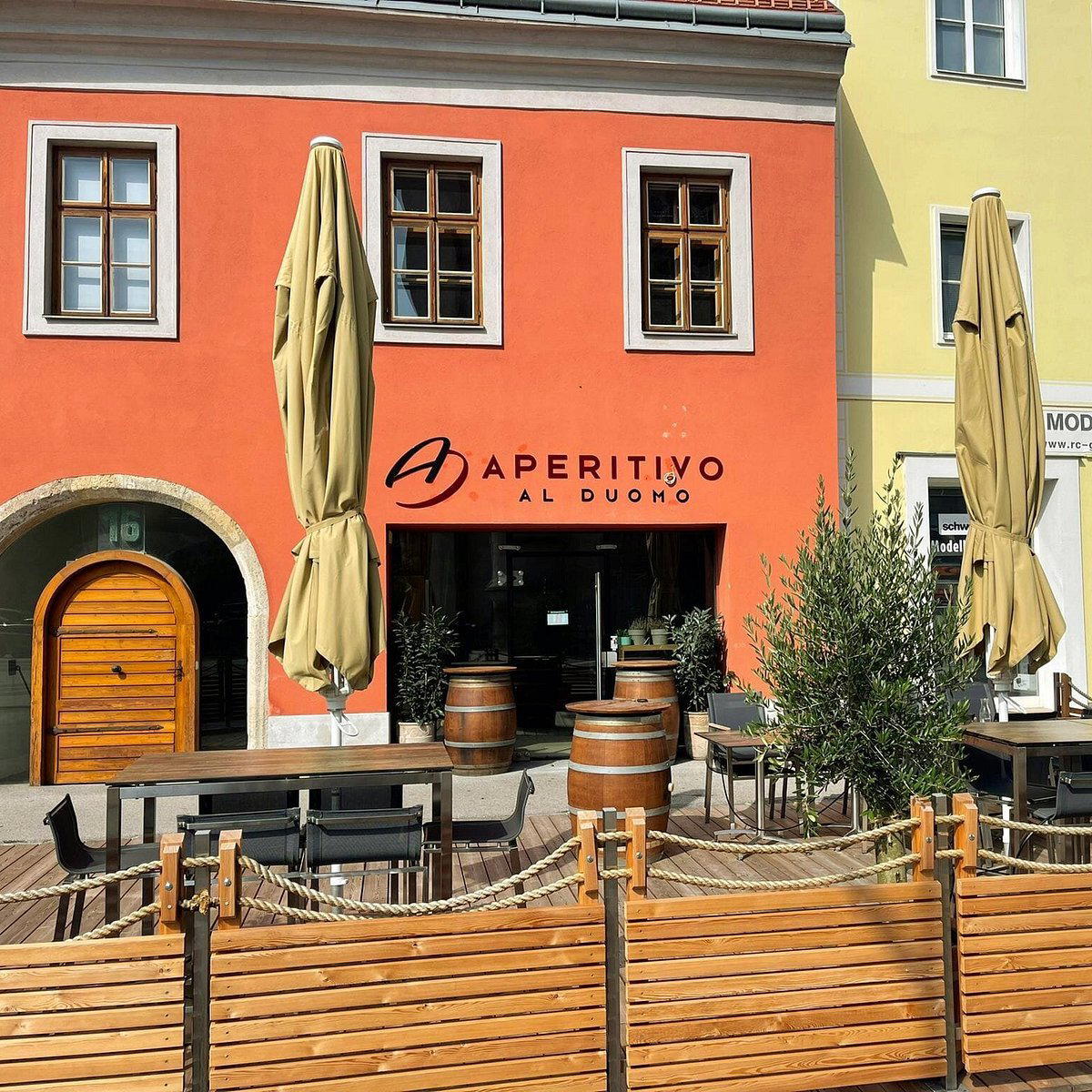

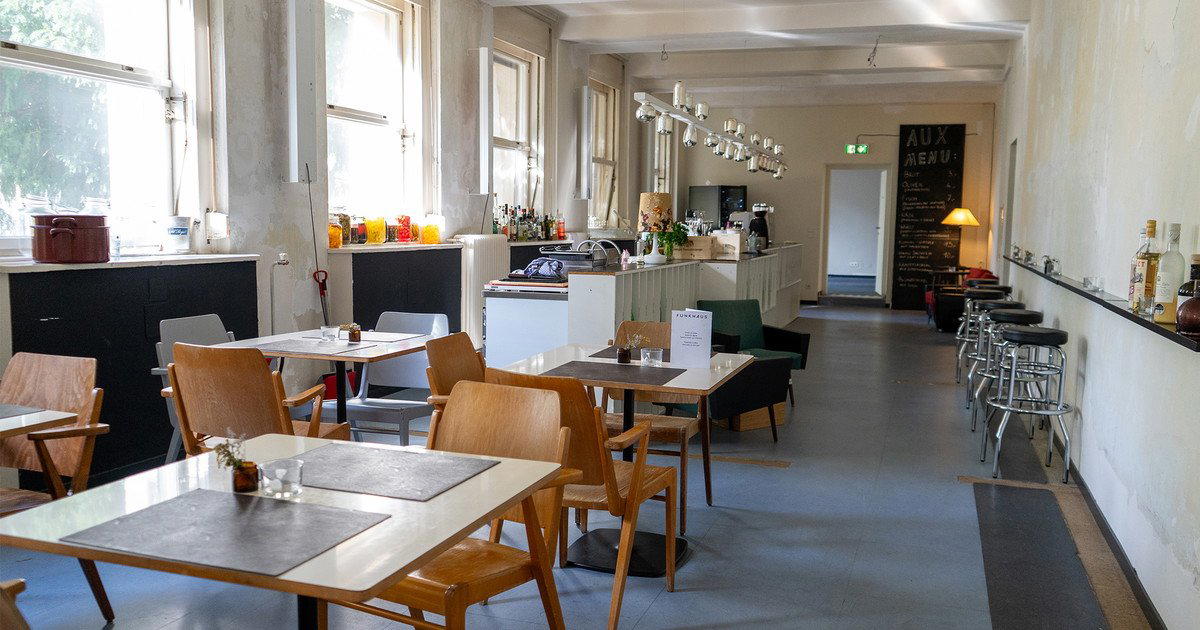
Restaurants in Rust
Browse all →
Details
- Rustic
- Scenic
- Intimate
- Wine Education
- Solo Exploration
- Vineyard Tour
- Estate Grounds
- Organic
- Vineyard
- Furmint
- Gelber Muskateller
- Welschriesling
- Blauburgunder
- Blaufränkisch
- Still White
- Estate Tasting
- English
- German
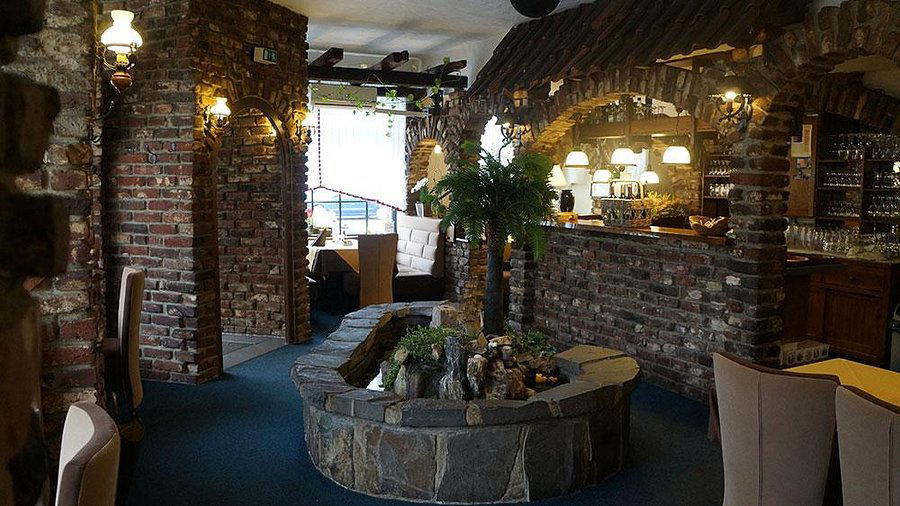
rustic winery atmosphere amid historic vineyards on Lake Neusiedl shores.