Weingut Pfeffingen

Weingut Pfeffingen sits at the northern edge of Bad Dürkheim in Germany's Pfalz, where the Haardt foothills shape some of the region's most mineral-driven Riesling and Scheurebe. For those tracing the Weinstrasse's serious wine corridor, Pfeffingen is a reference point rather than a detour.
Pearl is the En Primeur Club membership app — saves, bookings, and concierge access live there. Same editors, same standards.
- Address
- Pfeffingen 2, 67098 Bad Dürkheim
- Phone
- +49 6322 8607
- Website
- pfeffingen.de
- Directions
- Get directions
 Saves & bookings on Pearl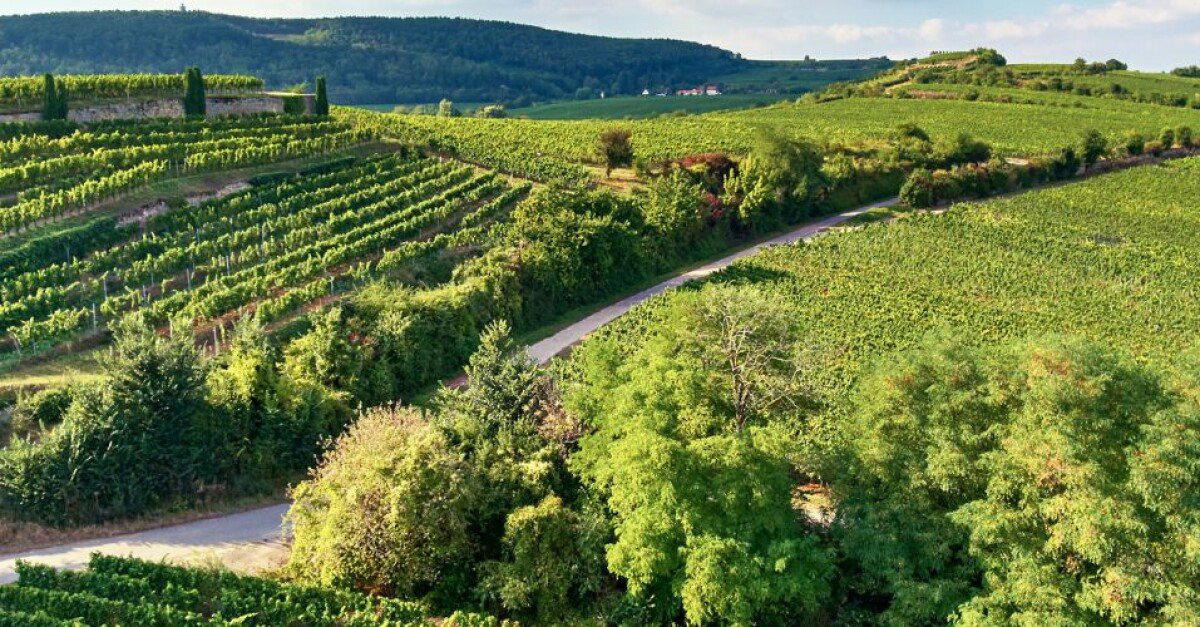
Where the Haardt Meets the Bottle
The road into Pfeffingen from Bad Dürkheim proper takes you past the vine rows before you reach the gate. That sequencing is deliberate, geographically if not architecturally: the wines here are shaped by what grows in those fields, on soils that transition from red sandstone to limestone-laced loam as the Haardt foothills press westward into the flat Rhine plain. Pfalz has spent decades asserting that this specific gradient, warm and sheltered by the forest edge above, produces something different from the broader German Riesling mainstream. Weingut Pfeffingen is a winery in Bad Dürkheim, Germany, with a price tier of about $65 per person.
The Pfalz is Germany's second-largest wine region by volume, yet the serious estates along the Weinstrasse's central and northern sections operate in a far narrower frame. Producers from Deidesheim through Bad Dürkheim cluster around a handful of grand cru-equivalent Lagen, and the competition inside that bracket is real. Weingut Bassermann-Jordan in Deidesheim and Weingut Dr. Bürklin-Wolf in Wachenheim an der Weinstraße occupy the historical anchor points of that bracket. Pfeffingen's recognition places it inside the same conversation, though it tends to operate with less international press than those larger names. That relative quietness, compared to its rated peers, is worth noting for the visitor who prefers depth of focus to volume of reputation.
Terroir as the Editorial Point
Pfalz floor runs almost perfectly flat from the Rhine to the foothills, which means the interesting geology is concentrated in a narrow strip. Bad Dürkheim's vineyards sit at the point where that strip widens slightly before the Haardt ridge begins in earnest. The soils beneath Pfeffingen's parcels carry the character that distinguishes this corridor: basalt intrusions, sandstone bands, and pockets of heavier clay-limestone, each pulling in different directions when expressed through Riesling or the estate's planted Scheurebe, a grape that rewards warm, sheltered sites with aromatic precision when handled carefully.
Scheurebe, in particular, has become a marker of serious intent in the Pfalz. The variety was bred at Alzey in 1916 specifically for the region's conditions, and it underperforms anywhere it receives insufficient warmth or is picked before full physiological ripeness. Estates that work it well tend to carry vineyards with enough southern exposure and thermal retention to let the grape develop its characteristic grapefruit-and-blackcurrant register without tipping into overt sweetness. That Pfeffingen has built a reputation in this variety alongside its Riesling production speaks to site selection as much as cellar philosophy. Compare this approach to Weingut A. Christmann in Neustadt an der Weinstraße, another Pfalz estate working with equivalent seriousness across a range of sites, and the regional picture comes into focus: the leading Pfalz producers are differentiated less by grape variety choices than by the geological specificity they can claim.
Riesling remains the primary currency of any serious German estate evaluation. In the Pfalz, the continental warmth produces a style notably riper and broader than Mosel's slate-driven acidity or Nahe's more tensile character. The region's Rieslings from sites like those around Bad Dürkheim tend toward a richer mid-palate, with stone fruit weight that can accommodate both dry GG-style bottlings and the traditional Spätlese and Auslese Prädikats. Pfeffingen's position in the rated tier suggests its dry and off-dry expressions are working within that structural framework at a level the critics tracking the region recognise as consistent.
Reading the Rating in Context
The estate's recognition is the primary public trust signal attached to Pfeffingen, and its placement matters. In Germany's premium winery evaluation framework, the step from a single prestige acknowledgement to a two-star band reflects consistency across vintages and a confirmed ability to compete at the level of the region's better-documented estates. Pfeffingen earns that recognition while remaining less globally marketed than comparably rated operations.
For context across the German fine wine map: estates in the Mosel like Weingut Fritz Haag in Brauneberg and Weingut Grans-Fassian in Leiwen operate with the advantage of one of the world's most recognisable wine appellations behind them. Weingut Heymann-Löwenstein in Winningen works the lower Mosel's steep terraced Blauschiefer sites with a different kind of geological drama. Weingut Clemens Busch in Pünderich has built an international profile around site-specific transparency and biodynamic production discipline. Against all of these, a Pfalz estate with a 2 Star Prestige rating is working in a region that historically under-exports its critical standing. The wines tend to be priced more accessibly than their Mosel equivalents at equivalent quality levels, which creates genuine value for the informed buyer.
For Rheingau comparison, Kloster Eberbach in Eltville and Weingut Georg Breuer in Rüdesheim am Rhein anchor a different stylistic tradition. Weingut Allendorf in Oestrich-Winkel operates in the same Rheingau corridor. Each of these estates points toward a regional character distinct from what the Pfalz foothills produce, which underscores why tasting across regions rather than within a single one gives a more accurate map of German Riesling's actual range.
What to Taste and When to Visit
The Weinstrasse is a year-round route, but the visiting logic changes by season. Spring and autumn bring the sharpest contrast in vineyard character: early spring shows the vine rows before green cover makes them uniform, while October brings harvest activity and the estate atmosphere that only exists during active picking. The Bad Dürkheim area also hosts the Wurstmarkt in September, one of the largest wine festivals in Germany, which brings significant visitor volume to the town but can complicate quieter estate visits in the immediate window around it.
For what to taste at Pfeffingen, the estate's Riesling and Scheurebe bottlings are particularly revealing expressions of what the site does. Both varieties, in the hands of a 2 Star Prestige-rated producer, should demonstrate the thermal warmth and soil complexity that distinguish this Pfalz corridor from softer, volume-driven regional production. Weingut Battenfeld-Spanier in Hohen-Sülzen offers a useful cross-reference point for Pfalz producers working at a similar quality tier with a commitment to site specificity.
Practical access to Pfeffingen follows the address at Pfeffingen 2, 67098 Bad Dürkheim. The estate sits on the western edge of the town. Visiting policy, current tasting formats, and booking requirements are best confirmed directly.
Fast Comparison
Comparable venues nearby, for context on price, style, and recognition.
| Venue | Cuisine | Price | Notes |
|---|---|---|---|
| Weingut PfeffingenThis venue — the venue you are viewing | Riesling, Scheurebe | $$$ | Not listed |
| Weingut Dr. Bürklin-Wolf | Riesling, Pinot Noir | $$$ | Wachenheim an der Weinstraße |
| Weingut Wittmann | Riesling, Pinot Blanc | $$$ | Westhofen |
| Weingut Bassermann-Jordan | Riesling, Chardonnay | $$$ | Deidesheim |
| Weingut Müller-Catoir | Riesling, Scheurebe | $$$ | Haardt |
| Weingut Friedrich Becker | Pinot Noir, Chardonnay | $$$ | Schweigen-Rechtenbach |
Recognition history
Dated appearances from independent guides and award organizations, with the underlying list record or original source where available.
Falstaff Winery - 4 Stars
Falstaff
Continue exploring
More in Bad Dürkheim
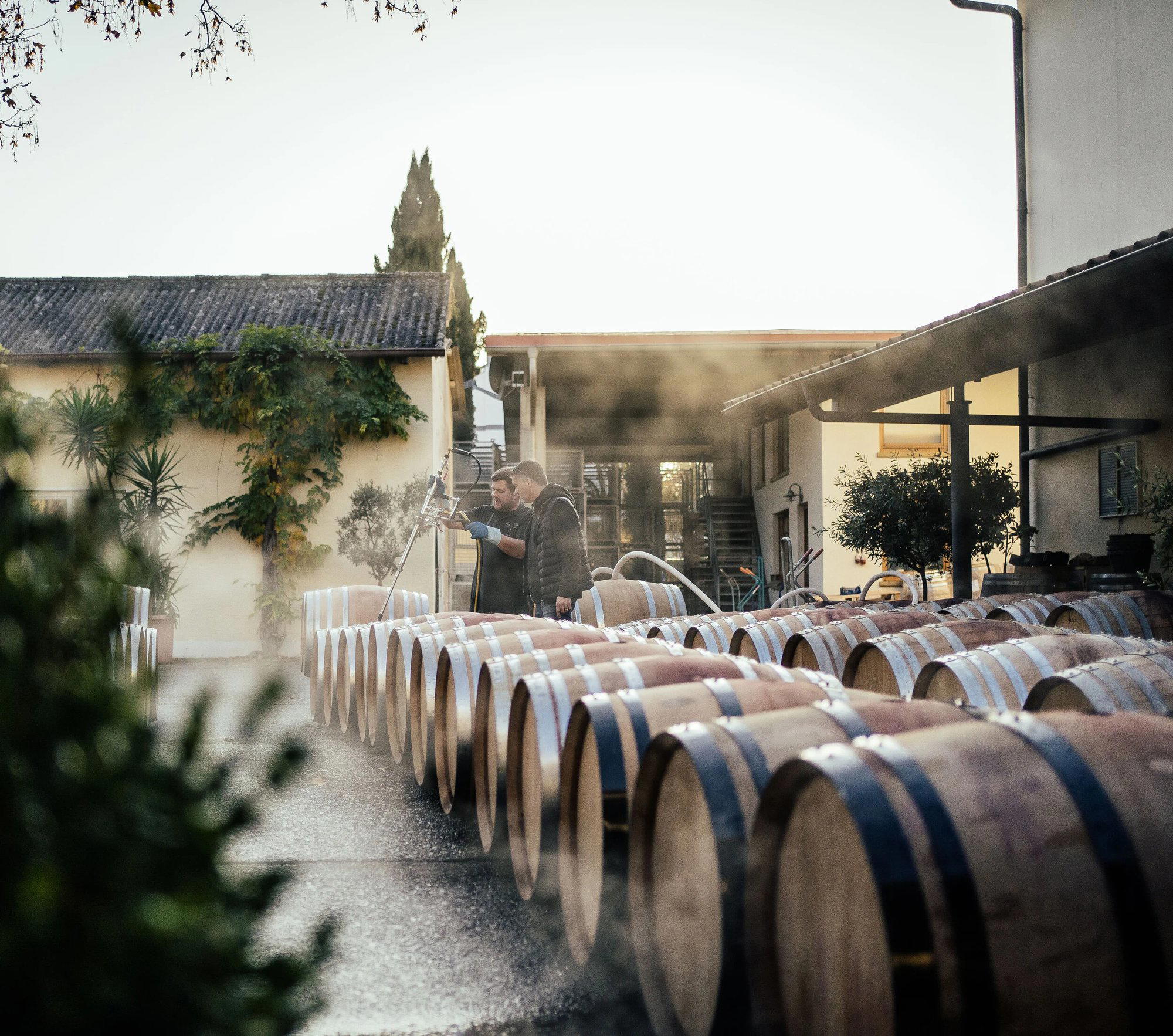
Wineries in Bad Dürkheim
Browse all →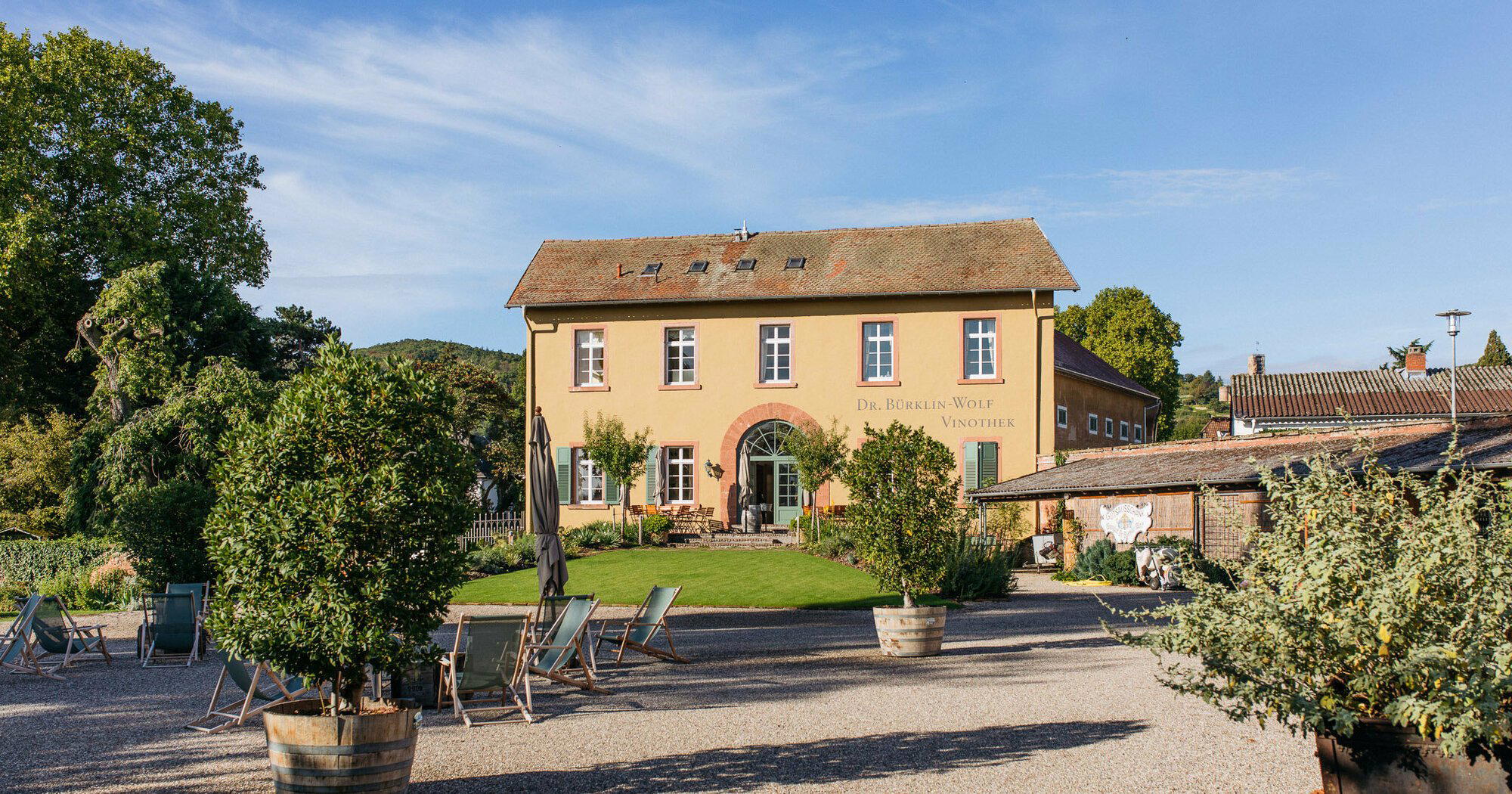
Bars in Bad Dürkheim
Browse all →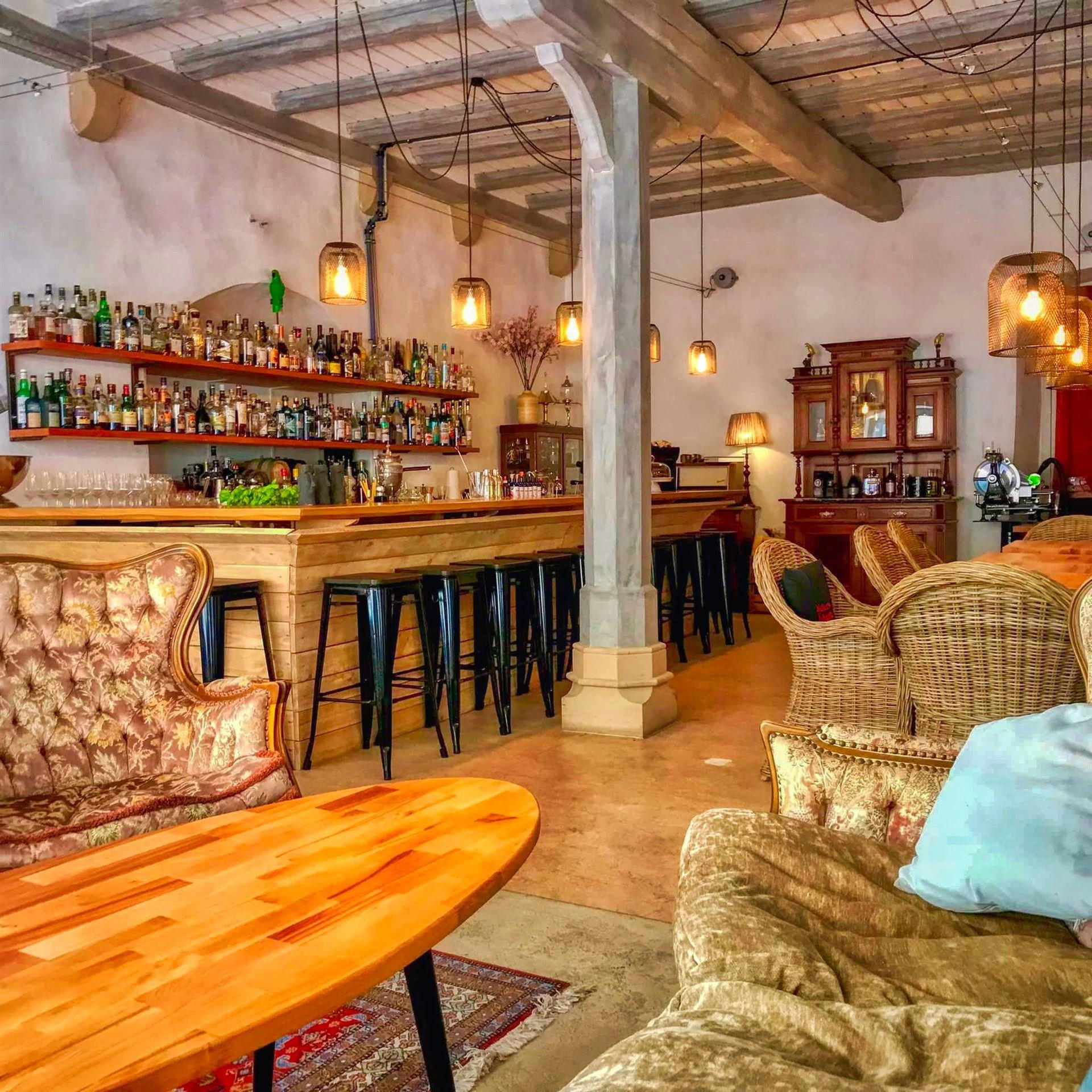
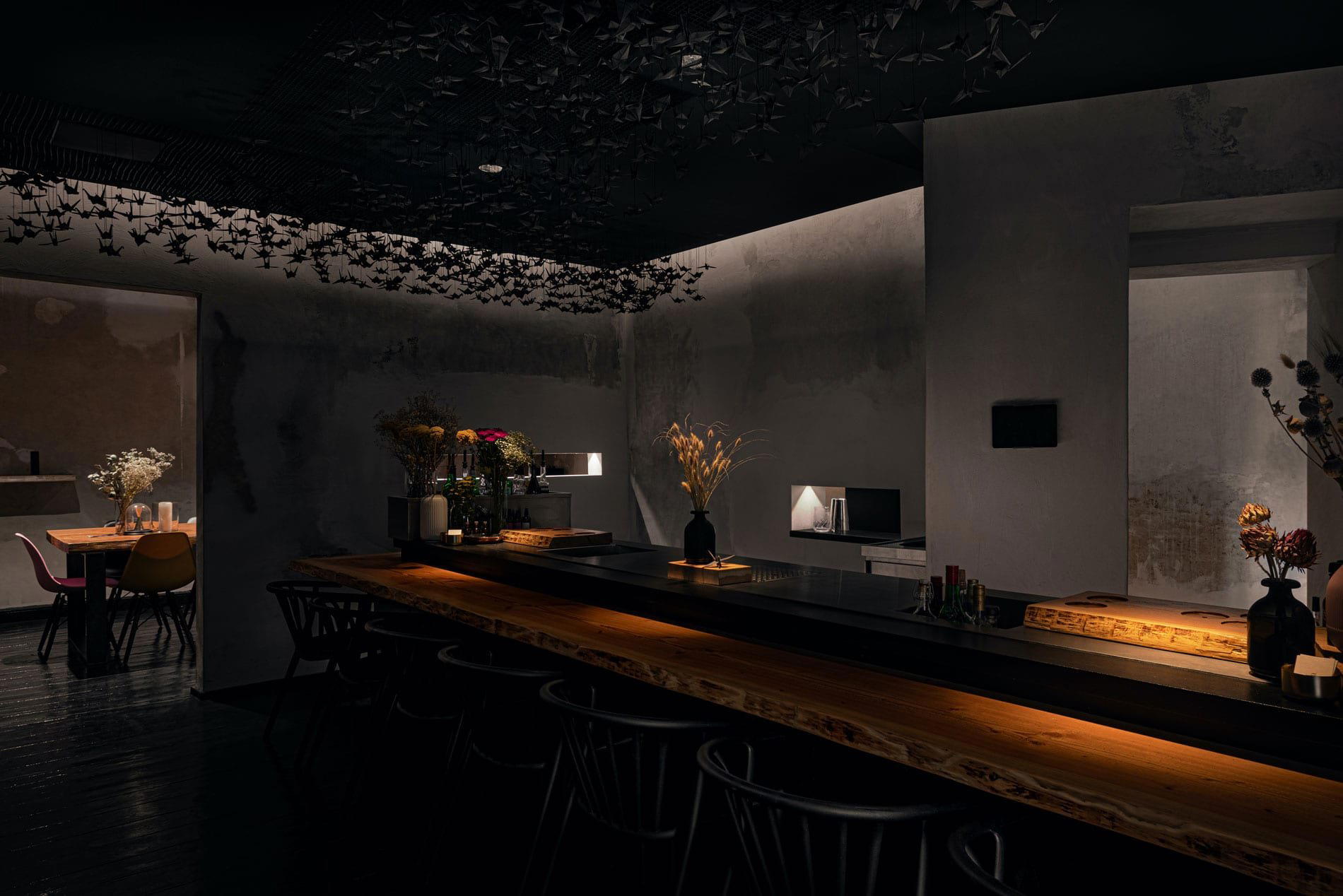
Restaurants in Bad Dürkheim
Browse all →
At a Glance
- Classic
- Scenic
- Elegant
- Rustic
- Wine Education
- Romantic Getaway
- Group Outing
- Special Occasion
- Vineyard Tour
- Estate Grounds
- Historic Building
- Barrel Room
- Sustainable
- Vineyard
- Garden
- Pfalz (palatinate)
- Riesling
- Scheurebe
- Spätburgunder
- Weißburgunder
- Gewürztraminer
- Chardonnay
- Silvaner
- Roter Riesling
- Merlot
- St. Laurent
- Still White
- Still Red
- Dessert
- Sparkling
- Estate Tasting
- Vineyard Tour
- Cellar Tour
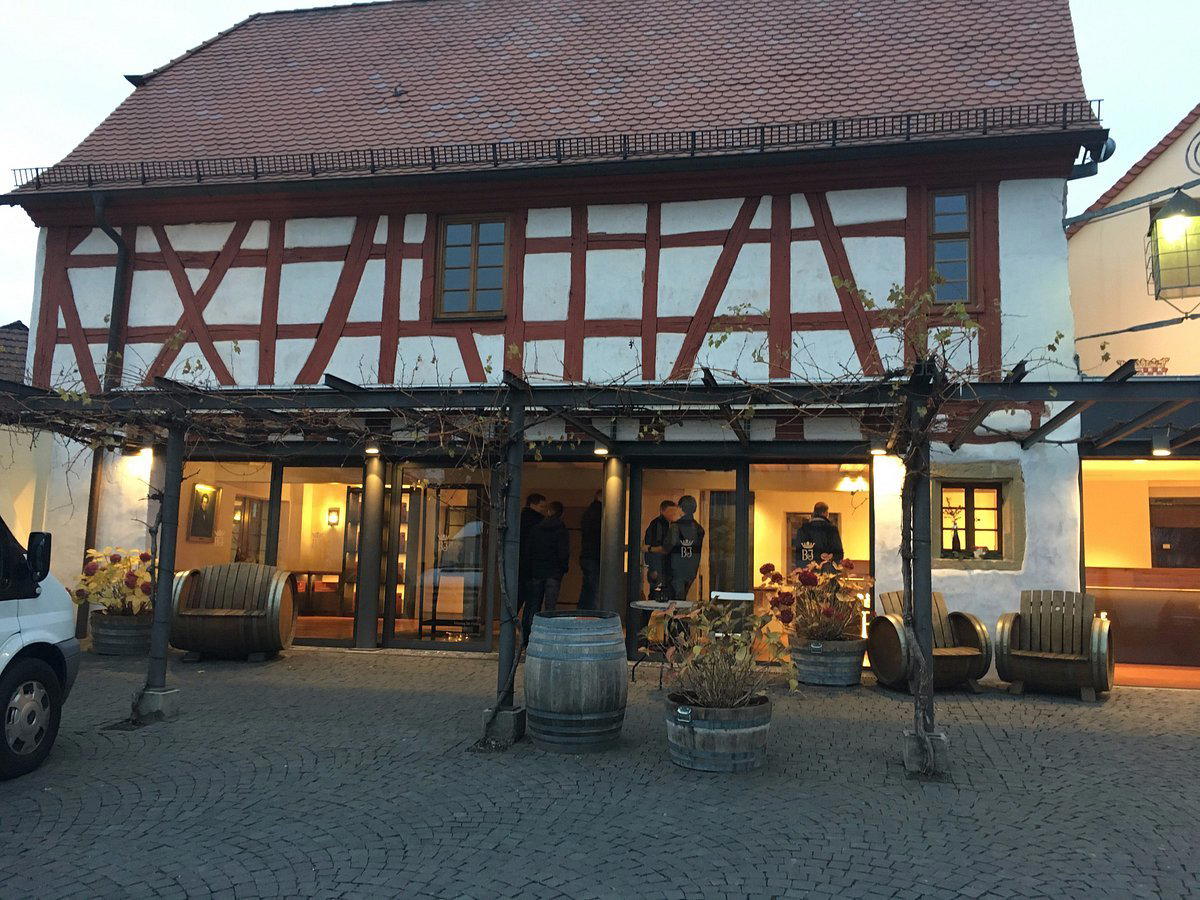
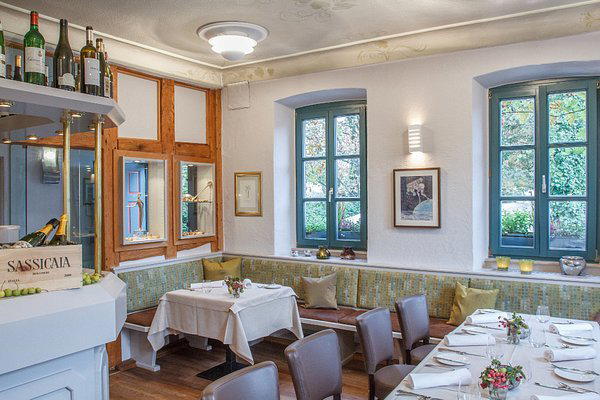
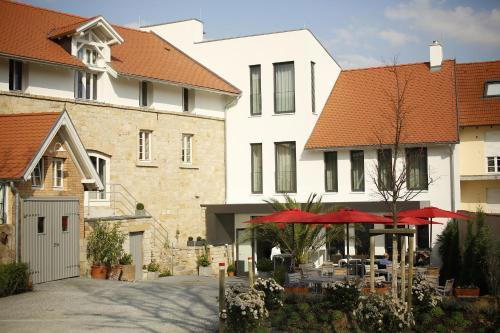
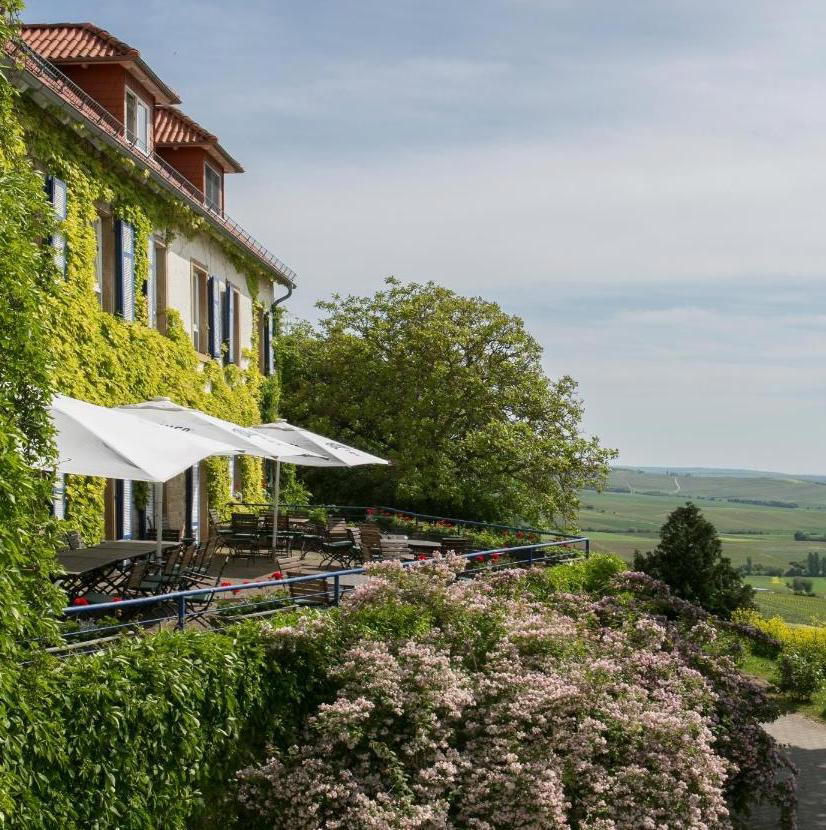
Picturesque estate set in vineyards with traditional German charm, surrounded by chalky and terra rossa soils in the heart of the Palatinate Wine Route.