
Located at a working distillery facility on Melbourne's northern fringe, Top Shelf (Ned Whisky) earned a Pearl 2 Star Prestige rating in 2025, placing it among a select tier of Australian spirits producers. The Somerton operation is part of the Top Shelf International group, the producer behind Ned Australian Whisky, and represents a serious commitment to domestic grain-to-glass whisky production at scale.
 Discover on Pearl
Pearl is the En Primeur Club membership app — saves, bookings, and concierge access live there. Same editors, same standards.
- Address
- Factory 5/185-193 Hume Hwy, Somerton VIC 3062
- Phone
- +61383179990
- Website
- topshelfgroup.com.au
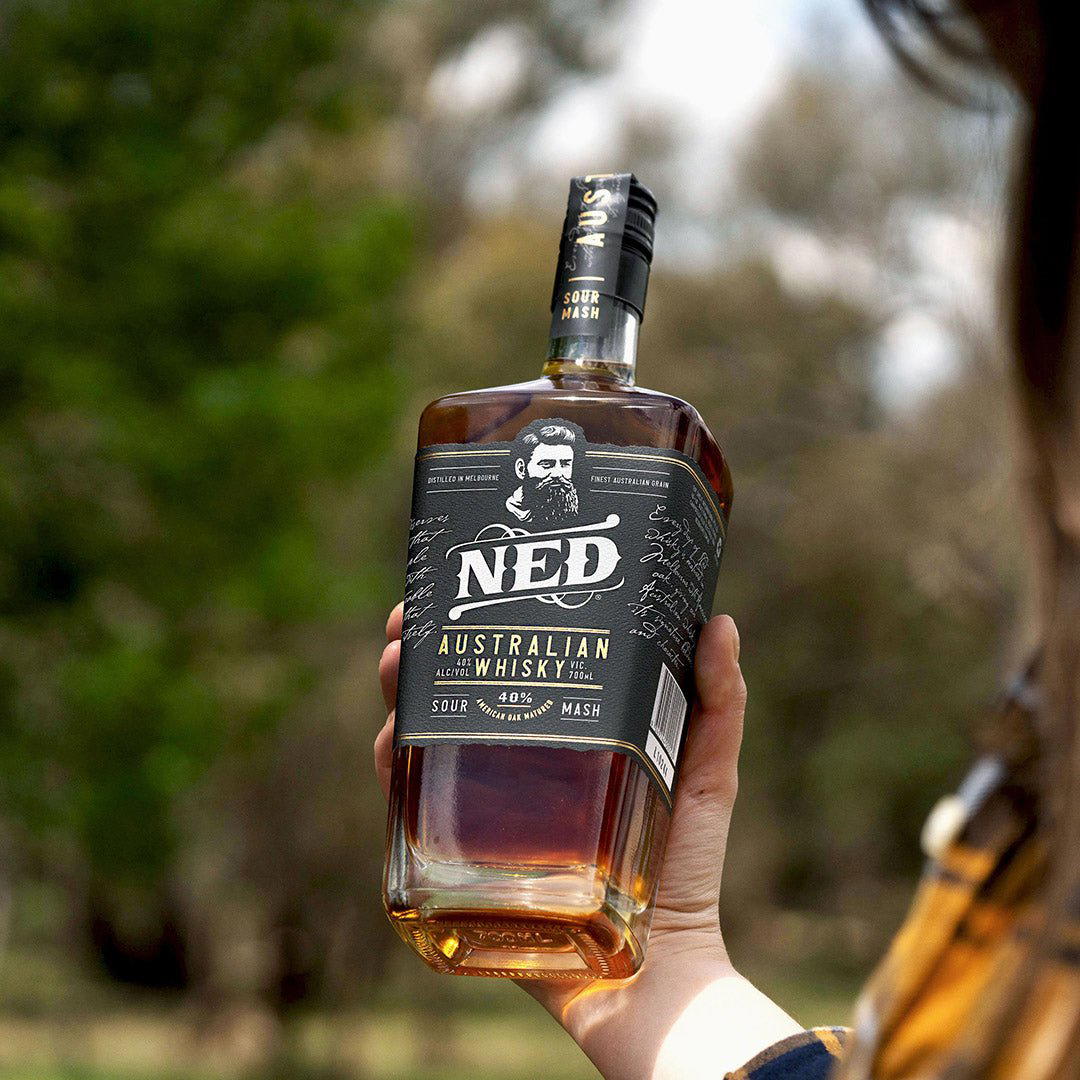
Where Australian Whisky Gets Industrial About It
Most premium spirits in Australia arrive via small-batch craft operations, the kind with copper pot stills, tasting rooms furnished with reclaimed timber, and newsletters about single cask releases. Top Shelf (Ned Whisky) produces whisky at Factory 5/185-193 Hume Hwy, Somerton VIC 3062, a production-scale facility on Melbourne's industrial northern fringe. This is production-scale whisky making on Melbourne's industrial northern fringe, housed inside what reads from the outside as a working warehouse. The approach matters because scale, in whisky, changes everything: how grain is sourced, how spirit is distilled, how barrels are selected, and ultimately how consistently a house style can be maintained across releases. Top Shelf, the group behind Ned Australian Whisky, has bet heavily on that consistency argument, and the 2025 Pearl 2 Star Prestige rating suggests the industry is beginning to agree.
The Aging Argument: What Barrels Do in the Southern Climate
Australian whisky aging operates under different conditions than the Scottish or Irish models that most tasting frameworks were built around. The temperature variance in a Victorian warehouse across a calendar year is more aggressive than a Highland dunnage, and that accelerated interaction between spirit and wood produces a different extraction profile: more forward oak influence, faster colour uptake, and tannin curves that arrive earlier in the maturation cycle. For a producer working at the scale of Leading Shelf, barrel selection decisions carry compound weight. A poor cask choice repeated across hundreds of barrels produces a house style problem, not just a single release anomaly.
This is where the cellar and aging programme becomes the central subject. The Ned whisky range draws on Australian malted barley and local grain sources, and the maturation strategy leans into the climate rather than fighting it. Short by Scottish standards does not mean underdeveloped here, the conditions compress timelines in ways that require experienced palate decisions about when a barrel has given what it can. For comparison, producers like Starward Distillery in Port Melbourne have built a reputation on leaning into Australian climate maturation, using wine barrels to layer local character. Leading Shelf's operation works with similar environmental logic but at a scale that few domestic producers have attempted.
Melbourne's Distillery Scene and Where Leading Shelf Sits
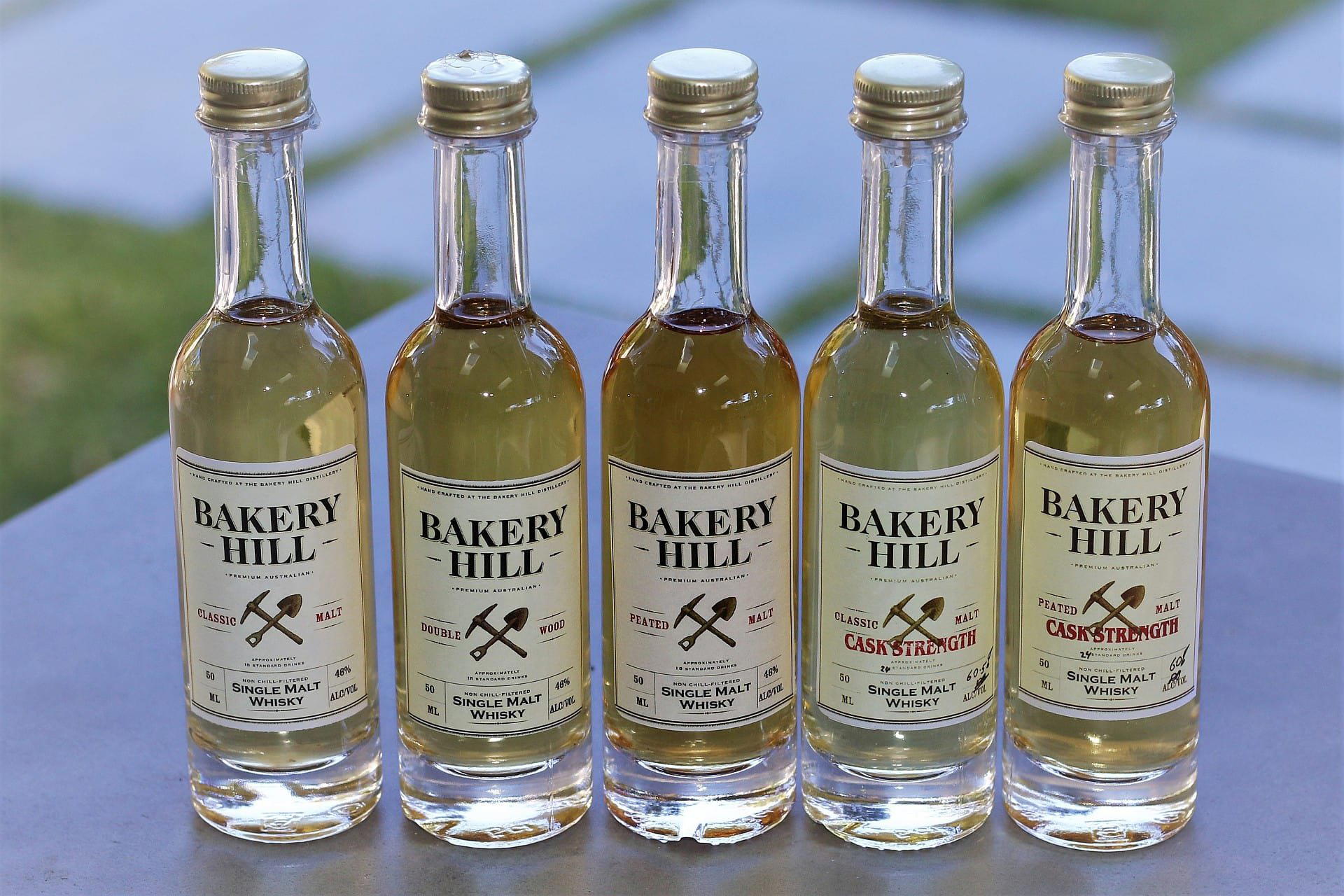
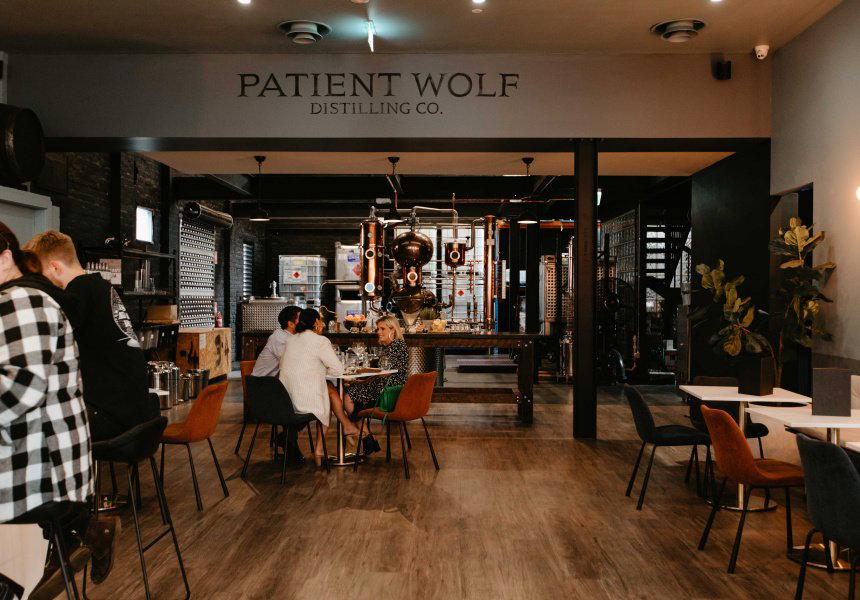
Melbourne's spirits production has diversified considerably over the past decade. The city now supports a spectrum that runs from micro-distillers focused on gin and small-run botanical spirits through to mid-scale whisky and rum operations. Patient Wolf Distilling Co represents the gin-forward craft end of the market, while Boatrocker Brewers & Distillers operates across beer and spirits with a focus on barrel-aged formats. Bakery Hill Distillery, out in Bayswater, has built a strong reputation for single malt whisky with a different approach to scale and cask management. The Gospel Distillers works in the rye whisky space, drawing on American grain whisky traditions applied to local materials.
Leading Shelf occupies a distinct position in this set. It is neither the artisan micro-operation producing fifty-case releases for collectors, nor the multinational contract bottler. The Pearl 2 Star Prestige recognition in 2025 places it in company that rewards production discipline alongside creative ambition, a combination that is genuinely difficult to achieve as output volumes increase. The Somerton address, removed from the inner-city distillery cluster, signals something about operational priorities: this is a production facility first, not a hospitality venue designed around visitor experience.
Grain to Glass at Production Scale
The grain-to-glass claim carries different weight depending on who is making it. For a small craft producer, it often means sourcing grain from a single farm and distilling on site. For a facility operating at Leading Shelf's scale, it means building integrated production systems that maintain traceability and quality control across a much larger throughput. Australian whisky as a category has been working to establish this kind of credibility internationally, and the recognition systems that reward 2 Star Prestige rankings are partly designed to assess whether that discipline holds at volume.
The comparison to other national markets helps frame the category. Scottish distilleries like Aberlour in Speyside have spent generations building house styles around consistent barrel management and blending decisions, the kind of institutional knowledge that takes decades to accumulate. Australian producers are working on compressed timelines by necessity, which means the ones that earn serious recognition are typically making fast, defensible decisions about wood policy, maturation monitoring, and release timing. That is a different skill set than the patience-based maturation model, and the Somerton operation appears to have invested in it.
The National Context: Australian Whisky Beyond Victoria
Victoria produces a significant proportion of Australian whisky, but the category extends across state lines. Archie Rose Distilling Co in Sydney has built a national profile across whisky, rum, and gin with a similar emphasis on local grain sourcing and transparent production. The comparison matters because it shows how Australian producers are arriving at prestige-tier recognition via different geographic and stylistic routes rather than converging on a single model.
Victorian wine producers like Bass Phillip in Gippsland have demonstrated that small-volume, climate-sensitive Australian production can command international attention through quality discipline alone. The same argument is now being made for Victorian whisky, and the Pearl 2 Star recognition for Leading Shelf represents one data point in that broader case. Wine estates that have navigated the aging argument successfully, including All Saints Estate in Rutherglen with its fortified wine maturation programme, provide a useful parallel for how Australian producers learn to work with time and barrel rather than against them.
For readers mapping the full spectrum of Australian premium production, Angove Family Winemakers in Renmark, Leading's Wines in Great Western, Bird in Hand in Adelaide Hills, and Blue Pyrenees Estate in Pyrenees offer contexts that show how terroir-conscious aging decisions have shaped regional identity across categories. Accendo Cellars in St. Helena provides an international reference point for how prestige-tier production credibility is built when a producer is willing to let the barrel programme do the argumentative work.
Planning a Visit
The Somerton address, Factory 5, 185-193 Hume Hwy, is an industrial estate location approximately 16 kilometres north of Melbourne's CBD, accessible via the Hume Highway corridor.
Continue exploring
More in Melbourne
Wineries in Melbourne
Browse all →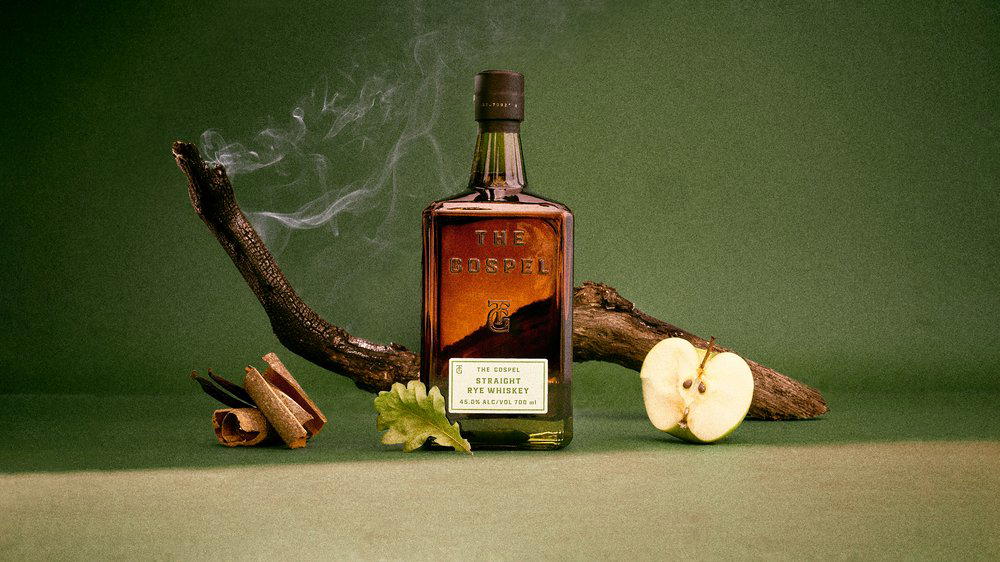
Bars in Melbourne
Browse all →
Restaurants in Melbourne
Browse all →

At a Glance
- Wine Education
- Barrel Room
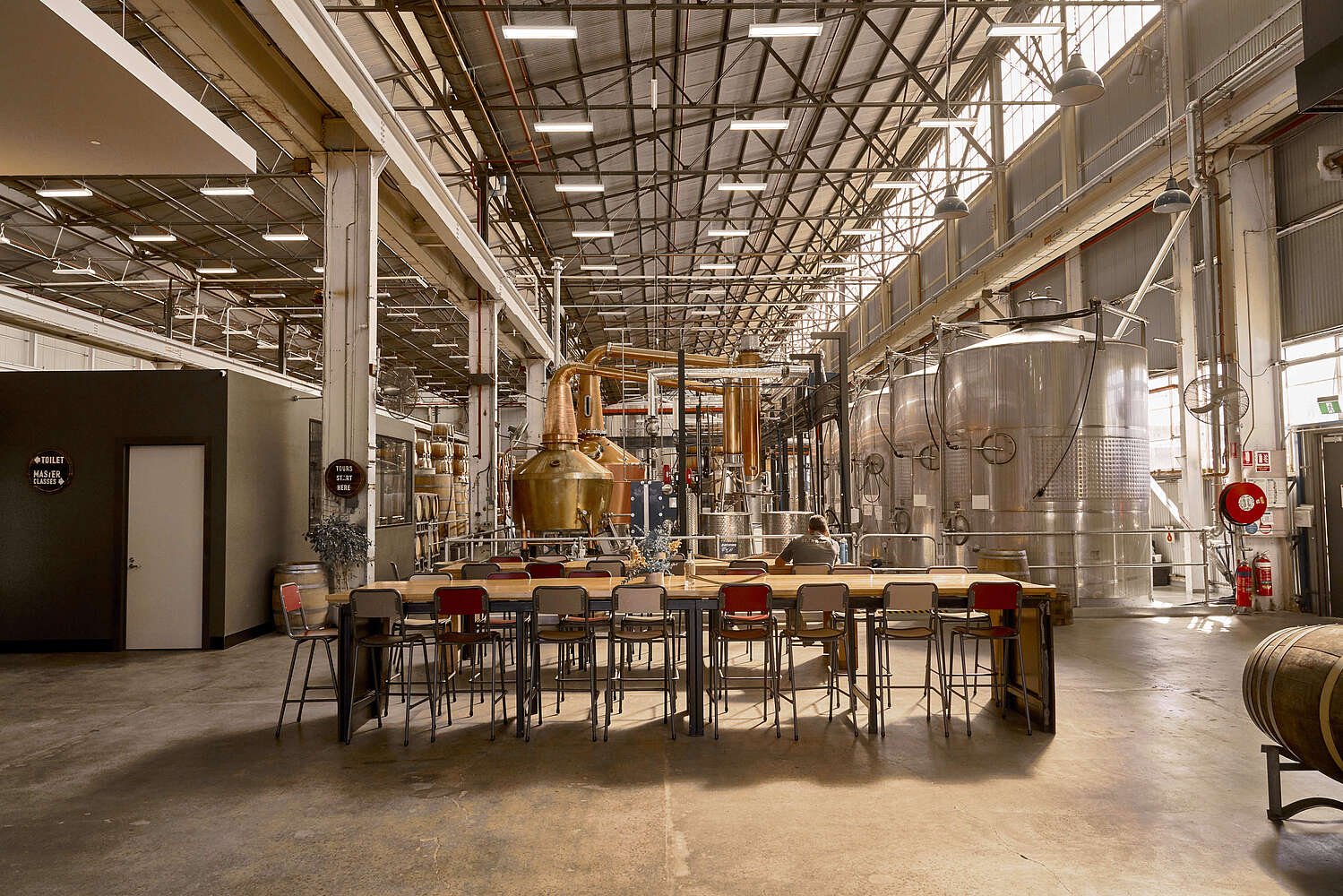
Industrial distillery setting with focus on craftsmanship and tasting experiences.