Terra Valentine
The winery sits within a cohort of St. Helena producers where elevation, soil complexity, and low-intervention viticulture define the competitive tier. For collectors focused on mountain-grown Cabernet, it represents a serious allocation target.

Pearl is the En Primeur Club membership app — saves, bookings, and concierge access live there. Same editors, same standards.
- Address
- 4007 Spring Mountain Rd, St Helena, CA 94574
- Phone
- (707) 967-8340
- Website
- terravalentine.com
- Directions
- Get directions
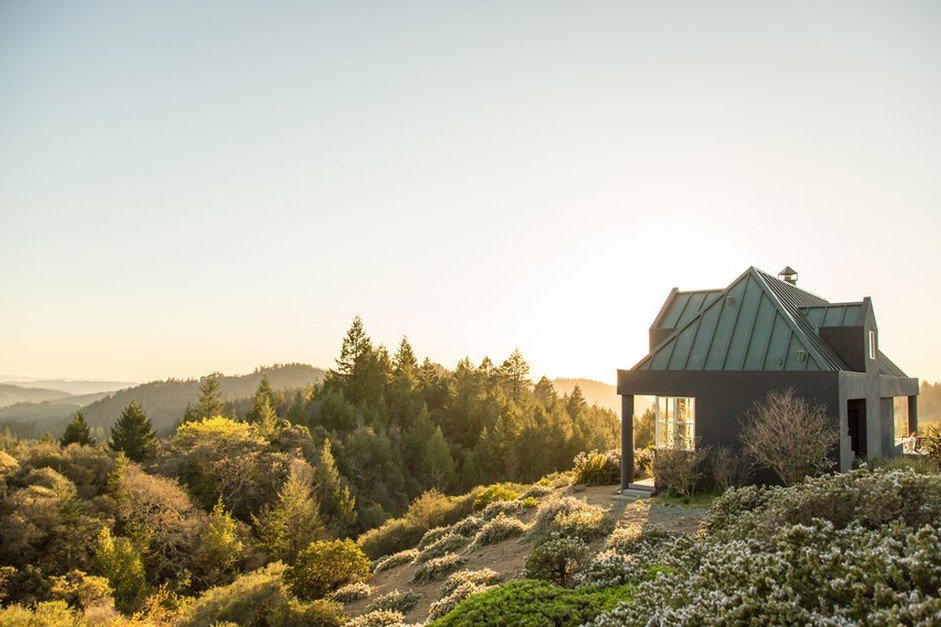
Spring Mountain at Elevation: The Terrain That Shapes Terra Valentine
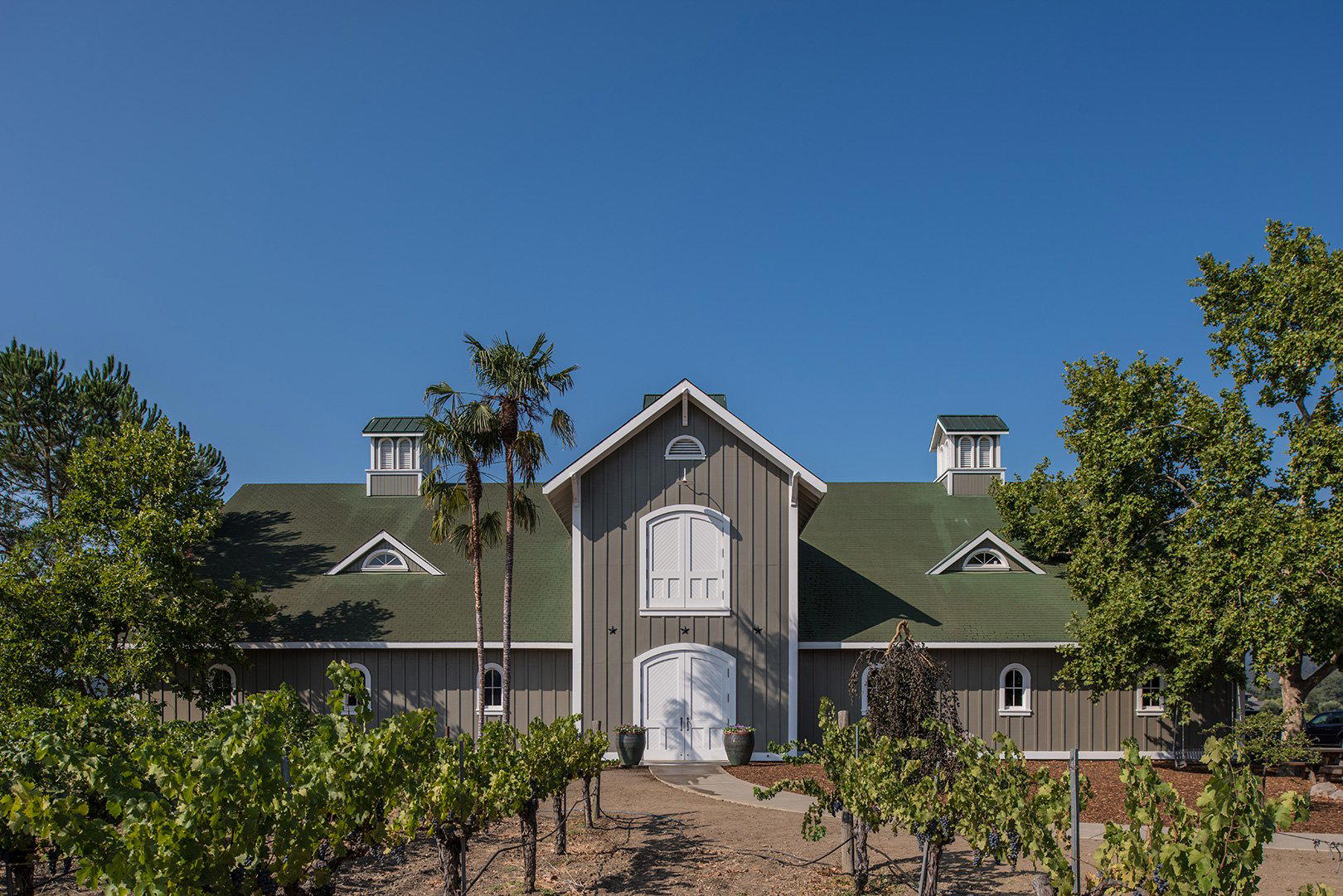
The approach along Spring Mountain Road tells you something before you taste a single wine. The valley floor, with its irrigation infrastructure and manicured rows, gives way to steep grades, volcanic and sedimentary soils layered over each other in ways that make farming genuinely difficult. Wineries that choose to operate here, at addresses like 4007 Spring Mountain Road, are making a statement about what Napa Cabernet can be when the fruit has to work for its existence. The yields are lower, the canopy management more demanding, and the resulting concentration a product of stress rather than intervention.
This is the broader context for Terra Valentine. The winery sits within a cluster of Spring Mountain producers who have, over the past two decades, carved out a distinct identity from the valley-floor Napa model. Where the floor tends toward approachable fruit and early accessibility, mountain appellations like Spring Mountain District push toward structure, tannin architecture, and age-worthiness that positions these wines in a different conversation altogether.
In St. Helena and the surrounding Spring Mountain District, this puts Terra Valentine in company with estates like Accendo Cellars and Brand Napa Valley, producers whose allocations trade on reputation and whose wines require forward planning to secure. Comparison with valley-floor St. Helena names such as Charles Krug and Dana Estates is useful for framing price and access, though the stylistic divergence between mountain and floor is significant enough that they function as distinct categories for serious buyers.
Viticulture in a Demanding Appellation
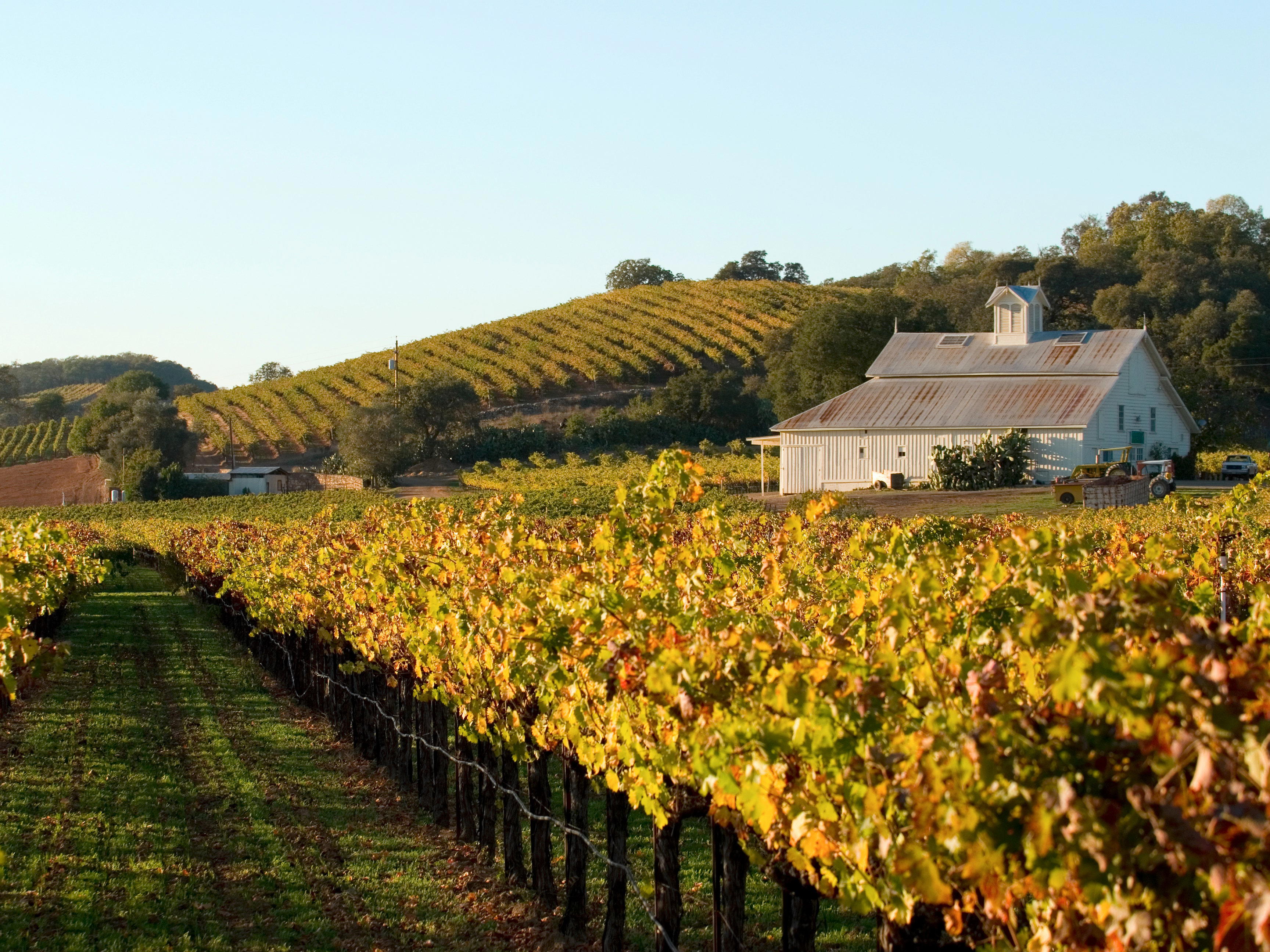
The Spring Mountain District earned its own AVA designation in 1993, in recognition of the fact that mountain viticulture here produces wines that are measurably different from Napa Valley as a whole. Soils shift dramatically across short distances, with volcanic Aiken and Los Gatos series mixing with fractured sandstone and shale. Water retention is low, forcing vine roots deeper and slowing ripening in a way that extends hang time without the sugar accumulation that can push valley-floor fruit toward over-ripeness.
The editorial angle on sustainability is worth addressing here because mountain appellations in California are, by structural necessity, closer to low-intervention farming than many valley-floor operations. Steep terrain resists mechanization. Irrigation access is more limited. The cost of farming intensively is high enough that many Spring Mountain producers have arrived at organic or near-organic practices not purely through ideology but through the practical logic of working with what the site offers rather than against it. This pattern, visible across Spring Mountain and Howell Mountain estates, shapes the wines in ways that distinguish them from higher-intervention valley-floor production.
Producers across California's premium mountain appellations have followed similar trajectories. Adelaida Vineyards in Paso Robles and Alban Vineyards in Arroyo Grande represent analogous cases in Central Coast appellations, where terrain has pushed producers toward farming philosophies that let site expression carry the wine rather than suppressing it through heavy-handed cellar work. In Oregon, Adelsheim Vineyard in Newberg has built a comparable reputation around restraint in a different varietal context.
Spring Mountain in the Broader Napa Hierarchy
Napa Valley's reputation was built largely on valley-floor Cabernet, and the commercial infrastructure, from high-traffic tasting rooms to large production volumes, reflects that. Mountain appellations occupy a quieter, more specialized position. Spring Mountain, along with Howell Mountain and Mount Veeder, functions as the small-production, high-intensity counterpart to the broader Napa identity.
Within St. Helena specifically, the contrast is sharpest. The town sits at the valley's center, surrounded by both approachable large-production estates and mountain-flanking producers operating in an entirely different register. Chappellet Winery on Pritchard Hill, though technically in a different mountain zone, represents the broader category of Napa mountain producers who have built sustained collector followings on the basis of site-driven concentration and ageability rather than broad consumer accessibility.
For buyers coming from other premium California regions, the reference points extend beyond Napa. Alexander Valley Vineyards in Geyserville, Alpha Omega Winery in Rutherford, and Artesa Vineyards and Winery in Napa each sit within different stylistic and terroir frameworks, and placing Terra Valentine in that broader California context helps clarify why the Spring Mountain address represents a specific and deliberate choice about what kind of wine the producer is trying to make. Andrew Murray Vineyards in Los Olivos offers a further California point of comparison for buyers interested in how elevation and diurnal range affect structural outcomes across different varietals.
Planning a Visit to Spring Mountain Road
Spring Mountain Road runs west from St. Helena into the Mayacamas range, with the elevation gain beginning almost immediately. Most Spring Mountain wineries, including Terra Valentine at its 4007 address, require appointments rather than walk-in visits, which is both a practical reflection of small-scale operation and a genuine advantage for visitors: the appointment model ensures a focused experience with staff who can discuss specific vintages and farming decisions in depth rather than managing high-volume traffic.
Visitors planning time in the region should treat Spring Mountain as a half-day minimum from St. Helena, both for the drive and for the kind of tasting that justifies the journey. The appointment requirement effectively curates the visitor profile, which shapes the conversation on-site. Those planning broader St. Helena itineraries can use our full St. Helena restaurants and wineries guide to map adjacent producers and dining options in the town center. For context on European production traditions with analogous mountain-terroir ambitions, Aberlour in Aberlour and Achaia Clauss in Patras represent old-world reference points where geography shapes production identity with similar force.
Category Peers
Comparable venues nearby, for context on price, style, and recognition.
| Venue | Cuisine | Price | Awards | Notes |
|---|---|---|---|---|
| Terra ValentineThis venue — the venue you are viewing | Cabernet Sauvignon, Pinot Noir | $30–50 | Not listed | Not listed |
| Ehlers Estate | Cabernet Sauvignon, Cabernet Franc | $50–100 | Not listed | St. Helena |
| Forman Vineyard | Cabernet Sauvignon, Cabernet Franc | Not listed | Falstaff Winery - Listed | St. Helena |
| Seavey Vineyard | Cabernet Sauvignon, Merlot | Not listed | Not listed | Conn Valley |
| Crocker & Starr Wines | Cabernet Franc, Cabernet Sauvignon | Not listed | Not listed | St. Helena |
| Corison Winery | Cabernet Sauvignon | Not listed | Falstaff Winery - Listed | St. Helena |
Continue exploring
More in St. Helena
Wineries in St. Helena
Browse all →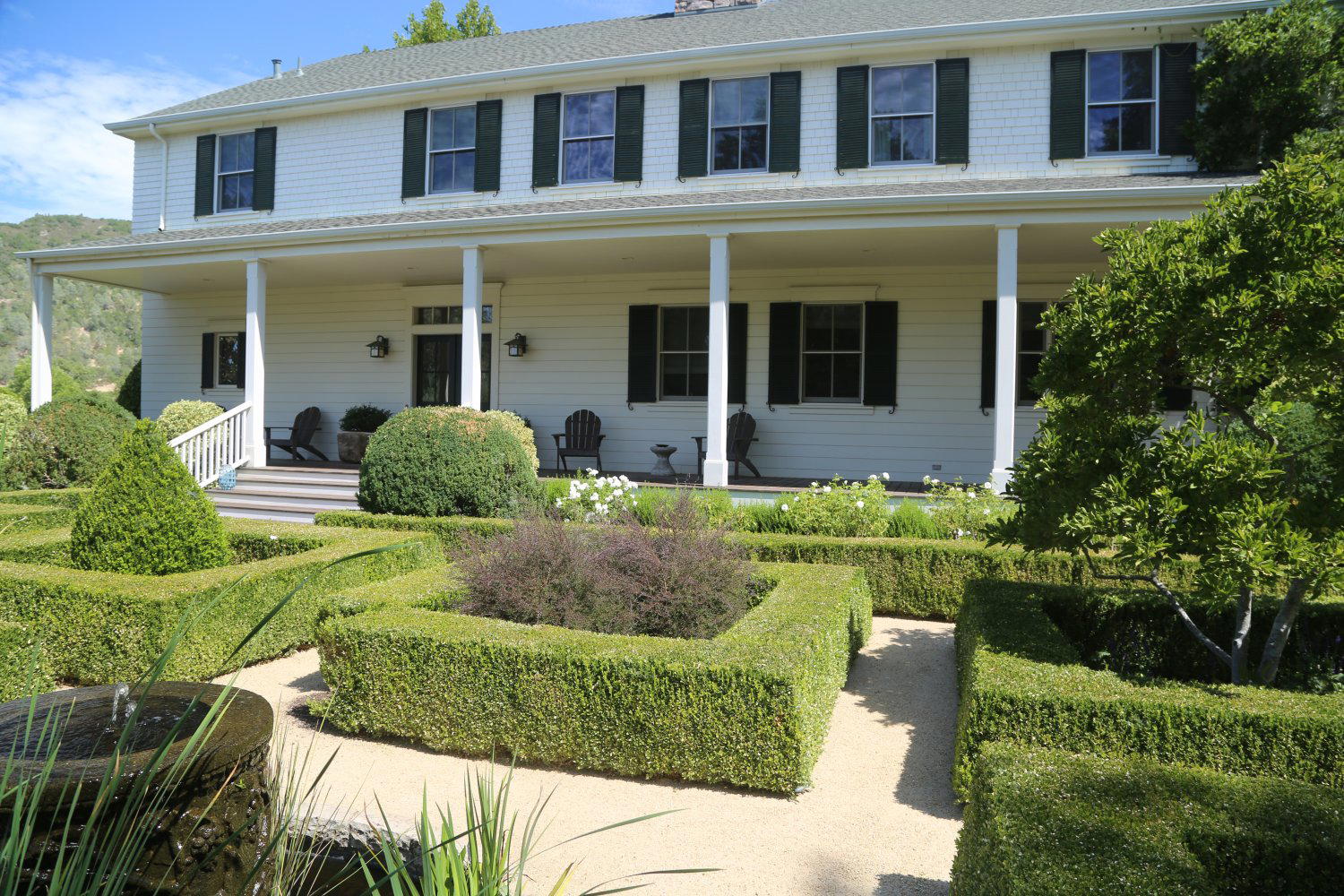
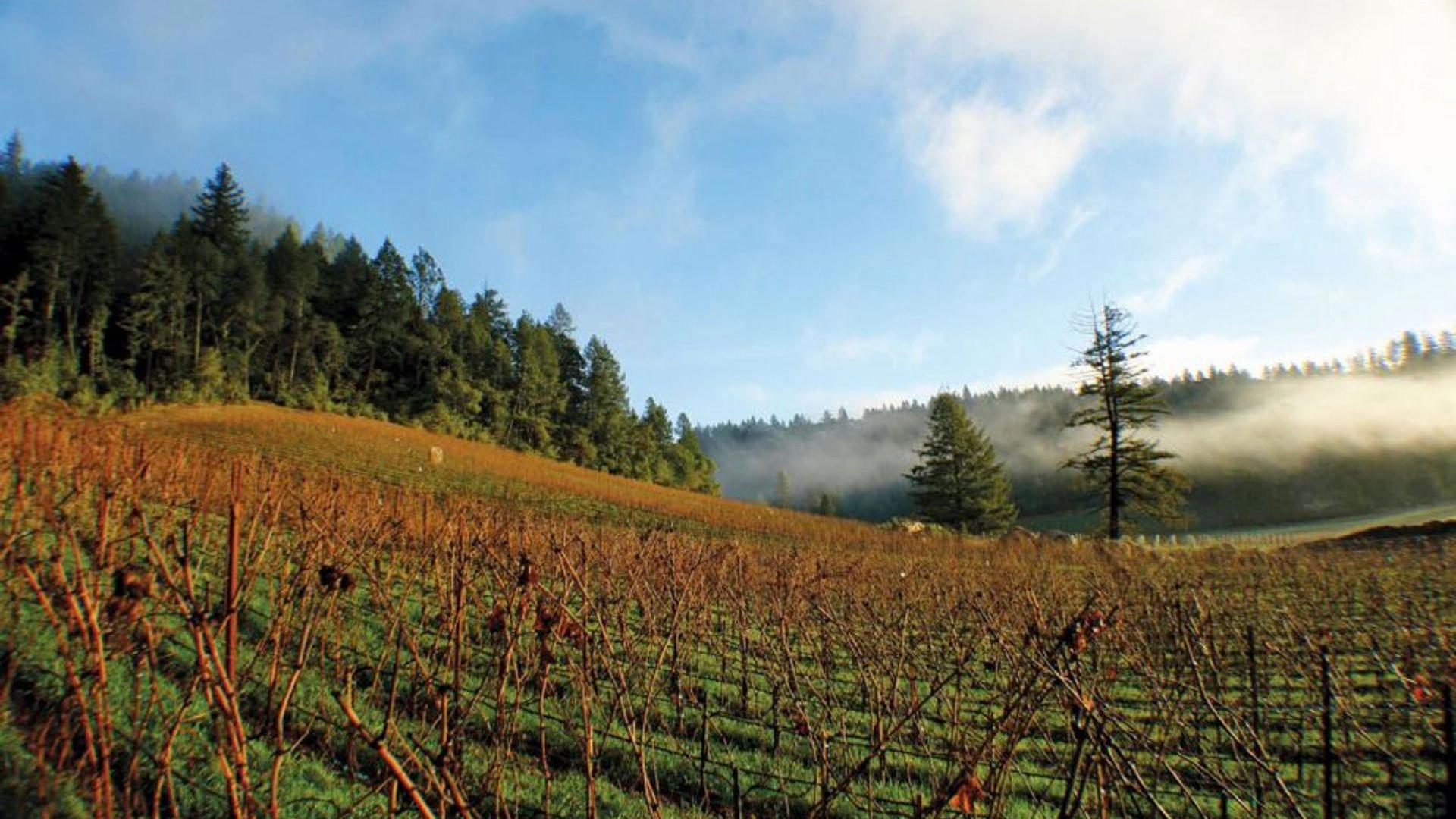
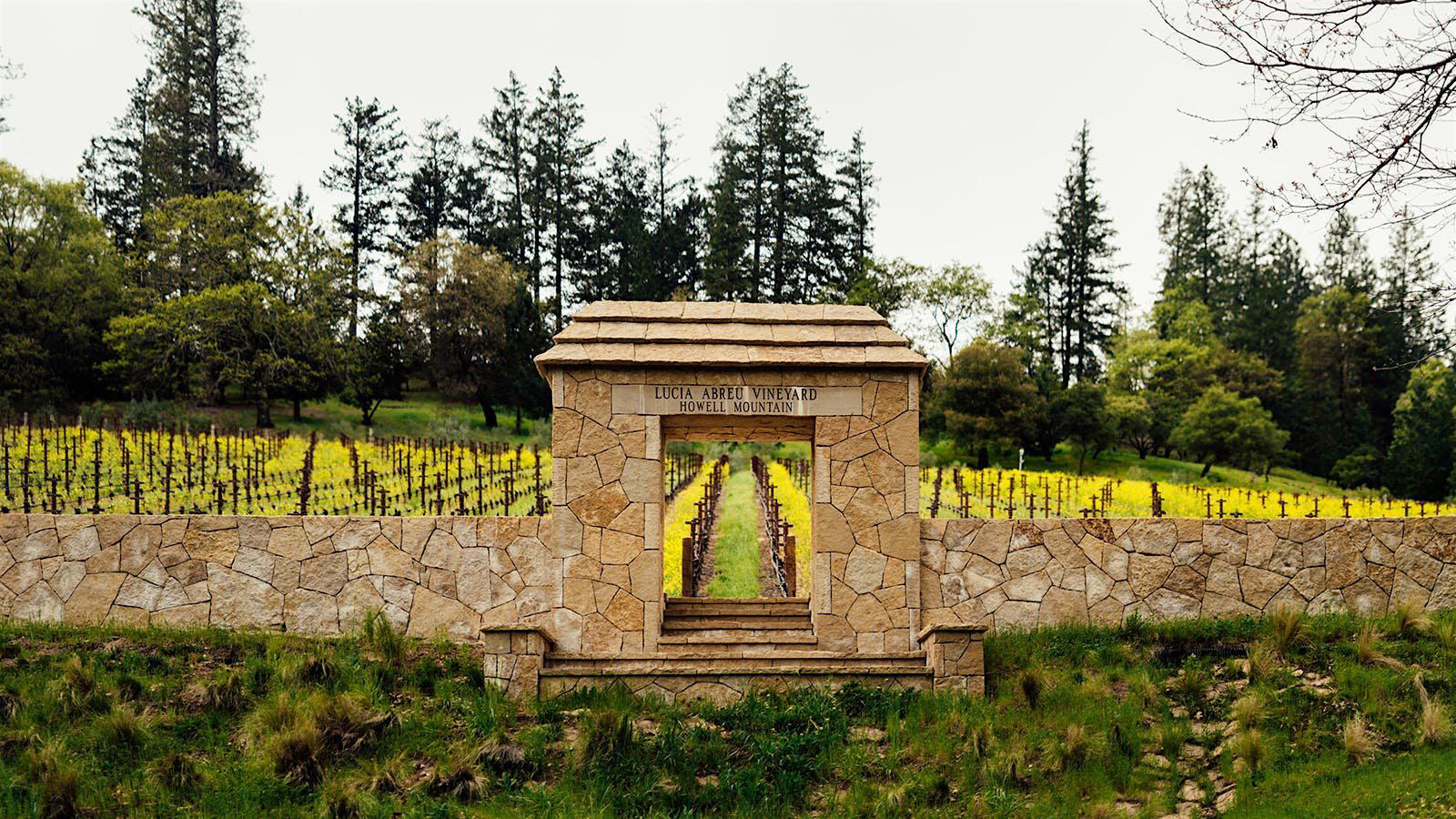
Bars in St. Helena
Browse all →
Restaurants in St. Helena
Browse all →
Details
- Scenic
- Intimate
- Rustic
- Elegant
- Romantic Getaway
- Solo Exploration
- Wine Education
- Special Occasion
- Vineyard Tour
- Panoramic View
- Private Tasting
- Sustainable
- Mountain
- Vineyard
- Cabernet Sauvignon
- Pinot Noir
- Cabernet Franc
- Petite Sirah
- Syrah
- Sauvignon Blanc
- Riesling
- Still Red
- Still White
- Still Rosé
- Sparkling
- Private Tasting
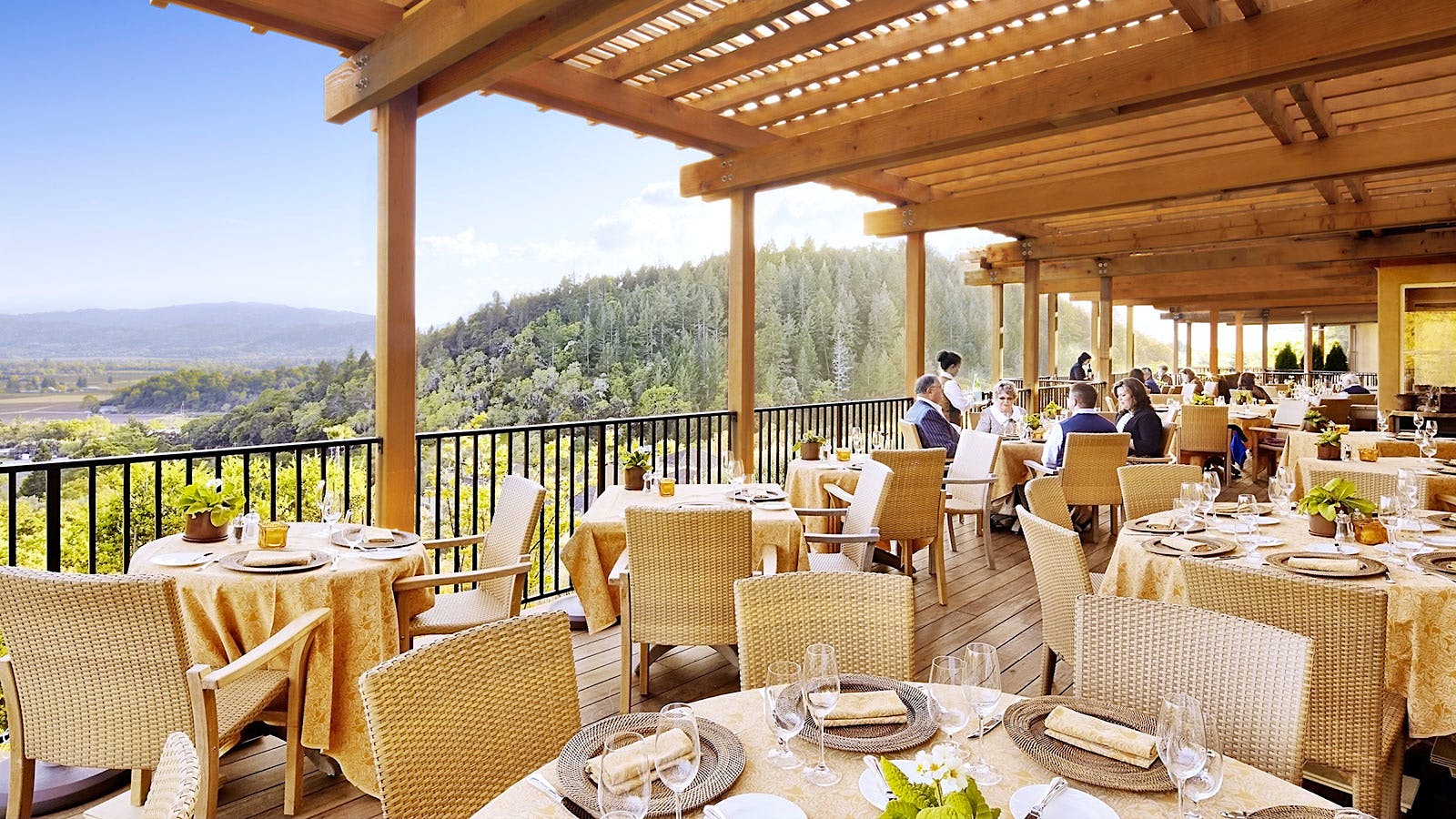
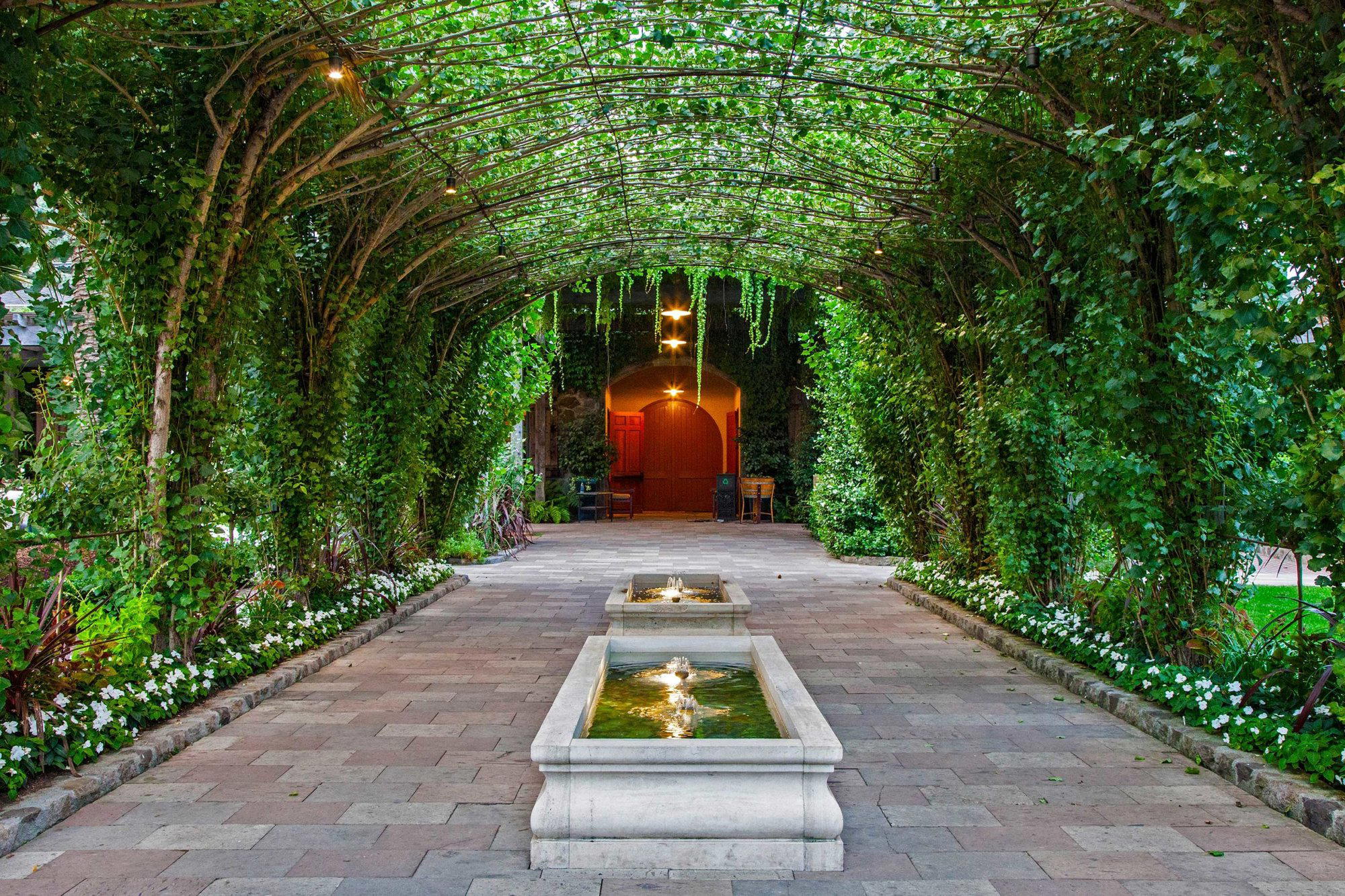
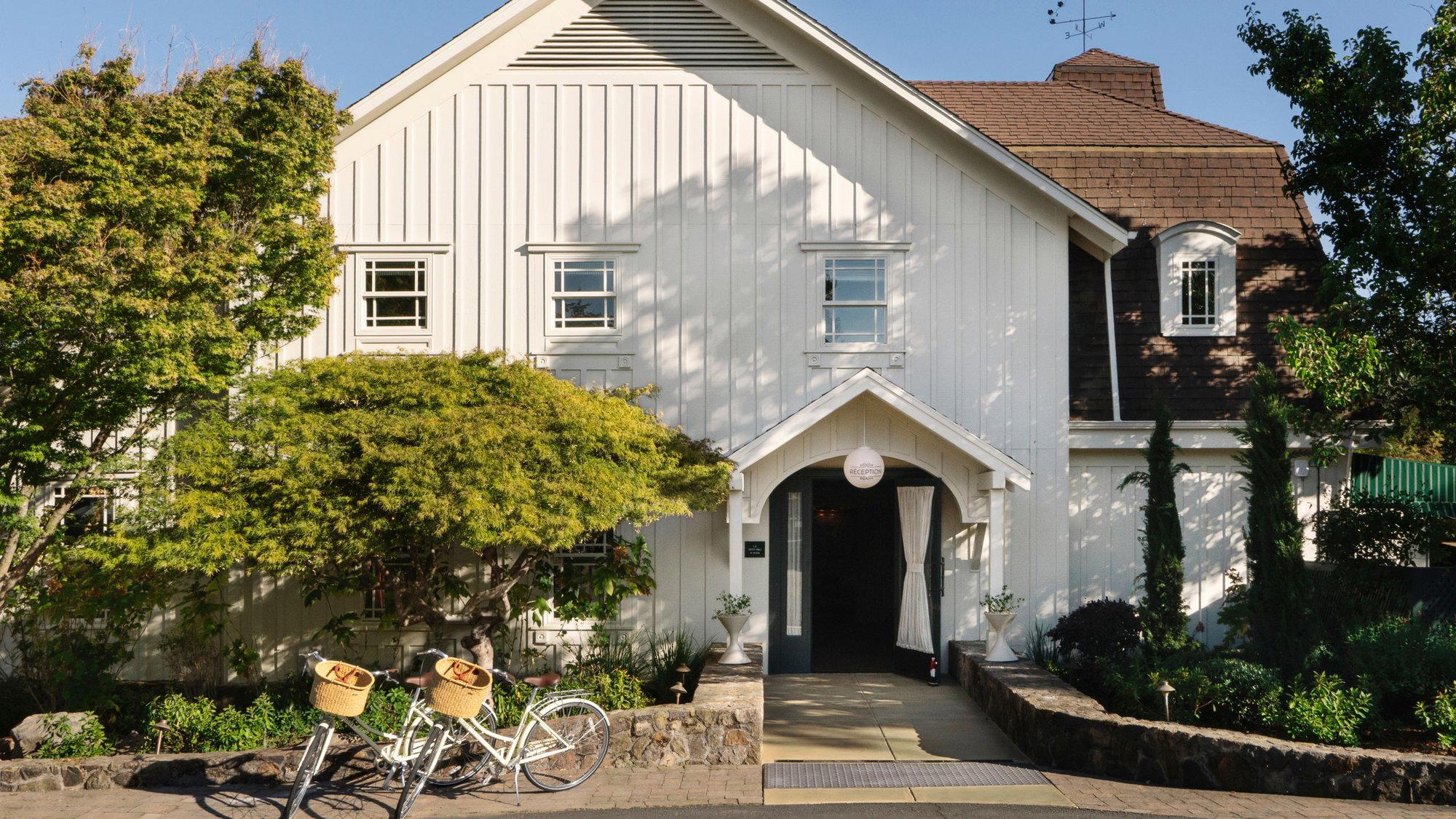
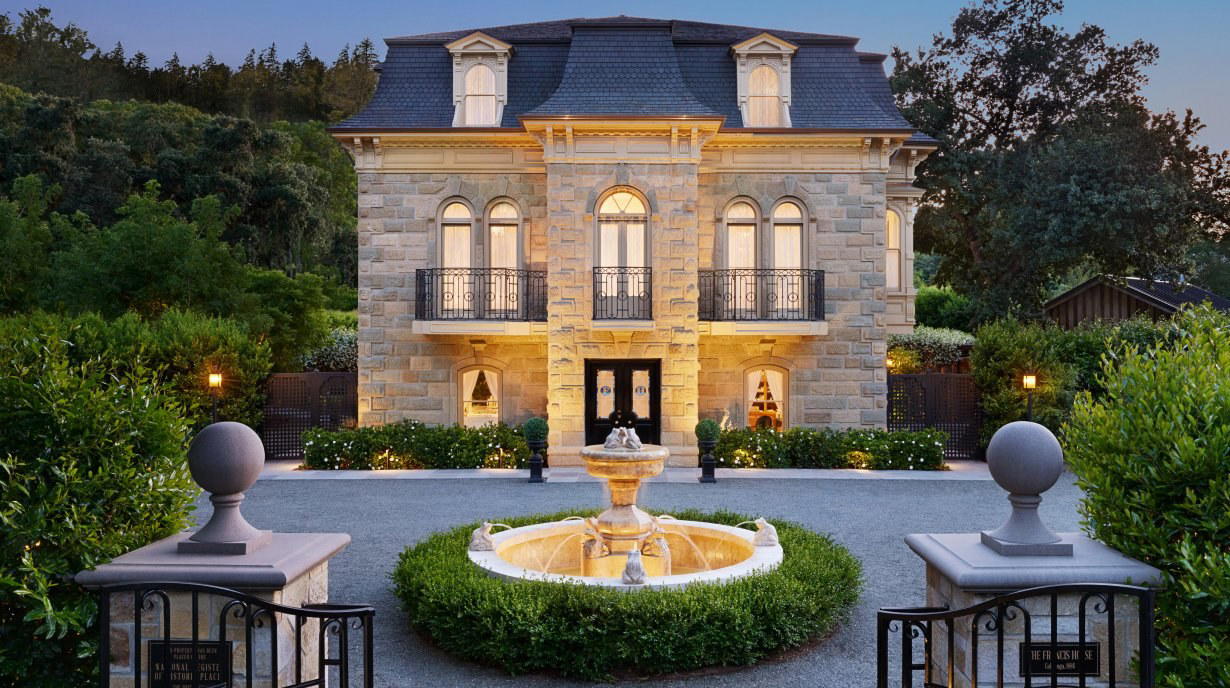
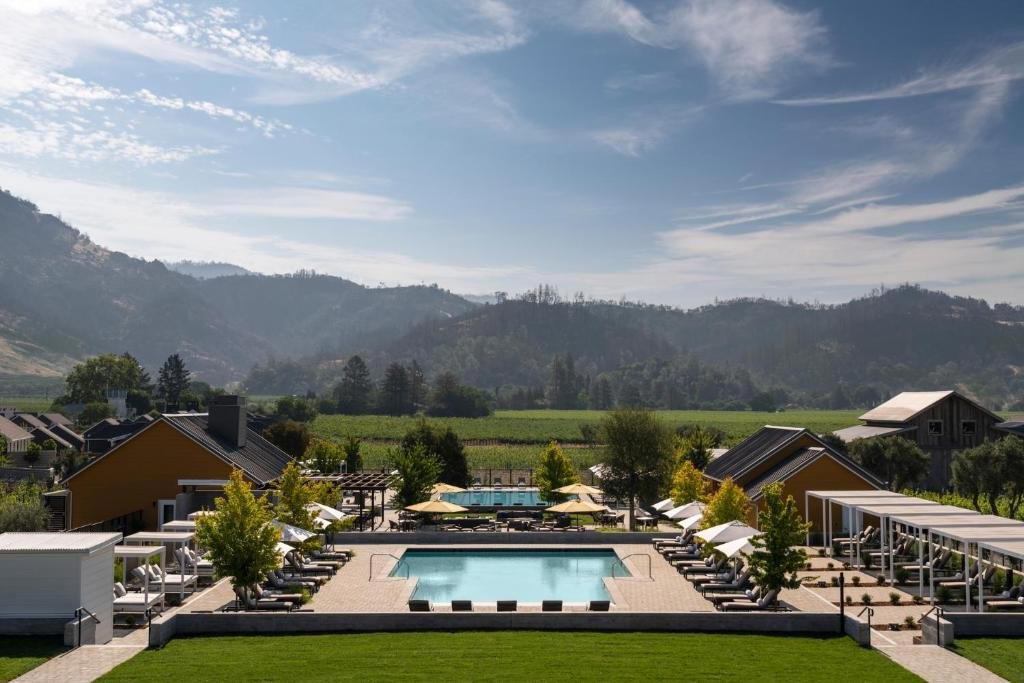
Intimate and rich tasting experiences in a scenic mountain setting with far-reaching views, offering a personal and knowledgeable atmosphere.