Taconic Distillery

Taconic Distillery sits on Bowen Road in Stanfordville, deep in Dutchess County's agricultural interior, earning a Pearl 2 Star Prestige award in 2025. The Hudson Valley's grain-growing and apple-orchard heritage feeds directly into what the distillery produces, placing it in a regional craft spirits tradition that runs parallel to the valley's better-known wine corridor. For visitors making the drive up from the city, it anchors a serious spirits itinerary in a part of New York that rewards the detour.
Pearl is the En Primeur Club membership app — saves, bookings, and concierge access live there. Same editors, same standards.
- Address
- 179 Bowen Rd, Stanfordville, NY 12581
- Phone
- +1 845-393-4583
- Website
- taconicdistillery.com
 Saves & bookings on Pearl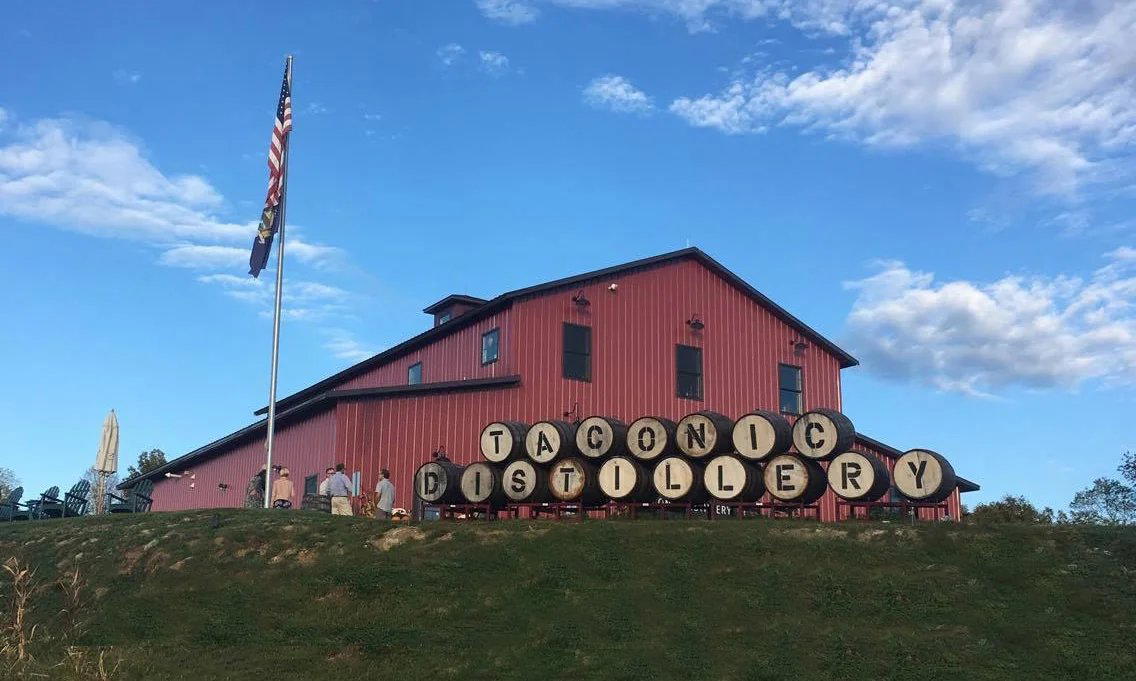
Where the Hudson Valley's Agricultural Interior Meets Craft Spirits
Dutchess County's back roads do not announce themselves. The drive along Bowen Road into Stanfordville passes working farms, second-growth forest, and the kind of low-key rural infrastructure that has nothing to sell you. That context matters when thinking about Taconic Distillery, because the surrounding land is not incidental backdrop, it is the argument. The Hudson Valley has spent the last two decades reasserting itself as a serious agricultural region, and the distillery tradition that has emerged here draws on exactly the grain crops, apples, and cold-climate character that define the valley's interior counties. Taconic sits at 179 Bowen Rd inside that tradition, not apart from it.
The broader craft spirits revival in New York State accelerated after the 2007 farm distillery licensing reform, which allowed producers to operate tasting rooms and use a majority of New York-grown ingredients. That legislative change seeded dozens of operations across the Hudson Valley, Finger Lakes, and Catskills, but the ones that have held their ground share a common trait: a sourcing commitment to local grain that creates a detectable regional character in the bottle. Rye grown in the valley's clay-heavy soils carries a different aromatic profile than Midwest commodity rye, and distillers working with those local inputs are making a different product category than craft in name only.
A 2 Star Prestige Rating and What It Signals
In 2025, Taconic Distillery received a Pearl 2 Star Prestige award, placing it in a tier that carries weight in the context of our full Stanfordville restaurants guide and the broader regional spirits conversation. Pearl ratings at the 2 Star level indicate a producer operating with consistent quality and a defined product identity, not a hobbyist operation, and not a volume play dressed up with heritage branding. For visitors planning a Hudson Valley itinerary, that credential matters as a calibration point: this is a distillery whose output competes on the merits of what is in the bottle.
The award also invites a useful comparison with the wine-focused producers working in adjacent agricultural traditions. Properties like Accendo Cellars in St. Helena or Aubert Wines in Calistoga have built their reputations around terroir-specific sourcing and production restraint. The parallel in craft spirits is the distillery that can trace its base materials to named farms and talk about harvest year variation with the same fluency a winemaker brings to vintage discussion. Whether Taconic operates at that level of single-source traceability is something a visit will answer more reliably than any third-party description.
Terroir in the Glass: Grain, Climate, and the Hudson Valley Signature
The concept of terroir translates imperfectly but usefully from wine to spirits. In distilling, the grain crop carries the regional imprint most directly, the soil type, rainfall patterns, and growing-season temperatures of Dutchess County produce grain with a different sugar and protein profile than the same variety grown in a drier, warmer climate. Cold Hudson Valley winters and wet springs tend to favor rye and corn varieties that accumulate starch slowly, which translates into raw material with a particular density of flavor before fermentation even begins.
This is the same logic that drives sourcing decisions at wine-focused estates across other American regions. Adelaida Vineyards in Paso Robles has long argued that its calcareous soils produce structurally different wine than the warmer eastern side of the appellation. Alban Vineyards in Arroyo Grande built its reputation on the argument that cool-climate Rhône varieties express something in the Edna Valley that they cannot in warmer zones. In each case, geography is the thesis. Taconic operates in a region where that thesis is equally available, the Hudson Valley's distinct topography and climate create a raw material base that a committed distiller can translate into a geographically specific product.
The Hudson Valley Spirits Scene in Comparative Context
New York State now counts well over 100 licensed farm distilleries, and the Hudson Valley corridor from Westchester north through Columbia County holds a disproportionate share of the operations attracting serious attention. The region benefits from proximity to New York City's cocktail culture, which provides both a ready market and a quality filter, bartenders at the better Manhattan and Brooklyn programs scrutinize local spirits with the same critical attention they give to imported amaro or single-malt Scotch.
That city connection has pushed Hudson Valley distilleries toward a more technically rigorous standard than regional spirits markets typically demand. The comparison is worth making against wine regions that operate under similar pressures: Adelsheim Vineyard in Newberg spent decades building Oregon Pinot's credibility with a skeptical fine-wine audience before the Willamette Valley became self-evidently serious. Hudson Valley spirits are in an earlier phase of that same credibility arc, and producers with demonstrable awards, Taconic's 2025 Pearl 2 Star among them, are the ones advancing the argument most effectively.
The distillery's Stanfordville location places it in the agricultural interior rather than on the more trafficked Route 9 corridor, which is itself a differentiator. Operations like Andrew Murray Vineyards in Los Olivos and Alexander Valley Vineyards in Geyserville have shown that destinations slightly off the main tourist flow often develop more serious production identities precisely because they are not optimizing for walk-in volume.
Placing Taconic in a Wider Portfolio of Regional Producers
For visitors building a multi-stop itinerary across American craft producers, context helps. Artesa Vineyards and Winery in Napa, Au Bon Climat in Santa Barbara, and Alpha Omega Winery in Rutherford each represent producers working within well-established regional identity frameworks, where the region's reputation does some of the marketing work. Hudson Valley spirits producers are building that regional identity in real time, which means visiting now carries the particular interest of witnessing a production culture in formation.
The Scotland comparison is also instructive. Aberlour in Aberlour operates within a Speyside identity so well-defined that individual distillery character is understood against that regional baseline. Hudson Valley distillers are creating the baseline. That is a different and arguably more interesting position for a serious spirits visitor to engage with. Similarly, older-world producers like Achaia Clauss in Patras demonstrate that regional identity in spirits and wine takes generations to solidify, the current Hudson Valley moment is early in that process.
For producers working with more direct California parallels, Babcock Winery and Vineyards in Lompoc and B.R. Cohn Winery in Glen Ellen both show how proximity to an established agricultural tradition shapes producer identity over time. The Hudson Valley's legacy as a farming region, predating the current craft spirits wave by centuries, gives distilleries like Taconic a deep material history to draw on, even if the commercial category is recent.
Planning the Visit
Stanfordville sits in the northeastern corner of Dutchess County, roughly two hours from Midtown Manhattan by car. The Taconic State Parkway gives the distillery its name and its most direct access route from the south. As with most farm distillery operations in New York, visiting in advance of the trip is the sensible approach. The 2025 Pearl 2 Star Prestige award makes Taconic a natural anchor for a broader Dutchess County itinerary.
How It Stacks Up
Comparable venues nearby, for context on price, style, and recognition.
| Venue | Cuisine | Price | Notes |
|---|---|---|---|
| Taconic DistilleryThis venue — the venue you are viewing | Winery | $$ | |
| Millbrook Vineyards & Winery | Chardonnay, Riesling | $$ | Millbrook |
| Benmarl Winery | Cabernet Franc, Riesling | $$ | Marlboro |
| Dutch’s Spirits | Dutchess County | $$ | Pine Plains |
| Brooklyn Winery | chardonnay | $$ | Williamsburg |
| Neversink Spirits | Jonagold, Northern Spy | $$ | Port Chester |
Continue exploring
More in Stanfordville
Wineries in Stanfordville
Browse all →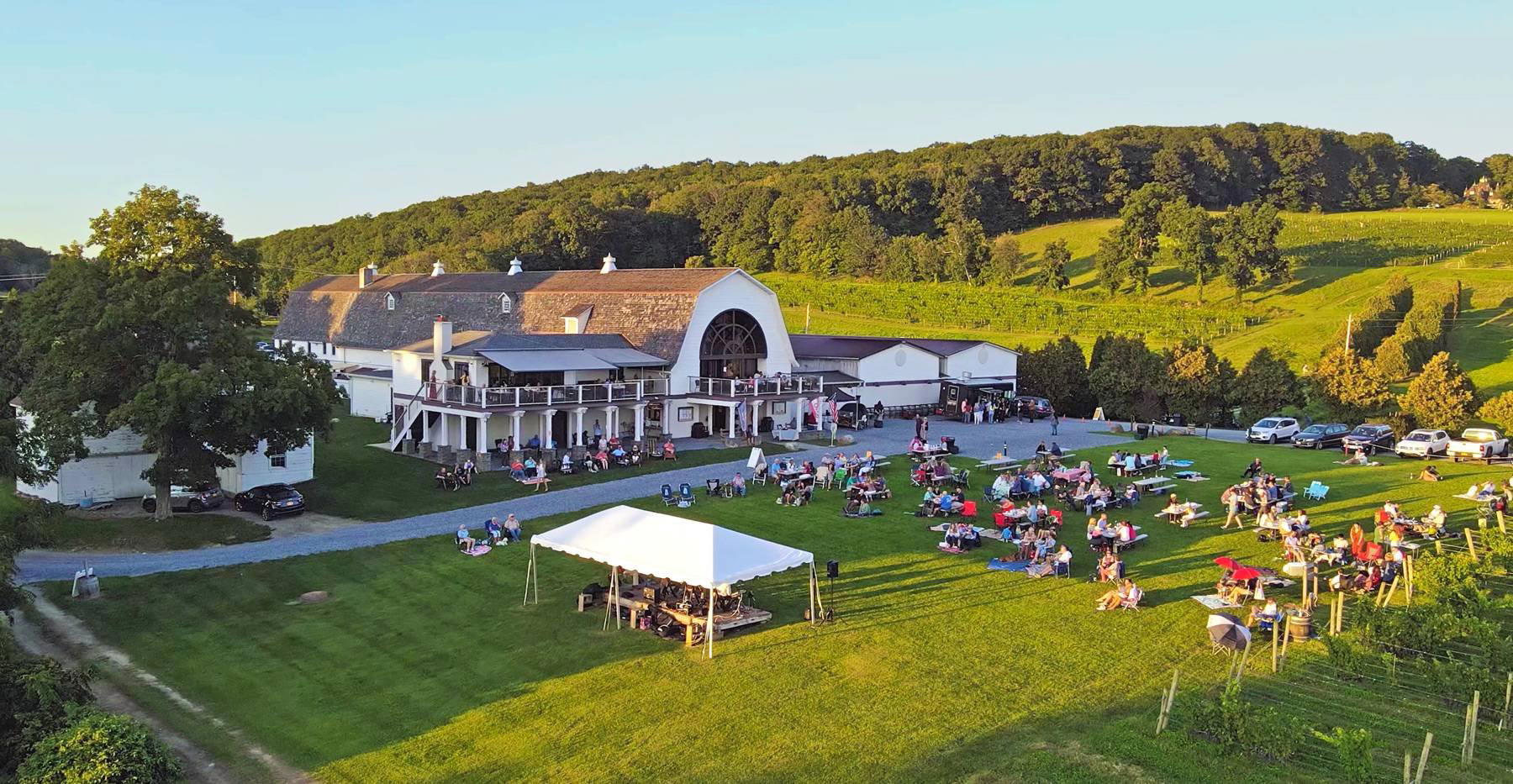
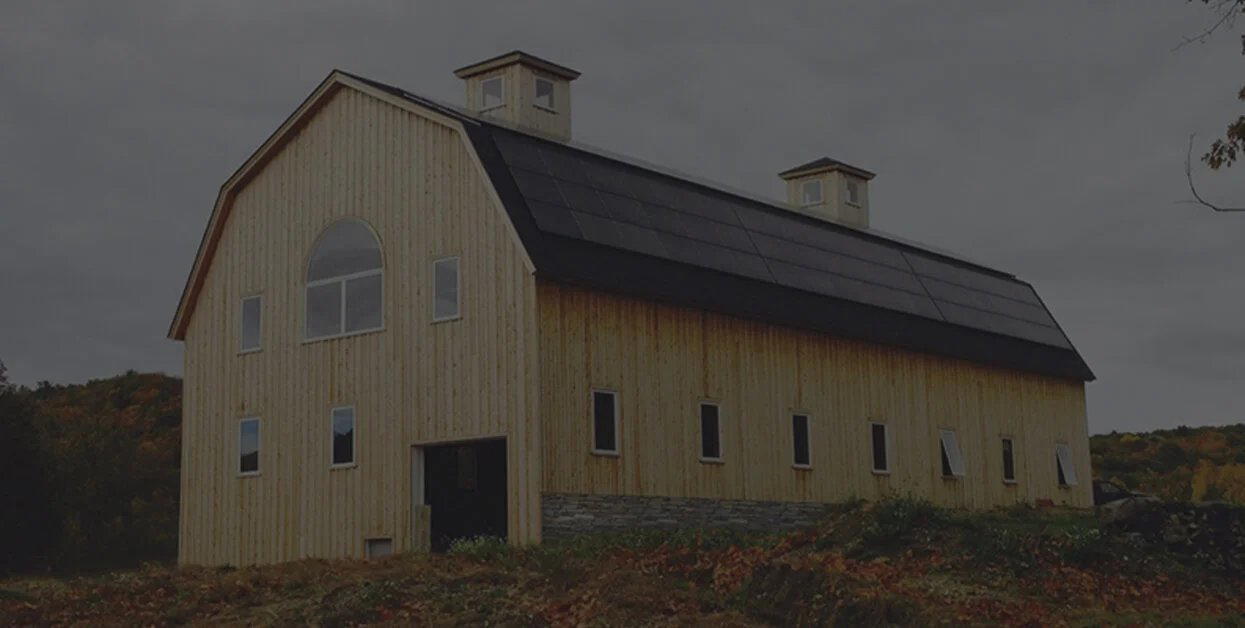
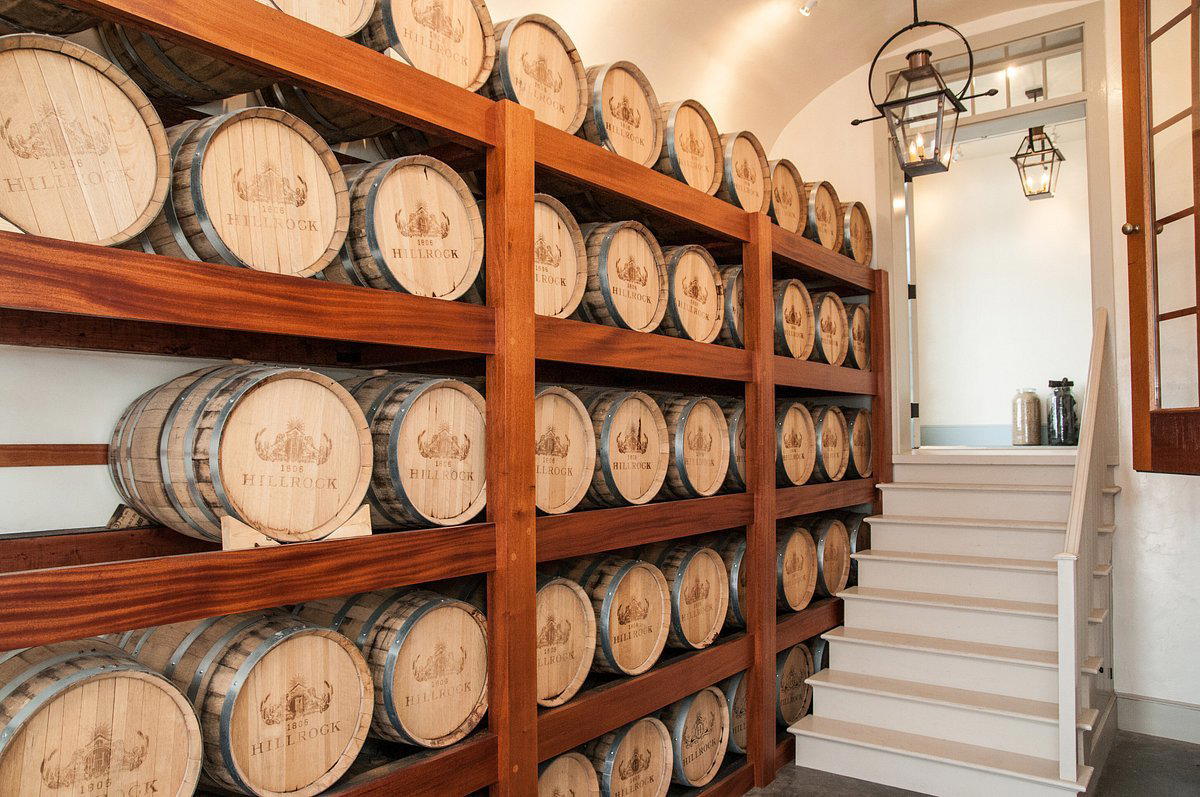
Bars in Stanfordville
Browse all →
Restaurants in Stanfordville
Browse all →


At a Glance
- Rustic
- Scenic
- Cozy
- Quiet
- Group Outing
- Celebration
- Solo Exploration
- Barrel Room
- Estate Grounds
- Panoramic View
- Terrace
- Sustainable
- Vineyard
- Mountain
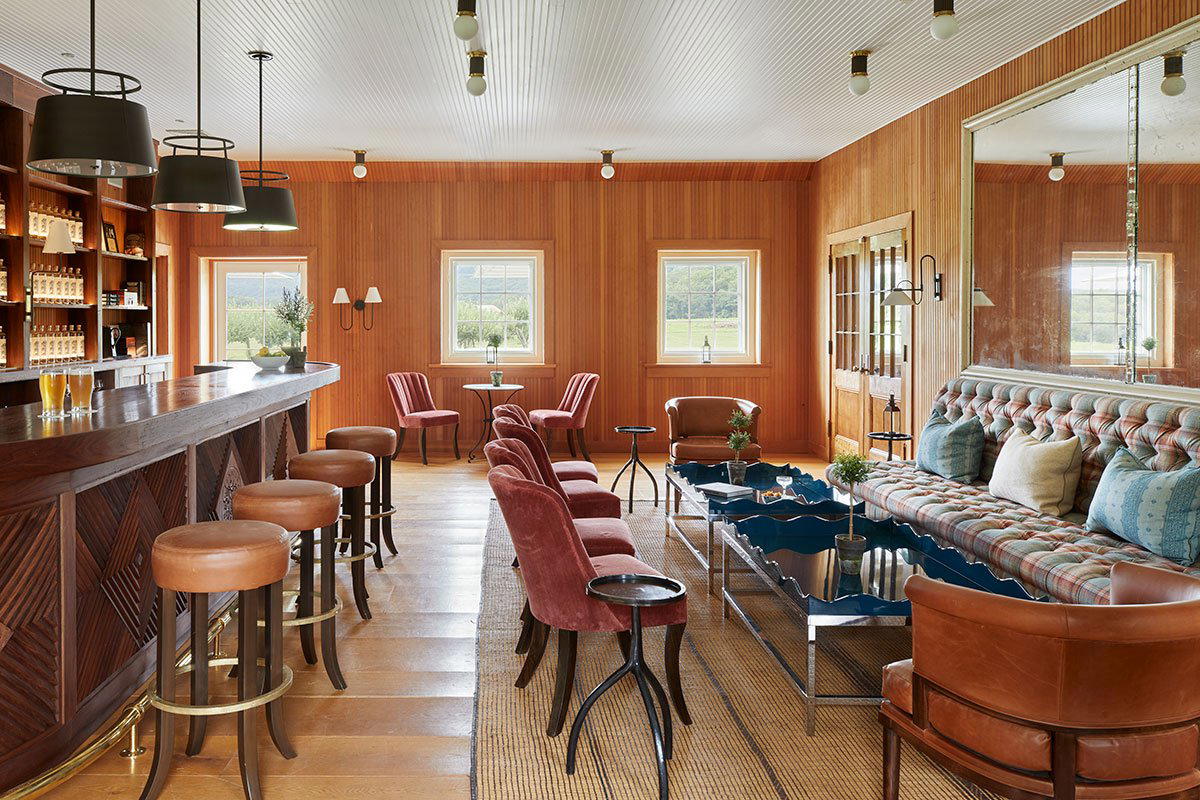
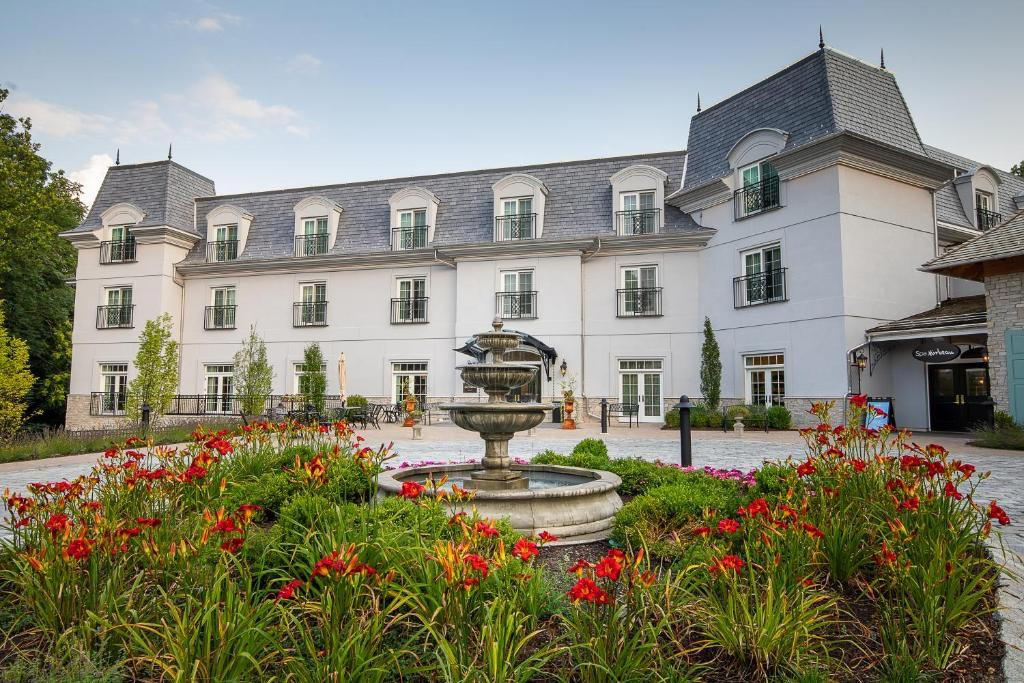
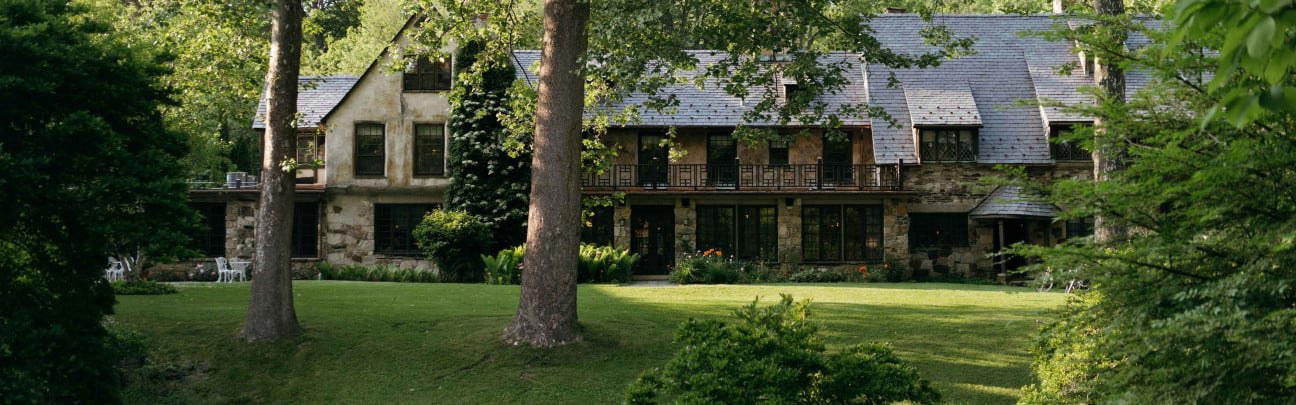
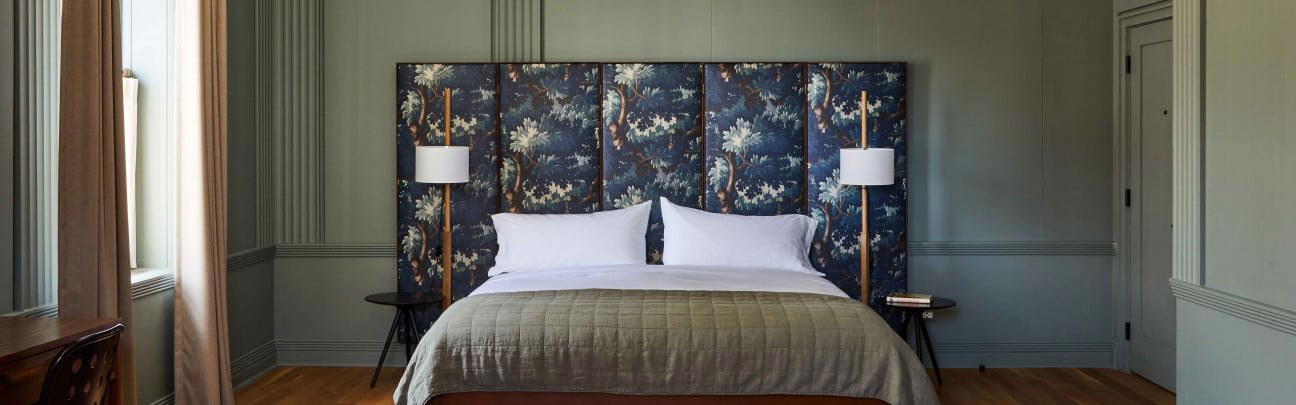
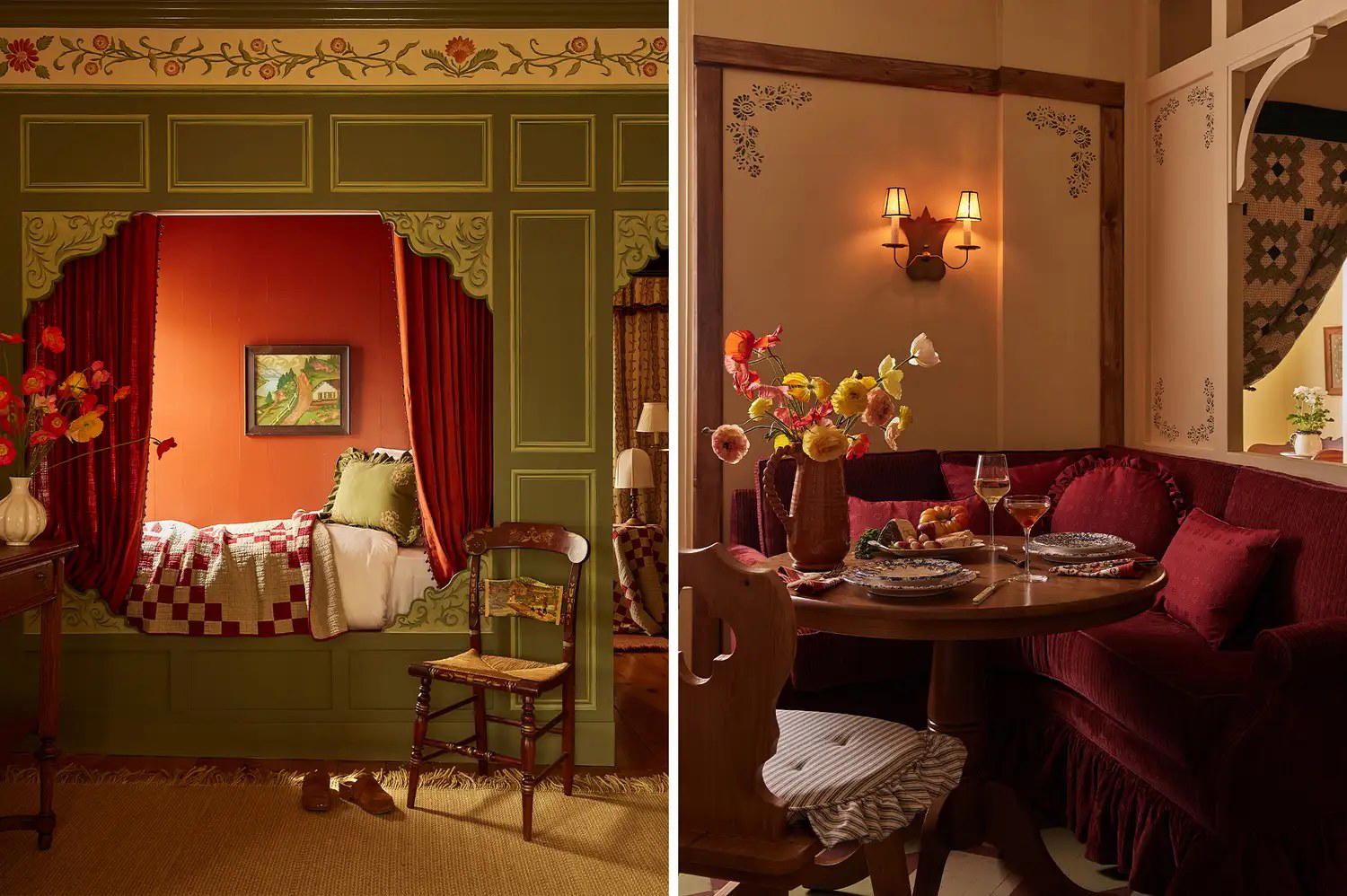
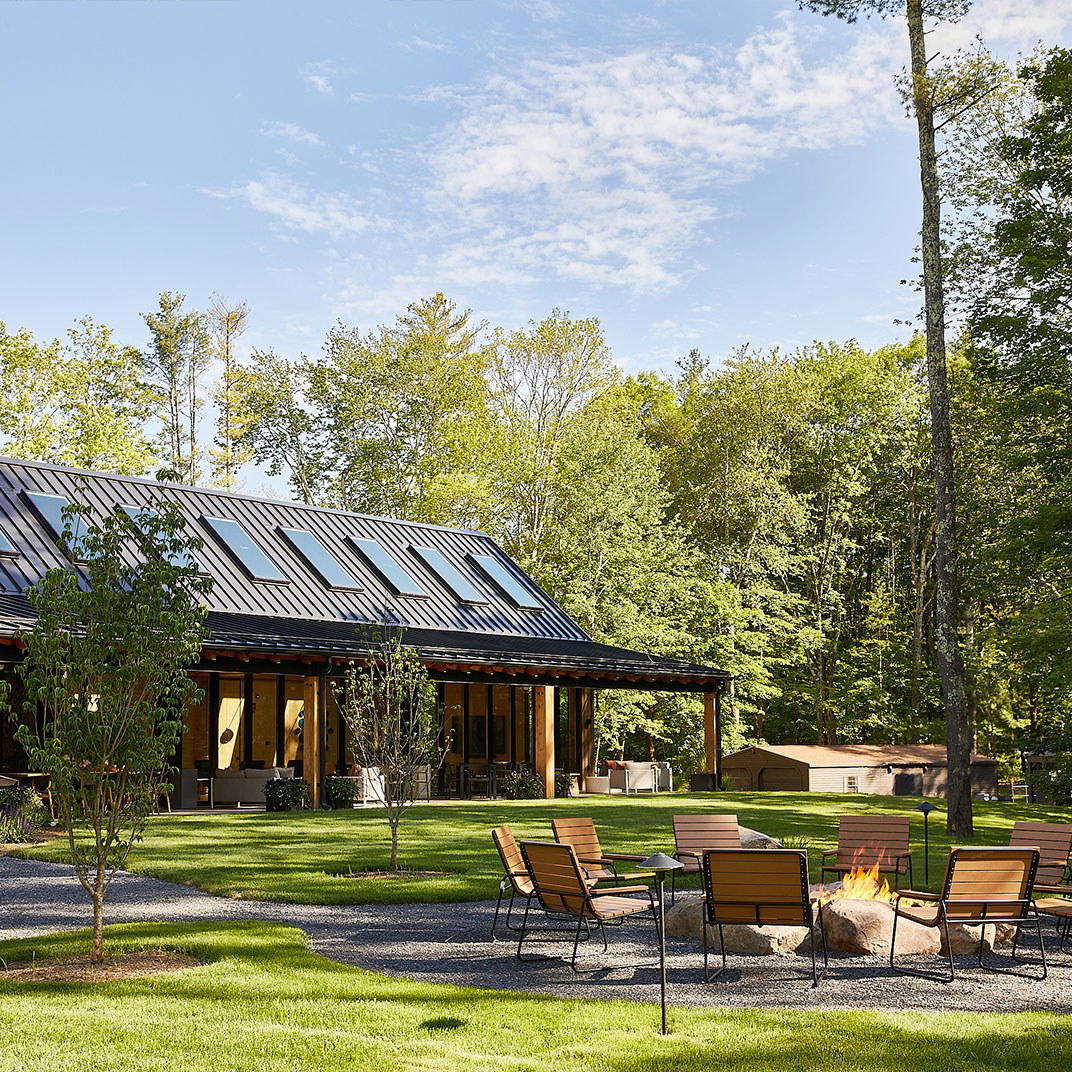
Warm and cozy interior with high-top seating and bar; peaceful pastoral setting surrounded by rolling hills and woods; relaxed, informal atmosphere enhanced by outdoor fire pit and scenic valley views.