Zsirai Winery operates from the heart of Mád, one of Tokaj-Hegyalja's most concentrated villages for serious Furmint production.. For those tracing the arc of Tokaj's post-Communist revival, Zsirai is a productive stop on Batthyány utca.

Pearl is the En Primeur Club membership app — saves, bookings, and concierge access live there. Same editors, same standards.
- Address
- Mád, Batthyány u. 71, 3909
- Phone
- +36 30 378 5313
- Website
- zsiraipinceszet.hu
- Directions
- Get directions
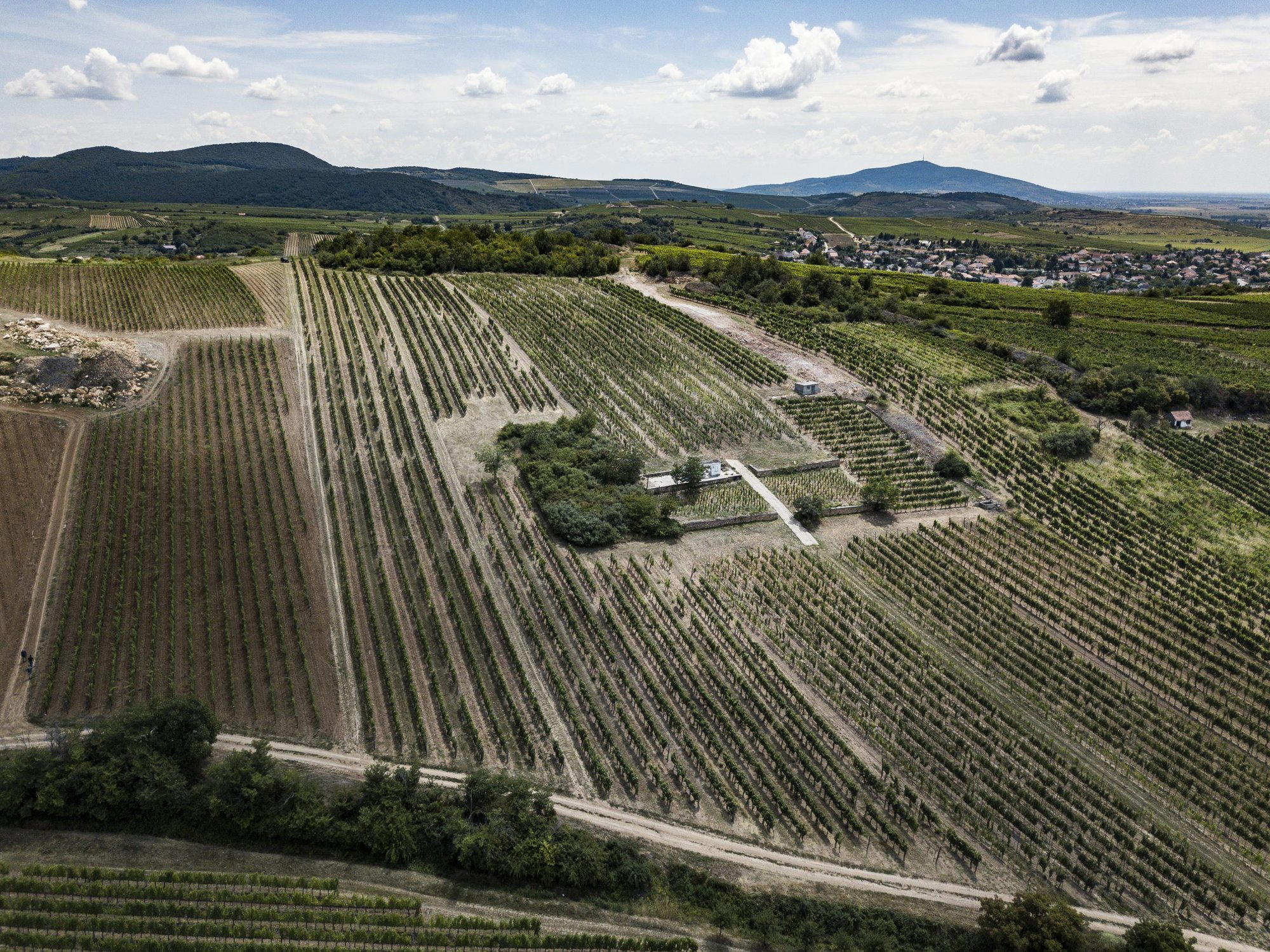
Mád and the Cellars Beneath It
Drive into Mád on a grey October morning, when the harvest has just closed and the last leaves are pulling colour from the volcanic hillsides, and the village communicates its seriousness quietly. The streets are narrow, the facades unhurried, and the real activity is largely invisible: it is happening underground, in a network of centuries-old cellars cut from rhyolite tuff, where Furmint and Hárslevelű are beginning the slow work of becoming something worth opening years from now. Zsirai Winery, at Batthyány utca 71, sits inside that underground logic.
Why Cellar Work Defines Mád's Upper Tier
Tokaj-Hegyalja has always been a region where the winemaker's decisions after harvest carry as much weight as any choice made in the vineyard. The historic Aszú system, which builds Tokaj's most celebrated sweet wines from botrytised berries over extended maceration and barrel ageing, is essentially an argument that time and restraint are the primary ingredients. That argument did not disappear during the Communist-era collectivisation that flattened the region's quality hierarchy; it was simply suspended. Since the early 1990s, a generation of producers in Mád has been reconstructing it, often working with old vineyard parcels, restored cellars, and a renewed commitment to the patient ageing programmes that defined pre-war Tokaj.
Zsirai operates within that reconstructed tradition. That tier is smaller than the wider regional producer list, and it overlaps with a peer group that includes Szepsy, Royal Tokaji, Barta Pince, Holdvölgy, and Szent Tamás Winery, all of whom are working from the same volcanic soils and drawing on the same deep cellar culture.
The Architecture of Ageing in Tokaj
Understanding what distinguishes one Mád producer from another requires some familiarity with how ageing decisions actually work in this region. The classification of Tokaj's wines has always been partly a cellar classification: Aszú wines are graded in puttonyos, a measure tied to the concentration of botrytised berries but also to minimum ageing requirements. A 6 puttonyos Aszú must spend at least 18 months in oak and further time in bottle before release; Eszencia, the rarest expression, is governed more by patience than by any formal schedule. Even dry Furmint, which has become an increasingly important part of the commercial identity of leading Mád producers over the past two decades, often sees extended skin contact or barrel ageing that distinguishes it from the lighter white wines produced elsewhere in Central Europe.
Barrel selection in Tokaj traditionally meant Gönci barrels, the small 136-litre casks named for the Zemplén town where coopers supplied the trade for centuries. Their small volume accelerates the interaction between wine and wood, concentrating flavour and oxidative character over multi-year ageing periods. Contemporary producers in Mád work with varying proportions of new and used oak, and some have shifted toward larger formats or extended neutral barrel ageing to preserve primary fruit character while still building the textural complexity that defines the region's premium tier. These are the decisions that separate producers at Zsirai's award level from those operating further down the quality ladder.
Positioning Within the Tokaj-Hegyalja Region
Mád is the most concentrated single village for serious Tokaj production, but the appellation extends well beyond it. Estates like Disznókő in Mezőzombor, Tokaj Hétszőlő in Tokaj, Tokaj Oremus in Tolcsva, and Árvay Winery in Rátka each anchor different corners of a region that stretches across nearly 6,000 hectares of classified vineyard. Within that broader map, Mád's advantage is the concentration of its first-growth vineyards: Nyulászó, Király, Betsek, and Úrágya are all within the village boundary, providing producers here with access to the kind of single-vineyard parcels that allow precise cellar decisions to translate directly into recognisable terroir expression.
Zsirai's address on Batthyány utca places it within the village's working core, close to the historic cellars that have been in continuous use, in various forms of ownership, since the sixteenth century. The physical continuity of those spaces, even across ownership changes and the disruptions of collectivisation, is part of what makes Mád's cellar culture coherent in a way that newer wine regions rarely achieve.
Comparing Across Hungarian Regions
For visitors building a wider picture of Hungarian wine production, Tokaj-Hegyalja's sweet wine tradition represents one pole of a more varied national picture. Béres Winery in Erdőbénye is another Tokaj-region reference point, while estates like Bock Winery in Villány and Babarczi Winery in Győr anchor the country's red wine and Pannon regions respectively. The contrast is instructive: where Villány's identity rests on Bordeaux varieties in a warmer continental climate, Tokaj's claim is built entirely on indigenous grapes, volcanic geology, and a botrytis-friendly microclimate that exists nowhere else in the country. Internationally, estates pursuing similar precision in their cellar programmes, from Aberlour in Aberlour (applying craft-ageing logic to single malt) to Accendo Cellars in St. Helena (Napa Cabernet built around extended ageing discipline), reflect the same underlying argument: that great provenance alone is insufficient without the patience to let it develop in the cellar.
Planning a Visit to Mád
Mád is reachable by car from Budapest in approximately two and a half hours, or by train to Szerencs followed by a connection or taxi to the village. The harvest window, typically from late September through October depending on when Aszú picking is called, is when the village is most animated, though cellars at this level rarely accommodate drop-in visits during active production. The most effective approach is to contact estates directly, ideally several weeks in advance, to arrange a cellar walk and tasting in a period when the winemaking team can give it proper attention. Autumn and early spring are the most productive windows for serious tastings. Our full Mád restaurants and winery guide covers the broader range of addresses in the village for those building a multi-stop itinerary across Tokaj-Hegyalja.
Peers in This Market
Comparable venues nearby, for context on price, style, and recognition.
| Venue | Cuisine | Price | Awards | Notes |
|---|---|---|---|---|
| Zsirai WineryThis venue — the venue you are viewing | Furmint, Hárslevelű | Not listed | Not listed | Not listed |
| Barta Pince | Furmint, Hárslevelű | $50–100 | Falstaff Winery - Listed | Mád |
| Royal Tokaji | Furmint, Sárgamuskotály | Not listed | Falstaff Winery - Listed | Mád |
| Holdvölgy | Furmint, Hárslevelű | $20–30 | Falstaff Winery - Listed | Mád |
| Szent Tamás Winery | Furmint, Hárslevelű | $50–100 | Not listed | Mád |
| Szepsy | Furmint, Hárslevelű | Not listed | World's 50 Best #43 · Falstaff Winery - Listed | Mád |
Details
- Rustic
- Scenic
- Elegant
- Intimate
- Wine Education
- Solo Exploration
- Special Occasion
- Vineyard Tour
- Estate Grounds
- Historic Building
- Organic
- Vineyard
- Mountain
- Furmint
- Hárslevelű
- Still White
- Wine Tasting
- English
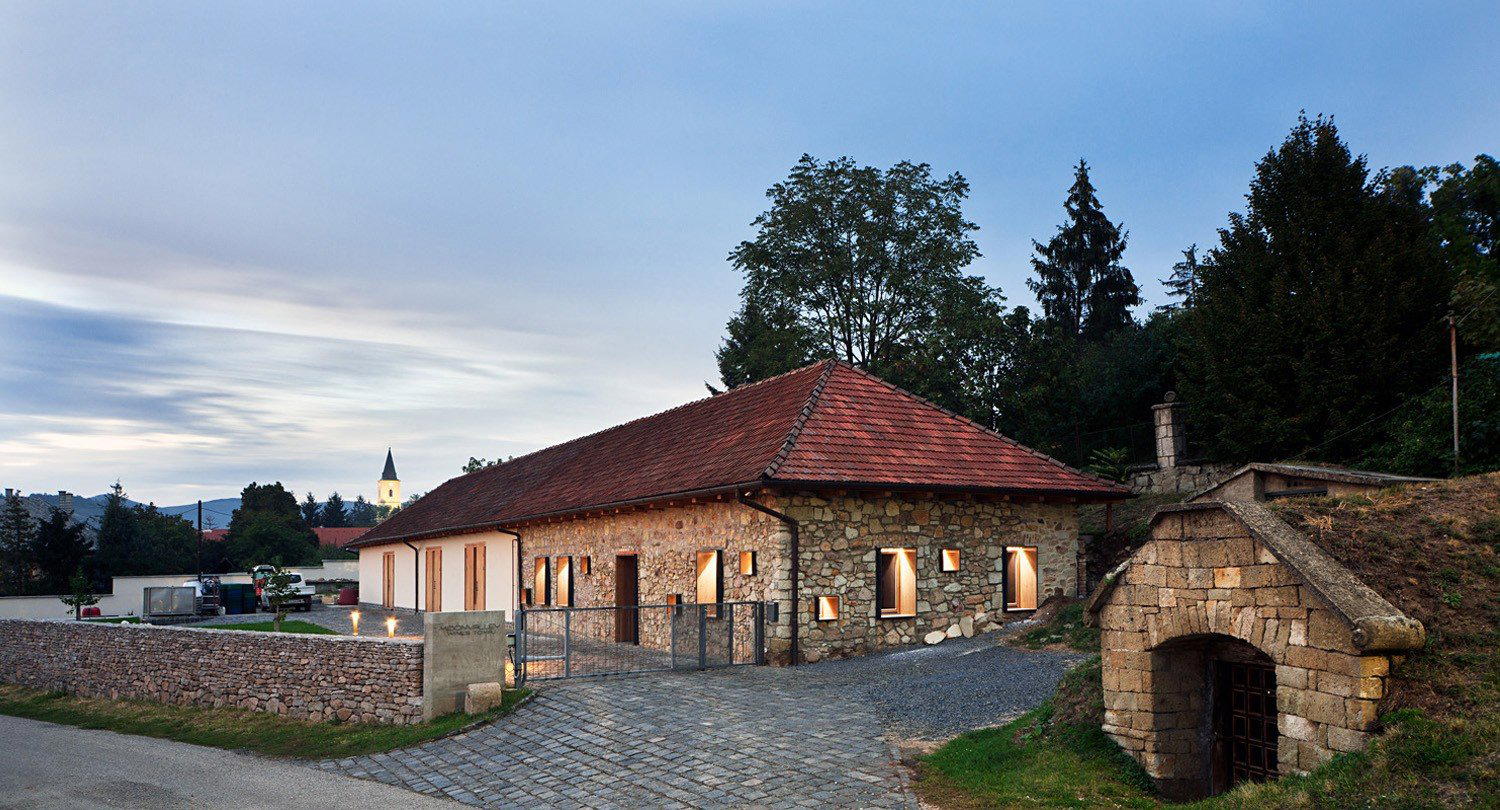
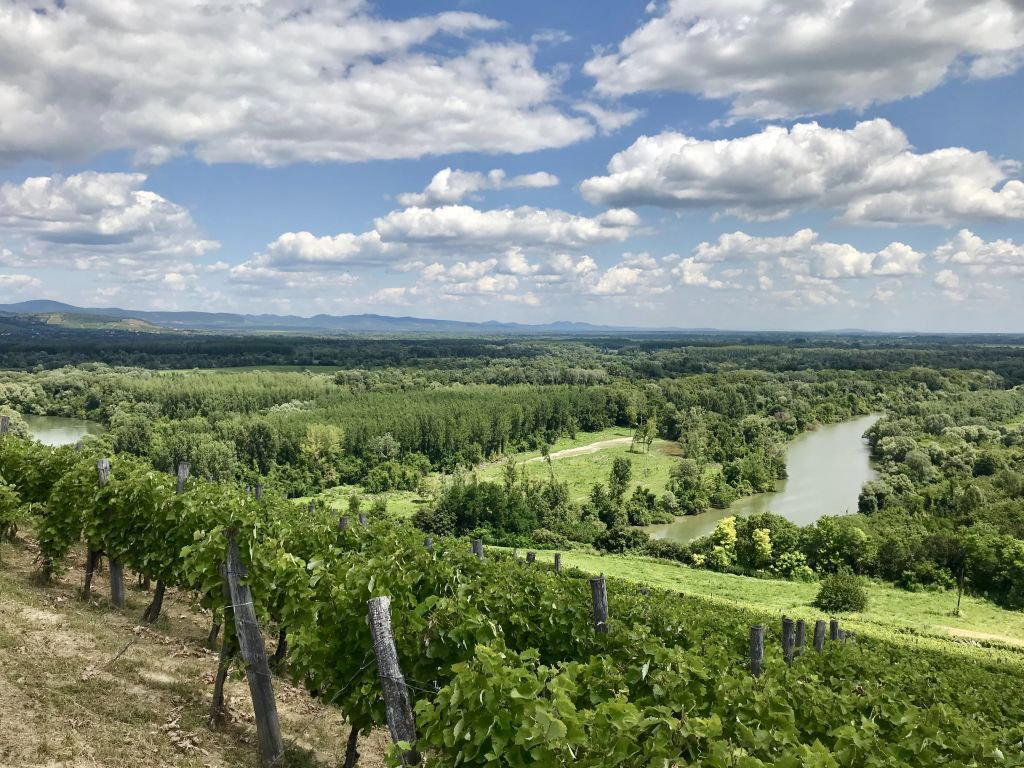
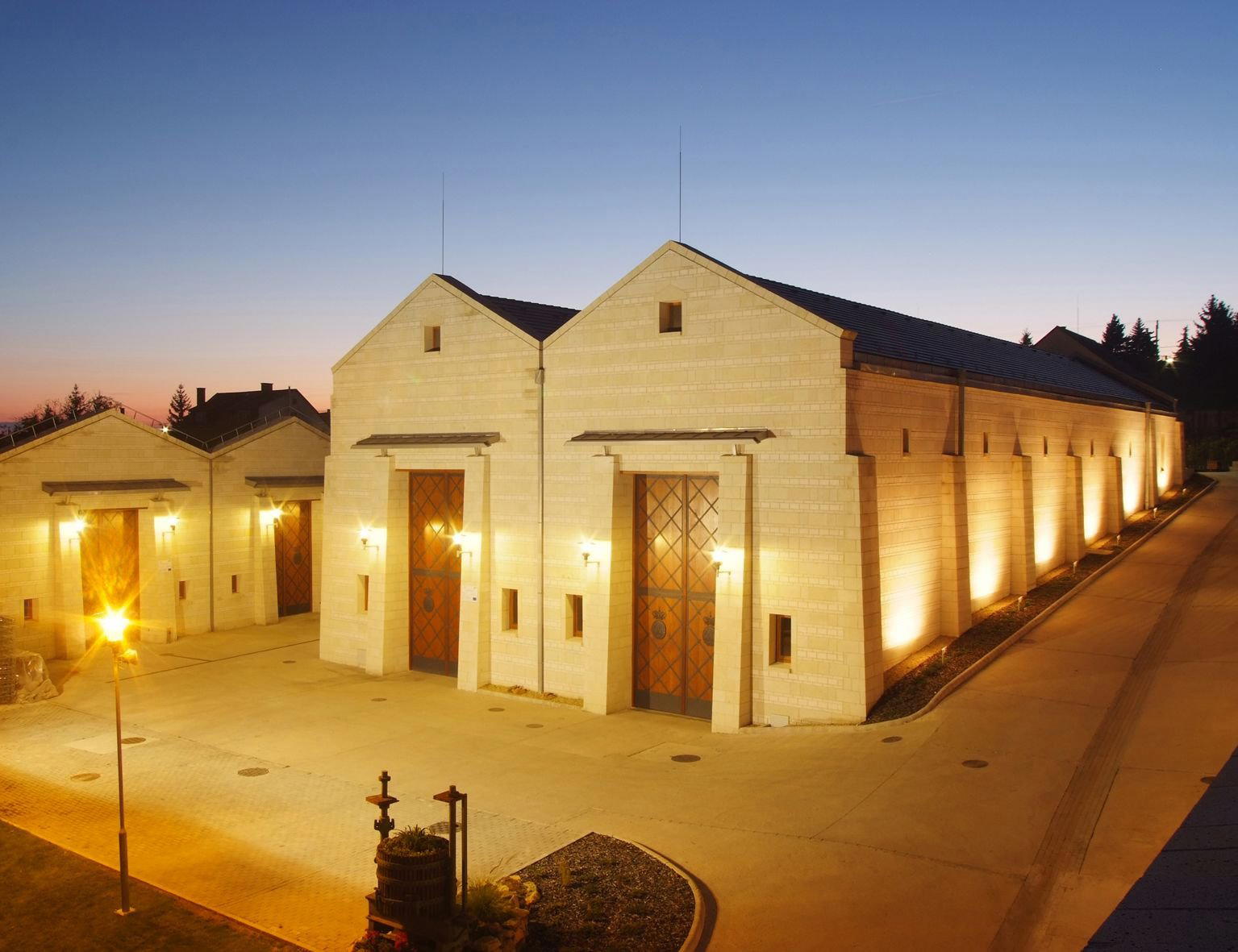
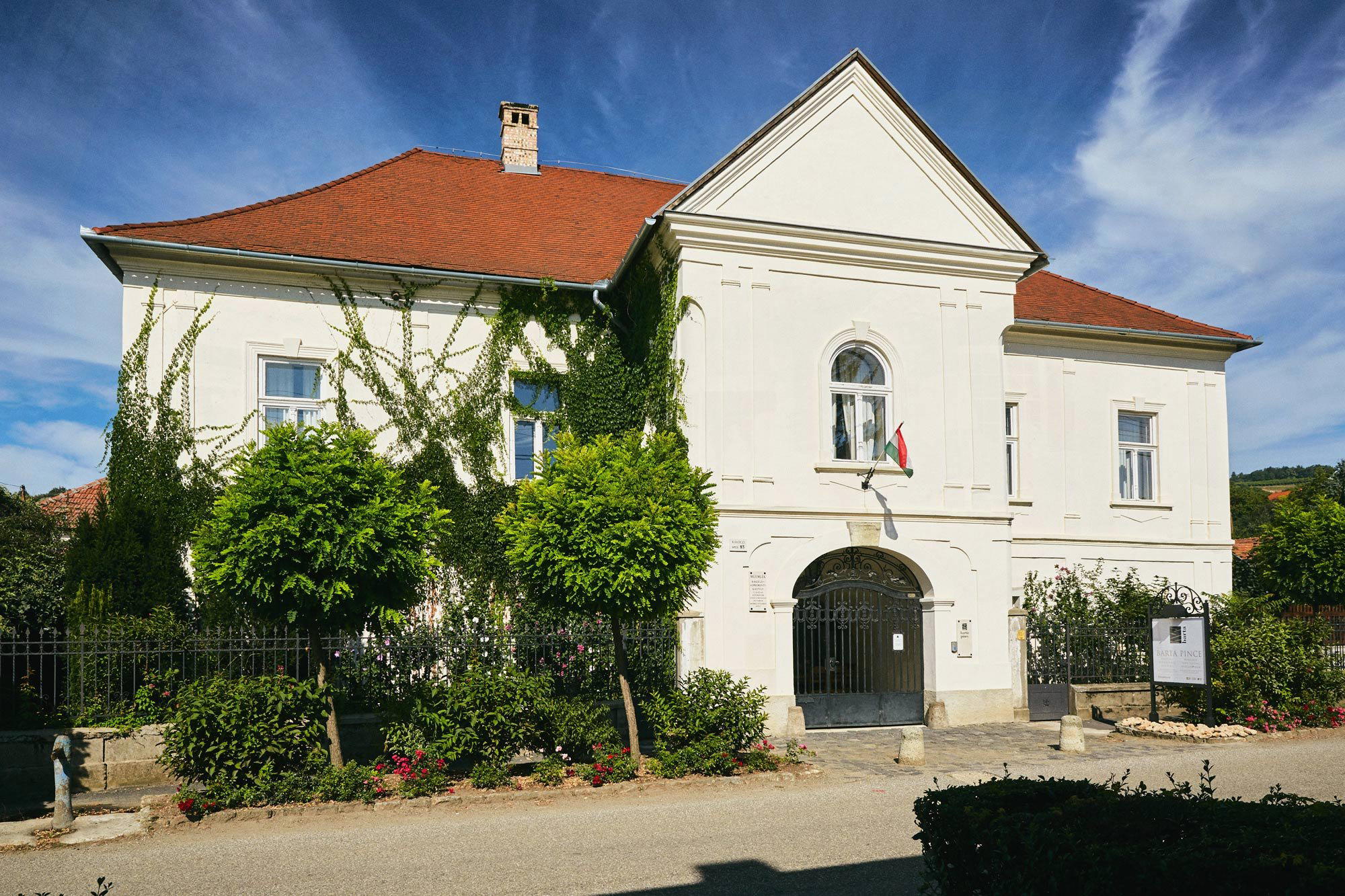
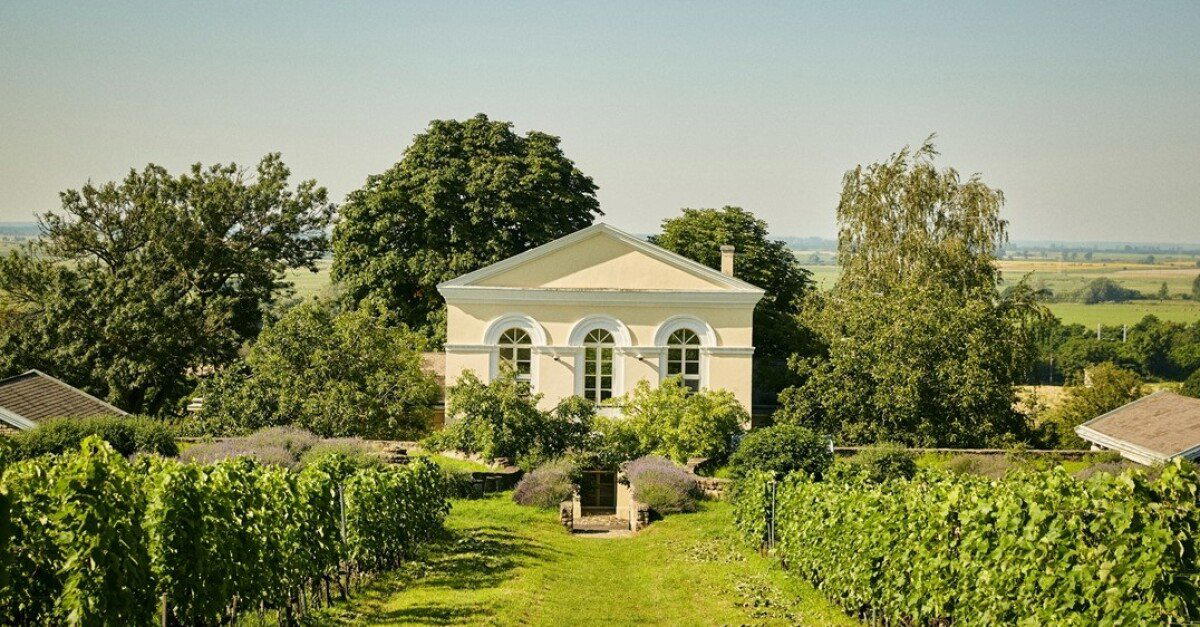
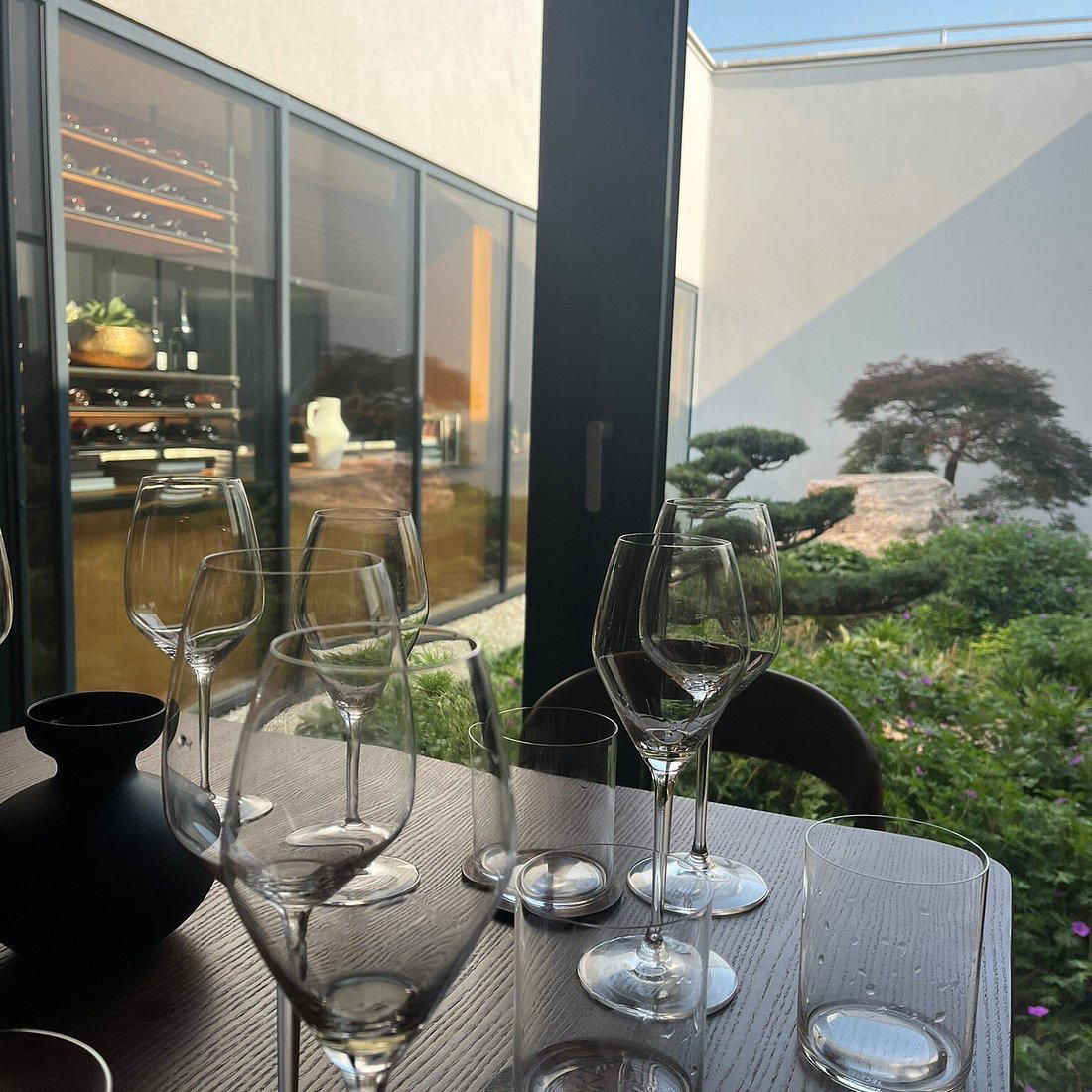
Cozy and authentic atmosphere in historic cellars amid rolling vineyard hills, evoking tradition with modern elegance.