
Falstaff Winery - Listed
Holdvölgy is a Mád-based winery.

Pearl is the En Primeur Club membership app — saves, bookings, and concierge access live there. Same editors, same standards.
- Address
- Mád, Árpád u. 13, 3909
- Phone
- +36 70 391 4643
- Website
- holdvolgy.com
- Directions
- Get directions
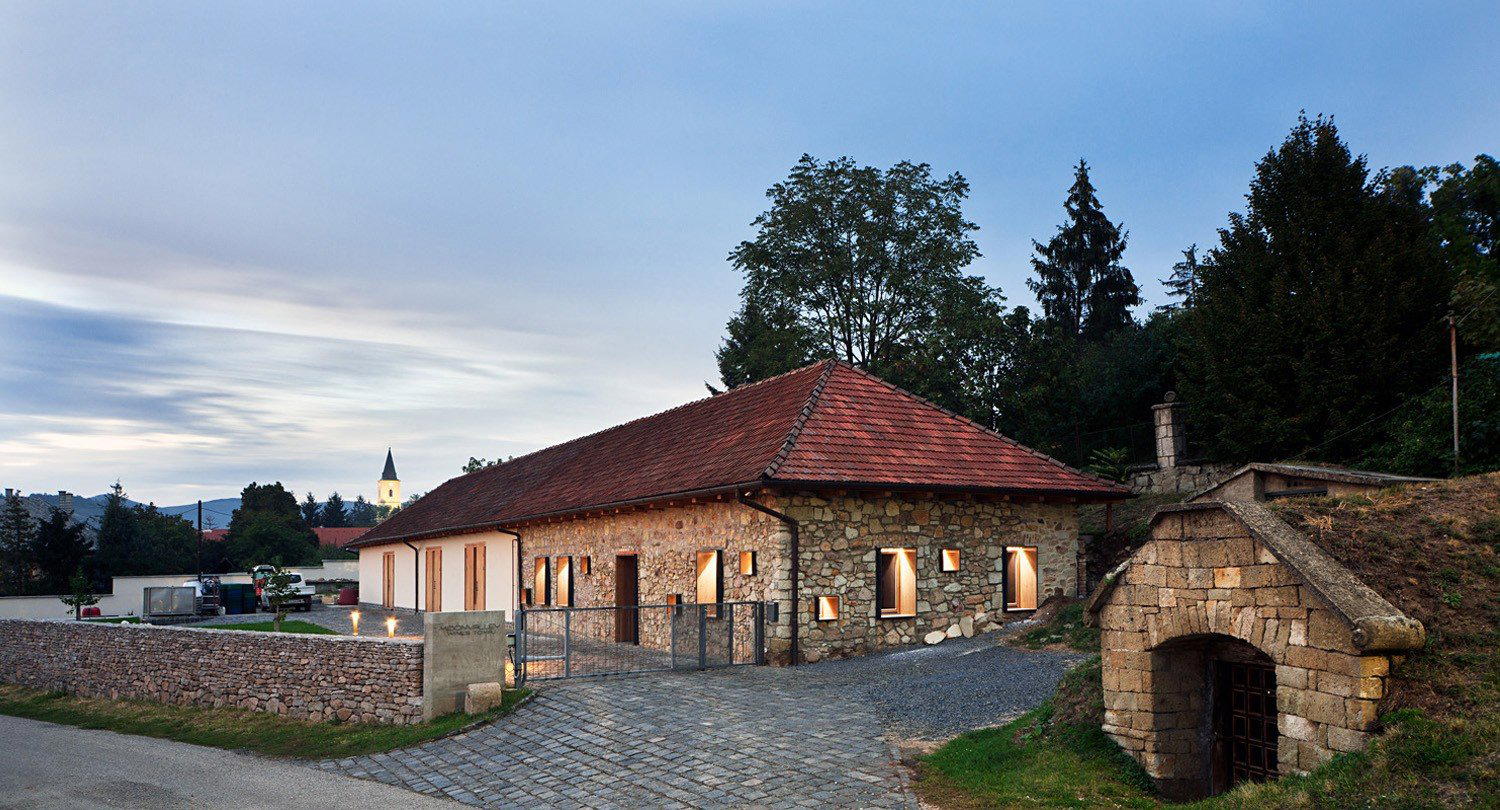
Mád's Place in the Tokaj Hierarchy
Within Tokaj, not all villages carry equal weight. Mád has accumulated, over several centuries, a concentration of classified vineyards and serious producers that few other settlements in the region can match. The village sits on volcanic soils, predominantly rhyolite tuff, that drain efficiently and force vine roots to work hard. That stress, combined with a microclimate shaped by the convergence of warm Pannonian air and cooler northern influences, creates the conditions that make Mád wines read differently on the palate from those produced even a few kilometres away. Producers here tend to operate with an awareness of that distinction, and the village's reputation functions almost like a sub-appellation in practice, even if Hungarian wine law doesn't formalise it that way.
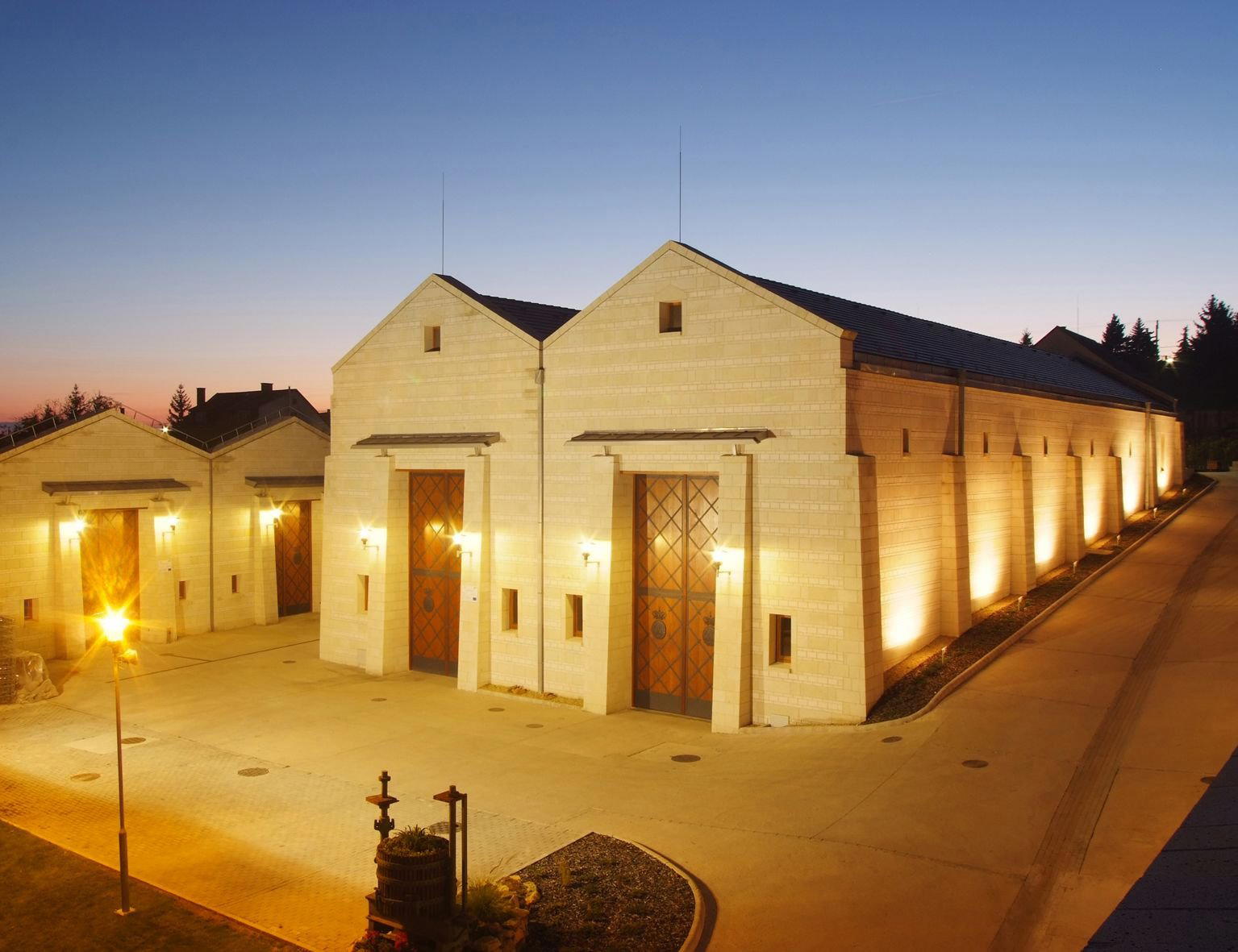
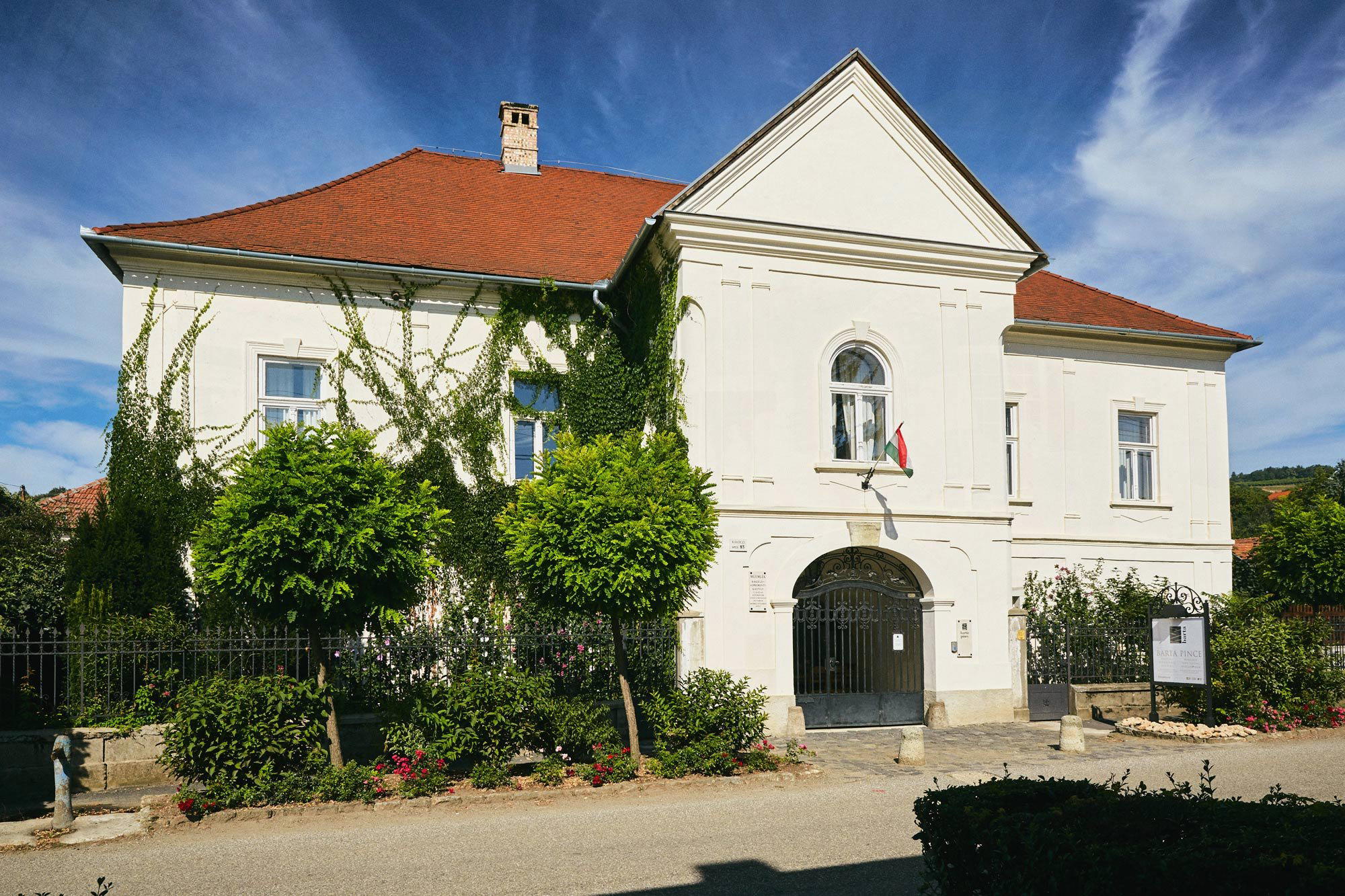
Holdvölgy sits at Árpád u. 13 in the centre of Mád, occupying a position inside this concentrated producer cluster. That rating matters as a comparative anchor: within a village that already includes Szepsy, Royal Tokaji, Barta Pince, Szent Tamás Winery, and Zsirai Winery, Holdvölgy is not coasting on postcode alone.
Arriving in Mád
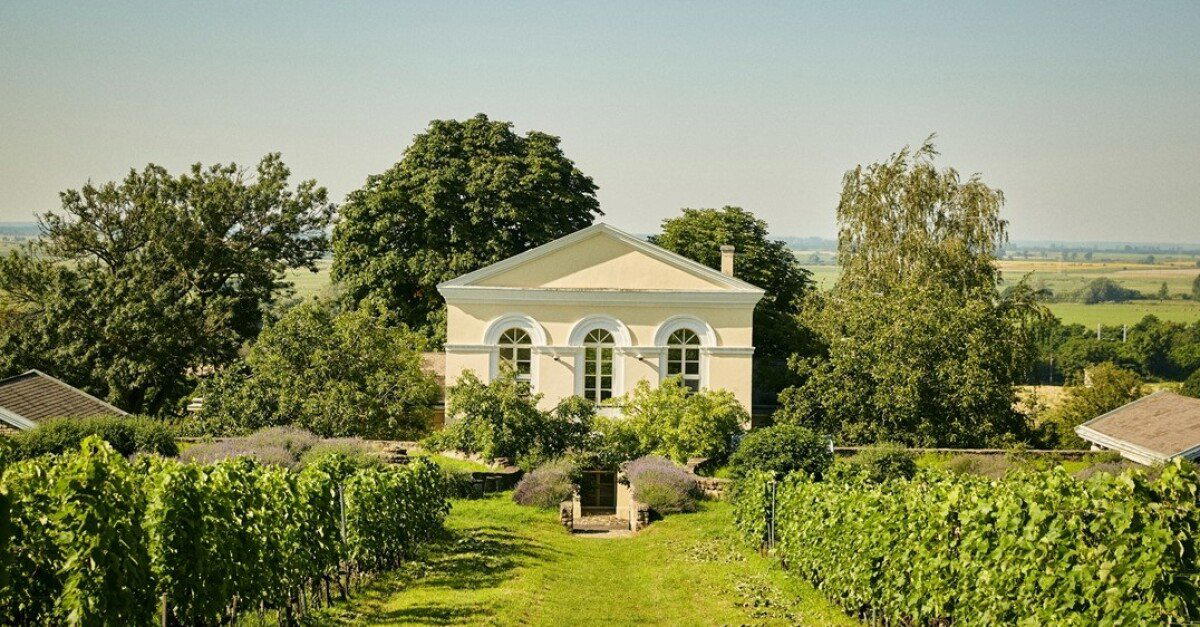
The physical approach to Mád from Miskolc or Eger takes you through a stretch of the Hungarian Great Plain before the land begins to undulate and the first vineyard rows appear above the road. The village itself is compact, its main street lined with cellar doors and producer addresses that have accumulated over generations. Árpád utca is one of those streets where the architecture of wine production is visible in the buildings themselves: deep cellars cut into hillsides, thick walls designed to maintain temperature, and the particular quietness that tends to settle over working wine properties in off-peak hours. Visiting Holdvölgy means arriving into that physical and sensory context, which is part of what Mád offers that a winery tasting room in a more accessible wine region often cannot replicate.
Logistics for visiting Tokaj's village producers require some planning. Mád is roughly 60 kilometres northeast of Miskolc and accessible by regional road. Train connections to Szerencs exist, with onward road access, but self-drive or private transfer remains the more practical approach for anyone covering multiple producers in a single day. Booking ahead is standard practice for the serious estates here, and Holdvölgy is no exception. Given its Prestige-tier recognition, demand for appointments is likely to require advance notice, particularly during harvest season in October and the spring tasting season.
The Winemaking Context in Tokaj
Tokaj's winemaking identity is built on Furmint above all else. The grape's naturally high acidity, susceptibility to noble rot (Botrytis cinerea), and capacity to express vineyard character with unusual precision have made it the backbone of everything from dry single-vineyard expressions to the legendary Aszú dessert wines that gave the region its place in European wine history. The leading Furmint from classified Mád sites ages well, with serious producers regularly releasing wines that reward five to ten years of cellaring.
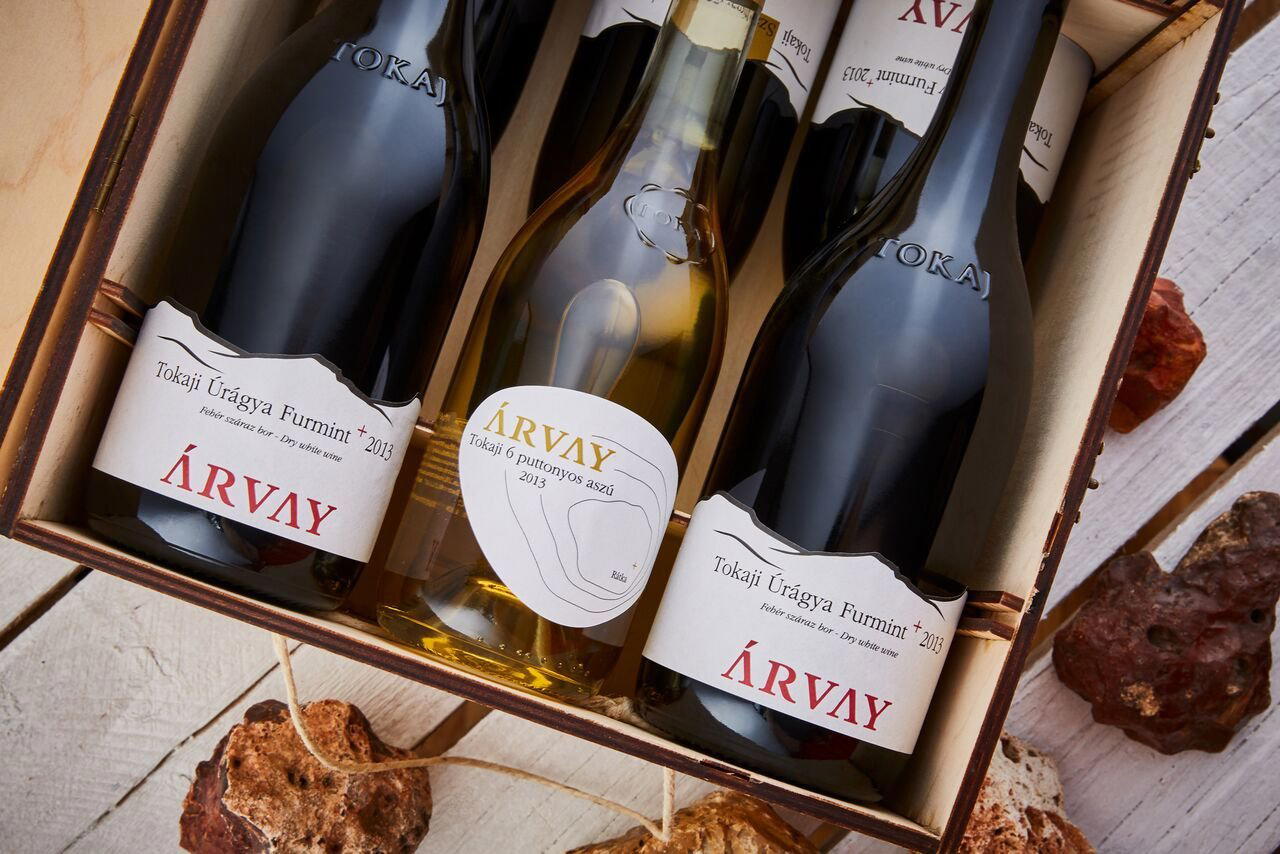
The broader shift in Tokaj over the past two decades has been a meaningful turn toward dry Furmint, driven partly by changing consumer preference for table wines and partly by a generation of winemakers who wanted to demonstrate that the region's terroir could produce great dry whites, not just exceptional sweet wines. That dual identity now defines how serious producers in Mád position themselves: the Aszú heritage gives the region its historical authority, while the dry single-vineyard range is where contemporary critical attention tends to focus. Estates operating at the Prestige tier, as Holdvölgy does, typically engage seriously with both expressions, though the emphasis varies by producer. Within Tokaj's wider geography, comparing Mád-based producers to estates like Disznókő in Mezőzombor, Tokaj Hétszőlő in Tokaj, Tokaj Oremus in Tolcsva, or Árvay Winery in Rátka reveals how meaningfully the village-level terroir differences register across the appellation.
Hárslevelű, the region's second most important variety, adds aromatic complexity and softer acidity. It appears in Aszú blends and increasingly as a standalone dry wine from producers who see value in expressing its particular floral and honeyed register. A complete visit to any serious Mád estate will usually include both varieties across multiple format types.
The rating is not a proximity effect from being located in Mád; the village's reputation benefits producers who earn it, but the assessment framework evaluates the wine and the estate independently. For visitors constructing a focused Tokaj itinerary, Holdvölgy belongs on a list that also includes Béres Winery in Erdőbénye and properties from Hungary's other fine wine regions such as Babarczi Winery in Győr and Bock Winery in Villány. Internationally, the estate's positioning finds loose analogies with restrained, terroir-focused producers from other classic European wine regions, including Aberlour in Aberlour and Accendo Cellars in St. Helena, though the stylistic and varietal contexts differ substantially.
What the Prestige rating communicates clearly is that Holdvölgy is not a volume producer. The upper tier of Mád's estate landscape operates on depth of expression rather than breadth of output. That means allocation, selective distribution, and a tasting room experience calibrated for engaged visitors rather than casual passing trade.
Planning Your Visit
For anyone building a structured Tokaj itinerary, Mád warrants at minimum a full day, with Holdvölgy as one anchor among several producer visits. The our full Mád restaurants and venues guide covers the broader village context, including dining options and the practical logistics of moving between producers. Contact with Holdvölgy directly via their Árpád utca address is the recommended approach for appointment booking, as phone and online booking details are not currently listed through EP Club. Timing matters here: the pre-harvest window in September offers the possibility of seeing the vineyards at their most active, while late spring is traditionally when producers release new dry whites and receive the first trade and press visits of the year.
Price Lens
Comparable venues nearby, for context on price, style, and recognition.
| Venue | Cuisine | Price | Awards |
|---|---|---|---|
| HoldvölgyThis venue — the venue you are viewing | Mád, Furmint, Hárslevelű | $20–30 | Falstaff Winery - Listed |
| Royal Tokaji | Mád, Furmint, Sárgamuskotály | Not listed | Falstaff Winery - Listed |
| Zsirai Winery | Mád, Furmint, Hárslevelű | Not listed | Not listed |
| Barta Pince | Mád, Furmint, Hárslevelű | $50–100 | Falstaff Winery - Listed |
| Szent Tamás Winery | Mád, Furmint, Hárslevelű | $50–100 | Not listed |
| Szepsy | Mád, Furmint, Hárslevelű | Not listed | World's 50 Best #43 · Falstaff Winery - Listed |
Recognition history
Dated appearances from independent guides and award organizations, with the underlying list record or original source where available.
Falstaff Winery - Listed
Falstaff
Continue exploring
More in Mád
Wineries in Mád
Browse all →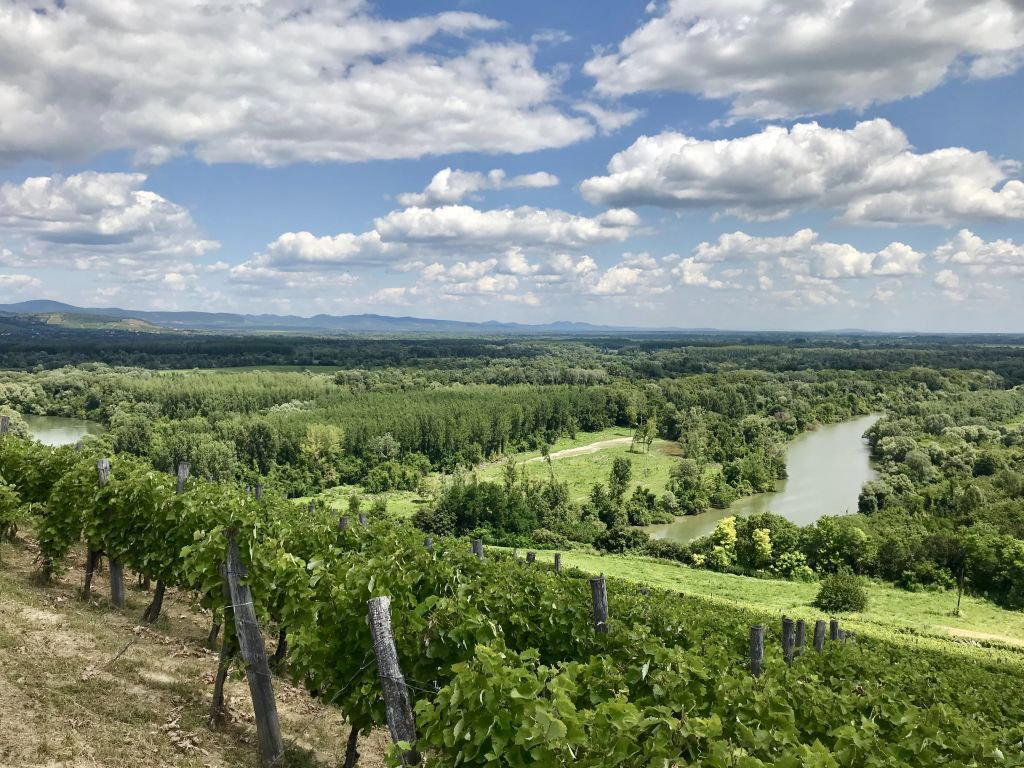
Restaurants in Mád
Browse all →
Hotels in Mád
Browse all →
Details
- Historic
- Rustic
- Intimate
- Scenic
- Wine Education
- Solo Exploration
- Cave Tasting
- Historic Building
- Sustainable
- Vineyard
- Furmint
- Hárslevelű
- Kabar
- Zéta
- Sárga Muskotály
- Still White
- Dessert
- Cave Tasting
- Vertical Tasting
- English
Historic cellar atmosphere blending ancient stone tunnels with modern winery design, creating an enchanting and intimate setting for wine exploration.