Szent Tamás Winery sits on Hunyadi János utca in the heart of Mád, one of Tokaj's most concentrated addresses for serious Aszú production. For visitors tracking the region's upper tier, it represents a direct encounter with the volcanic terroir that defines the appellation's reputation.

Pearl is the En Primeur Club membership app — saves, bookings, and concierge access live there. Same editors, same standards.
- Address
- Mád, Hunyadi János u. 3, 3909
- Phone
- +36709456329
- Website
- szenttamas.hu
- Directions
- Get directions
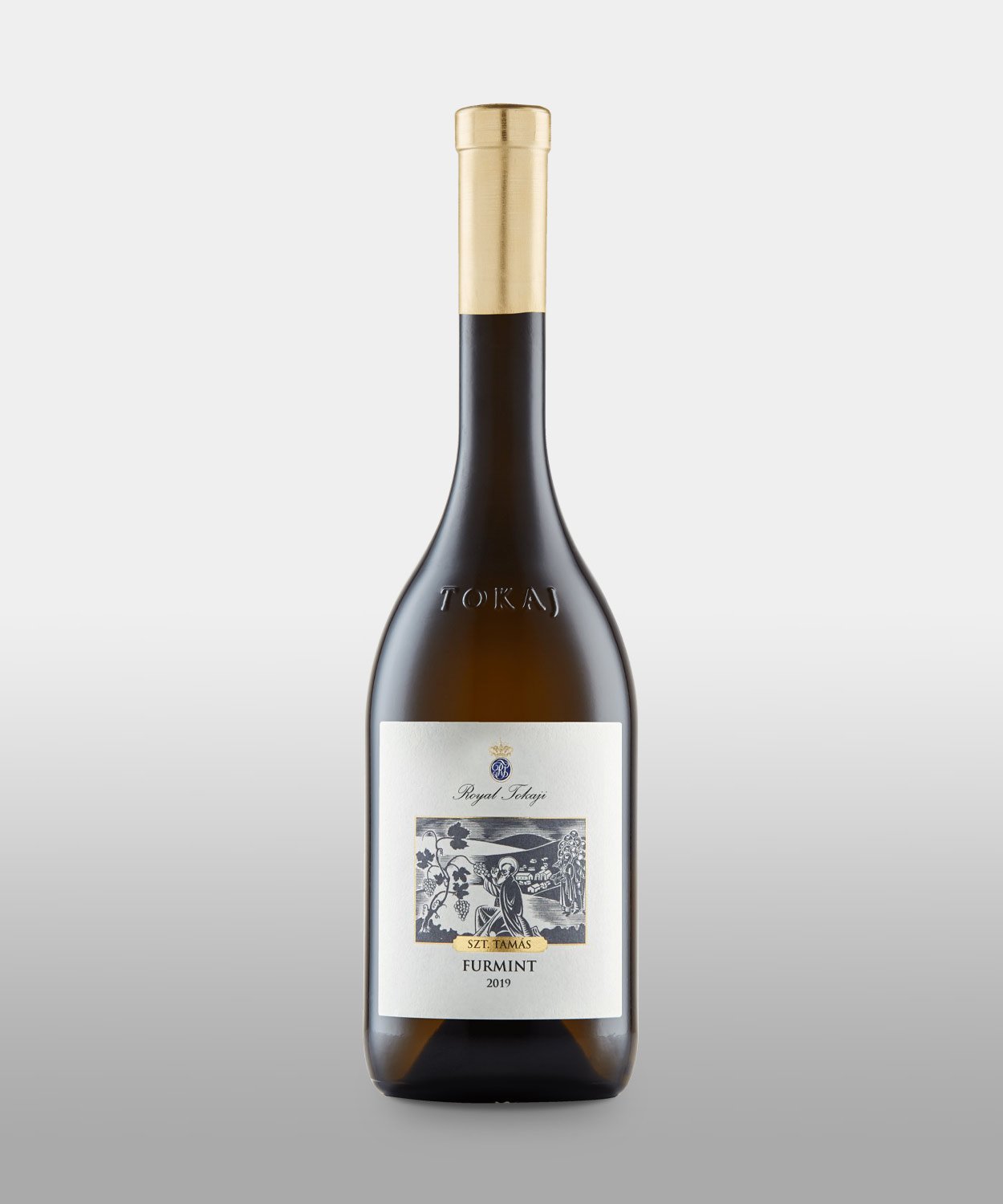
Volcanic Ground, Stone Walls, and the Mád Terroir
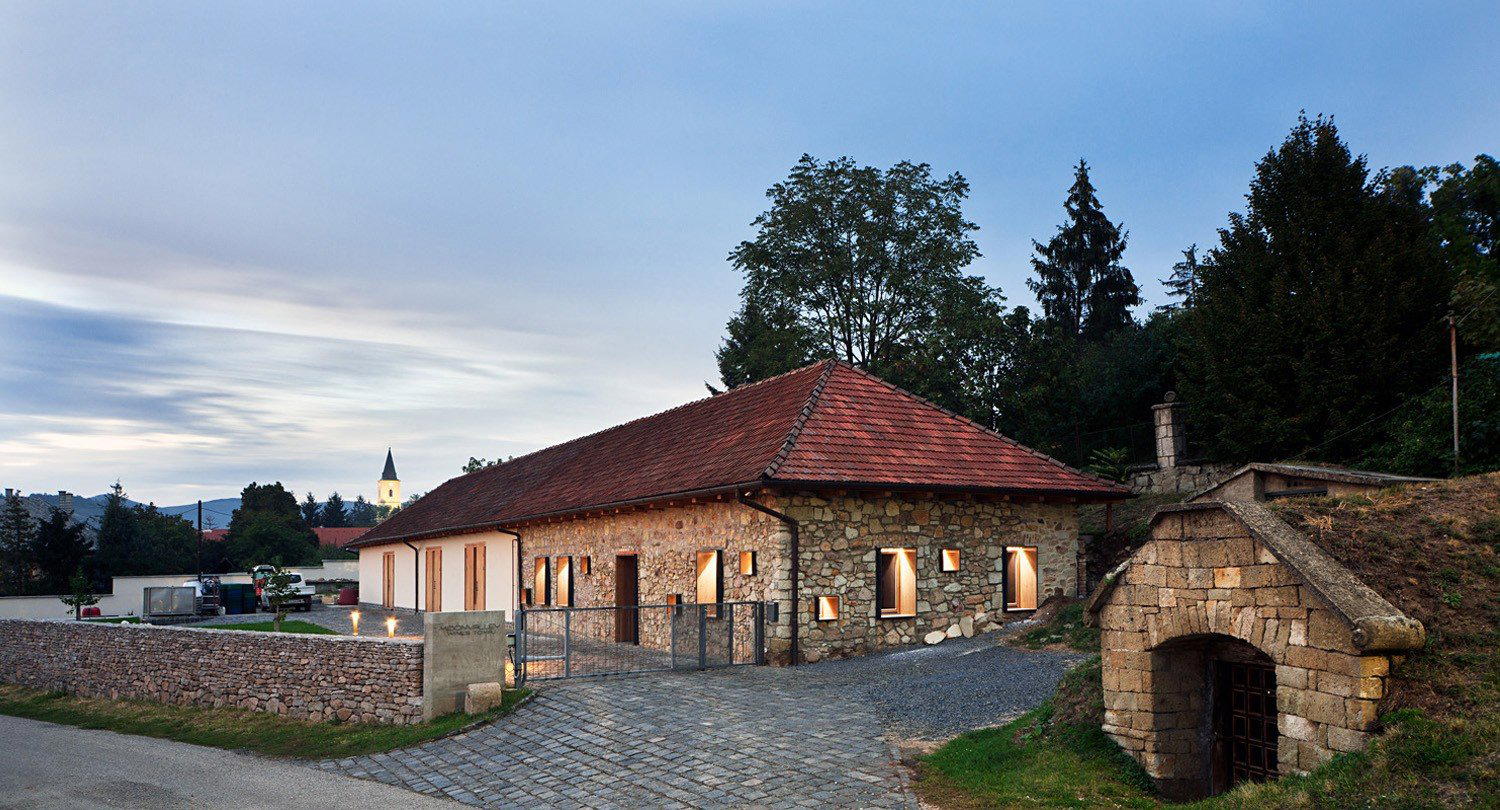
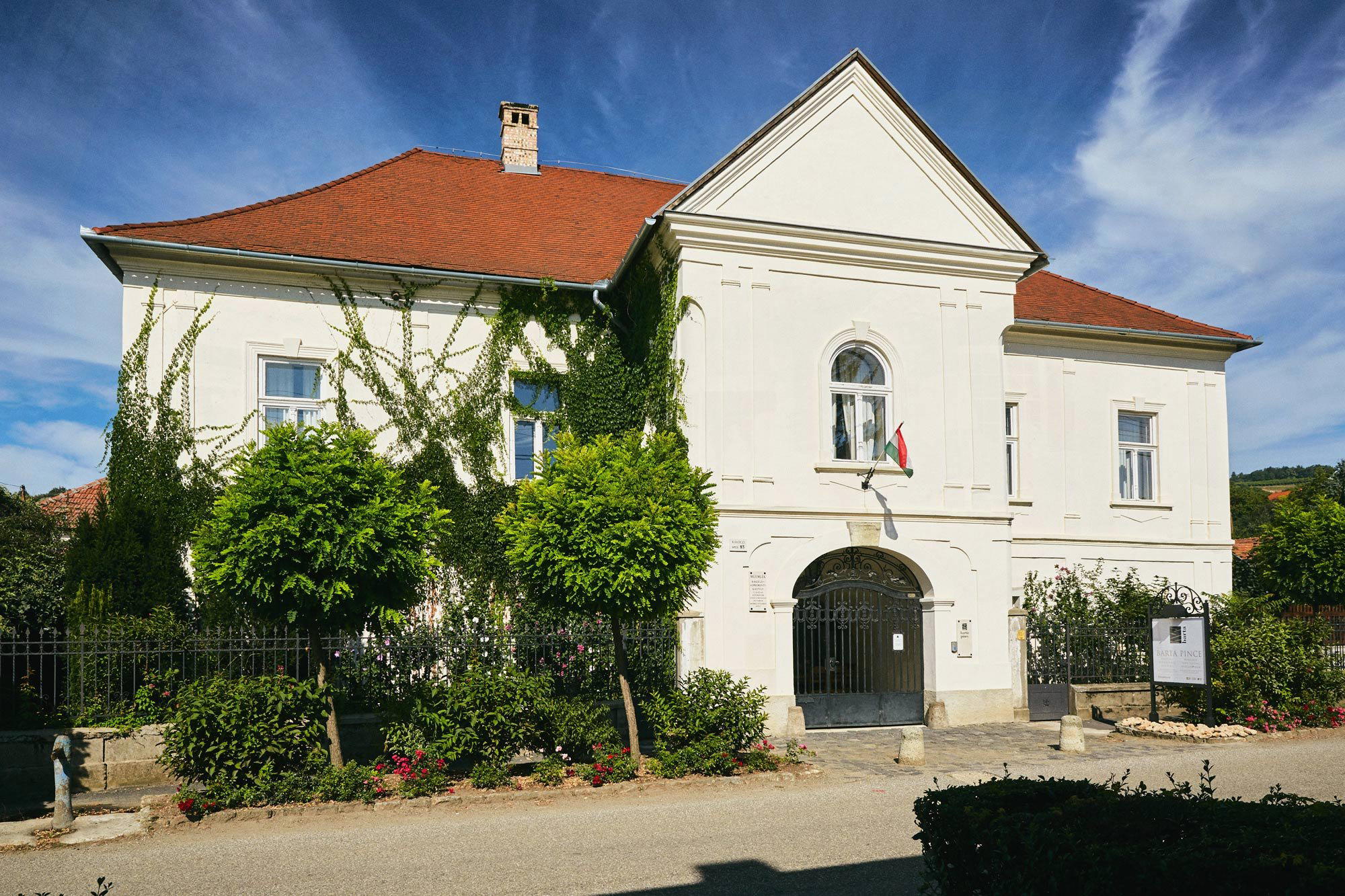
Arriving in Mád from the direction of Tokaj town, the village announces itself slowly: a road flanked by low hills whose soil shifts from dark loam to pale, ash-coloured clay as you approach the historic centre. By the time you reach Hunyadi János utca, the architecture has closed in — stone cellars, thick-walled estates, and the quiet that characterises a village whose economy has, for centuries, been measured in harvests rather than footfall. Szent Tamás Winery sits on this street, its address placing it inside the dense cluster of serious producers that have made Mád the reference point for structured, mineral-driven Tokaji across international markets.
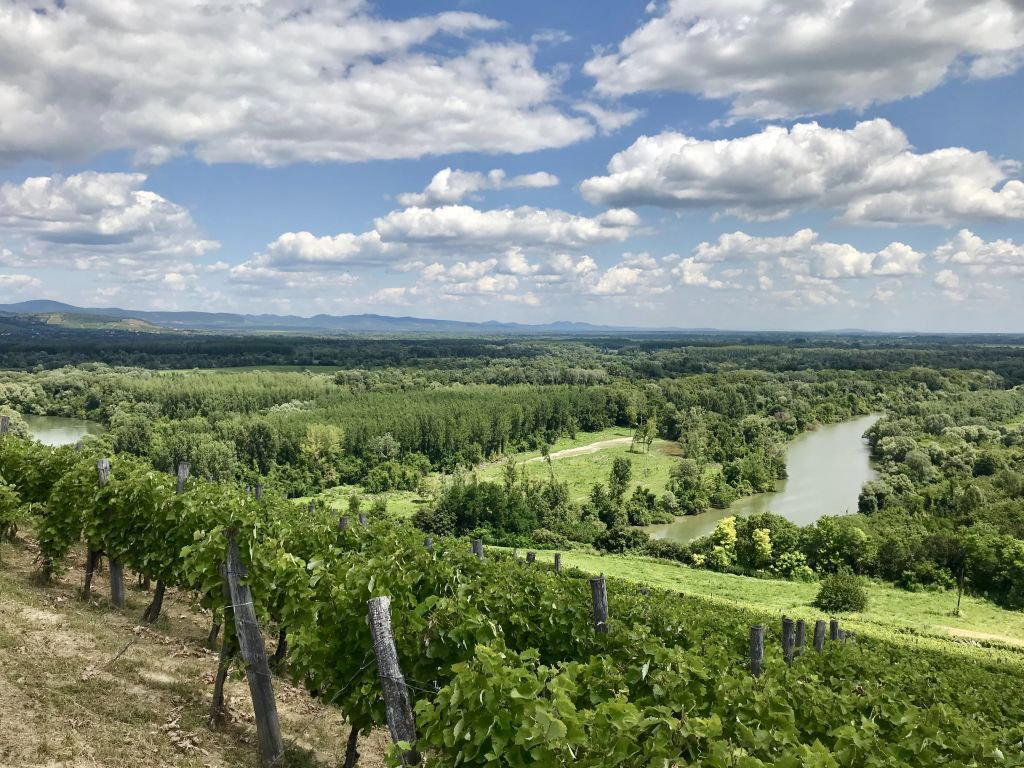
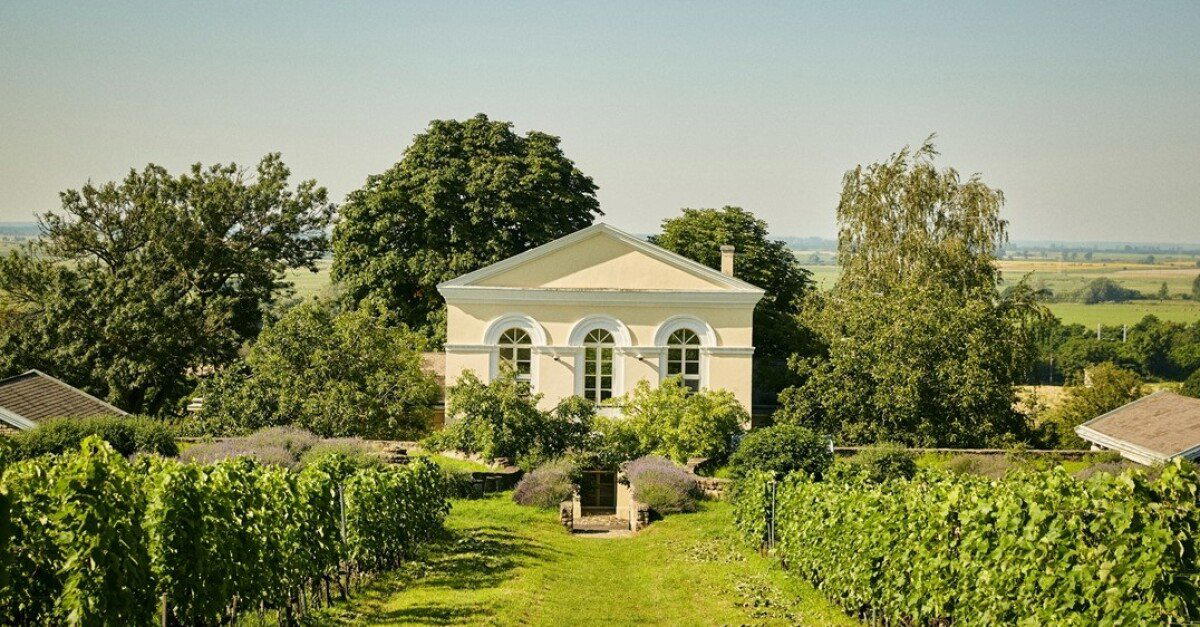
The physical context here matters more than it does at most European wine addresses. Mád sits at the western edge of the Tokaj wine region, a UNESCO World Heritage zone, and its vineyards are defined by rhyolite tuff and zeolite-rich soils formed from ancient volcanic activity. That geology is directly legible in the wines: lower yields, concentrated fruit, and an acidity that holds the sugar in Aszú bottlings in check. Producers on this side of the appellation — and Szent Tamás is among them, are operating with raw material that has shaped the region's international standing since the seventeenth century.
Where Szent Tamás Sits in Mád's Producer Hierarchy
Mád has, over the past two decades, become the village most associated with classification-level ambition in Tokaj. The concentration of high-commitment estates here is without parallel in the appellation: Szepsy, whose single-vineyard bottlings set the benchmark for the region's most demanding collectors, operates from the same village. Royal Tokaji, which helped reestablish the region's international credibility after 1990, and Barta Pince, respected for its dry Furmint programme, both operate here.
That recognition places it above entry-level producer status and into a tier where cellar craft, vineyard sourcing, and stylistic consistency are the operative variables. For a visitor working through Mád's producer landscape, it functions as a mid-to-upper reference point: demanding enough to reward serious attention, and positioned below the micro-allocation end of the market that Szepsy occupies.
For broader Tokaj regional context, producers operating in different communes offer useful comparison. Disznókő in Mezőzombor operates at scale with AXA Millésimes investment behind it. Tokaj Oremus in Tolcsva brings Vega Sicilia ownership and a reputation for long-aged Aszú. Tokaj Hétszőlő in Tokaj works from one of the appellation's historic classified vineyards. Each represents a different ownership model and stylistic approach; Szent Tamás, rooted in Mád, belongs to the village-centred, terroir-specific strand of the region's current quality narrative.
The Tokaj Appellation and Why Mád's Address Matters
Understanding why a Mád address carries weight requires understanding how Tokaj's quality geography actually functions. The region spans twenty-seven villages across the Zemplén foothills, but not all villages carry equal terroir significance. Mád's volcanic soils, combined with the specific microclimate created by the Szerelmi, Nyulászó, Királyföld, and Betsek vineyard sites, produce conditions that favour the controlled botrytis development essential to Aszú production. The incidence of noble rot here is more predictable and more concentrated than in flatter, lower-altitude parts of the appellation.
That terroir specificity is why the classification debates within Tokaj, ongoing since the region's classification system began to be reconsidered in the post-communist period, consistently return to Mád's vineyard sites as anchors. International buyers who track the region treat first-growth Mád vineyards the way Burgundy buyers treat premier and grand cru designations: as a proxy for geological advantage, not just brand recognition. Producers who source from these sites, or who own parcels within them, are signalling something concrete about their raw material.
Visitors who want to track this geography directly should note that Mád's producers are relatively concentrated geographically, which makes a structured tasting visit across several estates in a single day practical. The village is roughly forty kilometres from Miskolc and accessible from Budapest by train to Szerencs followed by local transport, or by car via the M3 motorway. Booking ahead at individual estates is advisable, particularly in September and October when harvest activity compresses availability. For a broader picture of what the town offers beyond individual winery visits, our full Mád guide covers the village in detail.
Placing Szent Tamás in a Wider Hungarian Wine Picture
Hungary's wine regions beyond Tokaj are increasingly visible in international markets, and a visitor building a broader picture of the country's production might extend their itinerary. Árvay Winery in Rátka operates within the Tokaj appellation but from a different commune, offering a point of comparison within the same region. Outside Tokaj entirely, Béres Winery in Erdőbénye sits in the foothills and has built a reputation for dry varietal wines alongside its sweet programme. Babarczi Winery in Győr represents the Pannonhalma appellation, a region whose Riesling and Tramini are attracting attention from buyers who came to Hungary through Tokaj and are now working outward. For red wine production, Bock Winery in Villány operates in the country's most credible Bordeaux-variety zone, where the warmest growing conditions in Hungary produce structured Cabernet Franc and Merlot blends.
For comparative context beyond Hungary, the allocation-model approach to premium wine production seen at Mád's upper tier has parallels in regions as distant as Napa Valley, where Accendo Cellars in St. Helena operates on small-production principles, or in Speyside, where Aberlour represents the kind of heritage-site production that attracts similar collector attention in a different category entirely.
Planning a Visit
Szent Tamás Winery is located at Hunyadi János utca 3, Mád 3909. Given that no phone number or website is currently listed in public directories, the most reliable approach is to contact the estate through local tourism channels or the Tokaj wine region's visitor coordination network, which maintains updated access information for producers across the appellation. September through November covers the harvest and post-harvest period when cellars are most active, though spring visits in April and May offer quieter access and the chance to taste wines still in élevage. Winter visits to Tokaj are possible but involve reduced producer availability across the village.
A Minimal comparable set
Comparable venues nearby, for context on price, style, and recognition.
| Venue | Cuisine | Price | Awards |
|---|---|---|---|
| Szent Tamás WineryThis venue — the venue you are viewing | Mád, Furmint, Hárslevelű | $50–100 | Not listed |
| Barta Pince | Mád, Furmint, Hárslevelű | $50–100 | Falstaff Winery - Listed |
| Royal Tokaji | Mád, Furmint, Sárgamuskotály | Not listed | Falstaff Winery - Listed |
| Holdvölgy | Mád, Furmint, Hárslevelű | $20–30 | Falstaff Winery - Listed |
| Zsirai Winery | Mád, Furmint, Hárslevelű | Not listed | Not listed |
| Szepsy | Mád, Furmint, Hárslevelű | Not listed | World's 50 Best #43 · Falstaff Winery - Listed |
Details
- Quiet
- Classic
- Rustic
- Wine Education
- Special Occasion
- Group Outing
- Solo Exploration
- Historic Building
- Vineyard Tour
- Private Tasting
- Barrel Room
- Sustainable
- Vineyard
- Furmint
- Hárslevelű
- Sárgamuskotály
- Still White
- Dessert
- Private Tasting
- Guided Tasting
- Hungarian
- English
Historic, terroir-focused Tokaj estate with a cellar-and-vineyard setting and a reputation for concentrated, first-growth parcels.