Sinestesia Destilería

Sinestesia Destilería holds a Pearl 2 Star Prestige rating (2025), placing it among the more formally recognised spirits operations in Buenos Aires. The destilería format sits within a growing cohort of urban Argentine producers working at the intersection of craft distillation and hospitality. It merits attention from visitors whose interest runs deeper than wine tourism alone.
 Discover on Pearl
Pearl is the En Primeur Club membership app — saves, bookings, and concierge access live there. Same editors, same standards.
- Address
- Buenos Aires, Argentina
- Phone
- +5491123316611
- Website
- sinestesia.com.ar
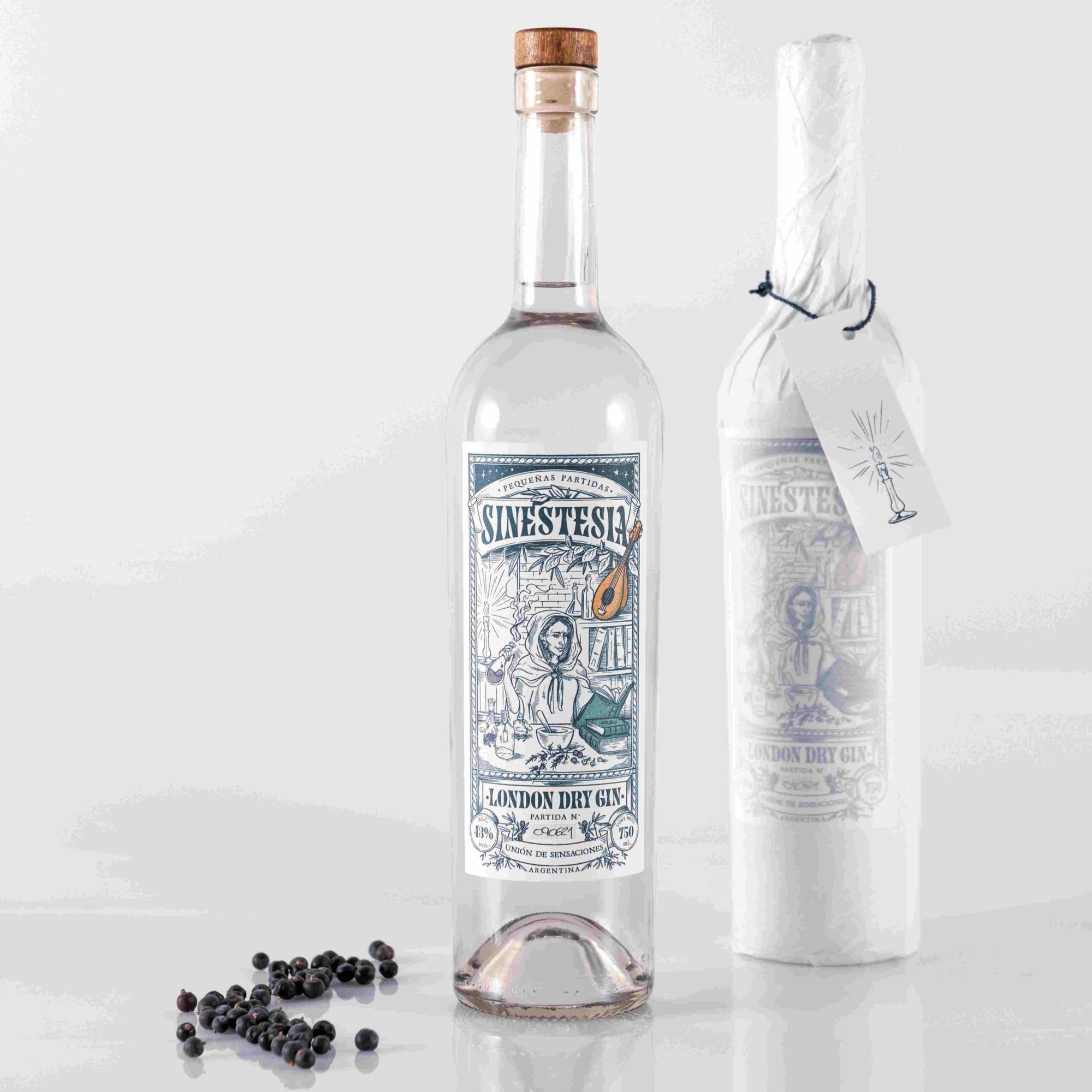
Buenos Aires and the Urban Distillery Turn
Argentina's drinks culture has long been defined by Malbec and the Mendoza wine corridor, but Buenos Aires itself has been developing a parallel identity rooted in spirits. Over the past decade, a cluster of urban destilerías has emerged across the city's barrios, each staking out territory somewhere between production facility, tasting room, and culinary venue. The format borrows loosely from the craft-brewery hospitality model that reshaped drinking culture in North America and Europe, but with a distinctly Argentine inflection: the emphasis tends toward immersive pairing formats rather than simple tasting flights, and the social architecture of a session at a destilería often extends well into the evening.
Sinestesia Destilería is a winery in Buenos Aires, and its Pearl 2 Star Prestige recognition from EP Club in 2025 places it toward the upper end of the Buenos Aires spirits scene. That rating matters as a calibration tool: in a city where the gap between a polished destination venue and a neighbourhood curiosity can be considerable, a formal two-star prestige designation signals a level of programme depth and hospitality execution that separates it from the broader crop.
The Destilería Format and What It Means for the Experience
The destilería as a hospitality format occupies distinct territory from a wine bodega visit or a cocktail bar. Production is visible and central rather than tucked away. The spirits themselves carry provenance claims tied to local botanicals, regional grains, or specific fermentation approaches, and the leading operators use that story as a throughline for the food and pairing programme rather than as a footnote. In Buenos Aires, venues working in this register include Fratelli Branca Distillery, which brings an Italian heritage lineage to the city's spirits scene, alongside more locally rooted producers such as Destilería Dellepiane, Destilería Demian, Destilería Spiritu Santo, and Destilería Moretti. Within that comparable set, the Pearl 2 Star Prestige designation places Sinestesia Destilería at a recognisably higher level of formal recognition.
What distinguishes the higher-rated operators in this category is typically programme coherence: the degree to which the spirits, the food pairing, and the physical environment form a single legible argument rather than three loosely affiliated elements. At venues reaching prestige-tier recognition, the pairing events and culinary collaborations tend to be structured rather than ad hoc, and the hospitality logic extends from how you're received to how the session concludes.
Food Pairing as the Central Hospitality Grammar
Argentina's food culture gives destilerías a richer pairing vocabulary than most. The national emphasis on quality protein, the influence of Italian immigrant cuisine on Buenos Aires cooking, and a growing chef-led interest in regional ingredients from the northwest and Patagonia all create natural dialogue with spirits. A well-structured destilería session in this city can draw on aged beef, charcuterie traditions, seasonal vegetables from the Andean foothills, and cheeses from the Pampas, layering those against gins, whiskeys, fernet variants, or locally produced brandies depending on the house programme.
The editorial angle on Sinestesia Destilería's culinary programme is necessarily framed at the category level rather than the dish level. But the Pearl 2 Star Prestige rating implies that the pairing architecture here has been assessed and recognised formally, which carries more weight than a self-description. In the broader Buenos Aires spirits scene, pairing events and chef collaborations are the distinguishing activity that separates destination-grade destilerías from production facilities that happen to offer tastings.
Placing Buenos Aires Spirits Against Argentina's Wider Drinks Geography
For visitors arriving with wine-country context, it's worth establishing where urban spirits production sits relative to Argentina's established drinks geography. The Mendoza corridor produces the country's most internationally recognised wines, with houses like Bodega Norton in Luján de Cuyo and Escorihuela Gascón in Godoy Cruz representing the middle tier of serious Mendoza production. At the higher-altitude and more specialist end of the Argentine wine map, producers like Bodega El Esteco in Cafayate and Bodega Colomé in Molinos represent the Salta tradition, while Familia Schroeder in San Patricio del Chañar anchors the Patagonian Neuquén scene. Further references include Bodega DiamAndes in Tunuyán and Rutini Wines in Tupungato.
The Buenos Aires urban destilería sits in a different register entirely. It is a city-based, hospitality-forward operation rather than a production-estate model. The comparison point internationally is closer to distilleries like Aberlour in Scotland, which operates with a strong visitor experience component, or allocation-model producers like Accendo Cellars in St. Helena, where access and format discipline define the tier. The shared logic is that recognition comes partly from what you produce and partly from how the experience is constructed for the visitor.
Planning a Visit
Buenos Aires is a city where premium hospitality venues fill quickly, particularly those with structured programme formats rather than open walk-in policies. A destilería operating at prestige level in a city like Buenos Aires tends to function on a reservation basis for its main pairing sessions, with capacity constraints that make advance planning sensible. Visitors should confirm operational details directly before planning around specific sessions.
Continue exploring
More in Buenos Aires
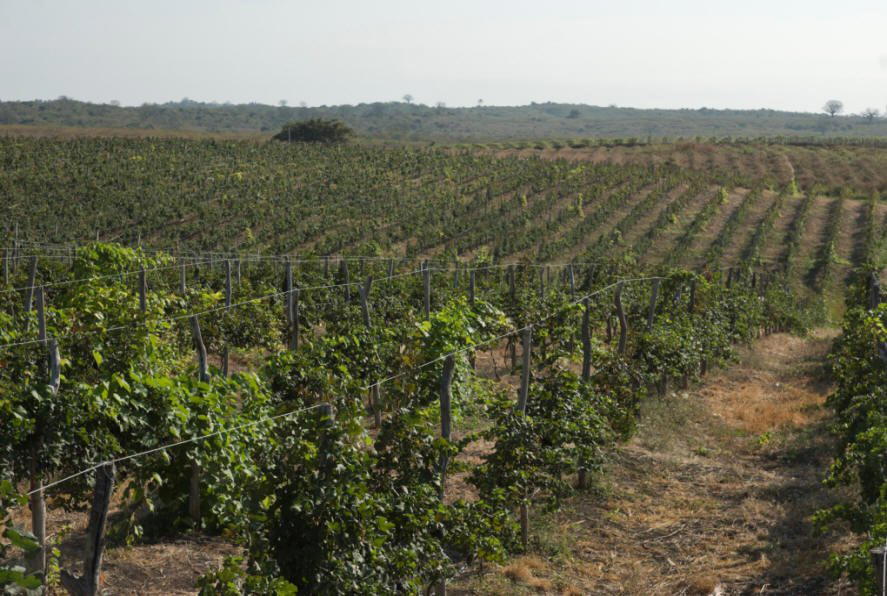
Wineries in Buenos Aires
Browse all →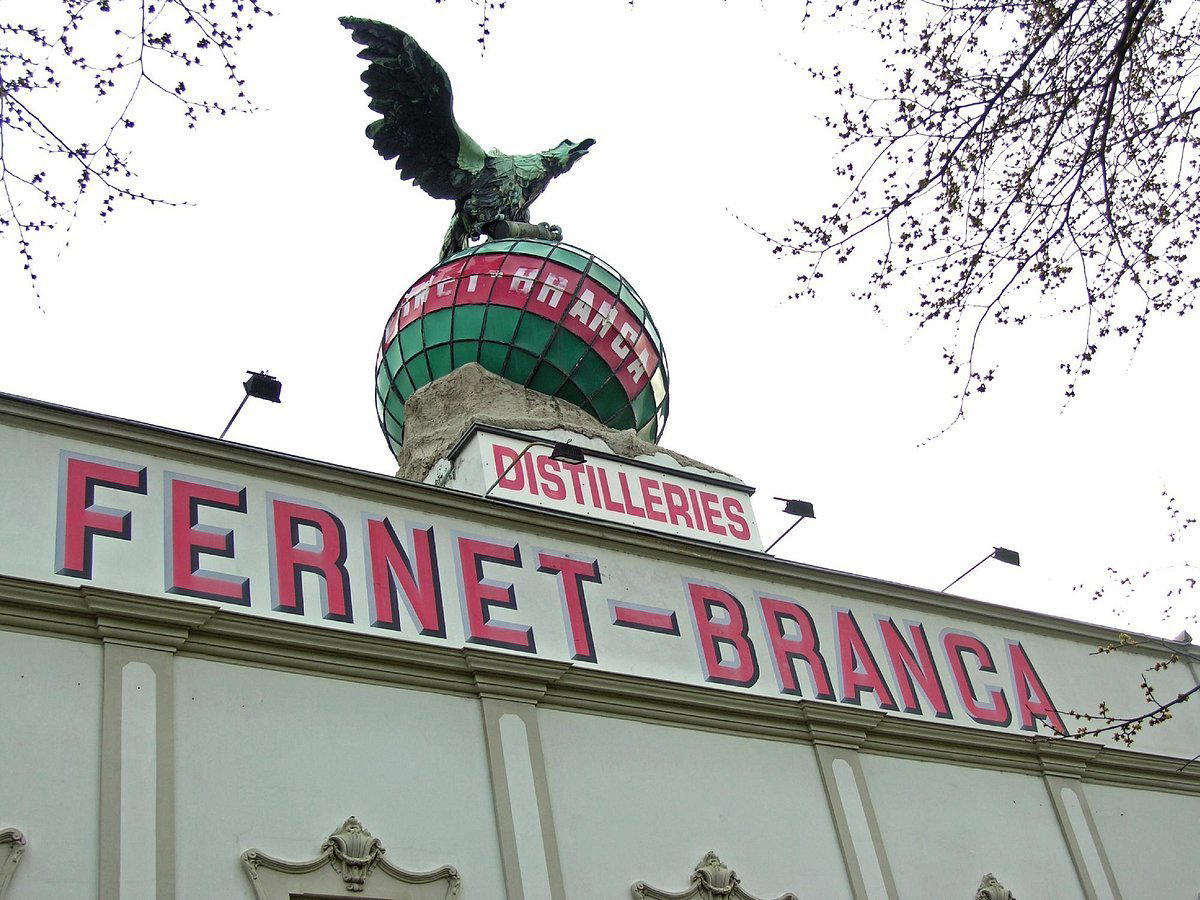

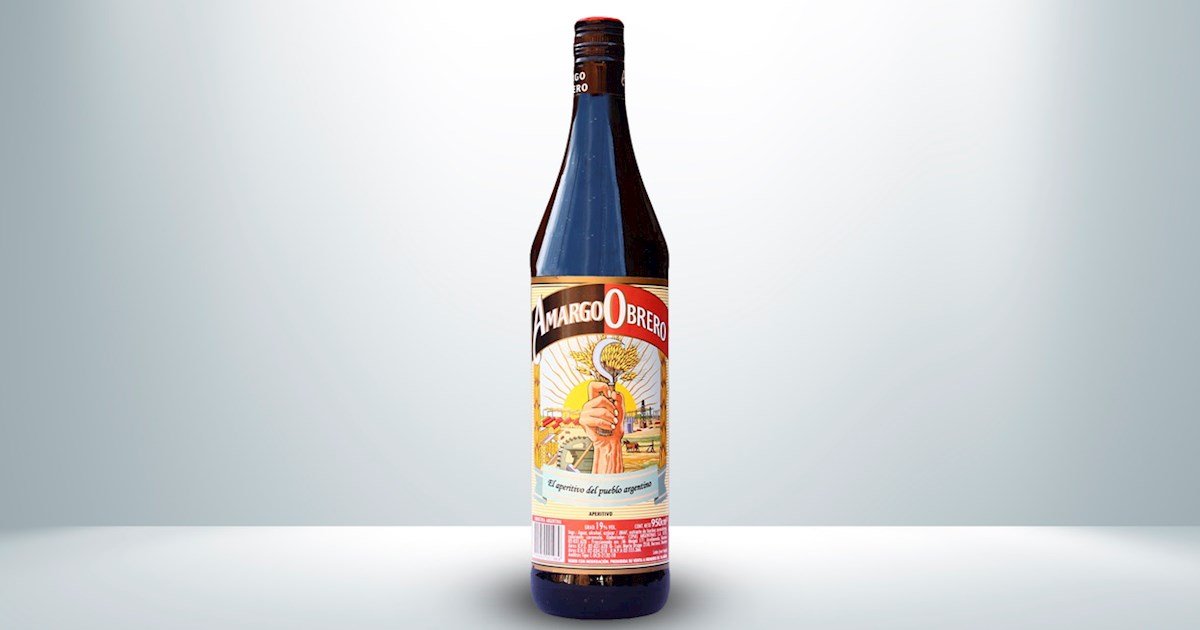
Bars in Buenos Aires
Browse all →
Restaurants in Buenos Aires
Browse all →
At a Glance
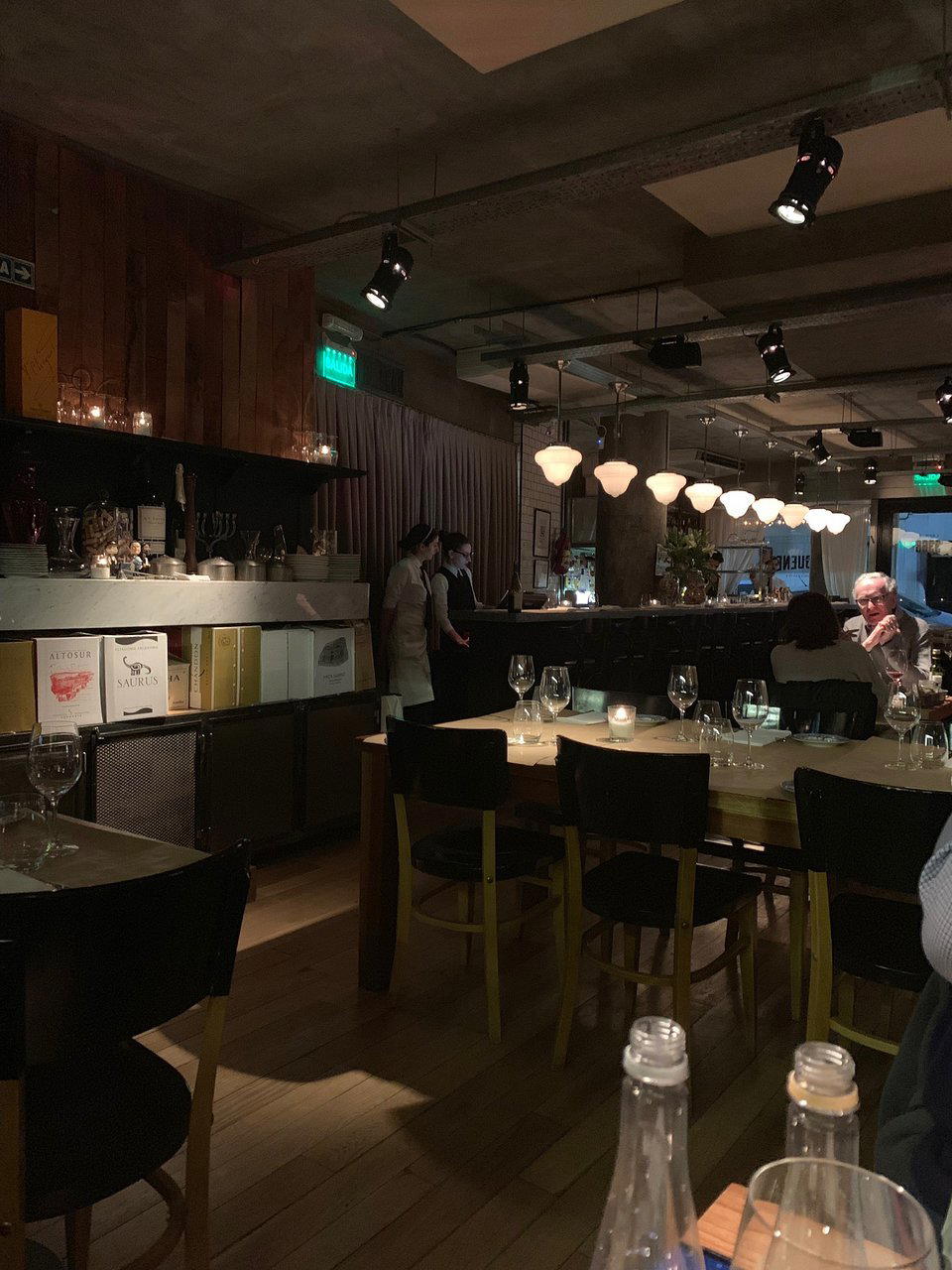
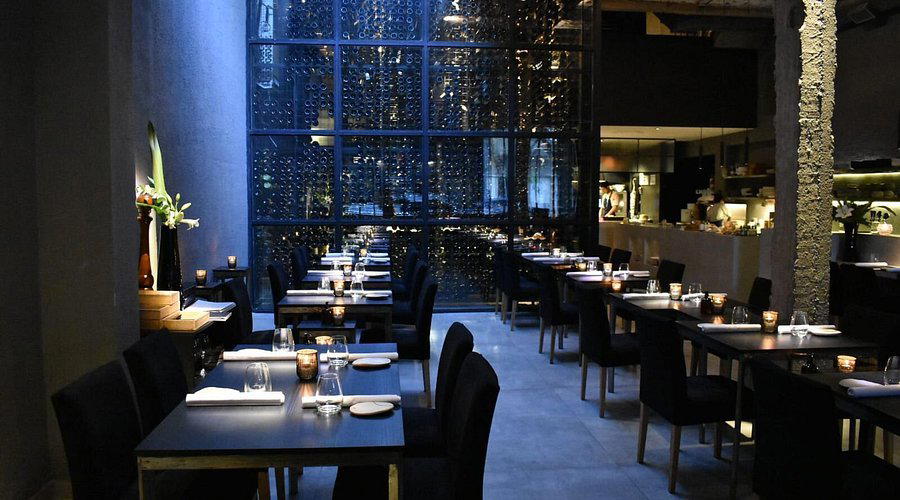
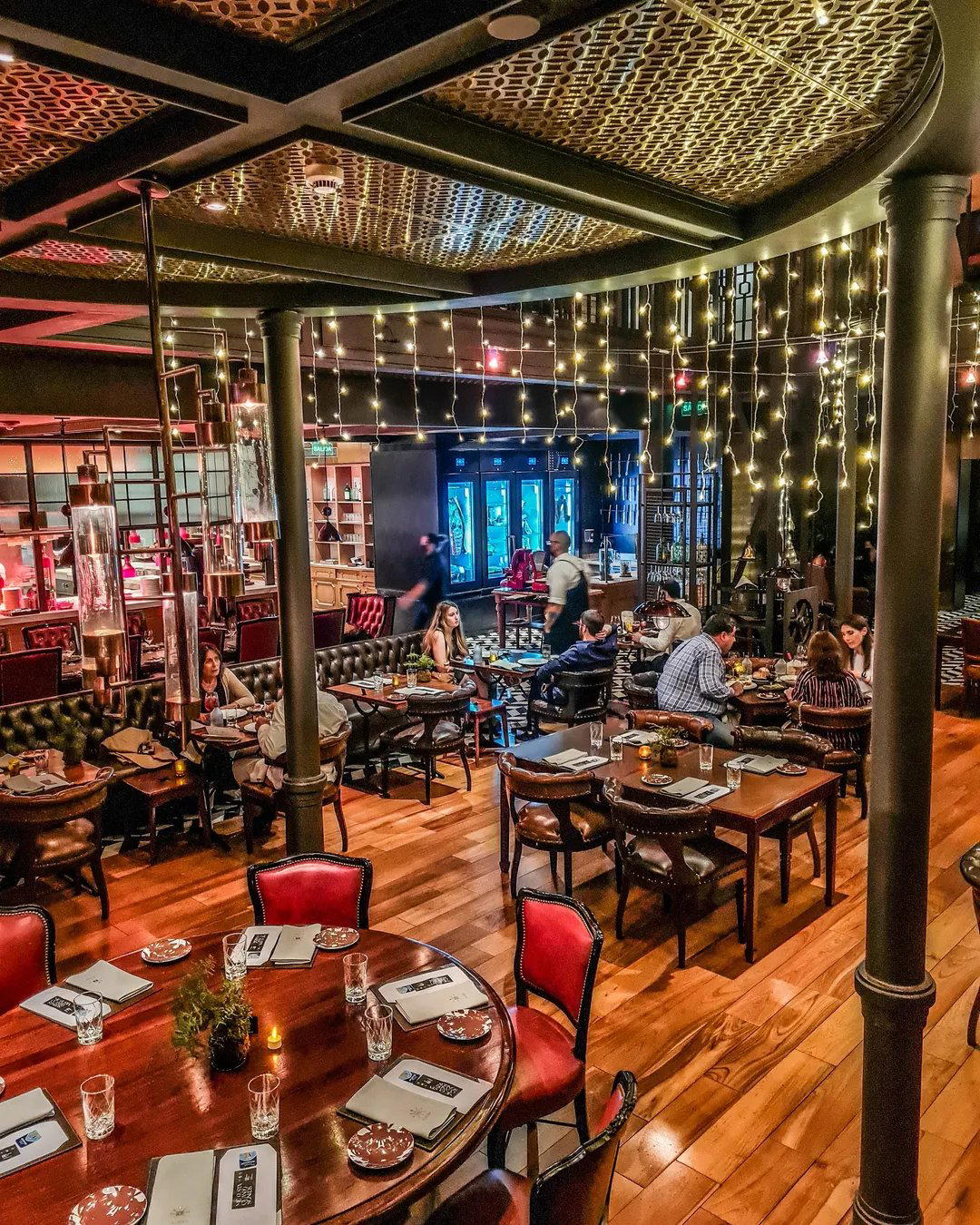
Modern distillery atmosphere focused on craft spirits production.