The venue sits in a prefecture where terroir-driven production has developed quietly but with increasing international attention, making it a reference point for anyone tracing how Japanese climate and geography shape what ends up in the glass.

Pearl is the En Primeur Club membership app — saves, bookings, and concierge access live there. Same editors, same standards.
- Address
- 12-1 Tamokami, Aoi-ku, Shizuoka, 421-2106
- Website
- shizuoka-distillery.jp
- Directions
- Get directions
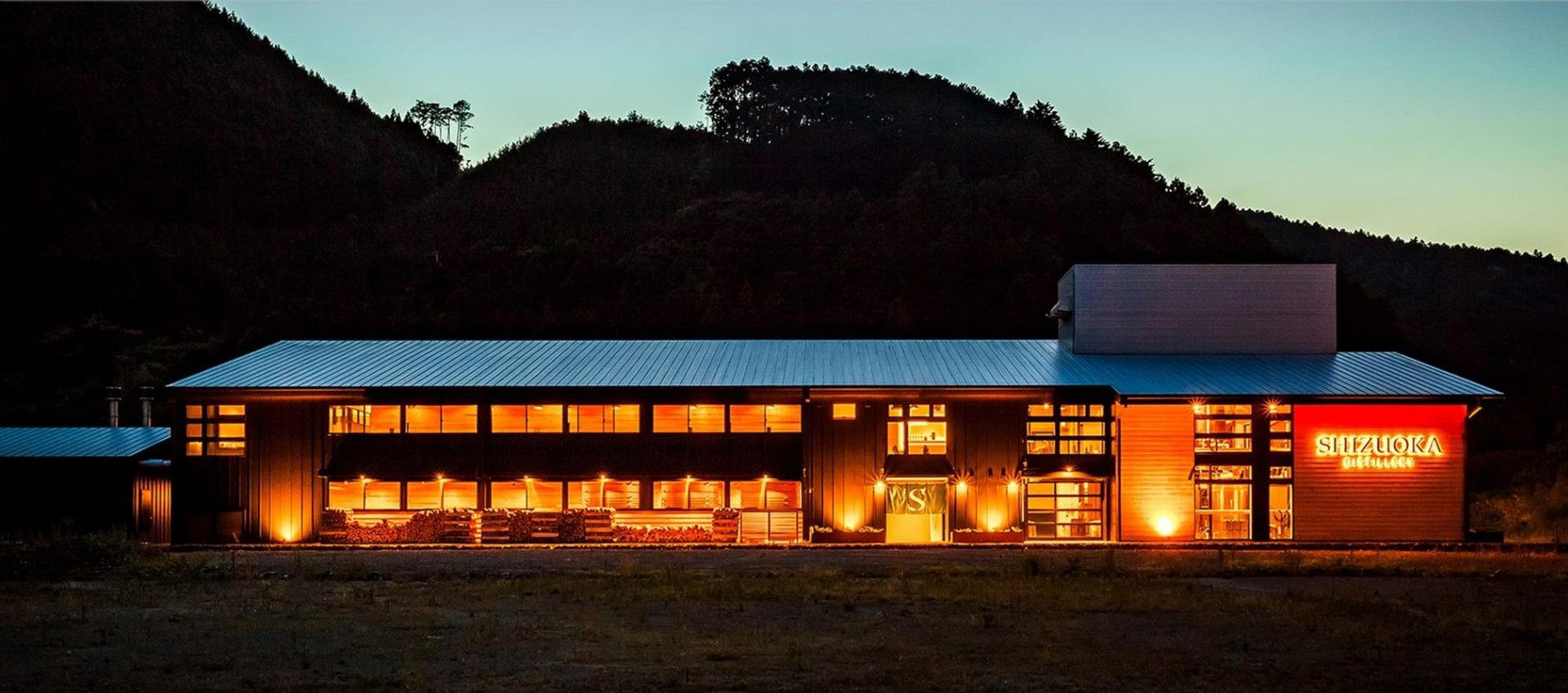
Where the Mountain Meets the Glass
Aoi-ku, the ward that holds Shizuoka's address at 12-1 Tamokami, sits at the northern edge of Shizuoka city where the Abe River valley begins its climb toward the Southern Alps. The air here carries a different quality than in the coastal flatlands to the south: cooler, with a moisture drawn from snowmelt and dense cedar forest. It is the kind of physical environment that, in wine or whisky production, stops being background and starts being ingredient. That relationship between place and product is what positions Shizuoka as more than a regional address — it is a case study in how Japanese geography actively shapes what gets made within it.
Japan's craft production scene has matured significantly over the past decade, and the country's most compelling producers are no longer clustered exclusively around the historically dominant names. A newer tier has emerged — smaller in output, more specific in provenance, where what surrounds the facility matters as much as what happens inside it.
Terroir in a Volcanic Prefecture
Shizuoka Prefecture occupies a geologically active corridor between the Pacific coast and the Japanese Alps. Mount Fuji's influence on the region's water table is well-documented: subterranean water filtered through centuries of volcanic rock emerges exceptionally soft and mineral-clean, a characteristic that distillers and producers in the region have consistently identified as a defining variable. The same geology that shapes the prefecture's green tea production, Shizuoka accounts for roughly 40 percent of Japan's domestic tea output, also underpins how its beverage producers approach water as a craft input rather than a utility.
This is where the terroir argument becomes concrete rather than rhetorical. In regions like Scotch whisky's Speyside or Burgundy's Côte de Nuits, place-specificity has been codified over centuries into legally defined appellations. Japan is earlier in that conversation, but producers in areas like Shizuoka, the highlands around Hakushu (Suntory) in Hokuto, and the forests surrounding Mars Shinshu Distillery in Miyada are building a body of evidence that geography leaves a traceable signature. The altitude, humidity, seasonal temperature swing, and local water chemistry in Aoi-ku create conditions that are genuinely difficult to replicate elsewhere.
To understand where Shizuoka sits in the broader Japanese production context, it helps to map the competitive landscape by geography and production philosophy rather than by age or brand recognition. The established coastal distilleries like Eigashima (White Oak) in Akashi operate in a maritime climate that produces a noticeably different character: salt air, humidity variation, and the influence of Seto Inland Sea weather patterns. Northern producers such as Yoichi (Nikka) in Yoichi and Miyagikyo (Nikka) in Sendai draw on Hokkaido and Tohoku climates respectively, cold, continental, with longer maturation rhythms. Southern producers like Kanosuke in Kagoshima operate in subtropical humidity that accelerates interaction between spirit and wood.
Shizuoka occupies the central-alpine position in this geographic spread. Its elevation and inland valley setting mean it experiences wider seasonal temperature variation than coastal peers, which directly affects maturation: the wood breathes more actively through hot summers and cold winters, compressing timelines and intensifying extraction. That physical dynamic helps explain why producers in similar high-variation climates, including Chichibu in Chichibu, have attracted sustained international attention despite relatively young track records.
For context in Japan's wine production tier, the geographic conversation extends to the Yamanashi and Nagano corridors where producers like 98Wines in Yamanashi and Château Mercian Mariko Winery in Nagano Prefecture have built internationally recognised cases for Japanese terroir expression in grape-based production. Shizuoka's position near these producing regions, combined with the Fuji corridor's distinctive hydrology, places it in a part of Japan where place-driven claims carry genuine weight.
Recognition and What It Signals
In a country where the gap between mass-market production and craft excellence has narrowed significantly over the past fifteen years, a recognition at this tier signals that Shizuoka is not operating in the regional-curiosity bracket but in a tier that invites comparison with peers holding international profiles.
That matters for the reader making a planning decision. Japan has a deep roster of credentialled producers, names like Yamazaki (Suntory) in Shimamoto and Fuji Gotemba Distillery in Gotemba, the latter sitting in the same Fuji-area corridor as Shizuoka, that attract significant international visitor traffic.
Planning a Visit
Shizuoka city is served by the Tokaido Shinkansen, placing it roughly 45 minutes from Nagoya and under an hour from Osaka on the nozomi service, with Tokyo around 60 to 80 minutes depending on the train. Aoi-ku is the central ward of the city, and the Tamokami address at 12-1 sits in the northern part of the ward, requiring local transport from Shizuoka Station. For a wider frame on what the city offers alongside this address, our full Shizuoka restaurants guide maps the broader dining and drinking scene in the prefecture.
Those building a multi-stop itinerary around Japanese craft production often sequence Shizuoka into a broader route that might include the Scotch-influenced lineage visible at Aberlour in Aberlour as a comparative reference point, or pivot toward the New World terroir arguments being constructed by producers like Accendo Cellars in St. Helena and Achaia Clauss in Patras. The comparative exercise is useful: it clarifies what makes the Shizuoka position in the Japanese production hierarchy specific and non-transferable.
At-a-Glance Comparison
Comparable venues nearby, for context on price, style, and recognition.
| Venue | Cuisine | Price | Notes |
|---|---|---|---|
| ShizuokaThis venue — the venue you are viewing | Petit Verdot, Cabernet Sauvignon | $50–100 | Not listed |
| Chichibu | Merlot, Muscat Bailey A | Not listed | Yoshida district, Chichibu City |
| Fuji Gotemba Distillery | Winery | Not listed | Gotemba |
| Mars Shinshu Distillery | Yama Sauvignon | Not listed | Miyada Village, Kamiina District |
| Miyagikyo (Nikka) | malted barley | Not listed | Aoba-ku |
| Yamazaki (Suntory) | Yamazaki | $20–30 | Not listed |
Continue exploring
More in Shizuoka
Restaurants in Shizuoka
Browse all →
Details
- Scenic
- Rustic
- Elegant
- Romantic Getaway
- Wine Education
- Family
- Group Outing
- Vineyard Tour
- Estate Grounds
- Terrace
- Panoramic View
- Cave Tasting
- Sustainable
- Vineyard
- Mountain
- Petit Verdot
- Cabernet Sauvignon
- Merlot
- Petit Manseng
- Still Red
- Still White
- Wine Tasting
- Vineyard Tour
- Food Pairing
- Japanese
- English
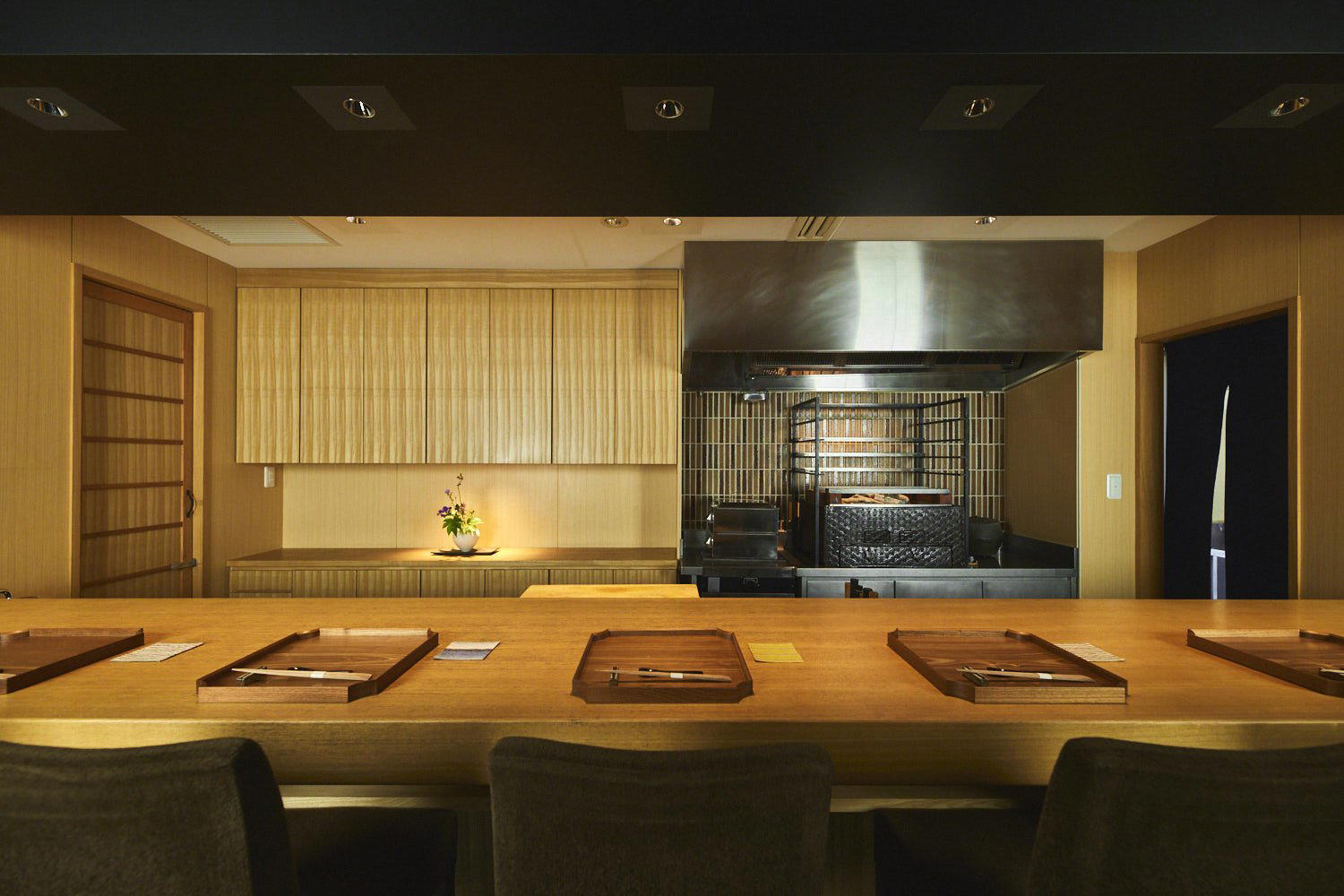
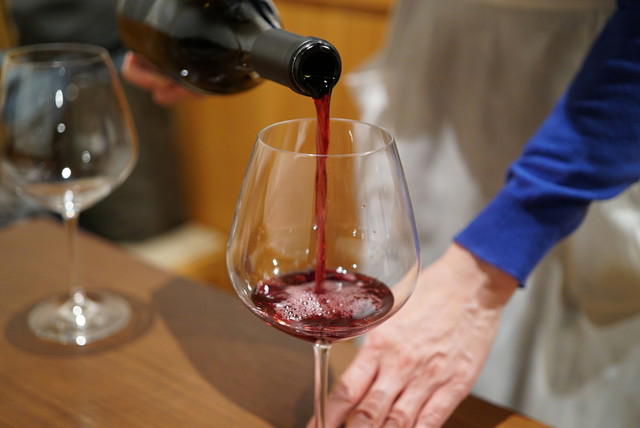
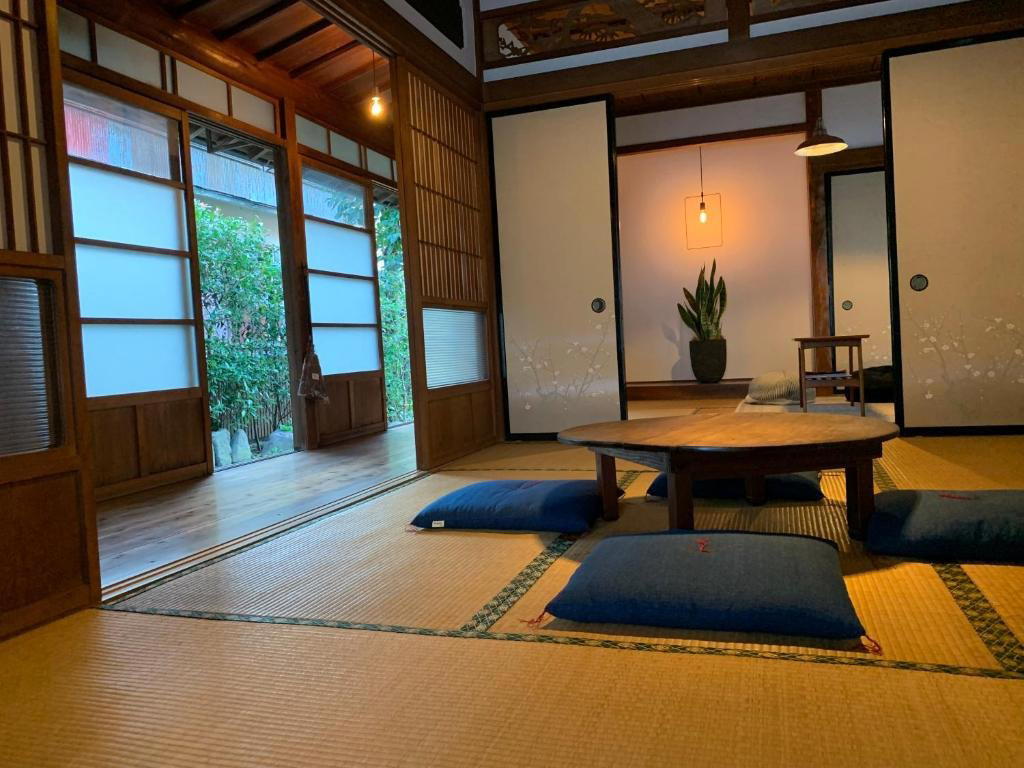
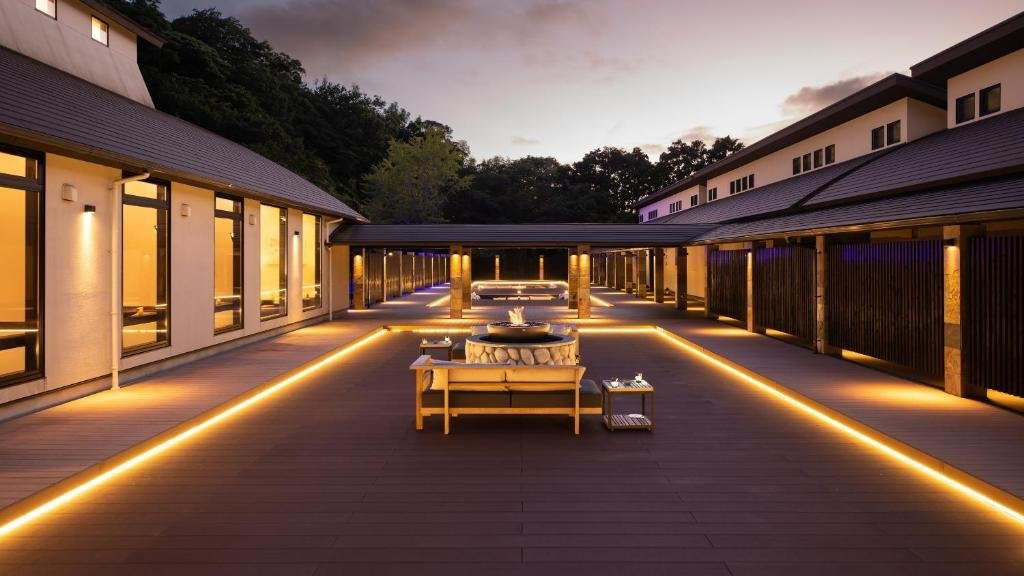
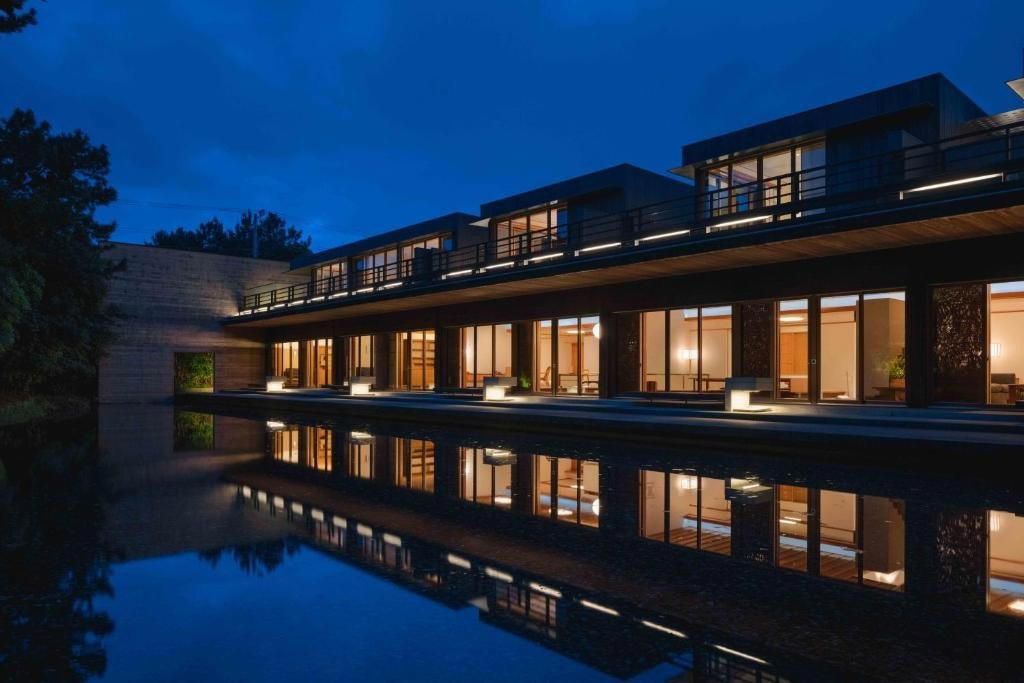
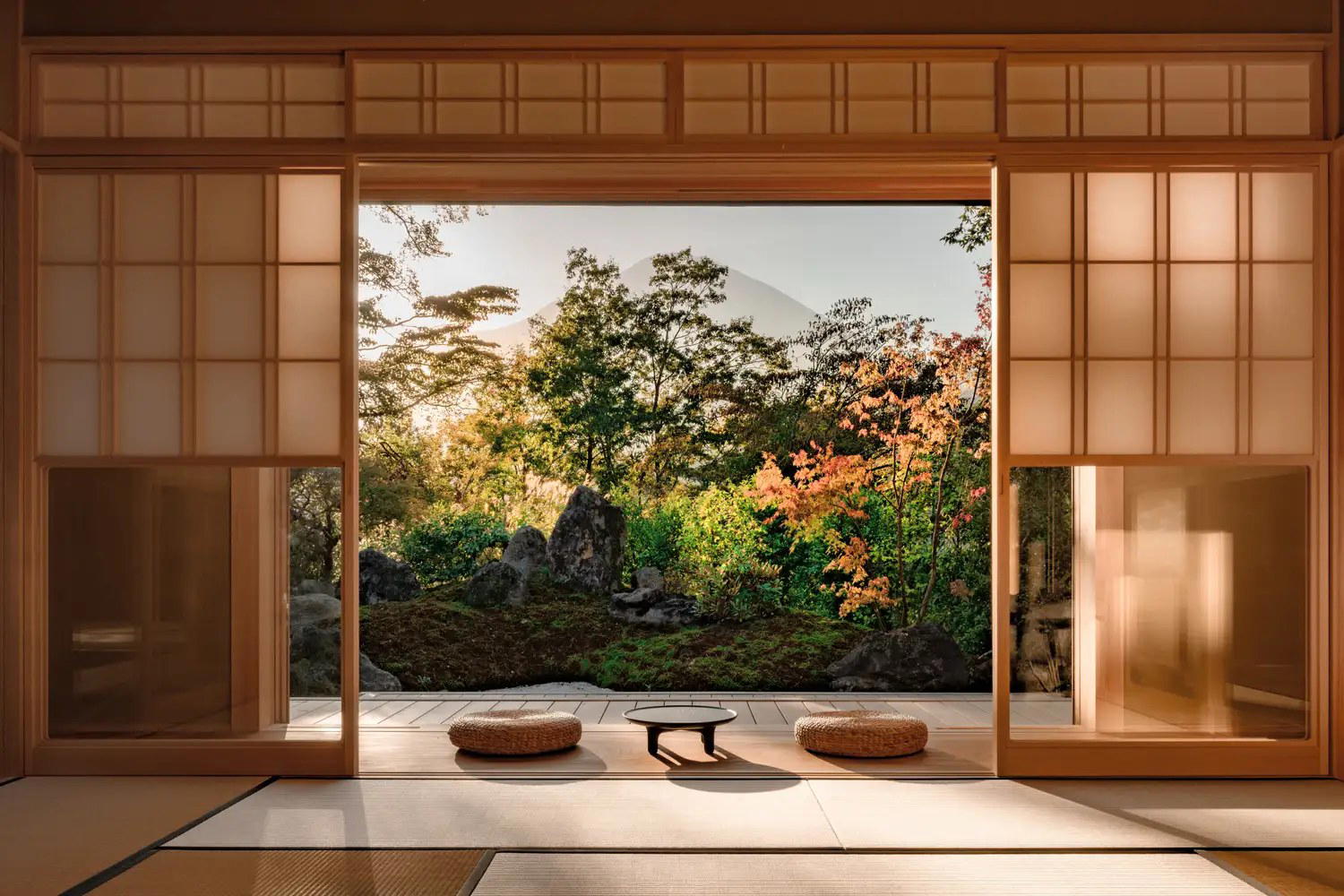
Warm and welcoming with natural light from terrace views overlooking vineyards; mellow and relaxed atmosphere suitable for wine education and leisure.