Abadía Retuerta


The estate sits outside the Ribera del Duero DO boundaries, which gives it unusual latitude to work with non-standard blends and single-plot expressions that most of the appellation's producers cannot.
Pearl is the En Primeur Club membership app — saves, bookings, and concierge access live there. Same editors, same standards.
- Address
- Abadía Retuerta N-122, km. 332,5, 47340 Sardón de Duero, Valladolid
- Phone
- +34 983 68 76 00
- Website
- abadia-retuerta.com
- Directions
- Get directions
 Saves & bookings on Pearl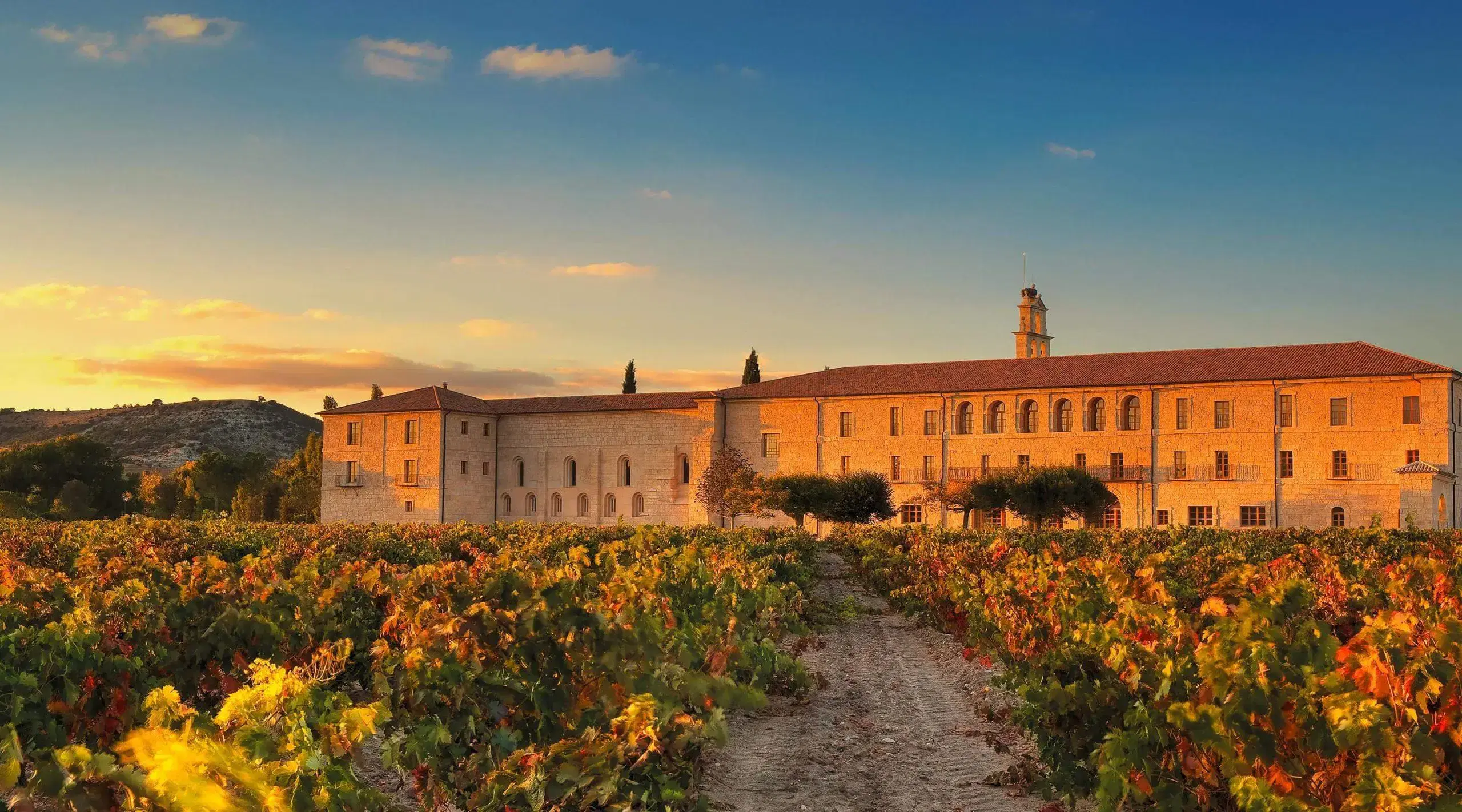
Stone, Soil, and Eight Centuries of the Duero Corridor
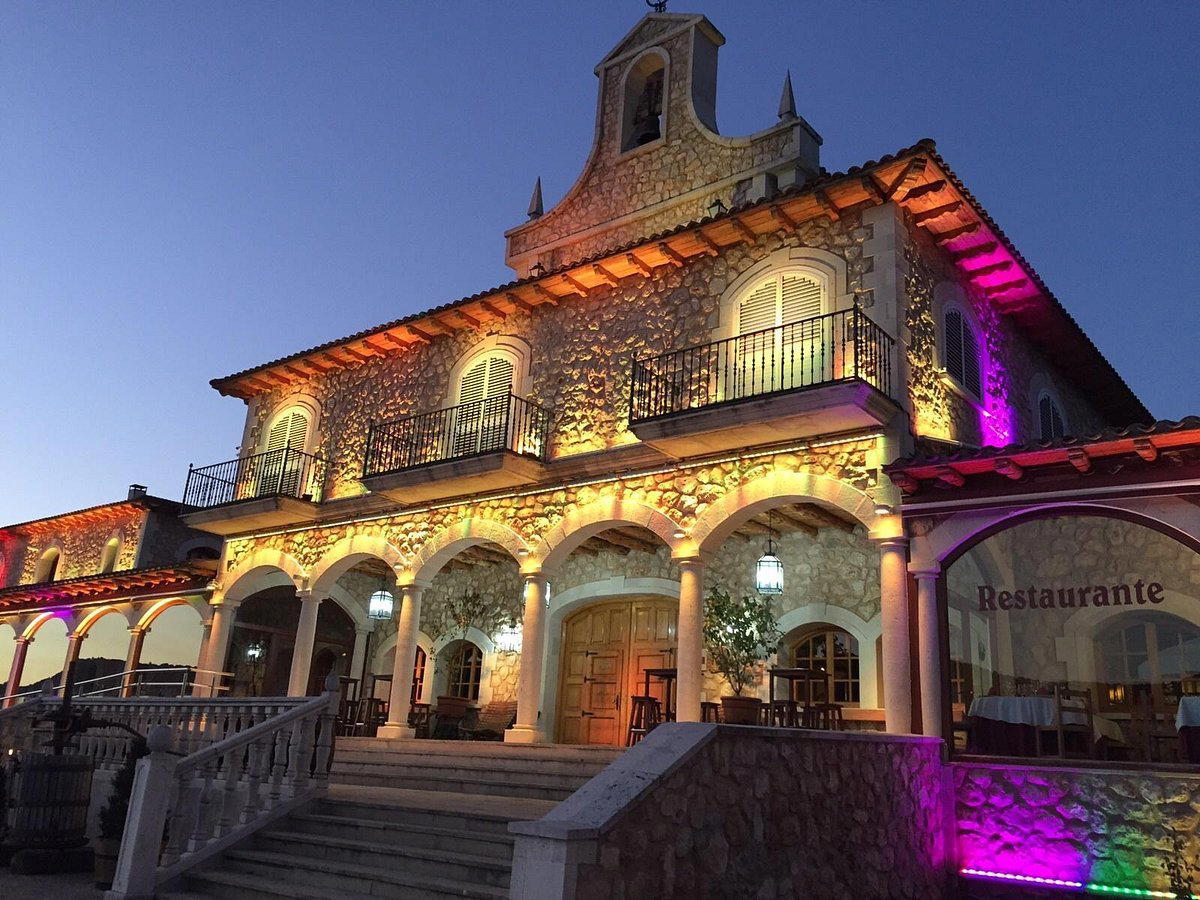
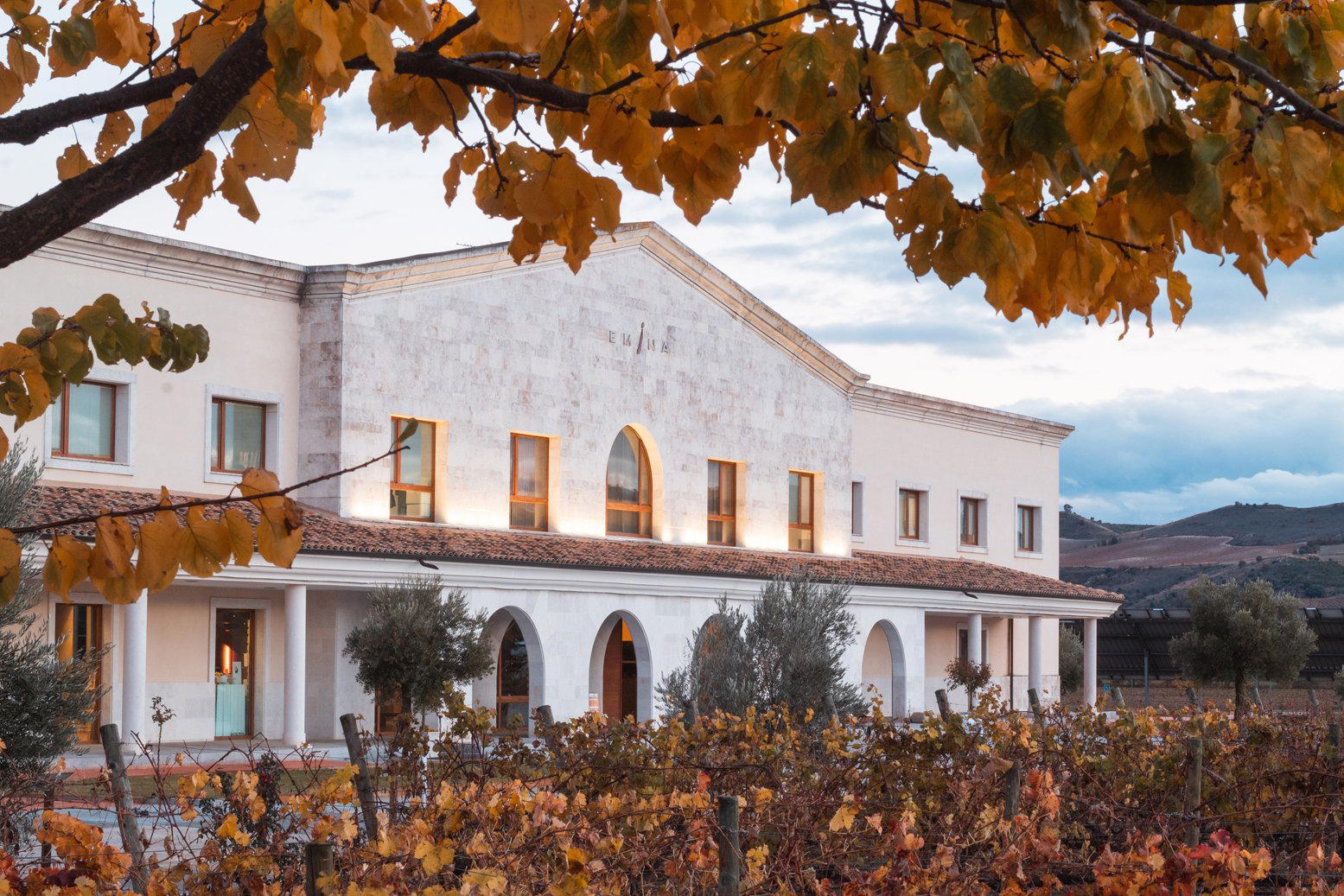
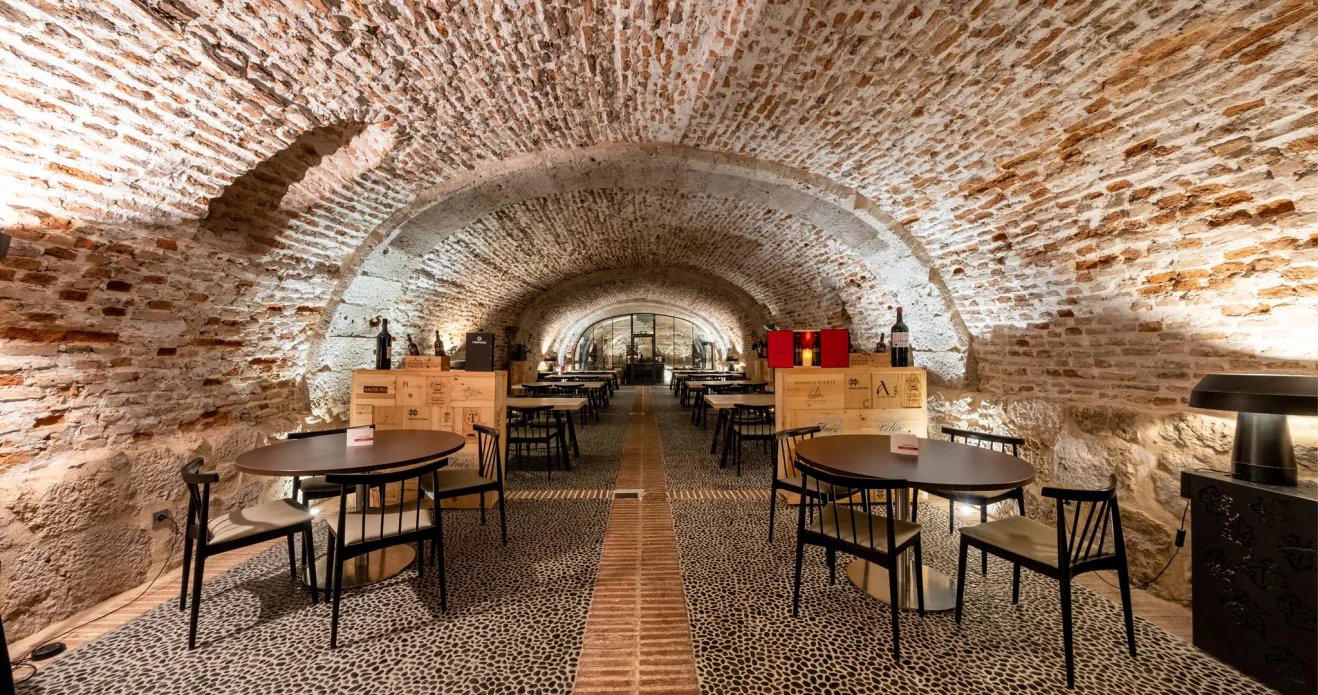
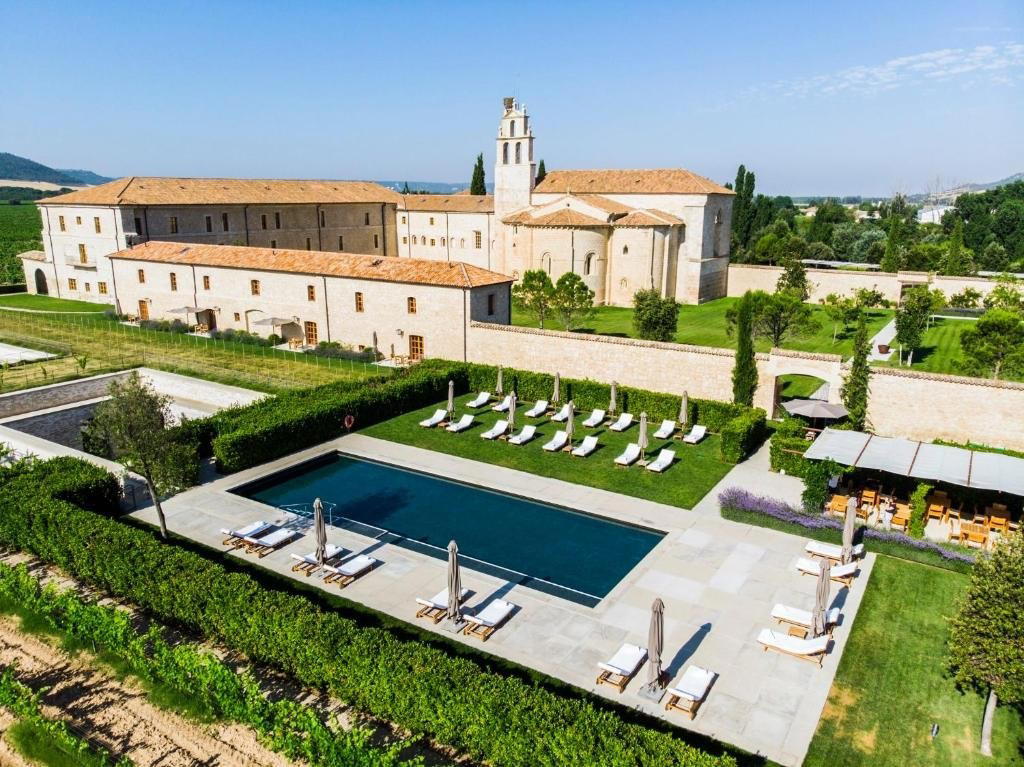
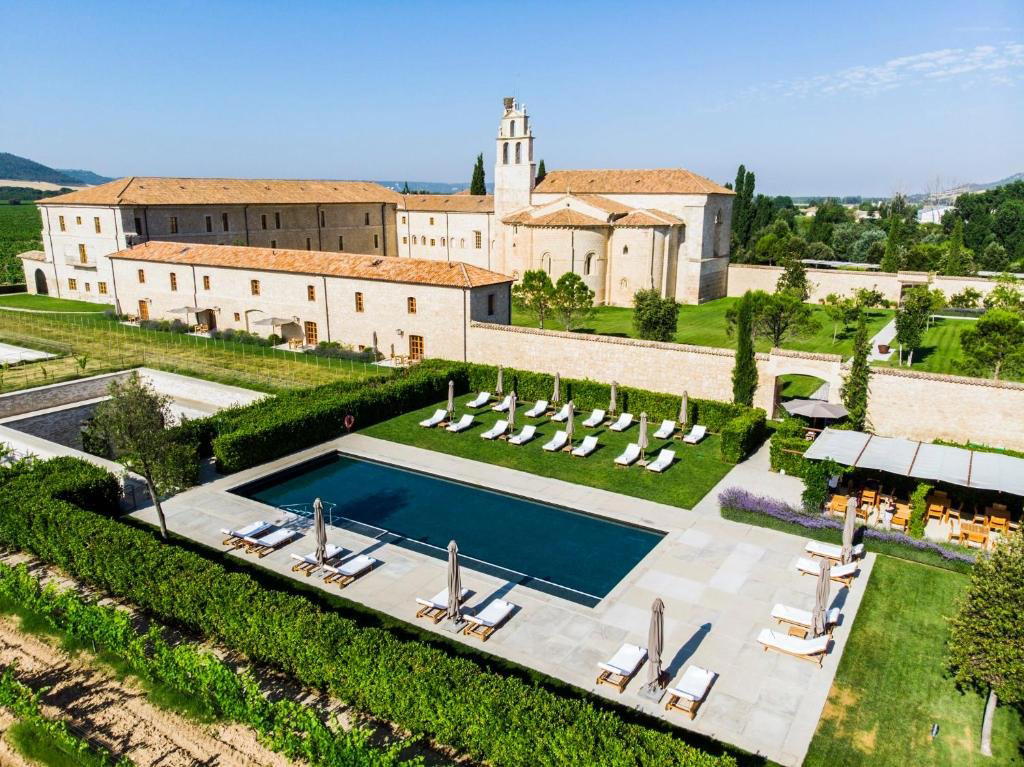
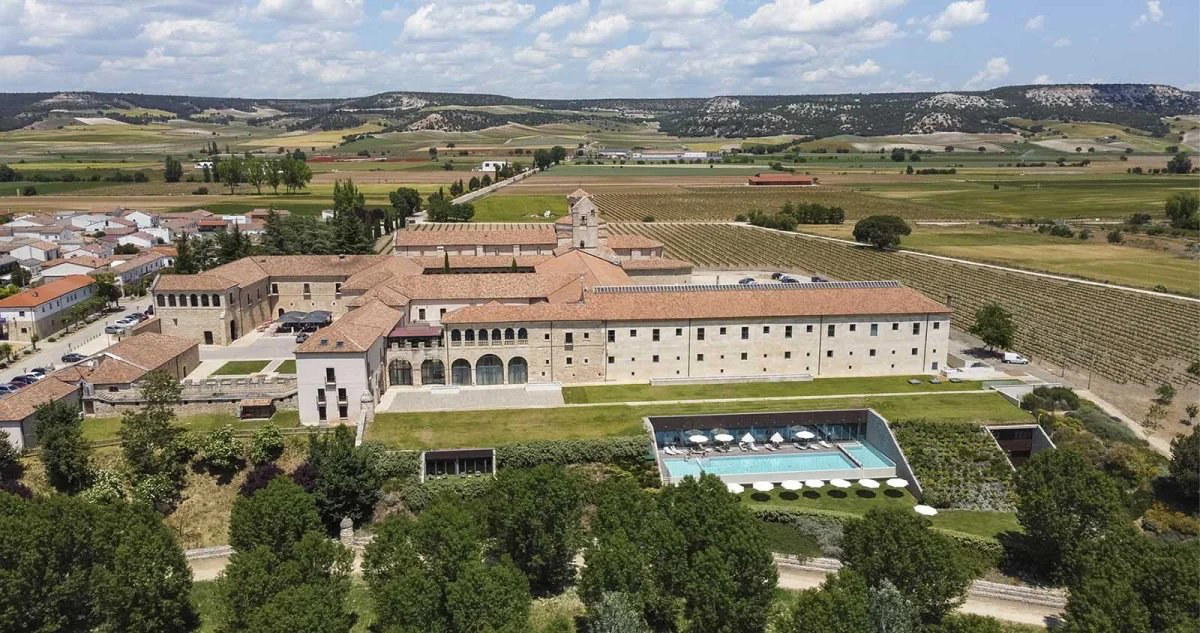
Arriving at Abadía Retuerta, the first impression is architectural rather than viticultural. Twelfth-century stonework rises above the vineyard plateau along the N-122, roughly 35 kilometres west of Valladolid, and the building's vaulted ceilings — now set against contemporary design interventions and modern winemaking infrastructure — make the tension between permanence and precision visible before a single glass is poured. That juxtaposition is not decorative. It is, in a sense, the estate's operating thesis: ancient site, serious technical ambition, wines that have to justify both.
The location places Abadía Retuerta in an unusual competitive position within the Duero corridor. Estates like Arzuaga Navarro in Quintanilla de Onésimo and Emilio Moro in Pesquera de Duero operate squarely within Ribera del Duero DO rules. Abadía Retuerta does not. Its vineyards sit just outside the appellation boundary, technically in Vino de la Tierra de Castilla y León, which removes the regulatory framework that governs grape variety ratios and viticultural practice for most of its neighbours. That freedom is consequential.
What the Land Imposes and What the Estate Does with It
The plateau around Sardón de Duero shares the same broad geological narrative as Ribera del Duero proper: high-altitude meseta, limestone and clay subsoils, and a continental climate that delivers hot dry summers and severe winters. Diurnal temperature swings during the ripening season are significant enough to preserve acidity even at full phenolic maturity, which is the structural mechanism behind the region's capacity for age-worthy red wines. For visitors oriented toward terroir expression, this is the climatic detail that matters most.
What Abadía Retuerta adds to that regional baseline is access to a single large estate with meaningfully different soil profiles across its vineyard blocks. Single-plot winemaking in this context is not a marketing convention, it reflects genuine variation in drainage, aspect, and subsoil composition across a contiguous site. The estate's position outside the DO boundary means it can also work with grape varieties and blending proportions that the appellation's rules would restrict elsewhere along the Duero. Tempranillo remains the anchor, as it does across the Duero corridor, but the latitude to incorporate other varieties in significant proportions distinguishes the estate's range from producers working strictly within Ribera del Duero specifications.
The 2025 Decanter awards results give some external calibration for where the current releases stand. Four wines were submitted; one received Gold, two Silver, and one Bronze. For a Vino de la Tierra estate without the appellation endorsement that Ribera del Duero carries, that kind of third-party validation carries particular weight.
The Estate in Its Regional Context
The Duero corridor has developed a layered hierarchy of wine producers since the late 1980s, when international attention on Spanish fine wine concentrated heavily on this stretch of the Meseta. Bodegas Protos in Peñafiel represents the appellation's historic cooperative tradition, now operating as one of its larger commercial estates. At the other end of the scale, micro-production estates like Clos Mogador in Gratallops, operating in a different Spanish region entirely, demonstrate how single-estate, boundary-testing production can build a reputation that transcends appellation constraints. Abadía Retuerta operates in a similar conceptual space within Castilla y León: estate-first, terroir-driven, and working with an identity that does not depend on the DO name on the label.
Further afield, the contrast with large heritage houses like Codorníu in Sant Sadurní d'Anoia or CVNE in Haro is instructive. Those estates built reputations across multiple generations and at significant volume. Abadía Retuerta's proposition is more concentrated: fewer wines, a defined estate footprint, and a direct argument about what this specific plateau expresses in bottle.
Elsewhere in Spain's premium wine geography, Marqués de Cáceres in Cenicero and Marqués de Griñón in Malpica de Tajo both represent the model of working outside or at the edges of established appellations with a focus on international varieties and technical precision. Bodegas Vivanco in Valle de Mena and Bodegas Ysios in Laguardia show how architectural ambition has become part of the visitor proposition for premium Spanish estates, a pattern that Abadía Retuerta's monastery setting extends into a different register entirely. Lustau in Jerez de la Frontera and González Byass in Jerez operate in a completely different category, Sherry rather than still reds, but they share the characteristic of estates where the physical experience of visiting carries significant weight alongside the wines themselves.
The Visit and What to Taste
The Decanter medal portfolio from 2025 is the clearest public signal of which wines in the current range have been tested at international level. The Gold-medal wine is the obvious starting point for a focused tasting; the two Silver-medal wines round out a coherent picture of the estate's range. A single-plot flight, if available through the estate's tasting programme, will demonstrate the terroir-differentiation argument more concretely than any description of soil types can.
The monastery itself functions as a hotel and dining destination in addition to a winery, which means the tasting experience is embedded in a broader hospitality proposition. Visiting from Valladolid (approximately 35 kilometres by road) is direct as a day trip, though the estate's accommodation offering makes an overnight stay viable for those who want to be on site at cellar hours before tourist arrivals thin out the experience. Booking in advance for structured tastings is advisable, particularly in the summer months when the Duero corridor draws significant international wine tourism.
For visitors building a broader itinerary around the Duero corridor, our full Sardón de Duero restaurants and wine guide maps the area's eating and drinking options around the estate. International comparisons, including Accendo Cellars in St. Helena and Aberlour in Aberlour, illustrate how single-estate precision production plays out across different wine categories and climates, useful context for placing Abadía Retuerta's approach within a global frame rather than a purely Spanish one.
Recognition history
Dated appearances from independent guides and award organizations, with the underlying list record or original source where available.
Falstaff Winery - 5 Stars
Falstaff
World's 50 Best Best Vineyards #38
World's 50 Best
World's 50 Best Best Vineyards #8
World's 50 Best
World's 50 Best Best Vineyards #27
World's 50 Best
World's 50 Best Best Vineyards #29
World's 50 Best
World's 50 Best Best Vineyards #32
World's 50 Best
Continue exploring
More in Sardón de Duero
Wineries in Sardón de Duero
Browse all →
Bars in Sardón de Duero
Browse all →
Restaurants in Sardón de Duero
Browse all →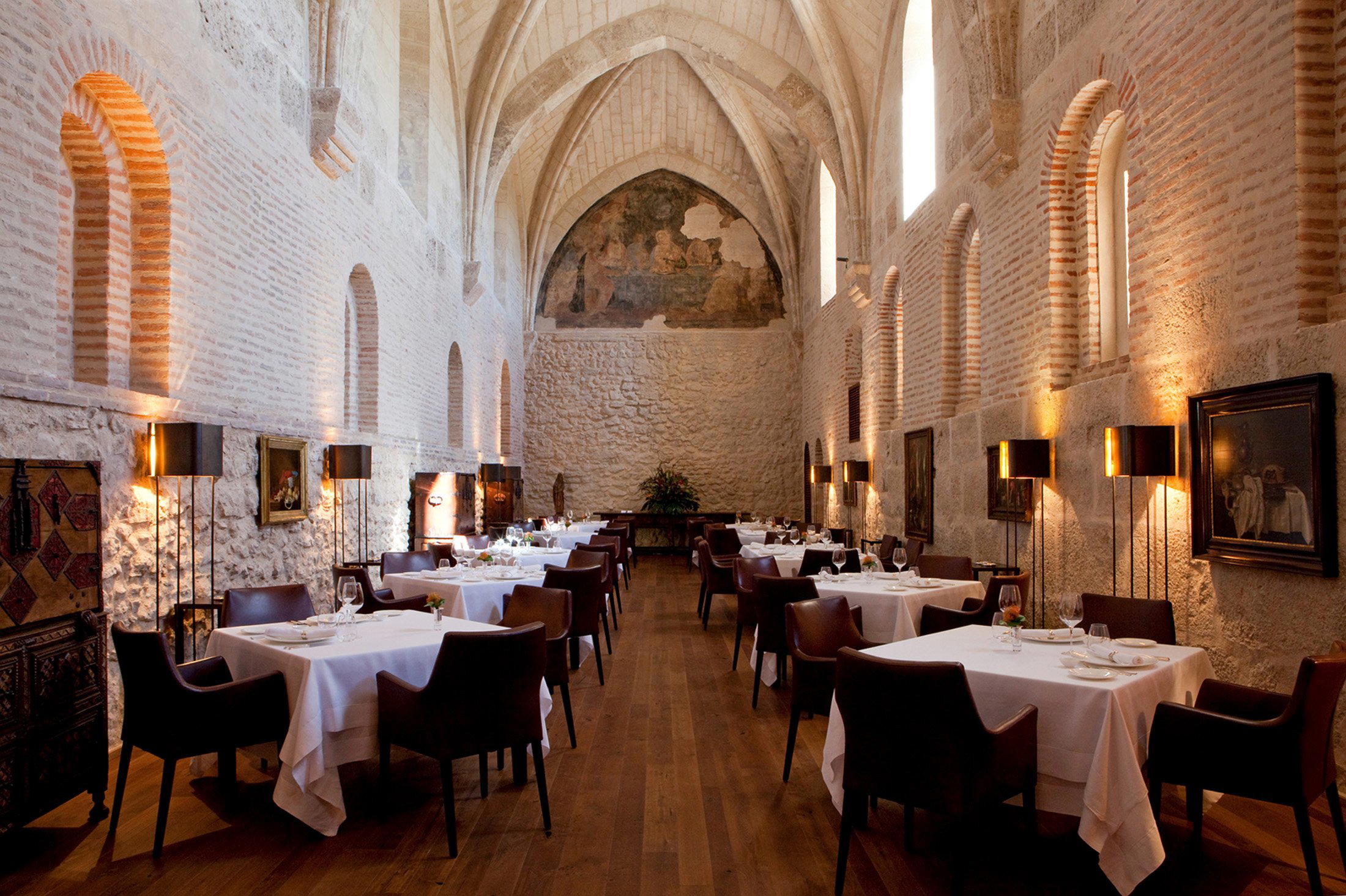


At a Glance
- Elegant
- Scenic
- Rustic
- Sophisticated
- Historic
- Romantic Getaway
- Special Occasion
- Wine Education
- Vineyard Tour
- Historic Building
- Panoramic View
- Private Tasting
- Sustainable
- Vineyard
- Garden
- Vino De Pago Abadía Retuerta
- Tempranillo
- Cabernet Sauvignon
- Syrah
- Merlot
- Petit Verdot
- Sauvignon Blanc
- Verdejo
- Still Red
- Private Tasting
- Wine Cellar
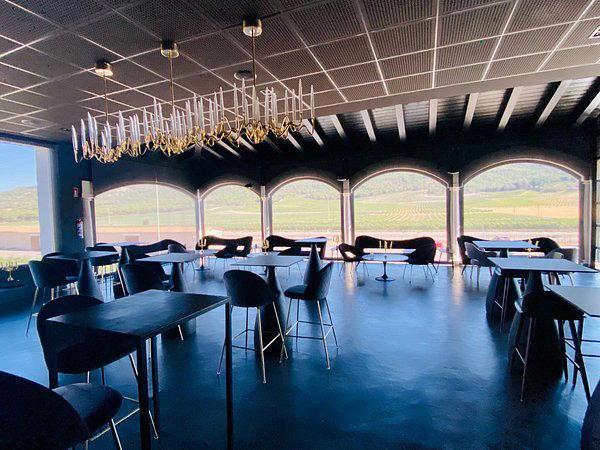
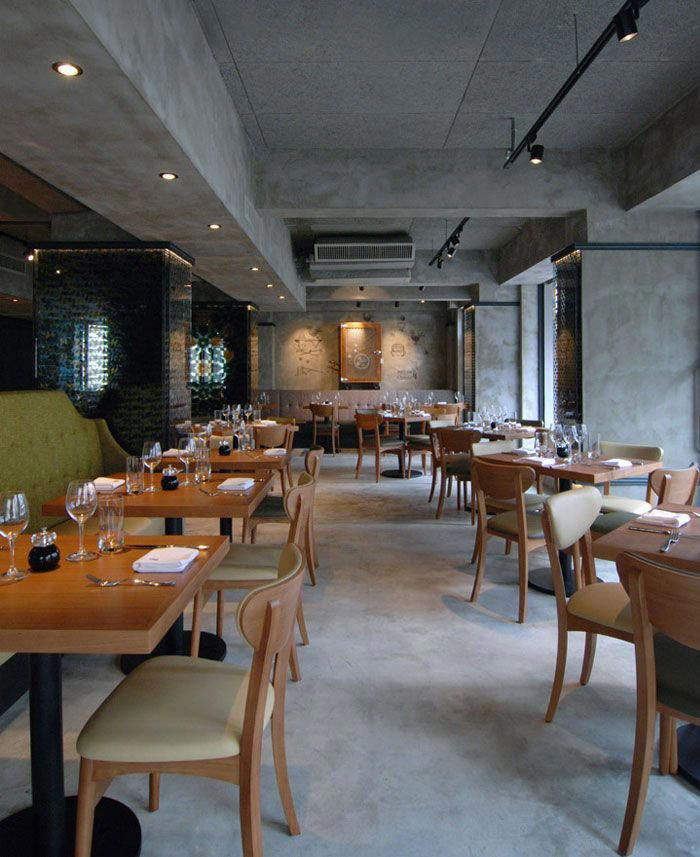
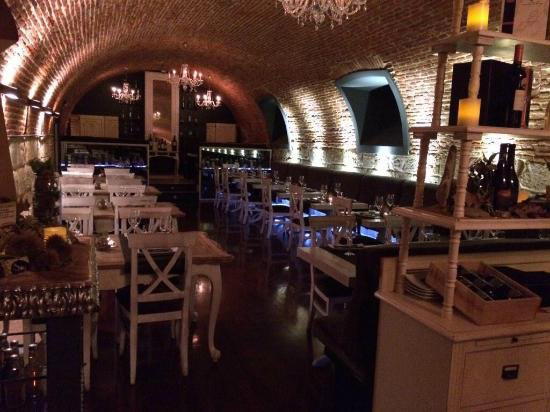
Serene and elegant monastic atmosphere with historic architecture, jewel-toned luxury interiors, and vineyard views.
Know Before You Go
- Getting there
- Abadía Retuerta N-122, km. 332,5, 47340 Sardón de Duero, Valladolid