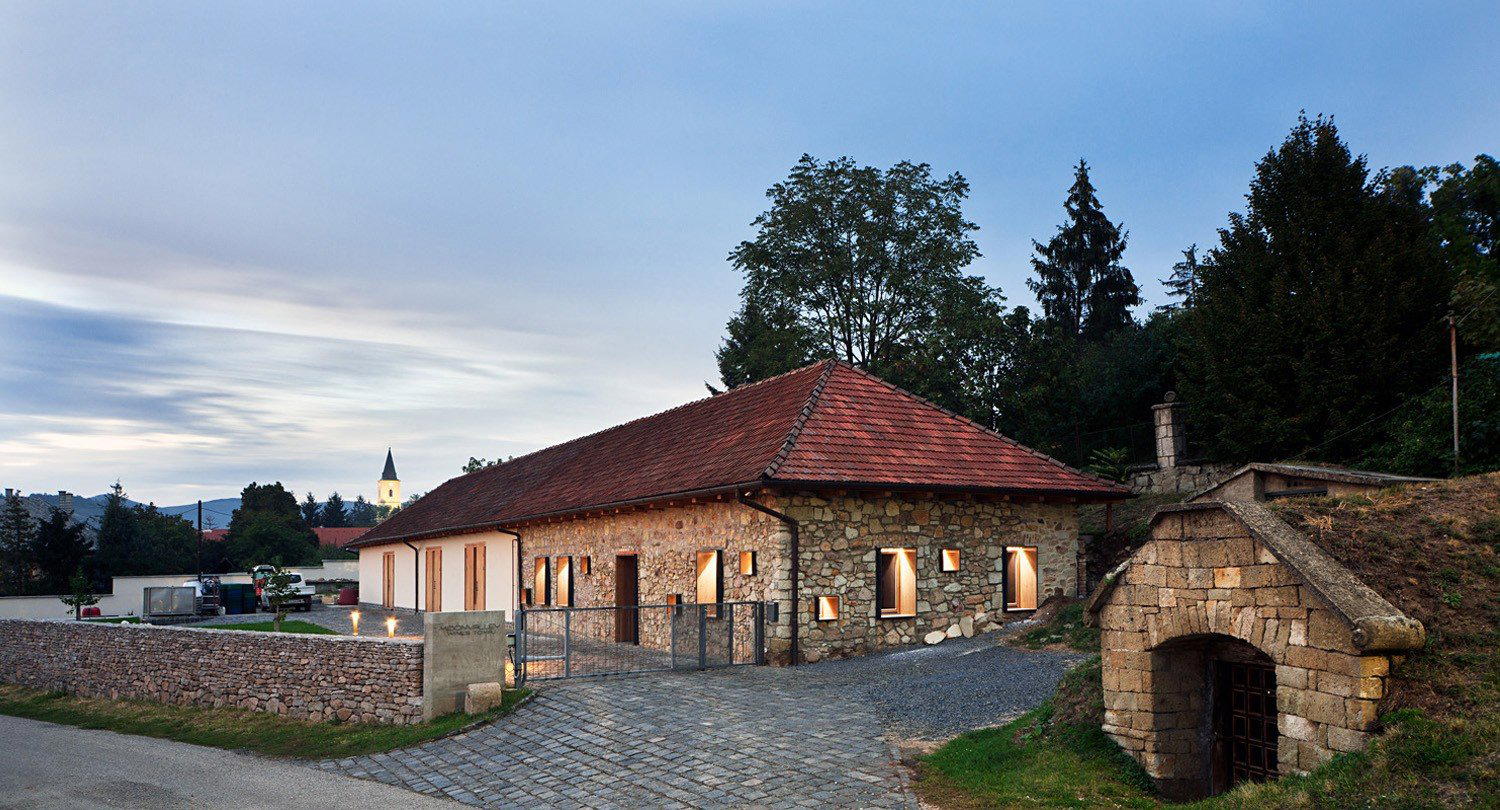
Árvay Winery operates from the small Tokaj-Hegyalja village of Rátka, where the appellation's volcanic soils and continental microclimate shape wines that carry the region's distinct mineral character. For visitors interested in terroir-driven Tokaj production, Rátka offers a quieter entry point than the better-known village centres.

Pearl is the En Primeur Club membership app — saves, bookings, and concierge access live there. Same editors, same standards.
- Address
- Rátka, Széchenyi tér 13, 3908
- Phone
- +36 30 318 3380
- Website
- arvay.eu
- Directions
- Get directions
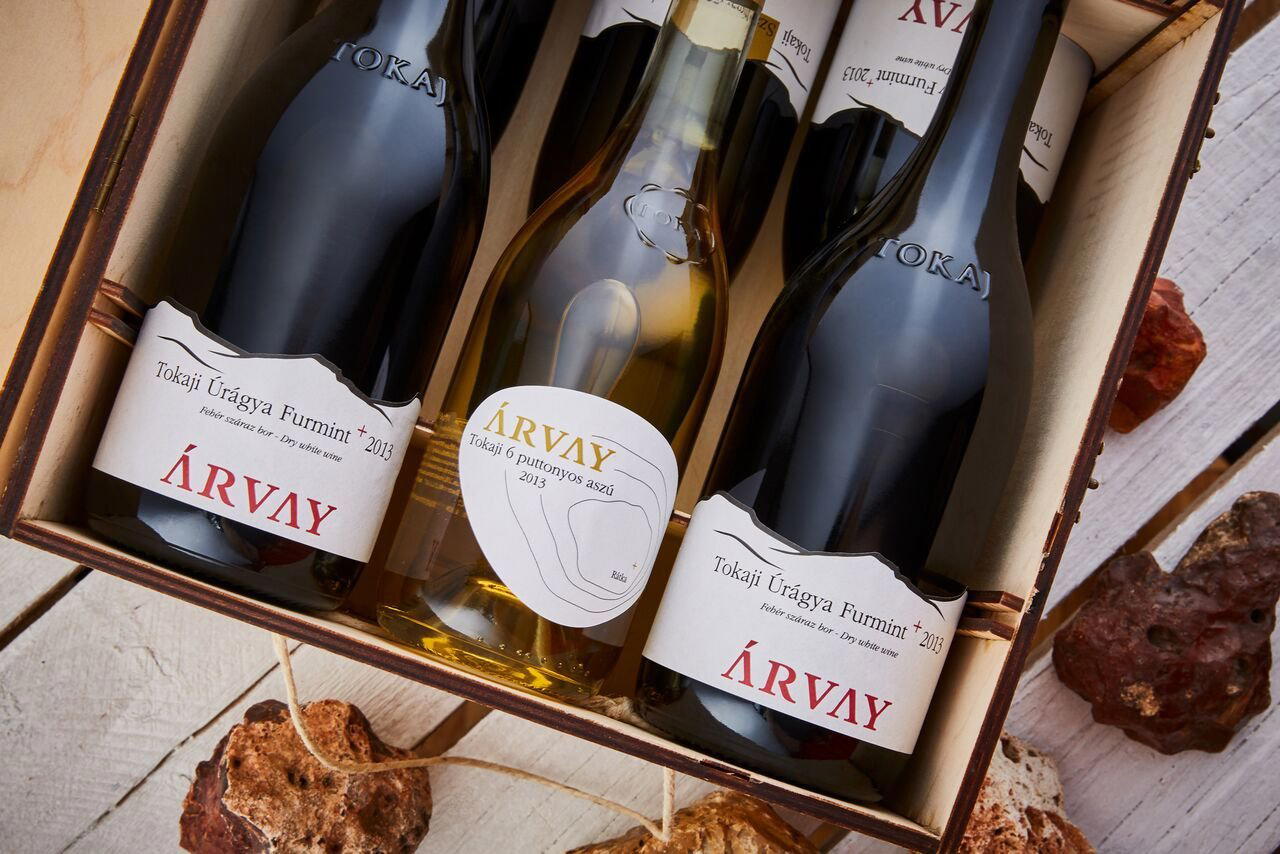
Rátka and the Terroir of Tokaj-Hegyalja
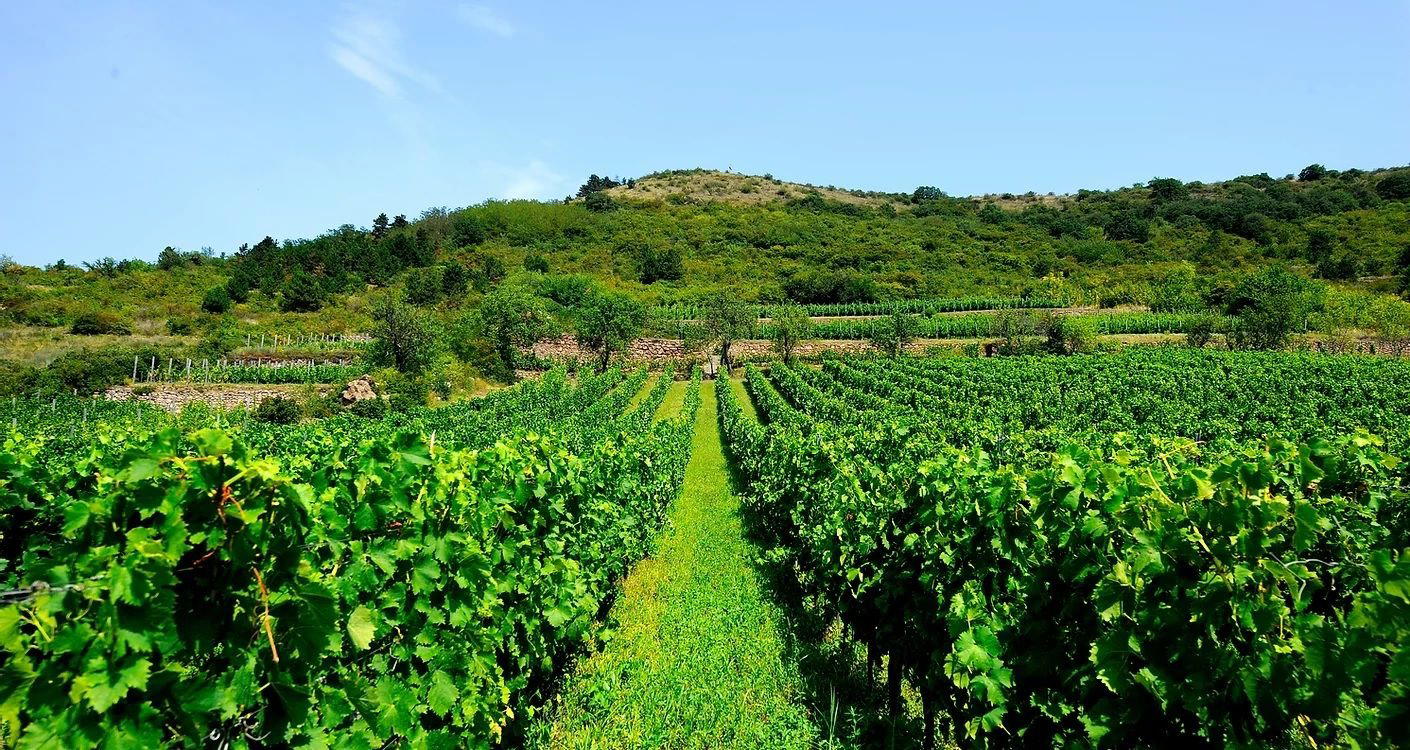
The Tokaj wine region in northeastern Hungary has been producing wine since at least the twelfth century, and the soils that define it are not metaphorical. The hillsides of the Tokaj-Hegyalja designation sit on rhyolite and andesite bedrock, overlaid with clay-rich loess and the decayed volcanic material that locals call nyirok. This combination retains moisture during dry summers while draining quickly enough to concentrate sugars in late-season grapes. That concentration is the geological precondition for Aszú, the botrytis-affected style that made the appellation internationally recognised long before the modern premium wine trade existed.
Rátka is one of the smaller communes within this appellation. It sits to the northwest of the main production axis that runs through Mád, Tállya, and Tokaj itself, and that geographic position shapes what visitors experience. The village operates at a quieter register than the more-visited centres. Széchenyi tér, the square where Árvay Winery sits at number 13, reflects the unhurried pace of a settlement where wine production is structural to the local economy rather than a tourism overlay.
Where Árvay Sits in the Regional Picture
The Tokaj-Hegyalja appellation contains dozens of producers operating across a wide range of scales and stylistic priorities. At the top of the recognition tier, names like Royal Tokaji in Mád and Disznókő in Mezőzombor have accumulated international distribution networks and media profiles over several decades. Closer in geography and scale, producers such as Carpinus Winery in Bodrogkisfalud and Château Dereszla in Bodrogkeresztúr represent the mid-tier of the appellation, where terroir specificity tends to matter more to the producer than volume targets.
That award functions as a benchmark signal: it places Árvay in a peer group that includes producers working at a level where single-vineyard sourcing, site selection, and harvest discipline are traceable in the glass. Among other Tokaj-region producers earning comparable recognition, Tokaj Hétszőlő in Tokaj and Tokaj Oremus in Tolcsva represent the established names in that bracket.
For a broader view of how Hungary's wine regions compare, the contrast with Eger and Villány is instructive. Eger's producers, including Bolyki Winery, work primarily with red varieties on limestone-heavy soils that produce a different mineral signature. Villány, where Bock Winery operates, sits in Hungary's warmest wine-growing zone, which pushes toward fuller-bodied Cabernet-dominant styles. Tokaj-Hegyalja's distinctive character, rooted in volcanic geology and the specific humidity patterns that encourage noble rot, makes it categorically different from those appellations.
The Volcanic Soil Argument
Producers across Tokaj-Hegyalja vary in how explicitly they frame their wines through soil type, but the geology is consistent enough that it functions as a reliable lens for understanding what separates one village's production from another. In Rátka, the nyirok content in the topsoil is high relative to some of the sandier plots found closer to the Bodrog river. Wines from clay-dominant volcanic decomposition tend to carry more textural weight and mineral tension than those from lighter soils, which produce earlier-drinking, more aromatic expressions of Furmint and Hárslevelű.
Furmint, the primary white variety of the appellation, expresses volcanic terroir with unusual fidelity. Its naturally high acidity means that site differences show up clearly in the structural balance of the wine: a Furmint from a cooler, clay-rich plot will carry more tension and age differently than one from a south-facing, well-drained slope exposed to maximum sun hours. This site-sensitivity has driven serious producers across the region toward single-vineyard releases that function as direct terroir arguments rather than blended appellation statements.
The Aszú format, in which individually harvested botrytised berries are measured in puttonyos and added to base wine, introduces a different set of variables. The concentration of flavour compounds in affected berries is extraordinary, and the resulting wines carry a tension between sweetness and acidity that has historically made them long-lived. Six-puttonyos Aszú from well-structured vintages can develop over decades. That longevity is inseparable from the soil chemistry that drives the acidity of Furmint grapes grown in volcanic conditions.
Visiting Rátka: Practical Considerations
Rátka is accessible by road from Tokaj town, which sits approximately at the southern end of the appellation and has direct rail connections to Budapest (the journey runs around two and a half hours by intercity train). The village is small, and Széchenyi tér is the navigational anchor. Visitors to the Tokaj-Hegyalja region typically base themselves in Tokaj or Mád and move through the villages by car, which is the most efficient way to combine tastings at producers spread across the appellation's northern and southern zones.
As with most serious Tokaj producers, contacting Árvay Winery directly before arrival is advisable. The winery's address is Rátka, Széchenyi tér 13, 3908. Phone and website details were not available at the time of publication; the most reliable approach for visitors planning a dedicated tasting visit is to make inquiries through regional tourism contacts or through accommodation staff in Tokaj who maintain current producer relationships. The scale and pace of Rátka as a village means this is not a drop-in destination in the way that some of the region's larger tasting rooms operate.
Visitors building a broader Hungarian wine itinerary may also find value in extending to other appellations. Béres Winery in Erdőbénye offers another Tokaj-Hegyalja reference point, while producers in Szekszárd such as Bodri Winery and in western Hungary like Babarczi Winery in Győr show how different the country's red-dominant and Pannonian-influenced appellations taste relative to the volcanic northeast. For visitors with broader European interests, Bussay Pince in Csörnyeföld and international comparators including Aberlour and Accendo Cellars in St. Helena give a sense of how differently terroir-driven producers operate across climates and traditions. Our full Rátka restaurants guide covers additional options in the village.
How It Stacks Up
Comparable venues nearby, for context on price, style, and recognition.
| Venue | Cuisine | Price | Awards | Notes |
|---|---|---|---|---|
| Árvay WineryThis venue — the venue you are viewing | Furmint, Hárslevelű | Not listed | Not listed | Not listed |
| Szőlőskert Pincészet (Mátra) | Winery | Not listed | Not listed | Gyöngyös |
| Holdvölgy | Furmint, Hárslevelű | $20–30 | Falstaff Winery - Listed | Mád |
| Crocus Winery | Winery | Not listed | Not listed | Tokaj |
| Gálné Dignisz Éva Winery | Winery | $1–10 | Not listed | Felsőlajos |
| Carpinus Winery | Furmint, Hárslevelű | Not listed | Not listed | Bodrogkisfalud |
Details
- Rustic
- Scenic
- Intimate
- Classic
- Wine Education
- Solo Exploration
- Group Outing
- Vineyard Tour
- Estate Grounds
- Organic
- Vineyard
- Mountain
- Furmint
- Hárslevelű
- Sauvignon Blanc
- Sárga Muskotály
- Chardonnay
- Still White
- Dessert
- Cave Tasting
- Private Tasting
- Hungarian
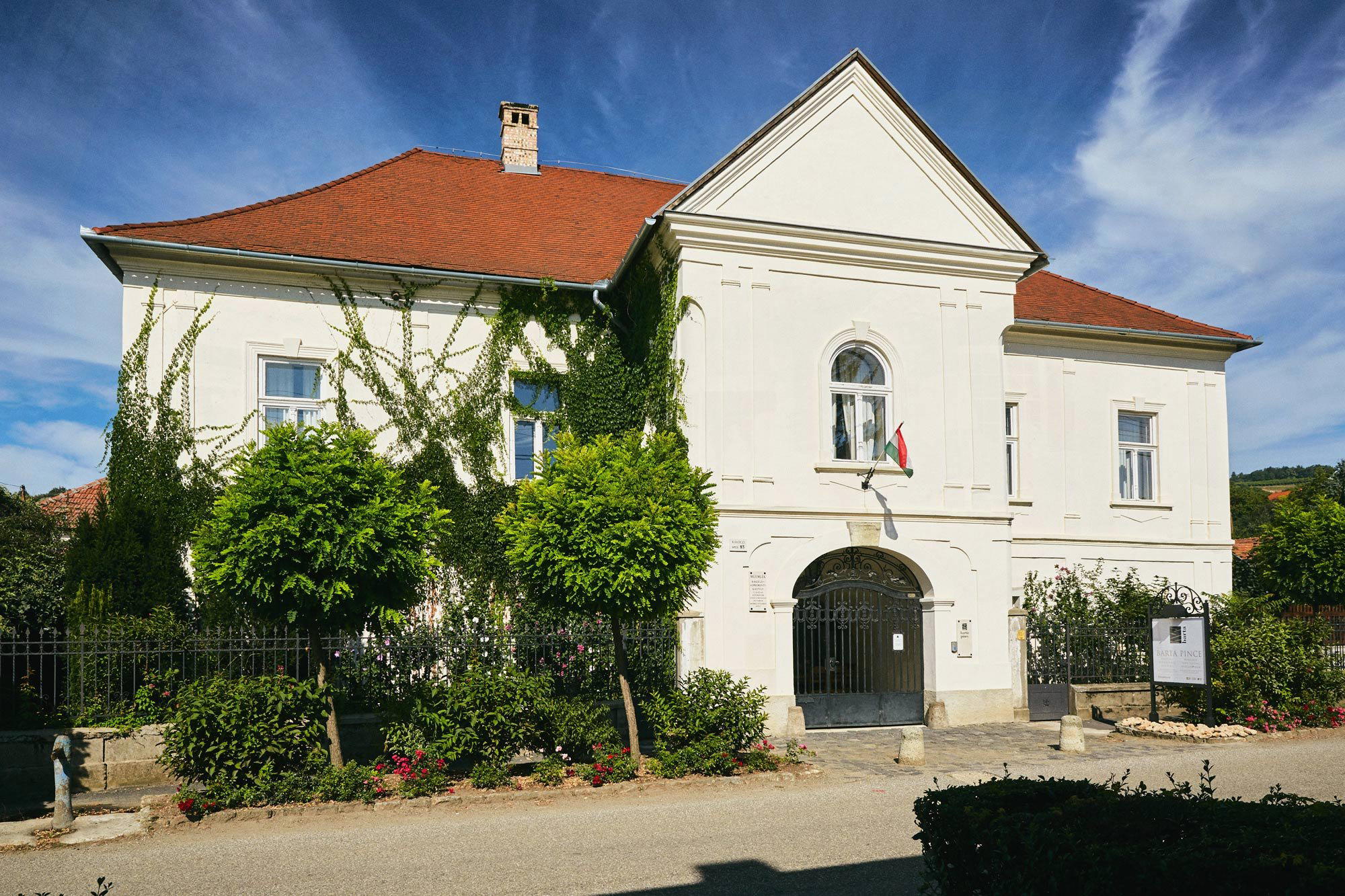
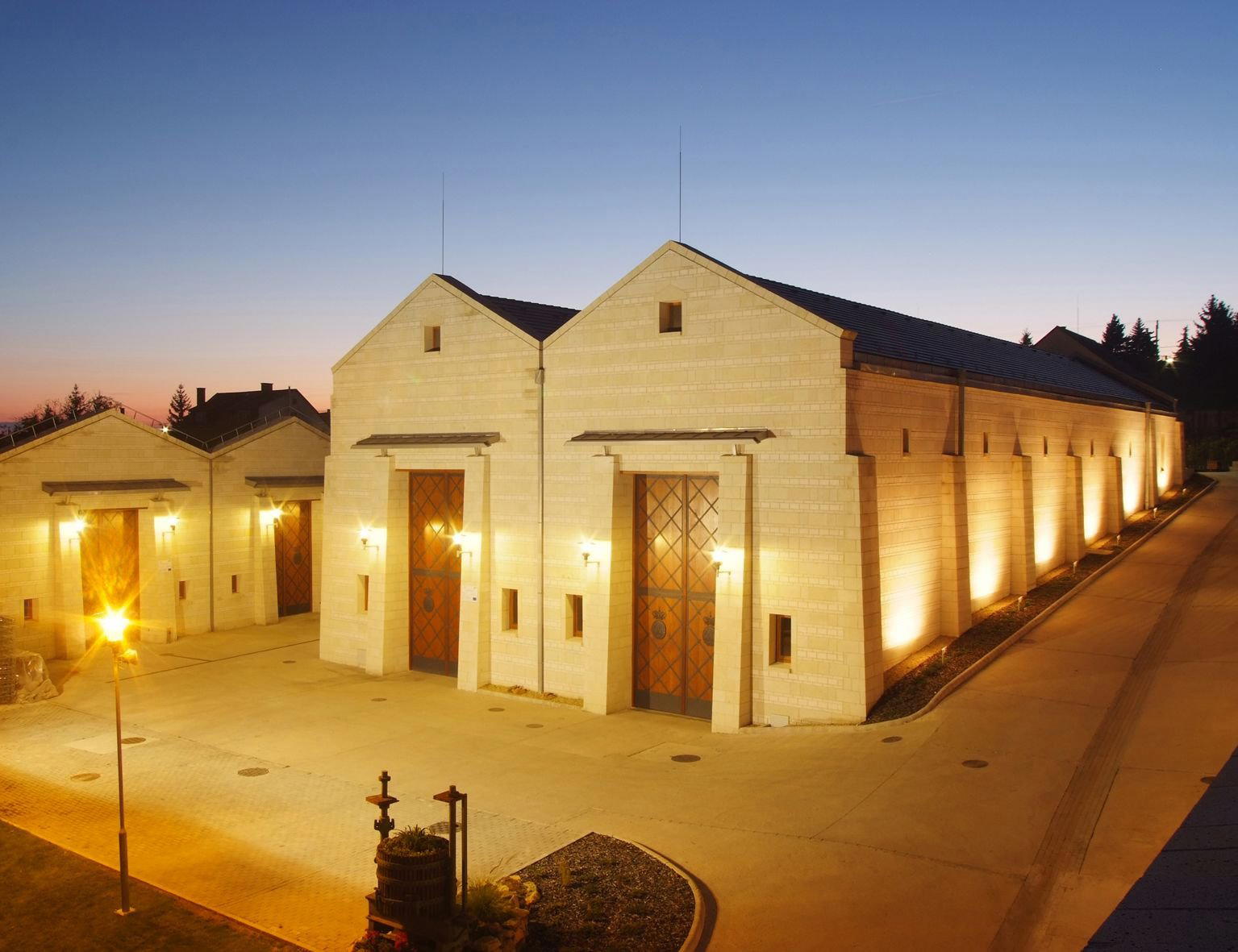
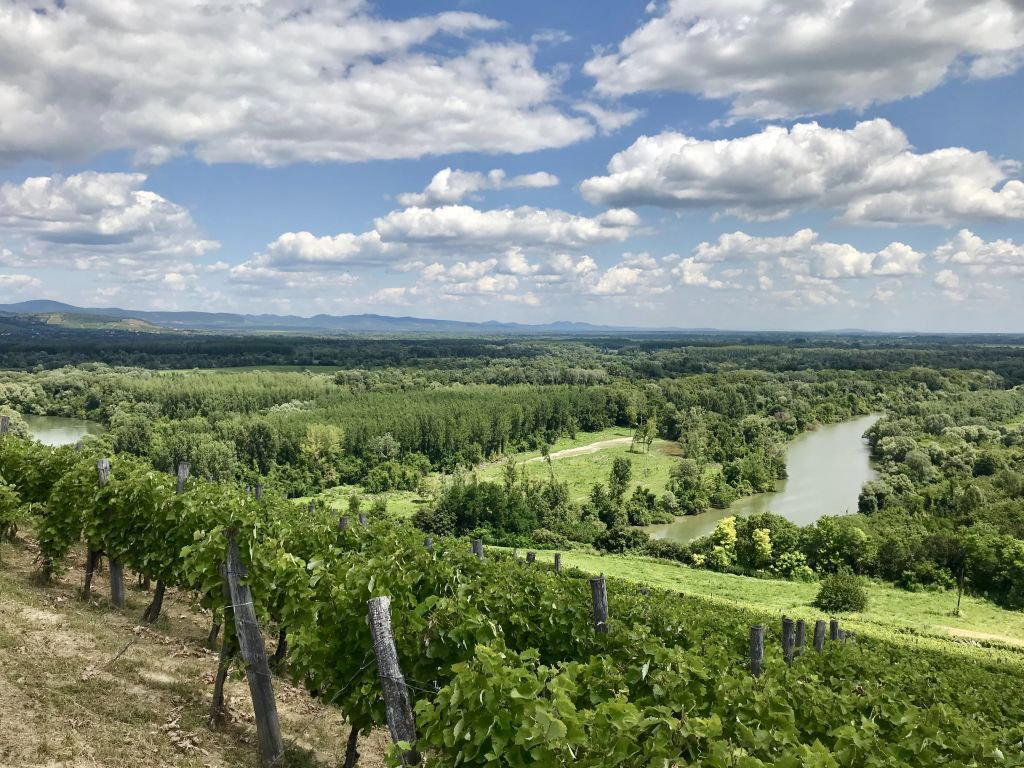
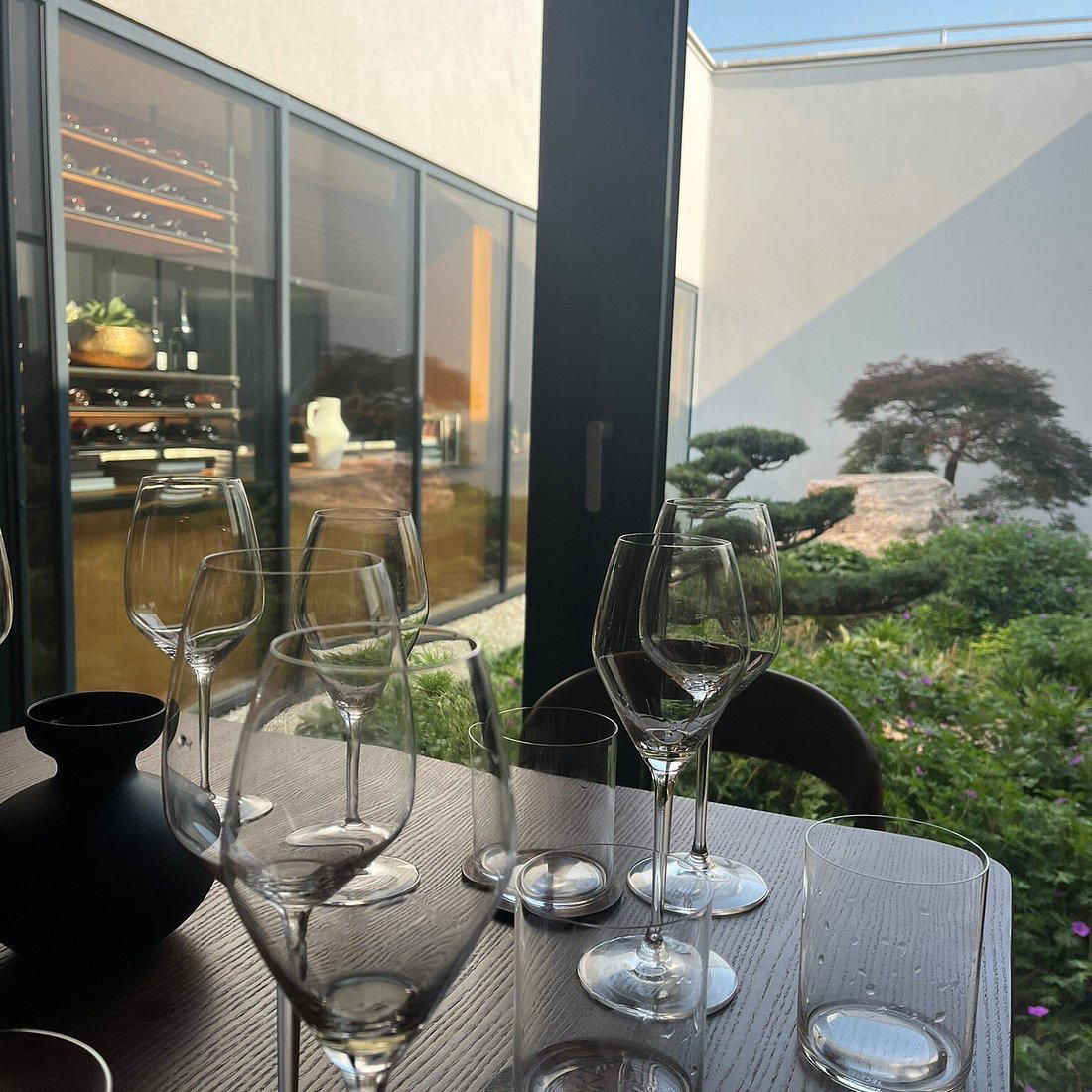
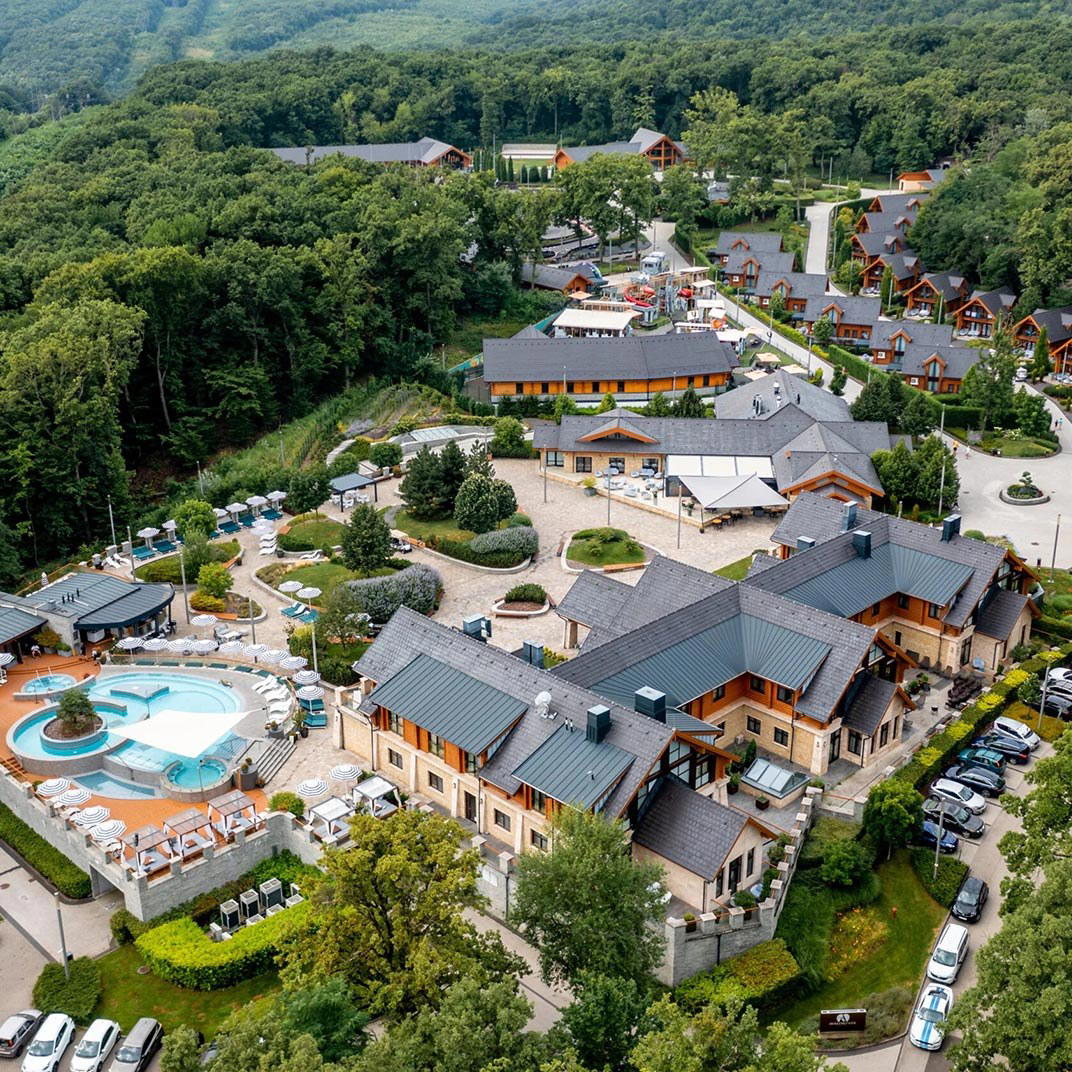
Cozy and authentic winery atmosphere in a traditional Hungarian village setting, focused on intimate wine tastings amid dramatic volcanic landscapes.